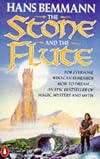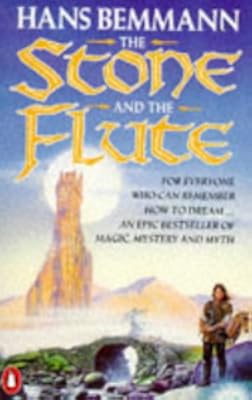
The Stone and the Flute
by Hans Bemmann
On This Page
Description
A lengthy book about young Listener and his quest for self-fulfillment.Tags
Recommendations


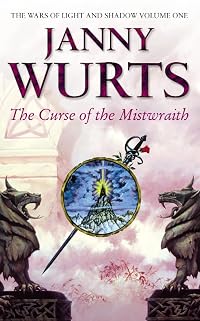

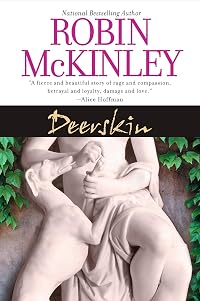
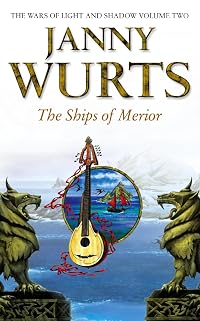


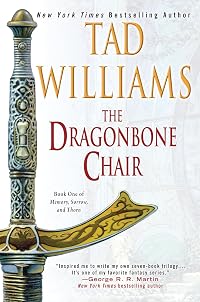

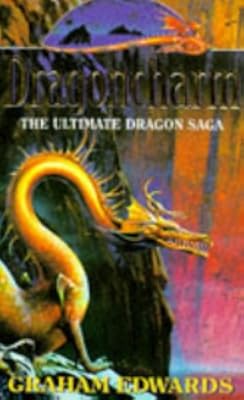
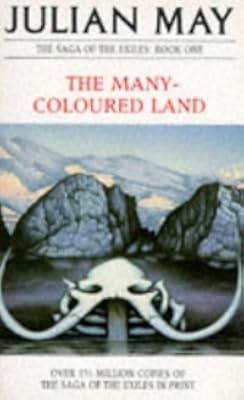
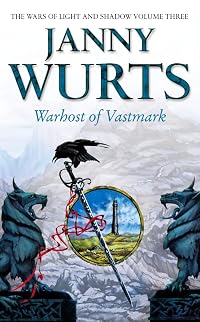
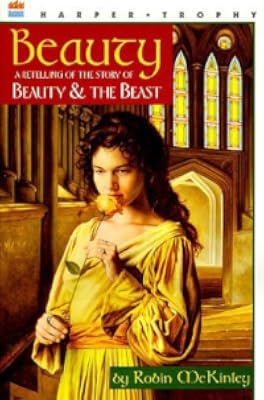
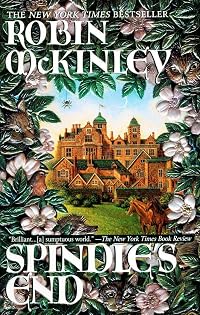


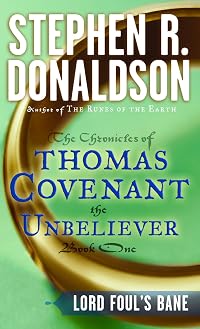

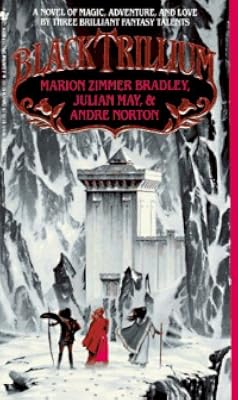


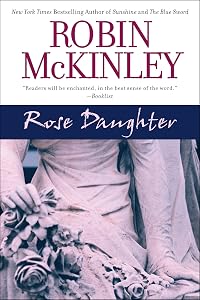
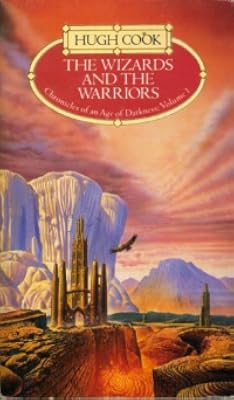

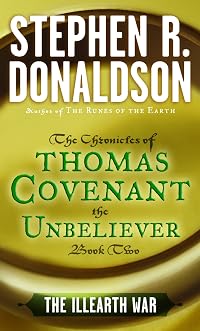
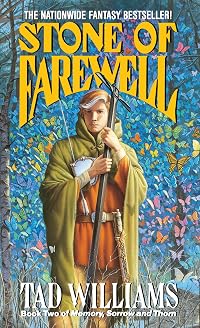


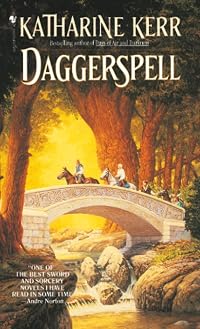
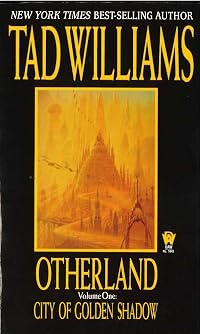


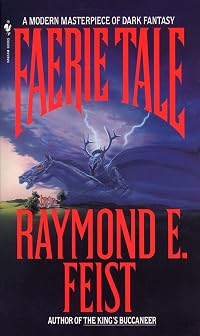
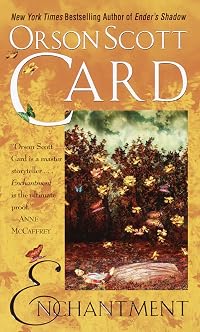


Member Recommendations
Member Reviews
Wat een boek! Wat een verhaal! Ik mag er dan wel een half jaar over gedaan hebben het volledig te lezen, het was het waard. Er zit meer in dan een sprookjesachtig vertelseltje. Hans Bemmann schreef boeken met een boodschap, met een filosofische insteek.
Het handige aan dit boek - behalve de inhoudstabel die het boek een sprookjesachtige indruk geeft - is dat het opgedeeld is in 3 "boeken", waarbij elk "boek" wordt voorafgegaan door een korte beschrijving van wat er zal gebeuren. Een soort shortlist. Dat is ook handig, omdat het niet altijd eenvoudig is te herinneren wat Lauscher allemaal meegemaakt heeft. Wat en hoe het daadwerkelijk gebeurt, kom je pas te weten als je verderleest.
Het hoofdpersonage, Lauscher (luistervink, show more [af]luisteraar), wordt op weg gestuurd, de wijde wereld in om zo z'n doel in het leven te vinden, te groeien als mens en man. Het begint allemaal met een gevecht tegen de Beutereiters (ofte een groep plunderaars te paard). Wanneer de aanvoerder, Arni, geveld wordt, tracht Lauscher bij hem EHBO toe te passen, maar alle hulp komt te laat. Arni is echter geen slechte kerel - z'n broer Hünli daarentegen... - en bedankt Lauscher door hem een magische steen te schenken. Die steen zal Lauscher de weg wijzen, hem begeleiden in z'n queeste naar zichzelf, naar z'n plaats in de wereld.
De fluit, het tweede element in de titel 'Stein und Flöte', krijgt hij van z'n grootvader, die hij op aandringen van z'n ouders gaat opzoeken in het bos, maar daarvoor moet hij wel een eindje rijden of stappen. Deze fluit is, net als de steen, magisch. Hoe je hem gebruikt, speelt een grote rol in je later ervaringen. Vanzelfsprekend dient Lauscher eerst z'n fluittalent wat op te krikken alvorens z'n grootvader vindt dat ie de fluit verdient heeft.
Onderweg beleeft Lauscher inderdaad veel avonturen, maar hij leert ook de wereld eruitziet, hoe het eraan toegaat buiten zijn gekende dorpsgrenzen. Een echte eye-opener, zoals ze dat noemen, want Lauscher is best wel wereldvreemd. Zo wereldvreemd en naïef dat hij wildvreemde mensen niet direct wantrouwt, maar ervan uitgaat dat ze geen slechte bijbedoelingen hebben. Dit breekt hem uiteraard vaak zuur op. Een ezel stoot zich geen twee keer aan dezelfde steen, maar bij Lauscher zijn het stenen van een ander kaliber. Uiteraard leert Lauscher eruit, maar slechts beetje bij beetje.
Naast ontmoetingen met andere volkeren, zijn interacties met de natuur en bepaalde diersoorten evenzeer een belangrijk gegeven doorheen het boek. De dieren worden enigszins vermenselijkt, maar dat kan ook niet anders wanneer Lauscher plots ermee kan communiceren. Van heinde en ver is men op de hoogte van Arni's (positieve) kijk op het leven, hoewel niet iedereen die kijk deelt. Lauscher ondervindt het regelmatig, maar zelf weet hij niet wat die kijk precies inhoudt en denkt hij dat hij juist handelt in deze of gene situatie. Totdat er later in het verhaal hier en daar een lichtje begint te branden.
'Stein und Flöte' is een verhaal dat traag moet gelezen worden, anders mis je veel, mis je bepaalde details die je tot nadenken aanzetten. Er is overigens niet zoveel actie, althans niet de actie zoals in de traditionele fantasyverhalen. Het is anders. Het leest als een sprookje, maar is het niet. Alles speelt zich af in een fantasysetting, maar het is geen traditioneel fantasyverhaal. Liefde, haat, nijd, vriendschap, verdriet, vergiffenis, ... het zit er allemaal in.
Hans Bemmann heeft er ook filosofische stukjes ingestopt, waaronder de link tussen oorzaak en gevolg of goed vs kwaad. Hoe bepaalde oorzaken niet altijd bij de ander ontstaan, maar vaak bij jezelf; jij, die de bal aan het rollen brengt, ook al besef je dat niet en is het daarna moeilijk dat te beseffen of zelfs recht te zetten.
De schrijfstijl is zeer kleurrijk, gedetailleerd, levendig. Althans in het Duits. Een schilderij van woorden, al klinkt het wat lullig. Het is alleszins een van de beste verhalen die ik ooit gelezen heb.
Het boek werd lang geleden vertaald naar het Nederlands, het Engels, enz... maar in hoeverre de Nederlandse versie nog te vinden is (ook in de bibliotheek), weet ik niet.
In ieder geval kan ik de Duitse versie sterk aanraden!
Qua moeilijkheidsgraad gok ik dat het een B2/C1 is. Het is zeker niet voor wie enkel een basiskennis Duits heeft. show less
Het handige aan dit boek - behalve de inhoudstabel die het boek een sprookjesachtige indruk geeft - is dat het opgedeeld is in 3 "boeken", waarbij elk "boek" wordt voorafgegaan door een korte beschrijving van wat er zal gebeuren. Een soort shortlist. Dat is ook handig, omdat het niet altijd eenvoudig is te herinneren wat Lauscher allemaal meegemaakt heeft. Wat en hoe het daadwerkelijk gebeurt, kom je pas te weten als je verderleest.
Het hoofdpersonage, Lauscher (luistervink, show more [af]luisteraar), wordt op weg gestuurd, de wijde wereld in om zo z'n doel in het leven te vinden, te groeien als mens en man. Het begint allemaal met een gevecht tegen de Beutereiters (ofte een groep plunderaars te paard). Wanneer de aanvoerder, Arni, geveld wordt, tracht Lauscher bij hem EHBO toe te passen, maar alle hulp komt te laat. Arni is echter geen slechte kerel - z'n broer Hünli daarentegen... - en bedankt Lauscher door hem een magische steen te schenken. Die steen zal Lauscher de weg wijzen, hem begeleiden in z'n queeste naar zichzelf, naar z'n plaats in de wereld.
De fluit, het tweede element in de titel 'Stein und Flöte', krijgt hij van z'n grootvader, die hij op aandringen van z'n ouders gaat opzoeken in het bos, maar daarvoor moet hij wel een eindje rijden of stappen. Deze fluit is, net als de steen, magisch. Hoe je hem gebruikt, speelt een grote rol in je later ervaringen. Vanzelfsprekend dient Lauscher eerst z'n fluittalent wat op te krikken alvorens z'n grootvader vindt dat ie de fluit verdient heeft.
Onderweg beleeft Lauscher inderdaad veel avonturen, maar hij leert ook de wereld eruitziet, hoe het eraan toegaat buiten zijn gekende dorpsgrenzen. Een echte eye-opener, zoals ze dat noemen, want Lauscher is best wel wereldvreemd. Zo wereldvreemd en naïef dat hij wildvreemde mensen niet direct wantrouwt, maar ervan uitgaat dat ze geen slechte bijbedoelingen hebben. Dit breekt hem uiteraard vaak zuur op. Een ezel stoot zich geen twee keer aan dezelfde steen, maar bij Lauscher zijn het stenen van een ander kaliber. Uiteraard leert Lauscher eruit, maar slechts beetje bij beetje.
Naast ontmoetingen met andere volkeren, zijn interacties met de natuur en bepaalde diersoorten evenzeer een belangrijk gegeven doorheen het boek. De dieren worden enigszins vermenselijkt, maar dat kan ook niet anders wanneer Lauscher plots ermee kan communiceren. Van heinde en ver is men op de hoogte van Arni's (positieve) kijk op het leven, hoewel niet iedereen die kijk deelt. Lauscher ondervindt het regelmatig, maar zelf weet hij niet wat die kijk precies inhoudt en denkt hij dat hij juist handelt in deze of gene situatie. Totdat er later in het verhaal hier en daar een lichtje begint te branden.
'Stein und Flöte' is een verhaal dat traag moet gelezen worden, anders mis je veel, mis je bepaalde details die je tot nadenken aanzetten. Er is overigens niet zoveel actie, althans niet de actie zoals in de traditionele fantasyverhalen. Het is anders. Het leest als een sprookje, maar is het niet. Alles speelt zich af in een fantasysetting, maar het is geen traditioneel fantasyverhaal. Liefde, haat, nijd, vriendschap, verdriet, vergiffenis, ... het zit er allemaal in.
Hans Bemmann heeft er ook filosofische stukjes ingestopt, waaronder de link tussen oorzaak en gevolg of goed vs kwaad. Hoe bepaalde oorzaken niet altijd bij de ander ontstaan, maar vaak bij jezelf; jij, die de bal aan het rollen brengt, ook al besef je dat niet en is het daarna moeilijk dat te beseffen of zelfs recht te zetten.
De schrijfstijl is zeer kleurrijk, gedetailleerd, levendig. Althans in het Duits. Een schilderij van woorden, al klinkt het wat lullig. Het is alleszins een van de beste verhalen die ik ooit gelezen heb.
Het boek werd lang geleden vertaald naar het Nederlands, het Engels, enz... maar in hoeverre de Nederlandse versie nog te vinden is (ook in de bibliotheek), weet ik niet.
In ieder geval kan ik de Duitse versie sterk aanraden!
Qua moeilijkheidsgraad gok ik dat het een B2/C1 is. Het is zeker niet voor wie enkel een basiskennis Duits heeft. show less
VIDEO VERSION:
The Stone and The Flute by Hans Bemmann
The Stone and The Flute by Hans Bemmann was a humbling book to read. When I first read it back in high school, I wrote a review for it in the newsletter of our science fiction and fantasy club. The one thing I vividly remember stating in that review was that the mark of a great book is one that can make you laugh out loud and cry tears onto the pages. Since I was only in high school, I hadn't read many books with the power to do that. The Stone and The Flute made me weep and laugh aloud on multiple occasions.
I still believe that to chuckle and shed a tear is the barometer of a great story. There are good stories that don't touch your emotions in that way. But great stories? All great show more stories take you through that range of feelings. Any book that can make you feel such joy that you are laughing out loud and such sorrow that you actually sob, is awe inspiring. Not many novels have that kind of power in them, to run through a full spectrum of human emotions.
Author Hans Bemmann was 60 years old when he wrote The Stone and The Flute and it shows in his writing. I don't think a 20 or 30 or 40 year old author would be capable of writing something like this. When I read the book as a teenager, I was already on my way to being a writer. What I read in The Stone and The Flute was both humbling and inspiring. Humbling because I knew at my age, I couldn't possibly write a book that came close to approaching this. Inspiring because it made me realize how much I had to learn and that maybe in 50 years, I'd be able to create something that wondrous and magical. His achievement is even more amazing when you consider that he only wrote 7 novels in his lifetime and he had only written one novel before this. The Stone and The Flute was only his sophomore effort!
When we're children and teenagers, we often think we're totally awesome. We can do anything. We can do things just as good as any adult. We feel absolutely confident and sure of ourselves. The Stone and The Flute was the first time in my life that my arrogance over writing was schooled and given a smackdown. The Stone and The Flute was the first time I read something where I truly realized I was incapable of creating something that good. And I wouldn't learn how to become that good in one year or 5 years or 10 years. I realized this book was the culmination of a writer who had been honing his craft for decades and I had nothing on him.
The main character of The Stone and The Flute is a young boy named Listener and the novel begins with his birth and ends with his death. Now, I apologize if you feel that revelation is a spoiler. I don't see it as one. Revealing that the book spans the entire lifetime of a character is, to me, a wonderful selling point. After all, this is the only story I have never discovered in my entire life with the ambition to attempt such an audacious undertaking as spanning an entire lifetime. How many characters have you ever read about where you get to watch the whole of their lifetime? I've never seen any short story or novel try such a thing before. Thus, moreso than any other book I know, you come to really feel for the character of Listener. By the time you reach the end of the book, you feel you have known Listener longer than anyone else you ever met. He becomes your oldest friend. From his innocence of childhood, to his insolence of being a teenager, to his adventures as an adult, to his dignified journey into old age, you are by his side. You are a witness to all of his life.
The tone of the book is magnificent. It has the pace and demeanor of a Grimm's Faerie Tale but it's over 800 pages long! Now, I don't know if you ever sat down and actually read any of the Grimm's Faerie Tales, but to have a story of this length and magnitude maintain such a storybook resonance is utterly spellbinding. Here's the first few paragraphs:
Once upon a time a boy was born in Fraglund, and this is his strange story. His father was a mighty man whom folk called the Great Roarer: he was tall and burly, and liked to wear his shirt open on his hairy chest. His was a tempestuous nature. One moment, he would fly into a terrible rage, the next he would be shaking with loud laughter. Yet he was known as a just man, and so the people of Fraglund had asked him to come from far away to be judge over them in that part of the country.
Now when the Great Roarer came to Fraglund to take up his duties, he brought his wife with him, a quiet woman who kept so much out of the public eye that at first many thought she was not wedded to him. She was said to be the daughter of the Gentle Fluter, of whose arts they had heard in Fraglund, although he lived very far away, beyond the great forest of Barlebogue. Folk said his fluting was so sweet that even the birds would fall still to listen to him, and so soothing to the spirit that many a man's quarrel had been settled by the notes of his flute alone.
Such a splendid beginning. And the book maintains that storybook atmosphere for all 855 pages. Beginning to end.
Listener is unlike any other fictional character I have seen because he is portrayed so realistically. He isn't always heroic. He is occasionally downright villainous. Yet deep inside, he means well and does come to repent for his wrongs. In other words, he's a lot like you. that is ultimately what is so profound about this story. The journey is a metaphor into your own life, and no matter what your age when you read this book, you will at some point experience the story at the same age as Listener. Because of that, he becomes relatable to everyone. We easily see our own past and present and future in his life and it makes us all the more cognizant of how important our past and future decisions shall prove to become.
As an American, I'm not sure what the world of books and literature is like in other English speaking countries like England and Australia. However, I presume that most of us are exposed to similar books. Maybe I'm wrong, but I tend to imagine that bestselling authors in America and England are, for the most part, the same batches people. I know in America, we don't often have the chance to read great books and novels from other cultures. The Stone and The Flute by Hans Bemmann was originally written in German and translated into English by Anthea Bell. Other than The Never Ending Story, it may be, in fact I'm almost certain it is, the only book I've ever read that was not authored by someone who natively speaks English. Not only was this a wonderful story, but it also made me realize what a shame it is that all people all over the world miss out on storytelling which never gets translated into our native tongues. How many great stories are out there in French and German and Japanese and Russian and Spanish that I will never get to read in my lifetime? Authors we will never hear about. Books we will never know existed.
One of the greatest things about language is the ability to articulate the commonality of the human condition. The most memorable sentences we ever read tend to be the ones which eloquently express those intimate life experiences that we think no one else ever goes through. We come across a sentence in a book and we say, "Oh, my gosh! This person thinks that everytime they step into the shower!? I do that too!" That is the commonality of the human condition. That's one of the most inspiring and uplifting things to encounter in writing. That serendipity of realizing we relate to each other as people in ways we never expected. And to think, all those books, from all those cultures, written in languages that will never be translated, how much we are missing. How many beautiful stories we will never have the chance to share.
But, thanks to Anthea Bell, The Stone and The Flute by Hans Bemmann is not one of those stories. This glorious German masterpiece is a story that the entire English-speaking world can enjoy. That is reason enough to read this story. Read a copy of The Stone and The Flute and expose yourself to a viewpoint from another culture and see the beauty of a lifetime through the eyes of another world. show less
The Stone and The Flute by Hans Bemmann
The Stone and The Flute by Hans Bemmann was a humbling book to read. When I first read it back in high school, I wrote a review for it in the newsletter of our science fiction and fantasy club. The one thing I vividly remember stating in that review was that the mark of a great book is one that can make you laugh out loud and cry tears onto the pages. Since I was only in high school, I hadn't read many books with the power to do that. The Stone and The Flute made me weep and laugh aloud on multiple occasions.
I still believe that to chuckle and shed a tear is the barometer of a great story. There are good stories that don't touch your emotions in that way. But great stories? All great show more stories take you through that range of feelings. Any book that can make you feel such joy that you are laughing out loud and such sorrow that you actually sob, is awe inspiring. Not many novels have that kind of power in them, to run through a full spectrum of human emotions.
Author Hans Bemmann was 60 years old when he wrote The Stone and The Flute and it shows in his writing. I don't think a 20 or 30 or 40 year old author would be capable of writing something like this. When I read the book as a teenager, I was already on my way to being a writer. What I read in The Stone and The Flute was both humbling and inspiring. Humbling because I knew at my age, I couldn't possibly write a book that came close to approaching this. Inspiring because it made me realize how much I had to learn and that maybe in 50 years, I'd be able to create something that wondrous and magical. His achievement is even more amazing when you consider that he only wrote 7 novels in his lifetime and he had only written one novel before this. The Stone and The Flute was only his sophomore effort!
When we're children and teenagers, we often think we're totally awesome. We can do anything. We can do things just as good as any adult. We feel absolutely confident and sure of ourselves. The Stone and The Flute was the first time in my life that my arrogance over writing was schooled and given a smackdown. The Stone and The Flute was the first time I read something where I truly realized I was incapable of creating something that good. And I wouldn't learn how to become that good in one year or 5 years or 10 years. I realized this book was the culmination of a writer who had been honing his craft for decades and I had nothing on him.
The main character of The Stone and The Flute is a young boy named Listener and the novel begins with his birth and ends with his death. Now, I apologize if you feel that revelation is a spoiler. I don't see it as one. Revealing that the book spans the entire lifetime of a character is, to me, a wonderful selling point. After all, this is the only story I have never discovered in my entire life with the ambition to attempt such an audacious undertaking as spanning an entire lifetime. How many characters have you ever read about where you get to watch the whole of their lifetime? I've never seen any short story or novel try such a thing before. Thus, moreso than any other book I know, you come to really feel for the character of Listener. By the time you reach the end of the book, you feel you have known Listener longer than anyone else you ever met. He becomes your oldest friend. From his innocence of childhood, to his insolence of being a teenager, to his adventures as an adult, to his dignified journey into old age, you are by his side. You are a witness to all of his life.
The tone of the book is magnificent. It has the pace and demeanor of a Grimm's Faerie Tale but it's over 800 pages long! Now, I don't know if you ever sat down and actually read any of the Grimm's Faerie Tales, but to have a story of this length and magnitude maintain such a storybook resonance is utterly spellbinding. Here's the first few paragraphs:
Once upon a time a boy was born in Fraglund, and this is his strange story. His father was a mighty man whom folk called the Great Roarer: he was tall and burly, and liked to wear his shirt open on his hairy chest. His was a tempestuous nature. One moment, he would fly into a terrible rage, the next he would be shaking with loud laughter. Yet he was known as a just man, and so the people of Fraglund had asked him to come from far away to be judge over them in that part of the country.
Now when the Great Roarer came to Fraglund to take up his duties, he brought his wife with him, a quiet woman who kept so much out of the public eye that at first many thought she was not wedded to him. She was said to be the daughter of the Gentle Fluter, of whose arts they had heard in Fraglund, although he lived very far away, beyond the great forest of Barlebogue. Folk said his fluting was so sweet that even the birds would fall still to listen to him, and so soothing to the spirit that many a man's quarrel had been settled by the notes of his flute alone.
Such a splendid beginning. And the book maintains that storybook atmosphere for all 855 pages. Beginning to end.
Listener is unlike any other fictional character I have seen because he is portrayed so realistically. He isn't always heroic. He is occasionally downright villainous. Yet deep inside, he means well and does come to repent for his wrongs. In other words, he's a lot like you. that is ultimately what is so profound about this story. The journey is a metaphor into your own life, and no matter what your age when you read this book, you will at some point experience the story at the same age as Listener. Because of that, he becomes relatable to everyone. We easily see our own past and present and future in his life and it makes us all the more cognizant of how important our past and future decisions shall prove to become.
As an American, I'm not sure what the world of books and literature is like in other English speaking countries like England and Australia. However, I presume that most of us are exposed to similar books. Maybe I'm wrong, but I tend to imagine that bestselling authors in America and England are, for the most part, the same batches people. I know in America, we don't often have the chance to read great books and novels from other cultures. The Stone and The Flute by Hans Bemmann was originally written in German and translated into English by Anthea Bell. Other than The Never Ending Story, it may be, in fact I'm almost certain it is, the only book I've ever read that was not authored by someone who natively speaks English. Not only was this a wonderful story, but it also made me realize what a shame it is that all people all over the world miss out on storytelling which never gets translated into our native tongues. How many great stories are out there in French and German and Japanese and Russian and Spanish that I will never get to read in my lifetime? Authors we will never hear about. Books we will never know existed.
One of the greatest things about language is the ability to articulate the commonality of the human condition. The most memorable sentences we ever read tend to be the ones which eloquently express those intimate life experiences that we think no one else ever goes through. We come across a sentence in a book and we say, "Oh, my gosh! This person thinks that everytime they step into the shower!? I do that too!" That is the commonality of the human condition. That's one of the most inspiring and uplifting things to encounter in writing. That serendipity of realizing we relate to each other as people in ways we never expected. And to think, all those books, from all those cultures, written in languages that will never be translated, how much we are missing. How many beautiful stories we will never have the chance to share.
But, thanks to Anthea Bell, The Stone and The Flute by Hans Bemmann is not one of those stories. This glorious German masterpiece is a story that the entire English-speaking world can enjoy. That is reason enough to read this story. Read a copy of The Stone and The Flute and expose yourself to a viewpoint from another culture and see the beauty of a lifetime through the eyes of another world. show less
Tredici anni erano passati dall'ultima volta che avevo finito questo libro. Un mondo di eventi che mi hanno cambiato più volte, vittorie e sconfitte, gioia e tristezza.
Non sono più lo stesso ragazzo che nel 1996 prese per la prima volta in mano questa opera di Bemmann, né quello che tre anni dopo sfogliò l'ultima pagina per la quarta e fino ad oggi ultima volta.
Ma il fascino di questa storia, quello no, è rimasto praticamente immutato. Da giovane ne apprezzai soprattutto le atmosfere e suggestioni, quel sapore di fiaba nordica così diverso dal fantasy a cui ero abituato, capace però di trattare il lettore con rispetto, non come un bambino.
La pietra e il flauto tratta della vita di Orilio, dalla sua nascita alla sua morte ed è show more anche la vita di molti di noi. Dopo tanti anni sono riuscito a cogliere tra le allegorie molti elementi che a 16 anni mi erano sfuggiti, la contrapposizione tra il flauto e la pietra (ambizione e sogni?); il significato della sua trasformazione in Occhiodipietra prima e in statua poi (la perdita della propria natura e la disperazione? Un tentativo di suicidio e il coma forse?); il maledetto Grigio (l'oscurità che c'è in tutti noi); la guerra dei buffoni a Barleboog. Ho in testa tutta una serie di teorie su vari elementi, peccato che senza il caro Hans Bemmann (passato a miglior vita nel 2003) non saprò mai se corrispondono o meno a realtà. Ma forse è meglio così.
Immancabile la nota di merito alle poesie: non so come suonassero in originale, ma l'ottima traduzione ne rende alcune memorabili. Le mie preferite sono quella che suona Orilio mentre sogna di andare dai seguaci di Arni, la filastrocca scritta sulla boccia che tramuta in pietra e la canzone del Verde.
Ho solo un paio di appunti ad un libro altrimenti perfetto.
Il primo è che secondo me la storia perde molto quando i suoi personaggi si mettono a fare la morale. La filosofia di Bemmann traspira ad ogni pagina e l'effetto è suggestivo quando l'autore parla per allegorie. In un paio di punti il messaggio è più esplicito (per bocca del Dolce Flautista o di Orilio), ma l'effetto è un po' "pesante", come se qualcuno raccontasse una barzelletta e poi cominciasse a spiegarla.
Il secondo, più grave, è l'incredibile facilità con cui i predoni decidono di abbandonare la steppa per andare ad abitare intorno ad Arziak dai Tassi della Montagna, grazie al solo volere di Belarni. Precedentemente nel testo, personaggi come il Dolce Flautista o Arni (quantomento il suo spirito) ci fanno più volte la ramanzina su quanto sia inutile e addirittura dannoso cercare di cambiare la natura delle persone. Orilio, colpevole di aver influenzato i cavalli dell'orda affinché si rifiutino di portare i predoni nei loro attacchi alle popolazioni vicine, è costretto ad assistere impotente all'enorme disastro conseguente, il Grande Attacco in cui i Seguaci di Arni sono sterminati e i Tassi dell Montagna accusano un duro colpo.
Nonostante questo appena il nuovo khan Belarni, dopo la batosta rimediata sui monti, comanda all'orda di abbandonare il suo stile di vita e ai suoi suoi sudditi di diventare mandriani a Vallepiana, come per magia tutti si adeguano e i predoni cessano semplicemente di esistere. Certo ci sono alcuni piccoli problemi tra un gruppo di cavallerizzi e la corporazione degli orafi, ma il loro scontro (per quanto tragico) è al livello di scaramucce tra due gruppi di "ultras", non tra due popoli completamente diversi trovatisi a vivere nello stesso posto. Credo che qui Hans Bemmann si sia un po' contraddetto. Belarni, preoccupato a mantenere l'ordine in città, ne parla con Orilio che gli risponde seguendo la filosofia di Arni, ma ripeto, la dimensione del problema è troppo ridotta per come era stato presentato in precedenza.
A parte ciò un libro meraviglioso, oggi più di ieri e forse domani più di oggi. Tra qualche anno lo riprenderò in mano, chissà che non riesca a raccontarmi ancora qualcosa di nuovo.
「Vecchia recensione」
Splendido
La pietra e il flauto è un romanzo ingiustamente sottovalutato che narra l'agitata vita di Orilio, un uomo in possesso di una pietra "magica" e di un flauto incantato.
Da parte mia è il più bel libro fantasy che abbia mai letto: il protagonista è un personaggio in continua crescita e nonostante la sua esperienza commette molti errori di valutazione, cosa che lo fa apparire fallibile, umano e vicino al lettore. Inoltre la storia non narra "una" avventura, ma un'intera vita che quindi può essere considerata come LA avventura per eccellenza.
Gli elementi fiabeschi sono resi in maniera sublime e chi cerca un fantasy diverso da quello in stile "Signore degli Anelli" e più vicino alle fiabe del nord europa troverà un'ottima lettura in questo libro.
Menzione d'onore alle poesie, stupende e molto musicali grazie anche ad una traduzione molto ben fatta. show less
Non sono più lo stesso ragazzo che nel 1996 prese per la prima volta in mano questa opera di Bemmann, né quello che tre anni dopo sfogliò l'ultima pagina per la quarta e fino ad oggi ultima volta.
Ma il fascino di questa storia, quello no, è rimasto praticamente immutato. Da giovane ne apprezzai soprattutto le atmosfere e suggestioni, quel sapore di fiaba nordica così diverso dal fantasy a cui ero abituato, capace però di trattare il lettore con rispetto, non come un bambino.
La pietra e il flauto tratta della vita di Orilio, dalla sua nascita alla sua morte ed è show more anche la vita di molti di noi. Dopo tanti anni sono riuscito a cogliere tra le allegorie molti elementi che a 16 anni mi erano sfuggiti, la contrapposizione tra il flauto e la pietra (ambizione e sogni?); il significato della sua trasformazione in Occhiodipietra prima e in statua poi (la perdita della propria natura e la disperazione? Un tentativo di suicidio e il coma forse?); il maledetto Grigio (l'oscurità che c'è in tutti noi); la guerra dei buffoni a Barleboog. Ho in testa tutta una serie di teorie su vari elementi, peccato che senza il caro Hans Bemmann (passato a miglior vita nel 2003) non saprò mai se corrispondono o meno a realtà. Ma forse è meglio così.
Immancabile la nota di merito alle poesie: non so come suonassero in originale, ma l'ottima traduzione ne rende alcune memorabili. Le mie preferite sono quella che suona Orilio mentre sogna di andare dai seguaci di Arni, la filastrocca scritta sulla boccia che tramuta in pietra e la canzone del Verde.
Ho solo un paio di appunti ad un libro altrimenti perfetto.
Il primo è che secondo me la storia perde molto quando i suoi personaggi si mettono a fare la morale. La filosofia di Bemmann traspira ad ogni pagina e l'effetto è suggestivo quando l'autore parla per allegorie. In un paio di punti il messaggio è più esplicito (per bocca del Dolce Flautista o di Orilio), ma l'effetto è un po' "pesante", come se qualcuno raccontasse una barzelletta e poi cominciasse a spiegarla.
Il secondo, più grave, è l'incredibile facilità con cui i predoni decidono di abbandonare la steppa per andare ad abitare intorno ad Arziak dai Tassi della Montagna, grazie al solo volere di Belarni. Precedentemente nel testo, personaggi come il Dolce Flautista o Arni (quantomento il suo spirito) ci fanno più volte la ramanzina su quanto sia inutile e addirittura dannoso cercare di cambiare la natura delle persone. Orilio, colpevole di aver influenzato i cavalli dell'orda affinché si rifiutino di portare i predoni nei loro attacchi alle popolazioni vicine, è costretto ad assistere impotente all'enorme disastro conseguente, il Grande Attacco in cui i Seguaci di Arni sono sterminati e i Tassi dell Montagna accusano un duro colpo.
Nonostante questo appena il nuovo khan Belarni, dopo la batosta rimediata sui monti, comanda all'orda di abbandonare il suo stile di vita e ai suoi suoi sudditi di diventare mandriani a Vallepiana, come per magia tutti si adeguano e i predoni cessano semplicemente di esistere. Certo ci sono alcuni piccoli problemi tra un gruppo di cavallerizzi e la corporazione degli orafi, ma il loro scontro (per quanto tragico) è al livello di scaramucce tra due gruppi di "ultras", non tra due popoli completamente diversi trovatisi a vivere nello stesso posto. Credo che qui Hans Bemmann si sia un po' contraddetto. Belarni, preoccupato a mantenere l'ordine in città, ne parla con Orilio che gli risponde seguendo la filosofia di Arni, ma ripeto, la dimensione del problema è troppo ridotta per come era stato presentato in precedenza.
A parte ciò un libro meraviglioso, oggi più di ieri e forse domani più di oggi. Tra qualche anno lo riprenderò in mano, chissà che non riesca a raccontarmi ancora qualcosa di nuovo.
「Vecchia recensione」
Splendido
La pietra e il flauto è un romanzo ingiustamente sottovalutato che narra l'agitata vita di Orilio, un uomo in possesso di una pietra "magica" e di un flauto incantato.
Da parte mia è il più bel libro fantasy che abbia mai letto: il protagonista è un personaggio in continua crescita e nonostante la sua esperienza commette molti errori di valutazione, cosa che lo fa apparire fallibile, umano e vicino al lettore. Inoltre la storia non narra "una" avventura, ma un'intera vita che quindi può essere considerata come LA avventura per eccellenza.
Gli elementi fiabeschi sono resi in maniera sublime e chi cerca un fantasy diverso da quello in stile "Signore degli Anelli" e più vicino alle fiabe del nord europa troverà un'ottima lettura in questo libro.
Menzione d'onore alle poesie, stupende e molto musicali grazie anche ad una traduzione molto ben fatta. show less
I read this book a number of years ago and while I enjoyed it, it wasn't particularly memorable.
I read this a long time ago - it's well worth a re-read! It's a great story but it takes forever to read.
So bad I couldn't finish it.
"Фентъзи" написано линейно и с изказа на приказка. Ако обичате да четете приказки, може и да ви хареса.
Members
- Recently Added By
Lists

Best Fantasy Originally Published in a Language Other Than English
84 works; 25 members

Pleasant Surprises: Books That Exceeded Our Expectations
418 works; 143 members

Beste deutschsprachige Fantasy
28 works; 2 members

Metamorphoses
35 works; 4 members

Speculative Fiction from around the World
610 works; 17 members
Author Information

Some Editions
Awards and Honors
Series
Belongs to Publisher Series
Common Knowledge
- Canonical title
- The Stone and the Flute
- Original title
- Stein und Flöte und das ist noch nicht alles
- Original publication date
- 1983 (German) (German); 1986 (English translation) (English translation); 1989 (Serbian translation) (Serbian translation)
- People/Characters
- Listener
- First words
- Once upon a time a boy was born in Fraglund, and this is his strange story.
- Last words
- (Click to show. Warning: May contain spoilers.)What went before was only a faint dream of the beginning, not all, no, very far from all.
- Original language
- German
Classifications
- Genres
- Fiction and Literature, Fantasy
- DDC/MDS
- 833.914 — Literature & rhetoric German & related literatures German fiction 1900- 1900-1990 1945-1990
- LCC
- PT2603 .E422 .S7413 — Language and Literature German, Dutch and Scandinavian literatures German literature Individual authors or works 1860/70-1960
- BISAC
Statistics
- Members
- 523
- Popularity
- 57,032
- Reviews
- 8
- Rating
- (3.54)
- Languages
- Dutch, English, German, Italian
- Media
- Paper, Audiobook, Ebook
- ISBNs
- 20
- ASINs
- 5