
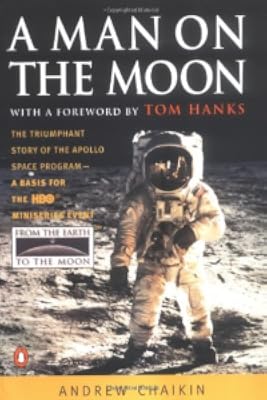
A Man on the Moon: The Voyages of the Apollo Astronauts
by Andrew Chaikin
On This Page
Description
On the night of July 20, 1969, our world changed forever when two Americans, Neil Armstrong and Buzz Aldrin, walked on the moon. Now the greatest event of the twentieth century is magnificently retold through the eyes and ears of the people who were there. Based on the interviews with twenty-three moon voyagers, as well as those who struggled to get the program moving, journalist Andrew Chaikin conveys every aspect of the missions with breathtaking immediacy: from the rush of liftoff, to the show more heart-stopping lunar touchdown, to the final hurdle of reentry. show lessTags
Recommendations






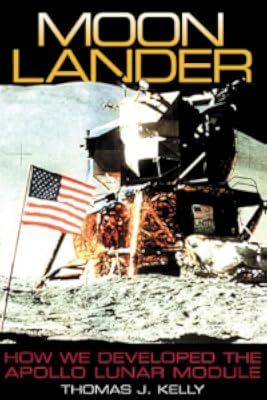
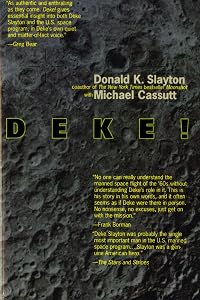
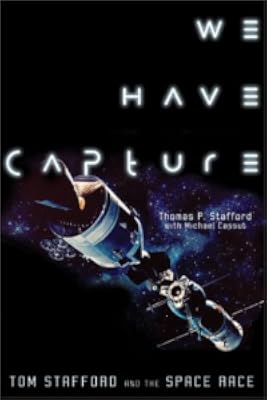
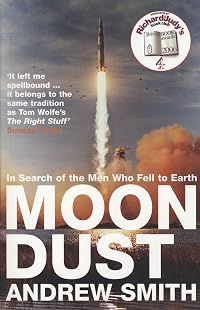







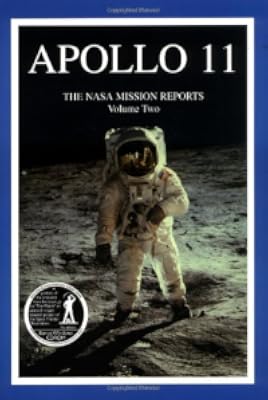
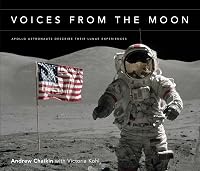

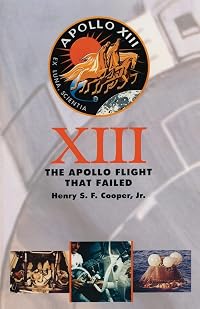

Member Recommendations

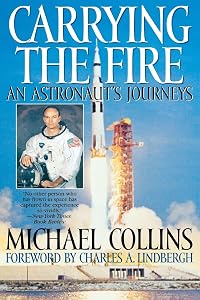
paulkid Chaikin gives a respectful account of the later astronauts' journeys and their personalities, while Wolfe gives irreverent and hilarious depictions of the mood and personalities surrounding the beginning of the space race (ie, Mercury and pre-Mercury).
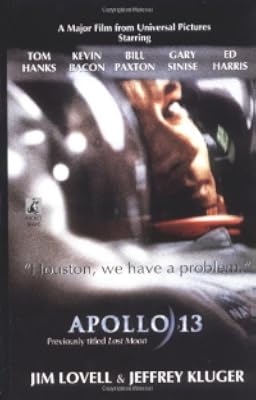
paulkid I found Jim Lovell's account of Apollo 13 more gripping and technically explicative than any of Chaikin's stories. Of course, "Lost Moon" did not address the geological exploration of the moon; Chaikin's book is a good choice if you're interested in that.
Member Reviews
Andrew Chaikin's detailed account of the Apollo space program focuses as much or more on the experiences, thoughts and reactions of the people involved than on the technical details, drawing on extensive interviews with astronauts and others to bring those experiences to life. At 600+ pages, it might be a little slow in places, but the descriptions of the missions themselves, which make up the bulk of the book, are vivid and exciting, at least to a lifelong space enthusiast like me. The sheer, marvelous audacity of the whole enterprise comes across very well, leading me several times to look up from the book, lean back and shake my head thinking, "This is surely the craziest, most improbable, most wonderful thing we human beings have show more ever done!" But more than that, Chaikin manages to effectively convey the simple reality of it all. These astronauts, we are reminded, were just ordinary guys -- well, all right, perhaps slightly extraordinary guys -- walking around a real and solid landscape cracking jokes, getting excited about interesting rocks, cursing at uncooperative equipment, and falling victim to that "so much to do, so little time!" feeling familiar to anyone who's ever over-scheduled a vacation. The you-are-there feeling of real people doing real things is sometimes almost overwhelming. Unfortunately, so is the sense of sadness at the thought that it's been a terribly long time since anyone's done anything at all on the moon, however optimistic Chaikin might try to be about the possible future of space exploration.
I've read quite a few books on this period in the American space program, from the excellent to the terrible; this is one of the ones I would most highly recommend. show less
I've read quite a few books on this period in the American space program, from the excellent to the terrible; this is one of the ones I would most highly recommend. show less
This 1994 take on the Apollo program is very highly regarded. It was a key source to the movie Apollo 13.
Chaikin* writes the history as narrative nonfiction. It's engaging and has several glued to your seat moments. He focuses on the astronauts, who he interviewed. Every Apollo mission from Apollo 8 through 17 has its spectacular moments. Chaikin does a good job of catching the key moments, capturing the personalities, and not repeating himself. There are ten lift-offs, but he only focuses on two, for example, and one of those involved a lightning strike (Apollo 12).
I was engaged throughout. But I have few minor criticisms. One is that by focusing on the astronauts, he really neglects the other 400,000 people involved in these show more missions. We just get the tourists riding the rides, but not much of the science and background. (But we do get a lot of science). Another is that it seems he may not have interviewed Deke Slayton, who was alive. Slayton is the mysterious figure who made all the key astronaut-related personnel decisions. We never get a sense of who he was behind how he was viewed by others. And the last is that by focusing on Apollo and narrative high points, Chaikin leaves out a lot of foundation. He backfills in John Glenn, and Alan Sheppard's first flights, with Gemini. But it comes out of chronological sequence. Of course, Kennedy's statements are prominent up front. But still there isn't a clear starting point, and the backfilling breaks the narrative. Not terrible in any way, but a little awkward.
So, who were these astronauts? Mostly they were high end skilled test pilots, but not all. One, Harrison Schmitt, became an astronaut before he had learned how to fly. He was a geologist and the only scientist to walk on the moon. They were all exceptionally intelligent. They had engineering training appropriate to flying, but at an exceptionally high level of accomplishment. And they pursued skills that would help them excel as astronauts, different astronauts focusing on different technologies. They all excelled, and they were all exceptionally smart. Of course, they were also all white men. But ... they were kind of all goofballs. Neil Armstrong, and maybe Michael Collins and Gene Cernan stand out against this, as not having any clear personal weakness or eccentricity. Armstrong was notoriously standoff-ish. Easily the most famous astronaut, he was open but essentially private. And left the author mystified. He was considered exceptionally smart by all the other astronauts. But it's striking how strong the other personalities were, and how this played into their foibles. The gun-ho attitude covering up various small mistakes or oversights. Alan Shepard refused to get into the geology, so his mission was kind of geological fail. David Scott and James Irwin tried to sell some memorabilia they took with them to the moon, disgracing all of NASA. But the funniest to me was Edgar Mitchell, who tried to secretly conduct telepathy experiments while in flight. This was so charmingly foolish that I found myself laughing out loud uncontrollably while driving. How weird.
Getting on a mission to the moon was incredibly competitive. The astronauts were professional and kept their disappointments quiet, and their competitiveness professional too, as far as Chaikin could tell. This left them incredibly supportive of each other, but also oddly distant from each other. Most of these crews did not bond closely. The astronauts' connections were professional during missions, and soft once they left the program or once the program was shut down, after Apollo 17. They each went their own way. John Young was the only one to stay with the program for a long time beyond Apollo, and he was later criticized for that!
Anyway, fun stuff. An unusual program, ahead of its time, and shutdown too soon. This is the kind of book that will get anyone interested in space flight, the moon, Nasa, and arc of US history, no matter what your resistance might be when you start.
*yes, calling the author this is very satisfying to me.
2025
https://www.librarything.com/topic/369129#8889691 show less
Chaikin* writes the history as narrative nonfiction. It's engaging and has several glued to your seat moments. He focuses on the astronauts, who he interviewed. Every Apollo mission from Apollo 8 through 17 has its spectacular moments. Chaikin does a good job of catching the key moments, capturing the personalities, and not repeating himself. There are ten lift-offs, but he only focuses on two, for example, and one of those involved a lightning strike (Apollo 12).
I was engaged throughout. But I have few minor criticisms. One is that by focusing on the astronauts, he really neglects the other 400,000 people involved in these show more missions. We just get the tourists riding the rides, but not much of the science and background. (But we do get a lot of science). Another is that it seems he may not have interviewed Deke Slayton, who was alive. Slayton is the mysterious figure who made all the key astronaut-related personnel decisions. We never get a sense of who he was behind how he was viewed by others. And the last is that by focusing on Apollo and narrative high points, Chaikin leaves out a lot of foundation. He backfills in John Glenn, and Alan Sheppard's first flights, with Gemini. But it comes out of chronological sequence. Of course, Kennedy's statements are prominent up front. But still there isn't a clear starting point, and the backfilling breaks the narrative. Not terrible in any way, but a little awkward.
So, who were these astronauts? Mostly they were high end skilled test pilots, but not all. One, Harrison Schmitt, became an astronaut before he had learned how to fly. He was a geologist and the only scientist to walk on the moon. They were all exceptionally intelligent. They had engineering training appropriate to flying, but at an exceptionally high level of accomplishment. And they pursued skills that would help them excel as astronauts, different astronauts focusing on different technologies. They all excelled, and they were all exceptionally smart. Of course, they were also all white men. But ... they were kind of all goofballs. Neil Armstrong, and maybe Michael Collins and Gene Cernan stand out against this, as not having any clear personal weakness or eccentricity. Armstrong was notoriously standoff-ish. Easily the most famous astronaut, he was open but essentially private. And left the author mystified. He was considered exceptionally smart by all the other astronauts. But it's striking how strong the other personalities were, and how this played into their foibles. The gun-ho attitude covering up various small mistakes or oversights. Alan Shepard refused to get into the geology, so his mission was kind of geological fail. David Scott and James Irwin tried to sell some memorabilia they took with them to the moon, disgracing all of NASA. But the funniest to me was Edgar Mitchell, who tried to secretly conduct telepathy experiments while in flight. This was so charmingly foolish that I found myself laughing out loud uncontrollably while driving. How weird.
Getting on a mission to the moon was incredibly competitive. The astronauts were professional and kept their disappointments quiet, and their competitiveness professional too, as far as Chaikin could tell. This left them incredibly supportive of each other, but also oddly distant from each other. Most of these crews did not bond closely. The astronauts' connections were professional during missions, and soft once they left the program or once the program was shut down, after Apollo 17. They each went their own way. John Young was the only one to stay with the program for a long time beyond Apollo, and he was later criticized for that!
Anyway, fun stuff. An unusual program, ahead of its time, and shutdown too soon. This is the kind of book that will get anyone interested in space flight, the moon, Nasa, and arc of US history, no matter what your resistance might be when you start.
*yes, calling the author this is very satisfying to me.
2025
https://www.librarything.com/topic/369129#8889691 show less
A wonderful evocation of all aspects of the Apollo programme: the sense of achievement and purpose that animated the programme in the 1960s and early 1970s, before budget cuts and a narrower vision won out; the marvels of science and geology waiting to be discovered; the thrills and occasional terrors of spaceflight and the sometimes very narrow gap between success and disaster; and the lives, different motivations and experiences of the astronauts, some of whom saw their lunar experiences as very spiritual. I share entirely the deep sense of loss in not following up the Apollo programme. Back in 1969, it was thought there would be a permanent lunar base by 1978 and a manned mission to Mars in 1981. Now space exploration is treated more show more like a slightly embarrassing pursuit, such as trainspotting, rather than the ultimate long term policy for humanity that it truly should be. show less
Massively satisfying read, this was. It was so good to get the stories of the Apollo missions beyond the usuals (8, 11, 13). And Chaikin's deft handling of the material never let all the details get overwhelming or tedious. I especially enjoyed the inspiring Afterword he wrote in 2007, some dozen or more years after the original publication.
[Audiobook note: Bronson Pinchot does a marvelous job, especially with some of the astronauts' accents.]
[Audiobook note: Bronson Pinchot does a marvelous job, especially with some of the astronauts' accents.]
Honestly, I don't know how I came to be so enthralled by the space program. Coming across my copy of Man on the Moon reminded me of this enthrallment and I settled in for quite the adventure.
Andrew Chaikin's background is science journalism, and he was bit by the space junkie bug at the age of 13. This enthusiasm is captured in the stories he tells of the Apollo voyages to the moon, the landings and the walks.
Starting with the grisly Apollo 1, this book details the lives of each mission through Apollo 17, the last mission to the moon. From planning stages to completion, Chaikin catches the richness and complexities of both the people and the machines working to make each a success.
Laden with details about the science, the training, show more personal stories of people behind the scenes and center stage, A Man on the Moon is a stirring good read for any space buff. No one book can cover each mission in complete detail, but Chaikin did a terrific job of covering each to give a sense of the hard work that went into bringing the mystery and joy of space exploration closer to home. show less
Andrew Chaikin's background is science journalism, and he was bit by the space junkie bug at the age of 13. This enthusiasm is captured in the stories he tells of the Apollo voyages to the moon, the landings and the walks.
Starting with the grisly Apollo 1, this book details the lives of each mission through Apollo 17, the last mission to the moon. From planning stages to completion, Chaikin catches the richness and complexities of both the people and the machines working to make each a success.
Laden with details about the science, the training, show more personal stories of people behind the scenes and center stage, A Man on the Moon is a stirring good read for any space buff. No one book can cover each mission in complete detail, but Chaikin did a terrific job of covering each to give a sense of the hard work that went into bringing the mystery and joy of space exploration closer to home. show less
One of the best histories ever written on the Apollo program and what it took to put a man on the moon in man's first explorations of another world. This book is the main basis for HBO's fabulous mini-series, "From the Earth to the Moon" but contains so much more than the mini-series was able to provide.
Personal recollections from those involved in Apollo, not just the surviving astronauts, really fleshes out the picture of what a tremendous effort Apollo was and why it's a shame we stopped so abruptly, why we must go back.
Personal recollections from those involved in Apollo, not just the surviving astronauts, really fleshes out the picture of what a tremendous effort Apollo was and why it's a shame we stopped so abruptly, why we must go back.
Others have said how good this book is. It is. It sits comfortably alongside Tracy Kidders ´Soul of a New Machine´, or Shelby Foote´s ´Civil War´. Chaikin comes to this task with a background in the business, and a role in science writing and science journalism. The astronauts and support crews appear to have recognized Chaikin´s qualifications and opened up to him. He has returned the confidence with a book that is beautifully written, scientifically accurate and moving in an understated but deeply serious way. The text moves so smoothly that seems like a magazine article (which is sort of the way it started out), but then you find the notes and begin to get a glimmer of how much work and research has gone into this. It deserves show more applause for doing two very special things (on top of its achievement as a great technology history), and that is shining a light on the risks and recoveries that unlike Apollo 13 are largely forgotten, and for giving the science missions - the ones that followed Apollo 13 - due credit. Chaikin has written a book that has not only avoided jingoism, but a real history, and one that touches on the soul of the whole endeavour. show less
Members
- Recently Added By
Author Information

21+ Works 2,545 Members
Andrew Chaikin is a space historian and Executive Editor of Space.com. He lives in Arlington, Massachusetts.
Some Editions
Awards and Honors
Distinctions
Notable Lists
Work Relationships
Common Knowledge
- Canonical title
- A Man on the Moon: The Voyages of the Apollo Astronauts
- Alternate titles
- A Man on the Moon
- Original publication date
- 1994
- People/Characters
- John Aaron; Spiro T. Agnew; Buzz Aldrin; Joan Archer Aldrin; Joe Algranti; David Allen (show all 9); Joe Allen; Bill Anders; Valerie Anders
- Important places
- Luna; The Moon (Luna)
- Important events
- Apollo program (1961 | 1975); Apollo 1 fire (1967-01-27); Apollo 7 (1968-10-11 | 1968-10-22); Apollo 8 (1968-12-21 | 1968-12-27); Apollo 9 (1969-03-03 | 1969-03-13); Apollo 10 (1969-05-18 | 1969-05-26) (show all 8); Apollo 11 (1969-07-16 | 1969-07-24); Apollo 11 Moon Landing (1969-07-20)
- Related movies
- From the Earth to the Moon (1998 | IMDb)
- Dedication
- For my father and mother
- First words
- I was captured by the spirit of the Apollo program when I was twelve years old. (Foreword by Tom Hanks)
The sixties were a time of cultural earthquakes: the horror of the Kennedy and King assassinations, the arrival of four mop-topped singers from Liverpool, the flower-fragrant Summer of Love, the din of protest, and—most of ... (show all)all—the violence of the war in Vietnam. (Preface)
John Kennedy stood at the podium at Rice University stadium in the heat of a Texas sun. - Last words
- (Click to show. Warning: May contain spoilers.)The significant journey takes place not in their minds, but in ours.
- Blurbers
- Eugene Cernan; Clarke, Arthur C.
- Original language
- English
- Disambiguation notice
- UK edition 1995 Penguin does not have the Foreword by Tom Hanks
Classifications
- Genres
- Science & Nature, Nonfiction, General Nonfiction, History, Biography & Memoir, Technology
- DDC/MDS
- 629.4540973 — Applied science & technology Engineering Transportation Vehicles Spacecraft & Vehicles Manned space flight
- LCC
- TL789.8 .U6 .A5244 — Technology Motor vehicles. Aeronautics. Astronautics Motor vehicles. Aeronautics. Astronautics Astronautics. Space travel
- BISAC
Statistics
- Members
- 1,499
- Popularity
- 15,376
- Reviews
- 37
- Rating
- (4.48)
- Languages
- English
- Media
- Paper, Audiobook, Ebook
- ISBNs
- 20
- ASINs
- 8