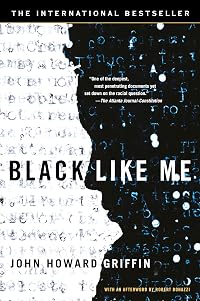
Black Like Me
by John Howard Griffin
On This Page
Description
Biography & Autobiography. History. Nonfiction. This American classic has been corrected from the original manuscripts and indexed, featuring historic photographs and an extensive biographical afterword.Tags
Recommendations
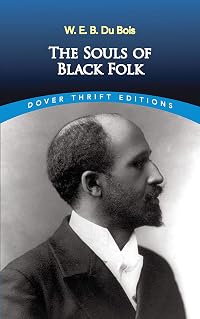
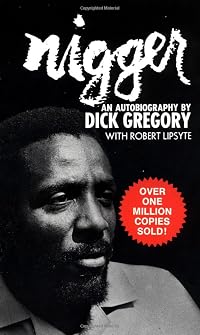
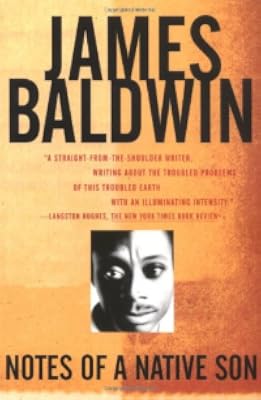
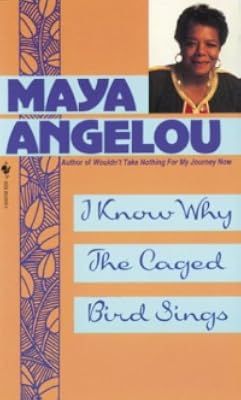

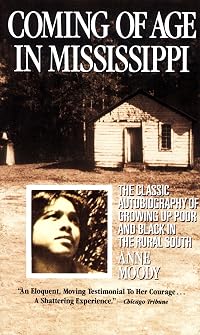

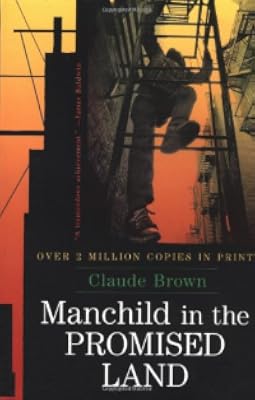
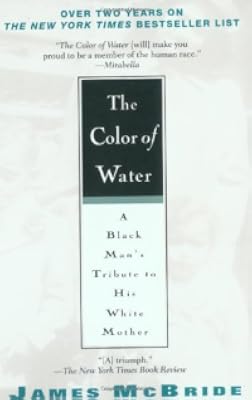
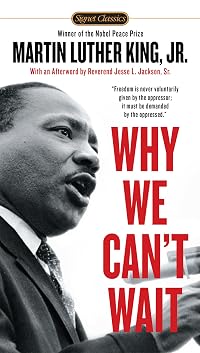
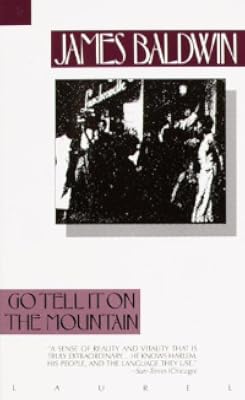

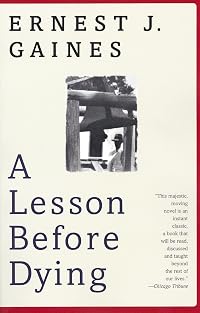
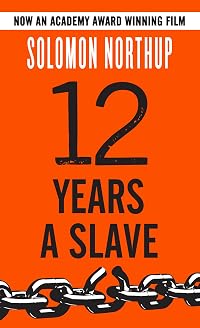
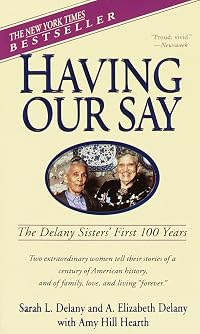
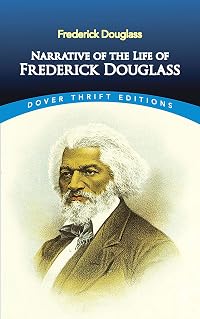
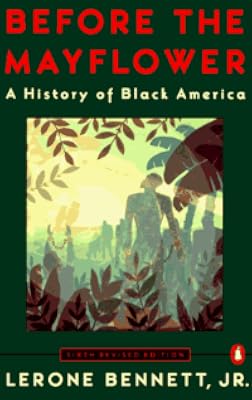
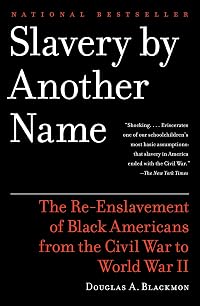
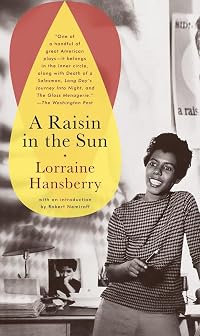


Member Recommendations

edwinbcn Similar partcicipating observation large scale undercover operations, disclosing racism in Europe and the US, respectively. Classic studies with a huge impact.


Member Reviews
White writer darkens his skin and assumes the identity of a black man in the Deep South circa 1959. With an open sensibility and a novelist’s skill, Griffin constructs poignant set pieces, conjures the sights, sounds and smells of a constrained world, and puts a pointed stick to the rotten underbelly of the human condition.
The distance between white and black, writes Griffin, was ‘an area of unknowing.’ The white man could carry on with his life and never give thought to a black man, much less consider how he lived and survived, where he ate or where he slept or what his family was like. The black man could not afford to be ignorant of the white man’s ways. The black man’s concern was how to get along with the white man, how show more to hold his own and raise himself in the esteem of the white man ‘without for a moment letting him think he had any god-given rights that we did not also have.’ For the black man, day-to-day living was a reminder of his inferior status—'the polite rebuffs when he seeks better employment, hearing himself referred to as a coon or jigaboo, having to bypass available restroom facilities or eating facilities to find one specified for him.’
His only salvation from complete despair lies in his belief, the old belief of his forefathers, that these things are not directed at him personally, but against his race, his pigmentation. His mother or aunt long ago prepared him, explaining that he as an individual can live in dignity, even though he as a Negro cannot.
Griffin goes far enough under cover to become attuned to the unspoken signals and gestures and looks of clandestine commiseration among blacks. ‘Geniality among one’s own was a kind of buffer against an invisible but ever-present threat.’ He even occasionally dreams like a black man, of suffocating hatred, of being chased, of being just at the threshold of some terrible danger. He feels his own face has lost expressiveness; his mind ‘dozes empty for long periods, trying to cushion the dread.’
Griffin does not condemn all white people, but he responds with inward surprise at the few he encounters who do not impulsively demean or dismiss him—the lady at the Catholic bookstore who cashes his traveler’s check, or the military officer at the bus station who does not jump ahead of him in the queue. Most revealing of the attitudes and actions of whites is their hypocrisy—the outcries against ‘mongrelization’ along with the sexual violence committed against young black women, the grotesque transformation in the faces of the white women leaving church on Sunday morning when suddenly catching sight of a black man passing on the sidewalk. The black man sees the casual cruelty of bigots in ‘the honorable South,’ the way they take pleasure in causing pain and humiliation, and he hears them say that it is the blacks’ immorality that keeps them from receiving the benefits of freedom, and sometimes he feels pity.
Griffin makes his way from New Orleans to Biloxi to Montgomery, where he is struck by the different atmosphere of a place where blacks have organized nonviolent and prayerful resistance to racial discrimination. Such resistance bewilders and angers the white racist, writes Griffin, ‘because the dignity of the Negro’s course of action emphasizes the indignity of his own.’ The white man needles and taunts and challenges the black man in the hope that he will strike out and so justify further violent repression.
Black Like Me is sometimes hard to read and feel and so cannot be passed through lightly. Griffin lived to tell, and he told it well, his insights precise and evocative of the parochial but also universal, at a time when much of white America had little idea of what he was on about. show less
The distance between white and black, writes Griffin, was ‘an area of unknowing.’ The white man could carry on with his life and never give thought to a black man, much less consider how he lived and survived, where he ate or where he slept or what his family was like. The black man could not afford to be ignorant of the white man’s ways. The black man’s concern was how to get along with the white man, how show more to hold his own and raise himself in the esteem of the white man ‘without for a moment letting him think he had any god-given rights that we did not also have.’ For the black man, day-to-day living was a reminder of his inferior status—'the polite rebuffs when he seeks better employment, hearing himself referred to as a coon or jigaboo, having to bypass available restroom facilities or eating facilities to find one specified for him.’
His only salvation from complete despair lies in his belief, the old belief of his forefathers, that these things are not directed at him personally, but against his race, his pigmentation. His mother or aunt long ago prepared him, explaining that he as an individual can live in dignity, even though he as a Negro cannot.
Griffin goes far enough under cover to become attuned to the unspoken signals and gestures and looks of clandestine commiseration among blacks. ‘Geniality among one’s own was a kind of buffer against an invisible but ever-present threat.’ He even occasionally dreams like a black man, of suffocating hatred, of being chased, of being just at the threshold of some terrible danger. He feels his own face has lost expressiveness; his mind ‘dozes empty for long periods, trying to cushion the dread.’
Griffin does not condemn all white people, but he responds with inward surprise at the few he encounters who do not impulsively demean or dismiss him—the lady at the Catholic bookstore who cashes his traveler’s check, or the military officer at the bus station who does not jump ahead of him in the queue. Most revealing of the attitudes and actions of whites is their hypocrisy—the outcries against ‘mongrelization’ along with the sexual violence committed against young black women, the grotesque transformation in the faces of the white women leaving church on Sunday morning when suddenly catching sight of a black man passing on the sidewalk. The black man sees the casual cruelty of bigots in ‘the honorable South,’ the way they take pleasure in causing pain and humiliation, and he hears them say that it is the blacks’ immorality that keeps them from receiving the benefits of freedom, and sometimes he feels pity.
Griffin makes his way from New Orleans to Biloxi to Montgomery, where he is struck by the different atmosphere of a place where blacks have organized nonviolent and prayerful resistance to racial discrimination. Such resistance bewilders and angers the white racist, writes Griffin, ‘because the dignity of the Negro’s course of action emphasizes the indignity of his own.’ The white man needles and taunts and challenges the black man in the hope that he will strike out and so justify further violent repression.
Black Like Me is sometimes hard to read and feel and so cannot be passed through lightly. Griffin lived to tell, and he told it well, his insights precise and evocative of the parochial but also universal, at a time when much of white America had little idea of what he was on about. show less
Black Like Me tells the story of a famous social experiment: in 1959, with Jim Crow laws still in effect, a white writer manages to darken his skin and travel throughout the Deep South as a black man. As such he encounters both irrational prejudice and the occasional kindness, but much more of the former than the latter. If Griffin is exactly the same person on the inside, whether his skin is white or black, why should such a superficial characteristic dictate how others treat him?
This exposé is a fascinating study in the sociology and psychology of racism. I was surprised at the ease with which Griffin was able to adopt a black persona and wonder why no one saw through his disguise. Although some commenters have called this narrative show more dated, I found that unfortunately, many of Griffin’s observations (especially regarding the thought processes of white supremacists) still hold true today. show less
This exposé is a fascinating study in the sociology and psychology of racism. I was surprised at the ease with which Griffin was able to adopt a black persona and wonder why no one saw through his disguise. Although some commenters have called this narrative show more dated, I found that unfortunately, many of Griffin’s observations (especially regarding the thought processes of white supremacists) still hold true today. show less
this is kind of an interesting one to rate. i guess between 1.5 and 2 stars, as it's brought up higher because of its historical value and the epilogue, which doesn't redeem it but does help.
the first big issue i thought i'd have with the book (the fact that this is written by a white man; that the voice i care about hearing is not a white man's) was mostly allayed right at the beginning, on the very first page. ("How else except by becoming a Negro could a white man hope to learn the truth? Though we lived side by side throughout the South, communication between the two races had simply ceased to exist. Neither really knew what went on with those of the other race. The Southern Negro will not tell the white man the truth. He long ago show more learned that if he speaks a truth unpleasing to the white, the white will make life miserable for him.") ok, at least he recognizes that the voices of black people are the voices we should be listening to.
ok. so the bulk of this was written in real time, in Nov and early Dec of 1959, as john howard griffin was conducting a social experiment, in the form of journal entries written most evenings as he recounted his day. griffin is a white man, who used oral medicine and topical pigment to changes his skin color to that of a black man. he lived in texas himself, but spent most of these weeks in louisiana and mississippi.
i found much of the time he spent as a black man, that he was still making assumptions and putting thoughts and ideas into the mouths and heads of black people. he had some conversations and was able to speak with some authority, but he also seemed so much like that white savior that it was really uncomfortable. he was paternalistic, he joked about racism with other like-minded white people, and he ran from dangerous situations and/or scrubbed off all the color he could when he needed a break. ("Suddenly I had had enough. Suddenly I could stomach no more of this degradation - not of myself but of all men who were black like me....I took out my cleansing cream and rubbed it on my hands and face to remove the stain.") he was trying to do the right thing, and maybe in 1959 it even was the right thing, but it doesn't sit well with me now, even with his early statement that white people would only listen to other white people about the issue. that's not to say that in his shoes, that i wouldn't have found myself doing some of the same things he did, but that doesn't make it ok.
it felt so much like he wasn't truly understanding black people as individuals, that he was making broad, sweeping statements that he thought were helpful and antiracist, but were actually just a different kind of racist. a less virulent one, one that i see in liberal circles and sometimes in myself, but still racist.
he met these people, people who were perfectly respectful and deferent to him as a white man, but who were spiteful and hateful when he was a black man. i mean, literally the only difference was the color of his skin; he was even wearing the same clothes. he experienced first hand the prejudice and racism and could still say things like, "...these [white] people were simply unaware of the situation with the Negroes who passed them on the street - that there was not even the communication of intelligent awareness between them." i don't know, maybe there's no other way to find hope in the world, but it felt to me like he was giving white people a pass. but he wa also the person who said, "...we show our prejudice in our paternalism - we downgrade their dignity." so maybe he'd also agree or understand what i mean. until the very last part of the book, written much later, the only people he talked about doing work to help people of color - the only people he actually named - were white people.
there really is, too, something that struck me deeply when he ran from the reality of what people of color experience, when he both was rescued and driven to a safe place and when he scrubbed the color off his skin. i've long understood the problem with dressing as an oppressed class, but this drove home the insult of blackface more strongly for me, as he was literally able to remove the color from his skin and avoid the treatment he was fed up with. he notes it, too, as the experiment was ending and he "resumed for the final time [his] white identity." he says that he felt "...almost as though I were fleeing my share of his pain and heartache."
but then there is the epilogue of the book, written many years later. i'm not entirely sure how many years, but at a minimum 9 years (because he mentions the murder of martin luther king, and a maximum of 18, based on the copyright. in these last pages, he has clearly learned a lot in the years since 1959. he speaks like a different man. one who (from my limited perspective) seems to have actually learned antiracism, and has become the man he thought he was when doing the experiment the rest of the book talks about. this epilogue discusses the black leaders of the movement, puts himself less in a leadership position, and seems so much more understanding of racism. this epilogue makes the book far more valuable and worthwhile. but because most of it was written earlier, and without this understanding, (while i find the information to be important and because there is still truth in the fact that many white people will still hear this information more readily from another white person,) he unfortunately didn't fully understand his role until many years later, and that is reflected in the way he describes himself and people of color and so i can't rate this higher.
such an important statement, from the epilogue:
"Again and again, in lectures to universities with good social science departments where students were fired with enthusiasm for racial justice, I found that the school libraries, which took every newspaper and magazine published here and in Europe, did not have any subscriptions to black newspapers, scholarly journals or magazines. We were already a land of two peoples (more, of course, but we are concerned with two here) possessing two entirely different sets of information, and we were out of touch with one another.
The situation was doubly dangerous because we thought we were, finally, communicating. We were not. of course, because even well-disposed white men tended to be turned off and affronted if black men told them truths that offended their prejudices. For years it was my embarrassing task to sit in on meetings of whites and blacks, to serve one ridiculous but necessary function: I knew, and every black man there knew, that I, as a man now white once again, could say the things that needed saying but would be rejected if black men said them. In city after city we had these meetings to attempt to communicate, and in each one my function was to say those things that the black men knew much better than I could hope to know, but could not communicate as yet for the simple reason that white men could not tolerate hearing them from a black man's mouth." show less
the first big issue i thought i'd have with the book (the fact that this is written by a white man; that the voice i care about hearing is not a white man's) was mostly allayed right at the beginning, on the very first page. ("How else except by becoming a Negro could a white man hope to learn the truth? Though we lived side by side throughout the South, communication between the two races had simply ceased to exist. Neither really knew what went on with those of the other race. The Southern Negro will not tell the white man the truth. He long ago show more learned that if he speaks a truth unpleasing to the white, the white will make life miserable for him.") ok, at least he recognizes that the voices of black people are the voices we should be listening to.
ok. so the bulk of this was written in real time, in Nov and early Dec of 1959, as john howard griffin was conducting a social experiment, in the form of journal entries written most evenings as he recounted his day. griffin is a white man, who used oral medicine and topical pigment to changes his skin color to that of a black man. he lived in texas himself, but spent most of these weeks in louisiana and mississippi.
i found much of the time he spent as a black man, that he was still making assumptions and putting thoughts and ideas into the mouths and heads of black people. he had some conversations and was able to speak with some authority, but he also seemed so much like that white savior that it was really uncomfortable. he was paternalistic, he joked about racism with other like-minded white people, and he ran from dangerous situations and/or scrubbed off all the color he could when he needed a break. ("Suddenly I had had enough. Suddenly I could stomach no more of this degradation - not of myself but of all men who were black like me....I took out my cleansing cream and rubbed it on my hands and face to remove the stain.") he was trying to do the right thing, and maybe in 1959 it even was the right thing, but it doesn't sit well with me now, even with his early statement that white people would only listen to other white people about the issue. that's not to say that in his shoes, that i wouldn't have found myself doing some of the same things he did, but that doesn't make it ok.
it felt so much like he wasn't truly understanding black people as individuals, that he was making broad, sweeping statements that he thought were helpful and antiracist, but were actually just a different kind of racist. a less virulent one, one that i see in liberal circles and sometimes in myself, but still racist.
he met these people, people who were perfectly respectful and deferent to him as a white man, but who were spiteful and hateful when he was a black man. i mean, literally the only difference was the color of his skin; he was even wearing the same clothes. he experienced first hand the prejudice and racism and could still say things like, "...these [white] people were simply unaware of the situation with the Negroes who passed them on the street - that there was not even the communication of intelligent awareness between them." i don't know, maybe there's no other way to find hope in the world, but it felt to me like he was giving white people a pass. but he wa also the person who said, "...we show our prejudice in our paternalism - we downgrade their dignity." so maybe he'd also agree or understand what i mean. until the very last part of the book, written much later, the only people he talked about doing work to help people of color - the only people he actually named - were white people.
there really is, too, something that struck me deeply when he ran from the reality of what people of color experience, when he both was rescued and driven to a safe place and when he scrubbed the color off his skin. i've long understood the problem with dressing as an oppressed class, but this drove home the insult of blackface more strongly for me, as he was literally able to remove the color from his skin and avoid the treatment he was fed up with. he notes it, too, as the experiment was ending and he "resumed for the final time [his] white identity." he says that he felt "...almost as though I were fleeing my share of his pain and heartache."
but then there is the epilogue of the book, written many years later. i'm not entirely sure how many years, but at a minimum 9 years (because he mentions the murder of martin luther king, and a maximum of 18, based on the copyright. in these last pages, he has clearly learned a lot in the years since 1959. he speaks like a different man. one who (from my limited perspective) seems to have actually learned antiracism, and has become the man he thought he was when doing the experiment the rest of the book talks about. this epilogue discusses the black leaders of the movement, puts himself less in a leadership position, and seems so much more understanding of racism. this epilogue makes the book far more valuable and worthwhile. but because most of it was written earlier, and without this understanding, (while i find the information to be important and because there is still truth in the fact that many white people will still hear this information more readily from another white person,) he unfortunately didn't fully understand his role until many years later, and that is reflected in the way he describes himself and people of color and so i can't rate this higher.
such an important statement, from the epilogue:
"Again and again, in lectures to universities with good social science departments where students were fired with enthusiasm for racial justice, I found that the school libraries, which took every newspaper and magazine published here and in Europe, did not have any subscriptions to black newspapers, scholarly journals or magazines. We were already a land of two peoples (more, of course, but we are concerned with two here) possessing two entirely different sets of information, and we were out of touch with one another.
The situation was doubly dangerous because we thought we were, finally, communicating. We were not. of course, because even well-disposed white men tended to be turned off and affronted if black men told them truths that offended their prejudices. For years it was my embarrassing task to sit in on meetings of whites and blacks, to serve one ridiculous but necessary function: I knew, and every black man there knew, that I, as a man now white once again, could say the things that needed saying but would be rejected if black men said them. In city after city we had these meetings to attempt to communicate, and in each one my function was to say those things that the black men knew much better than I could hope to know, but could not communicate as yet for the simple reason that white men could not tolerate hearing them from a black man's mouth." show less
This is a non-fiction work detailing the experiences of a middle-aged white man who posed convincingly as a black man in the southern United States, at the dawn of the civil rights movement. Prior to reading this, I'd seen an Oprah episode where a young white man named Josh Solomon who was inspired by this work had tried the same procedure of skin-altering drugs and disguise but didn't last a week. John Griffin, journalist and author, endured a full six weeks in the deep south in 1959. His advantage was the full knowledge that his society was blatantly and openly racist. It wasn't his task to determine if racism existed. He was on a mission to experience it, the ultimate walk in another's shoes, and to learn how it can be endured.
The show more author writes with penetrating insight, doing his best (and admirably so) to frame explanations in addition to relating events. Many of his explanations for the behaviours he witnesses feel spot-on, brilliant, and well backed-up by the examples. There were many quotable discoveries like this for me throughout. I found an enormous amount of clarity shed on the double-edged sword of racism, and on the insults that can be generated by statements a white man might mistakenly view as innocuous. The epilogue paints the story of the 1960s (before my time) more clearly than anything I've read before, leading into the "separation" approach that finally achieved real progress.
I was taken by how consuming Mr. Griffin's new identity was for him, how within just a matter of days it controlled his psyche to the point where he had difficulty framing any thought as a white man would. Picked up by a white friend for a brief escape from his experiment, he writes "I was embarrassed to ride in the front seat of the car with a white man, especially on our way to his home." This was at night with no witnesses, and still he felt this as a result of his new persona and all the oppression that swiftly came with it.
The saddest episodes occurred whenever white people were confronted by their own contradictions and became belligerent or affronted rather than learn anything. Either they sensed the danger in questioning anything that would place them against the white mainstream, or couldn't face recasting their entire lifetime's behaviour in a very bad light.
The events of this book took place just as Martin Luther King Jr. and the civil rights movement started rolling. It's a capturing of the world which that movement was trying to change. But however much things have changed since, in many sad respects they remain the same. What most of us see today on the surface is not as obvious as what Mr. Griffin experienced, but (as the young man on Oprah discovered) much still lies beneath. This is a must-read book for confronting and examining these truths. show less
The show more author writes with penetrating insight, doing his best (and admirably so) to frame explanations in addition to relating events. Many of his explanations for the behaviours he witnesses feel spot-on, brilliant, and well backed-up by the examples. There were many quotable discoveries like this for me throughout. I found an enormous amount of clarity shed on the double-edged sword of racism, and on the insults that can be generated by statements a white man might mistakenly view as innocuous. The epilogue paints the story of the 1960s (before my time) more clearly than anything I've read before, leading into the "separation" approach that finally achieved real progress.
I was taken by how consuming Mr. Griffin's new identity was for him, how within just a matter of days it controlled his psyche to the point where he had difficulty framing any thought as a white man would. Picked up by a white friend for a brief escape from his experiment, he writes "I was embarrassed to ride in the front seat of the car with a white man, especially on our way to his home." This was at night with no witnesses, and still he felt this as a result of his new persona and all the oppression that swiftly came with it.
The saddest episodes occurred whenever white people were confronted by their own contradictions and became belligerent or affronted rather than learn anything. Either they sensed the danger in questioning anything that would place them against the white mainstream, or couldn't face recasting their entire lifetime's behaviour in a very bad light.
The events of this book took place just as Martin Luther King Jr. and the civil rights movement started rolling. It's a capturing of the world which that movement was trying to change. But however much things have changed since, in many sad respects they remain the same. What most of us see today on the surface is not as obvious as what Mr. Griffin experienced, but (as the young man on Oprah discovered) much still lies beneath. This is a must-read book for confronting and examining these truths. show less
A tough book to review, both because of its unique concept (a white man goes undercover as a black man in 1959) and how it reads in our own racially tense times. That the author is well-intentioned and very sympathetic to the plight of his subjects but it’s kind of hard to swallow when he uses his (temporary & brief) time amongst them to speak on their behalf.
His disguise is achieved through a shaved head, UV rays and skin dyes and claimed that other than changing the color of his skin did not alter his behavior or mannerisms, which is interesting because, based on the handful of murky b&w (haha) photos, he looks very much like a white man in black make up. I can see racist whites not bothering to look any closer but that fact that he show more also passes easily among the black population is curious.
A sad and thought provoking book. The small comfort I took away is that the 2008 election proved America is officially no longer racist show less
His disguise is achieved through a shaved head, UV rays and skin dyes and claimed that other than changing the color of his skin did not alter his behavior or mannerisms, which is interesting because, based on the handful of murky b&w (haha) photos, he looks very much like a white man in black make up. I can see racist whites not bothering to look any closer but that fact that he show more also passes easily among the black population is curious.
A sad and thought provoking book. The small comfort I took away is that the 2008 election proved America is officially no longer racist show less
I found this book fascinating! I apologize to all but I purposely read it slowly. I wanted to clearly understand the words and scenarios depicted in this book. I find it fascinating that one human being would treat another this way simply because of the color of his or her skin. What I found even more interesting was the aftermath of wht John Howard Griffin had to go through after his experiment. Because of what he did, he had to invest in security for his family, his parents moved to Mexico for a better life. And yes folks, we are describing America, Land of the Free, Home of the Brave.
So, for those of you that are not planning to read this book and in addition to the comments made by Siriradha's and Choclaholic's previous posts, this show more is a story about how John Howard Griffin being the bravest man on earth. He takes medication to turn himself black and then take a brief tour through the southland, Louisiana, Missisippi, Alabama and Georgia. He gets a taste of what blacks in that time period face day to day. He writes it all down. His experiences are fascinating. Most fascinating is how the young are taught prejudism(did I spell that right?)to move on to the next generation.
I guess that only time will heal all wounds and get us over the hump. I look at how things are today and although there have been improvements, we still have a long way to go. Look at today's elections for example, the candidates are looking to secure the "black" vote or in my case, the "Hispanic" vote. Why not just "All Votes" or "The Votes". I think you can take the premises of what John Howard Griffin wrote in this book and apply it to all things that separate us. Race, Religion, sexual orientation and even geographical location are factors in treating people differently. Think about it. Because of politics half the world hates us "arrogant Americans". I can just picture someone on the other side of the world formulating an opinion about me because of where I live.
What I learned from this book, is that at the end of the day, it really doesn't matter. We are all the same. The question is, how much death, how much suffering will we, as homo sapiens, have to go through to realize that we are all the same. John Howard Griffin's work begs for a number. Lets get to that number if we have to and move on to treating each other better and getting past this poor thinking. After his experience was even more chilling because he thought that predjudism was mostly located in the deep south of America. He was astonished to find out that it was not so. He was saddened that even in his own town in Texas, where he thought people would be a bit more educated, was not what he thought it was.
I would recommend this book to all. It is interesting, well written and very controversial. Most of all, the book challenges the reader to think. If you are looking for bubble gum literature, this is not it. It will give your mind a good work out!
Flyinfox show less
So, for those of you that are not planning to read this book and in addition to the comments made by Siriradha's and Choclaholic's previous posts, this show more is a story about how John Howard Griffin being the bravest man on earth. He takes medication to turn himself black and then take a brief tour through the southland, Louisiana, Missisippi, Alabama and Georgia. He gets a taste of what blacks in that time period face day to day. He writes it all down. His experiences are fascinating. Most fascinating is how the young are taught prejudism(did I spell that right?)to move on to the next generation.
I guess that only time will heal all wounds and get us over the hump. I look at how things are today and although there have been improvements, we still have a long way to go. Look at today's elections for example, the candidates are looking to secure the "black" vote or in my case, the "Hispanic" vote. Why not just "All Votes" or "The Votes". I think you can take the premises of what John Howard Griffin wrote in this book and apply it to all things that separate us. Race, Religion, sexual orientation and even geographical location are factors in treating people differently. Think about it. Because of politics half the world hates us "arrogant Americans". I can just picture someone on the other side of the world formulating an opinion about me because of where I live.
What I learned from this book, is that at the end of the day, it really doesn't matter. We are all the same. The question is, how much death, how much suffering will we, as homo sapiens, have to go through to realize that we are all the same. John Howard Griffin's work begs for a number. Lets get to that number if we have to and move on to treating each other better and getting past this poor thinking. After his experience was even more chilling because he thought that predjudism was mostly located in the deep south of America. He was astonished to find out that it was not so. He was saddened that even in his own town in Texas, where he thought people would be a bit more educated, was not what he thought it was.
I would recommend this book to all. It is interesting, well written and very controversial. Most of all, the book challenges the reader to think. If you are looking for bubble gum literature, this is not it. It will give your mind a good work out!
Flyinfox show less
End of the 1950s, USA. While the country is about to enter into a traumatic civil rights era, John Howard Griffin, journalist, asked himself: how is it to be a Black person in the South?
The question may sounds quite dumb. After all, plenty of essays, from sociology to politics and else have been written on the topic, highly controversial yet creeping at the forefront back then. The thing, though, is that John Howard Griffin will try and answer it by adopting a radically new angle: he, a White man, will become Black! Crazy? It surely was! But then again, it resulted in this absolute must-read of a testimony, very unique indeed in many respects. In fact, I saw in here three different layers.
The first is about his reactions and feelings show more in knowing he is now Black that is, looking at himself in a mirror and no longer see a White person. Here's more than a physical transformation, as, crossing the racial line, he will also find himself cut off from his family, his wife, and his children, because Whites. Two world cohabits, yet never mix with each others.
Then, the main one of course, is the account of his journey across the South, travelling from Mississippi to Alabama. It's engrossing, yet a truly terrifying experience too, with even the most innocuous daily acts being no longer granted (e.g. where to use public bathrooms, where to eat and drink, how to use public transports...). Everywhere he goes, he will be harassed, humiliated, brutalised, this, even by White people who are everything but racists yet so wrapped up into their own prejudices that their attitude is unsettlingly patronising. It's both shocking and chilling.
Last but not least, there are his personal reflections about racism -why is it the way it is? How does it operate? What are its root causes? How can it turn into a perverse cycle? His might seem short and simplistic at times, but it certainly doesn't mean that, combined with his first-hand experience of the issue as a victim, what he has to say here is irrelevant, even nowadays. The book, in fact, concludes by an overview of the reactions it had sparked, both in the USA and abroad, and, tellingly indeed, here are reactions that are still pretty much alive despite segregation itself being no more.
Racism is a social disease. For as long as it will exist, then, this book will never cease to inspire and put us in front of our own prejudices. Again: a must-read. show less
The question may sounds quite dumb. After all, plenty of essays, from sociology to politics and else have been written on the topic, highly controversial yet creeping at the forefront back then. The thing, though, is that John Howard Griffin will try and answer it by adopting a radically new angle: he, a White man, will become Black! Crazy? It surely was! But then again, it resulted in this absolute must-read of a testimony, very unique indeed in many respects. In fact, I saw in here three different layers.
The first is about his reactions and feelings show more in knowing he is now Black that is, looking at himself in a mirror and no longer see a White person. Here's more than a physical transformation, as, crossing the racial line, he will also find himself cut off from his family, his wife, and his children, because Whites. Two world cohabits, yet never mix with each others.
Then, the main one of course, is the account of his journey across the South, travelling from Mississippi to Alabama. It's engrossing, yet a truly terrifying experience too, with even the most innocuous daily acts being no longer granted (e.g. where to use public bathrooms, where to eat and drink, how to use public transports...). Everywhere he goes, he will be harassed, humiliated, brutalised, this, even by White people who are everything but racists yet so wrapped up into their own prejudices that their attitude is unsettlingly patronising. It's both shocking and chilling.
Last but not least, there are his personal reflections about racism -why is it the way it is? How does it operate? What are its root causes? How can it turn into a perverse cycle? His might seem short and simplistic at times, but it certainly doesn't mean that, combined with his first-hand experience of the issue as a victim, what he has to say here is irrelevant, even nowadays. The book, in fact, concludes by an overview of the reactions it had sparked, both in the USA and abroad, and, tellingly indeed, here are reactions that are still pretty much alive despite segregation itself being no more.
Racism is a social disease. For as long as it will exist, then, this book will never cease to inspire and put us in front of our own prejudices. Again: a must-read. show less
Members
- Recently Added By
Published Reviews
ThingScore 88
A stinging indictment of thoughtless, needless inhumanity. No one can read it without suffering.
added by ArrowStead
Essential reading...a social document of the first order, providing material absolutely unavailable elsewhere with such authenticity that it canot be dismissed.
added by ArrowStead
Lists

501 Must-Read Books
529 works; 72 members

Best Autobiographies and Memoirs
370 works; 67 members
100 Biographies and Memoirs to Read in a (Single) Lifetime
98 works; 12 members

Non-Fiction Worth Reading
1,016 works; 255 members

Recommend the 20 best books you've read in the last five years
2,168 works; 606 members

Black Authors
384 works; 32 members

Fake Top 100 Nonfiction
79 works; 3 members

BLM
210 works; 1 member

Shaykh Hamza's Book Recommendations
439 works; 3 members

School Made Us Read It
380 works; 196 members

Works Cited in The History of White People by Nell Irvin Painter
321 works; 2 members
Books That Changed Our Perspective
423 works; 168 members

Read the book and saw the movie
1,170 works; 195 members

Classics you know you should have read but probably haven't
421 works; 409 members

Books with Colourful Titles
171 works; 8 members
Literature About Social Class
134 works; 19 members
Racism and Race Relations in Literature
48 works; 9 members

A Rainbow of Books: Colors in the Title
570 works; 24 members

My Year Spent Doing Something Stupid so I Could Write This Book
31 works; 5 members

Sonlight Books
1,487 works; 25 members

Books Read in 2010
631 works; 11 members

Books You Read During High School (For School)
301 works; 53 members
Read For Your Life
157 works; 1 member
Author Information

19+ Works 5,020 Members
All Editions
Awards and Honors
Series
Belongs to Publisher Series
Work Relationships
Has as a study
Has as a student's study guide
Common Knowledge
- Canonical title
- Black Like Me
- Original title
- Black Like Me
- Original publication date
- 1960
- People/Characters
- John Howard Griffin
- Important places
- Mississippi, USA; Alabama, USA; Louisiana, USA; Georgia, USA
- Important events
- African-American Civil Rights Movement
- Related movies
- Black Like Me (1964 | IMDb)
- Epigraph
- Rest at pale evening... A tall slim tree... Night coming tenderly... Black like me. --From "Dream Variation" Langston Hughes
- First words
- "This may not be all of it. It may not cover all of the questions, but it is what it is like to be a Negro in a land where we keep the Negro down." - preface
"For years the idea had haunted me, and that night it returned more insistently than ever." - Quotations
- "The most obscene figures are not the ignorant ranting racists, but the legal minds who front for them, who invent for them the legislative proposals and the propoganda bulletins. They deliberately choose to foster distortio... (show all)ns, always under the guise of patriotism, upon a people who have no means of checking the facts."
"He cannot understand how the white man can show the most demeaning aspects of his nature and at the same time delude himself into thinking he is inherently superior."
"I learned within a very few hours that no one was judging me by my qualities as a human individual and everyone was judging me by my pigment." - Last words
- (Click to show. Warning: May contain spoilers.)"Then we will all pay for not having cried for justice long ago."
(Click to show. Warning: May contain spoilers.)"Eventually, some black thinkers believe, this "separation" may be the shortest route to an authentic communication at some future date when blacks and whites can enter into encounters in which they truly speak as equals and in which the white man will no longer load every phrase with unconscious suggestions that he has something to "concede" to black men or that he wants to help black men "overcome" their blackness." - epilogue - Original language
- English
- Canonical DDC/MDS
- 975.00496073
Classifications
- Genres
- Nonfiction, Biography & Memoir, General Nonfiction, History
- DDC/MDS
- 975.00496073 — History & geography History of North America Southeastern United States (South Atlantic states)
- LCC
- E185.61 .G8 — History of the United States United States Elements in the population Afro-Americans Status and development since emancipation
- BISAC
Statistics
- Members
- 4,747
- Popularity
- 3,011
- Reviews
- 87
- Rating
- (3.98)
- Languages
- 8 — Dutch, English, French, German, Italian, Norwegian (Bokmål), Polish, Spanish
- Media
- Paper, Audiobook, Ebook
- ISBNs
- 61
- UPCs
- 1
- ASINs
- 55