
On This Page
Description
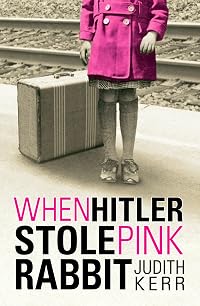
Recounts the adventures of a nine-year-old Jewish girl and her family in the early 1930's as they travel from Germany to England.Tags
Recommendations

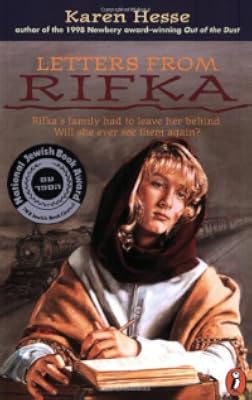
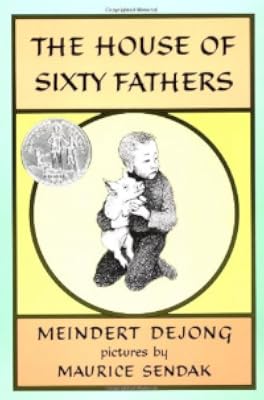
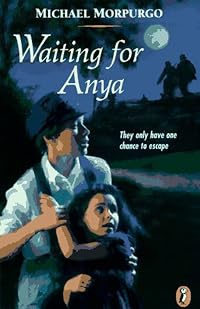
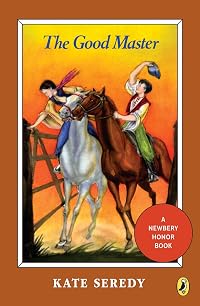
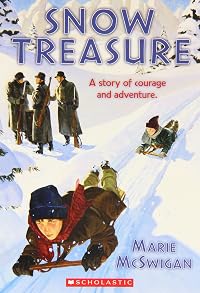
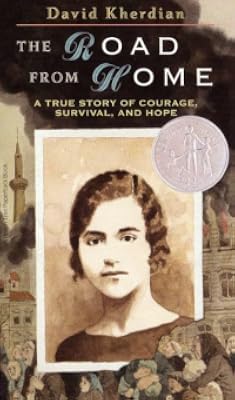
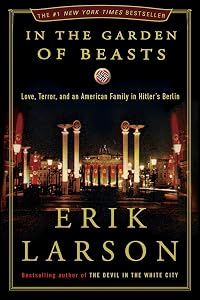


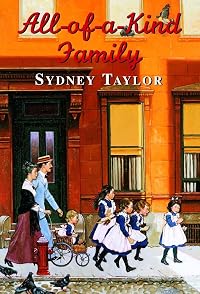

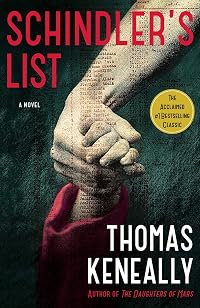
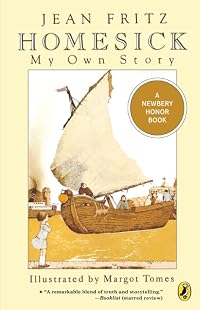

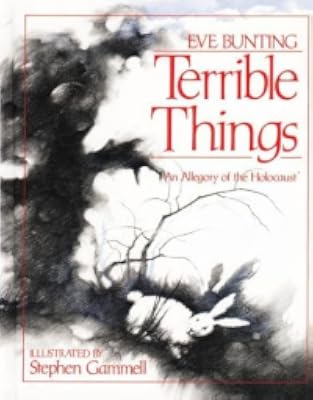

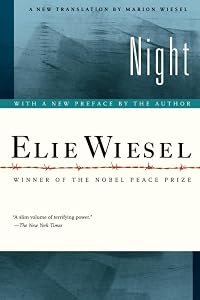
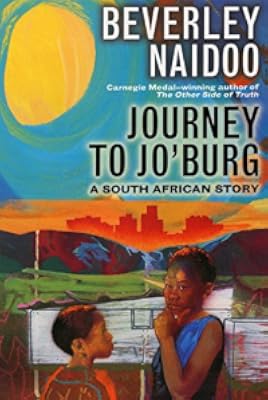
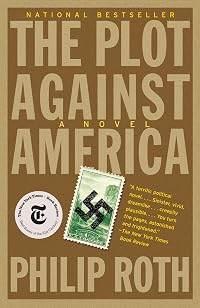
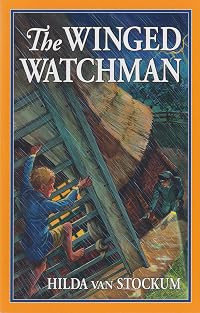
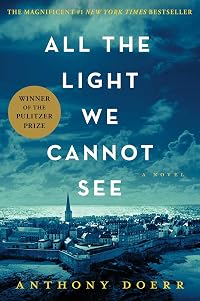

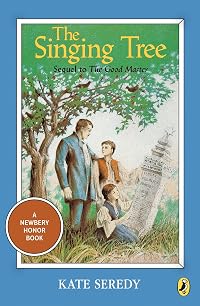
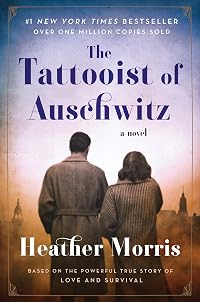

Member Recommendations
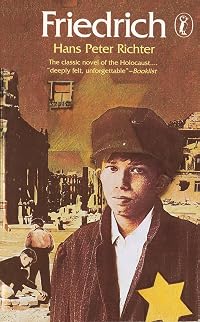
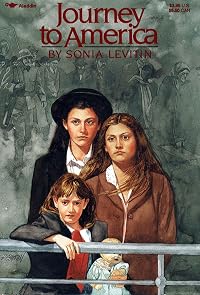
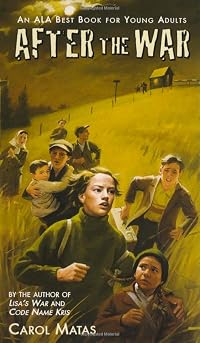
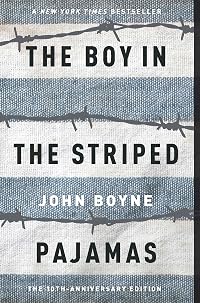
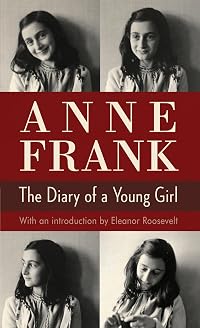
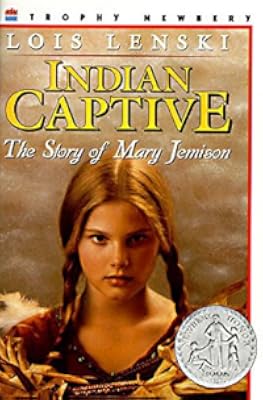
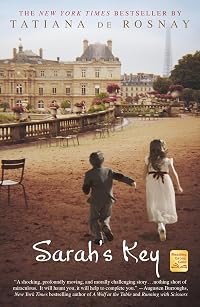
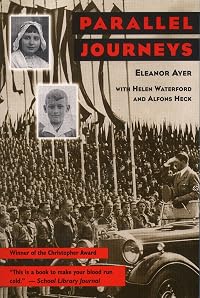
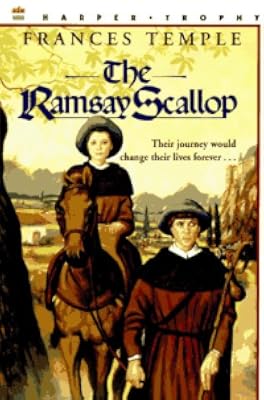
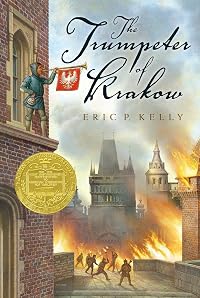
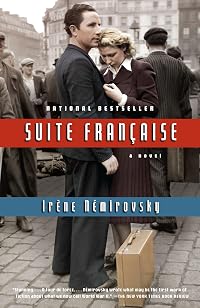
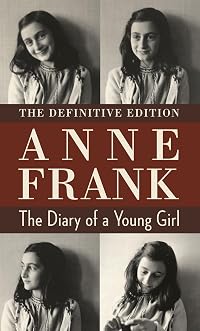
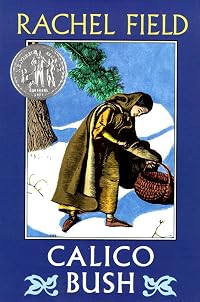
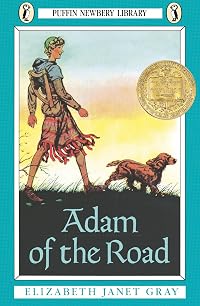
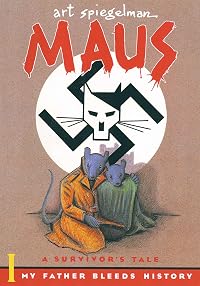
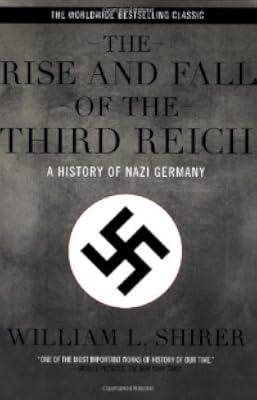
markbarnes Both books tell the story of escape from Nazi Germany, through a child's eyes. Although quite different from one another, both are poignant, and beautifully written.
Member Reviews
Simply put, I loved [When Hitler Stole Pink Rabbit] by Judith Kerr. This touching story of a Jewish family escaping Germany when Hitler comes into power caught the essence of the times and how this family’s forward thinking saved their lives. Written by children’s author Judith Kerr and aimed at middle grades, this is a story that appeals to all ages.
The story is semi-autobiographical based on the author’s own family’s escape from the Nazi’s. They first go to Switzerland but work is difficult to come by and as the father is well-known for his opposition to the Nazi’s, the Swiss are hesitant to stir up problems with their German neighbours. It is soon announced that Hitler has put a price on the father’s head. The family show more then moves to Paris and although the children fit in and begin to become fluent in the language, work for the author was again difficult to come by. France was suffering through a massive depression and what writing assignments there were went to French citizens first. I was happy when an English company bought a film script from the father and it was decided that they would have a better future by moving to England and as we know now, this move got them away from Hitler's clutches.
The author changed her family’s name and fictionalized portions of the book but this is essentially her family’s story. Her father was a well known newspaper columnist who had openly criticized the Nazi party. Beautifully written and illustrated by the author, this story shows the lengths that the parents went to to keep their family together and their children innocent and ignorant of the horrible fate that was hanging over them. show less
The story is semi-autobiographical based on the author’s own family’s escape from the Nazi’s. They first go to Switzerland but work is difficult to come by and as the father is well-known for his opposition to the Nazi’s, the Swiss are hesitant to stir up problems with their German neighbours. It is soon announced that Hitler has put a price on the father’s head. The family show more then moves to Paris and although the children fit in and begin to become fluent in the language, work for the author was again difficult to come by. France was suffering through a massive depression and what writing assignments there were went to French citizens first. I was happy when an English company bought a film script from the father and it was decided that they would have a better future by moving to England and as we know now, this move got them away from Hitler's clutches.
The author changed her family’s name and fictionalized portions of the book but this is essentially her family’s story. Her father was a well known newspaper columnist who had openly criticized the Nazi party. Beautifully written and illustrated by the author, this story shows the lengths that the parents went to to keep their family together and their children innocent and ignorant of the horrible fate that was hanging over them. show less
This is the second time I’m reading “When Hitler Stole Pink Rabbit”. The first time was when it was compulsory reading at school more than 30 years ago. I don’t remember much of my reading experience back then but that I felt with Anna, the protagonist and narrator, who had to leave Pink Rabbit back in Germany when her family emigrated to escape the rising Nazism…
Now, at 45, I’m impressed for different reasons: First moving from Berlin, Germany, to Zurich, Switzerland, then Paris, France and, finally, London, United Kingdom, both Anna and her brother Max are relatively quick to adapt to their new surroundings.
While it’s rarely easy for either of them, their resilience in the face of difficult circumstances and optimism is show more deeply inspiring.
Nazism always looms in the background; be it through German tourists who prohibit their children to play with Anna and Max for the sole reason of them being Jewish or the Paris concierge.
Both children picture Hitler as personally enjoying the toys they had to leave behind - the eponymous Pink Rabbit and a games compendium - and, thus, make the darkest period in Germany’s history ascertainable.
The book ends abruptly in a cab in London, shortly after Anna thinks...
»“What a pity,” [Anna] thought. “I’ll never be famous at this rate!”«
Dame Anna Judith Gertrud Helene Kerr, Officer of “The Most Excellent Order of the British Empire”, wasn’t too far off the mark: It would take her children’s prodding about her childhood to make her publish this semi-autobiographical novel in 1971. This publication and the two following novels laid the foundation for Kerr’s fame that she had dreamt of as a child.
The Kerr family had escaped Germany just in the nick of time - a day later and they would have been arrested by the Nazis who went on to burn Alfred Kerr’s books.
Alfred Kerr died 1948 by suicide, aided by his wife, shortly after visiting Hamburg, Germany, for the first time after the war. His wife Julia died in 1965. Judith Kerr wrote children’s books and illustrated them, married in 1954 and stayed married for more than 50 years.
Judith Kerr died in 2019 at the age of 95. She had outlived the Nazis who wanted to extinguish the entire family by almost 75 years. Poetic justice.
Five out of five stars.
Blog | Facebook | Twitter | Instagram show less
Now, at 45, I’m impressed for different reasons: First moving from Berlin, Germany, to Zurich, Switzerland, then Paris, France and, finally, London, United Kingdom, both Anna and her brother Max are relatively quick to adapt to their new surroundings.
While it’s rarely easy for either of them, their resilience in the face of difficult circumstances and optimism is show more deeply inspiring.
Nazism always looms in the background; be it through German tourists who prohibit their children to play with Anna and Max for the sole reason of them being Jewish or the Paris concierge.
Both children picture Hitler as personally enjoying the toys they had to leave behind - the eponymous Pink Rabbit and a games compendium - and, thus, make the darkest period in Germany’s history ascertainable.
The book ends abruptly in a cab in London, shortly after Anna thinks...
»“What a pity,” [Anna] thought. “I’ll never be famous at this rate!”«
Dame Anna Judith Gertrud Helene Kerr, Officer of “The Most Excellent Order of the British Empire”, wasn’t too far off the mark: It would take her children’s prodding about her childhood to make her publish this semi-autobiographical novel in 1971. This publication and the two following novels laid the foundation for Kerr’s fame that she had dreamt of as a child.
The Kerr family had escaped Germany just in the nick of time - a day later and they would have been arrested by the Nazis who went on to burn Alfred Kerr’s books.
Alfred Kerr died 1948 by suicide, aided by his wife, shortly after visiting Hamburg, Germany, for the first time after the war. His wife Julia died in 1965. Judith Kerr wrote children’s books and illustrated them, married in 1954 and stayed married for more than 50 years.
Judith Kerr died in 2019 at the age of 95. She had outlived the Nazis who wanted to extinguish the entire family by almost 75 years. Poetic justice.
Five out of five stars.
Blog | Facebook | Twitter | Instagram show less
It comes as no surprise to discover that this outstanding British children's novel, which chronicles the childhood experiences of a young German Jewish girl named Anna, whose family must flee their comfortable home shortly before the 1933 election and resultant Nazi rise to power, is based upon Judith Kerr's own life-story. So convincing is it, so real does it feel, that I found that I had to continually remind myself that it was fiction, rather than autobiography. Opening in Berlin, where the oblivious young Anna is more concerned with school than with Hitler, who seems a distant disturbance in the adult world around her, rather than an immediate concern in her own life, the story moves on to Switzerland, where her family settle for a show more time. Unable to go back to Germany to collect the belongings - including Anna's stuffed pink rabbit - that they left behind, and unable to earn a sufficient living, the family move on to Paris, where Anna's writer father briefly finds work for a German expatriate newspaper being published there. When even this small source of revenue dries up, the family must move on again, this time to England.
With its distinctly memorable title and its influential role in the teaching of World War II history to both British and German schoolchildren, When Hitler Stole Pink Rabbit is one of those books that I have long been meaning to read, making its selection as our November title over in The Children's Fiction Book-Club to which I belong particularly fortunate. By turns humorous and heartbreaking, it is a story of one family who, despite confronting terrible times, managed to stick together and to flourish. Although the historical details are specific to a particular time and place, many of the general experiences that Anna and her family confront - trying to learn new languages and to find new friends, in strange places; trying to find a job and make connections, in one's field of work; confronting a significant loss of affluence, and learning to make do with less - will be familiar to refugees and immigrants the world over.
Stealing 'Pink Rabbit' is clearly not the worst of Hitler's crimes, but then, this is not a book about the Holocaust. It is a book about the refugee experience of one fairly well-to-do family in pre-WWII days, and is told from the perspective of the nine-year-old daughter of that family. Although the more disturbing realities of what is going on back in Germany do enter the story - most notably, in the tragic figure of Onkel Julius, a family friend and naturalist who does not flee Germany when he has the chance, and who sees his entire world destroyed, even to the point that he is forbidden to visit his beloved animals at the Berlin Zoo - those realities are fairly distant. As they would be to the child narrator, living in safety in Switzerland, Paris, and England. I think that it is this very quality, this feeling of distance from the full horrors of the war (which, after all, hadn't happened yet!) and the Nazi regime, that makes this an ideal introduction to the topic for younger readers, and am bemused to note that some reviewers have taken the author to task for not writing a story horrific enough to suit their taste.
Highly, highly recommended, to all young readers who enjoy historical fiction, and who are interested in the story of World War II. When Hitler Stole Pink Rabbit will serve as an excellent entree - truthful, sometimes tragic, but often hopeful - to a very disturbing moment in history. For my part, I intend to read the two sequels, The Other Way Round and A Small Person Far Away. show less
With its distinctly memorable title and its influential role in the teaching of World War II history to both British and German schoolchildren, When Hitler Stole Pink Rabbit is one of those books that I have long been meaning to read, making its selection as our November title over in The Children's Fiction Book-Club to which I belong particularly fortunate. By turns humorous and heartbreaking, it is a story of one family who, despite confronting terrible times, managed to stick together and to flourish. Although the historical details are specific to a particular time and place, many of the general experiences that Anna and her family confront - trying to learn new languages and to find new friends, in strange places; trying to find a job and make connections, in one's field of work; confronting a significant loss of affluence, and learning to make do with less - will be familiar to refugees and immigrants the world over.
Stealing 'Pink Rabbit' is clearly not the worst of Hitler's crimes, but then, this is not a book about the Holocaust. It is a book about the refugee experience of one fairly well-to-do family in pre-WWII days, and is told from the perspective of the nine-year-old daughter of that family. Although the more disturbing realities of what is going on back in Germany do enter the story - most notably, in the tragic figure of Onkel Julius, a family friend and naturalist who does not flee Germany when he has the chance, and who sees his entire world destroyed, even to the point that he is forbidden to visit his beloved animals at the Berlin Zoo - those realities are fairly distant. As they would be to the child narrator, living in safety in Switzerland, Paris, and England. I think that it is this very quality, this feeling of distance from the full horrors of the war (which, after all, hadn't happened yet!) and the Nazi regime, that makes this an ideal introduction to the topic for younger readers, and am bemused to note that some reviewers have taken the author to task for not writing a story horrific enough to suit their taste.
Highly, highly recommended, to all young readers who enjoy historical fiction, and who are interested in the story of World War II. When Hitler Stole Pink Rabbit will serve as an excellent entree - truthful, sometimes tragic, but often hopeful - to a very disturbing moment in history. For my part, I intend to read the two sequels, The Other Way Round and A Small Person Far Away. show less
I read this as a buddy read with Goodreads friend Hilary, for the first time; it wasn’t her first time. I’m so grateful she told me how much she loved the book when she was a child and finally inspired me to get it off my to read shelf. It was a great book to buddy read. There was so much to discuss and it was so much fun. We were flexible each day with how many chapters we read and at some point we started reading our chapters at the exact same time, 8 time zones apart. That made the reading experience particularly enjoyable for me.
I loved the book and am so glad that I’ve read it. I want to go on and read the next two books. It would have been a huge loss (even if I had never realized it) if I’d never gotten to this book. show more It’s an excellent book.
There are lovely illustrations, one each, on the title page and at the start of every chapter. They give just a hint of what is to come in the story.
I would like to read a biography about the author. This is historical fiction but closely based on the author’s childhood experiences, and I’d love to know what really happened and what was changed or made up, and also what was left out. It all seem so real that it read like an autobiography. I kept forgetting that it was fictionalized.
I loved the writing style and storytelling style. It’s a very well written book.
The child’s voice and point of view are done wonderfully and authentically.
The descriptions are wonderful and I felt as though I was in the various settings and experiencing what the family members were experiencing. German, Switzerland, France and all that was going on in those places vividly came to life. The food, the customs, everything were vivid and evocative.
The account perfectly captured the feelings of being a refugee, an immigrant, of belonging and of not belonging. Their experiences and the places they were and the relationships were all interesting and had some depth. A lot was packed into a relatively short book.
Even though I knew they got away I felt so nervous from the suspense. There was quite a bit of suspense at several points in this story. I was so anxious when they went to France (until I read the author bio blurb and saw the year they left for England) and so eager for them to get out of France and to England before the Nazi occupation. Even though I knew Anna and her family would get away and be safe I felt scared for them several times during their story.
I love the family. They’re flawed characters but good people and I loved them all. I appreciated that in Germany, and in Switzerland and France, and England, that they had people “100% on their side” – decent good people supporting them and not supporting Hitler’s policies.
There were some people who were bigots, and there were also a few heavy things for a middle grade book, including two things toward the end. One was unexpected for me and left me feeling very sad. I was expecting a bad outcome in this case but didn’t think it would come in this book (maybe in book two, if ever?) or happen in this exact way.
I was grateful for all the humor in the book, especially that included toward the end and at other times the book dealt with serious subjects, because otherwise it would have been depressing, even though it’s not at all a depressing book.
The ending felt too abrupt because I wanted more, but that just makes me glad there are 2 more books.
This would have been a favorite book of mine at ages 9-12. And it’s 5 star worthy now. show less
I loved the book and am so glad that I’ve read it. I want to go on and read the next two books. It would have been a huge loss (even if I had never realized it) if I’d never gotten to this book. show more It’s an excellent book.
There are lovely illustrations, one each, on the title page and at the start of every chapter. They give just a hint of what is to come in the story.
I would like to read a biography about the author. This is historical fiction but closely based on the author’s childhood experiences, and I’d love to know what really happened and what was changed or made up, and also what was left out. It all seem so real that it read like an autobiography. I kept forgetting that it was fictionalized.
I loved the writing style and storytelling style. It’s a very well written book.
The child’s voice and point of view are done wonderfully and authentically.
The descriptions are wonderful and I felt as though I was in the various settings and experiencing what the family members were experiencing. German, Switzerland, France and all that was going on in those places vividly came to life. The food, the customs, everything were vivid and evocative.
The account perfectly captured the feelings of being a refugee, an immigrant, of belonging and of not belonging. Their experiences and the places they were and the relationships were all interesting and had some depth. A lot was packed into a relatively short book.
Even though I knew they got away I felt so nervous from the suspense. There was quite a bit of suspense at several points in this story. I was so anxious when they went to France (until I read the author bio blurb and saw the year they left for England) and so eager for them to get out of France and to England before the Nazi occupation. Even though I knew Anna and her family would get away and be safe I felt scared for them several times during their story.
I love the family. They’re flawed characters but good people and I loved them all. I appreciated that in Germany, and in Switzerland and France, and England, that they had people “100% on their side” – decent good people supporting them and not supporting Hitler’s policies.
There were some people who were bigots, and there were also a few heavy things for a middle grade book, including two things toward the end. One was unexpected for me and left me feeling very sad. I was expecting a bad outcome in this case but didn’t think it would come in this book (maybe in book two, if ever?) or happen in this exact way.
I was grateful for all the humor in the book, especially that included toward the end and at other times the book dealt with serious subjects, because otherwise it would have been depressing, even though it’s not at all a depressing book.
The ending felt too abrupt because I wanted more, but that just makes me glad there are 2 more books.
This would have been a favorite book of mine at ages 9-12. And it’s 5 star worthy now. show less
The title (which is a wonderful title) is somewhat misleading, as this really isn't a book about World War II, the Holocaust, or even Hitler. This is a largely autobiographical story about a young, Jewish girl in a non-religious family, in Germany, when Hitler comes to power in the early 1930s. Her father, a prominent columnist, wisely gets the family out of Germany immediately. This is the story of the family's time spent first in Swizerland, and then in France, and at the very end of the book, England, as they try to survive in Europe, after leaving their homeland. But the entire book takes place before 1939... before the war even starts.
It is such a heartfelt book, that I have to give it five stars. Less about plot, and more about a show more child dealing with being a refugee among industrial nations, it is a fine tale. But know from the outset that while Hitler and Nazis are mentioned from time to time, they are merely the catalyst that initiates the story, but not really part of the story itself. show less
It is such a heartfelt book, that I have to give it five stars. Less about plot, and more about a show more child dealing with being a refugee among industrial nations, it is a fine tale. But know from the outset that while Hitler and Nazis are mentioned from time to time, they are merely the catalyst that initiates the story, but not really part of the story itself. show less
This review is also available on my blog, Read Till Dawn.
I like to say that I don't like to read WWII books, but I don't think that's actually true - if I'm being completely honest, I love WWII books. Just not the gritty, horrifying Holocaust books about concentration camps and Nazis and horrible treatment that can make you tremble for humanity. I can read maybe one of those a year - or, actually, every other year - but I can down the other sorts of WWII books by the barrel: books about displacement and identity and bravery, and all the different ways people struggled to find their way in the wake of the most terrible war in human history.
In When Hitler Stole Pink Rabbit, we get the perspective of a little girl whose family flees show more Germany before the war begins. It's not a tale of cruelty or hatred (though we see hints of that leaking in around the edges through what happens to people they used to know), but instead a book about moving, about trying to fit in, about looking for a place in the world when your own place was destroyed in a way that means it's never coming back.
As I've mentioned before on this blog, I myself have moved many times. I'm actually in the process of moving again - by the time this review goes live, all my earthly possessions will be packed up on a moving truck and on their way back to the Midwest once more. This makes move #7 (not that I'm counting or anything, Mom and Dad!), and I'm beginning to feel like an old pro at this. There's something precious to me about watching Anna and her brother move away from home for the first time, watching them struggle to adapt to their new lives first in Switzerland (where I actually lived for a year, when I was younger!) and then in France. There's something strangely touching in watching the kids become acquainted with homesickness for the first time, with watching Anna bounce back up every time she hits a rock in the road. There's a certain toughness you have to develop when you move, a certain agility that allows you to adapt to your new community, and I loved watching my own experience magnified a thousand-fold as Anna develops these same abilities on a much larger scale than I had to.
I actually chose to write a report for Spanish (yeah, long story) on Judith Kerr, whose own path out of Germany mirrored Anna's. She seems like a fascinating woman, one of the last still alive to have grown up in pre-WWII Germany, and I would absolutely love to sit down and talk with her sometime. Barring that, I will definitely be on the lookout for the sequels to When Hitler Stole Pink Rabbit - and if I ever find them, I will be sure to review them on here. Because this sort of WWII book is my absolutely favorite: the kind that shows the adaptability of the human race, the kind that shows how we can have a "troubled childhood" full of displacement and poverty yet still be perfectly content with the bare necessities of food, friends, and - above all - family to sustain us. show less
I like to say that I don't like to read WWII books, but I don't think that's actually true - if I'm being completely honest, I love WWII books. Just not the gritty, horrifying Holocaust books about concentration camps and Nazis and horrible treatment that can make you tremble for humanity. I can read maybe one of those a year - or, actually, every other year - but I can down the other sorts of WWII books by the barrel: books about displacement and identity and bravery, and all the different ways people struggled to find their way in the wake of the most terrible war in human history.
In When Hitler Stole Pink Rabbit, we get the perspective of a little girl whose family flees show more Germany before the war begins. It's not a tale of cruelty or hatred (though we see hints of that leaking in around the edges through what happens to people they used to know), but instead a book about moving, about trying to fit in, about looking for a place in the world when your own place was destroyed in a way that means it's never coming back.
As I've mentioned before on this blog, I myself have moved many times. I'm actually in the process of moving again - by the time this review goes live, all my earthly possessions will be packed up on a moving truck and on their way back to the Midwest once more. This makes move #7 (not that I'm counting or anything, Mom and Dad!), and I'm beginning to feel like an old pro at this. There's something precious to me about watching Anna and her brother move away from home for the first time, watching them struggle to adapt to their new lives first in Switzerland (where I actually lived for a year, when I was younger!) and then in France. There's something strangely touching in watching the kids become acquainted with homesickness for the first time, with watching Anna bounce back up every time she hits a rock in the road. There's a certain toughness you have to develop when you move, a certain agility that allows you to adapt to your new community, and I loved watching my own experience magnified a thousand-fold as Anna develops these same abilities on a much larger scale than I had to.
I actually chose to write a report for Spanish (yeah, long story) on Judith Kerr, whose own path out of Germany mirrored Anna's. She seems like a fascinating woman, one of the last still alive to have grown up in pre-WWII Germany, and I would absolutely love to sit down and talk with her sometime. Barring that, I will definitely be on the lookout for the sequels to When Hitler Stole Pink Rabbit - and if I ever find them, I will be sure to review them on here. Because this sort of WWII book is my absolutely favorite: the kind that shows the adaptability of the human race, the kind that shows how we can have a "troubled childhood" full of displacement and poverty yet still be perfectly content with the bare necessities of food, friends, and - above all - family to sustain us. show less
As much as this is the story of one family's journey through Europe, it is equally the story of Germany in the 1930s, of heightened political tensions across Europe and whispered rumours of escalating horrors. On the face of it, Anna's story is heart-warming and encouraging and full of small adventures and achievements, but underneath the narrative is a very dark and unsettling vision of how the Nazi party's influence spread across Europe and seeped into everyday life. A book which shall stay with me.
Members
- Recently Added By
Lists

Favorite Childhood Books
1,646 works; 518 members
1001 Children's Books You Must Read Before You Grow Up
774 works; 101 members

Children's Books about World War II (1939-1945)
143 works; 12 members

Best Family Stories
241 works; 22 members
Honey For a Child's Heart
1,152 works; 25 members

Sonlight Books
1,487 works; 25 members

GCS 6th grade summer reading list
171 works; 4 members

BBC World Book Club
265 works; 5 members

The Burned Letter Book List
56 works; 1 member

Books set in Berlin
46 works; 4 members

Europe
205 works; 6 members

Bibliography for Among Others
159 works; 15 members
Historical Fiction
889 works; 91 members

Books with Colourful Titles
171 works; 8 members

BBC Radio 4 Bookclub
340 works; 13 members

Books Read in 2015
3,299 works; 126 members

A Rainbow of Books: Colors in the Title
570 works; 24 members

Books about World War II
241 works; 22 members

Books We Loved As Children
603 works; 252 members
Author Information

77+ Works 9,556 Members
Judith Kerr was born in Berlin, Germany on June 14, 1923. Her family left Germany to escape the growing threat of Nazism and finally settled in England in 1933. She studied at the Central School of Art in London and worked as a scriptwriter for the British Broadcasting Corp, before leaving to raise her children. Her first book, The Tiger Who Came show more to Tea, was published in 1968. Her other books included When Hitler Stole Pink Rabbit, The Curse of the School Rabbit, and a series of books based on Mog the Cat including Goodbye Mog. In 2012, she was named an O.B.E. for children's literature and Holocaust education. She died on May 22, 2019 at the age of 95. (Bowker Author Biography) show less
Some Editions
Awards and Honors
Awards
Distinctions
Notable Lists
Series

Belongs to Publisher Series
Work Relationships
Is contained in
Is abridged in
Common Knowledge
- Canonical title
- When Hitler Stole Pink Rabbit
- Original title
- When Hitler stole pink rabbit
- Alternate titles*
- Cuando Hitler robó el conejo rosa
- Original publication date
- 1971 (1e édition orignale anglaise, Haper Collins, Londres) (1e é | dition orignale anglaise, Haper Collins, Londres)
- People/Characters
- Anna; Papa; Mama; Max; Fräulein Heimpel (Heimpi); Onkel Julius (show all 16); Fräulein Lambeck; Vreneli Zwirn; Franz Zwirn; Herr Zwirn; Frau Zwirn; Omama; Pumpel [dachshund]; Madame Fernand; Madame Socrate; Great-Aunt Sarah
- Important places
- Germany (Nazi); Berlin, Germany; Zürich, Zürich, Switzerland; Paris, France
- Important events
- Holocaust
- Related movies
- When Hitler Stole Pink Rabbit (2019 | IMDb)
- Dedication
- For my parents Julia and Alfred Kerr
- First words
- Anna was walking home from school with Elsbeth, a girl in her class.
- Last words
- (Click to show. Warning: May contain spoilers.)Anna pressed her face against the window, and the taxi started.
- Original language
- English
*Some information comes from Common Knowledge in other languages. Click "Edit" for more information.
Classifications
- Genres
- Fiction and Literature, Kids, Children's Books
- DDC/MDS
- 823.914 — Literature & rhetoric English & Old English literatures English fiction 1900- 1901-1999 1945-1999
- LCC
- PZ7 .K46815 .W — Language and Literature Fiction and juvenile belles lettres Fiction and juvenile belles lettres Juvenile belles lettres
- BISAC
Statistics
- Members
- 3,369
- Popularity
- 4,990
- Reviews
- 55
- Rating
- (3.95)
- Languages
- 14 — Basque, Catalan, Chinese, Czech, English, Finnish, French, German, Italian, Norwegian (Bokmål), Portuguese, Spanish, Swedish, Turkish
- Media
- Paper, Audiobook, Ebook
- ISBNs
- 99
- ASINs
- 33