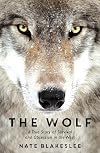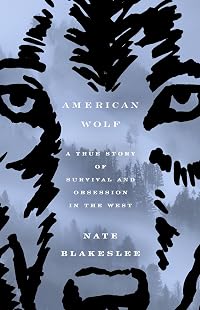
American Wolf: A True Story of Survival and Obsession in the West
by Nate Blakeslee
On This Page
Description
A NEW YORK TIMES BESTSELLER • The enthralling true story of the rise and reign of O-Six, the celebrated Yellowstone wolf, and the people who loved or feared her.Before men ruled the earth, there were wolves. Once abundant in North America, these majestic creatures were hunted to near extinction in the lower 48 states by the 1920s. But in recent decades, conservationists have brought wolves back to the Rockies, igniting a battle over the very soul of the West.
With novelistic detail, show more Nate Blakeslee tells the gripping story of one of these wolves, O-Six, a charismatic alpha female named for the year of her birth. Uncommonly powerful, with gray fur and faint black ovals around each eye, O-Six is a kind and merciful leader, a fiercely intelligent fighter, and a doting mother. She is beloved by wolf watchers, particularly renowned naturalist Rick McIntyre, and becomes something of a social media star, with followers around the world.
But as she raises her pups and protects her pack, O-Six is challenged on all fronts: by hunters, who compete with wolves for the elk they both prize; by cattle ranchers who are losing livestock and have the ear of politicians; and by other Yellowstone wolves who are vying for control of the park’s stunningly beautiful Lamar Valley.
These forces collide in American Wolf, a riveting multigenerational saga of hardship and triumph that tells a larger story about the ongoing cultural clash in the West—between those fighting for a vanishing way of life and those committed to restoring one of the country’s most iconic landscapes. show less
Tags
Recommendations
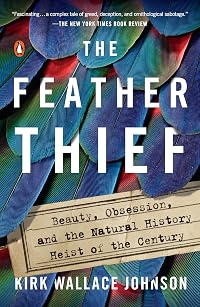

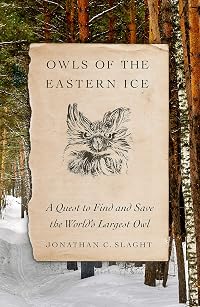
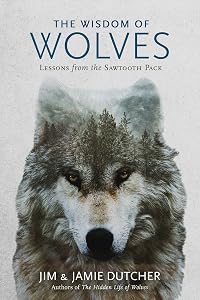
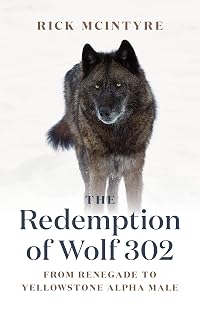
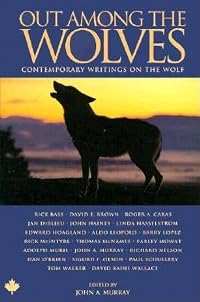
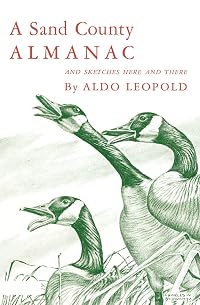
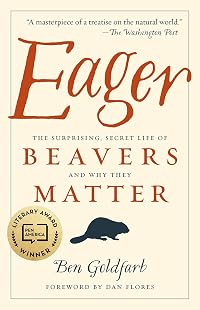


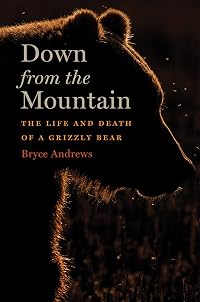







Member Recommendations
Member Reviews
Non-fiction about the reintroduction of wolves into Yellowstone in Wyoming in the mid-1990s. Park ranger Rick McIntyre, after spending time at Denali in Alaska, relocated to Wyoming, and became a diligent wolf observer, documenting wolf behavior over the course of years. The author relied heavily on the Rick’s and other wolf-watchers’ field notes as reference material from which to create this account of wolves in the wild. The storyline focuses on an alpha female, O-Six (the year of her birth), and pack behavior throughout the region. Highlights include the social and family interactions of the pack, territorial aggression, and tracking prey.
I found this book extremely informative and well-written. The author has a knack of show more converting notes, interviews, and research into a cohesive and compelling story. In fact, one of the themes of this book is the impact of storytelling, conveyed through Rick and his interactions with the many visitors to the park. It communicates the passion of the wolf-watchers of Yellowstone, as well as portraying the differing points of view of hunters and ranchers. The book excels when it focuses on O-Six, her pack, and the other Yellowstone packs. I was very interested in the portions on the wolves and animal behavior but less fond of the chapters on politics. Unfortunately, a book of this sort was almost required to delve into the political aspects of wolf-hunting. The author interviewed one of the wolf hunters and included his viewpoints, assigning him a pseudonym. Even so, the tone is pro-wolf, elucidating the environmental benefits of a thriving ecosystem, complete with both predators and prey, eventually leading to balance.
Obviously, in the wild lots of harm comes to animals through a variety of means, so if you are sensitive to animals being injured or killed, you may want to skim or skip certain segments. Recommended to those interested in animal behavior, wolves, or environmentalism. show less
I found this book extremely informative and well-written. The author has a knack of show more converting notes, interviews, and research into a cohesive and compelling story. In fact, one of the themes of this book is the impact of storytelling, conveyed through Rick and his interactions with the many visitors to the park. It communicates the passion of the wolf-watchers of Yellowstone, as well as portraying the differing points of view of hunters and ranchers. The book excels when it focuses on O-Six, her pack, and the other Yellowstone packs. I was very interested in the portions on the wolves and animal behavior but less fond of the chapters on politics. Unfortunately, a book of this sort was almost required to delve into the political aspects of wolf-hunting. The author interviewed one of the wolf hunters and included his viewpoints, assigning him a pseudonym. Even so, the tone is pro-wolf, elucidating the environmental benefits of a thriving ecosystem, complete with both predators and prey, eventually leading to balance.
Obviously, in the wild lots of harm comes to animals through a variety of means, so if you are sensitive to animals being injured or killed, you may want to skim or skip certain segments. Recommended to those interested in animal behavior, wolves, or environmentalism. show less
Blakeslee balances the narrative well, alternating the stories of the wolves' lives---individual hunts, pack movements, fights and reconfigurations---with information about the science and natural history of wolves, and a chronological story of the politics of wolf hunting around Yellowstone National Park. The reader gets a good sense both for the wolves and for the small community of enthusiastic wolf trackers.
Blakeslee tries to be balanced, but there is no balance to be had here. The wolf hunters are ignorant, lazy, stupid and selfish. On meeting one hunter, the very first thing he does is to threaten to kill her ("I have tracked wolves, so I can track you"). Then, again reinforcing his essential cowardice, he insists on her using a show more pseudonym in the book. The wolf he killed had been viewed by hundreds of thousands of visitors to Yellowstone National Park (and had become somewhat habituated to humans); he kept the carcass in a back room of his cabin. show less
Blakeslee tries to be balanced, but there is no balance to be had here. The wolf hunters are ignorant, lazy, stupid and selfish. On meeting one hunter, the very first thing he does is to threaten to kill her ("I have tracked wolves, so I can track you"). Then, again reinforcing his essential cowardice, he insists on her using a show more pseudonym in the book. The wolf he killed had been viewed by hundreds of thousands of visitors to Yellowstone National Park (and had become somewhat habituated to humans); he kept the carcass in a back room of his cabin. show less
This is a wonderful nonfiction book about the reintroduction of wolves in Yellowstone National Park. The author approaches the subject in the style of journalistic reporting. He is clearly on the side of the wolves and approves of the reintroduction, however, he does present both sides. Many of the people who live in the region worried about their livestock and the easy hunting of elk that both stocks their freezers and brings tourism/money to the area.
Blakeslee goes into the politics and legal fights around the issue, but where the book really shines is in describing the wolves themselves. He spends most of the book detailing how the wolves work as packs and how they interact between packs, bringing to life several individual wolves. show more He also describes how reintroducing the top predator helped so many animals thrive and brought the terrain back to life in ways that even experts didn't even know it needed.
Thanks to someone (Jerry?) for bringing this book to my attention. I loved it. show less
Blakeslee goes into the politics and legal fights around the issue, but where the book really shines is in describing the wolves themselves. He spends most of the book detailing how the wolves work as packs and how they interact between packs, bringing to life several individual wolves. show more He also describes how reintroducing the top predator helped so many animals thrive and brought the terrain back to life in ways that even experts didn't even know it needed.
Thanks to someone (Jerry?) for bringing this book to my attention. I loved it. show less
The only reason I'm not giving this book five stars is that the chapters on politics were irritating beyond belief. Because it seems all the attitudes, both pro and con, were based on optics and emotion, and not science or facts.
The book itself is well-written, well-researched, and very informative. The story of the Yellowstone wolves is a fascinating one. The author does a great job showing the animals and humans in all their individuality. There is no sentimentalizing here, just the portrayal of a complex species of apex predators in their natural environment, or as natural as it can be in a national park visited by millions of people.
I'm not anti-hunting, having lived for several years in Alaska where many people are subsistence show more hunters, and eat what they kill. I can understand, although don't always agree with, ranchers hunting to protect livestock. However, I do not understand trophy hunting. It is literally killing for the sake of killing, to have a head or a hide on the wall where someone else might hang art. This is not a thing to be proud of. Shooting an animal with a long distance weapon like a rifle is nothing close to 'fair chase,' no matter how much a hunter tries to justify it. Without need, without risk, there is no fair chase. So despite Blakeslee's attempt to portray the killer of wolf 0-six in a neutral light, I ended up despising him.
The concept of trophic cascade, how the reintroduction of wolves into Yellowstone ended up improving the entire ecosystem, is fascinating, and I would have been interested to learn more about that.
I have seen wolves at a distance in Canada and Alaska. Once, in Katmai National Park, I happened to be alone on a short trail through the woods. The group of people ahead of me had turned a corner and were briefly out of sight. A gray wolf stepped out of the trees onto the trail ahead, between myself and the rest of the group. It wore a research collar and stood still, looking at me, perhaps twenty feet away. I stopped, not wanting to get closer, but also aware that the group was getting farther away. We looked at each other for several moments before the wolf disappeared back into the woods. Although the encounter wasn't frightening, I was definitely aware of being in the presence of an intelligent predator. It had a completely different feeling than one gets from a dog. show less
The book itself is well-written, well-researched, and very informative. The story of the Yellowstone wolves is a fascinating one. The author does a great job showing the animals and humans in all their individuality. There is no sentimentalizing here, just the portrayal of a complex species of apex predators in their natural environment, or as natural as it can be in a national park visited by millions of people.
I'm not anti-hunting, having lived for several years in Alaska where many people are subsistence show more hunters, and eat what they kill. I can understand, although don't always agree with, ranchers hunting to protect livestock. However, I do not understand trophy hunting. It is literally killing for the sake of killing, to have a head or a hide on the wall where someone else might hang art. This is not a thing to be proud of. Shooting an animal with a long distance weapon like a rifle is nothing close to 'fair chase,' no matter how much a hunter tries to justify it. Without need, without risk, there is no fair chase. So despite Blakeslee's attempt to portray the killer of wolf 0-six in a neutral light, I ended up despising him.
The concept of trophic cascade, how the reintroduction of wolves into Yellowstone ended up improving the entire ecosystem, is fascinating, and I would have been interested to learn more about that.
I have seen wolves at a distance in Canada and Alaska. Once, in Katmai National Park, I happened to be alone on a short trail through the woods. The group of people ahead of me had turned a corner and were briefly out of sight. A gray wolf stepped out of the trees onto the trail ahead, between myself and the rest of the group. It wore a research collar and stood still, looking at me, perhaps twenty feet away. I stopped, not wanting to get closer, but also aware that the group was getting farther away. We looked at each other for several moments before the wolf disappeared back into the woods. Although the encounter wasn't frightening, I was definitely aware of being in the presence of an intelligent predator. It had a completely different feeling than one gets from a dog. show less
It seems like, when it comes to wolves, no one is neutral - people either love them or hate them. I am in the first category, not that I’ve ever seen one, but I fell in love with them after reading Never Cry Wolf way back in the ‘60s. But to many people in the US, especially hunters and ranchers, wolves were a particularly destructive predator not only to elk but to domestic livestock. As a result, they had been almost completely eradicated. Wolves had not been seen in much of the US in decades, Then in the ‘90s, as elk herds surged in Yellowstone Park, it was decided to reintroduce wolves into the area. Like so many others, I followed the story of their reintroduction, even felt an embarrassing sense of pride that those first show more wolves were Canadian wolves. But the ranchers and elk hunters were still strongly anti-wolf, an opposition made worse by the fact that the decision was made by the federal government and seemed to ignore the wishes of the residents.
In American Wolf: A True Story of Survival and Obsession in the West, writer Nick Blakeslee chronicles the history of the reintroduction, the packs, the politics, the science, their effect on the park, the question of wolf hunts, the political wrangles to take them off the endangered list as well as to keep them on it, the people who loved them, the people who hated them, and the people who just wanted to see them. He tells the story mainly through two individuals: Rick McIntyre, a biological technician for the Yellowstone Wolf Project who, it is safe to say, became obsessed with the wolves and O6, an alpha-female who became not only one of Rick’s favourites but would eventually become known as the most famous wolf in the world.
American Wolf is a well-written, well-documented book. Blakeslee tries to stay objective and give both sides a voice. He is clearly sympathetic to the hunters and ranchers and townsfolk who saw the reintroduction as detrimental to their way of life and he shows how divisive it proved to be. In one case, he mentions two stores in the same airport; one was pro-wolf and sold all kinds of wolf souvenirs and the other anti- and refused to carry anything wolf related. But, despite his best effort, it is clear that his real sympathy is for the wolves – many of whom he brings to life, chronicling their genealogy from the first group of wolves, the different packs who sprang from these first wolves, their pack behaviour as well as the distinct personalities of several individuals, their lives… and their deaths. This may be the only non-fiction book that has made me cry. For anyone who, like me, loves wolves or is just interested in the story of their reintroduction, I can’t recommend this book highly enough.
Thanks to Netgalley and Crown Publishing for the opportunity to read this book in exchange for an honest review show less
In American Wolf: A True Story of Survival and Obsession in the West, writer Nick Blakeslee chronicles the history of the reintroduction, the packs, the politics, the science, their effect on the park, the question of wolf hunts, the political wrangles to take them off the endangered list as well as to keep them on it, the people who loved them, the people who hated them, and the people who just wanted to see them. He tells the story mainly through two individuals: Rick McIntyre, a biological technician for the Yellowstone Wolf Project who, it is safe to say, became obsessed with the wolves and O6, an alpha-female who became not only one of Rick’s favourites but would eventually become known as the most famous wolf in the world.
American Wolf is a well-written, well-documented book. Blakeslee tries to stay objective and give both sides a voice. He is clearly sympathetic to the hunters and ranchers and townsfolk who saw the reintroduction as detrimental to their way of life and he shows how divisive it proved to be. In one case, he mentions two stores in the same airport; one was pro-wolf and sold all kinds of wolf souvenirs and the other anti- and refused to carry anything wolf related. But, despite his best effort, it is clear that his real sympathy is for the wolves – many of whom he brings to life, chronicling their genealogy from the first group of wolves, the different packs who sprang from these first wolves, their pack behaviour as well as the distinct personalities of several individuals, their lives… and their deaths. This may be the only non-fiction book that has made me cry. For anyone who, like me, loves wolves or is just interested in the story of their reintroduction, I can’t recommend this book highly enough.
Thanks to Netgalley and Crown Publishing for the opportunity to read this book in exchange for an honest review show less
This book was so good. It’s about the reintroduction of wolves to Yellowstone National Park and follows wolf packs over generations, while also detailing the politics around ranchers and wolf hunting and animal protection that were underway during this time. Who would’ve thought anyone could weave such an intriguing narrative about real wolves, specific wolves, wolves with names, and their packs/families. This book does it. So fascinating. And wolves are marvelous magical creatures. Bonus point that the book is centered around a badass alpha female
It lost a star because there could’ve been a lot more history shared around the native peoples relationships to wolves in the area now known as Yellowstone
It lost a star because there could’ve been a lot more history shared around the native peoples relationships to wolves in the area now known as Yellowstone
For National Wolf Awareness Week I read American Wolf by Nate Blakeslee. It is the story of the reintroduction of wolves to Yellowstone National Park and the battle between state and Federal agencies over wolf hunting. By telling the story of one wolf, O-6, Blakeslee engages the reader's heart and mind while revealing the complicated political process that determines American law that is too often independent of informed knowledge.
O-6 became a favorite of wolf watchers and her life is well documented. Blakeslee introduces readers to National Park Service employee Rick McIntyre who every day watched and recorded the activities of the wolves. And we meet those who rely on elk hunting for income or food or sport and who hate the wolves.
The show more hunters believe that wolves decimate elk herds and that banning any hunting leads to ending all hunting, therefore the end of any need for guns, therefore the banning of guns. In other words, they are fighting for their way of life. States arbitrarily determined how many wolves could be taken and how many were 'needed', totally unbased on any scientific understanding.
While one Federal agency reintroduced wolves into the Yellowstone ecosystem, another leased land contiguous to the park for ranchers to graze their livestock. Wolves don't understand imaginary boundaries and often their territory went into non-park land where they could be hunted. When packs are decimated and weak they take easy prey, which include the grazing livestock. The ranchers are then reimbursed for their losses. It is a vicious cycle that makes no logical sense.
I was appalled whle learning how Washington politics impacted the Yellowstone wolves. Congress overruled the court regarding the hunting of wolves. It had cost $117 million to restore wolves to the ecosystem. The results were dramatic; flora and fauna flourished as the environment returned to its natural state. Fewer elk ended overgrazing and brought a flourishing of fauna that brought back the beaver and rodents and consquently raptors. Yet no fewer elk were taken in the hunt, it just was not easy to find them. Legalizing hunting adjacent to the park land was like throwing that money and environmental stability to the wind.
Toward the end of the book, Rick realizes that wolf 21 had returned to die where his pack had once ruled. It puzzled him until he recalled the story of Hachiko, the Japanese Akita who had always waited at the train station for his owner, and after the owner's death had continued to come every day for nine years. 21 was waiting for his mate.
"Can a wolf in the wild experience what we know as joy and happiness? Rick said, his voice breaking noticeably. "And my answer is yes."
Blakeslee's book is a wonderful study both of the wolves and the complicated human reaction to wolves.
I received a free book through Blogging for Books in exchange for a fair and unbiased review. show less
O-6 became a favorite of wolf watchers and her life is well documented. Blakeslee introduces readers to National Park Service employee Rick McIntyre who every day watched and recorded the activities of the wolves. And we meet those who rely on elk hunting for income or food or sport and who hate the wolves.
The show more hunters believe that wolves decimate elk herds and that banning any hunting leads to ending all hunting, therefore the end of any need for guns, therefore the banning of guns. In other words, they are fighting for their way of life. States arbitrarily determined how many wolves could be taken and how many were 'needed', totally unbased on any scientific understanding.
While one Federal agency reintroduced wolves into the Yellowstone ecosystem, another leased land contiguous to the park for ranchers to graze their livestock. Wolves don't understand imaginary boundaries and often their territory went into non-park land where they could be hunted. When packs are decimated and weak they take easy prey, which include the grazing livestock. The ranchers are then reimbursed for their losses. It is a vicious cycle that makes no logical sense.
I was appalled whle learning how Washington politics impacted the Yellowstone wolves. Congress overruled the court regarding the hunting of wolves. It had cost $117 million to restore wolves to the ecosystem. The results were dramatic; flora and fauna flourished as the environment returned to its natural state. Fewer elk ended overgrazing and brought a flourishing of fauna that brought back the beaver and rodents and consquently raptors. Yet no fewer elk were taken in the hunt, it just was not easy to find them. Legalizing hunting adjacent to the park land was like throwing that money and environmental stability to the wind.
Toward the end of the book, Rick realizes that wolf 21 had returned to die where his pack had once ruled. It puzzled him until he recalled the story of Hachiko, the Japanese Akita who had always waited at the train station for his owner, and after the owner's death had continued to come every day for nine years. 21 was waiting for his mate.
"Can a wolf in the wild experience what we know as joy and happiness? Rick said, his voice breaking noticeably. "And my answer is yes."
Blakeslee's book is a wonderful study both of the wolves and the complicated human reaction to wolves.
I received a free book through Blogging for Books in exchange for a fair and unbiased review. show less
Members
- Recently Added By
Lists

Top Five Books of 2018
802 works; 265 members

Science: Zoology
107 works; 1 member

Books about Animals
86 works; 4 members

Books Read in 2023
5,638 works; 147 members

Favorite Animal Non-Fiction
293 works; 144 members
Author Information

3 Works 815 Members
Nate Blakeslee was former editor of the Texas Observer and broke the Tulia story in 2000.
Some Editions
Awards and Honors
Awards
Distinctions
Notable Lists
Common Knowledge
- Original title
- American Wolf: A True Story of Survival and Obsession in the West
- Alternate titles
- The Wolf: A True Story of Survival and Obsession in the West
- Original publication date
- 2017
- People/Characters
- O-Six; Laurie Lyman; Rick McIntyre; Steven Turnbull; Wayne Turnbull
- Important places
- Montana, USA; Wyoming, USA; Yellowstone National Park, USA; Lamar Valley, Wyoming, USA
- Epigraph
- It would be so lovely to not have to follow the scents of the politics, the laws, the cattle, the humans, the hunters, the roads. It would be so lovely to just stay in the dark woods and concentrate only on pure unencumbered ... (show all)biology: foot sizes and body weights, diets, range and distribution. It would also be fiction.
- Rick Bass, The Ninemile Wolves
No beast so fierce but knows some touch of pity.
But I know none, and therefore am no beast.
- Richard III
All stories are about wolves. All worth repeating, that is. Anything else is sentimental drivel. . . . Think about it. There's escaping from the wolves, fighting the wolves, capturing the wolves, taming the wolves. Being thro... (show all)wn to the wolves, or throwing others to the wolves so the wolves will eat them instead of you. Running with the wolf pack. Turning into a wolf. Best of all, turning into the head wolf. No other decent stories exist.
- Margaret Atwood, The Blind Assassin - Dedication
- For Manny and June
- First words
- The hunter left his truck at the end of the gravel road and trudged into the fresh December snow.
- Last words
- (Click to show. Warning: May contain spoilers.)O-Six could still draw an audience, as good a reason as any to begin telling a story.
Classifications
- Genres
- Science & Nature, General Nonfiction, Nonfiction
- DDC/MDS
- 599.77309787 — Natural sciences & mathematics Animals Mammals Carnivora; Cats, Dogs, Bears, Seals Canines Wolves History, geography, biography North America Western United States Wyoming
- LCC
- QL737 .C22 .B54284 — Science Zoology Zoology Chordates. Vertebrates Mammals
- BISAC
Statistics
- Members
- 616
- Popularity
- 47,572
- Reviews
- 40
- Rating
- (4.17)
- Languages
- English, German, Korean
- Media
- Paper, Audiobook, Ebook
- ISBNs
- 16
- ASINs
- 5