On This Page
Description
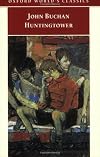
To celebrate his retirement, mild-mannered grocer Dickson McCunn has planned a walking tour of the Scottish countryside. However, the journey that starts out as a bucolic gambol soon spirals into a remarkable -- and endlessly entertaining -- series of mishaps and misadventures, including a harebrained scheme to abduct and ransom a Russian princess. Will McCunn make it back from his holiday in one piece?Tags
Recommendations












Member Recommendations

thorold If you like adventure stories with modest, middle-aged heroes, Dickson McCunn and Keith Stewart are among the best of the breed.
Member Reviews
Buchan described many of his own works as 'shockers' -- escapist adventures. There is modesty in that description, as Buchan's prose style makes his work impossible to confuse with even the best dime novels.
But there is another distinction. Many tory writers would create a naive pacifist, as Buchan does in Mr. Standfast. But few would redeem him as Buchan does, and make the character's redemption consist not of the rejection of the pacifist creed but in its magnificent embrace. Throughout all his work one finds this consistent moral tone -- a fairness to all sides, a charity towards weakness, a chivalry. When reading Buchan I can physically feel its presence, like a crisp ocean breeze.
Huntingtower is a small canvas for Buchan. It is show more consciously an entertainment, and contains a degree of whimsy not equally present in his Hanney or Leithen novels. But you can smell the salt air, and the same bracing wind comes roaring from the pages... show less
But there is another distinction. Many tory writers would create a naive pacifist, as Buchan does in Mr. Standfast. But few would redeem him as Buchan does, and make the character's redemption consist not of the rejection of the pacifist creed but in its magnificent embrace. Throughout all his work one finds this consistent moral tone -- a fairness to all sides, a charity towards weakness, a chivalry. When reading Buchan I can physically feel its presence, like a crisp ocean breeze.
Huntingtower is a small canvas for Buchan. It is show more consciously an entertainment, and contains a degree of whimsy not equally present in his Hanney or Leithen novels. But you can smell the salt air, and the same bracing wind comes roaring from the pages... show less
Namochrist! See that John Buchan? See that Huntingtower? Crivvens but that fella can write. Adventure, excitement, lassies in distress – allathat, sure, but also: the highlands, the heather, the burns and the bonny banks (an’ the no so bonnie banks), furriners, exotic furriners, good furriners an’ evil furriners – an’ evil as only furriners can be noo, no evil like some pasty haim grown evil lout. It’s like getting’ a furriner, and getting’ evil, and crashin ‘em together in yon large haydron collider. See adventure? See scenery? See drama? Oot o breath yet? No? Hoo aboot…grocers?
Naw just ony grocer mind. A retired grocer!
Aye, noo yer interested, eh? But hod on, there’s mair. Wee wifies from a wee village, aye show more redoubtable. An’ poets. Aye, that’s right enough, poets in an adventure yarn. An if that’s no enough ta half yer breeks standing ta attention, The Gorbals Diehards!
The Gorbals Diehards! Just say the words! They roll round in yer gob like a boiled sweet, like a dram. Were ye in a gang when ye were a kiddie? (No, no’ ane a those that do yon drive-by and wear their hankies ain their heeds an’ their breeks holf way doon their shins, basically updated versions o the Sharks and the Jets but wi’ hip-hop gangster rap instead o show tunes and 9mm automatics instead o dancin’. Naw, I’m meanin’ the one you and yer mates formed up ta give yer hangin’ roond a wee bittie waste ground some romance). Did it have a name?
I bet it did, even if it was just in yer heid because ye knew that if ye ever let on that ye called the gang ‘the mystery team’ or ‘the wee A team’ or ‘[yer awn name here]’s gang o death’ the rest o the lads would ha beat the tar oot a ya. So ya put up wi whatever bawheadied name the big lads picked, probably based on their footie team. Whitever yer gang wis called ‘the East End boys’, ‘the Wild Ones’, ‘the leather lads’, I bet it wisne a patch on ‘The Gorbals Diehards’.
In a fight, the Gorbals Diehards could take the following, nay bother: LA gangs, Pirates, Nazis, the KKK, backwoods militia types, Al Queda, Klingons, Daleks and Imperial Stormtroopers…and Imperial Stormtorropers arnie even REAL!
Ahem, okay, the rest in English.
John Buchan knows who he is writing for. Dixon McCunn is a freshly retired grocer who, with a lifetime of dreaming behind him and days of leisure in front of him, decides to stroll the Highlands and strides straight into adventure. Buchan is writing for the man on the train, fettered to an office away from natural light and fresh air, he holds out the promise of hope that, upon retirement, it’s not just a shed, a model train set, addiction to painkillers and gin and a slow decline towards finding yourself in your dressing gown at the corner shop, having no recollection about what you came in here for and acutely aware of people staring at your mismatched slippers. Something splendid awaits.
This is adventure, this is a man who goes looking for adventure, informed by a lifetime of reading adventure novels well…like this one actually, and who finds that that physical bravery, some supreme moral courage and the commendably lax laws about owning firearms in 1920’s Scotland is quite enough thank you to see off the vilest conspiracy to harm innocents. Because this is not an Englishman roused to action…this is a Scotsman roused to action and when injured, the man bleeds tartan…well, the red bits anyway, the blues and greens are the bruising.
McCunn’s initial act of charity towards the Gorbals Diahards is repaid a thousandfold. He triumphs because he is a decent man, like anyone who is reading this; because this novel is like a litmus test. If you enjoy, really enjoy it, then if your train were to deposit you not at your commuter station for a day at the office but on the platform of a deserted station in the highlands where mystery and adventure awaited, you’d be equipped – because all you would need to ask yourself is ‘what would McCunn do?’. show less
Naw just ony grocer mind. A retired grocer!
Aye, noo yer interested, eh? But hod on, there’s mair. Wee wifies from a wee village, aye show more redoubtable. An’ poets. Aye, that’s right enough, poets in an adventure yarn. An if that’s no enough ta half yer breeks standing ta attention, The Gorbals Diehards!
The Gorbals Diehards! Just say the words! They roll round in yer gob like a boiled sweet, like a dram. Were ye in a gang when ye were a kiddie? (No, no’ ane a those that do yon drive-by and wear their hankies ain their heeds an’ their breeks holf way doon their shins, basically updated versions o the Sharks and the Jets but wi’ hip-hop gangster rap instead o show tunes and 9mm automatics instead o dancin’. Naw, I’m meanin’ the one you and yer mates formed up ta give yer hangin’ roond a wee bittie waste ground some romance). Did it have a name?
I bet it did, even if it was just in yer heid because ye knew that if ye ever let on that ye called the gang ‘the mystery team’ or ‘the wee A team’ or ‘[yer awn name here]’s gang o death’ the rest o the lads would ha beat the tar oot a ya. So ya put up wi whatever bawheadied name the big lads picked, probably based on their footie team. Whitever yer gang wis called ‘the East End boys’, ‘the Wild Ones’, ‘the leather lads’, I bet it wisne a patch on ‘The Gorbals Diehards’.
In a fight, the Gorbals Diehards could take the following, nay bother: LA gangs, Pirates, Nazis, the KKK, backwoods militia types, Al Queda, Klingons, Daleks and Imperial Stormtroopers…and Imperial Stormtorropers arnie even REAL!
Ahem, okay, the rest in English.
John Buchan knows who he is writing for. Dixon McCunn is a freshly retired grocer who, with a lifetime of dreaming behind him and days of leisure in front of him, decides to stroll the Highlands and strides straight into adventure. Buchan is writing for the man on the train, fettered to an office away from natural light and fresh air, he holds out the promise of hope that, upon retirement, it’s not just a shed, a model train set, addiction to painkillers and gin and a slow decline towards finding yourself in your dressing gown at the corner shop, having no recollection about what you came in here for and acutely aware of people staring at your mismatched slippers. Something splendid awaits.
This is adventure, this is a man who goes looking for adventure, informed by a lifetime of reading adventure novels well…like this one actually, and who finds that that physical bravery, some supreme moral courage and the commendably lax laws about owning firearms in 1920’s Scotland is quite enough thank you to see off the vilest conspiracy to harm innocents. Because this is not an Englishman roused to action…this is a Scotsman roused to action and when injured, the man bleeds tartan…well, the red bits anyway, the blues and greens are the bruising.
McCunn’s initial act of charity towards the Gorbals Diahards is repaid a thousandfold. He triumphs because he is a decent man, like anyone who is reading this; because this novel is like a litmus test. If you enjoy, really enjoy it, then if your train were to deposit you not at your commuter station for a day at the office but on the platform of a deserted station in the highlands where mystery and adventure awaited, you’d be equipped – because all you would need to ask yourself is ‘what would McCunn do?’. show less
Loved this little gem. A nice uncomplicated little adventure.....simple middle-class guy sets out to take a relaxing walking holiday in the Scottish countryside and soon innocently finds himself embroiled in an incident of secret international intrigue. A romp of sorts including a scrappy band of city boy ruffians, abandoned ocean-side manor house, treasure, weapons, sailing ships, a strong-willed fair maiden, and whole host of colorful shady characters all thrown in and mixed together for just a good old-fashioned story. A little bit of a struggle with some Scottish dialect, but not enough to discourage. Will good triumph over evil???? I'll not ruin it....read it and find out for yourself!
A century after its publication, I would probably agree with any current-day criticisms of the novel. But it's still a good, fast-paced yarn - and I felt at certain points like a boy again reading an adventure story on a rainy day (I finished it today during a snowfall). I previously read the third book in Buchan's linked trilogy - 'The House of the Four Winds' - and enjoyed this more. At some point I sold my copy of the middle book ('Castle Gay') and will pick up another should I come across one.
This was a bit of a potboiler. I am a great fan of John Buchan's spy adventure novels, but both the plot and the development of the characters in Huntingtower seemed to be second-rate.
Huntingtower is the first of a series of three novels centered around the character Dickson McCunn. The novels in the series were written alongside other novels by Buchan I appreciate much more. The fast development of the plot is characteristic, as are serendipity and exaggerated elements of a strong story. The solidarity of Scottish (or British) folk against a sinister foreign power, and corruption of some countrymen are also a fixed element. Another thing is the obvious love of the Scottish countryside, and beautiful descriptions of the landscape, show more nature, villages and castles.
Still, particularly in this first volume, the character of Dickson McCunn, as well as Heritage are cardboard characters. Their unexpected ally consists in a troupe of street urchins, the Gorbal Die-Hards and their leader Dougal, sketched by the same pasteboard characterization. There is some humor in the way they are juxtaposed against the aristocratic Sir Archibald. The Gorbal Die-Hards add a fairy-tale element to the novel.
Huntingtower was written shortly after the Russian Revolution and published in 1922. The novel contains several story elements that would later feature in Cold War era pulp fiction, such as Russian spies, the ruthlessness of Bolshevik spies, the power of a united people to withstand an invader, and the importance of the middle class and its natural loyalty to the upper classes. show less
Huntingtower is the first of a series of three novels centered around the character Dickson McCunn. The novels in the series were written alongside other novels by Buchan I appreciate much more. The fast development of the plot is characteristic, as are serendipity and exaggerated elements of a strong story. The solidarity of Scottish (or British) folk against a sinister foreign power, and corruption of some countrymen are also a fixed element. Another thing is the obvious love of the Scottish countryside, and beautiful descriptions of the landscape, show more nature, villages and castles.
Still, particularly in this first volume, the character of Dickson McCunn, as well as Heritage are cardboard characters. Their unexpected ally consists in a troupe of street urchins, the Gorbal Die-Hards and their leader Dougal, sketched by the same pasteboard characterization. There is some humor in the way they are juxtaposed against the aristocratic Sir Archibald. The Gorbal Die-Hards add a fairy-tale element to the novel.
Huntingtower was written shortly after the Russian Revolution and published in 1922. The novel contains several story elements that would later feature in Cold War era pulp fiction, such as Russian spies, the ruthlessness of Bolshevik spies, the power of a united people to withstand an invader, and the importance of the middle class and its natural loyalty to the upper classes. show less
A grand tale of derring-do, though I kept expecting some massive twist where all the good guys were the bad guys and so forth. This meant I didn't really follow all the complicated battle and adventure scenes since I was looking for the secret clues that weren't actually there.
The Old Scots dialect nearly did me in but I managed to get through it all. A fun listen from LibriVox with a very good reader.
The Old Scots dialect nearly did me in but I managed to get through it all. A fun listen from LibriVox with a very good reader.
Huntingtower is the tale of a holiday gone wondrously, fantastically wrong. All Dickson McCann expected was to take a nice ramble in the Scottish countryside, while his wife was away at the spa. Instead he found himself saving a princess with only a cynical poet and some underfed schoolboys as allies. In the process, his tired life finds a second wind.
A fun, period adventure.
A fun, period adventure.
This review was written for LibraryThing Member Giveaways.
Members
- Recently Added By
Lists

Best Books About Journeys and Quests
117 works; 30 members

In and About the 1920s
181 works; 31 members

Best Literary Walks
35 works; 5 members
Author Information

280+ Works 17,557 Members
John Buchan was born in Perth on 26th August, 1875. Educated at Glasgow University and Brasenose College, Oxford, in 1898 Buchan won the Newdigate Prize for poetry. Although trained as a lawyer, Buchan became private secretary to Lord Alfred Milner, high commissioner for South Africa. In 1903 he returned to England where he became a director of show more the publishing company, Thomas Nelson & Sons. In 1910 Buchan had his first novel, Prester John, published. In July 1914, Blackwood's Magazine began serializing Buchan's The Thirty-Nine Steps. With Britain on the verge of war, the nation was obsessed with German spy fever and its subject matter made it an immediate success. When it was published in book form, it sold over 25,000 copies in three months. Charles Masterman, the journalist, was appointed head of the government's War Propaganda Bureau. Masterman recruited Buchan and asked him to organise the publication of a history of the war in the form of a monthly magazine. Published by his own company, the first installment of the Nelson's History of the War appeared in February, 1915. A further twenty-three appeared at regular intervals throughout the war. In the spring of 1915, Buchan agreed to become one of the five journalists attached to the British Army. He was given responsibility for providing articles for The Times and the Daily News. In June 1916, Buchan was recruited by the British Army to draft communiqués for Sir Douglas Haig and other members of the General Headquarters Staff. Given the rank of Second Lieutenant in the Intelligence Corps, Buchan was also provided with the documents needed to write the Nelson's History of the War. Buchan's History of the War provided the public with a completely false impression of what was going on the Western Front. Buchan also wrote a series of propoganda pamphlets published by Oxford University Press. In February, 1917, the government established a Department of Information. Given the rank Lieutenant Colonel, Buchan was put in charge on the department on an annual salary of £1,000 a year. After the war Buchan continued to write adventures stories such as Huntingtower, The Three Hostages, and Witch Wood (1927). He also became involved in politics and in 1927 was elected Conservative MP for the Scottish Universities. Buchan held the seat until granted the title Baron Tweedsmuir in 1935. Buchan was president of the Scottish History Society from 1929 to 1932, and wrote biographies of Montrose and Sir Walter Scott. Buchan also served as governor-general of Canada from 1935 to 1937 and chancellor of Edinburgh University from 1937 to 1940. John Buchan died on 12th February, 1940. (Bowker Author Biography) show less
Some Editions
Series

Belongs to Publisher Series
Work Relationships
Common Knowledge
- Original title
- Huntingtower
- Original publication date
- 1922
- People/Characters
- Dickson McCunn; Jaikie Galt; Archie Roylance; John Heritage; Princess Saskia
- Important places
- Carrick, Scotland, UK (now part of South Ayrshire); South Ayrshire, Scotland, UK
- Related movies
- Huntingtower (1928 | IMDb); Huntingtower (1957 | IMDb); Huntingtower (1978 | IMDb)
- Dedication
- To W. P. Ker
- First words
- The girl came into the room with a darting movement like a swallow, looked round her with the same birdlike quickness, and then ran across the polished floor to where a young man sat on a sofa with one leg laid along it.
- Last words
- (Click to show. Warning: May contain spoilers.)“I wouldn't say but it has,” says Dickson.
- Original language
- English
Classifications
Statistics
- Members
- 420
- Popularity
- 73,528
- Reviews
- 8
- Rating
- (3.82)
- Languages
- English
- Media
- Paper, Audiobook, Ebook
- ISBNs
- 86
- ASINs
- 38