On This Page
Description
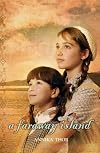
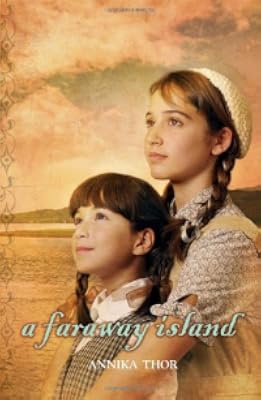
In 1939 Sweden, two Jewish sisters wait for their parents to flee the Nazis in Austria, but while eight-year-old Nellie settles in quickly, twelve-year-old Stephie feels stranded at the end of the world, with a foster mother who is as cold and unforgiving as the island on which they live.Tags
Recommendations































Member Recommendations

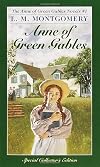
cbl_tn There are similarities between characters (young girl taken in by a stern older woman) and an island setting.
Member Reviews
This is a very interesting fictionalized account of Jewish refugee children who were sent to Sweden in the late 1930s. Being told from the perspective of 12 year old Stephie allows the story to examine the more emotional aspects of the situation and historical period. The author successfully contrasts the experiences of Stephie and her younger sister Nellie. When Nellie quickly adapts to the different environment, Stephie feels that she is rejecting her German culture. The conflicting emotions felt by the main character, being grateful for her safety, missing her family and homeland, not being truly accepted by the Swedes, make for a riveting story. The epilogue written by the author is particularly profound in that it explains that show more many of the 500 refugee children, while they survived the war, were not reunited with their families and returned home; in some cases it took decades for them to even be able to talk about their painful experiences. Though the book ends on a hopeful note, the reader can’t help but wonder if Stephie and Nellie received their hoped for ending.
Note that this is a translation of the original Swedish text. show less
Note that this is a translation of the original Swedish text. show less
This is what I would call a young adult book with wide appeal. It's the story of two Jewish sisters, Stephie and Nellie Steiner, who are sent to Sweden from Vienna in the summer of 1939. Their parents are trying to get visas to leave for America, and the girls expect to join them for the trip in three months, maybe six. Upon arriving in Göteborg, they are told that they will not be in the same household, but that they will be hosted in the same village on an island. Seven-year-old Nellie is placed with in a cheerful family with two young children, and twelve-year-old Stephie with an older couple further out of the village, "at the end of the world." Stephie's host mother is stern and her husband is away a lot of the time with a fishing show more crew, but when he's home, he is sympathetic and kind. As Stephie tries to fit in and behave as expected, she is faced with challenges at home, at school, and in making friends. As the war begins in Europe, her fears for her parents increases. Will they be able to get visas?
I enjoyed this novel, the first in a quartet about the Steiner sisters. It reminded me of [Anne of Green Gables]. Like Anne, Stephie feels very different from those around her: she doesn't speak the language, she's Jewish, from an urban city, and without her parents. Her host mother is very reminiscent of Miss Cuthburt and her husband plays a role like Matthew's. But [A Faraway Island] is more somber, with the war looming in the background and fears for her parents running as an undercurrent through her life. I enjoyed this story and have ordered the next one in the series. show less
I enjoyed this novel, the first in a quartet about the Steiner sisters. It reminded me of [Anne of Green Gables]. Like Anne, Stephie feels very different from those around her: she doesn't speak the language, she's Jewish, from an urban city, and without her parents. Her host mother is very reminiscent of Miss Cuthburt and her husband plays a role like Matthew's. But [A Faraway Island] is more somber, with the war looming in the background and fears for her parents running as an undercurrent through her life. I enjoyed this story and have ordered the next one in the series. show less
Two Jewish sisters are evacuated from Austria to Sweden by the Swedish Aid Society. The story mostly follows the older sister Stephie who lives with "Aunt Marta" and "Uncle Evert" on a small island. Evert is a fisherman by trade, and the couple doesn't have much money. Nellie lives in the same village with another couple, although the plan had been for the two girls to live together. Nellie ends up adapting to the new situation and making friends more easily than Stephie who is bullied by classmates. Stephie dreams of going to "grammar school" upon completion of the sixth grade (which she'd already completed in Austria) and of eventually becoming a doctor like her father. The girls also work to try to get their parents out of Austria show more into Sweden after their parents' attempts to get into America fail. A friend and I listened to the first thirty-seven chapters on the audio book on a trip. I had to complete the short remainder with the e-book version available to me. I really enjoyed the narrator of the English translation. I also enjoyed the author's comments at the conclusion of the book and hope to be able to read or listen to the remainder of the books in the series. show less
Only when I had the book in hand did I realize this was the first book in a series of four books, and it looks as though the fourth is unfortunately not yet translated into English. I do wish that this story was told in one long book; sometimes I don’t like having to read multiple books to read what is essentially one story. I wasn’t sure I would read on but I plan to keep reading and hope that the fourth book will eventually be available for me to read. This is a wonderful first book. The series is apparently very popular in Sweden and a mini-series was made based on it. I’d love to see it, with English subtitles.
This is a lovely story. It’s a great story with great characters. I loved the two sisters from the start and came to show more care about a great many of the characters.
It’s heartbreaking but not depressing. In fact, if anything it’s uplifting.
Via the viewpoint of the twelve year old older daughter it gives a great feel for what it would feel like to move to a strange place, to experience the loss of family, to feel lonely, to be bullied, to be different from those around you, to have strangeness turn into familiarity.
The ending seemed a bit rushed, so often true in books, possibly especially children’s books. In one of the fairly early scenes I wondered if a 12 year old would be that naïve even as a stranger with a strange language, and I could have done without the two painful dog scenes, one in real time and one via a memory.
There is a helpful, informative, touching author’s note at the end about her personal connections with this story (she is Jewish and grew up in Sweden, and had relatives who’d died in the Holocaust) and also about refugee children, and about the history of how Sweden took in 500 Jewish children from three countries in Nazi occupied Europe early in the war.
4-1/2 stars I’m rounding down but I’m tempted to change my rating and give it 5 stars. It’s an excellent book. show less
This is a lovely story. It’s a great story with great characters. I loved the two sisters from the start and came to show more care about a great many of the characters.
It’s heartbreaking but not depressing. In fact, if anything it’s uplifting.
Via the viewpoint of the twelve year old older daughter it gives a great feel for what it would feel like to move to a strange place, to experience the loss of family, to feel lonely, to be bullied, to be different from those around you, to have strangeness turn into familiarity.
The ending seemed a bit rushed, so often true in books, possibly especially children’s books. In one of the fairly early scenes I wondered if a 12 year old would be that naïve even as a stranger with a strange language, and I could have done without the two painful dog scenes, one in real time and one via a memory.
There is a helpful, informative, touching author’s note at the end about her personal connections with this story (she is Jewish and grew up in Sweden, and had relatives who’d died in the Holocaust) and also about refugee children, and about the history of how Sweden took in 500 Jewish children from three countries in Nazi occupied Europe early in the war.
4-1/2 stars I’m rounding down but I’m tempted to change my rating and give it 5 stars. It’s an excellent book. show less
Sisters Stephie (12) and Nellie (8) are among 500 Jewish children transported from Austria to Sweden in 1939. The sisters miss their parents very much, but they console themselves with the thought that their parents will be sending for them soon and the whole family will emigrate to America. The sisters end up on a remote island staying with different families. Nellie settles in fairly quickly with her host family, but Stephie has a hard time adjusting to the stern woman who has taken her in. She has trouble fitting in at school, where she is bullied by the other students.
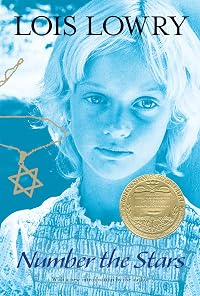
This book has won multiple awards in both the original Swedish edition and the English translation. It has an Anne of Green Gables meets the Holocaust feel, but it's show more more melancholy. There's no “bosom friend” like Diana Barry, and readers will be aware that Stephie's misfortunes are bound to grow as Nazi persecution of the Jews increases. This book should also appeal to fans of Lois Lowry's Number the Stars. show less
This book has won multiple awards in both the original Swedish edition and the English translation. It has an Anne of Green Gables meets the Holocaust feel, but it's show more more melancholy. There's no “bosom friend” like Diana Barry, and readers will be aware that Stephie's misfortunes are bound to grow as Nazi persecution of the Jews increases. This book should also appeal to fans of Lois Lowry's Number the Stars. show less
Really 3.5 stars.
My review, which can also be found on my blog.
11/1/14
I just finished A Faraway Island, and I really liked it. It's not going on my top ten list of
favorites, but it was really good. I've already begun the sequel, but I'll review A Faraway Island once I've finished that.
A few days later:
Okay, I have now finished the sequel (The Lily Pond) and am bemoaning the fact that the third and fourth books of the series have not been translated into English yet. You see, they were originally written in Swedish!
The book is written in third person present tense, from the point of view of the fictional twelve-year-old Stephie. Stephie and her sister Nellie are two of only five hundred Austrian children who were offered asylum by the show more Swedish, and I frankly hadn't known anything about the Swedish point of view of World War II. It was very interesting for me to read about the lives of the Swedish during WWII, in part because I am actually half Swedish.
The characterization in the book was good, but not to the point of drawing attention away from the story. Stephie is essentially supposed to be a stand-in for the reader - or at least, that's what she was for me. When I was reading this book I forgot that I was reading about someone else, and became Stephie. I felt perfect empathy with her, despite the fact that I've never been to Austria, World War II has been over for decades, and my real parents were literally in the same house as me for most of the duration of my reading. That didn't matter, because I was sucked in and I felt Stephie's pain. And that's why I enjoyed this book so much.
The secondary characters are still good, but not perfect. My favorite is probably Auntie Marta (with a mark over the "a"), because she's so much deeper than she seems at first (and because I have a thing for tough-love characters). Nellie was shallow and callous, and didn't care at all that she was losing her very heritage as she dropped her native German tongue for the more popular Swedish language. Then again, she was seven years old so what can you expect? She acted her age, even though I might not like it. There's some pretty interesting side threads with two of Stephie's school friends, neither of which I really loved. One of the girls she makes friends with is the illegitimate daughter of a man who died at sea before he married his fiance. She and her mother are sort of the scum of the town, but Stephie doesn't care. It's a nice story line, it just felt kind of dry and cliche.
The other friend Stephie makes at school is more on the in crowd. She's a bit of a goody-goody, and there's a scene later in the book she says that Stephie needs to do something or otherwise Jesus will be mad at her. Forget the fact that I don't agree with the Pentecostal religion that the people on the island follow (seriously, who is this girl to say whether Jesus will be mad at Stephie?!), I just think that's so obnoxious. Stephie. a Jew who was baptized before she even spoke English, gets very mad at her friend and tells her that Jesus doesn't exist. Of course she regrets that later, and I do believe that Jesus exists, but I'm still on her side in that scene.
As a whole, this is a great WWII book. You get to see a lot of the struggles that children who were separated from their families went through, and I never felt like it was fake. The sequel is also well-written, but I didn't find the subject matter as a whole (Stephie delves a bit more into the tween crush phase than I really enjoy reading about) as compelling as this book.
Are you interested in WWII books? Post your favorites in the comments, or ask for recommendations! show less
My review, which can also be found on my blog.
11/1/14
I just finished A Faraway Island, and I really liked it. It's not going on my top ten list of
favorites, but it was really good. I've already begun the sequel, but I'll review A Faraway Island once I've finished that.
A few days later:
Okay, I have now finished the sequel (The Lily Pond) and am bemoaning the fact that the third and fourth books of the series have not been translated into English yet. You see, they were originally written in Swedish!
The book is written in third person present tense, from the point of view of the fictional twelve-year-old Stephie. Stephie and her sister Nellie are two of only five hundred Austrian children who were offered asylum by the show more Swedish, and I frankly hadn't known anything about the Swedish point of view of World War II. It was very interesting for me to read about the lives of the Swedish during WWII, in part because I am actually half Swedish.
The characterization in the book was good, but not to the point of drawing attention away from the story. Stephie is essentially supposed to be a stand-in for the reader - or at least, that's what she was for me. When I was reading this book I forgot that I was reading about someone else, and became Stephie. I felt perfect empathy with her, despite the fact that I've never been to Austria, World War II has been over for decades, and my real parents were literally in the same house as me for most of the duration of my reading. That didn't matter, because I was sucked in and I felt Stephie's pain. And that's why I enjoyed this book so much.
The secondary characters are still good, but not perfect. My favorite is probably Auntie Marta (with a mark over the "a"), because she's so much deeper than she seems at first (and because I have a thing for tough-love characters). Nellie was shallow and callous, and didn't care at all that she was losing her very heritage as she dropped her native German tongue for the more popular Swedish language. Then again, she was seven years old so what can you expect? She acted her age, even though I might not like it. There's some pretty interesting side threads with two of Stephie's school friends, neither of which I really loved. One of the girls she makes friends with is the illegitimate daughter of a man who died at sea before he married his fiance. She and her mother are sort of the scum of the town, but Stephie doesn't care. It's a nice story line, it just felt kind of dry and cliche.
The other friend Stephie makes at school is more on the in crowd. She's a bit of a goody-goody, and there's a scene later in the book she says that Stephie needs to do something or otherwise Jesus will be mad at her. Forget the fact that I don't agree with the Pentecostal religion that the people on the island follow (seriously, who is this girl to say whether Jesus will be mad at Stephie?!), I just think that's so obnoxious. Stephie. a Jew who was baptized before she even spoke English, gets very mad at her friend and tells her that Jesus doesn't exist. Of course she regrets that later, and I do believe that Jesus exists, but I'm still on her side in that scene.
As a whole, this is a great WWII book. You get to see a lot of the struggles that children who were separated from their families went through, and I never felt like it was fake. The sequel is also well-written, but I didn't find the subject matter as a whole (Stephie delves a bit more into the tween crush phase than I really enjoy reading about) as compelling as this book.
Are you interested in WWII books? Post your favorites in the comments, or ask for recommendations! show less
When Stephie and Nellie Steiner are sent from their home in Vienna to Sweden, they imagine they will stay in a seaside resort town with palm trees, colorful beach umbrellas, and ice cream vendors. Instead, they find themselves on a windy, rocky “faraway island” that feels like the end of the world. The year is 1939, and the Jewish sisters have been sent to Sweden to await their parents, who are trying to secure safe passage to the United States, away from Nazi threat. Nellie quickly adjusts to their new home, while Stephie struggles to find her place amidst bullying, a harsh caregiver, and concern for her parents back in Vienna. Translated from Swedish and told in present tense, Annika Thor combined accounts of the 500 refugee show more children Sweden took in during WWII to paint an accurate picture of what the transition for young Jewish children to Sweden was really like. show less
Members
- Recently Added By
Lists

Children's Books about World War II (1939-1945)
143 works; 12 members

EU Fiction: 1950-2022
223 works; 68 members
Author Information

Some Editions
Awards and Honors
Awards
Distinctions
Series

Belongs to Publisher Series
Common Knowledge
- Canonical title*
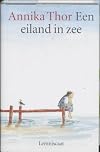
- Een eiland in zee
- Original title
- En ö i havet
- Original publication date
- 1996
- People/Characters
- Stephie Steiner; Nellie Steiner
- Important places
- Göteborg, Sweden
- Important events
- Holocaust
- Dedication
- To Sara and Rebecka
- First words
- The train slows to a halt.
- Last words
- (Click to show. Warning: May contain spoilers.)"Last one down the hill's a rotten egg!"
- Publisher's editor
- Bui, Françoise (Delacorte Press)
- Original language
- Swedish
*Some information comes from Common Knowledge in other languages. Click "Edit" for more information.
Classifications
- Genres
- Kids, Fiction and Literature, Children's Books, Tween
- DDC/MDS
- 839.78 — Literature & rhetoric German & related literatures Other Germanic literatures Swedish literature Swedish miscellany
- LCC
- PZ7 .T3817 .F — Language and Literature Fiction and juvenile belles lettres Fiction and juvenile belles lettres Juvenile belles lettres
- BISAC
Statistics
- Members
- 522
- Popularity
- 57,468
- Reviews
- 32
- Rating
- (3.86)
- Languages
- 13 — Danish, Dutch, English, Faroese, Finnish, French, German, Italian, Japanese, Norwegian, Portuguese, Russian, Swedish
- Media
- Paper, Audiobook, Ebook
- ISBNs
- 46
- ASINs
- 2