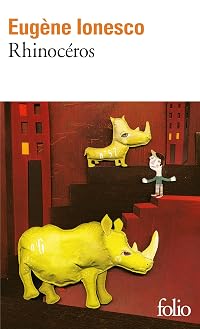
Rhinoceros
by Eugène Ionesco
On This Page
Description
The sublime is confused with the ridiculous in this savage commentary on the human condition, a staple of every theatre classroom and 20th century drama. A small town is besieged by one roaring citizen who becomes a rhinoceros and proceeds to trample on the social order. As more citizens are transformed into rhinoceroses, the trampling becomes overwhelming, and more and more citizens become rhinoceroses. One sane man, Berenger, remains, unable to change his form and identity.Tags
Recommendations
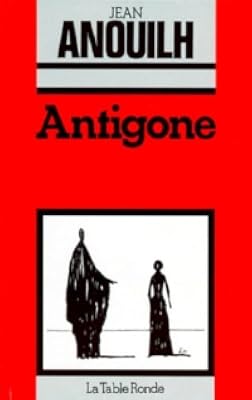

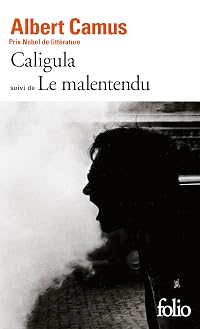

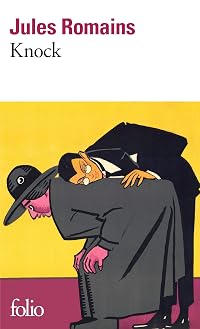
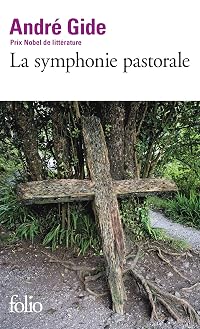


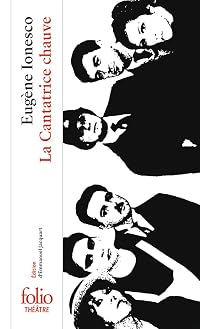






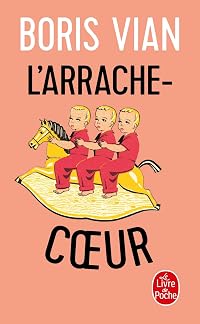

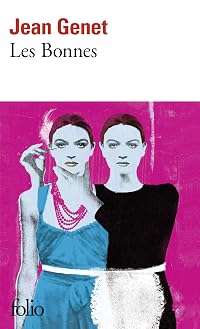
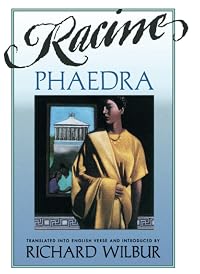
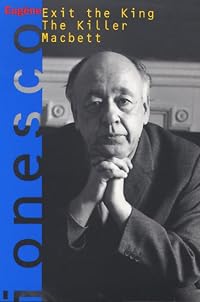





Member Recommendations
CGlanovsky Surreal epidemic spreads through the population.
Member Reviews
كعادته يستخدم يونسكو سيف المنطق ليذبح المنطق به فى مزيج رائع بين المنطق و الامنطقية اللامتناهية
:)
يقدم لك يونسكو فى وجبة دسمة من المسرح العبثى قصة تلك المدينة التى تظهر فيها الخراتيت بلا مقدمات او تفسير
______________________________
لكن العقل الانسانى يميل كعادته الى فرض المنطق -ولو بالقوة- على العبث ...فيميل الى تحويل غرض المسرحية الاصلى من العبث الخالص الى نوع من الرمزية
ففى بداية المسرحية و حين ظهر الخرتيت الاول تصيح كل show more شخصية درامية على المسرح منفردة فى جزع و رعب: خرتيت..و يردد الاخر : خرتيت و هكذا
و فى وسط المسرحية حين تتحول احدى تلك الشخصيات(اطمئن لن افصح عن اسم الشخصية حتى تستمتع بالعمل) فيصرخ صديقه طالبا النجدة من الناس ...فيصيح به الجيران بان ذلك امر يستحق الازعاج و علو الصوت
بينما قرب النهاية حين يصبح التحول "موضة" فيلوم الجميع البطل الى عناده و رفضه للتحول
ثم فى النهاية يصرخ البطل انه مضطرا ان يحارب العالم اجمع للدفاع عن نفسه..و يقول ملخصا لمأساة الانسان المعاصر وسط التيارات الفكرية و التحولات الاجتماعية : ما اقبح شكلى ! الويل لمن اراد يحتفظ بتفرده
________________________________
هل يرمز يونسكو بالخرتيت للتغيير عموما؟ ذلك الشئ الذى ننفر منه فى البداية ثم يصبح جزء من حياتك ثم لعله يصير حياتك نفسها
او لعلها عبثية خارجة عن التفسير و ذلك هو عقلى يلهو بى
______________________________
هل فى تلك المسرحية وجه للتشابة مع فيلم "الطيور" لهيتشكوك الذى كتب بعدها؟؟..هل باتفاق عنصر واحد من الطبيعة يمكن محو الانسانية ذاتها؟؟
هل هو وجه للتأثر من "المسخ" لكافكا؟؟ و فى بعض التراجم تترجم "التحول" و فى بعض اخر "الدودة العملاقة" و فى ترجمه اخر تسمى "ميتافورمس" اعلم انها اكثر عمل درامى اختلف فيه المترجمين
و اى عمل يثير من الاسئلة اكثر مما يجيب ...هو ببساطة عمل درامى رائع يستحق القراءة بلا شك
_______________________________
ريفيو خاص بالنسخة الصوتية: 199 دقيقة من المتعة الخالصة...اخراج اذاعى رائع عن النص الكامل و اكاد اقسم انها امتع عن قراءة الورق ذاته ...فاصوات كبار الممثلين و ذلك الاهتمام التاريخى من الاذاعة بتقديم الاعمال الادبية الخالدة الى المجتمع الع.
تحديث: قرأت فى احد مقابلات يونسكو انه كتب تلك المسرحية تأثرا بحركة الفاشية فى رومانيا ...لكن امتع ما فى المسرح العبثى ان كل منا يمكن ان يفسره حسب هواه
show less
:)
يقدم لك يونسكو فى وجبة دسمة من المسرح العبثى قصة تلك المدينة التى تظهر فيها الخراتيت بلا مقدمات او تفسير
______________________________
لكن العقل الانسانى يميل كعادته الى فرض المنطق -ولو بالقوة- على العبث ...فيميل الى تحويل غرض المسرحية الاصلى من العبث الخالص الى نوع من الرمزية
ففى بداية المسرحية و حين ظهر الخرتيت الاول تصيح كل show more شخصية درامية على المسرح منفردة فى جزع و رعب: خرتيت..و يردد الاخر : خرتيت و هكذا
و فى وسط المسرحية حين تتحول احدى تلك الشخصيات(اطمئن لن افصح عن اسم الشخصية حتى تستمتع بالعمل) فيصرخ صديقه طالبا النجدة من الناس ...فيصيح به الجيران بان ذلك امر يستحق الازعاج و علو الصوت
بينما قرب النهاية حين يصبح التحول "موضة" فيلوم الجميع البطل الى عناده و رفضه للتحول
ثم فى النهاية يصرخ البطل انه مضطرا ان يحارب العالم اجمع للدفاع عن نفسه..و يقول ملخصا لمأساة الانسان المعاصر وسط التيارات الفكرية و التحولات الاجتماعية : ما اقبح شكلى ! الويل لمن اراد يحتفظ بتفرده
________________________________
هل يرمز يونسكو بالخرتيت للتغيير عموما؟ ذلك الشئ الذى ننفر منه فى البداية ثم يصبح جزء من حياتك ثم لعله يصير حياتك نفسها
او لعلها عبثية خارجة عن التفسير و ذلك هو عقلى يلهو بى
______________________________
هل فى تلك المسرحية وجه للتشابة مع فيلم "الطيور" لهيتشكوك الذى كتب بعدها؟؟..هل باتفاق عنصر واحد من الطبيعة يمكن محو الانسانية ذاتها؟؟
هل هو وجه للتأثر من "المسخ" لكافكا؟؟ و فى بعض التراجم تترجم "التحول" و فى بعض اخر "الدودة العملاقة" و فى ترجمه اخر تسمى "ميتافورمس" اعلم انها اكثر عمل درامى اختلف فيه المترجمين
و اى عمل يثير من الاسئلة اكثر مما يجيب ...هو ببساطة عمل درامى رائع يستحق القراءة بلا شك
_______________________________
ريفيو خاص بالنسخة الصوتية: 199 دقيقة من المتعة الخالصة...اخراج اذاعى رائع عن النص الكامل و اكاد اقسم انها امتع عن قراءة الورق ذاته ...فاصوات كبار الممثلين و ذلك الاهتمام التاريخى من الاذاعة بتقديم الاعمال الادبية الخالدة الى المجتمع الع.
تحديث: قرأت فى احد مقابلات يونسكو انه كتب تلك المسرحية تأثرا بحركة الفاشية فى رومانيا ...لكن امتع ما فى المسرح العبثى ان كل منا يمكن ان يفسره حسب هواه
show less
Tous les chats sont mortels. Socrate est mortel. Donc Socrate est un chat.' Tout langage stéréotypé devient aberrant. C'est ce que Ionesco démontre dans Rhinocéros, pièce qui a tout d'abord vu le jour sous la forme d'une nouvelle. Partisan d'un théâtre total, il porte l'absurde à son paroxysme en l'incarnant matériellement. Allégorie des idéologies de masse, le rhinocéros, cruel et dévastateur, ne se déplace qu'en groupe et gagne du terrain à une vitesse vertigineuse. Seul et sans trop savoir pourquoi, Bérenger résiste à la mutation. Il résiste pour notre plus grande délectation, car sa lutte désespérée donne lieu à des caricatures savoureuses, à des variations de tons et de genres audacieuses et show more anticonformistes. La sclérose intellectuelle, l'incommunicabilité et la perversion du langage engendrent des situations tellement tragiques qu'elles en deviennent comiques, tellement grotesques qu'elles ne peuvent être que dramatiques.
On a dit du théâtre de Ionesco qu'il était engagé ; il l'est, en faveur de l'individu, menacé de marginalisation quand, malgré ses faiblesses, il parvient à résister aux tentations avilissantes qu'il a lui-même fait naître. --Sana Tang-Léopold Wauters show less
I never knew my Father well. Till these very days when I read one of my teenage books once again. Father left our house when I was too young. Mother was ok with me, you know... "there's food in the fridge" and so on. My studies at school were great, but I spent most of my time as a young girl, reading books. One day I came across a strange one. Some lonesco wrote it. I remember it was at a time when Father was still alive as a memory at our house. The truth is, I've hated him. Something about his ability to go against the current of marriage or life itself made me feel bad. I wanted him not to succeed in his new life; I wanted everyone in the class to know that I did not like my father.
I read lonesco rhinos in those days. I read it show more over too long. I did not quite understand what I was reading. "a thin book without a connection to time or place," I thought, "people who become rhinoceros until there is only one person left alone." Vague sentences that they say to each other and all attribute to them too much importance. "Absurd. this book is Not for me."
I left it at some point.
Until Father's death.
And now I remember the sound of the phone token falling (I know I'm too young to use this metaphor but telepathy does not make noise) on first-second reading. I remember that I suddenly realized how much perspective and maturity mattered to books like the rhinos or Saramago's brilliant book on blindness.
In short, rhinoceros is not just a book. It's a world in which people join one flock with a common interest that is so inappropriate to them. A world in which one's principles are abandoned and the truth is all that does not penetrate the animal's thick skin. A place where people turn their backs on their ideology to be part of the rule.
And I think about it since then and what a pity I did not understand it when I was younger, about the courage of my father to be outstanding.
this book highly recommended for people who have already matured. show less
I read lonesco rhinos in those days. I read it show more over too long. I did not quite understand what I was reading. "a thin book without a connection to time or place," I thought, "people who become rhinoceros until there is only one person left alone." Vague sentences that they say to each other and all attribute to them too much importance. "Absurd. this book is Not for me."
I left it at some point.
Until Father's death.
And now I remember the sound of the phone token falling (I know I'm too young to use this metaphor but telepathy does not make noise) on first-second reading. I remember that I suddenly realized how much perspective and maturity mattered to books like the rhinos or Saramago's brilliant book on blindness.
In short, rhinoceros is not just a book. It's a world in which people join one flock with a common interest that is so inappropriate to them. A world in which one's principles are abandoned and the truth is all that does not penetrate the animal's thick skin. A place where people turn their backs on their ideology to be part of the rule.
And I think about it since then and what a pity I did not understand it when I was younger, about the courage of my father to be outstanding.
this book highly recommended for people who have already matured. show less
I have seen a copy of this play on my dad´s bookshelf for most of my life, and I always wondered what it was about, and why it was called Rhinoceros. I saw a copy in French at the bookstore and decided that it was high time that I buy and read it. I find myself not really wanting to give away too much so that anyone who reads this and wants to read the play (my girlfriend, mainly) can experience it in the same way that I did, without knowing too much beforehand about what´s going to happen in the small French town where it takes place. So I will ignore the proverbial rhinoceros in the room, and just say that this is a really neat play about the way that people react to societal pressure and conform or don´t conform to what people show more around them are doing and believing. I understand that this play was written in a Europe threatened by the USSR, and that he is examining the implications of communism and/or fascism on individual liberty and free will, but I think that the story is universal and representative of the pressures that individuals feel in any society. In Rhinocéros, the characters slowly succumb to the pressures of fitting in and conforming to a fad, and I think that the reasons that they use to justify their decision to conform to societal pressure are extremely accurate, as well as ingeniously represented in the pages of this play. My favorite scene involves the protagonist, Bérenger, and his friend, Jean, who has decided to follow the fad that is sweeping through their town. It is hilarious and reminds me of when I was a kid, and people would do a lot of silly things because other people were doing them. Jean´s justification of his decision to follow and the change in his character as he accepts the new fad are really fun to read in dialogue. The whole play is very humorous and treats a very serious theme (conformity versus individuality) in a funny and absurd way.
I found myself thinking that this would be a great book for a classroom of high schoolers to read. I can imagine some really passionate and interesting discussions, and I think it would be a lot of fun to guide students through some of the dilemmas that the characters, and especially the central character, Bérenger, face as a peculiar and strangely magnetic fad sweeps through their town. I remember when I was in high school, I used to try so hard to not worry about what others thought of me, and it was often really hard if that meant not conforming, or not being cool enough (in my mind) to even think about conforming. I think I would have related really well to Bérenger, and I would have immediately recognized the connections between what he is seeing and what people see when they walk into high school.
I really liked this play. I did a little research on Wikipedia and Ionesco seems like a cool guy. The absurdity of a play like Rhinocéros made me think of existentialist books (Camus, Sartre) that I´ve read this year. He seems similar to Camus in his depiction of the absurdity of human existence, but I understand that he was not connected with the existentialists in his philosophical perspecitve. He seems more like a bit of a loner on the fringes, not really a part of any “movement,” and I feel strongly drawn to such writers. show less
I found myself thinking that this would be a great book for a classroom of high schoolers to read. I can imagine some really passionate and interesting discussions, and I think it would be a lot of fun to guide students through some of the dilemmas that the characters, and especially the central character, Bérenger, face as a peculiar and strangely magnetic fad sweeps through their town. I remember when I was in high school, I used to try so hard to not worry about what others thought of me, and it was often really hard if that meant not conforming, or not being cool enough (in my mind) to even think about conforming. I think I would have related really well to Bérenger, and I would have immediately recognized the connections between what he is seeing and what people see when they walk into high school.
I really liked this play. I did a little research on Wikipedia and Ionesco seems like a cool guy. The absurdity of a play like Rhinocéros made me think of existentialist books (Camus, Sartre) that I´ve read this year. He seems similar to Camus in his depiction of the absurdity of human existence, but I understand that he was not connected with the existentialists in his philosophical perspecitve. He seems more like a bit of a loner on the fringes, not really a part of any “movement,” and I feel strongly drawn to such writers. show less
My first Ionesco book. I am not into the "Theater of the Absurd," but it did help greatly to understand some of the context this play was addressing - namely the rise of communism and the assimilation among society to those standards. With that in mind, it may be worth reading again sometime.
An absurdist play that touches on many themes. Ionesco's work permeates with skill and adeptness. Overall, a great play.
Recommended.
Recommended.
Uma peça sobre o absurdo da condição humana. Não só pela rinocerontite: Bérenger não conseguia se acostumar com a vida mesmo antes que as pessoas se rendessem a serem transformadas em rinocerontes.
E é ele Bérenger o único que não cede: « Je suis le dernier homme, je le resterai jusqu'au bout ! Je ne capitule pas ! ».
Imagem encontrada na wikipédia francesa:
http://fr.wikipedia.org/wiki/Fichier:Rhinoceros_1997_2004.jpg
E é ele Bérenger o único que não cede: « Je suis le dernier homme, je le resterai jusqu'au bout ! Je ne capitule pas ! ».
Imagem encontrada na wikipédia francesa:
http://fr.wikipedia.org/wiki/Fichier:Rhinoceros_1997_2004.jpg
Members
- Recently Added By
Lists

Best of French Literature
138 works; 27 members

Books Read in 2019
4,052 works; 110 members

Books Read in 2026
2,127 works; 70 members

My Play Collection
769 works; 3 members
Essential/Recognized Stage Plays
115 works; 4 members

AP Lit
363 works; 6 members
1:28 p.m.'s 350 Stage Plays Challenge
94 works; 3 members
r/acting on Reddit - Essential Plays
44 works; 2 members

Best Dystopias
280 works; 272 members

One Book, Many Authors
441 works; 40 members

20th Century Literature
1,161 works; 55 members

1960s, Best books published therein
254 works; 22 members

Metamorphoses
35 works; 4 members
Animals in the Title
498 works; 11 members

Harold Bloom - The Western Canon: D. The Chaotic Age
833 works; 24 members

Best 20th Century French Plays
30 works; 4 members
Favourite Books
1,820 works; 316 members
Favourite Theatre of the Absurd
30 works; 4 members

Literary Works Read in College
316 works; 15 members

Magic Realism
371 works; 52 members

1950s
340 works; 22 members

Favorite French Fiction
210 works; 90 members
Author Information

Eugene Ionesco, born in Romania in 1912, is known as the father of the theater of the absurd. He grew up in France and Romania, settling in France in 1939. His first play, The Bald Soprano, satirized the deadliness of life frozen in meaningless formalities. Some of his other important plays include The Lesson, The Chairs, Rhinoceros, and Hunger show more and Thirst. His novel Le Solitaire was the basis for the 1971 film La Vase in which Ionesco played the lead. Eugene Ionesco was elected to the Academie Francaise in 1970. He died in 1994. (Bowker Author Biography) show less
Some Editions
Awards and Honors
Series
Belongs to Publisher Series
Fischer Taschenbuch Theater (7034)
Work Relationships
Is contained in
Common Knowledge
- Canonical title
- Rhinoceros
- Original title
- Rhinocéros
- Original publication date
- 1959
- People/Characters
- Bérenger; Jean; Daisy; Botard; Dudard; Mr. Papillon
- Related movies
- Rhinoceros (1974 | IMDb)
- Original language*
- Français
*Some information comes from Common Knowledge in other languages. Click "Edit" for more information.
Classifications
Statistics
- Members
- 1,670
- Popularity
- 13,426
- Reviews
- 18
- Rating
- (3.97)
- Languages
- 13 — Chinese, Czech, Dutch, English, French, German, Greek, Italian, Norwegian (Bokmål), Farsi/Persian, Portuguese, Spanish, Swedish
- Media
- Paper, Ebook
- ISBNs
- 46
- UPCs
- 2
- ASINs
- 39