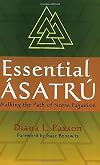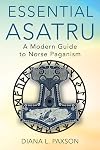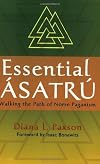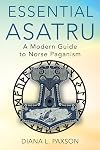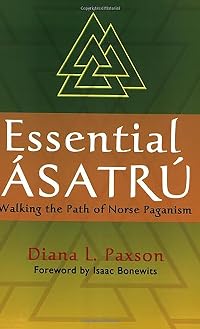
Essential Asatru: Walking the Path of Norse Paganism
by Diana L. Paxson
On This Page
Description
In Essential Asatru, renowned author and priestess Diana Paxson demystifies an ancient, rich, and often misunderstood religion, and offers a practical guide for its modern followers. A Journey to Fulfillment and Renewal Filled with clear, concise instructions on living Asatru every day, this truly accessible guide takes you on a journey from Asatru's origins in Scandinavian and German paganism to its recognition as an official religion in the 1970s and its widespread acceptance today. show more Essential Asatru also includes: · A complete history of Asatru gods and goddesses, including Odin, Thor, and Ostara · The life values, such as honor, truth, fidelity, and hospitality, that shape Asatru's tenets · Indispensable information on rituals, rune casting, ethics, and divination Essential Asatru is an elegant and splendid introduction to a centuries-old religion that continues to enrich and fascinate its followers today. show lessTags
Recommendations
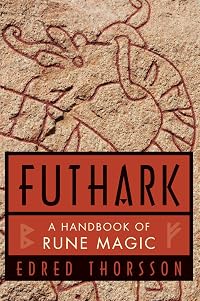
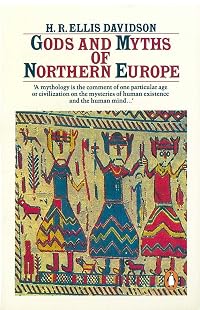
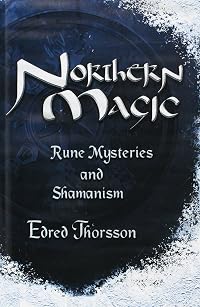
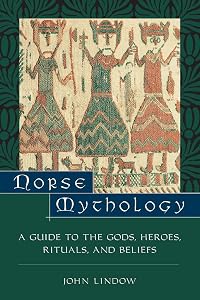


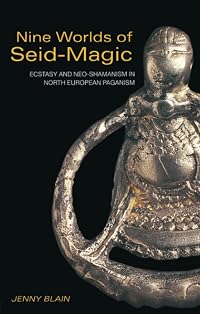
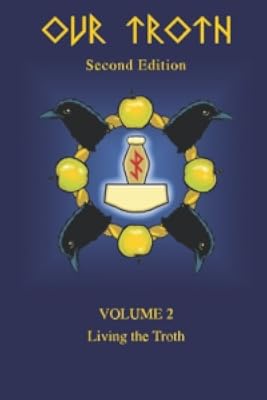
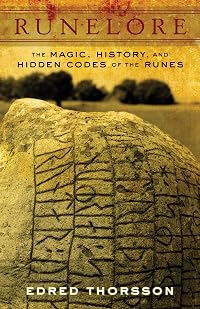
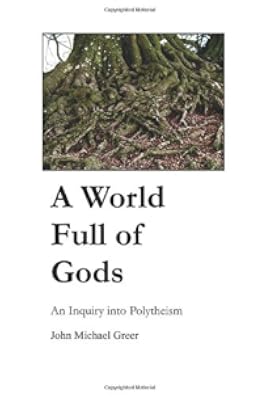
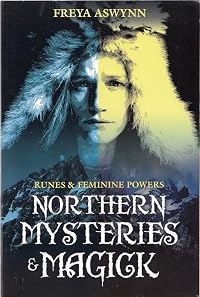

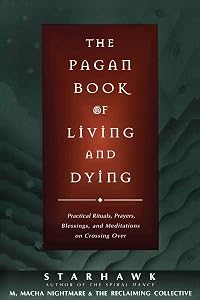
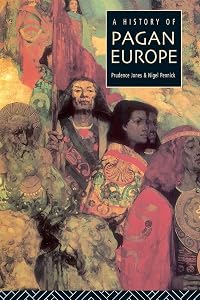
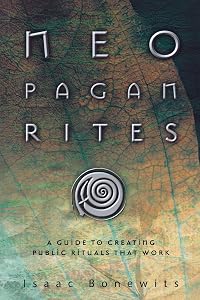
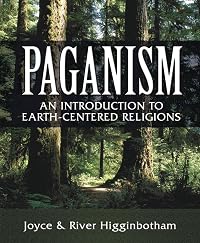
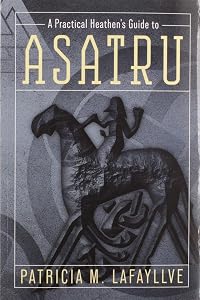


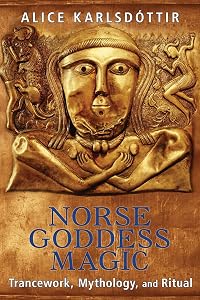


Member Recommendations

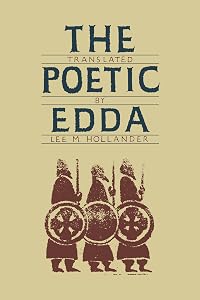
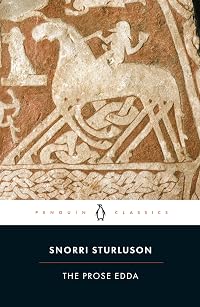
WaylandsWings One book deals more with the Pre-Christian Religion, the other with a New Religious movement that has borrowed from the Pre-Christian Religion.
Member Reviews
2/5
If this was supposedly updated in 2021, I don't even want to know what the 2006 edition said. There's a few newer references, but the book still feels very dated. It gives a very Amazon-Published vibe which only makes the content worse.
I do respect the effort of the index, bibliography, and list of resources. It's a hit or a miss with occult books if they include even some of that. It can't be that hard if this book can do it well!
This isn't a modern guide, it's broad brushstrokes of Asatru and mainly Paxson pointing at herself and her organization—the Troth—saying they're very inclusive and so far from any far right issues at all! Yet she plugs her ex-members book who was kicked out of the group for Islamophobia. She makes some show more weird remarks about being envious of Indigenous peoples and how sad it is to not be able to use the swastika anymore—I'm assuming religously as a white person who follows the Norse pantheon, but like what? Really? It's 2025 (or 2021 or 2006), it's not a shame it's banned in plenty of countries.
The opening to every chapter is a part of a fictional ceremony that I guess shows how a kindred works? It was very weird and pulled you out of the book. At first I had to double check that I had picked up a nonfiction book, but I got used to it. Overall, it didn't teach me much, although I did like that it addressed Asatru vs Wicca to a small extent. It's hard when most Americans are coming at it from an ex-Wiccan background (and some of the other associations teaching about Asatru support hate groups).
I think I would be happier reading the Eddas myself and finding another book as a companion. Most of what I found was already covered in mythology books, so I recommend looking into the lore yourself because this book doesn't dive deep enough into the things I was curious about as a beginner.
It covers a lot of stuff but I left feeling like I still had no real idea what it is. Maybe it would resonate better with someone with Norse ties? I'll stick to mythology books. show less
If this was supposedly updated in 2021, I don't even want to know what the 2006 edition said. There's a few newer references, but the book still feels very dated. It gives a very Amazon-Published vibe which only makes the content worse.
I do respect the effort of the index, bibliography, and list of resources. It's a hit or a miss with occult books if they include even some of that. It can't be that hard if this book can do it well!
This isn't a modern guide, it's broad brushstrokes of Asatru and mainly Paxson pointing at herself and her organization—the Troth—saying they're very inclusive and so far from any far right issues at all! Yet she plugs her ex-members book who was kicked out of the group for Islamophobia. She makes some show more weird remarks about being envious of Indigenous peoples and how sad it is to not be able to use the swastika anymore—I'm assuming religously as a white person who follows the Norse pantheon, but like what? Really? It's 2025 (or 2021 or 2006), it's not a shame it's banned in plenty of countries.
The opening to every chapter is a part of a fictional ceremony that I guess shows how a kindred works? It was very weird and pulled you out of the book. At first I had to double check that I had picked up a nonfiction book, but I got used to it. Overall, it didn't teach me much, although I did like that it addressed Asatru vs Wicca to a small extent. It's hard when most Americans are coming at it from an ex-Wiccan background (and some of the other associations teaching about Asatru support hate groups).
I think I would be happier reading the Eddas myself and finding another book as a companion. Most of what I found was already covered in mythology books, so I recommend looking into the lore yourself because this book doesn't dive deep enough into the things I was curious about as a beginner.
It covers a lot of stuff but I left feeling like I still had no real idea what it is. Maybe it would resonate better with someone with Norse ties? I'll stick to mythology books. show less
Review by Michele Lee and Michael Lush
Asatru is the pagan path that follows Norse tradition. For laypersons, this means Odin, Thor, Loki, their stories and their kin. Ask any pagan their views on Asatru and you'll get mixed responses. While many people, especially men, find their spiritual home as followers of the Asgardians, it's also been adopted by hateful, racist sects. Asatru, however, is not a racist belief system, in fact it's one of the few ancient paths that holds men and women equal. Goddesses and gods are equal, Odin accepts men and women into his ranks of warriors and in the Norse lifestyle men and women could both own land and hold respected social positions.
Because of Asatru's adoption by small groups of racists, and the show more reputation even centuries later of the Viking invaders, books on the subject often hint at the faith only being applicable to those of Northern European decent. However, Essential Asatru is different.
To begin with it points out that the Vikings traveled so far, to the Americas, even into Africa, that it's possible that many people who don't look Nordic might still have Norse blood.
Essential Asatru also focuses on the other thing that makes Asatru different from other pagan paths. Asatru is a functional religion, it's designed to blend into a life, not rule it. In Asatru the gods are allies in every day life, not overlords who must be appeased for humans to survive. Interacting with the religion is, and was, a low priority (which is not surprising when considering that the original Vikings lived with 9 months of winter a year, implying that they often had little time for anything other than survival.)
Essential Asatru is the first fully satisfying non-myth book we've added to our collection on Asatru. It's a choice pick for those interested in the faith, readers interested in religious studies in general and writers looking for research books on the Norse faiths. show less
Asatru is the pagan path that follows Norse tradition. For laypersons, this means Odin, Thor, Loki, their stories and their kin. Ask any pagan their views on Asatru and you'll get mixed responses. While many people, especially men, find their spiritual home as followers of the Asgardians, it's also been adopted by hateful, racist sects. Asatru, however, is not a racist belief system, in fact it's one of the few ancient paths that holds men and women equal. Goddesses and gods are equal, Odin accepts men and women into his ranks of warriors and in the Norse lifestyle men and women could both own land and hold respected social positions.
Because of Asatru's adoption by small groups of racists, and the show more reputation even centuries later of the Viking invaders, books on the subject often hint at the faith only being applicable to those of Northern European decent. However, Essential Asatru is different.
To begin with it points out that the Vikings traveled so far, to the Americas, even into Africa, that it's possible that many people who don't look Nordic might still have Norse blood.
Essential Asatru also focuses on the other thing that makes Asatru different from other pagan paths. Asatru is a functional religion, it's designed to blend into a life, not rule it. In Asatru the gods are allies in every day life, not overlords who must be appeased for humans to survive. Interacting with the religion is, and was, a low priority (which is not surprising when considering that the original Vikings lived with 9 months of winter a year, implying that they often had little time for anything other than survival.)
Essential Asatru is the first fully satisfying non-myth book we've added to our collection on Asatru. It's a choice pick for those interested in the faith, readers interested in religious studies in general and writers looking for research books on the Norse faiths. show less
I found this a thorough and interesting introduction to Asatru. There are an enormous amount of references to follow up on, and the book is easy to read. It's not dry, but it's also got enough academic meat to it to be credible. I especially like the fictional gathering that leads us through the chapters.
If someone wants to know what Asatru is about, hand her this book. It's a good place to start.
Ratings
Members
- Recently Added By
Lists

Heathen Prison Ministry
11 works; 2 members

Heathenry - Norse Pagan 101
31 works; 1 member
Author Information

86+ Works 10,634 Members
Diana L. Paxson, a noted fantasy author who collaborated with Marion Zimmer Bradley on much of her later work, lives in Berkeley, California. She has written twenty books including the Arthurian novel "Hallowed Isle". (Bowker Author Biography)
All Editions
Common Knowledge
- Original publication date
- 2006
- First words
- When Essential Ásatrú was published in 2006, the idea that paganism is a viable modern faith was still new to the general public and the only tradition that most people had heard of was Wicca.
- Last words
- (Click to show. Warning: May contain spoilers.)Membership gets you the journal, Idunna, and access to a members' e-list where people from all over are happy to discuss ideas and experiences and answer your questions.
Classifications
Statistics
- Members
- 294
- Popularity
- 109,853
- Reviews
- 4
- Rating
- (3.75)
- Languages
- English
- Media
- Paper, Audiobook, Ebook
- ISBNs
- 4
- UPCs
- 1
- ASINs
- 3