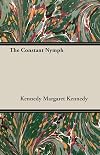
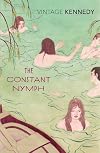
The Constant Nymph
by Margaret Kennedy
On This Page
Description
Tessa is the daughter of a brilliant bohemian composer, Albert Sanger, who with his "circus" of precocious children, slovenly mistress, and assortment of hangers-on, lives in a rambling chalet high in the Austrian Alps. The fourteen-year-old Tessa has fallen in love with Lewis Dodd, a gifted composer like her father. Confidently, she awaits maturity, for even his marriage to Tessa's beautiful cousin Florence cannot shatter the loving bond between Lewis and his constant nymph.Tags
Recommendations















Member Reviews
The Constant Nymph was Margaret Kennedy’s second novel, and probably her most successful and well known. I absolutely loved it, at once fully involving myself with the characters, as I became immersed in the world of ‘Sanger’s Circus’. I think Margaret Kennedy might be an author whose work I will have to read much more of.
As the novel opens Lewis Dodd a gifted English musician arrives in the Tyrol to stay at the home of unconventional bohemian composer Albert Sanger and his unusual family. Lewis is already an old friend of the family, a family known as ‘Sanger’s Circus’ by their many friends and acquaintances across Europe, whose hospitality they frequently take advantage of. The family consist of six of Sanger’s seven show more children – the fruit of several marriages and mistresses, – and Sanger’s current mistress Linda. The Sanger family living in a rambling chalet high in the Austrian mountains is a retreat for all sorts of people who land on them with little or no notice.
“Few people could recollect quite how many children Sanger was supposed to have got, but there always seemed to be a good many and they were most shockingly brought up. They were, in their own orbit, known collectively as ‘Sanger’s Circus,’ a nickname earned for them by their conspicuous brilliance, the noise they made, and the kind of naptha-flare genius which illuminated everything they said or did.”
Teresa, the fourteen year old second daughter of Albert’s second marriage, is Lewis’s particular little friend – her devotion to him constant and unwavering. Tessa never questions her love for Lewis, she awaits the day when she will be old enough to take her place at his side. Lewis is all too aware of this, and although neither of them ever speaks of Teresa’s feelings it is an excepted thing within the whole family.
Teresa’s older sister Antonia has already entered into a relationship with a business man friend of her father’s, despite only being sixteen, happy that her future will be that of the wife she feels destined to be. Teresa is delicate, warm and irrepressibly untaught, there are moments when like her sister Toni, she seems older than her years, and at other times fragile and childlike. Teresa spends much of her time with her younger sister Paulina, the two looking out for one another amid the chaos of their home. At just ten Sebastian is the youngest of Teresa’s full siblings, another gifted musician of the future. Sanger’s eldest two grown up children are Caryl and Kate, Caryl about to find his own way in the world, and Kate who capably and quietly runs the household while Linda lies around not doing very much, while her child Suzanne spies on her half siblings and runs telling tales at the least excuse.
Very shortly Albert Sanger dies unexpectedly, leaving no money for his family to live on. Florence Churchill, the children’s cousin, and her Uncle Robert travel to the Sanger’s high Austrian home, and begin to make arrangements to take the family home to England. Florence is twenty eight, beautiful and pretty certain of what she wants, and that very soon turns out to be Lewis. Florence is captivated by Lewis, and Lewis is quickly drawn to her too. Florence has little understanding of Lewis and his ways, she fails to see that the two of them are really not very well suited. Their rapid engagement and marriage is greeted with some shock by everyone, and Teresa is particularly pained, though her love for Lewis remains undimmed. The Sanger children, feel drawn to their beautiful graceful cousin, wanting to impress her, and with prompting from Lewis, agree to go to England and be sent to school.
After a honeymoon in Europe, Florence and Lewis settle down to life in a house that Florence had set her mind on in London. Cracks appear, Florence and Lewis begin to argue over family matters, and the marriage is soon seen to be in some trouble. Meanwhile, Toni married now to Jacob Birnbaum, is living in London too, but her younger siblings are not so happy. Teresa and Paulina run away from their school and Sebastian flees his own school – the three turning up, inevitably on Lewis’s doorstep while Florence is away visiting her father. This begins the trouble between Teresa and Florence, Teresa so certain of her right to feel the way she does, and Florence, suspicious and jealous, soon finds herself hating her young cousin and never really trying to hide it. A s Florence starts to feel more and more excluded from the world of ‘Sanger’s Circus’ and Lewis draws further away from her – Teresa, although still only fifteen is made to feel her rightful place is with Lewis. Like Albert Sanger before him, Lewis is a creative genius, and a man not always easy to live with, Florence has not had time to learn how to handle him, whereas Teresa it seems has always known.
“[Teresa] was, probably, the only woman in the world who could manage this man; she would respect his humours without taking them too seriously, she would never require him to behave correctly, and if annoyed her, she would reprove him good-humouredly in the strong terms which he deserved and understood.”
The stage is set for drama, and Margaret Kennedy certainly gives us that, quite unexpectedly, although I had a funny feeling which direction we were headed. However I wondered if Margaret Kennedy’s choice of ending reflects perhaps the times in which the novel was written, I doubt we would have such an ending written today. (I am being quite deliberately vague; I don’t want to spoil the book for anyone)
Margaret Kennedy week coming along has given me the perfect opportunity to read the work of an author I feel I really should have encountered before. The writing is superb, Kennedy handles her characters with understanding and skill, their world is perfectly drawn. I am hoping, to get to read The Ladies of Lyndon after my current read, it looks very good too. show less
As the novel opens Lewis Dodd a gifted English musician arrives in the Tyrol to stay at the home of unconventional bohemian composer Albert Sanger and his unusual family. Lewis is already an old friend of the family, a family known as ‘Sanger’s Circus’ by their many friends and acquaintances across Europe, whose hospitality they frequently take advantage of. The family consist of six of Sanger’s seven show more children – the fruit of several marriages and mistresses, – and Sanger’s current mistress Linda. The Sanger family living in a rambling chalet high in the Austrian mountains is a retreat for all sorts of people who land on them with little or no notice.
“Few people could recollect quite how many children Sanger was supposed to have got, but there always seemed to be a good many and they were most shockingly brought up. They were, in their own orbit, known collectively as ‘Sanger’s Circus,’ a nickname earned for them by their conspicuous brilliance, the noise they made, and the kind of naptha-flare genius which illuminated everything they said or did.”
Teresa, the fourteen year old second daughter of Albert’s second marriage, is Lewis’s particular little friend – her devotion to him constant and unwavering. Tessa never questions her love for Lewis, she awaits the day when she will be old enough to take her place at his side. Lewis is all too aware of this, and although neither of them ever speaks of Teresa’s feelings it is an excepted thing within the whole family.
Teresa’s older sister Antonia has already entered into a relationship with a business man friend of her father’s, despite only being sixteen, happy that her future will be that of the wife she feels destined to be. Teresa is delicate, warm and irrepressibly untaught, there are moments when like her sister Toni, she seems older than her years, and at other times fragile and childlike. Teresa spends much of her time with her younger sister Paulina, the two looking out for one another amid the chaos of their home. At just ten Sebastian is the youngest of Teresa’s full siblings, another gifted musician of the future. Sanger’s eldest two grown up children are Caryl and Kate, Caryl about to find his own way in the world, and Kate who capably and quietly runs the household while Linda lies around not doing very much, while her child Suzanne spies on her half siblings and runs telling tales at the least excuse.
Very shortly Albert Sanger dies unexpectedly, leaving no money for his family to live on. Florence Churchill, the children’s cousin, and her Uncle Robert travel to the Sanger’s high Austrian home, and begin to make arrangements to take the family home to England. Florence is twenty eight, beautiful and pretty certain of what she wants, and that very soon turns out to be Lewis. Florence is captivated by Lewis, and Lewis is quickly drawn to her too. Florence has little understanding of Lewis and his ways, she fails to see that the two of them are really not very well suited. Their rapid engagement and marriage is greeted with some shock by everyone, and Teresa is particularly pained, though her love for Lewis remains undimmed. The Sanger children, feel drawn to their beautiful graceful cousin, wanting to impress her, and with prompting from Lewis, agree to go to England and be sent to school.
After a honeymoon in Europe, Florence and Lewis settle down to life in a house that Florence had set her mind on in London. Cracks appear, Florence and Lewis begin to argue over family matters, and the marriage is soon seen to be in some trouble. Meanwhile, Toni married now to Jacob Birnbaum, is living in London too, but her younger siblings are not so happy. Teresa and Paulina run away from their school and Sebastian flees his own school – the three turning up, inevitably on Lewis’s doorstep while Florence is away visiting her father. This begins the trouble between Teresa and Florence, Teresa so certain of her right to feel the way she does, and Florence, suspicious and jealous, soon finds herself hating her young cousin and never really trying to hide it. A s Florence starts to feel more and more excluded from the world of ‘Sanger’s Circus’ and Lewis draws further away from her – Teresa, although still only fifteen is made to feel her rightful place is with Lewis. Like Albert Sanger before him, Lewis is a creative genius, and a man not always easy to live with, Florence has not had time to learn how to handle him, whereas Teresa it seems has always known.
“[Teresa] was, probably, the only woman in the world who could manage this man; she would respect his humours without taking them too seriously, she would never require him to behave correctly, and if annoyed her, she would reprove him good-humouredly in the strong terms which he deserved and understood.”
The stage is set for drama, and Margaret Kennedy certainly gives us that, quite unexpectedly, although I had a funny feeling which direction we were headed. However I wondered if Margaret Kennedy’s choice of ending reflects perhaps the times in which the novel was written, I doubt we would have such an ending written today. (I am being quite deliberately vague; I don’t want to spoil the book for anyone)
Margaret Kennedy week coming along has given me the perfect opportunity to read the work of an author I feel I really should have encountered before. The writing is superb, Kennedy handles her characters with understanding and skill, their world is perfectly drawn. I am hoping, to get to read The Ladies of Lyndon after my current read, it looks very good too. show less
Margaret Kennedy's The Constant Nymph, written in 1924, is a jewel of a novel. Her characters leap off the page, especially the four Sanger children, progeny of a selfish and careless musical genius. There are actually six legitimate children of composer Albert Sanger. His two eldest, who disappear early in the novel, are extremely talented and actually bring a semblance of order to their father's chaotic household which includes Albert, their four legitimate half-siblings, their father's indolent and stupid mistress and her child, and any number of guests who drop in and never seem to leave. Caryl, at eighteen, will have a career in music and his sixteen year old sister Kate who prepares the meals, sees to the laundry, and attempts to show more create some semblance of order in a crazy household will become a classical singer.
But it is the four children of Sanger's second marriage to a English woman who are the focus of the novel. They are brilliant, uneducated, genuine, maddening and totally without malice or social graces. They are honest to a fault, ungroomed and care nothing for things. They each could drive a normal person mad and, together, they are a force of nature. Sixteen year old Antonia (Sanger had his wife and mistress-second wife pregnant at the same time) chooses a Jew as her lover and, later, husband. She is beautiful, doesn't care if her clothes are peasant rags or the finest silks, marries to avoid being sent to school, and will always be adored by her husband and anyone who meets her. Theresa, the fourteen year old heroine, is exasperating and wise beyond her years. At times, she seems the only true adult in the tangled relationships which evolve. Pauline, at twelve is truthful and tactless, and can see much more than a child her age should. Ten year old Paul is charming, focused on music to the exclusion of just about all else, and a wise little sage. The reader, like the other characters in the novel, cannot help but be both charmed and totally dismayed with these children.
Their idyllic, unfocused existence ends when their father suddenly dies and their English relatives become responsible for their welfare since Albert Sanger saved not a dime from his musical endeavors. When their proper cousin Florence Churchill arrives at the chateau in the Austrian Alps to take charge of the situation, she walks into an environment she could never have imagined, modern young woman though she may be. Extremely well educated with a degree, she has been her father's hostess at the Cambridge college where is he is provost. She is appalled and enthralled and charmed with her relatives and their guests. She immediately falls in love with Lewis Dodd, the protege of Sanger and he is drawn to her.
And therein lies the plot and tragedy of this novel. For Theresa also loves Lewis and has since she was a small child. She is hurrying to grow up so that she can claim his love and if Florence had not wandered into their lives, she and Lewis would have made a perfect match in four years or so. Because she was raised in such an open household, Tessa understands the differences between love and lust. She has heard the sounds coming from the room of her father and his fleshy mistress and has also heard her father mock the woman and her talentless child. What she feels for Lewis is more than physical attraction; she understands him. Is she a realistic character? I think so, because Kennedy goes into such great detail about what forces molded Tessa and the others.
Lewis senses and readily accepts the fact that Tessa is his, but he is drawn to Florence, her calm efficiency and her classic English beauty. Frankly, I do not think he was worthy of either of these characters. He may be the great genius fighting against the stifling coils of society, but he has not the sense of ten year old Paul. The thoughtless way he tramples on the feelings of the women in his life because he is too insensitive to really see how they are suffering, appalled me. He is the one character I had a hard time accepting because I could find nothing in him to like.
Let me point out that I did feel a little squeamish at how young Tessa was to be part of a relationship triangle. Kennedy handles this well; there is no suggestion of the pedophile and victim here. There is only the real sadness that if events had occurred a few years later, the outcome would have been different and the tragedy may have been avoided. show less
But it is the four children of Sanger's second marriage to a English woman who are the focus of the novel. They are brilliant, uneducated, genuine, maddening and totally without malice or social graces. They are honest to a fault, ungroomed and care nothing for things. They each could drive a normal person mad and, together, they are a force of nature. Sixteen year old Antonia (Sanger had his wife and mistress-second wife pregnant at the same time) chooses a Jew as her lover and, later, husband. She is beautiful, doesn't care if her clothes are peasant rags or the finest silks, marries to avoid being sent to school, and will always be adored by her husband and anyone who meets her. Theresa, the fourteen year old heroine, is exasperating and wise beyond her years. At times, she seems the only true adult in the tangled relationships which evolve. Pauline, at twelve is truthful and tactless, and can see much more than a child her age should. Ten year old Paul is charming, focused on music to the exclusion of just about all else, and a wise little sage. The reader, like the other characters in the novel, cannot help but be both charmed and totally dismayed with these children.
Their idyllic, unfocused existence ends when their father suddenly dies and their English relatives become responsible for their welfare since Albert Sanger saved not a dime from his musical endeavors. When their proper cousin Florence Churchill arrives at the chateau in the Austrian Alps to take charge of the situation, she walks into an environment she could never have imagined, modern young woman though she may be. Extremely well educated with a degree, she has been her father's hostess at the Cambridge college where is he is provost. She is appalled and enthralled and charmed with her relatives and their guests. She immediately falls in love with Lewis Dodd, the protege of Sanger and he is drawn to her.
And therein lies the plot and tragedy of this novel. For Theresa also loves Lewis and has since she was a small child. She is hurrying to grow up so that she can claim his love and if Florence had not wandered into their lives, she and Lewis would have made a perfect match in four years or so. Because she was raised in such an open household, Tessa understands the differences between love and lust. She has heard the sounds coming from the room of her father and his fleshy mistress and has also heard her father mock the woman and her talentless child. What she feels for Lewis is more than physical attraction; she understands him. Is she a realistic character? I think so, because Kennedy goes into such great detail about what forces molded Tessa and the others.
Lewis senses and readily accepts the fact that Tessa is his, but he is drawn to Florence, her calm efficiency and her classic English beauty. Frankly, I do not think he was worthy of either of these characters. He may be the great genius fighting against the stifling coils of society, but he has not the sense of ten year old Paul. The thoughtless way he tramples on the feelings of the women in his life because he is too insensitive to really see how they are suffering, appalled me. He is the one character I had a hard time accepting because I could find nothing in him to like.
Let me point out that I did feel a little squeamish at how young Tessa was to be part of a relationship triangle. Kennedy handles this well; there is no suggestion of the pedophile and victim here. There is only the real sadness that if events had occurred a few years later, the outcome would have been different and the tragedy may have been avoided. show less
I've always loved reading books that were immensely popular in their time and have fallen through time; there's always - at least - the readability that hooked a previous generation and a fascination about what earlier readers found to engage them that has fallen out of favour. This one does have a bit of the Chalet School for grown ups about it - the romanticism of the gypsy tyrolean lifestyle and of art, early death; though it is the sort of book that would have been banned at that institution. For today's readers there are uncomfortable elements - the older man/underage girl, casual antisemitism, and views about the role of women generally as romantic object are difficult. However the idea of the passionately talented artist and the show more passionate but unachievable love is still something that resonates with many millions of readers in its modern reworking. Bohemianism, however, is perhaps uniquely of its time... show less
Briefly, this is about the lives of the women who live with two musical geniuses, an ex-pat Brit and his protogé. The men are wild and selfish beyond imagining, but they're geniuses. So how much is the reader supposed to accept them as such and get on with it? I could never decide, but I did think that the younger man, Lewis Dodd was not particularly well-drawn, practically the stereotype of the brilliant, difficult artist. That marred my enjoyment of the book even though the two females who love him did have the solidity that I look for in characters.
Teresa, Tessa, is 14 when the story begins, and she has loved Lewis all her life as she has reared herself in the "Sanger Circus." Lewis returns her love, but she is such a given in his show more life that he doesn't realize it. The pairing of such a couple could have been creepy, but it wasn't, mostly because Tessa is wise beyond her years and Lewis is an emotional infant. When their father dies suddenly, the three youngest of his children are taken in hand by their mother's cousin, Florence Churchill. Florence reminded me more of Emma Woodhouse than any other character in literature ever has. She is perfect in her circle, adored by her father (who does, however, see and point out her faults), and totally self-confident. Unfortunately, she and Lewis fall in lust immediately and marry because "It is better to marry than burn." Florence attributes this sentiment to Moses, and this mistake foreshadows the larger mistake of their marriage. Florence sees herself as the perfect wife for an up and coming composer, and she has the social contacts to push his career to success. Lewis, of course, won't be pushed. The rest of the book moves toward a conclusion of sorts.
This book was a best-seller when it was first published, and I do recommend it for anyone interested in the lady lit of the 1920's or the clash between civilization and nature. show less
Teresa, Tessa, is 14 when the story begins, and she has loved Lewis all her life as she has reared herself in the "Sanger Circus." Lewis returns her love, but she is such a given in his show more life that he doesn't realize it. The pairing of such a couple could have been creepy, but it wasn't, mostly because Tessa is wise beyond her years and Lewis is an emotional infant. When their father dies suddenly, the three youngest of his children are taken in hand by their mother's cousin, Florence Churchill. Florence reminded me more of Emma Woodhouse than any other character in literature ever has. She is perfect in her circle, adored by her father (who does, however, see and point out her faults), and totally self-confident. Unfortunately, she and Lewis fall in lust immediately and marry because "It is better to marry than burn." Florence attributes this sentiment to Moses, and this mistake foreshadows the larger mistake of their marriage. Florence sees herself as the perfect wife for an up and coming composer, and she has the social contacts to push his career to success. Lewis, of course, won't be pushed. The rest of the book moves toward a conclusion of sorts.
This book was a best-seller when it was first published, and I do recommend it for anyone interested in the lady lit of the 1920's or the clash between civilization and nature. show less
I'm on a roll of women writers from the 20's,30's,40's and 50's....Margaret Kennedy is from the 20's and I would think this novel would have been considered a little edgy when published in 1924. The characters are fairly unlikeable, with the exception of a couple, but story is interesting and a bit unsettling, considering the ages of the characters. I definitely enjoyed, first 25% was slow, introducing all the characters, after that it takes off, with some amusing moments amongst the children. I'll be reading more Kennedy, my next is 'The Feast'... recommend to friends who enjoy books whose characters come with questionable morals (lol) and exceptional writing.
If I'd read this as a teenager I think I'd have a different view of it.I couldn't really get past that Tess was 14/15 and Lewis twice her age. I couldn't understand why no-one in the book ever said it was wrong of Lewis to encourage Tess. There was a scene where she acted as hostess for him in lieu of his wife and everyone thought it natural for them to be together, how suited they were.
That said, the book was well written, but of its time, a bit old fashioned.
That said, the book was well written, but of its time, a bit old fashioned.
It's been a while since I read this book, but I remember how much I enjoyed it!
I read this book after I saw the movie version from 1943 with Charles Boyer and Joan Fontaine. The book was just as lovely and sad as the movie was and it was very well written. The story is about a young girl that has a crush on an older man who instead is more taken with her older cousin. A very good coming of age story.
I read this book after I saw the movie version from 1943 with Charles Boyer and Joan Fontaine. The book was just as lovely and sad as the movie was and it was very well written. The story is about a young girl that has a crush on an older man who instead is more taken with her older cousin. A very good coming of age story.
Members
- Recently Added By
Lists

In and About the 1920s
181 works; 31 members

Publisher's Weekly Bestsellers Part I - 1895-1939
399 works; 8 members

Books That Changed Our Perspective
423 works; 168 members
Author Information

26+ Works 1,819 Members
Some Editions
Awards and Honors
Distinctions
Series
Belongs to Publisher Series
Work Relationships
Has the adaptation
Common Knowledge
- Canonical title
- The Constant Nymph
- Original title
- The Constant Nymph
- Original publication date
- 1924
- People/Characters
- Tessa Sanger; Albert Sanger; Lewis Dodd; Florence Churchill
- Important places
- Alps; Austria; Pertisau-am-Achensee
- Related movies
- The Constant Nymph (1928 | IMDb); The Constant Nymph (1933 | IMDb); The Constant Nymph (1938 | TV | IMDb); The Constant Nymph (1943 | IMDb)
- First words
- At the time of his death the name of Albert Sanger was barely known to the musical public of Great Britain.
- Last words
- (Click to show. Warning: May contain spoilers.)She needed him so seldom, and her tears were so beautiful, and it was fitting, in his opinion, that tears should be shed by somebody over this heavy day's work.
- Original language
- English
Classifications
Statistics
- Members
- 433
- Popularity
- 71,378
- Reviews
- 10
- Rating
- (3.68)
- Languages
- 14 — Czech, Danish, Dutch, English, Finnish, French, German, Italian, Japanese, Polish, Russian, Spanish, Swedish, Turkish
- Media
- Paper, Audiobook, Ebook
- ISBNs
- 26
- ASINs
- 27