Enola Gay
by Gordon Thomas, Max Morgan-Witts
On This Page
Description
From theNew York Times–bestselling coauthors: A "fascinating . . . unrivaled" history of the B-29 and its fateful mission to drop the atomic bomb on Hiroshima (The New York Times Book Review).Painstakingly researched, the story behind the decision to send the Enola Gay to bomb Hiroshima is told through firsthand sources. From diplomatic moves behind the scenes to Japanese actions and the US Army Air Force's call to action, no detail is left untold.
Touching on the early days of the show more Manhattan Project and the first inkling of an atomic bomb, investigative journalist Gordon Thomas and his writing partner Max Morgan-Witts, take WWII enthusiasts through the training of the crew of the Enola Gay and the challenges faced by pilot Paul Tibbets.
A page-turner that offers "minute-by-minute coverage of the critical periods" surrounding the mission, Enola Gay finally separates myth and reality from the planning of the flight to the moment over Hiroshima when the atomic age was born (Library Journal).
. show less
Tags
Recommendations


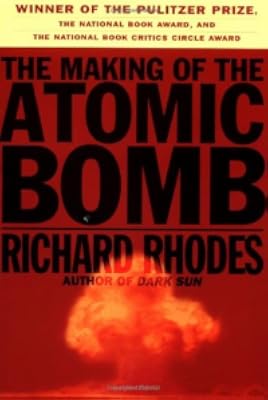

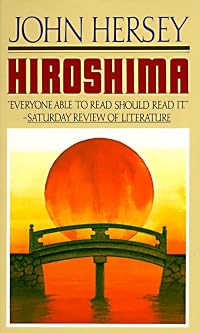
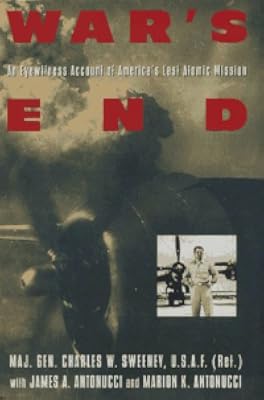

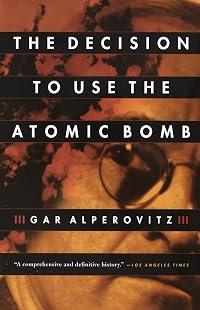







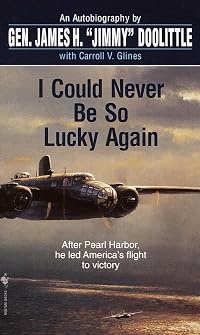


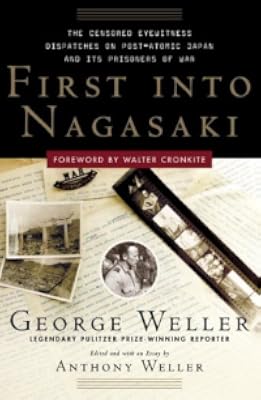
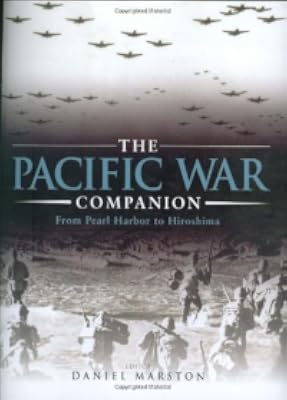


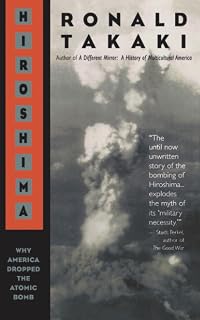
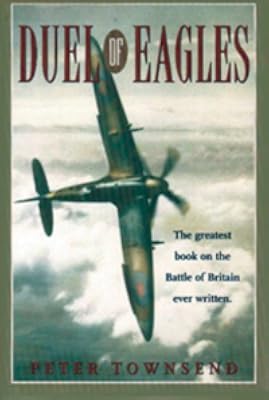


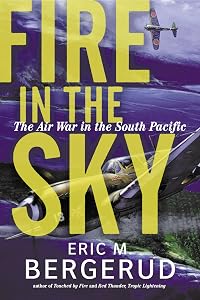

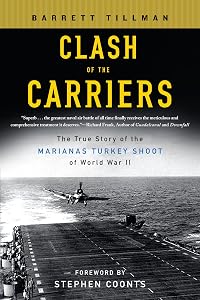
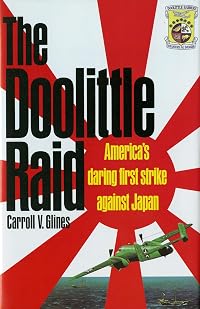


Member Recommendations
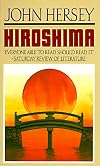
alco261 Hiroshima is a history of what happened on the ground when and shortly after the bomb dropped. Enola Gay is a history of what happened in the air with respect to transporting and dropping the bomb.
Member Reviews
This is really one of the best WWII books I have ever read. In a very modern style, it tells the story from several points of view, cutting back and forth: Tibbet's crew and the 509th Composite Group, the submarine captain that will sink the Indianapolis after it delivers A-Bomb parts, Japanese soldiers and civilans in and around Hiroshima. This also goes into detail on things I only knew of briefly, such as the American POWs in Hiroshima and the (overblown) insanity developed later by an Enola Gay crewman. It really seems from this book Japan was definitely on the ropes at the time of the nuke attacks: A growing dove coalition, inability to mount an effective air defence, and the impending entry of Russia into the Pacific Theatre, show more along with growing awareness of the futility of the Japanese war effort. Also, in telling the engineering side of the story, nuclear bombs were definitely "in the air" and an unfortunate next step in military technology whether the United States developed them or not or needed them to either defeat Japan or send a message to Red Russia. show less
Lots of ironies and happenstance surrounded the delivery of the first atomic bomb. FDR backed the beginning of the Manhattan Project without the knowledge of Congress using money off the books. Max Tibbetts, a pilot with an impeccable record who had been the first to fly a B-17 on a bombing raid across the English Channel and was in charge of flight testing the B-29, a plane that had killed its first test pilot and was thought by some to be too dangerous to fly, almost didn’t get the job to drop the bomb. In an interview he admitted he had gotten into trouble in high school for a backseat “dalliance” with a girl. Had he forgotten about it or lied about it he would not have been chosen. They were looking for someone who could be show more totally honest. Because of that his name would be forever enshrined with the bomb and Hiroshima, a city he had never heard of.
Use of the bomb was never a certainty. Neils Bohr, one of the scientists working on the project, thought science belonged to the world and wanted to open up the research to everyone. A laudable thought but in 1944? To the Germans and Japanese?
Thomas focuses mainly on two participants to get differing POV: Colonel Tibbetts as he prepared the 393 Bombing Group for the mission over Japan; and Officer Yokoyama in charge of the anti-aircraft guns on the hills surrounding Hiroshima. I had always been under the assumption that Hiroshima was primarily a civilian target targeted simply because after General LeMay’s firebombing of Japan there were few cities left to bomb. But, apparently Hiroshima was home to several military industrial sites producing many weapons, although by this stage of the war raw materials were in such short supply they were barely operating. Hiroshima, was highly vulnerable to air attack. All a bomber need do was drop its load within the bowl to be almost certain of causing damage. Apart from a single kidney-shaped hill in the eastern sector of the city, about half a mile long and two hundred feet high, Hiroshima was uniformly exposed to the spreading energy that big bombs generate. Structurally—like San Francisco in the earthquake and fire of 1906—Hiroshima was built to burn. Ninety percent of its houses were made of wood. Large groups of dwellings were clustered together. The Japanese had rationalized the fall of the Marianas and other Pacific Japanese bases by saying it was a strategic withdrawal to lure the Americans closer to the Homeland where they could be more easily destroyed.
In the U.S. secrecy surrounded all preparations for the atomic bomb development and attack. "Many thousands of man-hours and dollars had been spent on tapping telephones, secretly opening letters, collecting details of extramarital affairs, homosexual tendencies, and political affiliations. The dossiers represented the most thorough secret investigation until then carried out in the name of the U.S. government.
I still remain a bit astonished at the naive faith everyone had in the bomb. They really had no idea whether it would work and if it did, what the results might be. How far from the center would radioactivity extend, what would be the effects of the blinding flash, were just a couple of the many questions they had. The extraordinary secrecy probably had as much to do with their fear the bomb might not work as it did that it would work.
The United States, to this date, remains the only country ever to have used nuclear weapons in war. show less
Use of the bomb was never a certainty. Neils Bohr, one of the scientists working on the project, thought science belonged to the world and wanted to open up the research to everyone. A laudable thought but in 1944? To the Germans and Japanese?
Thomas focuses mainly on two participants to get differing POV: Colonel Tibbetts as he prepared the 393 Bombing Group for the mission over Japan; and Officer Yokoyama in charge of the anti-aircraft guns on the hills surrounding Hiroshima. I had always been under the assumption that Hiroshima was primarily a civilian target targeted simply because after General LeMay’s firebombing of Japan there were few cities left to bomb. But, apparently Hiroshima was home to several military industrial sites producing many weapons, although by this stage of the war raw materials were in such short supply they were barely operating. Hiroshima, was highly vulnerable to air attack. All a bomber need do was drop its load within the bowl to be almost certain of causing damage. Apart from a single kidney-shaped hill in the eastern sector of the city, about half a mile long and two hundred feet high, Hiroshima was uniformly exposed to the spreading energy that big bombs generate. Structurally—like San Francisco in the earthquake and fire of 1906—Hiroshima was built to burn. Ninety percent of its houses were made of wood. Large groups of dwellings were clustered together. The Japanese had rationalized the fall of the Marianas and other Pacific Japanese bases by saying it was a strategic withdrawal to lure the Americans closer to the Homeland where they could be more easily destroyed.
In the U.S. secrecy surrounded all preparations for the atomic bomb development and attack. "Many thousands of man-hours and dollars had been spent on tapping telephones, secretly opening letters, collecting details of extramarital affairs, homosexual tendencies, and political affiliations. The dossiers represented the most thorough secret investigation until then carried out in the name of the U.S. government.
I still remain a bit astonished at the naive faith everyone had in the bomb. They really had no idea whether it would work and if it did, what the results might be. How far from the center would radioactivity extend, what would be the effects of the blinding flash, were just a couple of the many questions they had. The extraordinary secrecy probably had as much to do with their fear the bomb might not work as it did that it would work.
The United States, to this date, remains the only country ever to have used nuclear weapons in war. show less
This book deals with what is probably the most controversial decision in the history of warfare. It starts slowly but don't let that deter you from reading. By the time the account of the actual flight is reached, this had developed into one of the most compelling books I have read in a long time. Even knowing the outcome, I was riveted by the masterful storytelling of this major world event. The sectioning of the book also made complete sense on reaching the conclusion. A must read for the WWII enthusiast.
This book deals with what is probably the most controversial decision in the history of warfare. It starts slowly but don't let that deter you from reading. By the time the account of the actual flight is reached, this had developed into one of the most compelling books I have read in a long time. Even knowing the outcome, I was riveted by the masterful storytelling of this major world event. The sectioning of the book also made complete sense on reaching the conclusion. A must read for the WWII enthusiast.
Thomas and Witts cover a human-made disaster; the bombing of Hiroshima from the perspectives of both the Americans and Japanese, focusing on the air crew and residents of the city. Well written.
El mismo autor de Mossad relata con la misma agilidad el desarrollo científico más importante de la historia de la humanidad. Es un buen resumen sin la parte técnica del exhaustivo The Making of the Atomic Bomb de Richard Rhodes
Nov 1, 2016Spanish
Members
- Recently Added By
Author Information

36+ Works 3,756 Members
Gordon Thomas is a bestselling author of forty books published worldwide, including many on the international intelligence community. He lives in London. You can visit him online at www.gordonthomas-author.com.
13+ Works 1,927 Members
Work Relationships
Common Knowledge
- People/Characters
- Paul Tibbets
- Important places
- Hiroshima, Japan; Tinian
- Important events
- World War II (1939-1945); Bombing of Hiroshima
- First words
- On August 2, 1939, a month before World War II began in Europe, Albert Einstein signed a letter addressed to President Franklin Delano Roosevelt.
- Last words
- (Click to show. Warning: May contain spoilers.)In 1977, the Enola Gay la scattered in several pieces over the floor of a hangar in Silver spring, Maryland, waiting to be reassembled one day and exhibited in the new Aeronautics and Space Museum in Washington, D.C.
Classifications
Statistics
- Members
- 464
- Popularity
- 65,729
- Reviews
- 7
- Rating
- (3.89)
- Languages
- 8 — Czech, Dutch, English, Finnish, French, German, Portuguese, Spanish
- Media
- Paper, Audiobook, Ebook
- ISBNs
- 27
- ASINs
- 14