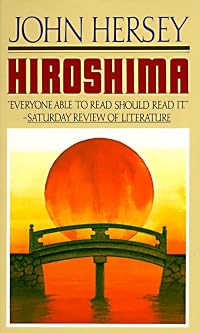
Hiroshima (expanded edition)
by John Hersey
On This Page
Description
A journalistic masterpiece. John Hersey transports us back to the streets of Hiroshima, Japan on August 6, 1945-the day the city was destroyed by the first atomic bomb. Told through the memories of six survivors, Hiroshima is a timeless, powerful classic that will awaken your heart and your compassion. In this new edition, Hersey returns to Hiroshima to find the survivors-and to tell their fates in an eloquent and moving final chapter.Tags
Recommendations






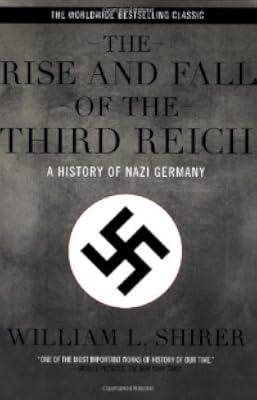

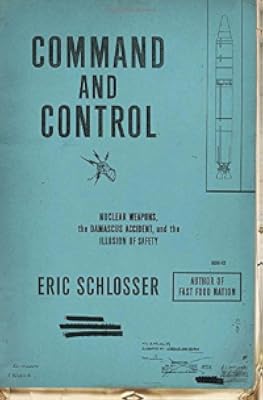
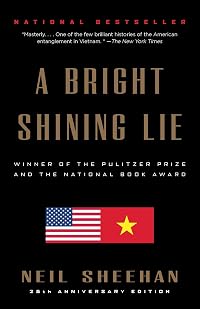
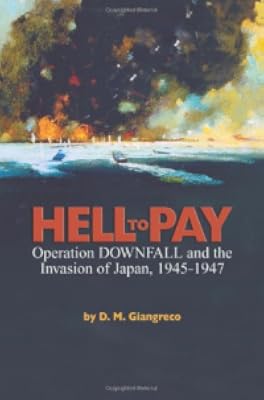

Member Recommendations

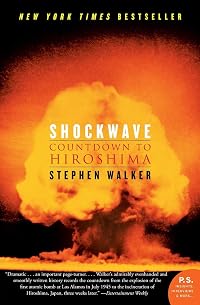
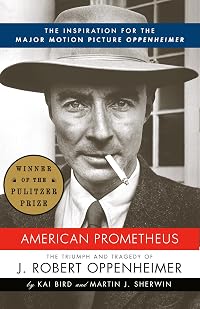
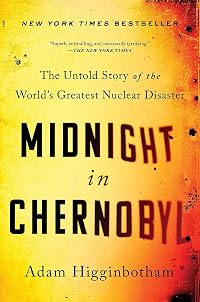
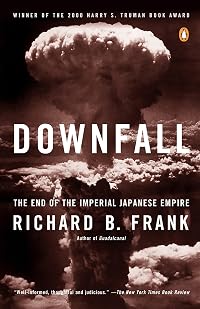
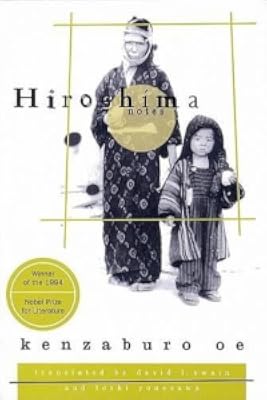
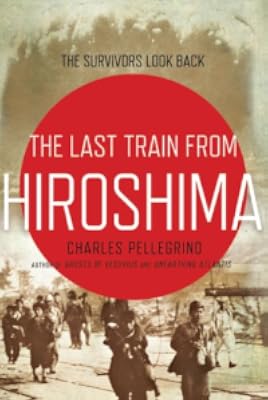
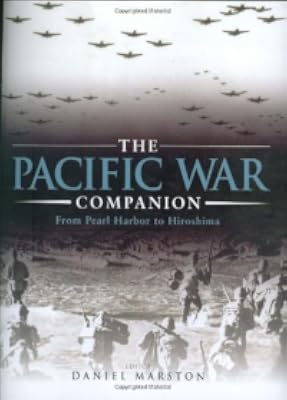
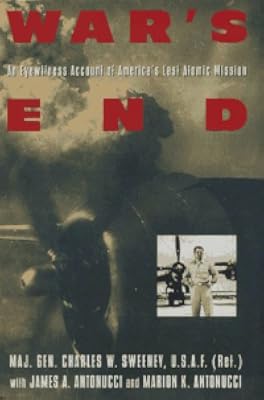
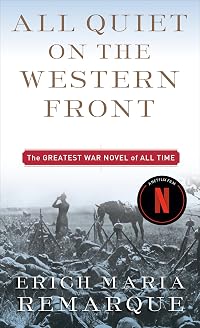
alco261 Hiroshima is a history of what happened on the ground when and shortly after the bomb dropped. Enola Gay is a history of what happened in the air with respect to transporting and dropping the bomb.
Member Reviews
https://fromtheheartofeurope.eu/hiroshima-by-john-hersey/
This is a searing and vivid piece of journalism, in which the stories of six victims of the Hiroshima bomb are told in detail. Five are Japanese, and the sixth is a German Jesuit priest. One of the Japanese is a Methodist minister, two are doctors and two are women, one a widow, one a young factory worker. You immediately notice of course that these are chosen to appeal to an American readership – for instance, two Christians out of six is probably somewhat higher than the general ratio within the population of Hiroshima, then or now.
And yet it’s excusable; the point of the writing is to make the reader think about what nuclear war would mean for people like them (i.e. New show more Yorker readers), and it works very well – the instant agony of the explosion, followed by the horrible deaths of many of the survivors over the following days in a city whose infrastructure has been pulverised and poisoned. There were of course other terrible bomb raids in the Second World War and before and after, but I don’t think it is wrong to look at Hiroshima in particular. It was the first atomic bombing, and it was worse hit than Nagasaki both proportionally and absolutely. It matters.
Hersey concentrates on the six core characters of his narrative, but it’s not difficult to find other details of tragedy from that day. For instance, Hiroshima’s mayor, a Christian who had resisted Japanese military excesses against their own civilian population in the 1930s, was eating breakfast outdoors that sunny morning with his son and granddaughter, and they were instantly fried by the blast; his wife, who was inside the residence, survived for a month before dying, and their daughter who came to Hiroshima to nurse her also later died of secondary radiation. And there are two hundred thousand more stories like that from Hiroshima and Nagasaki, most of which will never be told.
There’s no explicit judgement here about nuclear weapons, or indeed about war as a whole. But there doesn’t need to be. Anyone making policy decisions (or even just aspirations) about war needs to be aware of the consequences, and here those consequences are described by some of the people directly affected. You can’t really do more than that. show less
This is a searing and vivid piece of journalism, in which the stories of six victims of the Hiroshima bomb are told in detail. Five are Japanese, and the sixth is a German Jesuit priest. One of the Japanese is a Methodist minister, two are doctors and two are women, one a widow, one a young factory worker. You immediately notice of course that these are chosen to appeal to an American readership – for instance, two Christians out of six is probably somewhat higher than the general ratio within the population of Hiroshima, then or now.
And yet it’s excusable; the point of the writing is to make the reader think about what nuclear war would mean for people like them (i.e. New show more Yorker readers), and it works very well – the instant agony of the explosion, followed by the horrible deaths of many of the survivors over the following days in a city whose infrastructure has been pulverised and poisoned. There were of course other terrible bomb raids in the Second World War and before and after, but I don’t think it is wrong to look at Hiroshima in particular. It was the first atomic bombing, and it was worse hit than Nagasaki both proportionally and absolutely. It matters.
Hersey concentrates on the six core characters of his narrative, but it’s not difficult to find other details of tragedy from that day. For instance, Hiroshima’s mayor, a Christian who had resisted Japanese military excesses against their own civilian population in the 1930s, was eating breakfast outdoors that sunny morning with his son and granddaughter, and they were instantly fried by the blast; his wife, who was inside the residence, survived for a month before dying, and their daughter who came to Hiroshima to nurse her also later died of secondary radiation. And there are two hundred thousand more stories like that from Hiroshima and Nagasaki, most of which will never be told.
There’s no explicit judgement here about nuclear weapons, or indeed about war as a whole. But there doesn’t need to be. Anyone making policy decisions (or even just aspirations) about war needs to be aware of the consequences, and here those consequences are described by some of the people directly affected. You can’t really do more than that. show less
On re-reading this classic, I was touched even more deeply than the first time I read it many years ago. Like "All Quiet on the Western Front," this book haunts the reader and , without a speck of moralizing or histrionics, points out the horror and absurdity of war.
As I grow older and see more and more of humanity and of what the world has to offer, I struggle more and more to even conceive of any notion of how man can see war as an acceptable tool of his existence. What is so important that we should murder each other, brutalized families left grieving and plunder the landscape?
The six characters of Hiroshima rise above the question of the morality using the atomic bomb and even above the question of the morality of warring in show more general, to show characters for whom the simple act of living is man's most noble achievement. show less
As I grow older and see more and more of humanity and of what the world has to offer, I struggle more and more to even conceive of any notion of how man can see war as an acceptable tool of his existence. What is so important that we should murder each other, brutalized families left grieving and plunder the landscape?
The six characters of Hiroshima rise above the question of the morality using the atomic bomb and even above the question of the morality of warring in show more general, to show characters for whom the simple act of living is man's most noble achievement. show less
On August 6, 1945, the United States dropped an atomic bomb on the Japanese city of Hiroshima, the first time nuclear weapons had ever been used in war and upon an entire city. War correspondent John Hersey was one of the first Western journalists to view its devastation, and he immediately set to work preserving for history interviews with eyewitnesses and victims. This work focuses on six survivors of Hiroshima – their backgrounds, what they were doing just prior to the event, what they experienced when the bomb went off, and what the aftermath was like for them and their loved ones.
Working in a public library, I'm noticing that Hiroshima is increasingly being assigned as required high school reading, which is how it ended up on my show more TBR. I recall very little on the topic of Hiroshima or WWII in the Pacific Theatre in my early-1990s high school history classes. We certainly did not discuss it in any ethical terms, only the role it played in accelerating the end of the war. I felt a moral obligation to read this, heavy and uncomfortable as it was. The details are horrifying, but Hersey's writing puts real human faces on suffering, closing the distance between the reader and what would otherwise have been anonymous victims. A must-read for any American, even (especially?) 80 years later. show less
Working in a public library, I'm noticing that Hiroshima is increasingly being assigned as required high school reading, which is how it ended up on my show more TBR. I recall very little on the topic of Hiroshima or WWII in the Pacific Theatre in my early-1990s high school history classes. We certainly did not discuss it in any ethical terms, only the role it played in accelerating the end of the war. I felt a moral obligation to read this, heavy and uncomfortable as it was. The details are horrifying, but Hersey's writing puts real human faces on suffering, closing the distance between the reader and what would otherwise have been anonymous victims. A must-read for any American, even (especially?) 80 years later. show less
Originally published in 1946 in the New Yorker as a long narrative non fiction piece, this edition has a final chapter added in which allows the reader to see what became of the people the book focusses on.
The author spent time in Hiroshima talking to 6 survivors of the atomic bomb that put a stop not only to WWII, but to the lives of 100,000 Japanese (mostly) civilians. He wrote their stories in a narrative form which was relatively unheard of then, and it succeeds in pulling you into the lives of these unfortunates. We hear a lot of each person's experience of the actual explosion, and the days and weeks afterwards. And with the final long chapter, we get a picture of how they lived out their days to the point of the 40th anniversary show more of the bombing.
The indiscriminate nature of injuries and death in the bombing is mirrored in the telling of the tales of these peoples' lives, they are a varied bunch and their lives play out accordingly. The cultural peculiarities of the Japanese interested me (what we Westerners would possibly term excessive thought for others, epic levels of survivor guilt, etc), as did the horrific nature of the injuries and the post-disaster suffering of so many. The book does a great job of conveying the magnitude of the event, and the long-term consequences. show less
The author spent time in Hiroshima talking to 6 survivors of the atomic bomb that put a stop not only to WWII, but to the lives of 100,000 Japanese (mostly) civilians. He wrote their stories in a narrative form which was relatively unheard of then, and it succeeds in pulling you into the lives of these unfortunates. We hear a lot of each person's experience of the actual explosion, and the days and weeks afterwards. And with the final long chapter, we get a picture of how they lived out their days to the point of the 40th anniversary show more of the bombing.
The indiscriminate nature of injuries and death in the bombing is mirrored in the telling of the tales of these peoples' lives, they are a varied bunch and their lives play out accordingly. The cultural peculiarities of the Japanese interested me (what we Westerners would possibly term excessive thought for others, epic levels of survivor guilt, etc), as did the horrific nature of the injuries and the post-disaster suffering of so many. The book does a great job of conveying the magnitude of the event, and the long-term consequences. show less
Hiroshima is John Hersey's timeless and compassionate account of the catastrophic even which heralded the coming of the atomic age. The Pulitzer Prize-winning author went to Japan, while the ashes of Hiroshima were still warm, to interview the survivors of the first atomic bombing. His trip resulted in this world-famous document.
I don't know of any book that has been launched with quite the history of this brilliant piece of journalism. First, it made history by the New Yorker devoting its entire edition to the article. Next, it was syndicated by the Herald-Tribune. And then it appears (as of the above date) in book form. Hailed by press and public as ""the best reporting of this war"", in its clean, classic restraint, its simplicity, show more its severity by implication, this is an artistic achievement as well as a threat to this still unsettled world. Here is the story of six of the survivors at Hiroshima, where a hundred thousand people were killed by the atomic bomb:- Miss Sasaki, a clerk; Dr. Fujii, a physician; Mrs. Nakamura, a tailor's widow; Father Kleinsorge, a German Jesuit; Dr. Sasaki, a young Red Cross doctor; the Reverend Tanimoto, a pastor.... six who ""still wonder why they lived when so many others died""... who now know that ""in the act of survival they lived a dozen lives and saw more death than he ever thought to see"". What they saw, what they felt, what-through satiety of terror and suffering- they did not feel, what they had and what they lost, is all told here. No one can remain unconcerned or unmoved. Hersey has risen to the heights of impartial recording that makes this a human document transcending propaganda. show less
I don't know of any book that has been launched with quite the history of this brilliant piece of journalism. First, it made history by the New Yorker devoting its entire edition to the article. Next, it was syndicated by the Herald-Tribune. And then it appears (as of the above date) in book form. Hailed by press and public as ""the best reporting of this war"", in its clean, classic restraint, its simplicity, show more its severity by implication, this is an artistic achievement as well as a threat to this still unsettled world. Here is the story of six of the survivors at Hiroshima, where a hundred thousand people were killed by the atomic bomb:- Miss Sasaki, a clerk; Dr. Fujii, a physician; Mrs. Nakamura, a tailor's widow; Father Kleinsorge, a German Jesuit; Dr. Sasaki, a young Red Cross doctor; the Reverend Tanimoto, a pastor.... six who ""still wonder why they lived when so many others died""... who now know that ""in the act of survival they lived a dozen lives and saw more death than he ever thought to see"". What they saw, what they felt, what-through satiety of terror and suffering- they did not feel, what they had and what they lost, is all told here. No one can remain unconcerned or unmoved. Hersey has risen to the heights of impartial recording that makes this a human document transcending propaganda. show less
John Hersey's Hiroshima recounts the lives of six survivors of the atomic bombing on 6 August 1945. His matter-of-fact reporting is as powerful now as it was when it first appeared in The New Yorker in 1946. Hershey humanizes an event so easily condensed into statistics (100,000 dead) and forces his American audience to wrestle with the implications of the terrible power the U.S. unleashed at the end of World War II. This early account of the atomic age should be read and re-read until nuclear weapons no longer menace humanity.
On re-reading this classic, I was touched even more deeply than the first time I read it many years ago. Like "All Quiet on the Western Front," this book haunts the reader and , without a speck of moralizing or histrionics, points out the horror and absurdity of war.
As I grow older and see more and more of humanity and of what the world has to offer, I struggle more and more to even conceive of any notion of how man can see war as an acceptable tool of his existence. What is so important that we should murder each other, brutalized families left grieving and plunder the landscape?
The six characters of Hiroshima rise above the question of the morality using the atomic bomb and even above the question of the morality of warring in show more general, to show characters for whom the simple act of living is man's most noble achievement. show less
As I grow older and see more and more of humanity and of what the world has to offer, I struggle more and more to even conceive of any notion of how man can see war as an acceptable tool of his existence. What is so important that we should murder each other, brutalized families left grieving and plunder the landscape?
The six characters of Hiroshima rise above the question of the morality using the atomic bomb and even above the question of the morality of warring in show more general, to show characters for whom the simple act of living is man's most noble achievement. show less
Members
- Recently Added By
Published Reviews
Hersey’s writing is so straightforward as to seem plain, but he often uses just the right word, or a simple but exquisite phrase, or a shattering detail, and his sentences are unmediated by a writerly presence.
Hiroshima doesn’t seem like a history lesson. It is a raw, very human account of the death, destruction and resilience that, all these decades later, we still witness around the show more world. And it is also, as Harold Ross put it in 1946, “one hell of a story”. show less
Hiroshima doesn’t seem like a history lesson. It is a raw, very human account of the death, destruction and resilience that, all these decades later, we still witness around the show more world. And it is also, as Harold Ross put it in 1946, “one hell of a story”. show less
added by lilithcat
Lists

Recommend the 20 best books you've read in the last five years
2,168 works; 606 members

Ten Books That Have Stayed With Me
160 works; 30 members

Beautiful Feet Books
304 works; 7 members

THE WAR ROOM
813 works; 24 members

War Literature
101 works; 19 members
LibraryThingers' 1001 Books You Must Read Before You Die
442 works; 29 members
Author Information

60+ Works 12,718 Members
Some Editions
Awards and Honors
Distinctions
Notable Lists
Work Relationships
Is abridged in
Is an expanded version of
Common Knowledge
- Canonical title
- Hiroshima (expanded edition) (expanded edition)
- Alternate titles
- Hiroshima: A New Edition with a Final Chapter Written Forty Years after the Explosion
- Original publication date
- 1985 (expanded edition) (expanded edition)
- Important places
- Hiroshima, Japan
- First words
- At exactly fifteen minutes past eight in the morning, on August 6, 1945, Japanese time, at the moment when the atomic bomb flashed above Hiroshima, Miss Toshinki Sasaki, a clerk in the personnel department of the East Asia Ti... (show all)n Works, had just sat down at her place in the plant office and was turning her head to speak to the girl at the next desk.
- Quotations
- And when Father Kleinsorge gave water to some whose faces has been almost blotted out by flash burns, they took their share and then raised themselves a little and bowed to him, in thanks.
Do not work primarily for money; do your duty to your patients first and let the money follow; our life is short, we don’t live twice; the whirlwind will pick up the leaves and spin them, but then it will drop them and they... (show all) will form a pile. (Dr. Sasaki) - Last words
- (Click to show. Warning: May contain spoilers.)His memory, like the world's, was getting spotty.
- Original language
- English
- Disambiguation notice
- Please distinguish this "New Edition With a Final Chapter Written Forty Years After the Explosion" (1985) from John Hersey's original Work, Hiroshima (1946).
Classifications
- Genres
- History, Nonfiction, General Nonfiction
- DDC/MDS
- 940.5425 — History & geography History of Europe History of Europe 1918- Military history of World War II Campaigns and battles by theatre East and South Asian theaters
- LCC
- D767.25 .H6 .H4 — History of Europe, Asia, Africa and Oceania History (General) World War II (1939-1945)
- BISAC
Statistics
- Members
- 5,034
- Popularity
- 2,769
- Reviews
- 80
- Rating
- (4.03)
- Languages
- 7 — Catalan, English, French, German, Italian, Romanian, Spanish
- Media
- Paper, Audiobook, Ebook
- ISBNs
- 48
- ASINs
- 15