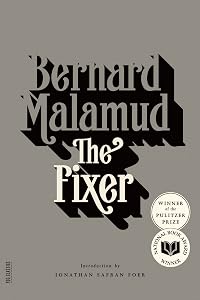
The Fixer
by Bernard Malamud
On This Page
Description
Set in Kiev in 1911 during a period of heightened anti-Semitism, the novel tells the story of Yakov Bok, a Jewish handyman blamed for the brutal murder of a young Russian boy. Bok leaves his village to try his luck in Kiev, and after denying his Jewish identity, finds himself working for a member of the anti-Semitic Black Hundreds Society. When the boy is found nearly drained of blood in a cave, the Black Hundreds accuse the Jews of ritual murder. Arrested and imprisoned, Bok refuses to show more confess to a crime that he did not commit. show lessTags
Recommendations

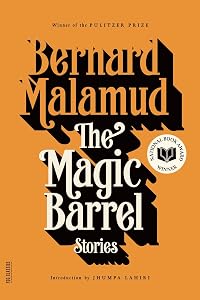
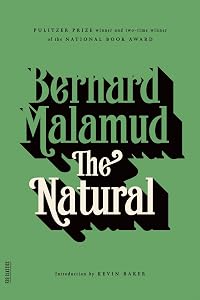
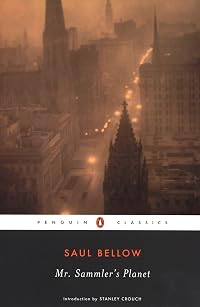
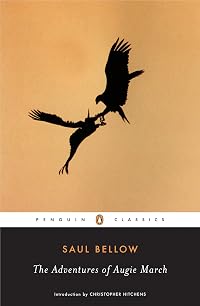


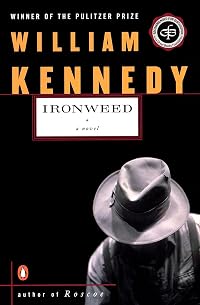
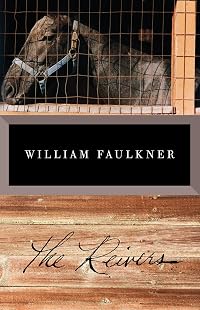
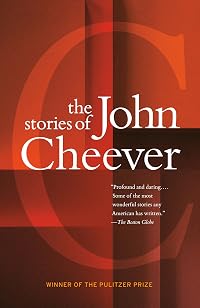
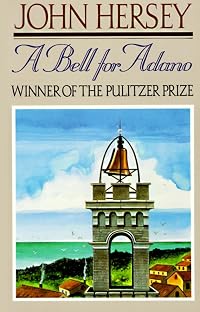



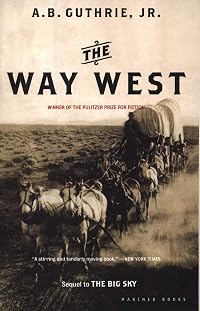
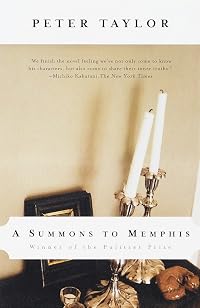
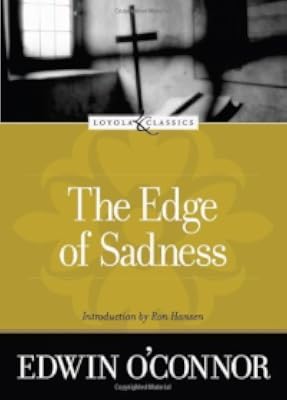
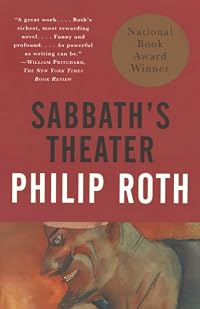
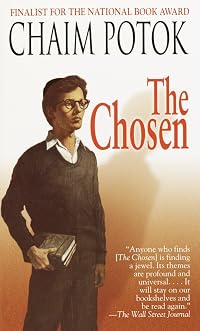


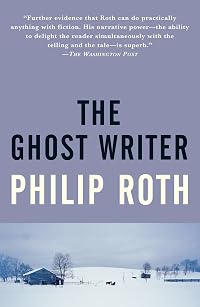
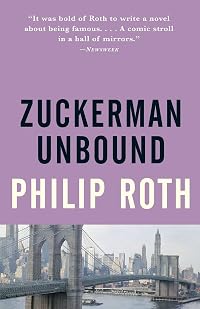

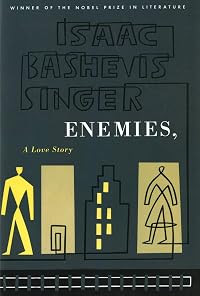


Member Recommendations
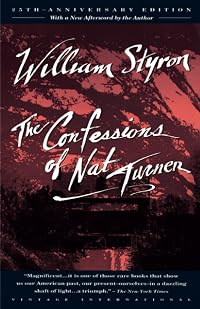
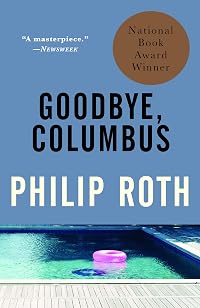
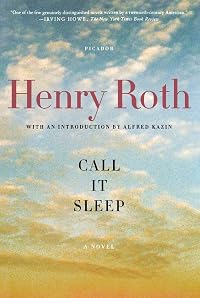
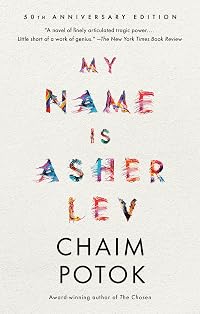
cbl_tn Both books address the silence of God in the face of human suffering.
Member Reviews
During Yakov’s first days in the courthouse jail the accusation had seemed to him almost an irrelevancy, nothing much to do with his life or deeds. But after the visit to the cave he had stopped thinking of relevancy, truth, or even proof. There was no “reason,” there was only their plot against a Jew, any Jew; he was the accidental choice for the sacrifice. He would be tried because the accusation had been made, there didn’t have to be another reason. Being born a Jew meant being vulnerable to history, including its worst errors. Accident and history had involved Yakov Bok as he had never dreamed he could be involved. The involvement was, in a way of speaking, impersonal, but the effect, his misery and suffering, were not. The show more suffering was personal, painful, and possibly endless.
In early 20th century Tsarist Russia, a restless young Jewish man, a fixer by trade, leaves the shtetl for Kiev. Yakov Bok hopes to improve his mind, earn some money, and maybe emigrate to somewhere better like America. Yakov is not a religious man, but he is basically a moral man. A couple of good deeds involve Yakov in a chain of events much larger than himself. Accused of a crime he did not commit, Yakov spends months, years in jail resisting state pressure to confess for the welfare of all the Jews in Russia.
This novel’s religious themes and the suffering that Yakov endures as the state pressures him to make a statement against his will echo similar themes in Shusaku Endo’s Silence. Both novels wrestle with the silence or absence of God in the face of unrelenting suffering. Interestingly, both novels were first published in 1966. Maybe there’s a thesis there for some aspiring scholar of literature. show less
In early 20th century Tsarist Russia, a restless young Jewish man, a fixer by trade, leaves the shtetl for Kiev. Yakov Bok hopes to improve his mind, earn some money, and maybe emigrate to somewhere better like America. Yakov is not a religious man, but he is basically a moral man. A couple of good deeds involve Yakov in a chain of events much larger than himself. Accused of a crime he did not commit, Yakov spends months, years in jail resisting state pressure to confess for the welfare of all the Jews in Russia.
This novel’s religious themes and the suffering that Yakov endures as the state pressures him to make a statement against his will echo similar themes in Shusaku Endo’s Silence. Both novels wrestle with the silence or absence of God in the face of unrelenting suffering. Interestingly, both novels were first published in 1966. Maybe there’s a thesis there for some aspiring scholar of literature. show less
Of all the novels I've read in the last few years, the ones that could be termed 'Jewish American Fiction', the one I'd say Malamud's The Fixer most resembles is Jerzy Kosinski's The Painted Bird.
Both of the novels are written in a style so earnest and even a little antiquated that it's almost too much for their respective pages. There's a gradualness to the proceedings, an iceberg like slowness that lends both stories a heightened sense of acute dread interspersed by jarring moments of both depravity and humanity that affects the reader so much it could almost be called painful, though not entirely negatively. Imagine left to thirst in a desert until the absence of water is all you have, and then falling into a frozen lake, something show more like that.
What Malamud does is present a character and break him, again and again, and give said character every reason, conceivable or not (he comes within a hair's breadth of madness towards the end) to confess to a crime he didn't commit if only to gain leniency for himself and his fellow Jews in the Pale of Settlement in Russia. But the character, Yakov Bok, doesn't. Much to the chagrin of his captors and tormentors and, I imagine, the befuddlement and even slight rage of his compatriot Jews. Not rage at Bok, but rather rage at their own impotence and place in history as Bok so lucidly (and towards the end wrathfully) elucidates.
This is a book of cruelty, with no real heroism to speak of. Bok is not a hero though his resistance and strength of will under horrific conditions in a Russian jail can only rightfully be called superhuman. It was interesting to read a book with a protagonist like this. He's more human than many might like to admit to admiring.
What fascinated me most about this book is the central question: why does Yakov Bok continue to live? It's certainly not for religion as he spites God regularly (and not without a certain cathartic pleasure) and certainly not out of love or pride, or out of a sense of brotherhood or unity with anyone or anything.
In fact, Bok fits in very well as a consummate outsider of the highest level, someone who, from conception, is destined not to fit, and to be constantly reminded of it and rankled because of it. But his outsider status only solidifies his Jewishness, even if, this is maybe only my interpretation, he is the only true Jew among Jews, as he suffers to a level that few other Jews in the story or in actual history can understand, or want to see or know too much about. The fact that Bok is a fictionalized version of a real person (who was quite different and more pious, apparently) does little to dampen his effect on me, he better serves the overall running theme in the novel as he is and I feel Malamud's character, though not a hero, is immeasurably more memorable and even important than a pious unquestioning gazer towards God's just reward.
Reading this book was, in a sense, refreshing. It was bracing to read a detailing of Jewish suffering that precludes the current 'trends' in American Jewish Fiction. The likes of Jonathan Safron Foer and Nicole Krauss have a disconcerting tendency to trivialize the shtetl experience (almost commidifying it for, gross, mass consumption) whilst waving limp hand to the intelligent sensitive strength of Jewish continuity in America and Israel. It's so disingenuous, like Walt Disney presents The Jewish Meta Narrative.
Though not without its flaws (the ending text/dialogue blocks detailing the Jewish plight smacked of lecture and a rush to give historical weight) this is a book to be read and contemplated. It's a powerful shot of a story that will stick with you and remind you to never completely forget humanity's capacity to torture and suffer, but to also bear and remain steadfast. show less
Both of the novels are written in a style so earnest and even a little antiquated that it's almost too much for their respective pages. There's a gradualness to the proceedings, an iceberg like slowness that lends both stories a heightened sense of acute dread interspersed by jarring moments of both depravity and humanity that affects the reader so much it could almost be called painful, though not entirely negatively. Imagine left to thirst in a desert until the absence of water is all you have, and then falling into a frozen lake, something show more like that.
What Malamud does is present a character and break him, again and again, and give said character every reason, conceivable or not (he comes within a hair's breadth of madness towards the end) to confess to a crime he didn't commit if only to gain leniency for himself and his fellow Jews in the Pale of Settlement in Russia. But the character, Yakov Bok, doesn't. Much to the chagrin of his captors and tormentors and, I imagine, the befuddlement and even slight rage of his compatriot Jews. Not rage at Bok, but rather rage at their own impotence and place in history as Bok so lucidly (and towards the end wrathfully) elucidates.
This is a book of cruelty, with no real heroism to speak of. Bok is not a hero though his resistance and strength of will under horrific conditions in a Russian jail can only rightfully be called superhuman. It was interesting to read a book with a protagonist like this. He's more human than many might like to admit to admiring.
What fascinated me most about this book is the central question: why does Yakov Bok continue to live? It's certainly not for religion as he spites God regularly (and not without a certain cathartic pleasure) and certainly not out of love or pride, or out of a sense of brotherhood or unity with anyone or anything.
In fact, Bok fits in very well as a consummate outsider of the highest level, someone who, from conception, is destined not to fit, and to be constantly reminded of it and rankled because of it. But his outsider status only solidifies his Jewishness, even if, this is maybe only my interpretation, he is the only true Jew among Jews, as he suffers to a level that few other Jews in the story or in actual history can understand, or want to see or know too much about. The fact that Bok is a fictionalized version of a real person (who was quite different and more pious, apparently) does little to dampen his effect on me, he better serves the overall running theme in the novel as he is and I feel Malamud's character, though not a hero, is immeasurably more memorable and even important than a pious unquestioning gazer towards God's just reward.
Reading this book was, in a sense, refreshing. It was bracing to read a detailing of Jewish suffering that precludes the current 'trends' in American Jewish Fiction. The likes of Jonathan Safron Foer and Nicole Krauss have a disconcerting tendency to trivialize the shtetl experience (almost commidifying it for, gross, mass consumption) whilst waving limp hand to the intelligent sensitive strength of Jewish continuity in America and Israel. It's so disingenuous, like Walt Disney presents The Jewish Meta Narrative.
Though not without its flaws (the ending text/dialogue blocks detailing the Jewish plight smacked of lecture and a rush to give historical weight) this is a book to be read and contemplated. It's a powerful shot of a story that will stick with you and remind you to never completely forget humanity's capacity to torture and suffer, but to also bear and remain steadfast. show less
this is one depressing book. i consider myself awfully cynical and suspicious of the human race (it's what happens after doing anti-violence work for too long) but my worldview can't hold a candle to malamud's. or at least to what he allows to happen in this book - the depths of treachery are pretty astounding. certainly he tempers that with hope and with people seeking justice, but the unjust is overwhelming.
one of the things i most like reading about is oppression (i like a good downer), and this definitely fits the bill. in spite of being jewish myself, and that being the type of oppression experienced in these pages, this resonated with me even more with the parallels we can draw to racism in our country. and to so many other kinds show more of oppression, historical and current, in the world. this kind of book has a lot of reach.
overall, this is a well written, compelling read. there are a few parts throughout that were a little longwinded for me, but it's only a few pages worth in total. there were a couple of things that happened in the last quarter or so that didn't seem to fit so i'll be giving it a bit more thought over the next few days. i suspect that having knowledge of spinoza would be helpful in seeing where the story was going but also the meaning behind it.
this is my second malamud and i would definitely be happy to read more of his work.
"...a skinny worried man in clothes about to fall apart, who looked as though he had been assembled out of sticks and whipped air..."
"'There are no wrong books. What's wrong is the fear of them.'"
"'There's something cursed, it seems to me, about a country where men have owned men as property.'"
"'Keep in mind, Yakov Shepsovitch, that if your life is without value, so is mine. If the law does not protect you, it will not, in the end, protect me.'" show less
one of the things i most like reading about is oppression (i like a good downer), and this definitely fits the bill. in spite of being jewish myself, and that being the type of oppression experienced in these pages, this resonated with me even more with the parallels we can draw to racism in our country. and to so many other kinds show more of oppression, historical and current, in the world. this kind of book has a lot of reach.
overall, this is a well written, compelling read. there are a few parts throughout that were a little longwinded for me, but it's only a few pages worth in total. there were a couple of things that happened in the last quarter or so that didn't seem to fit so i'll be giving it a bit more thought over the next few days. i suspect that having knowledge of spinoza would be helpful in seeing where the story was going but also the meaning behind it.
this is my second malamud and i would definitely be happy to read more of his work.
"...a skinny worried man in clothes about to fall apart, who looked as though he had been assembled out of sticks and whipped air..."
"'There are no wrong books. What's wrong is the fear of them.'"
"'There's something cursed, it seems to me, about a country where men have owned men as property.'"
"'Keep in mind, Yakov Shepsovitch, that if your life is without value, so is mine. If the law does not protect you, it will not, in the end, protect me.'" show less
"Se la sua vita non vale niente, non vale niente neanche la mia. Se la legge non la difende, alla fine non difenderà neanche me".
Basato su un caso reale, è il racconto della discesa all'inferno di un innocente, perseguitato a causa del razzismo, della superstizione e della burocrazia. Summa del "destino" di sofferenza legato all'essere ebrei, è un libro in cui fin dalla prima pagina pesa l'ineluttabilità di un fato nefasto. Forse solo "Uomo invisibile" di Ralph Ellison mi ha dato una così forte sensazione di identificazione nella sofferenza di una ingiustizia subita - ad accomunare i due libri del resto è il sopruso nei confronti di innocenti per motivi di discriminazione razziale.
Basato su un caso reale, è il racconto della discesa all'inferno di un innocente, perseguitato a causa del razzismo, della superstizione e della burocrazia. Summa del "destino" di sofferenza legato all'essere ebrei, è un libro in cui fin dalla prima pagina pesa l'ineluttabilità di un fato nefasto. Forse solo "Uomo invisibile" di Ralph Ellison mi ha dato una così forte sensazione di identificazione nella sofferenza di una ingiustizia subita - ad accomunare i due libri del resto è il sopruso nei confronti di innocenti per motivi di discriminazione razziale.
Author Malamud has created a character, Yakov Bok, who embodies the definition of endurance. Living the in the early part of the twentieth century under Czarist rule, Yakov is imprisoned for a crime he did not commit. Because Yakov is a Jew, his plight is not just about the crime but about the state of persecution which existed in the Russian state. Malamud writes convincingly of what life must have been like in a Russian prison, living for years at a time in solitary confinement, not even being tried for the crime until the state can manufacture enough evidence to convict an innocent man. Bok is a three dimension character, full of faults yet also able to stand up for a principle. In some ways, the prose is painful as Malamud does a show more masterful job of describing the suffering of not only Bok, but of those others who try to help him.
My only complaint (and the reason it did not get 5 stars) was the ending which was so abrupt that I actually checked to make sure that the copy I had did not have any ripped out pages. I didn't need a complete wrap up but felt that at least some hint of the future for Bok was needed. I am sure that Malamud felt that his ending allowed the reader to write their own, but I would have liked at least a better conclusion. Overall, however, I would still rank this book as a must read. I have studied a lot of Russian history but this viewpoint is usually from those of wealth and power. Reading about the trials if the everyday Russian Jew was fascinating. show less
My only complaint (and the reason it did not get 5 stars) was the ending which was so abrupt that I actually checked to make sure that the copy I had did not have any ripped out pages. I didn't need a complete wrap up but felt that at least some hint of the future for Bok was needed. I am sure that Malamud felt that his ending allowed the reader to write their own, but I would have liked at least a better conclusion. Overall, however, I would still rank this book as a must read. I have studied a lot of Russian history but this viewpoint is usually from those of wealth and power. Reading about the trials if the everyday Russian Jew was fascinating. show less
What a difficult book to read, and, I can only imagine, to write. We start with the injustice of poverty and lack of opportunity in the shtetl and move almost directly into a variety of unjust accusations leveled against Yakov Bok, who has become a scapegoat for all the imagined evil deeds of all the Jews in Russia.
Bok leaves the shtetl with hopes of a better life in Kiev. At first, things look up for him. Serendipity finds him a good job, and he is able to afford some books, and even put away some money. The catch is that he has to live in a district from which Jews are forbidden from living. All goes well, although Bok is not a popular figure, until a young boy is found murdered in a cave nearby.
The police show up at his door, arrest show more him, and summarily throw him in prison. Things go from bad to worse as he is forced to submit to increasingly cruel and dehumanizing treatment, not least of which is having to repeatedly listen to the many crimes he is supposed to have committed. But he steadfastly declares his innocence, and it is this that is supposed to make him one literature's greatest heroes. I'm not so sure about this, but certainly he is a strong character.
His strength almost makes this book harder to read, though. I found myself almost wishing he would confess, even though I knew he was innocent, just so the horribleness would end. But he and I both knew that confessing to a crime that he didn't commit wouldn't help at all, either his own dignity, or the plight of the Jews in Russia. So we endured together until the trial, to which Bok is on his way at the end of the book. At first I was disappointed that we don't find out what happens at the trial, but then I realized that the result of the trial isn't the point of the book. It's the persecution and the strength that it reveals that really matter. show less
Bok leaves the shtetl with hopes of a better life in Kiev. At first, things look up for him. Serendipity finds him a good job, and he is able to afford some books, and even put away some money. The catch is that he has to live in a district from which Jews are forbidden from living. All goes well, although Bok is not a popular figure, until a young boy is found murdered in a cave nearby.
The police show up at his door, arrest show more him, and summarily throw him in prison. Things go from bad to worse as he is forced to submit to increasingly cruel and dehumanizing treatment, not least of which is having to repeatedly listen to the many crimes he is supposed to have committed. But he steadfastly declares his innocence, and it is this that is supposed to make him one literature's greatest heroes. I'm not so sure about this, but certainly he is a strong character.
His strength almost makes this book harder to read, though. I found myself almost wishing he would confess, even though I knew he was innocent, just so the horribleness would end. But he and I both knew that confessing to a crime that he didn't commit wouldn't help at all, either his own dignity, or the plight of the Jews in Russia. So we endured together until the trial, to which Bok is on his way at the end of the book. At first I was disappointed that we don't find out what happens at the trial, but then I realized that the result of the trial isn't the point of the book. It's the persecution and the strength that it reveals that really matter. show less
Based on a true story, The Fixer is the story of a Russian Jew who, in the early 1900s, is unjustly accused of murdering a Christian boy. Bernard Malamud’s 1966 novel won both the Pulitzer Prize and the National Book Award.
Yakov Bok has a hard luck life as a handyman, or fixer, in the Jewish Pale of Settlement. Although political reforms following the 1905 revolution gave Jews new freedoms and political clout, life in the Pale had not improved. After his childless wife abandons him for a goy, Yakov leaves the shtetl for Kiev, where he ends up working in, and living above, a Christian-owned brick factory. With an assumed name, no papers to allow him to live in that part of the city, and anti-Jewish sentiments on the rise, Yakov is show more headed for trouble.
When the mutilated body of a neighborhood boy is found stuffed in a cave, the evidence – circumstantial and fabricated – mounts against Yakov. He is arrested and left to rot in prison while the sham investigation drags on for years as anti-Semitic authorities try to build a case of ritual murder. With no indictment, no lawyer, and no idea of what is to come, Yakov’s situation is a downward spiral of gloom.
Yakov is motivated by his dwindling hope of exoneration, only meagerly spurred on by a few rare contacts with the outside and tidbits of news about his case. Although claiming to be non-religious and non-political, Yakov worries that his case will spark violent retribution or even a new pogrom against the Jews.
Malamud incorporates Yakov’s tragedy into the larger picture by having characters discuss Russia’s anti-Semitic history and Tsarist politics. It is this contextual detail that raises Yakov’s story above that of one individual’s tribulations and makes it a morality tale about freedom and responsibility in the face of evil and suffering. One of the characters explains Malmud’s thesis:
I am somewhat of a meliorist. That is to say, I act as an optimist because I find I cannot act at all, as a pessimist. Once often feels helpless in the face of the confusion of these times, such a mass of apparently uncontrollable events and experiences to live through, attempts to understand, and if at all possible, give order to; but one must not withdraw from the task if he has some small thing to offer – he does so at the risk of diminishing his humanity.
Or, as Yakov put it more succinctly as he was finally being taken to his trial, “[T]here’s no such thing as an unpolitical man, especially a Jew.”
Malamud is an incredible writer. Even though this story is horribly grim, he grabs the reader and does not let go. The Fixer is a book that everyone should read and, once read, ponder.
Also posted on Rose City Reader. show less
Yakov Bok has a hard luck life as a handyman, or fixer, in the Jewish Pale of Settlement. Although political reforms following the 1905 revolution gave Jews new freedoms and political clout, life in the Pale had not improved. After his childless wife abandons him for a goy, Yakov leaves the shtetl for Kiev, where he ends up working in, and living above, a Christian-owned brick factory. With an assumed name, no papers to allow him to live in that part of the city, and anti-Jewish sentiments on the rise, Yakov is show more headed for trouble.
When the mutilated body of a neighborhood boy is found stuffed in a cave, the evidence – circumstantial and fabricated – mounts against Yakov. He is arrested and left to rot in prison while the sham investigation drags on for years as anti-Semitic authorities try to build a case of ritual murder. With no indictment, no lawyer, and no idea of what is to come, Yakov’s situation is a downward spiral of gloom.
Yakov is motivated by his dwindling hope of exoneration, only meagerly spurred on by a few rare contacts with the outside and tidbits of news about his case. Although claiming to be non-religious and non-political, Yakov worries that his case will spark violent retribution or even a new pogrom against the Jews.
Malamud incorporates Yakov’s tragedy into the larger picture by having characters discuss Russia’s anti-Semitic history and Tsarist politics. It is this contextual detail that raises Yakov’s story above that of one individual’s tribulations and makes it a morality tale about freedom and responsibility in the face of evil and suffering. One of the characters explains Malmud’s thesis:
I am somewhat of a meliorist. That is to say, I act as an optimist because I find I cannot act at all, as a pessimist. Once often feels helpless in the face of the confusion of these times, such a mass of apparently uncontrollable events and experiences to live through, attempts to understand, and if at all possible, give order to; but one must not withdraw from the task if he has some small thing to offer – he does so at the risk of diminishing his humanity.
Or, as Yakov put it more succinctly as he was finally being taken to his trial, “[T]here’s no such thing as an unpolitical man, especially a Jew.”
Malamud is an incredible writer. Even though this story is horribly grim, he grabs the reader and does not let go. The Fixer is a book that everyone should read and, once read, ponder.
Also posted on Rose City Reader. show less
Members
- Recently Added By
Published Reviews
ThingScore 75
I don’t recommend you read this book if you don’t want to feel uncomfortable, if you don’t want to feel like an outcast yourself. On the other hand, for those of you who enjoy complex characters for whom the intellectual, the spiritual, and the political intertwine, have at it. But know that you are risking the competition of feeling.
added by Shortride
Lists

Pulitzer Prize Winners for Fiction
102 works; 54 members

A Ukraine Reading List
121 works; 90 members

Read the book and saw the movie
1,170 works; 195 members

Jewish Books
367 works; 24 members

National Book Award - Fiction
78 works; 10 members

Pulitzer Prize-Winning Books
42 works; 10 members
1960s, Best books published therein
254 works; 22 members

Top Five Books of 2017
757 works; 231 members

A High School Trip to Russia
25 works; 3 members

My E-Book Collection - Opinions Welcome
92 works; 10 members

Publisher's Weekly Bestsellers - Part II - 1940 - 1979
355 works; 5 members

Mad Men Reading List
25 works; 5 members

Schwob Nederland
207 works; 2 members

Harold Bloom - The Western Canon: D. The Chaotic Age
833 works; 24 members

Blue Pyramid 1,276 Best Books of All Time
1,248 works; 32 members

AP Lit
363 works; 6 members
Tablet Magazine's List of 101 Great Jewish Books
103 works; 9 members

Recommended Reading : 600 Classics Reviewed, Editors of Salem Press, 2015
634 works; 6 members

Canon de la narrativa universal del s. XX (cicutadry)
499 works; 3 members

Books Read in 2025
4,091 works; 97 members
My Mad Men Reading List
47 works; 1 member

Library List - Pulitzer
18 works; 1 member
Author Information

98+ Works 11,755 Members
Bernard Malamud was born in 1914 in New York City and later received his B. A. from City College of New York and his M. A. from Columbia University. All of Malamud's works are highly respected, including "Armistice" (his first), "The Magic Barrel," which won the National Book Award, "The Fixer," which received a Pulitzer Prize. "The Assistant," show more "The Natural," "The Fixer," and "The Angel Levine," which were all adapted as films. Bernard Malamud died in 1986. (Bowker Author Biography) show less
Some Editions
Awards and Honors
Awards
Distinctions
Series
Belongs to Publisher Series
Work Relationships
Is contained in
Has the adaptation
Has as a student's study guide
Common Knowledge
- Canonical title*
- L'uomo di Kiev
- Original title
- The Fixer
- Original publication date
- 1966
- People/Characters
- Yakov Bok; Shmuel; Bibikov; Marfa Golov; Raisl; Berezhinsky (show all 9); Ostrovsky; Proshko; Father Anastasy
- Important places
- Kyiv, Ukraine
- Related movies
- The Fixer (1968 | IMDb)
- Epigraph
- Irrational streams of blood are staining the earth. -- Yeats
O yonge Hugh of Lyncoln-- slayn also
With cursed Jewes, as is notable,
For it is but a litel while ago--
Preye eek for us, we synf... (show all)ul folk unstable, Chaucer - Dedication
- For Paul
- First words
- From the small crossed window of his room above the stable in the brickyard, Yakov Bok saw people in their long overcoats running somewhere early that morning, everybody in the same direction.
- Last words
- (Click to show. Warning: May contain spoilers.)Some shouted his name.
- Blurbers
- Hardwick, Elizabeth
- Original language*
- Inglese
*Some information comes from Common Knowledge in other languages. Click "Edit" for more information.
Classifications
Statistics
- Members
- 2,493
- Popularity
- 7,748
- Reviews
- 40
- Rating
- (3.92)
- Languages
- 13 — Czech, Dutch, English, Finnish, French, German, Hungarian, Italian, Norwegian (Bokmål), Portuguese, Russian, Spanish, Swedish
- Media
- Paper, Audiobook, Ebook
- ISBNs
- 52
- ASINs
- 74