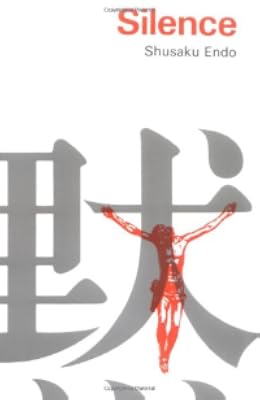
Silence
by Shusaku Endo
On This Page
Description
"Shusaku Endo's classic novel of enduring faith in dangerous times"Silence I regard as a masterpiece, a lucid and elegant drama."-The New York Times Book Review Seventeenth-century Japan: Two Portuguese Jesuit priests travel to a country hostile to their religion, where feudal lords force the faithful to publicly renounce their beliefs. Eventually captured and forced to watch their Japanese Christian brothers lay down their lives for their faith, the priests bear witness to unimaginable show more cruelties that test their own beliefs. Shusaku Endois one of the most celebrated and well-known Japanese fiction writers of the twentieth century, and Silence is widely considered to be his great masterpiece"-- show lessTags
Recommendations



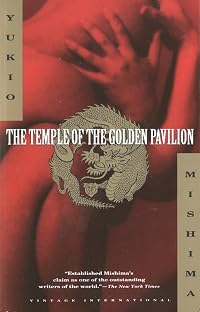
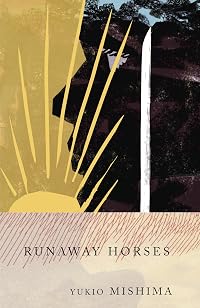

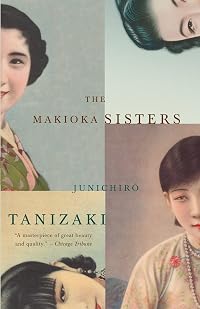
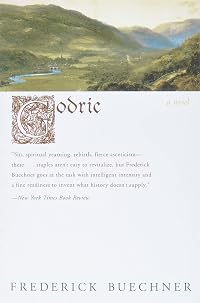

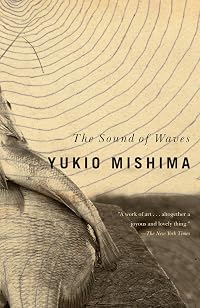

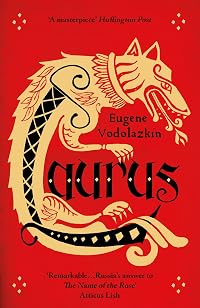

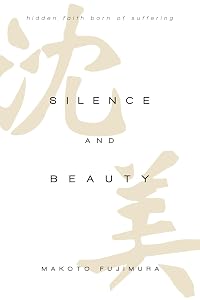
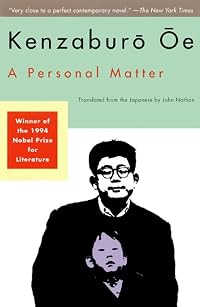


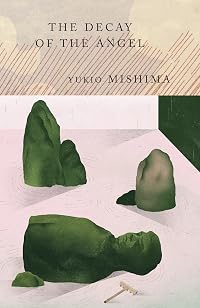
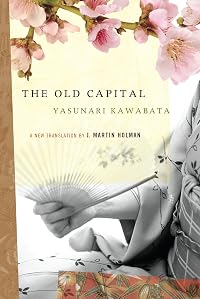
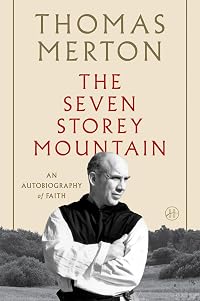
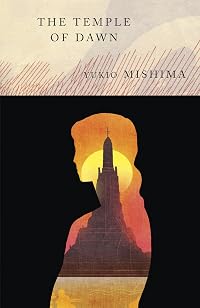






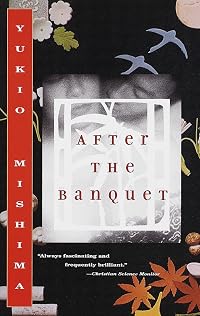
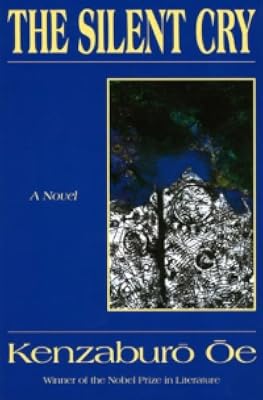
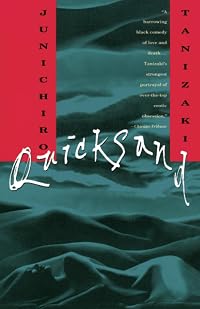
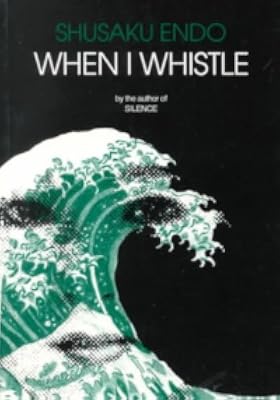
Member Recommendations
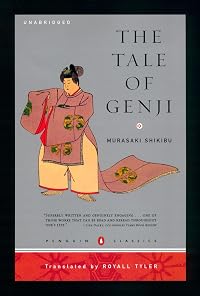
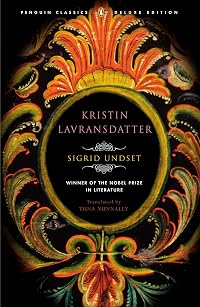
Night by Elie Wiesel
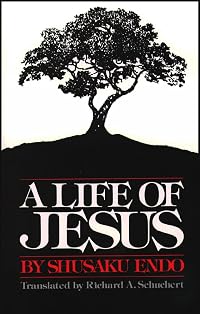
cbl_tn Both books deal with a crisis of faith resulting from God's silence in the face of extreme suffering.
40

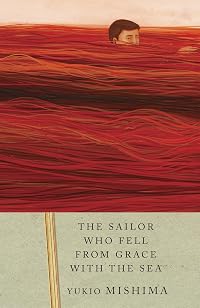
soylentgreen23 Although not from the same period exactly, Endo's 'Silence' is another great book about the incursion into Japan of foreign culture, this time in the form of the Christian Church, and what happened in Japan when that religion was suddenly rejected by the ruling class.
31
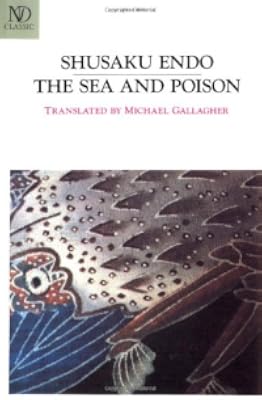
L'Extrémité du monde : Relation de saint François Xavier, sur ses voyages et sur sa vie by René de Ceccatty
Dilara86 Déboires de la Compagnie de Jésus au Japon, du point de vue de François Xavier pour l'Extrémité du monde, et du point de vue d'un missionnaire du XVIIe, Sébastien Rodrigues, pour Silence.
Member Reviews
As an atheist I do find it hard to empathise with people undergoing crises of faith. I'm like, get over it! But this tale of a zealous Portuguese missionary being hunted in isolationist Japan, then pressured relentlessly to apostatize, generates a real sense of desolation. The titular heavenly silence gets louder and louder as you turn the pages. And it ends up being about more than the loss of religious faith; it's about futility in general, staring defeat in the face, the crushing of dreams and ambitions.
Silence is an historical novel about religious faith and the conflict between East and West. It is set in seventeenth century Japan, when Catholics are being pursued, tortured and killed in the attempt to eradicate Catholicism from Japan. Decades earlier, Portuguese Jesuits had brought their faith to Japan and spread their message to hundreds of thousands of brutalised, starving peasants, who are now maintaining their religion in secret. The priests are dead, along with thousands of their followers, tortured for refusing to deny their faith, but rumours have reached Portugal that Father Ferreira, leader of the mission, has apostacised to save his life. Two young Portuguese priests, Rodrigues and Garrpe who were students of Ferreira and show more cannot believe his betrayal, make their way to Japan with great difficulty in order to find Ferreira. The main protagonist is Rodrigues, whose faith is tested when the peasants who would protect him are tortured for their loyalty while God remains silent.
A thought-provoking book that addresses serious questions. Recommended. show less
A thought-provoking book that addresses serious questions. Recommended. show less
This brilliant novel, which is widely considered to be Endo's masterpiece, describes the persecution and fate of Japanese Christians and Portuguese Catholic priests in the years during the 17th century Shimabara Rebellion and its aftermath.
First, a little bit of historical background. Christianity in Japan began in the 1540s, soon after Portugal began to trade goods with that country. The first Jesuit missionaries were met with resistance in their first efforts to convert the Japanese to Catholicism, but soon a unique form of Christianity, which combined the teachings of Roman Catholicism and Buddhism, took hold. By the late 1570s there were over 100,000 active Christians in Japan throughout all social strata, primarily in and around show more the coastal regions of southwestern Japan.
In the late 1580s Toyotomi Hideyoshi assumed power over a newly unified Japan. As part of his effort to control the country, and fearing that the missionaries were a first step toward colonization of Japan by the Portuguese, Hideyoshi, an avowed Buddhist, banned Catholicism and cracked down on the missionaries and the daimyos, the territorial lords who oversaw the sometimes forcible conversion of their people to the Western religion. After Hideyoshi's death Christianity in Japan experienced moderate growth, with intermittent periods of persecution by the shogunate. Following the Great Genna Martyrdom of 1632, Catholicism was officially banned in Japan. In the following year the Tokugawa shogunate began to institute sakoku ("locked country"), a national seclusion policy which forbade foreigners from entering the country or Japanese citizens from leaving it.
In 1637 peasants in Shimbara, located in modern day Nagasaki Prefecture, rebelled against the feudal lord of the region, who taxed them to the point of starvation in order to pay for a new castle that was built in his honor. These peasants, who were mainly Christian villagers, attacked the castle, but were successfully rebelled by forces of the Tokugawa shogunate in 1638. In the aftermath of the Shimabara Rebellion, sakoku was enforced more strictly, and Christians were actively pursued and forced to renounce their religion once they were captured. Most were obligated to step on a fumie, a wooden or stone likeness of Jesus or Mary. Most of those who did so willingly were released, but anyone who refused or hesitated before doing so was brutally tortured and ultimately killed, along with their families. Hundreds of thousands of Japanese Christians and Portuguese missionaries died in this manner during the 17th century.
Silence begins in the Portuguese capital of Lisbon in 1638, as Father Sebastian Rodrigues and two of his fellow priests seek to travel to Japan. Their beloved teacher, Father Christovao Ferriera, has not been heard from since 1633, after he reportedly committed apostasy by stepping on a fumie in Nagasaki once he was captured and tortured. The Roman Catholic church leadership in Portugal is initially reluctant to grant permission to the priests to travel there, as they are aware of the persecution of Christians in Japan and the refusal of the shogunate to allow any commercial relationship with the Portuguese. Eventually the three are given the blessing of the church, and months later they arrive in the port city of Macao. There they are introduced to Kichijiro, a rather dodgy Japanese resident of the city, who wishes to return to his home country and agrees to accompany two of the priests there. The junk boat lands under cover of darkness near Nagasaki, and the priests make their way to the hills above Nagasaki. There they meet a group of hidden Christians in a nearby village, who are overjoyed to meet a Catholic priest. However, the Christians are soon uncovered by the local samurai, and Father Rodrigues is forced to flee to the surrounding woods, where he is eventually betrayed and captured, in a similar manner to Jesus' betrayal by Judas.
The novel begins as a series of letters by Rodrigues to Portuguese church officials, but then switches to a third person narrative after he is forced to flee. Unlike the Japanese Christians and the missionaries who preceded him, he is not physically tortured, but he is repeatedly encouraged to apostatize in order to save the lives of the captured villagers and his colleague, who was also taken into custody. Rodrigues experiences almost unbearable turmoil and a crisis of faith, as he cannot reconcile how a merciful God can stand by silently while His believers are willing to undergo extreme physical pain and death in support of their beliefs:
Rodrigues' psychological torment intensifies, and he is eventually forced by the head samurai Inoue to make a decision: apostatize and betray his religion, in order to spare his life and the remaining villagers who have stepped on the fumie, or refuse, and condemn the villagers and himself to a long and painful death by torture.
Silence is a most fitting title to this fantastic novel, as it can refer to the silence of God while His believers suffer oppression, physical pain and death; the silence of the community while others are being persecuted; and the internal silence experienced by the individual who is forcibly isolated for his beliefs. The novel is ripe for interpretation and serious discussion, by Christians or believers of other faiths, and by those who would stand by idly and in comfort while others are forced to suffer due to poverty, religious belief or minority status. Beyond that, Silence is a very well written and compelling drama, which would be an enjoyable read on a much more superficial level. It is easily the best book I've read by Endo to date, and certainly one of finest 20th century Japanese novels I've ever read. show less
First, a little bit of historical background. Christianity in Japan began in the 1540s, soon after Portugal began to trade goods with that country. The first Jesuit missionaries were met with resistance in their first efforts to convert the Japanese to Catholicism, but soon a unique form of Christianity, which combined the teachings of Roman Catholicism and Buddhism, took hold. By the late 1570s there were over 100,000 active Christians in Japan throughout all social strata, primarily in and around show more the coastal regions of southwestern Japan.
In the late 1580s Toyotomi Hideyoshi assumed power over a newly unified Japan. As part of his effort to control the country, and fearing that the missionaries were a first step toward colonization of Japan by the Portuguese, Hideyoshi, an avowed Buddhist, banned Catholicism and cracked down on the missionaries and the daimyos, the territorial lords who oversaw the sometimes forcible conversion of their people to the Western religion. After Hideyoshi's death Christianity in Japan experienced moderate growth, with intermittent periods of persecution by the shogunate. Following the Great Genna Martyrdom of 1632, Catholicism was officially banned in Japan. In the following year the Tokugawa shogunate began to institute sakoku ("locked country"), a national seclusion policy which forbade foreigners from entering the country or Japanese citizens from leaving it.
In 1637 peasants in Shimbara, located in modern day Nagasaki Prefecture, rebelled against the feudal lord of the region, who taxed them to the point of starvation in order to pay for a new castle that was built in his honor. These peasants, who were mainly Christian villagers, attacked the castle, but were successfully rebelled by forces of the Tokugawa shogunate in 1638. In the aftermath of the Shimabara Rebellion, sakoku was enforced more strictly, and Christians were actively pursued and forced to renounce their religion once they were captured. Most were obligated to step on a fumie, a wooden or stone likeness of Jesus or Mary. Most of those who did so willingly were released, but anyone who refused or hesitated before doing so was brutally tortured and ultimately killed, along with their families. Hundreds of thousands of Japanese Christians and Portuguese missionaries died in this manner during the 17th century.
Silence begins in the Portuguese capital of Lisbon in 1638, as Father Sebastian Rodrigues and two of his fellow priests seek to travel to Japan. Their beloved teacher, Father Christovao Ferriera, has not been heard from since 1633, after he reportedly committed apostasy by stepping on a fumie in Nagasaki once he was captured and tortured. The Roman Catholic church leadership in Portugal is initially reluctant to grant permission to the priests to travel there, as they are aware of the persecution of Christians in Japan and the refusal of the shogunate to allow any commercial relationship with the Portuguese. Eventually the three are given the blessing of the church, and months later they arrive in the port city of Macao. There they are introduced to Kichijiro, a rather dodgy Japanese resident of the city, who wishes to return to his home country and agrees to accompany two of the priests there. The junk boat lands under cover of darkness near Nagasaki, and the priests make their way to the hills above Nagasaki. There they meet a group of hidden Christians in a nearby village, who are overjoyed to meet a Catholic priest. However, the Christians are soon uncovered by the local samurai, and Father Rodrigues is forced to flee to the surrounding woods, where he is eventually betrayed and captured, in a similar manner to Jesus' betrayal by Judas.
The novel begins as a series of letters by Rodrigues to Portuguese church officials, but then switches to a third person narrative after he is forced to flee. Unlike the Japanese Christians and the missionaries who preceded him, he is not physically tortured, but he is repeatedly encouraged to apostatize in order to save the lives of the captured villagers and his colleague, who was also taken into custody. Rodrigues experiences almost unbearable turmoil and a crisis of faith, as he cannot reconcile how a merciful God can stand by silently while His believers are willing to undergo extreme physical pain and death in support of their beliefs:
I knew well, of course, that the greatest sin against God was despair; but the silence of God was something I could not fathom. 'The Lord preserved the just man when godless folk were perishing all around him. Escape he should when fire came down upon the Cities of the Plain.' Yet now, when the barren land was already emitting smoke while the fruit on the trees was still unripe, surely he should speak but a word for the Christians.
I ran, slipping down the slope. Whenever I slowed down, the ugly thought would come bubbling up into consciousness bringing an awful dread. If I consented to this thought, then my whole past to this very day was washed away in silence.
Rodrigues' psychological torment intensifies, and he is eventually forced by the head samurai Inoue to make a decision: apostatize and betray his religion, in order to spare his life and the remaining villagers who have stepped on the fumie, or refuse, and condemn the villagers and himself to a long and painful death by torture.
Silence is a most fitting title to this fantastic novel, as it can refer to the silence of God while His believers suffer oppression, physical pain and death; the silence of the community while others are being persecuted; and the internal silence experienced by the individual who is forcibly isolated for his beliefs. The novel is ripe for interpretation and serious discussion, by Christians or believers of other faiths, and by those who would stand by idly and in comfort while others are forced to suffer due to poverty, religious belief or minority status. Beyond that, Silence is a very well written and compelling drama, which would be an enjoyable read on a much more superficial level. It is easily the best book I've read by Endo to date, and certainly one of finest 20th century Japanese novels I've ever read. show less
This novel is set in 17th-century Japan, at a time when Christianity has been outlawed, and Christians are imprisoned and tortured so that they will renounce their faith. Nevertheless, various missionary groups from Europe, both Catholic and Protestant, continue to arrive in Japan in hopes of spreading the Christian religion there. One such missionary is Sebastian Rodrigues, a Portuguese priest who believes that God is calling him to minister to His church in Japan. Rodrigues also hopes to find his former teacher and mentor, Father Ferreira, who is rumored to have renounced Christianity and adopted a traditional Japanese lifestyle. When Rodrigues arrives in Japan, his enthusiasm for his mission slowly declines as he sees Christian show more peasants being tortured and executed for their faith. For the first time, he experiences serious doubts in the face of God's silence: If He exists, why does He allow his faithful disciples to suffer? As Rodrigues struggles with this question, he must eventually decide whether his faith is truly worth defending at any cost.
This book is laser-focused on a single issue: God's silence in the face of suffering, and the implications of that for a person of faith. If this is an issue that interests you at all, I would definitely recommend this book! The writing style is sparse and direct, enhancing the nature of the stark choice that confronts Sebastian Rodrigues. The character's struggle really rang true for me, and there are certainly no easy answers in this book. For me the most compelling character was Kichijiro, the Japanese guide who shelters Father Rodrigues and his companions but later betrays them. He is a weak, pathetic, utterly despicable character, yet Rodrigues comments that "Christ did not die for the good and beautiful. It is easy enough to die for the good and beautiful; the hard thing is to die for the miserable and corrupt...." In sum, this book isn't a particularly fun or quick read, but I think it's an important one for anyone interested in questions of faith or in the clash between Western religion and Eastern culture. show less
This book is laser-focused on a single issue: God's silence in the face of suffering, and the implications of that for a person of faith. If this is an issue that interests you at all, I would definitely recommend this book! The writing style is sparse and direct, enhancing the nature of the stark choice that confronts Sebastian Rodrigues. The character's struggle really rang true for me, and there are certainly no easy answers in this book. For me the most compelling character was Kichijiro, the Japanese guide who shelters Father Rodrigues and his companions but later betrays them. He is a weak, pathetic, utterly despicable character, yet Rodrigues comments that "Christ did not die for the good and beautiful. It is easy enough to die for the good and beautiful; the hard thing is to die for the miserable and corrupt...." In sum, this book isn't a particularly fun or quick read, but I think it's an important one for anyone interested in questions of faith or in the clash between Western religion and Eastern culture. show less
Read this in preparation for my trip to Nagasaki during Holy Week and Easter. I tried to read it before around the time the Scorsese movie came out but didn't get beyond the first few pages. This time went through it in a few days, perhaps having since then become a weekly Mass goer again and much more aware of the history of Catholicism in Nagasaki.
Even though I, just like Inoue who was the priest Rodrigues' main tormentor, knew where it would end, the novel wasn't just an interesting philosophical or theological discussion. There is a strong narrative driving the discussion. Rodrigues often discussed how Kichijiro would be a great Christian if times were easy, though by then he is also talking about himself. All the Christians in the show more book suffer for their faith. Though there is a lot to think about in how torture and violence is used to "persuade" people, we often in our daily lives do things we dislike just to get along, thinking we are helping out ourselves and others in the short or long run. How much are is one willing to sacrifice to stay true to oneself and one's faith while living in a community, especially one which does not share the same values? Even though Endo pushes his characters to their extreme, that was the heart of the book to me. show less
Even though I, just like Inoue who was the priest Rodrigues' main tormentor, knew where it would end, the novel wasn't just an interesting philosophical or theological discussion. There is a strong narrative driving the discussion. Rodrigues often discussed how Kichijiro would be a great Christian if times were easy, though by then he is also talking about himself. All the Christians in the show more book suffer for their faith. Though there is a lot to think about in how torture and violence is used to "persuade" people, we often in our daily lives do things we dislike just to get along, thinking we are helping out ourselves and others in the short or long run. How much are is one willing to sacrifice to stay true to oneself and one's faith while living in a community, especially one which does not share the same values? Even though Endo pushes his characters to their extreme, that was the heart of the book to me. show less
Had it not been for the reviews I had seen from my friends whose tastes and opinions I respect, I probably would not have read this book. Reason being that I hesitate to read religious and atheist books because of the preaching, a condescending tone that is normally vehicle for the rant that boils down to: we are in the right, they are in the wrong and these couple of hundreds of pages will be dedicated to proving my point. And given the short description that accompanied the story I thought that the book would somehow be one of those books, and how wrong I was, and how glad am I that there were reviews that encouraged me to read this book.
It is the first half of the seventeenth century, Christianity has been outlawed in Japan and show more clergy members and Christians found practicing are tortured, forced to apostatize and killed. Sebastião Rodrigues, a young Jesuit priest journeys to Japan in this age to find out what happened to his mentor Ferreira, who had also been a missionary in Japan for many years, whom he looked up to and admired and still cannot believe the reports concerning his apostatizing.
To provide some historical context, Western powers had already begun their exploits around the world by the period this book is set in. By the 1640s the Americas, Africa, and Asia had all in some way or other already been colonized and occupied, with slavery booming during this period. Japan, which was under an emperor no doubt, must have felt threatened by the Portuguese, Spanish, Dutch and other European powers’ interest in Asia. Not to mention the wars the Portuguese and Spanish had been fighting in Asia against Muslims, and their racist and religious disdain for Asians being non-white and non-Christian. And to add to all this, the suspicion that the Christian faith was making the citizenry less loyal to the emperor and state, so Japan cut itself off from the outside world in 1641 and only dealt with foreigners from an artificial island off Nagasaki - an isolation that would last two centuries.
Back to the book, the Portuguese missionaries who had at first enjoyed a great relationship with the government and the lords find themselves in a fix; the relationship turns sour and the persecution of Christians begins. In comes Rodrigues, an enthusiastic priest, filled with ideals as he begins his quest.
Shusaku Endo is an incredible writer. His prose is magnificent, and his ability to describe the inner struggle of the priest as he faces torture and his faith is shaken, and to draw quite a portrait of the time and place was just remarkable. Silence here, the silence of God as cruelty happens is explored.
We journey with Rodrigues as he hides from the authorities, as he communes with Japanese peasants, as he suffers personal losses and loses the romanticized ideals he had on life and faith. Such unforgettable characters Endo built with the treacherous Kichinjiro and the priests, Rodrigues himself, Garpe and Ferreira as well as the Japanese Christians facing persecution and the persecuting Japanese officials.
I appreciate the honesty that the writer gives us with this story, honesty that is rare with books concerning faith or the lack thereof. Even though Shusaku Endo himself was a Catholic, there is no condescending here, just wonderful writing, excellently told. show less
It is the first half of the seventeenth century, Christianity has been outlawed in Japan and show more clergy members and Christians found practicing are tortured, forced to apostatize and killed. Sebastião Rodrigues, a young Jesuit priest journeys to Japan in this age to find out what happened to his mentor Ferreira, who had also been a missionary in Japan for many years, whom he looked up to and admired and still cannot believe the reports concerning his apostatizing.
To provide some historical context, Western powers had already begun their exploits around the world by the period this book is set in. By the 1640s the Americas, Africa, and Asia had all in some way or other already been colonized and occupied, with slavery booming during this period. Japan, which was under an emperor no doubt, must have felt threatened by the Portuguese, Spanish, Dutch and other European powers’ interest in Asia. Not to mention the wars the Portuguese and Spanish had been fighting in Asia against Muslims, and their racist and religious disdain for Asians being non-white and non-Christian. And to add to all this, the suspicion that the Christian faith was making the citizenry less loyal to the emperor and state, so Japan cut itself off from the outside world in 1641 and only dealt with foreigners from an artificial island off Nagasaki - an isolation that would last two centuries.
Back to the book, the Portuguese missionaries who had at first enjoyed a great relationship with the government and the lords find themselves in a fix; the relationship turns sour and the persecution of Christians begins. In comes Rodrigues, an enthusiastic priest, filled with ideals as he begins his quest.
Shusaku Endo is an incredible writer. His prose is magnificent, and his ability to describe the inner struggle of the priest as he faces torture and his faith is shaken, and to draw quite a portrait of the time and place was just remarkable. Silence here, the silence of God as cruelty happens is explored.
We journey with Rodrigues as he hides from the authorities, as he communes with Japanese peasants, as he suffers personal losses and loses the romanticized ideals he had on life and faith. Such unforgettable characters Endo built with the treacherous Kichinjiro and the priests, Rodrigues himself, Garpe and Ferreira as well as the Japanese Christians facing persecution and the persecuting Japanese officials.
I appreciate the honesty that the writer gives us with this story, honesty that is rare with books concerning faith or the lack thereof. Even though Shusaku Endo himself was a Catholic, there is no condescending here, just wonderful writing, excellently told. show less
Beautiful for such a short novel. I appreciate it for asking the questions that many people, including myself, struggle with or at the very least ponder over. In the end, the priest tramples on the image of Christ, thinking to himself that Christ himself would trample on himself to stop the suffering of others. It's very philosophical and gets to the root of the church as an entity with leaders compared to the church as a missionary force in places of the world where Christianity is at direct odds with culture.
It's very fascinating and I really enjoyed the heart with which is was written. Epistolary in format, this isn't a book with a "happy ending". It is a book of questions and a look at what true suffering is, especially faced with show more the perceived silence of God. show less
It's very fascinating and I really enjoyed the heart with which is was written. Epistolary in format, this isn't a book with a "happy ending". It is a book of questions and a look at what true suffering is, especially faced with show more the perceived silence of God. show less
Members
- Recently Added By
Lists

1001 Books You Must Read Before You Die
1,448 works; 1,134 members

The Guardian's 1000 Novels Everyone Must Read
1,005 works; 550 members

Japanese Literature
230 works; 40 members

Best Historical Fiction
620 works; 257 members

Historical Fiction
889 works; 91 members

Best of World Literature
435 works; 52 members
Literature About Social Class
134 works; 19 members
20th Century Literature
1,161 works; 55 members

Pleasant Surprises: Books That Exceeded Our Expectations
418 works; 142 members

Books featuring monks and/or nuns
166 works; 33 members

Top Five Books of 2021
604 works; 181 members

Religious Fiction
58 works; 12 members

Novels featuring language professionals
98 works; 12 members

Best Japanese Fiction
41 works; 10 members

Short and Sweet
246 works; 24 members

Books Read in 2017
4,249 works; 129 members

My TBR
371 works; 3 members

Books Read in 2021
5,361 works; 114 members
Fiction about missionaries
34 works; 5 members

Set in the 1600s
15 works; 5 members

Favorite Epistolary Fiction
143 works; 144 members

Recommended Literary Books
111 works; 1 member

N.T. McQueen's Inspiration List
23 works; 1 member
Canon de la narrativa universal del s. XX (cicutadry)
499 works; 3 members

Favorite Books in Translation
320 works; 133 members

𓐩hought Daughter ♱♰✟✞✝︎☨†˚₊‧꒰ა ♱ ໒꒱ ‧
38 works; 1 member
Talk Discussions
Past Discussions
122. Silence by Shusaku Endo in Backlisted Book Club (March 2022)
Group Read, July 2015: Silence in 1001 Books to read before you die (May 2017)
Group read: Silence by Endo? in Catholic Tradition (January 2017)
[Silence] by [[Shusaku Endo]] in Author Theme Reads (August 2012)
Author Information

165+ Works 9,075 Members
Shusaku Endo was born in Tokyo in 1923 and, with his family, converted to Catholicism while he was still a child. Much of his writing centers on the conflict this conversion engendered as he struggled to develop faith in a deity foreign to Japanese culture. His writings also reflect on his experiences during World War II during the bombings and show more the subsequent shortage of basic human necessities for the Japanese people. He explores the suffering endured and the inevitable shock wave upon human relationships and the human psyche. Endo graduated from Keio University and then journeyed to France after the war to continue his studies, but was forced to return to Japan because of illness. After a period of convalescence Endo decided on a writing career, publishing his first novel, Shiroihito, in 1955. His novel The Samurai, published in the United States in 1996, is considered one of his finest works. His novel Silence, was made into a major motion picture and premiered in November 2016. Endo's reputation is due in part to his exploration of moral dilemma as it relates to divergent cultures. Endo has won many literary awards. In 1982 he was elected to the Japan Arts Academy. Shusaku Endo died in 1996. (Bowker Author Biography) show less
Some Editions
Awards and Honors
Awards
Notable Lists
Series
Belongs to Publisher Series
Work Relationships
Has the adaptation
Common Knowledge
- Canonical title
- Silence
- Original title
- 沈黙; 沈黙, Chinmoku; Chinmoku
- Original publication date
- 1966 (original Japanese) (original Japanese); 1969 (English translation) (English translation); 1987 (Dutch translation) (Dutch translation); 1971 (Swedish translation) (Swedish translation)
- People/Characters
- Sebastião Rodrigues; Cristóvão Ferreira (Fr.); Francisco Garupe (Fr.); Kichijirō
- Important places
- Nagasaki, Japan; Japan
- Important events
- Edo period or Tokugawa period; 17th century
- Related movies
- Chinmoku (1971 | IMDb); Silence (2016 | IMDb)
- First words
- News reached the Church in Rome.
- Quotations
- "This country is a swamp. . . . Whenever you plant a sapling in this swamp the roots begin to rot; the leaves grow yellow and wither."
--Cristóvão Ferreira
"They twisted God to their own way of thinking in a way we can never imagine. . . . It is like a butterfly caught in a spider's web. At first it is certainly a butterfly, but the next day only the externals, the wings and the... (show all) trunk, are those of a butterfly; it has lost its true reality and has become a skeleton. In Japan our God is just like that butterfly caught in the spider's web: only the exterior form of God remains, but it has already become a skeleton."
--Cristóvão Ferreira
It was not against the Lord of Chikugo and the Japanese that he had fought. Gradually he had come to realize that it was against his own faith that he had fought.
How many of our Christians, if only they had been born in another age from this persecution, would never have been confronted with the problem of apostasy or martyrdom but would have lived blessed lives of faith until the ver... (show all)y hour of death.
Behind the depressing silence of this sea, the silence of God... the feeling that while men raise their voices in anguish God remains with holded arms silent. (p. 61)
On the day of my death, too, will the world go relentlessly on its way, indifferent just as now? (p. 119)
I prayed with all my strength; but God did nothing. (p. 168)
"You are now going to perform the most painful act of love that has ever been performed," said Ferreira, taking the priest gently by the shoulder. (p. 170)
And then the Christ in bronze speaks to the priest: Trample! Trample! I more than anyone know the pain in your foot. Trample! It was to be trampled on by men that I was born into this world. It was to share men's pain that I ... (show all)carried my cross." (p. 171)
Everything that had taken place until now had been necessary to bring him to this love. "Even now I am the last priest in this land. But Our Lord was not silent Even if he had been silent, my life until this day would have sp... (show all)oken of him." (p. 191) - Last words
- (Click to show. Warning: May contain spoilers.)These expenses of the funeral were paid out of the money San'emon had left.
- Blurbers
- Howe, Irving; Greene, Graham
- Original language
- Japanese
Classifications
- Genres
- Fiction and Literature, General Fiction, Historical Fiction
- DDC/MDS
- 895.635 — Literature & rhetoric Literatures of other languages Literatures of East and Southeast Asia Japanese Japanese fiction 1945–2000
- LCC
- PL849 .N4 — Language and Literature Languages and literatures of Eastern Asia, Africa, Oceania Languages of Eastern Asia, Africa, Oceania Japanese language and literature Japanese literature Individual authors and works
- BISAC
Statistics
- Members
- 4,501
- Popularity
- 3,265
- Reviews
- 111
- Rating
- (4.04)
- Languages
- 22 — Chinese, Czech, Danish, Dutch, English, Finnish, French, German, Greek, Hungarian, Indonesian, Italian, Japanese, Korean, Norwegian (Bokmål), Norwegian, Russian, Serbian, Slovenian, Spanish, Swedish, Portuguese (Portugal)
- Media
- Paper, Audiobook, Ebook
- ISBNs
- 80
- ASINs
- 21