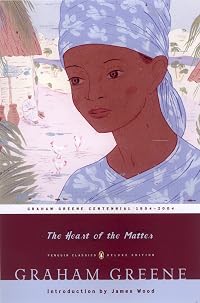
The Heart of the Matter
by Graham Greene 
On This Page
Description
In this widely acclaimed modern classic, Graham Greene delves deep into character to tell the dramatic, suspenseful story of a good man's conflict between passion and faith. A police commissioner in a British-governed, war-torn West African state, Scobie is bound by the strictest integrity and sense of duty both for his colonial responsibilities and for his wife, whom he deeply pities but no longer loves. Passed over for a promotion, he is forced to borrow money in order to send his show more despairing wife away on a holiday. When in her absence he develops a passion for a young widow, the scrupulously honest Catholic finds himself giving way to deceit and dishonor. Enmeshed in love and intrigue, he will betray everything he believes in, with tragic consequences. The Heart of the Matter is one of Graham Greene's most enduring and tragic novels. show lessTags
Recommendations


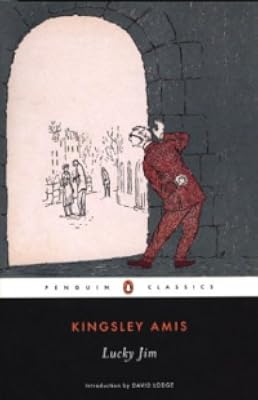
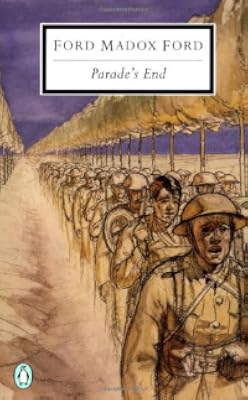

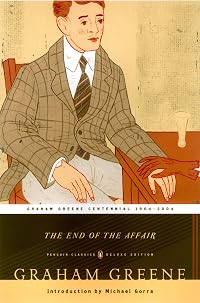

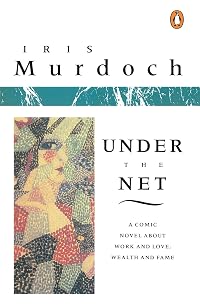














Member Recommendations

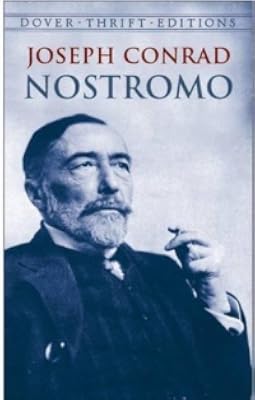
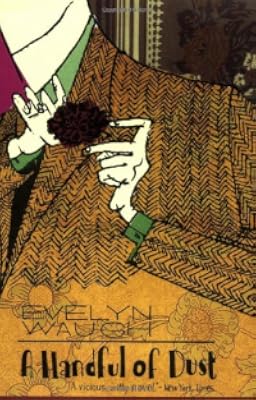
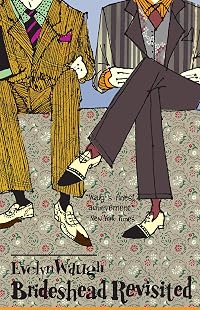
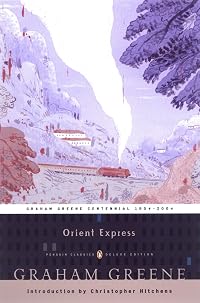
akfarrar Another serious book with marriage at the heart of it and the tug of war between being an individual and uniting with an 'other'.
Both deal with a generation of people on the edge of change and with matters both earthly and spiritual.
10
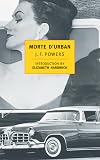
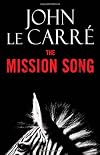
John_Vaughan The two books reflect the supposedly 'catholic' viewpoint so often attributed to Greene. The Mission Song is from a catholic African's view.
Member Reviews
I shall say from the outset The Heart of the Matter does not make for comfortable reading. However, for anyone who wants to be challenged, not necessarily intellectually, but deeper down this is an excellent. Scobie, a man of honor in a climate which expects corruption, which seethed with jealousies, gossip and spying, is put under Greene's relentless microscope. His greatest quality, caring too much, is also his greatest failing. Watching the disintegration of an good man is not an easy thing to witness. As I read the latter fourth I kept thinking, "this doesn't have to end this way; there are so many ways this could be resolved. If I were Scobie, I would..." And that is the heart of the matter. I am not Scobie. I am not remotely like show more Scobie. I cannot ever fully understand Scobie. What I can do is hope for eternal mercy for all the Scobies of the world. For all the world. And that is where Greene leaves it.
Like many of Greene's books, The Heart of the Matter is shadowed by the author's faith. Like his schoolmate and writing contemporary Evelyn Waugh Catholicism is a continuing theme; however, with Greene it goes beyond a theme; it is nearly a haunting. I can't believe the stringency of his faith and how he portrayed it won many converts for the church. At times reading the book seemed an act of masochism in the name of art; a spiritual tormenting like self flagellation and wearing a hair shirt. Now this may not seem much of a recommendation for a book, in an odd way it his. It will get under your skin and flail its way through the corridors of your brain and heart. At least it did mine.
Throughout Greene masterfully manipulates scenes, details and characters producing subtle doubles, haunting metaphors, smalls clues, and well-conceived symbols (the broken rosary, the rusted handcuffs). But beyond the artistry, which is nothing if the book lacks a soul, is the lonely, responsibility-ridden Scobie, a man worthy of the reader's concern and love. show less
Like many of Greene's books, The Heart of the Matter is shadowed by the author's faith. Like his schoolmate and writing contemporary Evelyn Waugh Catholicism is a continuing theme; however, with Greene it goes beyond a theme; it is nearly a haunting. I can't believe the stringency of his faith and how he portrayed it won many converts for the church. At times reading the book seemed an act of masochism in the name of art; a spiritual tormenting like self flagellation and wearing a hair shirt. Now this may not seem much of a recommendation for a book, in an odd way it his. It will get under your skin and flail its way through the corridors of your brain and heart. At least it did mine.
Throughout Greene masterfully manipulates scenes, details and characters producing subtle doubles, haunting metaphors, smalls clues, and well-conceived symbols (the broken rosary, the rusted handcuffs). But beyond the artistry, which is nothing if the book lacks a soul, is the lonely, responsibility-ridden Scobie, a man worthy of the reader's concern and love. show less
Book Circle Reads 35
Rating: 4* of five
The Book Description: Graham Greene's masterpiece The Heart of the Matter tells the story of a good man enmeshed in love, intrigue, and evil in a West African coastal town. Scobie is bound by strict integrity to his role as assistant police commissioner and by severe responsibility to his wife, Louise, for whom he cares with a fatal pity.
When Scobie falls in love with the young widow Helen, he finds vital passion again yielding to pity, integrity giving way to deceit and dishonor—a vortex leading directly to murder. As Scobie's world crumbles, his personal crisis makes for a novel that is suspenseful, fascinating, and, finally, tragic.
Originally published in 1948, The Heart of the Matter is the show more unforgettable portrait of one man, flawed yet heroic, destroyed and redeemed by a terrible conflict of passion and faith.
My Review: An excellent book. Simply magnificent writing, as always, but more than that the story is perfectly paced (a thing Greene's stories aren't always) and deeply emotional (another thing Greene's stories aren't always, eg Travels With My Aunt).
Greene himself didn't like the book, which was a species of roman à clef. I suspect, though I don't have proof, that he was simply uncomfortable at how much of his inner life he revealed in the book. Scobie's infidelity and his fraught relationship with the wife he's saddled with must have been bad reading for Mrs. Greene. But the essential conflict of the book is man versus church, the giant looming monster of judgment and hatred that is Catholicism. Greene's convert's zeal for the idiotic strictures, rules, and overarching dumb "philosophy" of the religion are tested here, and ultimately upheld, though the price of the struggle and the upholding aren't scanted in the text.
Stories require conflicts to make them interesting, and the essential question an author must address is "what's at stake here?" The more intense and vivid the answer to that question is, the more of an impact the story is able to make. Greene was fond of the story he tells here, that of an individual against his individuality. He told and retold the story. The state, the colonial power whose interests Scobie/Greene serves, is revealed in the text to be an uncaring and ungrateful master; the rules of the state are broken with remarkably few qualms when the stakes get high enough. It is the monolith of the oppressive church, admonishing Scobie of his "moral" failings and withholding "absolution of his sins", that he is in full rebellion against...and in the end it is the church that causes all parties the most trouble and pain.
Greene remained a believing Catholic. I read this book and was stumped as to why. The vileness of the hierarchy was so clear to me, I couldn't imagine why anyone would read it and not drop christianity on the spot. But no matter one's stance on the religion herein portrayed, there's no denying the power of the tension between authority and self in creating an engaging and passionate story. A must-read. show less
Rating: 4* of five
The Book Description: Graham Greene's masterpiece The Heart of the Matter tells the story of a good man enmeshed in love, intrigue, and evil in a West African coastal town. Scobie is bound by strict integrity to his role as assistant police commissioner and by severe responsibility to his wife, Louise, for whom he cares with a fatal pity.
When Scobie falls in love with the young widow Helen, he finds vital passion again yielding to pity, integrity giving way to deceit and dishonor—a vortex leading directly to murder. As Scobie's world crumbles, his personal crisis makes for a novel that is suspenseful, fascinating, and, finally, tragic.
Originally published in 1948, The Heart of the Matter is the show more unforgettable portrait of one man, flawed yet heroic, destroyed and redeemed by a terrible conflict of passion and faith.
My Review: An excellent book. Simply magnificent writing, as always, but more than that the story is perfectly paced (a thing Greene's stories aren't always) and deeply emotional (another thing Greene's stories aren't always, eg Travels With My Aunt).
Greene himself didn't like the book, which was a species of roman à clef. I suspect, though I don't have proof, that he was simply uncomfortable at how much of his inner life he revealed in the book. Scobie's infidelity and his fraught relationship with the wife he's saddled with must have been bad reading for Mrs. Greene. But the essential conflict of the book is man versus church, the giant looming monster of judgment and hatred that is Catholicism. Greene's convert's zeal for the idiotic strictures, rules, and overarching dumb "philosophy" of the religion are tested here, and ultimately upheld, though the price of the struggle and the upholding aren't scanted in the text.
Stories require conflicts to make them interesting, and the essential question an author must address is "what's at stake here?" The more intense and vivid the answer to that question is, the more of an impact the story is able to make. Greene was fond of the story he tells here, that of an individual against his individuality. He told and retold the story. The state, the colonial power whose interests Scobie/Greene serves, is revealed in the text to be an uncaring and ungrateful master; the rules of the state are broken with remarkably few qualms when the stakes get high enough. It is the monolith of the oppressive church, admonishing Scobie of his "moral" failings and withholding "absolution of his sins", that he is in full rebellion against...and in the end it is the church that causes all parties the most trouble and pain.
Greene remained a believing Catholic. I read this book and was stumped as to why. The vileness of the hierarchy was so clear to me, I couldn't imagine why anyone would read it and not drop christianity on the spot. But no matter one's stance on the religion herein portrayed, there's no denying the power of the tension between authority and self in creating an engaging and passionate story. A must-read. show less
“If I could just arrange for her happiness first, he thought, and in the confusing night he forgot for the while what experience had taught him—that no human being can really understand another, and no one can arrange another’s happiness.”
Published in 1948, this book is a psychological character study of Henry Scobie, a British police official living with his wife in Sierra Leone in 1942. He has recently been passed over for promotion. His wife is unhappy. He borrows money from a corrupt individual to send her to South Africa, setting off a spiral of poor choices. He meets a young widow who reminds him of his deceased daughter. “He was touched by uneasiness, as though he had accidentally set in motion a powerful machine he show more couldn’t control.”
Greene excels at describing flawed individuals and their struggles. He puts the reader into Scobie’s mind. Scobie, a Catholic, is consumed by guilt for his choices, though he cannot seem to extract himself from his dilemma. He uses the excuse that he is acting out of love, but the reader will discern that love is not the source. This book portrays the futility of trying to predict what will happen as a result of our actions. show less
Published in 1948, this book is a psychological character study of Henry Scobie, a British police official living with his wife in Sierra Leone in 1942. He has recently been passed over for promotion. His wife is unhappy. He borrows money from a corrupt individual to send her to South Africa, setting off a spiral of poor choices. He meets a young widow who reminds him of his deceased daughter. “He was touched by uneasiness, as though he had accidentally set in motion a powerful machine he show more couldn’t control.”
Greene excels at describing flawed individuals and their struggles. He puts the reader into Scobie’s mind. Scobie, a Catholic, is consumed by guilt for his choices, though he cannot seem to extract himself from his dilemma. He uses the excuse that he is acting out of love, but the reader will discern that love is not the source. This book portrays the futility of trying to predict what will happen as a result of our actions. show less
"Despair is the price one pays for setting oneself an impossible aim. It is, one is told, the unforgivable sin, but it is a sin the corrupt or evil man never practices. He always has hope. He never reaches the freezing-point of knowing absolute failure. Only the man of goodwill carries always in his heart this capacity for damnation"
God I love Graham Greene. It’s no great secret that most of the books I read are by American authors, so on the occasions that I need a bit of Englishness, I seek sanctuary in Graham Greene. It’s terribly English, all pink gins and polite/banal conversation. And The Heart of the Matter is terribly Catholic too. I was raised in a very strict Catholic household (my parents, like Graham Greene, were show more Catholic converts) and no matter how much you lapse you can never shake off the feeling of guilt or the fear of eternal damnation. That is the heart of the matter. Graham Greene doesn’t have the fire and brimstone of Flannery O’Connor, he’s more about despair and contrition.
Based in a West African colony during WW2, Major Henry Scobie is a senior policeman who prides himself on being incorruptible. His Catholic faith and honesty help him navigate a loveless marriage.
“The trouble is, he thought , we know answers – we Catholics are damned by our knowledge”
The symbolism throughout this claustrophobic novel is wonderful: broken Rosary beads, vultures, rusty handcuffs, sweat and storms. Things get interesting when Scobie commits a mortal sin by breaking one of the 10 commandments, and both his moral judgement and his life go into free fall.
“There was no hope anywhere he turned his eyes: the dead figure on the cross, the plaster Virgin, the hideous stations that representing a series of events that happened a long time ago. It seemed to him that he had only left for his exploration the territory of despair”
It’s a colossal piece of writing. The final 50 pages rank amongst the best I've ever read. Graham Greene's attempt to understand religious despair and theological fatalism are just astonishing . show less
God I love Graham Greene. It’s no great secret that most of the books I read are by American authors, so on the occasions that I need a bit of Englishness, I seek sanctuary in Graham Greene. It’s terribly English, all pink gins and polite/banal conversation. And The Heart of the Matter is terribly Catholic too. I was raised in a very strict Catholic household (my parents, like Graham Greene, were show more Catholic converts) and no matter how much you lapse you can never shake off the feeling of guilt or the fear of eternal damnation. That is the heart of the matter. Graham Greene doesn’t have the fire and brimstone of Flannery O’Connor, he’s more about despair and contrition.
Based in a West African colony during WW2, Major Henry Scobie is a senior policeman who prides himself on being incorruptible. His Catholic faith and honesty help him navigate a loveless marriage.
“The trouble is, he thought , we know answers – we Catholics are damned by our knowledge”
The symbolism throughout this claustrophobic novel is wonderful: broken Rosary beads, vultures, rusty handcuffs, sweat and storms. Things get interesting when Scobie commits a mortal sin by breaking one of the 10 commandments, and both his moral judgement and his life go into free fall.
“There was no hope anywhere he turned his eyes: the dead figure on the cross, the plaster Virgin, the hideous stations that representing a series of events that happened a long time ago. It seemed to him that he had only left for his exploration the territory of despair”
It’s a colossal piece of writing. The final 50 pages rank amongst the best I've ever read. Graham Greene's attempt to understand religious despair and theological fatalism are just astonishing . show less
“If I could just arrange for her happiness first, he thought, and in the confusing night he forgot for the while what experience had taught him—that no human being can really understand another, and no one can arrange another’s happiness.”
Published in 1948, this book is a psychological character study of Henry Scobie, a British police official living with his wife in Sierra Leone in 1942. He has recently been passed over for promotion. His wife is unhappy. He borrows money from a corrupt individual to send her to South Africa, setting off a spiral of poor choices. He meets a young widow who reminds him of his deceased daughter. “He was touched by uneasiness, as though he had accidentally set in motion a powerful machine he show more couldn’t control.”
Greene excels at describing flawed individuals and their struggles. He puts the reader into Scobie’s mind. Scobie, a Catholic, is consumed by guilt for his choices, though he cannot seem to extract himself from his dilemma. He uses the excuse that he is acting out of love, but the reader will discern that love is not the source. This book portrays the futility of trying to predict what will happen as a result of our actions. show less
Published in 1948, this book is a psychological character study of Henry Scobie, a British police official living with his wife in Sierra Leone in 1942. He has recently been passed over for promotion. His wife is unhappy. He borrows money from a corrupt individual to send her to South Africa, setting off a spiral of poor choices. He meets a young widow who reminds him of his deceased daughter. “He was touched by uneasiness, as though he had accidentally set in motion a powerful machine he show more couldn’t control.”
Greene excels at describing flawed individuals and their struggles. He puts the reader into Scobie’s mind. Scobie, a Catholic, is consumed by guilt for his choices, though he cannot seem to extract himself from his dilemma. He uses the excuse that he is acting out of love, but the reader will discern that love is not the source. This book portrays the futility of trying to predict what will happen as a result of our actions. show less
When you get right down to the heart of the matter, the heart is difficult to know and even more difficult to control. A good man can do bad things, and a bad man can get away with murder. Henry Scobie is a good man, in fact a rarer thing, a good policeman, who finds himself trapped in a situation in which there is no way out that won’t damage someone. Henry Scobie is not a man who is comfortable with damaging someone else to save himself. In fact, Greene seems to think it is ironically his very goodness that dooms him.
Despair is the price one pays for setting oneself and impossible aim. It is, one is told, the unforgivable sin, but it is a sin the corrupt or evil man never practices. He always has hope. He never reaches the show more freezing-point of knowing absolute failure. Only the man of goodwill carries always in his heart this capacity for damnation.
Henry carries this capacity like a millstone. He finds himself damned for being human, for being frail, and he comes to believe that he has failed the ultimate test. Like Abraham with Isaac, he has been asked to put his love for God above his love for the human beings he sees as being in his care, and he finds himself incapable of doing so.
He seems to feel, as well, that the suffering is his fate, unavoidable as breathing.
He put his head in his hands and wouldn’t look. He had been in Africa when his own child died. He had always thanked God that he had missed that. It seemed after all that one never really missed a thing. To be a human being one had to drink the cup. If one were lucky on one day, or cowardly on another, it was presented on a third occasion.
Graham Greene has written a staggering treatise on what it is to be human. He has shown how choices can collapse around a man like dominos and carry him down a road he never thought to travel. I love the way he looks at the human heart and sees what is good and kind and valiant; and what is cruel and evil and cowardly. I found so many of these characters so believably self-serving, so consummately unaware of any struggle that was not their own, so cruel in the demands they made in the guise of love, that I winced at the irony of Henry doing so much to spare their feelings and protect their futures.
There is also Greene’s tussle with religion. Scobie is a Catholic and he tortures himself over his beliefs and the surety that he will be punished forever if he fails to follow the religious dictates. Greene appears to think the Church might have it wrong, that what is in the heart might be what really matters, and therein lies whatever hope there might be for the Scobies of the world. show less
Despair is the price one pays for setting oneself and impossible aim. It is, one is told, the unforgivable sin, but it is a sin the corrupt or evil man never practices. He always has hope. He never reaches the show more freezing-point of knowing absolute failure. Only the man of goodwill carries always in his heart this capacity for damnation.
Henry carries this capacity like a millstone. He finds himself damned for being human, for being frail, and he comes to believe that he has failed the ultimate test. Like Abraham with Isaac, he has been asked to put his love for God above his love for the human beings he sees as being in his care, and he finds himself incapable of doing so.
He seems to feel, as well, that the suffering is his fate, unavoidable as breathing.
He put his head in his hands and wouldn’t look. He had been in Africa when his own child died. He had always thanked God that he had missed that. It seemed after all that one never really missed a thing. To be a human being one had to drink the cup. If one were lucky on one day, or cowardly on another, it was presented on a third occasion.
Graham Greene has written a staggering treatise on what it is to be human. He has shown how choices can collapse around a man like dominos and carry him down a road he never thought to travel. I love the way he looks at the human heart and sees what is good and kind and valiant; and what is cruel and evil and cowardly. I found so many of these characters so believably self-serving, so consummately unaware of any struggle that was not their own, so cruel in the demands they made in the guise of love, that I winced at the irony of Henry doing so much to spare their feelings and protect their futures.
There is also Greene’s tussle with religion. Scobie is a Catholic and he tortures himself over his beliefs and the surety that he will be punished forever if he fails to follow the religious dictates. Greene appears to think the Church might have it wrong, that what is in the heart might be what really matters, and therein lies whatever hope there might be for the Scobies of the world. show less
It's been a few months since I read this, but my feeling is one of annoyed disappointment, unless this is meant to be an ironic story about a man who makes an ultimately pointless ultimate sacrifice. Perhaps, if Scobie had had some frank, even difficult discussions with the people he thought he was protecting---if it had occurred to him that they might have something of value to say about themselves, he might have realized that his actions were unnecessary, unhelpful, and wrong. Hmmm---a lot of evil gets done by people who believe they are doing what must be done even though it causes them great suffering; at least Scobie's actions hurt him more than others. OK, maybe there's more to the novel than I thought. Maybe this book is really show more about people and countries, at what seems like great personal and national sacrifice, interfering when they "are only trying to help." And how you have to be careful when you think you are doing something very wrong in order to achieve something that is very right.
It's also very hot in Western Africa.
Ah, but I nearly forgot my favorite part: Scobie is asked to read to a sick boy, who would like a murder story; alas, the only books available are those approved by missionaries who don't approve of novels. Scobie picks up A Bishop among the Bantus and then, rather than read the book, he brilliantly makes up the beginning an exciting pirate story. He explains to the boy that if someone else continues the book, it may sound a little different.
A quote:
The lights inside would have given an extraordinary impression of peace if one hadn't known, just as the stars on this clear night gave also an impression of remoteness, security, freedom. If one knew, he wondered, the facts, would one have to feel pity even for the planets? if one reached what they called the heart of the matter? [p. 111]
The main character commits suicide in a way he hopes will appear otherwise (he saves up medicine and takes it all at once) in order to protect his wife and mistress. But his wife, unknown to him, knows about his affair and his mistress is ready to move on from their relationship. I found his problem quite interesting, but he chooses his own eternal damnation for the sake of others who don't really care. show less
It's also very hot in Western Africa.
Ah, but I nearly forgot my favorite part: Scobie is asked to read to a sick boy, who would like a murder story; alas, the only books available are those approved by missionaries who don't approve of novels. Scobie picks up A Bishop among the Bantus and then, rather than read the book, he brilliantly makes up the beginning an exciting pirate story. He explains to the boy that if someone else continues the book, it may sound a little different.
A quote:
The lights inside would have given an extraordinary impression of peace if one hadn't known, just as the stars on this clear night gave also an impression of remoteness, security, freedom. If one knew, he wondered, the facts, would one have to feel pity even for the planets? if one reached what they called the heart of the matter? [p. 111]
Members
- Recently Added By
Published Reviews
A policeman's lot is not a happy one. The white (and dark) man's burden must always be heavy. And man's debt to man will be forever in arrears -- from West Africa to the West End, from Brooklyn to Bucharest. Generations of novelists have wrestled with these melancholy truisms. It is a pleasure to report that Graham Greene, in "The Heart of the Matter," has wrestled brilliantly with all three show more -- and scored three clean falls. Mr. Greene (as a well-earned public knows) is a profound moralist with a technique to match his purpose. From first page to last, this record of one man's breakdown on a heat-drugged fever-coast makes its point as a crystal-clear allegory -- and as an engrossing novel. show less
added by John_Vaughan
One thing I admire with the Heart of the Matter is the introduction of several other characters that in a way or another adds up to the genuine plot. They all seem to have a story to tell and each story affects and adds up to the conflict that has been surfacing within the inner self of Scobie.
added by John_Vaughan
Lists

1001 Books You Must Read Before You Die
1,448 works; 1,134 members
Best of British Literature
226 works; 41 members

Best African Books
126 works; 46 members

20th Century Literature
1,161 works; 54 members

Time Magazine's "All-Time 100"
113 works; 15 members

Harold Bloom - The Western Canon: D. The Chaotic Age
833 works; 24 members
1940s
221 works; 25 members

Canon de la narrativa universal del siglo XX
254 works; 6 members

Anthony Burgess 99 Post War Novels
99 works; 7 members
Time's All-Time 100 Novels
100 works; 27 members

Africa
109 works; 8 members

Love Triangles in Literature
108 works; 15 members
The Modern Library's 100 Best Novels: The Board's List
85 works; 6 members

Greatest Books
40 works; 3 members

Books Set In Africa
81 works; 4 members
Literature About Adultery
69 works; 10 members

Literature About Suicide
24 works; 4 members

Books Featured on Readers' Review of the Diane Rehm Show
161 works; 8 members

Books available on Open Library
171 works; 4 members

Books Read in 2019
4,052 works; 110 members

living room bookshelf
150 works; 1 member
Modern Library's 100 Best Novels
100 works; 2 members
Talk Discussions
Past Discussions
Group Read, August 2017: The Heart of the Matter in 1001 Books to read before you die (August 2017)
Author Information

356+ Works 87,436 Members
Born in 1904, Graham Greene was the son of a headmaster and the fourth of six children. Preferring to stay home and read rather than endure the teasing at school that was a by-product of his father's occupation, Greene attempted suicide several times and eventually dropped out of school at the age of 15. His parents sent him to an analyst in show more London who recommended he try writing as therapy. He completed his first novel by the time he graduated from college in 1925. Greene wrote both entertainments and serious novels. Catholicism was a recurring theme in his work, notable examples being The Power and the Glory (1940) and The End of the Affair (1951). Popular suspense novels include: The Heart of the Matter, Our Man in Havana and The Quiet American. Greene was also a world traveler and he used his experiences as the basis for many books. One popular example, Journey Without Maps (1936), was based on a trip through the jungles of Liberia. Greene also wrote and adapted screenplays, including that of the 1949 film, The Third Man, which starred Orson Welles. He died in Vevey, Switzerland in 1991. (Bowker Author Biography) show less
Graham Greene has a Legacy Library. Legacy libraries are the personal libraries of famous readers, entered by LibraryThing members from the Legacy Libraries group.
Some Editions
Awards and Honors
Awards
Distinctions
Notable Lists
Series
Belongs to Publisher Series
Work Relationships
Is contained in
Has as a commentary on the text
Common Knowledge
- Canonical title*
- De kern van de zaak
- Original title
- The Heart of the Matter; Kokoro (こゝろ) (こ | ゝ | ろ | )
- Original publication date
- 1948
- People/Characters
- Henry Scobie; Louise Scobie; Helen Rolt; Edward Wilson
- Important places
- West Africa
- Related movies
- The Heart of the Matter (1953 | IMDb); The Heart of the Matter [TV series] (1983 | IMDb)
- Epigraph
- "Le pécheur est au cœur même de chrétienté.
. . .Nul n'est aussi compétent que le pécheur
en matière de chrétienté. Nul, si ce n'est le saint."
-- Péguy - Dedication
- To
V.G.,
L.C.G.,
and
F.C.G. - First words
- Wilson sat on the balcony of the Bedford Hotel with his bald pink knees thrust against the ironwork.
- Quotations
- He Had no sense of responsibility towards the beautiful and the graceful and the intelligent. They could find their own way. It was the face for which nobody would go out of his way, the face that would never catch the covert... (show all) look, the face which would soon be used to rebuffs and indifference that demanded his allegiance. The word 'pity' is used as loosely as the word 'love' : the terrible promiscuous passion which so few experience.
Outside the rest-house he stopped again. The lights inside would have given an extraordinary impression of peace if one hadn't known, just as the stars on this clear night gave also an impression of remoteness, security, free... (show all)dom. If one knew, he wondered, the facts, would one have to feel pity even for the planets? if one reached what they called the heart of the matter? - Last words
- (Click to show. Warning: May contain spoilers.)"And you may be in the right of it there, too," Father Rank replied.
- Blurbers*
- Pritchett, V.S. (The Times) (The Times)
- Original language*
- Englisch
*Some information comes from Common Knowledge in other languages. Click "Edit" for more information.
Classifications
Statistics
- Members
- 5,561
- Popularity
- 2,391
- Reviews
- 91
- Rating
- (3.91)
- Languages
- 21 — Catalan, Chinese, Czech, Danish, Dutch, English, Finnish, French, German, Greek, Hungarian, Italian, Lithuanian, Norwegian (Bokmål), Norwegian, Polish, Russian, Spanish, Swedish, Turkish, Portuguese (Portugal)
- Media
- Paper, Audiobook, Ebook
- ISBNs
- 112
- ASINs
- 89