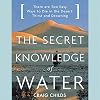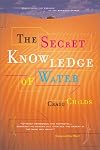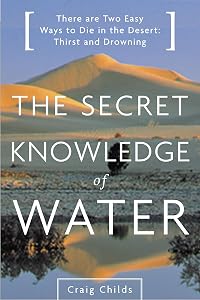
The Secret Knowledge of Water : Discovering the Essence of the American Desert
by Craig Childs
On This Page
Description
Deserts are environments that can be inhospitable even to seasoned explorers. Craig Childs has spent years in the deserts of the American West, and his treks through arid lands in search of water reveal the natural world at its most extreme.Tags
Recommendations
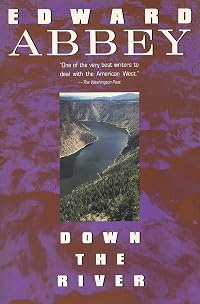
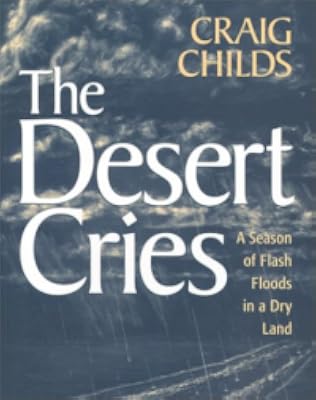
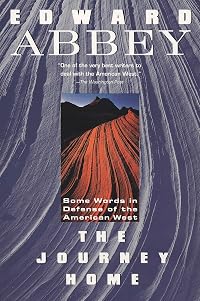
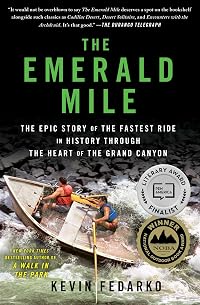
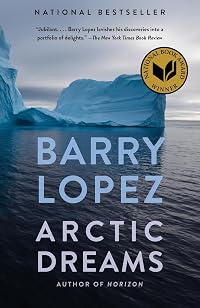
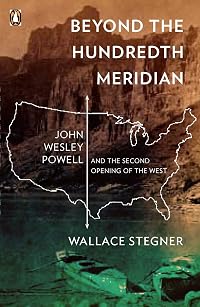
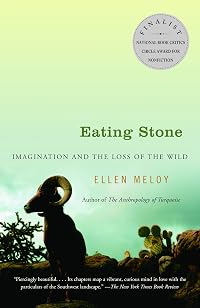
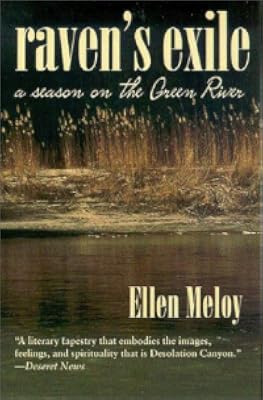

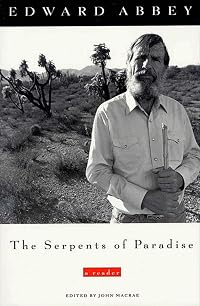
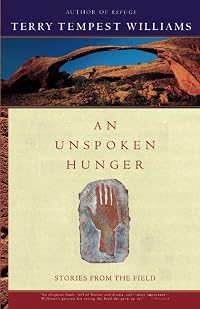
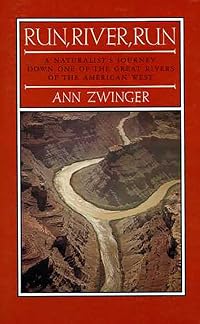
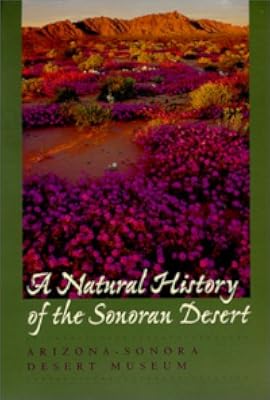
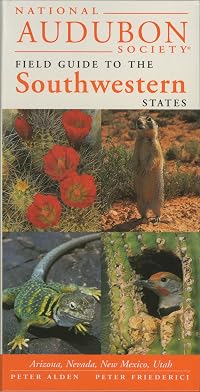
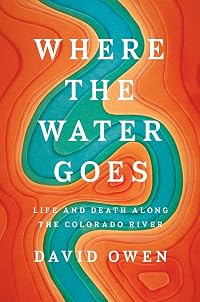
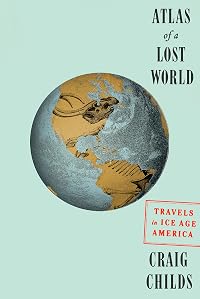
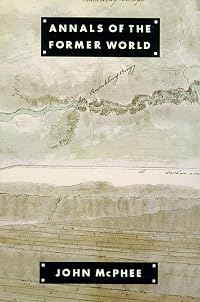

Member Recommendations
Member Reviews
I just finished a harrowing tale that involved desperate illegal immigrants trying to brave the scorching harsh desert to make it to the promised land of the United States. Images of Mexican refugees left to die of thirst, roasting in the arid desert played through my mind as I read Craig Childs's Secret Knowledge of Water. Childs willingly and eagerly traverses this seemingly barren landscape; bringing his readers through ravines and canyons; vast wastelands that look like the epitome of nothingness. But, pay attention to Childs's lyrical language and a new desert starts to form before our eyes. Dripping caverns create pools of water rich with organisms.
There is an egotistical slant to my interest in a subject or rather, my attention show more to reading about it. Secret Knowledge of Water was interesting enough but it became more fascinating when Child talked of specific areas I plan to visit in May. show less
There is an egotistical slant to my interest in a subject or rather, my attention show more to reading about it. Secret Knowledge of Water was interesting enough but it became more fascinating when Child talked of specific areas I plan to visit in May. show less
Some fascinating stuff on water where you least expect it, but the last part about floods seemed repetitive, there being only so many ways to describe torrents of water destroying everything in their path. His passion for desert places inhabits every sentence and I'm not sure anyone writes about them with a better balance of science and adventure.
In this book, Craig Childs takes the reader on a journey to the deserts of the Southwestern US and northern Mexico in search of water. When traveling in the desert on foot, he takes with him only enough water to get him to the next source. Childs’s writing is a combination of travel, adventure, nature, and science.
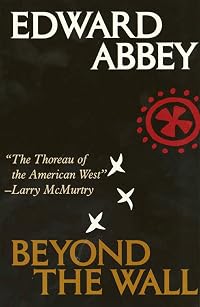
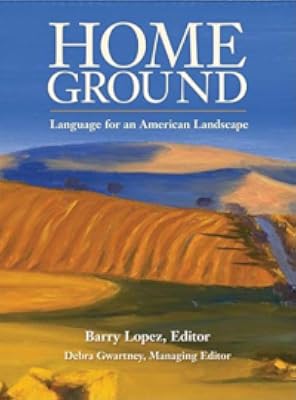
In a similar vein as Barry Lopez or Edward Abbey, Childs combines his personal musings with descriptions of his adventures in the wilderness. He educates while he entertains, providing information about fossils, animal life, and conservation. Anyone who has seen a flash flood in a desert area will appreciate his harrowing experiences with too much water during several of his treks.
It appears to be Childs’ goal to show more highlight the interdependence of humans and nature, and to encourage “a respect for life and its uniqueness that goes almost unspoken, a reverence for the incomprehensible diversity of organisms that has woven itself into patterns across the earth.” His writing is more poetic than many writers of non-fiction, though his topics are sometimes not as tightly focused. I can also recommend his engrossing book [b:Atlas of a Lost World: Travels in Ice Age America|36983480|Atlas of a Lost World Travels in Ice Age America|Craig Childs|https://i.gr-assets.com/images/S/compressed.photo.goodreads.com/books/1512606875l/36983480._SX50_.jpg|57597792]. show less
In a similar vein as Barry Lopez or Edward Abbey, Childs combines his personal musings with descriptions of his adventures in the wilderness. He educates while he entertains, providing information about fossils, animal life, and conservation. Anyone who has seen a flash flood in a desert area will appreciate his harrowing experiences with too much water during several of his treks.
It appears to be Childs’ goal to show more highlight the interdependence of humans and nature, and to encourage “a respect for life and its uniqueness that goes almost unspoken, a reverence for the incomprehensible diversity of organisms that has woven itself into patterns across the earth.” His writing is more poetic than many writers of non-fiction, though his topics are sometimes not as tightly focused. I can also recommend his engrossing book [b:Atlas of a Lost World: Travels in Ice Age America|36983480|Atlas of a Lost World Travels in Ice Age America|Craig Childs|https://i.gr-assets.com/images/S/compressed.photo.goodreads.com/books/1512606875l/36983480._SX50_.jpg|57597792]. show less
Craig Childs is a master of description, vocabulary, and analogies as he describes both the surprising life in the dry desert and the dangerous flash flooding desert. Throughout his book he also shares his amazing repertoire of stories and knowledge as he enlightens readers to a hidden world.
The Secret Knowledge Water beautifully encapsulates the book cover's warning: "There are two easy ways to die in the desert-thirst and drowning." The twelve essays cover everything from ancient maps of desert water holes and endangered desert fishes to shrines honoring the power of water and tales of harrowing escapes from raging floodwaters. Any of the essays is a worthwhile read on its own, but together they paint a complex picture of how geology, geography, ecology and humans shape the ever-changing desert.
Craig Childs never writes from an armchair or the outside looking in. He fully immerses himself in the desert, walking dozens of miles alone in unmapped territory, exploring canyons cognizant of but unworried by the danger of show more flash flooding, and taking more notes per mile than any other author I've read. He translates his notes into lyrical prose that truly honors the ecosystem he so clearly loves and transports readers into wild places they might never discover on their own. show less
Craig Childs never writes from an armchair or the outside looking in. He fully immerses himself in the desert, walking dozens of miles alone in unmapped territory, exploring canyons cognizant of but unworried by the danger of show more flash flooding, and taking more notes per mile than any other author I've read. He translates his notes into lyrical prose that truly honors the ecosystem he so clearly loves and transports readers into wild places they might never discover on their own. show less
In this book, Craig Childs takes the reader on a journey to the deserts of the Southwestern US and northern Mexico in search of water. When traveling in the desert on foot, he takes with him only enough water to get him to the next source. Childs’s writing is a combination of travel, adventure, nature, and science.
In a similar vein as Barry Lopez or Edward Abbey, Childs combines his personal musings with descriptions of his adventures in the wilderness. He educates while he entertains, providing information about fossils, animal life, and conservation. Anyone who has seen a flash flood in a desert area will appreciate his harrowing experiences with too much water during several of his treks.
It appears to be Childs’ goal to show more highlight the interdependence of humans and nature, and to encourage “a respect for life and its uniqueness that goes almost unspoken, a reverence for the incomprehensible diversity of organisms that has woven itself into patterns across the earth.” His writing is more poetic than many writers of non-fiction, though his topics are sometimes not as tightly focused. I can also recommend his engrossing book [b:Atlas of a Lost World: Travels in Ice Age America|36983480|Atlas of a Lost World Travels in Ice Age America|Craig Childs|https://i.gr-assets.com/images/S/compressed.photo.goodreads.com/books/1512606875l/36983480._SX50_.jpg|57597792]. show less
In a similar vein as Barry Lopez or Edward Abbey, Childs combines his personal musings with descriptions of his adventures in the wilderness. He educates while he entertains, providing information about fossils, animal life, and conservation. Anyone who has seen a flash flood in a desert area will appreciate his harrowing experiences with too much water during several of his treks.
It appears to be Childs’ goal to show more highlight the interdependence of humans and nature, and to encourage “a respect for life and its uniqueness that goes almost unspoken, a reverence for the incomprehensible diversity of organisms that has woven itself into patterns across the earth.” His writing is more poetic than many writers of non-fiction, though his topics are sometimes not as tightly focused. I can also recommend his engrossing book [b:Atlas of a Lost World: Travels in Ice Age America|36983480|Atlas of a Lost World Travels in Ice Age America|Craig Childs|https://i.gr-assets.com/images/S/compressed.photo.goodreads.com/books/1512606875l/36983480._SX50_.jpg|57597792]. show less
Craig Childs points out there are two easy ways to die in the desert: thirst and drowning. He explores both in this incredible book about his travels in the desert southwest United States. Childs combines a poetic literary style with hardcore adventure, amazing knowledge of natural history, and a passion for the people who once populated this dry, stark part of the country. I found this an extremely interesting and informative account of the part of the country I grew up in, but which, I see now, I barely knew.
Members
- Recently Added By
Lists

Recommended Nature Writing
346 works; 180 members
Author Information

22 Works 2,434 Members
Craig Childs is a river guide, a field instructor in natural history, an adventurer, & a writer. His other books include "Crossing Paths: Uncommon Encounters with Animals in the Wild" (Sasquatch). He camps in the backcountry of the American West at least nine months of the year, usually living in the back of his truck, out of a river vessel, or show more from his backpack. He hasn't had a phone in ten years. (Bowker Author Biography) show less
Awards and Honors
Awards
Common Knowledge
- Original publication date
- 2000
Classifications
- Genres
- Science & Nature, Nonfiction, General Nonfiction, Travel
- DDC/MDS
- 553.70979 — Natural sciences & mathematics Earth sciences; geology Economic geology Mineral waters
- LCC
- F787 .C47 — Local History of the United States, Canada and Latin America United States local history New Southwest. Colorado River, Canyon, and Valley
- BISAC
Statistics
- Members
- 372
- Popularity
- 84,541
- Reviews
- 12
- Rating
- (4.07)
- Languages
- English, German
- Media
- Paper, Audiobook, Ebook
- ISBNs
- 10
- ASINs
- 5