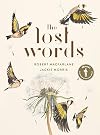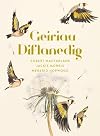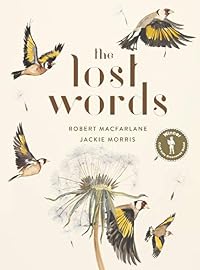
The Lost Words
by Robert Macfarlane, Jackie Morris (Illustrator)
On This Page
Description
When a new edition of the Oxford Junior Dictionary - widely used in schools around the world - was published, a sharp-eyed reader soon noticed that around forty common words concerning nature had been dropped. Apparently they were no longer being used enough by children to merit their place in the dictionary. The list of these "lost words" included acorn, adder, bluebell, dandelion, fern, heron, kingfisher, newt, otter, and willow. Among the words taking their place were attachment, blog, show more broadband, bullet-point, cut-and-paste, and voice-mail. The news of these substitutions - the outdoor and natural being displaced by the indoor and virtual - became seen by many as a powerful sign of the growing gulf between childhood and the natural world. Ten years later, Robert Macfarlane and Jackie Morris set out to make a "spell book" that will conjure back twenty of these lost words, and the beings they name, from acorn to wren. By the magic of word and paint, they sought to summon these words again into the voices, stories, and dreams of children and adults alike, and to celebrate the wonder and importance of everyday nature. The Lost Words is that book - a work that has already cast its extraordinary spell on hundreds of thousands of people and begun a grass-roots movement to re-wild childhood across Britain, Europe, and North America. show lessTags
Recommendations







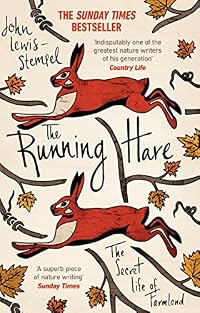
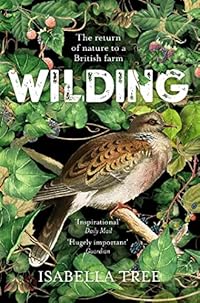
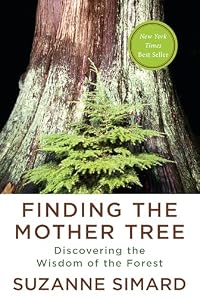
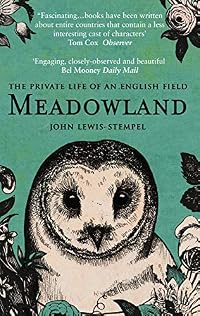
Member Recommendations

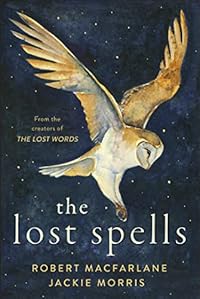
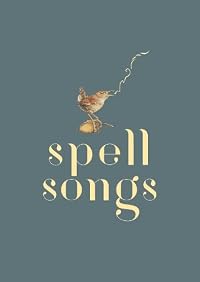
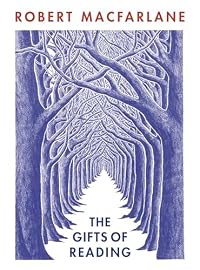
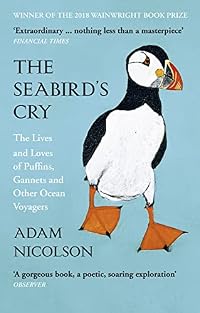
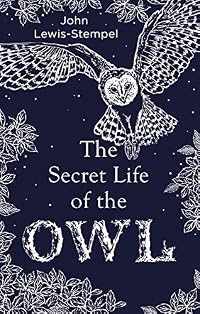
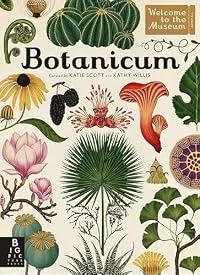
nessreader Non fiction childrens' books about nature with gorgeous illustrations as the main selling point
Member Reviews
This is spectacular. I bought it after seeing, completely by chance, an exhibition of the artwork. It's a large format book, and the artwork most certainly deserves it. The gold is almost icon-like in its intensity. The printing looses something of the vivid gold, but that is a minor deficiency.
And then there's the text. Each plant animal or bird is described in rhyme and takes the form of an acrostic, with each line spelling out the creature of plant that is the subject of the text. They are mesmerisingly beautiful. Some of them very short, some of them longer. All of them capture something of the nature of the creature of plant. There's lots of fabulous use of language in here, word play, almost tongue twister like word combinations. show more It's a joy to read.
If you're looking for a special book for a child, a non-reigious christening present, for example, you could do a lot worse than this. It is beautful in every way. show less
And then there's the text. Each plant animal or bird is described in rhyme and takes the form of an acrostic, with each line spelling out the creature of plant that is the subject of the text. They are mesmerisingly beautiful. Some of them very short, some of them longer. All of them capture something of the nature of the creature of plant. There's lots of fabulous use of language in here, word play, almost tongue twister like word combinations. show more It's a joy to read.
If you're looking for a special book for a child, a non-reigious christening present, for example, you could do a lot worse than this. It is beautful in every way. show less
This book took my breath away almost from the minute I unpacked it from its box and lifted it out - it's a stunning, stunning object. As a large-format picture book it has size and heft which I remembered from the picture books of my own childhood. The paper and printing have been chosen with such wonderful care - the book is an object of art. And then I began to turn the pages and I fell even more deeply under its spell. Between the selection of 'lost words' - all nature-related words which were deemed unnecessary to the Jr OED - to the format of poem and paintings, everything about this book just feels right in a very necessary kind of way. The book bills itself as a kind of 'spell book,' and in that spirit, I do suggest reading the show more poems aloud, or even mouthing the words silently. I caught even more nuances in the poetry while doing so. I was unfamiliar with Robert Macfarlane's work, but now I hope to read more - this one was enchanting, and I look forward to rereading it for many years to come. show less
This oversize book is simply gorgeous. In a recent edition of the Oxford Junior Dictionary, some words related to nature were dropped in favour of words like blog, attachment, broadband, and bullet-point.
To have words from the natural world lost to the language of children only to be replaced by those of a virtual world is a concern. MacFarlane has taken some of these lost words, spelled them out in poetry to be read aloud and conjured back into memory and the mind.
The illustrations by Jackie Morris are magnificent, a perfect match for MacFarlane's poetry. This is a book that will be appreciated by all ages and will be read over and over again.
As flake is to blizzard, as
Curve is to sphere, as knot is to net, as
One is to many, as coin show more is to money, as
bird is to flock, as
Rock is to mountain, as drop is to fountain, as
spring is to to river, as glint is to glitter, as
Near is to far, as wind is to weather, as
feather is to flight, as light is to star, as
kindness is to good, so acorn is to wood. show less
To have words from the natural world lost to the language of children only to be replaced by those of a virtual world is a concern. MacFarlane has taken some of these lost words, spelled them out in poetry to be read aloud and conjured back into memory and the mind.
The illustrations by Jackie Morris are magnificent, a perfect match for MacFarlane's poetry. This is a book that will be appreciated by all ages and will be read over and over again.
As flake is to blizzard, as
Curve is to sphere, as knot is to net, as
One is to many, as coin show more is to money, as
bird is to flock, as
Rock is to mountain, as drop is to fountain, as
spring is to to river, as glint is to glitter, as
Near is to far, as wind is to weather, as
feather is to flight, as light is to star, as
kindness is to good, so acorn is to wood. show less
Incredibly beautiful watercolors accompanied by lyrical acrostic poems sprinkled with humor, pathos, love, beauty and hope. But it is the reason for compiling this book which is so compelling and unbelievable. The Oxford English Dictionary committee removed the words in this book from their children's dictionary. How could they remove such exquisite words, let alone the animals, plants and birds themselves? They said it was to add more "modern" words from the technological age. Yet our children are already too distant from the natural world. They need to know the kingfisher and the fern, the wren and the newt and all the other words of nature in order to respect and protect these treasures. The Lost Words is a paen to what we are show more losing, a voice for nature, and a plea for sanity. Do not take away what is alive and authentic in this world and replace it with what is inanimate and artificial. Read this book, share the words, say them aloud, teach them, take children (and adults) into nature and show them the animals, plants and birds that are out there, that are NOT lost. show less
Gone are the days when children’s alphabets would begin with A is for Acorn, B is for butterfly and C is for caterpillar. Now days it is likely to be A is for Acer, B is for Blackberry and C is for Cisco. Back in 2015, The Oxford University Press dropped around 50 words that were drawn from the natural world from the latest edition of its Junior dictionary; they argued that it was less relevant as children were spending less time outside and were glued to the screen of a tablet or phone. The alarm that this caused was quite noticeable, authors such as Morpurgo, Attwood and Maitland wrote to the OUP asking for them to be reinstated in the dictionary.
One of the other signatories to the letter was Robert Macfarlane. He has been show more collecting words on and about the natural world for many years and if you follow his Twitter feed you will see him post a new word every day expounding the delights of the world around us. But he was in a position to do something else about it too. Words that had been floating away in the air like seeds from a dandelion clock have been found and rehomed in this sumptuous book written by Macfarlane and the artist Jackie Morris; The Lost Words.
It is not a long book, the spells written by Macfarlane (he claims that he is not a poet, but he is wrong) has a resonance that is soothing and salient at the same time as well as having their roots deep in the natural world. It is the pictures that make this book really special though; Morris’s art for this book is richly portrayed, full of energy and life, there are letters that swirl across a page, she has captured the steely look from a raven and the blur of a kingfisher just perfectly. It is primarily a book for children, but many others will find solace in the way that it seeks to lead people back into the natural world make this such a special book to possess. show less
One of the other signatories to the letter was Robert Macfarlane. He has been show more collecting words on and about the natural world for many years and if you follow his Twitter feed you will see him post a new word every day expounding the delights of the world around us. But he was in a position to do something else about it too. Words that had been floating away in the air like seeds from a dandelion clock have been found and rehomed in this sumptuous book written by Macfarlane and the artist Jackie Morris; The Lost Words.
It is not a long book, the spells written by Macfarlane (he claims that he is not a poet, but he is wrong) has a resonance that is soothing and salient at the same time as well as having their roots deep in the natural world. It is the pictures that make this book really special though; Morris’s art for this book is richly portrayed, full of energy and life, there are letters that swirl across a page, she has captured the steely look from a raven and the blur of a kingfisher just perfectly. It is primarily a book for children, but many others will find solace in the way that it seeks to lead people back into the natural world make this such a special book to possess. show less
Much has been said about the decreasing exposure that most children have to unscheduled play in nature. The effect this has on children’s vocabularies was highlighted when the most recent edition of the Oxford Junior Dictionary dropped forty common words about the natural world; in their place were words that describe the technologies that we use every day. Poet Robert MacFarlane and artist Jackie Morris were prompted to create The Lost Words when they heard this news, to share some of the “lost” words with children and adults alike. Each of twenty words gets a full six pages: the word, broken into letters and hidden among other letters of gold and an illustration that alludes to the word, across a full spread; an acrostic poem show more and illustration of the word; and a full two-page spread featuring scenes of the word. And what illustrations! MacFarlane’s poems are quite good, particularly within the constraint of the acrostic form and he makes good use of alliteration. But it is Morris’s work that shines, almost literally, given the gold leaf color theme. This is an unusually large picture book with heavy weight paper, and Morris makes use of it with illustrations of full-size blackberries and a heron that threatens to fly off the page. Absolutely worthwhile to seek out for readers and nature lovers of all ages. show less
When the “Oxford Junior Dictionary” was released in 2007, several words were left out. These “lost words” had fallen into disuse. More dismaying, they were the words of outdoor life, words like dandelion, acorn, kingfisher, and otter. The loss of these words reflects the loss of unmediated nature. Children living lives of planned experiences, groomed parks and self-improving lessons who haven’t the freedom to pick dandelions and hold them under their chin and say “butter, butter” to see if their chin turns yellow or of wild acorn fights or sitting on a fallen tree overhanging a bay and watching otters at play.
In The Lost Words, Robert Macfarlane and Jackie Morris have tackled the task of restoring those words to children show more in a beautifully illustrated book of poetry that will make adults jealous. Seriously adults, you will love this book as much as the children you share it with. House of Anansi Press provided a few small illustrations from the poem “Dandelion” that give you an idea of how beautiful this book is.
The poems are clever and sophisticated to please both adult and child. They are acrostic poems, each opening letter spelling the lost word. “Dandelion” opens with “Dazzle me, little sun-of-the-grass!” Again and again, the poems themselves dazzle me. Then there are the beautiful illustrations.
Each new word is announced by a little puzzle picture that parents can ask their child to look for the word, adding an interactive element that is easy to incorporate. If you follow the differently colored letters, they spell out the next “lost word.” With the poems, pictures, and the puzzle, there are three ways of being each “lost word” to life.
The Lost Words is one of those books that make you say “Oh, Wow!” over and over again. The illustrations are bold watercolors with rich colors and lively humor. The poems are beautifully composed. You would think by limiting himself to the acrostic form to spell out the lost word, Macfarlane could end up stuck saying something inane just to start with the right letter, but that never happens. The conceit does not constrain him; it liberates him. The poems are sophisticated enough to please adults but in simple, clear language that will engage children. They are active and witty poems.
I can’t think of one thing to make this book better. It’s brilliant, beautiful, and fun. It’s engaging and interactive. It’s thoughtful and wise and welcoming. Think of this line from “Heather: Heather is never only heather, as moor in never merely moor.” I love it.
The Lost Words will be released on October 2nd. I received an e-galley from the publisher through Edelweiss.
The Lost Words at House of Anansi Press
Robert Macfarlane faculty page
Jackie Morris site
★★★★★
https://tonstantweaderreviews.wordpress.com/2018/09/02/9781487005382/ show less
In The Lost Words, Robert Macfarlane and Jackie Morris have tackled the task of restoring those words to children show more in a beautifully illustrated book of poetry that will make adults jealous. Seriously adults, you will love this book as much as the children you share it with. House of Anansi Press provided a few small illustrations from the poem “Dandelion” that give you an idea of how beautiful this book is.
The poems are clever and sophisticated to please both adult and child. They are acrostic poems, each opening letter spelling the lost word. “Dandelion” opens with “Dazzle me, little sun-of-the-grass!” Again and again, the poems themselves dazzle me. Then there are the beautiful illustrations.
Each new word is announced by a little puzzle picture that parents can ask their child to look for the word, adding an interactive element that is easy to incorporate. If you follow the differently colored letters, they spell out the next “lost word.” With the poems, pictures, and the puzzle, there are three ways of being each “lost word” to life.
The Lost Words is one of those books that make you say “Oh, Wow!” over and over again. The illustrations are bold watercolors with rich colors and lively humor. The poems are beautifully composed. You would think by limiting himself to the acrostic form to spell out the lost word, Macfarlane could end up stuck saying something inane just to start with the right letter, but that never happens. The conceit does not constrain him; it liberates him. The poems are sophisticated enough to please adults but in simple, clear language that will engage children. They are active and witty poems.
I can’t think of one thing to make this book better. It’s brilliant, beautiful, and fun. It’s engaging and interactive. It’s thoughtful and wise and welcoming. Think of this line from “Heather: Heather is never only heather, as moor in never merely moor.” I love it.
The Lost Words will be released on October 2nd. I received an e-galley from the publisher through Edelweiss.
The Lost Words at House of Anansi Press
Robert Macfarlane faculty page
Jackie Morris site
★★★★★
https://tonstantweaderreviews.wordpress.com/2018/09/02/9781487005382/ show less
Members
- Recently Added By
Lists

Books Read in 2021
5,361 works; 113 members

Poetry
78 works; 1 member
Author Information

28+ Works 10,113 Members
Robert Macfarlane is the author of Landmarks which made the Samuel Johnson Prize 2015 shortlist. (Bowker Author Biography)

Awards and Honors
Awards
Distinctions
The Guardian Book of the Day (2017-10-02)
Series
Belongs to Publisher Series
Naturkunden (49)
Work Relationships
Has the adaptation
Common Knowledge
- Canonical title
- The Lost Words
- Original title
- The Lost Words
- Alternate titles
- The Lost Words: A Spell Book
- Original publication date
- 2017
- Dedication
- Robert MacFarlane
For Lily, Tom, Woffle and other animals
Jackie Morris
For Ann Humble, who loves the names of things and knows the importance of naming. And for Andreas, who loves goldfinches and Ann. - First words
- Once upon a time, words began to vanish from the language of children.
- Blurbers
- Atwood, Margaret; Cottrell-Boyce, Frank; Preston, Alex; Winterson, Jeanette
- Original language*
- Engels
*Some information comes from Common Knowledge in other languages. Click "Edit" for more information.
Classifications
Statistics
- Members
- 938
- Popularity
- 28,172
- Reviews
- 39
- Rating
- (4.49)
- Languages
- 5 — Dutch, English, German, Swedish, Welsh
- Media
- Paper, Audiobook, Ebook
- ISBNs
- 11
- ASINs
- 4