On This Page
Description
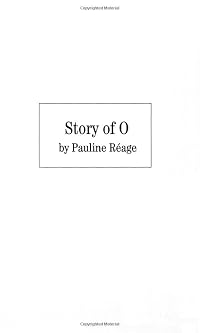
The notorious novel of dark obsessionHow far will a woman go to express her love? In this exquisite novel of passion and desire, the answer emerges through a daring exploration of the deepest bonds of sensual domination. “O” is a beautiful Parisian fashion photographer, determined to understand and prove her consuming devotion to her lover, René, through complete submission to his every whim, his every desire.
It is a journey of forbidden, dangerous choices that sweeps her show more through the secret gardens of the sexual underground. From the inner sanctum of a private club where willing women are schooled in the art of subjugation to the excruciating embraces of René’s friend Sir Stephen, O tests the outermost limits of pleasure. For as O discovers, true freedom lies in her pure and complete willingness to do anything for love. show less
Tags
Recommendations



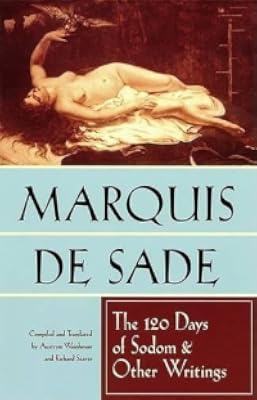

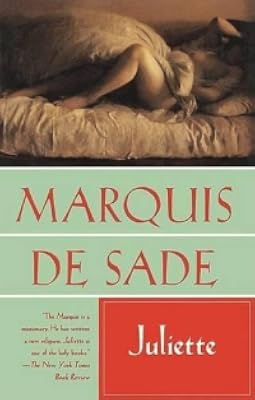
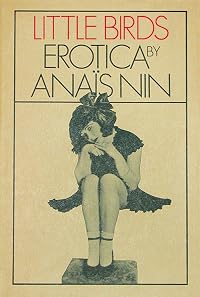

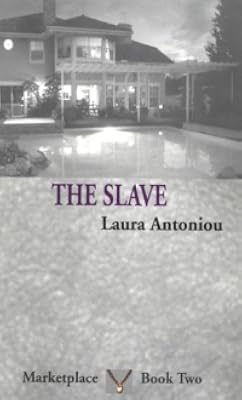






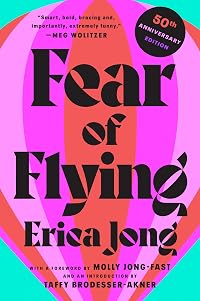




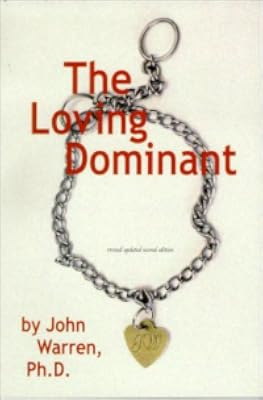
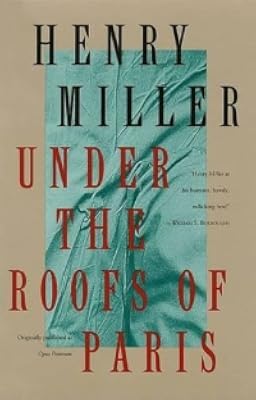
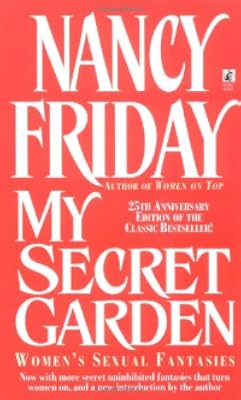









Member Recommendations
psybre A literate novel of contemporary S/M, above- or on-par with "O"
20




Leash by Jane DeLynn
susanbooks A smart, postmodern, lesbian version of O

by anonymous user
Kostly The story of O features O, a natural submissive woman in todays society. Amber is very similiar to O, however Amber is much more like a little, where as O was more like a slave. Both are very good.
Member Reviews
Story of O,
By Pauline Reage
Review by Karl Wolff
Personal History: During my high school years, I spent most of my time at the bookstore at the mall. Back in those days it would have been Scribner's at Mayfair Mall in Wauwatosa, Wisconsin. Before the emergence of omnipresent Barnes & Noble, I hung around the various different sections of the rather smallish bookstore. On one of those occasions I wandered into the comics and graphics novel section. While there I happened upon The Story of O by the comics artist Guido Crepax. Needless to say, since I was in high school, I didn't really dwell on the text of said comic. Then I imagine I exited the store, simultaneously curious and horrified at humanity's darker nature.
Some time later I show more became a fan of cultural critic and essayist Susan Sontag. In her groundbreaking essay, "The Pornographic Imagination," she wrote about The Story of O. Up to this point, I had never read the actual novel. This essay series gave me reason to read and analyze the novel, determining if Sontag was correct about assessing it with literary value.
The History: Written in 1954 by Pauline Reage, the pen name for the novelist Anne Desclos, it became a literary sensation in Europe and the United States. Once again, Grove Press became the delivery vehicle for sophisticated titillation. As John Updike sardonically quipped, "Its courage has preceded its commercialism; it pioneered in the territory it now so cheerfully exploits with its black-mass version of Book-of-the-Month Club, its roguish get-with-the-sexual-revolution ads, its stable of Ph.D.s willing to preface the latest "curious" memoir or "underground" classic with admonitory sermons on the righteousness of fornication." Story of O is one of those books.
Reage (I'll use Desclos's pen name hereafter) was the lover of her employer, the publisher Jean Paulhan. When the Second World War ended, Paulhan decided to publish the complete works of the Marquis de Sade. Paulhan considered Sade to be the greatest of French writers. This was also a kind of literary rehabilitation since Sade was now blamed for every kind of fascist atrocity and genocidal excess. (An ironic charge, since Sade was an adamant opponent of the death penalty and enough of a societal nuisance to be imprisoned by Bourbon King Louis XVI, the French Revolutionaries, and Emperor Napoleon Bonaparte. This doesn't mean he was a good person, but even John Cheever or Evelyn Waugh would be an awful person to get stuck with on an elevator.) Despite these accusations, Sade still holds a valued place within French literary tradition. His virulent atheist philosophy made him a counterpart to fellow Enlightenment philosophers Voltaire and Denis Diderot.
Reage was challenged by Paulhan to write a Sadean novel. She complied, writing a Sadean novel from a female perspective. (Sade's greatest novels also had female perspectives, most notably Justine and Juliette.)
While written during the apogee of postwar French global power, the novel possesses a fairytale quality. It is a strange reflection of the Victorian classic Gynecocracy by Viscount Ladywood. In 1954 France had the Fourth Republic (1947 - 1954) and Algeria and Indochina were firmly under French control. France in the Fifties was a picture of Modernist confidence. Meanwhile in the United States, undercover cops were spending their time arresting people for selling Betty Page photographs and Grove Press operated as a kind of erotica samizdat.
The Book: A story of two beginnings and two endings. In the first beginning, we see O and her lover Rene get into a taxi. On Rene's command, she takes off her panties. Rene then orders to get out and enter an apartment to await further instructions. End of scene. Beginning Number 2: Dressed in the same way, her lover is driving now, and she is driven to a chateau to await further instructions.
Once inside the chateau, she is subject to various humiliations and several scenes of sexual dominance. Rene whips her as well as his friend Sir Stephen, an older English aristocrat. Included in her laundry list of tortures include getting whipped by various characters, male and female, including a negro maid. She is also restrained, forced into servitude, pierced, and finally branded. She endures all these things joyfully, on both an emotional and erotic level. Rene "prostitutes" her to other men and then hands her off to Sir Stephen. (It is later revealed that Sir Stephen and Rene are related; both have the same mother but different fathers.)
But not is all humiliation and torture in the hermetically sealed chateau. After her first session, O returns to her normal job as a fashion photographer. As is typical of these kinds of stories, O becomes jealous of Jacqueline, a beautiful fashion model. In the final set piece, O wears an owl mask and becomes the plaything of a rotund man known only as the Commander. In a second ending, written in italics, Reage relates how the final chapter had been suppressed, since the subject matter related how Sir Stephen granted O's wish to be killed by him. (Controversial, yes, but also a bit of metafictional trickery.)
The Verdict: While this may sound like the epitome of understatement, Story of O is a problematic book. While I agree with Sontag's assessment that is a literary classic, as a heterosexual male, it left me feeling titillated and uncomfortable. Like hearing a bigoted joke, but also understanding all too well why the joke is funny, this novel is a potential hand grenade. One has to be especially delicate and nuanced in its appreciation. While some scenes were arousing to me as a reader, others left me frankly horrified and nauseated. BDSM and kink practices are pretty run-of-the-mill. There are obvious consent issues, but enlightened partners should be given the benefit of the doubt. But literary critics shouldn't be distracted by either medicalizing or moralizing the novel, as Sontag warns in "The Pornographic Imagination." Still, when it is described that O is "getting beaten," it leaves a bad taste in my mouth. Despite the imprimatur of O's consent to all this, it still radiates the foul vibe of domestic violence and violence against women. But that is my imprinting my prejudices on the novel.
Even with its sensational subject matter, Reage writes in a detached, almost clinical style. This isn't the obscenity-studded novel of Sade with its endless orgiastic acrobatics and lengthy atheist treatises. It more closely resembles Gynecocracy with a limited set of characters acting within a closed space. Annie Le Brun, the French literary critic, likened Sade's novels with fairy tales, since they made the reader afraid. It is a fear borne of childhood and childlike innocence. Reage performs a similar operation. Le Brun also restores Sade's heroine Justine as a heroic figure, her naivete coupled with her saintlike endurance of tortures. O is a similar figure, ending all manner of personal, physical, and emotional tortures, each session increasing her love for Rene. It doesn't seem logical, but when has love ever been logical?
Finally, there is the matter of erotica itself. The popular argument by anti-pornography feminists is that pornography perpetuates degradation and objectification of women, along with empowering the Male Gaze. So what do we do with this novel? It is written by a woman and told from O's perspective. O herself is simultaneously a figure of objectification and endurance. Strengthened by her love for Rene, no matter what humiliation he puts her through, she remains loyal, a pillar of fidelity. The biggest challenge to politically correct thinking is O's willingness to be dominated. She becomes a slave in these situations, but it is of her own free will. This confounds issues like sex and power. The interplay between dominant and submissive participants is predicated on consent and a mutual understanding of the situation. The freedom to be dominated is not a popular notion and doesn't sit well in our post-colonial society that aspires towards greater egalitarianism. But an evolving societal maturity involves understanding and appreciating seemingly distasteful personal predilections. Like criticism itself, it all boils down to taste. Story of O definitely is not for everybody ...
Then again, if all those suburban housewives who devoured the Fifty Shades of Grey trilogy want to read something really good, then they should read Story of O. Reage can at least write well and her chaste prose doesn't come across like it was written by a prudish serial killer.
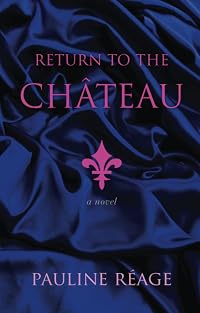
Additional: Pauline Reage wrote a sequel to Story of O in 1969, called Return to the Chateau: Story of O, Part II. In the further adventures of O, Rene, and Sir Stephen, O returns to Roissy where she undergoes further tortures and humiliations. There is an espionage subplot involving a "client" and some untoward business practices. Like similar authors, Reage attempts to revisit an original premise and can't recapture the lightning. Part of that is historical context, along with an "Is this really necessary?" vibe. Not a shameless cash-in, but it lacks the ascetic nightmarish fairytale quality of the original. What was once groundbreaking has now become stale and quaint. The increasing permissiveness of literature and the visual arts (along with the mainstreaming of hardcore pornography) made Reage's chaste descriptions and aristocratic swingers seem obsolete. I would recommend Return to the Chateau for completists and those curious about Sixties-era French erotica.
http://driftlessareareview.com/2013/08/23/the-nsfw-files-story-of-o-by-pauline-r... show less
By Pauline Reage
Review by Karl Wolff
Personal History: During my high school years, I spent most of my time at the bookstore at the mall. Back in those days it would have been Scribner's at Mayfair Mall in Wauwatosa, Wisconsin. Before the emergence of omnipresent Barnes & Noble, I hung around the various different sections of the rather smallish bookstore. On one of those occasions I wandered into the comics and graphics novel section. While there I happened upon The Story of O by the comics artist Guido Crepax. Needless to say, since I was in high school, I didn't really dwell on the text of said comic. Then I imagine I exited the store, simultaneously curious and horrified at humanity's darker nature.
Some time later I show more became a fan of cultural critic and essayist Susan Sontag. In her groundbreaking essay, "The Pornographic Imagination," she wrote about The Story of O. Up to this point, I had never read the actual novel. This essay series gave me reason to read and analyze the novel, determining if Sontag was correct about assessing it with literary value.
The History: Written in 1954 by Pauline Reage, the pen name for the novelist Anne Desclos, it became a literary sensation in Europe and the United States. Once again, Grove Press became the delivery vehicle for sophisticated titillation. As John Updike sardonically quipped, "Its courage has preceded its commercialism; it pioneered in the territory it now so cheerfully exploits with its black-mass version of Book-of-the-Month Club, its roguish get-with-the-sexual-revolution ads, its stable of Ph.D.s willing to preface the latest "curious" memoir or "underground" classic with admonitory sermons on the righteousness of fornication." Story of O is one of those books.
Reage (I'll use Desclos's pen name hereafter) was the lover of her employer, the publisher Jean Paulhan. When the Second World War ended, Paulhan decided to publish the complete works of the Marquis de Sade. Paulhan considered Sade to be the greatest of French writers. This was also a kind of literary rehabilitation since Sade was now blamed for every kind of fascist atrocity and genocidal excess. (An ironic charge, since Sade was an adamant opponent of the death penalty and enough of a societal nuisance to be imprisoned by Bourbon King Louis XVI, the French Revolutionaries, and Emperor Napoleon Bonaparte. This doesn't mean he was a good person, but even John Cheever or Evelyn Waugh would be an awful person to get stuck with on an elevator.) Despite these accusations, Sade still holds a valued place within French literary tradition. His virulent atheist philosophy made him a counterpart to fellow Enlightenment philosophers Voltaire and Denis Diderot.
Reage was challenged by Paulhan to write a Sadean novel. She complied, writing a Sadean novel from a female perspective. (Sade's greatest novels also had female perspectives, most notably Justine and Juliette.)
While written during the apogee of postwar French global power, the novel possesses a fairytale quality. It is a strange reflection of the Victorian classic Gynecocracy by Viscount Ladywood. In 1954 France had the Fourth Republic (1947 - 1954) and Algeria and Indochina were firmly under French control. France in the Fifties was a picture of Modernist confidence. Meanwhile in the United States, undercover cops were spending their time arresting people for selling Betty Page photographs and Grove Press operated as a kind of erotica samizdat.
The Book: A story of two beginnings and two endings. In the first beginning, we see O and her lover Rene get into a taxi. On Rene's command, she takes off her panties. Rene then orders to get out and enter an apartment to await further instructions. End of scene. Beginning Number 2: Dressed in the same way, her lover is driving now, and she is driven to a chateau to await further instructions.
Once inside the chateau, she is subject to various humiliations and several scenes of sexual dominance. Rene whips her as well as his friend Sir Stephen, an older English aristocrat. Included in her laundry list of tortures include getting whipped by various characters, male and female, including a negro maid. She is also restrained, forced into servitude, pierced, and finally branded. She endures all these things joyfully, on both an emotional and erotic level. Rene "prostitutes" her to other men and then hands her off to Sir Stephen. (It is later revealed that Sir Stephen and Rene are related; both have the same mother but different fathers.)
But not is all humiliation and torture in the hermetically sealed chateau. After her first session, O returns to her normal job as a fashion photographer. As is typical of these kinds of stories, O becomes jealous of Jacqueline, a beautiful fashion model. In the final set piece, O wears an owl mask and becomes the plaything of a rotund man known only as the Commander. In a second ending, written in italics, Reage relates how the final chapter had been suppressed, since the subject matter related how Sir Stephen granted O's wish to be killed by him. (Controversial, yes, but also a bit of metafictional trickery.)
The Verdict: While this may sound like the epitome of understatement, Story of O is a problematic book. While I agree with Sontag's assessment that is a literary classic, as a heterosexual male, it left me feeling titillated and uncomfortable. Like hearing a bigoted joke, but also understanding all too well why the joke is funny, this novel is a potential hand grenade. One has to be especially delicate and nuanced in its appreciation. While some scenes were arousing to me as a reader, others left me frankly horrified and nauseated. BDSM and kink practices are pretty run-of-the-mill. There are obvious consent issues, but enlightened partners should be given the benefit of the doubt. But literary critics shouldn't be distracted by either medicalizing or moralizing the novel, as Sontag warns in "The Pornographic Imagination." Still, when it is described that O is "getting beaten," it leaves a bad taste in my mouth. Despite the imprimatur of O's consent to all this, it still radiates the foul vibe of domestic violence and violence against women. But that is my imprinting my prejudices on the novel.
Even with its sensational subject matter, Reage writes in a detached, almost clinical style. This isn't the obscenity-studded novel of Sade with its endless orgiastic acrobatics and lengthy atheist treatises. It more closely resembles Gynecocracy with a limited set of characters acting within a closed space. Annie Le Brun, the French literary critic, likened Sade's novels with fairy tales, since they made the reader afraid. It is a fear borne of childhood and childlike innocence. Reage performs a similar operation. Le Brun also restores Sade's heroine Justine as a heroic figure, her naivete coupled with her saintlike endurance of tortures. O is a similar figure, ending all manner of personal, physical, and emotional tortures, each session increasing her love for Rene. It doesn't seem logical, but when has love ever been logical?
Finally, there is the matter of erotica itself. The popular argument by anti-pornography feminists is that pornography perpetuates degradation and objectification of women, along with empowering the Male Gaze. So what do we do with this novel? It is written by a woman and told from O's perspective. O herself is simultaneously a figure of objectification and endurance. Strengthened by her love for Rene, no matter what humiliation he puts her through, she remains loyal, a pillar of fidelity. The biggest challenge to politically correct thinking is O's willingness to be dominated. She becomes a slave in these situations, but it is of her own free will. This confounds issues like sex and power. The interplay between dominant and submissive participants is predicated on consent and a mutual understanding of the situation. The freedom to be dominated is not a popular notion and doesn't sit well in our post-colonial society that aspires towards greater egalitarianism. But an evolving societal maturity involves understanding and appreciating seemingly distasteful personal predilections. Like criticism itself, it all boils down to taste. Story of O definitely is not for everybody ...
Then again, if all those suburban housewives who devoured the Fifty Shades of Grey trilogy want to read something really good, then they should read Story of O. Reage can at least write well and her chaste prose doesn't come across like it was written by a prudish serial killer.
Additional: Pauline Reage wrote a sequel to Story of O in 1969, called Return to the Chateau: Story of O, Part II. In the further adventures of O, Rene, and Sir Stephen, O returns to Roissy where she undergoes further tortures and humiliations. There is an espionage subplot involving a "client" and some untoward business practices. Like similar authors, Reage attempts to revisit an original premise and can't recapture the lightning. Part of that is historical context, along with an "Is this really necessary?" vibe. Not a shameless cash-in, but it lacks the ascetic nightmarish fairytale quality of the original. What was once groundbreaking has now become stale and quaint. The increasing permissiveness of literature and the visual arts (along with the mainstreaming of hardcore pornography) made Reage's chaste descriptions and aristocratic swingers seem obsolete. I would recommend Return to the Chateau for completists and those curious about Sixties-era French erotica.
http://driftlessareareview.com/2013/08/23/the-nsfw-files-story-of-o-by-pauline-r... show less
Story of O is certainly a seminal novel of its type, supposedly the first book to be written by a woman in emulation of de Sade's novels. Despite the subjugated female protagonist (typical of de Sade), the focus has more in common with Leopold von Sacher-Masoch's Venus in Furs, where there is no sadistic sermonizing from the dominating characters, just unembroidered imperatives. The sense of contract and continually rising stakes are vivid. De Sade never lets the reader lose sight of his ideological preoccupations, but I found any such message here to be ambivalent at best. Reage does little to manage the reactions of the reader, who may be titillated, engrossed, or horrified by the sequence of events.
Other readers seem to have made show more more of the character Rene than I was able to find here. He is important in that O's affection for him serves as a principal motivation in the first parts of the book. But she does indeed transcend that affection through her experience of her "condition." And it's hard for me to imagine any reader being seriously sympathetic to O's initial devotion to Rene. He is drawn sparsely and unflatteringly.
There is little in the way of graphic detail regarding the many sexual acts in the story, so that the reader's imagination is enlisted in the erotic effects. What particulars of sex acts there are mostly fall in the early parts of the book. Reviewers often accordingly judge the middle and end to have become "slow." And yet I found that they tended to accelerate in terms of the shifting of personal relationships and the psychological transformation of O. Few readers seem to remark the somewhat predatory lesbianism of O, which is so pivotal to the central sections of the book, although hardly any fail to react to the body modifications of corseting, piercing, and branding.
The end of the book is abrupt and unconventional. A metafictional epilogue glosses two versions of a "suppressed" (unwritten, I surmise) concluding chapter which would have completed the plot. But "The Owl" which serves as the actual last section is unconcerned to resolve any of the tensions developed in the book. Instead, it sets them on a pedestal for a final appreciation. show less
Other readers seem to have made show more more of the character Rene than I was able to find here. He is important in that O's affection for him serves as a principal motivation in the first parts of the book. But she does indeed transcend that affection through her experience of her "condition." And it's hard for me to imagine any reader being seriously sympathetic to O's initial devotion to Rene. He is drawn sparsely and unflatteringly.
There is little in the way of graphic detail regarding the many sexual acts in the story, so that the reader's imagination is enlisted in the erotic effects. What particulars of sex acts there are mostly fall in the early parts of the book. Reviewers often accordingly judge the middle and end to have become "slow." And yet I found that they tended to accelerate in terms of the shifting of personal relationships and the psychological transformation of O. Few readers seem to remark the somewhat predatory lesbianism of O, which is so pivotal to the central sections of the book, although hardly any fail to react to the body modifications of corseting, piercing, and branding.
The end of the book is abrupt and unconventional. A metafictional epilogue glosses two versions of a "suppressed" (unwritten, I surmise) concluding chapter which would have completed the plot. But "The Owl" which serves as the actual last section is unconcerned to resolve any of the tensions developed in the book. Instead, it sets them on a pedestal for a final appreciation. show less
Awfully sad and bleak story about a woman whose only desire is to be enslaved. Not your typical BDSM story, I think. All O wants is to have a man love her, even if that love means whipping, branding and sharing her with his 20 closest friends. In the beginning I felt bad for her, but wondered how she could be so vacuous and accepting of what her lover did to her. I also was amazed at her sexual stamina, as she was interested in both men and women, even after being taken repeatedly, she was still able to get aroused for the next man.
I can see why women wanted this banned and called it the objectification of their fair sex. I felt repulsed at O's lack of action, as she just PUT UP WITH everything that the men wanted her to do. All she show more wanted was to be loved, and once she knew that, everything was fine for her.
As I finished the story, all I could think of was "What a relief", as I can get back to characters with self respect, and gumption. show less
I can see why women wanted this banned and called it the objectification of their fair sex. I felt repulsed at O's lack of action, as she just PUT UP WITH everything that the men wanted her to do. All she show more wanted was to be loved, and once she knew that, everything was fine for her.
As I finished the story, all I could think of was "What a relief", as I can get back to characters with self respect, and gumption. show less
This book is not about sex, although there is plenty of it, and mostly of a completely unerotic nature. Rather, it about the complete and voluntary handing over of a beautiful woman's will to others. That she also hands over her body is important, but also incidental. The book's spare prose and haunting atmosphere, so French, are beautiful.
Per poterlo capire, questo è un romanzo che va affrontato con la mente aperta. Perché parla di scelte, non sempre comprensibili e non sempre neppure concepibili, ma senza dubbio scelte, libere e consapevoli. È stato già detto tutto sulla trama (la violenza, l'annullamento totale della persona, in questo caso la donna, la mancanza di dignità eccetera eccetera), meno spesso si precisa che, prima di ogni nuovo gradino di violenza e di mortificazione, ad O viene chiesto, esplicitamente, se vuole. E lei vuole. È per questo che trovo un po' strumentale il collegamento al tema "violenza sulla donna", perché per come la vedo io qui si parla di una cosa un po' diversa.
Ho preso il romanzo come un'opera di narrativa: prendo per buono show more quello che mi viene raccontato. Senza sovrastrutture. E allora mi accorgo, come già suggerito dalla prefazione, che la storia è pervasa di pudore. Mi accorgo che non ci sono solo scene di sesso particolare e di violenza (raccontate muovendosi sempre in maniera impeccabile nel campo minato delle numerose possibilità di scadere nel volgare e nel pecoreccio), ma c'è anche una parte introspettiva in cui è la protagonista a parlare di sé, a cercare di spiegare quello che a molti di noi sembra inaccettabile: raggiungere l'apice del piacere all'apice del dolore; il sollievo procurato dal rendersi un oggetto. Il mondo è bello perché è vario: e in questa varietà alcune persone provano piacere a sottoporsi ad umiliazioni; altre a infliggerle. Non è una cosa semplice, e trovo che l'autrice abbia fatto un bel lavoro. Persone così esistono da sempre, là fuori. Penso che Histoire d'O racconti bene, in maniera anzi molto femminile, che cosa provano queste persone e cosa sta dietro a una scelta ai più incomprensibile. E tanto mi basta -scusate se è poco- per farmi apprezzare un'opera di narrativa. show less
Ho preso il romanzo come un'opera di narrativa: prendo per buono show more quello che mi viene raccontato. Senza sovrastrutture. E allora mi accorgo, come già suggerito dalla prefazione, che la storia è pervasa di pudore. Mi accorgo che non ci sono solo scene di sesso particolare e di violenza (raccontate muovendosi sempre in maniera impeccabile nel campo minato delle numerose possibilità di scadere nel volgare e nel pecoreccio), ma c'è anche una parte introspettiva in cui è la protagonista a parlare di sé, a cercare di spiegare quello che a molti di noi sembra inaccettabile: raggiungere l'apice del piacere all'apice del dolore; il sollievo procurato dal rendersi un oggetto. Il mondo è bello perché è vario: e in questa varietà alcune persone provano piacere a sottoporsi ad umiliazioni; altre a infliggerle. Non è una cosa semplice, e trovo che l'autrice abbia fatto un bel lavoro. Persone così esistono da sempre, là fuori. Penso che Histoire d'O racconti bene, in maniera anzi molto femminile, che cosa provano queste persone e cosa sta dietro a una scelta ai più incomprensibile. E tanto mi basta -scusate se è poco- per farmi apprezzare un'opera di narrativa. show less
It is difficult to rate a book that I read more than 20 years ago. My memory of it is of being chocked more by O’s submission than the sex and the slashing. I probably should read it again before rating it but, although so much of it has stayed with me over all these years, I don’t feel compelled to do it. Not because of the subject matter per se, but because I believe it is a book that probably didn’t age well. Women sexuality and identity were very different in the 1950’s Europe when and where this book was written than it is now. We have come a long way, babe – I want to believe anyway.
It is though a classic of the genre, and I would recommend it to anyone interested in erotic literature.
It is though a classic of the genre, and I would recommend it to anyone interested in erotic literature.
I never had any intention of reading [b:Story of O|40483|Story of O|Pauline Réage|http://photo.goodreads.com/books/1169436577s/40483.jpg|2462307] until I was recently asked to review it. I knew I wouldn't like it, that it is not the kind of erotica I usually waste my Sunday afternoons with, so rather than purchasing the whole thing, I instead decided to read the Amazon Kindle sample. That, I'm afraid, was way more than enough. I'm not sure whether the sample starts at the beginning of the story or not, the first chapter felt a little out of place, but then none of what I read really followed the format of a regular novel.
The sample starts as it means to go on:
"Get in," he says. She gets in.
I laughed at this. Perhaps I shouldn't have. show more Perhaps I shouldn't laugh at the fact that O allows herself to be objectified and used sexually, perhaps I should pity her for feeling that it's okay to be ordered around in this way. Oh well, I'm just a firm believer that if someone tells you to jump off a cliff and you jump off said cliff, then it's your fault for being a cliff-jumping moron. Just sayin'...
Anyway, as far as your regular run-of-the-mill sex goes, there's hardly any description. It's all entering and plunging and then it's all over. The whipping, however, gets a lot more attention than the sex does, the whole sample doesn't actually feel like erotica unless you're the kind to masturbate while Crimewatch is on. This is a story of violence, not sex. Because sex is a two (or more) way thing regardless of whether it is BDSM or straight-up (lol, pun!) vanilla. If all the participants aren't invested in the sexual activities and aren't getting pleasure out of it then it isn't sex, it's rape.
Okay, okay, before I get carried away with that idea, it's kinda important to point out that it wasn't clear as to whether O was giving consent to what the people were doing to her. She screams and she cries, which to me is something negative, but I'm no expert on how people behave during this kind of sexual encounter. We are not treated to O's thoughts, only her actions and the actions of the people around her. She doesn't express regret, sadness or even pain inwardly.
The only thing that is clear to me (and makes me feel sick) is that the men who are doing all this stuff to her are not concerned with her pleasure. Which, as I said in my review of [b:Fifty Shades of Grey|10818853|Fifty Shades of Grey (Fifty Shades, #1)|E.L. James|http://photo.goodreads.com/books/1300842729s/10818853.jpg|15732562], is important because all parties are supposed to get something out of it. In BDSM relationships, submission is something that a person chooses to do and wants to do because they enjoy what it gives them and what it gives the dom. It is not forced out of someone. The psychological aspect of BDSM is a lot like how it is (or should be) with regular sex. You give pleasure, you get pleasure. However:
"If you do tie her up from time to time, or whip her just a little, and she begins to like it, that's no good either. You have to get past the pleasure stage, until you reach the stage of tears."
These men are evidently trying to break O. They rejoice when she is in pain, when she is distressed, and when she screams or cries. For me, trying to hurt someone for the sake of hurting them - not to give them what they want - is no different from rape. It is sick. This is sick:
The gag stifles all screams and eliminates all but the most violent moans, while allowing tears to flow without restraint. There was no question of using it that night. On the contrary, they wanted to hear her scream; and the sooner the better.
You could argue with me that O actually wants all of this to happen, so I have no point. We are not told what O is thinking, she never speaks to say whether she wants it or not, but I cannot be the only one thinking that this is not the sign of a woman enjoying herself:
Then one of the men, holding her with both hands on her hips, plunged into her belly. He yielded to a second. The third wanted to force his way into the narrower passage and, driving hard, made her scream. When he let her go, sobbing and befouled by tears beneath her blindfold, she slipped to the floor, only to feel someone's knees against her face, and she realized that her mouth was not to be spared.
Though, personally, I think her mouth is the least of O's problems if he's shagging her belly. What's that all about?For you clever dicks out there, I'd just like to point out that yes, I do realise that he is actually talking about her vagina.
So, has [b:Story of O|40483|Story of O|Pauline Réage|http://photo.goodreads.com/books/1169436577s/40483.jpg|2462307] changed my opinion about BDSM erotica and whether it is dehumanizing/sexist/etc.? Nope. But I'm learning more and more that people automatically categorize books that combine pain and sex as BDSM, even though they're not, or it's questionable. In BDSM, both the dom and the sub have got to want what's happening, or else it's simply abuse. Though O is hard to understand, there are about twenty quotes from the sample alone that suggest she isn't enjoying being tied up and hurt. And that's why this story is not erotic, but merely fucked up. show less
The sample starts as it means to go on:
"Get in," he says. She gets in.
I laughed at this. Perhaps I shouldn't have. show more Perhaps I shouldn't laugh at the fact that O allows herself to be objectified and used sexually, perhaps I should pity her for feeling that it's okay to be ordered around in this way. Oh well, I'm just a firm believer that if someone tells you to jump off a cliff and you jump off said cliff, then it's your fault for being a cliff-jumping moron. Just sayin'...
Anyway, as far as your regular run-of-the-mill sex goes, there's hardly any description. It's all entering and plunging and then it's all over. The whipping, however, gets a lot more attention than the sex does, the whole sample doesn't actually feel like erotica unless you're the kind to masturbate while Crimewatch is on. This is a story of violence, not sex. Because sex is a two (or more) way thing regardless of whether it is BDSM or straight-up (lol, pun!) vanilla. If all the participants aren't invested in the sexual activities and aren't getting pleasure out of it then it isn't sex, it's rape.
Okay, okay, before I get carried away with that idea, it's kinda important to point out that it wasn't clear as to whether O was giving consent to what the people were doing to her. She screams and she cries, which to me is something negative, but I'm no expert on how people behave during this kind of sexual encounter. We are not treated to O's thoughts, only her actions and the actions of the people around her. She doesn't express regret, sadness or even pain inwardly.
The only thing that is clear to me (and makes me feel sick) is that the men who are doing all this stuff to her are not concerned with her pleasure. Which, as I said in my review of [b:Fifty Shades of Grey|10818853|Fifty Shades of Grey (Fifty Shades, #1)|E.L. James|http://photo.goodreads.com/books/1300842729s/10818853.jpg|15732562], is important because all parties are supposed to get something out of it. In BDSM relationships, submission is something that a person chooses to do and wants to do because they enjoy what it gives them and what it gives the dom. It is not forced out of someone. The psychological aspect of BDSM is a lot like how it is (or should be) with regular sex. You give pleasure, you get pleasure. However:
"If you do tie her up from time to time, or whip her just a little, and she begins to like it, that's no good either. You have to get past the pleasure stage, until you reach the stage of tears."
These men are evidently trying to break O. They rejoice when she is in pain, when she is distressed, and when she screams or cries. For me, trying to hurt someone for the sake of hurting them - not to give them what they want - is no different from rape. It is sick. This is sick:
The gag stifles all screams and eliminates all but the most violent moans, while allowing tears to flow without restraint. There was no question of using it that night. On the contrary, they wanted to hear her scream; and the sooner the better.
You could argue with me that O actually wants all of this to happen, so I have no point. We are not told what O is thinking, she never speaks to say whether she wants it or not, but I cannot be the only one thinking that this is not the sign of a woman enjoying herself:
Then one of the men, holding her with both hands on her hips, plunged into her belly. He yielded to a second. The third wanted to force his way into the narrower passage and, driving hard, made her scream. When he let her go, sobbing and befouled by tears beneath her blindfold, she slipped to the floor, only to feel someone's knees against her face, and she realized that her mouth was not to be spared.
Though, personally, I think her mouth is the least of O's problems if he's shagging her belly. What's that all about?
So, has [b:Story of O|40483|Story of O|Pauline Réage|http://photo.goodreads.com/books/1169436577s/40483.jpg|2462307] changed my opinion about BDSM erotica and whether it is dehumanizing/sexist/etc.? Nope. But I'm learning more and more that people automatically categorize books that combine pain and sex as BDSM, even though they're not, or it's questionable. In BDSM, both the dom and the sub have got to want what's happening, or else it's simply abuse. Though O is hard to understand, there are about twenty quotes from the sample alone that suggest she isn't enjoying being tied up and hurt. And that's why this story is not erotic, but merely fucked up. show less
Members
- Recently Added By
Lists

1001 Books You Must Read Before You Die
1,448 works; 1,133 members

1950s
340 works; 22 members

Best of French Literature
138 works; 26 members

Unreliable Narrators
170 works; 43 members

Canon de la narrativa universal del siglo XX
254 works; 6 members
Banned or Challenged Books
400 works; 41 members
1,001 BYMRBYD Concensus
723 works; 27 members

A Novel Cure
742 works; 23 members

Kink Classics
15 works; 3 members

Best Psychological Suspense
33 works; 6 members

Erotic Fiction
53 works; 5 members

Mind-Benders: Fiction that Hurts Your Head
34 works; 8 members

Fakes, Forgeries, and Fictitious Authors
112 works; 4 members

sexuality
3 works; 1 member

Our Favorite Banned Books
138 works; 122 members
Canon de la narrativa universal del s. XX (cicutadry)
499 works; 3 members
The Complete Rory Gilmore Reading List
506 works; 5 members

el
1,139 works; 1 member
Author Information

Some Editions
Awards and Honors
Awards
Notable Lists
Greatest Books algorithm (1435)
Series

Belongs to Publisher Series
Work Relationships
Is contained in
Is retold in
Has the adaptation
Common Knowledge
- Canonical title
- Story of O
- Original title
- Histoire d'O
- Original publication date
- 1954
- People/Characters
- O (Odile); René; Sir Stephen; Jacqueline; Anne-Marie; Natalie
- Important places
- Roissy-en-France, Île-de-France, France; Paris, France; Samois-sur-Seine, Île-de-France, Francia
- Related movies
- Histoire d'O (1975 | IMDb)
- Epigraph
- Keep me rather in this cage, and feed me sparingly, if you dare. Anything that brings me closer to illness and the edge of death makes me more faithful. It is only when you make me suffer that I feel safe and secure. You shou... (show all)ld never have agreed to be a god for me if you were afraid to assume the duties of a god, and we know that they are not as tender as all that. You have already seen me cry. Now you must learn to relish my tears.
- First words
- Her lover one day takes O for a walk, but this time in a part of the city—the Parc Montsouris, the Parc Monceau—where they've never been together before.
Her lover one day takes O for a walk in a section of the city where they never go—the Montsouris Park, the Monceau Park.
--1992 edition - Last words
- (Click to show. Warning: May contain spoilers.)It was not until daybreak and after, when all the dancers had departed, that Sir Stephen and the Commander, rousing Nathalie, who was asleep at O's feet, had O get up, led her to the centre of the courtyard, detached her chain and took off her mask: and, laying her down upon the table, possessed her, now the one, now the other.
(Click to show. Warning: May contain spoilers.)Sir Stephen gave her his consent.
--1992 edition (The Second Ending) - Publisher's editor*
- Société Nouvelle des Éditions Jean-Jacques Pauvert
- Original language
- Frans; French
- Canonical DDC/MDS
- 843.914
- Canonical LCC
- PQ2678.E2
- Disambiguation notice
- The Illustrated Story of O is not the same "work" as the novel. It is a series of photographs illustrating the book, and only contains excerpts of text. The Story of O by Guido Crepax is a "graphic novel" adapta... (show all)tion and should not be combined with the original book.
*Some information comes from Common Knowledge in other languages. Click "Edit" for more information.
Classifications
Statistics
- Members
- 3,967
- Popularity
- 3,949
- Reviews
- 88
- Rating
- (3.31)
- Languages
- 16 — Danish, Dutch, English, Finnish, French, German, Hebrew, Hungarian, Italian, Japanese, Norwegian (Bokmål), Polish, Portuguese, Romanian, Spanish, Swedish
- Media
- Paper, Audiobook, Ebook
- ISBNs
- 94
- ASINs
- 52
