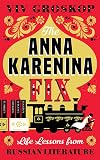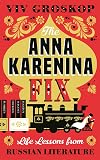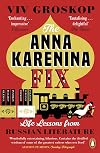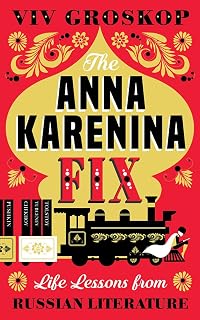
The Anna Karenina Fix: Life Lessons from Russian Literature
by Viv Groskop
On This Page
Description
A literary self-help memoir about using the Russian Classics to find the answer to life's most important questions.Viv Groskop has discovered the meaning of life in Russian literature. As she knows from personal experience, everything that has ever happened in life has already happened in these novels: from not being sure what to do with your life (Anna Karenina) to being in love with someone who doesn't love you back enough (The Master and Margarita),or being socially anxious about your show more appearance (all of Chekhov's work). This is a literary self-help memoir, with examples from the author's own life that reflect the lessons of literature, only in a much less poetic way than Tolstoy probably intended, and with an emphasis on being excessively paranoid about having an emerging moustache on your upper lip, just like Natasha in War and Peace. show lessTags
Recommendations
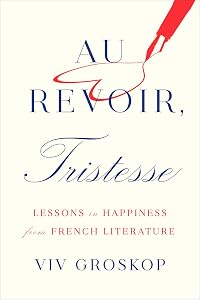
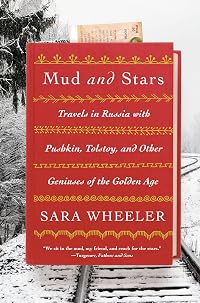
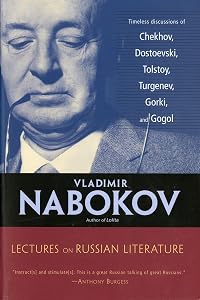
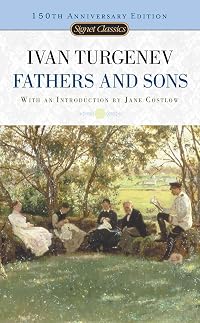
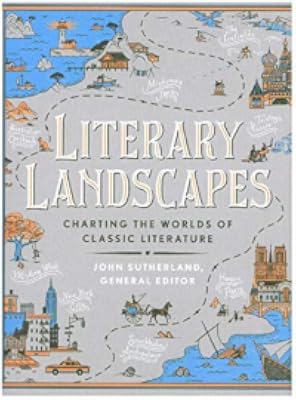




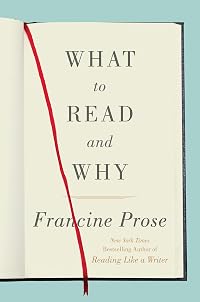
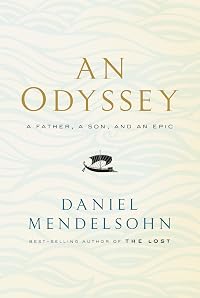
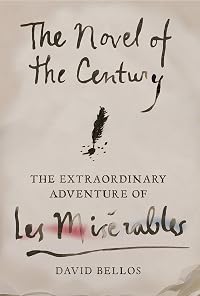
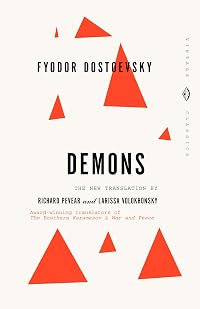
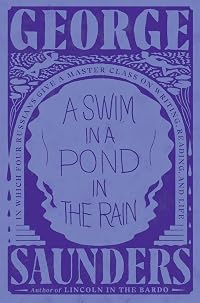


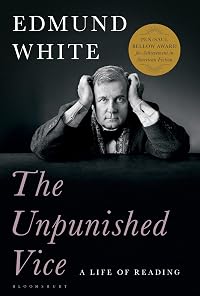
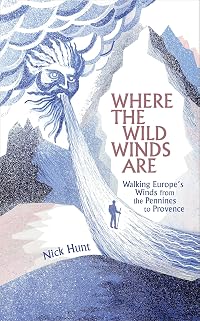
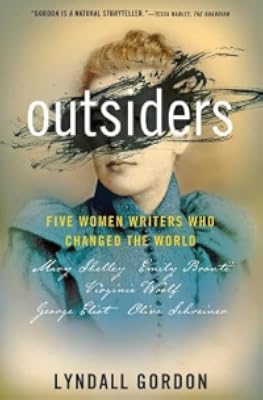
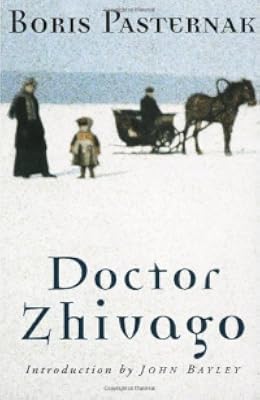
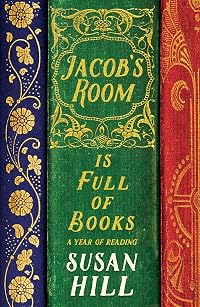
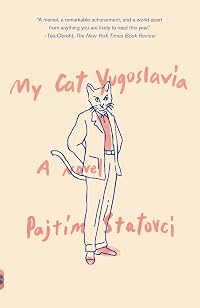
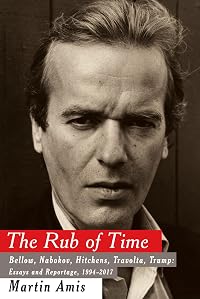
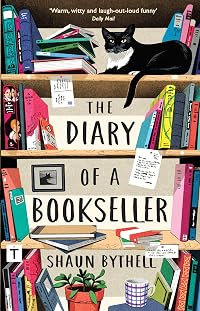

Member Recommendations
JuliaMaria Humorvolle, kenntnisreiche und inspirierende Essays über das Lesen und Leben mit russischer Literatur.
Member Reviews
By personalizing her reading experiences with Russian literature Viv Groskop has made bearable, even pleasurable, what could have been too deep, too immense, too much the hard core Russian reader. She has successfully brought these writers and their lives down to human size without undercutting the greatness of their contributions. It is amazing that writers when under the Soviet state were able to produce at all as many of their colleagues were liquidated. One gains a respect for these writers with all their faults and tribulations which farther magnifies the great gifts they have bestowed on mankind.
Quotes: (page 4) “Its no surprise that Tolstoy himself didn't use fiction as a basis for the advice in his self-help book. We can't show more expect Tolstoy to admit the usefulness of novels. In the later part of his life, he had a huge spiritual crisis and all but renounced Anna Karenia and War and Peace as writings of a sinful, frivolous fool. No wonder he turned to the bible. But I want to argue the opposite of what Tolstoy came to believe. Philosophy and religious writings may have their place. And self-help aphorisms from the Greeks always bring solace. But it is in literature – whether novels, plays, or poetry – that we really see who we are – and perhaps even more importantly, who we don't want to be.”
(page 114) “Nietzche was only eleven when Dostoevsky was creating Raskolnikov, but the character embodies many of the philosopher's later ideas about the Ubermench (the man who believes he is above the common herd and not subject to normal ideas of morality). Dostoevsky also uses Raskolnikov to demonstrate how selfish and sick people become when they turn away from God. They begin to believe they can achieve anything and that its all in their hands; no need to wait for any guidance from God. Weirdly, this is not dissimilar to some of the ideas expressed by the self-actualization movement so popular today. (Not that I'm suggesting self-help books encourage you to kill anyone, but they do encourage you to believe that you are capable of great things, which is not such a long way from Raskolnikov's position.) I think Dostoevsky would not have enjoyed the current godless vogue for self-help books, and he would have absolutely hated R. Kelly's hit single 'I Believe I Can Fly'. Believing he could touch the sky, believing that he could soar and go running through that open door...all that was Raskolnikov's problem. And it does not work out well for him.”
(page 168) “The interactions with Stalin became progressively worse. Bulgakov first came to Stalin's attention as a result of his play The Day of the Turbins, a theatrical adaption of his novel The White Guard. The play was savaged by the Soviet critics, who were horrified that it sympathized with White officers. But Stalin saw this ultimately as a compliment (or at least he pretended to – possibly, he was toying with Bulgakov), claiming to show the White officers as decent people and still depict them as defeated losers was in fact a great tribute to Soviet power. It was 'a demonstration of the crushing power of Bolshevism'. (Hmm. Sounds like a play you'd really like to go and see, right?) Stalin was very weird about the things he liked (surprise!) and the things he liked to pronounce on. He went to see the play fifteen times.” show less
Quotes: (page 4) “Its no surprise that Tolstoy himself didn't use fiction as a basis for the advice in his self-help book. We can't show more expect Tolstoy to admit the usefulness of novels. In the later part of his life, he had a huge spiritual crisis and all but renounced Anna Karenia and War and Peace as writings of a sinful, frivolous fool. No wonder he turned to the bible. But I want to argue the opposite of what Tolstoy came to believe. Philosophy and religious writings may have their place. And self-help aphorisms from the Greeks always bring solace. But it is in literature – whether novels, plays, or poetry – that we really see who we are – and perhaps even more importantly, who we don't want to be.”
(page 114) “Nietzche was only eleven when Dostoevsky was creating Raskolnikov, but the character embodies many of the philosopher's later ideas about the Ubermench (the man who believes he is above the common herd and not subject to normal ideas of morality). Dostoevsky also uses Raskolnikov to demonstrate how selfish and sick people become when they turn away from God. They begin to believe they can achieve anything and that its all in their hands; no need to wait for any guidance from God. Weirdly, this is not dissimilar to some of the ideas expressed by the self-actualization movement so popular today. (Not that I'm suggesting self-help books encourage you to kill anyone, but they do encourage you to believe that you are capable of great things, which is not such a long way from Raskolnikov's position.) I think Dostoevsky would not have enjoyed the current godless vogue for self-help books, and he would have absolutely hated R. Kelly's hit single 'I Believe I Can Fly'. Believing he could touch the sky, believing that he could soar and go running through that open door...all that was Raskolnikov's problem. And it does not work out well for him.”
(page 168) “The interactions with Stalin became progressively worse. Bulgakov first came to Stalin's attention as a result of his play The Day of the Turbins, a theatrical adaption of his novel The White Guard. The play was savaged by the Soviet critics, who were horrified that it sympathized with White officers. But Stalin saw this ultimately as a compliment (or at least he pretended to – possibly, he was toying with Bulgakov), claiming to show the White officers as decent people and still depict them as defeated losers was in fact a great tribute to Soviet power. It was 'a demonstration of the crushing power of Bolshevism'. (Hmm. Sounds like a play you'd really like to go and see, right?) Stalin was very weird about the things he liked (surprise!) and the things he liked to pronounce on. He went to see the play fifteen times.” show less
This is a great little book about the Russian classics. It is not only a fantastic introduction for anyone not familiar with the great Russian writers, but a nice recap for those already familiar with Russian literature and who have read many of the novels and plays referenced in the book.
This is NOT a stuffy, scholarly work. It is a funny (at times), witty, and scratching at the surface introduction to these literature pieces. The book is written in conversational style and it reads as if the author was having a conversation with you the reader. You will definitely come away with more information about these novels and a greater appreciation for them. The author’s own journey to Russian literature was interesting as well. Each show more chapter also has a subtitle with a witty comment about the book which was appreciated.
For those interested, the following works are discussed in the book:
• Anna Karenina by Lev Tolstoy
• Doctor Zhivago by Boris Pasternak
• Requiem by Anna Akhmatova
• A Month in the Country by Ivan Turgenev
• Eugene Onegin by Alexander Pushkin
• Crime and Punishment by Fyodor Dostoevsky
• Three Sisters by Anton Chekhov
• One Day in the Life of Ivan Denisovich by Alexander Solzhenitsyn
• The Master and Margarita by Mikhail Bulgakov
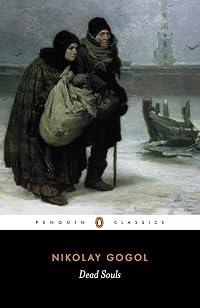
• Dead Souls by Nikolai Gogol
• War and Peace by Lev Tolstoy
At the conclusion of the book, the author has written a Recommended Reading guide to the editions of the above books she used when writing this book as well as some additional resources to explore.
I really enjoyed this book, not just because I already am a fan of Russian literature and own many of these books, but also because it was easy to read and digest her take on these books. You do not need to be a fan of Russian literature to enjoy this book, just a little curious to take a peek under the hood. Highly recommended. show less
This is NOT a stuffy, scholarly work. It is a funny (at times), witty, and scratching at the surface introduction to these literature pieces. The book is written in conversational style and it reads as if the author was having a conversation with you the reader. You will definitely come away with more information about these novels and a greater appreciation for them. The author’s own journey to Russian literature was interesting as well. Each show more chapter also has a subtitle with a witty comment about the book which was appreciated.
For those interested, the following works are discussed in the book:
• Anna Karenina by Lev Tolstoy
• Doctor Zhivago by Boris Pasternak
• Requiem by Anna Akhmatova
• A Month in the Country by Ivan Turgenev
• Eugene Onegin by Alexander Pushkin
• Crime and Punishment by Fyodor Dostoevsky
• Three Sisters by Anton Chekhov
• One Day in the Life of Ivan Denisovich by Alexander Solzhenitsyn
• The Master and Margarita by Mikhail Bulgakov
• Dead Souls by Nikolai Gogol
• War and Peace by Lev Tolstoy
At the conclusion of the book, the author has written a Recommended Reading guide to the editions of the above books she used when writing this book as well as some additional resources to explore.
I really enjoyed this book, not just because I already am a fan of Russian literature and own many of these books, but also because it was easy to read and digest her take on these books. You do not need to be a fan of Russian literature to enjoy this book, just a little curious to take a peek under the hood. Highly recommended. show less
Follow the author on her journey to discovering her non-so-Russian roots through the life lessons of eleven classic pieces of Russian literature. The conversational writing style is not for me, but it can be considered an entertaining little book.
Mainio, huumorin ryydittämä ja väliin syvällinenkin johdatus venäläisten klassikoiden maailmaan brittiläiseltä russofiililtä, joka kirjallisuusesittelyjen lomassa muistelee nuoruuttaan ja Venäjällä vietettyä opintovuotta. Eräänlaisen kehyskertomuksen muodostaa suuri pieni tarina identiteetin ja omien sukujuurien etsinnästä ja vaille vastakaikua jäävästä rakkaudesta, jonka kautta Groskop peilaa lukukokemuksiaan.
Jul 11, 2020Finnish
Olin hivenen pettynyt, kun tämäkin osoittautui enemmän nykyajalle tyypilliseksi autofiktioksi kuin filosofiseksi pohdinnaksi elämästä. Toki sitä filosofointiakin oli mukana ja seassa klassikoiden hahmoja ja juonenkäänteitä kuten myös kirjailijoiden elämistä poimittuja relevantteja piirteitä ja tapahtumia. Oikeastaan kirjailijoiden omat elämät rinnastettuna heidän romaaniensa teemoihin oli tämän teoksen parasta antia. Kirjailijan itsensä tarina omia juuria ja identiteettiään etsivänä ihmisenä oli sympaattinen, mutta jotenkin epäkiinnostava. Ehkä se oli kuitenkin kovin lattea? Olisin kaivannut syväluotaavampaa asennetta - enemmän paljastuksia, kuten nykymaailmassa vaaditaan! No ei, mutta sen sijaan, että show more olisin nauttinut henkilökohtaisesta otteesta tässä sukelluksessa venäläiseen kirjallisuuteen, pidin sitä lähinnä tylsänä ja turhana ja kovin toisteisena sanahelinänä. Onhan toisaalta niinkin, että nykymaailma kaipaa selkeää punaista lankaa, joka nostetaan aika ajoin esiin, ettei kukaan vain eksy matkalla... show less
Aug 8, 2021Finnish
Ratings
Members
- Recently Added By
Lists

Best books about books
209 works; 106 members

Bibliomemoirs
46 works; 8 members

Books Read in 2018
4,360 works; 110 members
Author Information
8+ Works 347 Members
Viv Groskop is an award-winning comedian, writer, and broadcaster, and the author of The Anna Karenina Fix: Life Lessons from Russian Literature. She lives in London.
Common Knowledge
- Original publication date
- 2017
- People/Characters
- Lev Tolstoy; Boris Pasternak; Anna Akhmatova; Ivan Turgenev; Alexander Pushkin; Fyodor Dostoevsky (show all 10); Anton Chekhov; Alexander Solzhenitsyn; Mikhail Bulgakov; Nikolai Gogol
- First words
- I came across Anna Karenina when I was in my early teens.
- Last words
- (Click to show. Warning: May contain spoilers.)'Everything I understand,' he wrote, 'I understand only because I love.'
Classifications
- Genres
- Literature Studies and Criticism, Nonfiction, History, Biography & Memoir
- DDC/MDS
- 158.1 — Philosophy & psychology Psychology Applied psychology Personal improvement and analysis
- LCC
- PG7158 .G77 .A3 — Language and Literature Slavic languages and literatures. Baltic languages. Albanian language Slavic. Baltic. Albanian Slavic Polish
- BISAC
Statistics
- Members
- 198
- Popularity
- 165,751
- Reviews
- 6
- Rating
- (3.66)
- Languages
- English, Finnish
- Media
- Paper, Audiobook, Ebook
- ISBNs
- 12
- ASINs
- 4