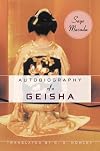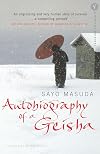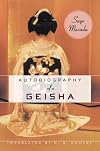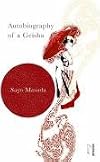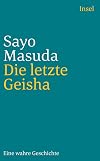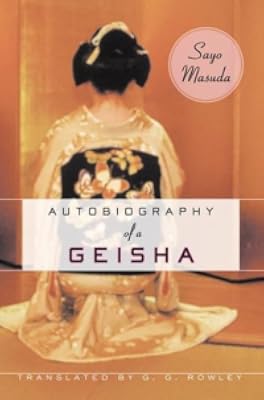
Autobiography of a Geisha
by Sayo Masuda
On This Page
Description
The glamorous world of big-city geisha is familiar to many readers, but little has been written of the life of hardship and pain led by the hot-springs-resort geisha. Indentured to geisha houses by families in desperate poverty, deprived of freedom and identity, these young women lived in a world of sex for sale, unadorned by the trappings of wealth and celebrity. Sayo Masuda has written the first full-length autobiography of a former hot-springs-resort geisha. Masuda was sent to work as a show more nursemaid at the age of six and then was sold to a geisha house at the age of twelve. In keeping with tradition, she first worked as a servant while training in the arts of dance, song, shamisen, and drum. In 1940, aged sixteen, she made her debut as a geisha. Autobiography of a Geisha chronicles the harsh life in the geisha house from which Masuda and her "sisters" worked. They were routinely expected to engage in sex for payment, and Masuda's memoir contains a grim account of a geisha's slow death from untreated venereal disease. Upon completion of their indenture, geisha could be left with no means of making a living. Marriage sometimes meant rescue, but the best that most geisha could hope for was to become a man's mistress. Masuda also tells of her life after leaving the geisha house, painting a vivid panorama of the grinding poverty of the rural poor in wartime Japan. As she eked out an existence on the margins of Japanese society, earning money in odd jobs and hard labor--even falling in with Korean gangsters--Masuda experienced first hand the anguish and the fortitude of prostitutes, gangster mistresses, black-market traders, and abandoned mothers struggling to survive in postwar Japan. Happiness was always short-lived for Masuda, but she remained compassionate and did what she could to help others; indeed, in sharing her story, she hoped that others might not suffer as she had. Although barely able to write, her years of training in the arts of entertaining made her an accomplished storyteller, and Autobiography of a Geisha is as remarkable for its wit and humor as for its unromanticized candor. It is the superbly told tale of a woman whom fortune never favored yet never defeated. show lessTags
Recommendations



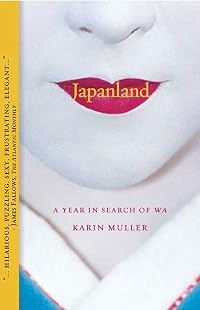
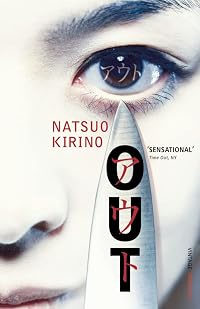


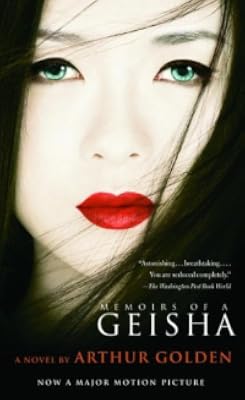
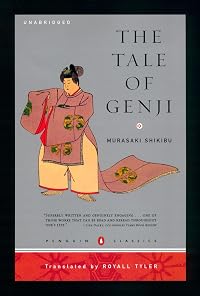
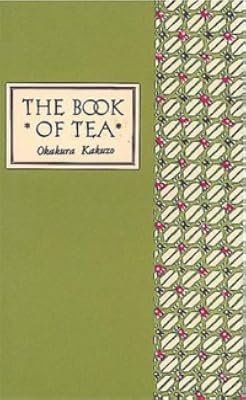
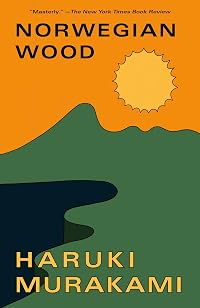

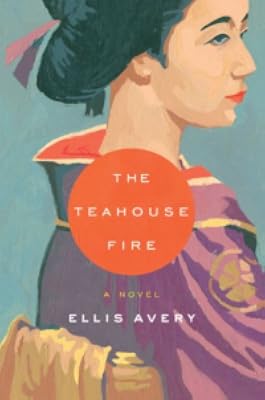
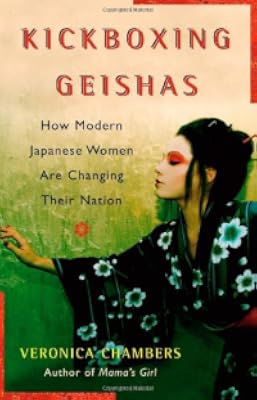

Member Recommendations
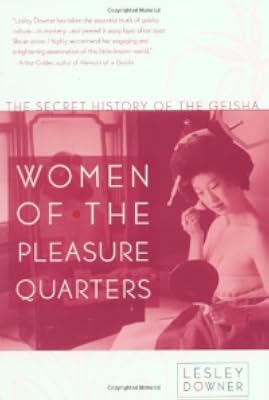
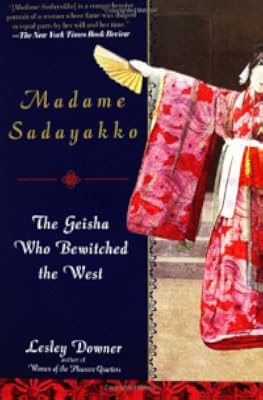
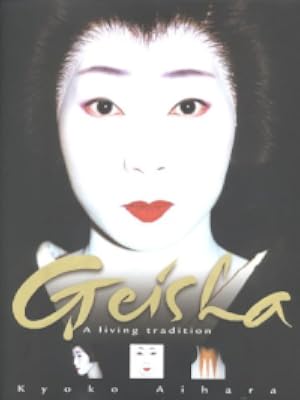
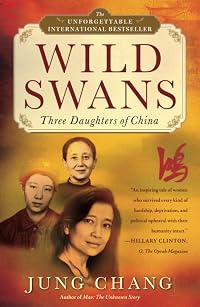
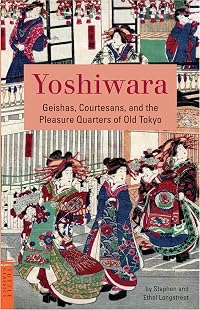
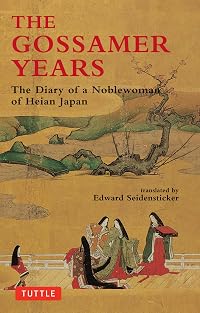
whymaggiemay Beautifully written story of a geisha who fares better than Sayo Masuda.
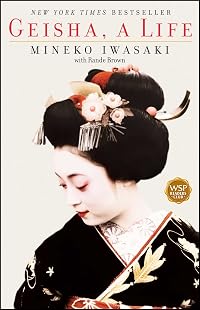
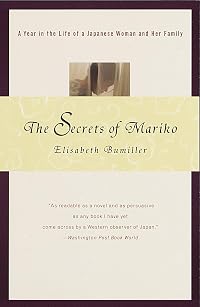
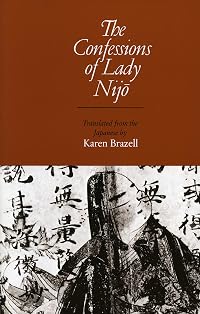
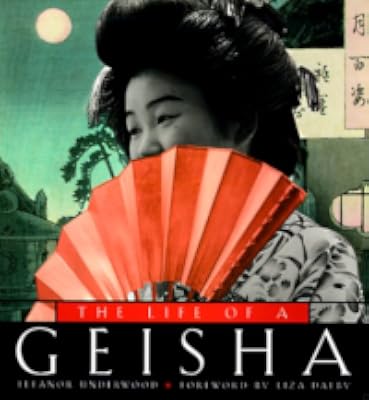
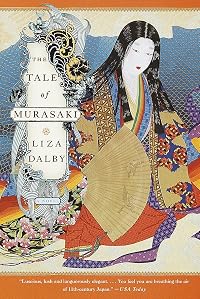
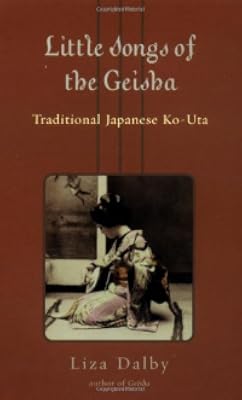
SparrowByTheRailStar The memoirs of a Kyoto Geiko, and the parallel of an onsesan geisha.
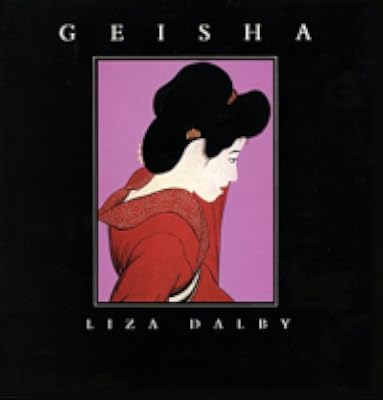
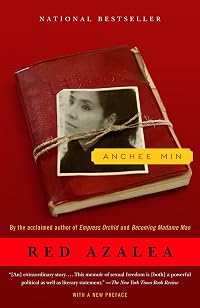
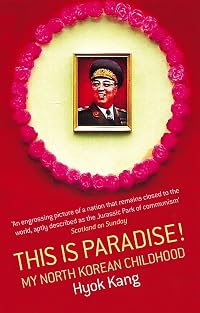
SparrowByTheRailStar The story of an anthropologist and a retired Japanese Comfort Woman, whose impoverished family left her little opportunity for a life outside servitude. Though she does not receive any of the training in the arts geisha do, her story is still an important part of the water trade.
Member Reviews
The most remarkable thing about this book is the author's voice. Although you have to wonder how much was altered in translation from Japanese to English, it is still very compelling. I think with memoirs you can always tell whether the author is trying to gloss over negative aspects of their life, but Masuda is unapologetic and genuine. This is not the soft, lyrical story of Arthur Golden, but the real thing, expressed by someone who was there. A very rich and evocative memoir.
As the title states, this is a true story of a Japanese geisha in the 1940s and 1950s. Beware though: it’s not the beautiful sweetness that you read or saw in Arthur Golden’s Memoirs of a Geisha. No, life as a geisha was not about that for Masuda-san.
Masuda-san was sold by her parents to act as a nursemaid (as a child- not much bigger than the children she was meant to look after) and then again by an uncle to a geisha house. She had little education and could barely read and write. There she and her ‘elder sisters’ gradually rose up the ranks to become geishas. They learned the dancing and the shamisen, but the main objective was money for sex. The girls were indentured to the geisha house, forced to collect ‘points’ to pay show more out their contract. There were pregnancies, deaths from diseases and suicides.
But life after being a geisha was harsh. Masuda-san did many jobs to try and look after her brother: mistress, collecting and selling food, selling soap on the black market and waitressing. The poverty after WWII is tangible. Masuda-san only told her story to a women’s magazine to try to win a prize. She did, and fifty years later, her book is still in publication and translated into English.
This story is poignant as it tells of the stigma forever attached to geisha at this time (will people find out Masuda-san’s history?) and the running away from love as to avoid that stigma for her beloved. It’s not a pretty picture, but a very compelling one. show less
Masuda-san was sold by her parents to act as a nursemaid (as a child- not much bigger than the children she was meant to look after) and then again by an uncle to a geisha house. She had little education and could barely read and write. There she and her ‘elder sisters’ gradually rose up the ranks to become geishas. They learned the dancing and the shamisen, but the main objective was money for sex. The girls were indentured to the geisha house, forced to collect ‘points’ to pay show more out their contract. There were pregnancies, deaths from diseases and suicides.
But life after being a geisha was harsh. Masuda-san did many jobs to try and look after her brother: mistress, collecting and selling food, selling soap on the black market and waitressing. The poverty after WWII is tangible. Masuda-san only told her story to a women’s magazine to try to win a prize. She did, and fifty years later, her book is still in publication and translated into English.
This story is poignant as it tells of the stigma forever attached to geisha at this time (will people find out Masuda-san’s history?) and the running away from love as to avoid that stigma for her beloved. It’s not a pretty picture, but a very compelling one. show less
Not just a good book, but an important one.
Sayo Masuda's memoir gives an unembellished, unromanticized view of what it was really like to live and work as a geisha. It's a story of extreme poverty and oppression, but her resilience, spirit and humor shine through. It feels to me as though translator Rowley truly captured her authentic voice - the tale seems honest and sincere. The author never flinches from telling the bad along with the good, and the result is a story which truly shows the universality of humanity at our best and worst, regardless of time period or culture.
Sayo Masuda's memoir gives an unembellished, unromanticized view of what it was really like to live and work as a geisha. It's a story of extreme poverty and oppression, but her resilience, spirit and humor shine through. It feels to me as though translator Rowley truly captured her authentic voice - the tale seems honest and sincere. The author never flinches from telling the bad along with the good, and the result is a story which truly shows the universality of humanity at our best and worst, regardless of time period or culture.
I bought this book hot on the heels of having read and loved Arthur Golden's 'Memoirs of a Geisha'. I had lost myself in the world of 'flower and willow' whilst reading it and wasn't ready to return. An autobiography seemed like something that would satisfy my need for a window onto the real world that Golden romanticised so well. It turned out that this book provided that and so much more.
In essence, the life of Sayo Masuda is very similar to the geisha life described in Golden's book. At a young age she was indentured to a geisha house by her mother, who went on to marry and have further children by another man to Masuda's father. This is the tale of her life as she trains and becomes a practising geisha and further. It tells of the show more wide range of jobs and schemes she was involved in afterwards in her struggle to survive whilst bringing up her half-brother.
It is simply written, although the nuances of translation do not fully do justice to the distinction linguistically between the most basic form of Japanese that she wrote in and what would have been more usual in a written work, there being no equivalent distinction in English. What this does mean is that the writing seems very natural, almost as if the reader is privy to an audience with Masuda herself. She is certainly a narrator with whom I had no problem empathising. Her descriptions of all parts of her life came alive and provided a real view of what actual geisha life and ex-geisha life was in Japan during this time. It was fascinating to read the portrayal of the day-to-day existence she lived.
The difference between this and Golden's book lies not in the description (I was impressed, having read this, how accurate his portrayal of geisha life was), but in the ultimate genre of the book. This work, being non-fiction, held none of the soothing elements of Golden's tale - for Masuda, there was no simple happy ending for life doesn't provide them in the way a fiction novel does. Her tragedies and heartbreaks were real and this resonates with the reader. Her life as a geisha was skirting around the edges of what could be described as prostitution. Whereas in Golden's book, the focus was strongly on the level of the artisan, here we are aware that the reality was placed more firmly in the arena of the courtesan.
Perhaps the most poignant moment of the whole novel is the 'Afterword', where G.G.Rowley (the translator) gives a brief description of his attempts to meet Masuda. I will leave it to you to find this yourself, but will go so far as to say that this, above all, shows the wide reaching personal implications of geisha life.
I can strongly recommend this book as both an historic record and a personal history. If you have already read 'Memoirs of a Geisha', then it is essential background reading. If you haven't, then it is a poignant and sensitive portrait of an individual and a culture foreign to the Western mind but not so alien as to be dismissed with detachment. show less
In essence, the life of Sayo Masuda is very similar to the geisha life described in Golden's book. At a young age she was indentured to a geisha house by her mother, who went on to marry and have further children by another man to Masuda's father. This is the tale of her life as she trains and becomes a practising geisha and further. It tells of the show more wide range of jobs and schemes she was involved in afterwards in her struggle to survive whilst bringing up her half-brother.
It is simply written, although the nuances of translation do not fully do justice to the distinction linguistically between the most basic form of Japanese that she wrote in and what would have been more usual in a written work, there being no equivalent distinction in English. What this does mean is that the writing seems very natural, almost as if the reader is privy to an audience with Masuda herself. She is certainly a narrator with whom I had no problem empathising. Her descriptions of all parts of her life came alive and provided a real view of what actual geisha life and ex-geisha life was in Japan during this time. It was fascinating to read the portrayal of the day-to-day existence she lived.
The difference between this and Golden's book lies not in the description (I was impressed, having read this, how accurate his portrayal of geisha life was), but in the ultimate genre of the book. This work, being non-fiction, held none of the soothing elements of Golden's tale - for Masuda, there was no simple happy ending for life doesn't provide them in the way a fiction novel does. Her tragedies and heartbreaks were real and this resonates with the reader. Her life as a geisha was skirting around the edges of what could be described as prostitution. Whereas in Golden's book, the focus was strongly on the level of the artisan, here we are aware that the reality was placed more firmly in the arena of the courtesan.
Perhaps the most poignant moment of the whole novel is the 'Afterword', where G.G.Rowley (the translator) gives a brief description of his attempts to meet Masuda. I will leave it to you to find this yourself, but will go so far as to say that this, above all, shows the wide reaching personal implications of geisha life.
I can strongly recommend this book as both an historic record and a personal history. If you have already read 'Memoirs of a Geisha', then it is essential background reading. If you haven't, then it is a poignant and sensitive portrait of an individual and a culture foreign to the Western mind but not so alien as to be dismissed with detachment. show less
If you want to learn more about the life of geisha, this isn't quite the book for you. Much of this memoir doesn't concentrate on the details of geisha life, which I was sad about. After having read the fictional 'Memoirs of a Geisha' and Mineko Iwasaki's autobiography 'Geisha of Gion', I was hoping to see more into the life of a lower-ranked geisha, because the other books fictional or not were about geisha that were more lucky.
Personally I wouldn't have forgiven my mother for what she did if I had a mother like the one in this book, because Masada's childhood was simply heartbreaking. Poor little girl. For a memoir, this was a good book, and the afterword made it even better, I was happy to find out what happened to this geisha in show more particular. 3.5/5 stars for this book. The writing is clean and the story is interesting, so as a memoir it's a good read. If it had more information on the life of these lower-level geisha, I would have given it a higher rating. show less
Personally I wouldn't have forgiven my mother for what she did if I had a mother like the one in this book, because Masada's childhood was simply heartbreaking. Poor little girl. For a memoir, this was a good book, and the afterword made it even better, I was happy to find out what happened to this geisha in show more particular. 3.5/5 stars for this book. The writing is clean and the story is interesting, so as a memoir it's a good read. If it had more information on the life of these lower-level geisha, I would have given it a higher rating. show less
An absolute must for anyone that's lived in Japan. I've read a lot about Japan (especially when I lived there), tho know much more about China in this era. Yet this memoir perhaps best conveyed to me the depths of poverty in 1930s Japan. I didn't even know that Nagano was the source of so many "China-goers" to Manchuria.
(To think that many people today in pampered, well-fed, kitsch-burden Japan are living with these memories. And they were still middle-aged when I lived in Japan.)
I suppose a great deal of credit goes to the editor, who coached such moving details from this unschooled, illegitimate girl, whose first memories were of being a "nursie" babysitter to a landowner's children. She didn't know her own name when her mother show more turned up when she was about 12--only to indenture her onward to become a hot springs geisha. (The indentured terms are still like that in Thailand, in the massage parlors and the lower brothels that aren't quite the slave quarters.)
But Sayo did have these acute feelings. Especially with her affectionate little brother, she conjures up the details that made him so precious to her.
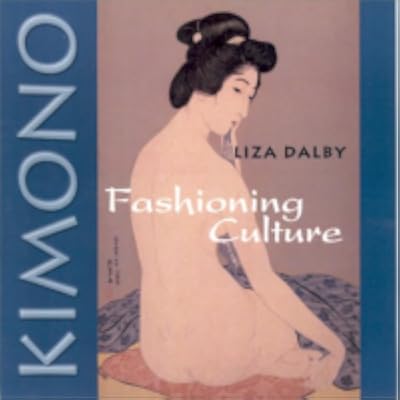
Anthropologist Lisa Dalby and later, Arthur Golden in his novel (Geisha) made a persuasive case that there were much worse alternatives for poor women than becoming geisha of the high-end Kyoto district. A hot springs geisha in a tourist town was much more low rent; it was questionable whether a woman picked up much in the way of musical skills and the patron possibilities were, as we see here, more on the order of local yakuza. But it wasn't the lowest rung on the prostitute ladder, not by a long shot. Nonetheless we have one young woman allowing herself to die untreated of a venereal disease, another committing suicide, and Sayo herself attempting to kill herself. The good old days were better for women, right?
The houses were closed down in 1943 and it doesn't occur to Sayo to go back to the trade--instead she scrabbles for food in the countryside (!) of Chiba that she can being back for sale in Tokyo. She works alongside Koreans, a reformed murderer (who had done despicable things in China) and of course has to deal with gangsters.
When she needs money for her ill brother in the postwar period, she does turn to prostitution briefly, though she doesn't provide any details. Whether this was brothel work or what, she doesn't tell.
I think anyone familiar with Japan will be very surprised that such a sympathetic memoir, of a despised woman and class, was first published in the 1950s as a piece in a woman's magazine--and later in the early 1960s, as a short, page turner of a book.
Amazing to me that she was in her early 30s when she "wrote" this, with an attitude that her life was just about over and yet in 2002, at the time of translation, she was still alive, living anonymously in Tokyo. I respect the translator and Japanese editor for protecting Masuda-san's privacy but I so want to know what happened to her after the book was published, enabling her to live comfortably for the rest of her life. I'm sure that her mother, if alive, and the other half-siblings (whom she must have met for a few days at age 12) rediscovered her. I hoped she found some children to adopt.
And there must be loads of movie and TV adaptations? show less
(To think that many people today in pampered, well-fed, kitsch-burden Japan are living with these memories. And they were still middle-aged when I lived in Japan.)
I suppose a great deal of credit goes to the editor, who coached such moving details from this unschooled, illegitimate girl, whose first memories were of being a "nursie" babysitter to a landowner's children. She didn't know her own name when her mother show more turned up when she was about 12--only to indenture her onward to become a hot springs geisha. (The indentured terms are still like that in Thailand, in the massage parlors and the lower brothels that aren't quite the slave quarters.)
But Sayo did have these acute feelings. Especially with her affectionate little brother, she conjures up the details that made him so precious to her.
Anthropologist Lisa Dalby and later, Arthur Golden in his novel (Geisha) made a persuasive case that there were much worse alternatives for poor women than becoming geisha of the high-end Kyoto district. A hot springs geisha in a tourist town was much more low rent; it was questionable whether a woman picked up much in the way of musical skills and the patron possibilities were, as we see here, more on the order of local yakuza. But it wasn't the lowest rung on the prostitute ladder, not by a long shot. Nonetheless we have one young woman allowing herself to die untreated of a venereal disease, another committing suicide, and Sayo herself attempting to kill herself. The good old days were better for women, right?
The houses were closed down in 1943 and it doesn't occur to Sayo to go back to the trade--instead she scrabbles for food in the countryside (!) of Chiba that she can being back for sale in Tokyo. She works alongside Koreans, a reformed murderer (who had done despicable things in China) and of course has to deal with gangsters.
When she needs money for her ill brother in the postwar period, she does turn to prostitution briefly, though she doesn't provide any details. Whether this was brothel work or what, she doesn't tell.
I think anyone familiar with Japan will be very surprised that such a sympathetic memoir, of a despised woman and class, was first published in the 1950s as a piece in a woman's magazine--and later in the early 1960s, as a short, page turner of a book.
Amazing to me that she was in her early 30s when she "wrote" this, with an attitude that her life was just about over and yet in 2002, at the time of translation, she was still alive, living anonymously in Tokyo. I respect the translator and Japanese editor for protecting Masuda-san's privacy but I so want to know what happened to her after the book was published, enabling her to live comfortably for the rest of her life. I'm sure that her mother, if alive, and the other half-siblings (whom she must have met for a few days at age 12) rediscovered her. I hoped she found some children to adopt.
And there must be loads of movie and TV adaptations? show less
Despite it is a very sad book, I liked to read it.
Not because I love to read about other people's misery, but because this autobiography gave a better look into the reality of a geisha's training.
It was not easy to read about the difficulties Matsuda faced as a child, being sent away again and again, lacking a loving family and, when she was a grown up, the circumstances of war. Reading about what she had to do to survive, how desperate she has been was not pleasant, but I am glad I did read this book, for it takes away a bit of the glamour & glitter that geisha-hood is surrounded with for foreigners.
Although I knew that the training is hard, that young girls are more often sold to geisha houses out of poverty than out of free will show more of the girl, I had no idea that there was a geisha world like the one described by Matsuda. show less
Not because I love to read about other people's misery, but because this autobiography gave a better look into the reality of a geisha's training.
It was not easy to read about the difficulties Matsuda faced as a child, being sent away again and again, lacking a loving family and, when she was a grown up, the circumstances of war. Reading about what she had to do to survive, how desperate she has been was not pleasant, but I am glad I did read this book, for it takes away a bit of the glamour & glitter that geisha-hood is surrounded with for foreigners.
Although I knew that the training is hard, that young girls are more often sold to geisha houses out of poverty than out of free will show more of the girl, I had no idea that there was a geisha world like the one described by Matsuda. show less
Members
- Recently Added By
Lists

Top Five Books of 2014
1,064 works; 397 members
Author Information
2 Works 464 Members
Common Knowledge
- Original publication date
- 2003 (English) (English)
- Last words
- (Click to show. Warning: May contain spoilers.)It's a simple pleasure, I guess; but for me, being able to speak to a photograph of my little brother without the slightest sense of guilt is the greatest of all joys.
- Original language
- Japanese
Classifications
- Genres
- Biography & Memoir, Nonfiction, General Nonfiction
- DDC/MDS
- 920 — History & geography Biographies, Genealogy, Heraldry Biographies
- LCC
- GT3412.7 .M37 .A3 — Geography, Anthropology and Recreation Manners and customs (General) Manners and customs (General) Customs relative to public and social life
- BISAC
Statistics
- Members
- 461
- Popularity
- 66,457
- Reviews
- 16
- Rating
- (3.58)
- Languages
- English, German
- Media
- Paper
- ISBNs
- 6
- ASINs
- 1