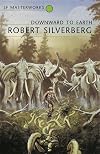
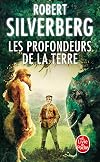
Downward to the Earth
by Robert Silverberg
On This Page
Description
A lone man must make a journey across a once-colonized alien planet abandoned by mankind when it was discovered that the species there were actually sentient. Gundersen returns to Holman's World seeking atonement for his harsh years as colonial governor. But now this lush, exotic planet of mystery is called by its ancient name of Belzagor, and it belongs once again to its native alien races, the nildoror and the sulidoror. Drawn by its spell, Gundersen begins a harrowing pilgrimage to its show more mist-shrouded north to witness a strange ritual rebirth that will alter him forever. This is one of Silverberg's most intense novels and draws heavily on Joseph Conrad's Heart of Darkness. It puts listeners at the heart of the experience and forces them to ask what they would do in the same circumstances. show lessTags
Recommendations























Member Recommendations
aulsmith Silverberg was inspired by Conrad's story to write Downward to Earth and makes some interesting comments on the themes that Conrad explores.
Member Reviews
Downward to the Earth is a serious effort by Robert Silverberg to create a sci-fi take on Joseph Conrad’s Heart of Darkness. Silverberg says in a 2011 Afterword that he thought the novel was a failure until it started getting rave reviews and award nominations. The trouble with imitating a great writer like Conrad is that nothing you can do will measure up. Lots of folks might write a novel about a guy who walks around Dublin all day, but unless they are James Joyce, it won’t be Ulysses.
So, no, Downward to the Earth does not have the poetic prose of Conrad, but that does not mean that the story does not have merit.
Edmund Gundersen returns to the planet Belzagor, a former colony whose inhabitants have been declared sapient and show more given their freedom. Gundersen feels he must atone for once interfering with a scheduled rebirthing ritual. As penance, he takes a job traveling up country to confront Cedric Cullen, who has violated native taboos. Along the way, Gundersen meets a man named Kurtz and his wife, who, in different ways, have merged with the native ecology. He is horrified and enthralled by the encounter.
Silverberg is not as interested in postcolonial politics as he is in describing an existential encounter with the alien other. In that way, he looks forward to Jeff VanderMeer as much as he looks backward to Conrad. show less
So, no, Downward to the Earth does not have the poetic prose of Conrad, but that does not mean that the story does not have merit.
Edmund Gundersen returns to the planet Belzagor, a former colony whose inhabitants have been declared sapient and show more given their freedom. Gundersen feels he must atone for once interfering with a scheduled rebirthing ritual. As penance, he takes a job traveling up country to confront Cedric Cullen, who has violated native taboos. Along the way, Gundersen meets a man named Kurtz and his wife, who, in different ways, have merged with the native ecology. He is horrified and enthralled by the encounter.
Silverberg is not as interested in postcolonial politics as he is in describing an existential encounter with the alien other. In that way, he looks forward to Jeff VanderMeer as much as he looks backward to Conrad. show less
SF is varied, it's not always about space, technology, gadgets, artificial intelligence. Robert Silverberg takes a different approach, a more spiritual one, so to speak. This book is apparently based on [b:Heart of Darkness|4900|Heart of Darkness|Joseph Conrad|https://images.gr-assets.com/books/1392799983s/4900.jpg|2877220] by [a:Joseph Conrad|3345|Joseph Conrad|https://images.gr-assets.com/authors/1403814208p2/3345.jpg] and, in a way, [b:Gulliver's Travels|7733|Gulliver's Travels|Jonathan Swift|https://images.gr-assets.com/books/1427829692s/7733.jpg|2394716] by [a:Jonathan Swift|1831|Jonathan Swift|https://images.gr-assets.com/authors/1183238507p2/1831.jpg].
The title comes from a quote from Ecclesiastes:
Who knoweth the spirit of man show more that goeth upward, and the spirit of the beast that goeth downward to the earth?
ECCLESIASTES 3:21
----------
The main character, Gundersen, travels back to the jungle planet (Holman's World, as it was named by man, although its original name was Belzagor) on which he, 8 years ago, had the task to prepare it for human settlement, to colonise it. The already present population and creatures resemble elephants, apes (sulidor / sulidoror when plural), mountain goats, and what have you. Mainly the elephant-like creatures, nildor (nildoror when plural), were used as workforces, just like on Earth. Little did Gundersen and the other people sent out on this mission know or realise that these populations (by lack of a better term) have their own way of communicating, their own language(s), their own way of living, and so on, even if they aren't capable of setting up a "modern" civilisation, aren't active in the world of art, ... Hence (unjustly) seeing them as savages and mere animals.
All this takes place in a far future; many installations are automated, there are robots who take care of certain tasks. Any repairs are also done automatically, when the tools are present and the machinery hasn't succumbed to the local circumstances (wear and tear, climate, ...). Gundersen left when man had to relinquish their "rights" to the planet. Other stayed, for whatever reason. The installations (hotel, bungalow, research stations, ...) are decaying, slowly but surely, because the local populations have reclaimed and taken back possession of their land and traditions.
Eight years after his leaving, he decides to return to witness a strange kind of ceremony. Upon arrival, he knows he will have to follow the local laws and rules. Since he wants to go to the mist-shrouded country up north, he must obtain permission from an elder nildor. This he gets, but under one condition: bring back a man who committed a crime, but is hiding in sulidor (the fanged ape-like creatures) country.
One thing leads to another and Gundersen can finally begin his new mission, despite the difficulties he experiences. Cold weather, varying levels of humidity, etc., all without proper preparation. Just his jungle outfit. Like, dude, you've stayed ten years on that planet, surely you know that you need to prepare when moving out? Food, clothing, tools, ...? It's a miracle he didn't freeze to death or have migraines or something else.
The encounter with his former lover, Seena, is awkward, but memories pop up again and it's like they never separated. Seena is described in a typical, objective way, although she still cares about Gundersen, but also her new husband, Kurtz. Kurtz was one of the researchers, who messed with the nildoror's culture (snake venom). He also wanted to see what this "rebirth" ceremony entailed, but didn't come out as expected. The nildoror and sulidor have to go through this process when they're called, almost like Muslims have to, at least once in their lives, go to Mecca. Only on Belzagor, the process is indeed life-changing and depends on your inner being, your soul. That's also when Gundersen sees the light about himself and the local populations.
----------
I am positively surprised by how good this novel is. Silverberg's writing is quite fluid and very descriptive. He described the populations, the environment (plants, rocks, buildings, ...) as detailed as was necessary to make the story more lively, to have the reader experience it all from a front-row seat. The message is one about respect for others, for other cultures, for anything that may not conform or correspond to your own view on life. It's about looking inward. It's also a complaint against colonialism and (mainly western?) supremacy towards, as I saw it, African, Asian, and other people.
Despite a few details (e.g. the flawed character who, as a former governor of the planet, finds it unnecessary to properly prepare his visit and travels; but you can somehow sympathise with him and the locals / the way Seena is described / ... - one must realise, though, that the story was written more than 40 years ago), this book is recommended reading material, whether you're into SF or not. show less
The title comes from a quote from Ecclesiastes:
Who knoweth the spirit of man show more that goeth upward, and the spirit of the beast that goeth downward to the earth?
ECCLESIASTES 3:21
----------
The main character, Gundersen, travels back to the jungle planet (Holman's World, as it was named by man, although its original name was Belzagor) on which he, 8 years ago, had the task to prepare it for human settlement, to colonise it. The already present population and creatures resemble elephants, apes (sulidor / sulidoror when plural), mountain goats, and what have you. Mainly the elephant-like creatures, nildor (nildoror when plural), were used as workforces, just like on Earth. Little did Gundersen and the other people sent out on this mission know or realise that these populations (by lack of a better term) have their own way of communicating, their own language(s), their own way of living, and so on, even if they aren't capable of setting up a "modern" civilisation, aren't active in the world of art, ... Hence (unjustly) seeing them as savages and mere animals.
All this takes place in a far future; many installations are automated, there are robots who take care of certain tasks. Any repairs are also done automatically, when the tools are present and the machinery hasn't succumbed to the local circumstances (wear and tear, climate, ...). Gundersen left when man had to relinquish their "rights" to the planet. Other stayed, for whatever reason. The installations (hotel, bungalow, research stations, ...) are decaying, slowly but surely, because the local populations have reclaimed and taken back possession of their land and traditions.
Eight years after his leaving, he decides to return to witness a strange kind of ceremony. Upon arrival, he knows he will have to follow the local laws and rules. Since he wants to go to the mist-shrouded country up north, he must obtain permission from an elder nildor. This he gets, but under one condition: bring back a man who committed a crime, but is hiding in sulidor (the fanged ape-like creatures) country.
One thing leads to another and Gundersen can finally begin his new mission, despite the difficulties he experiences. Cold weather, varying levels of humidity, etc., all without proper preparation. Just his jungle outfit. Like, dude, you've stayed ten years on that planet, surely you know that you need to prepare when moving out? Food, clothing, tools, ...? It's a miracle he didn't freeze to death or have migraines or something else.
The encounter with his former lover, Seena, is awkward, but memories pop up again and it's like they never separated. Seena is described in a typical, objective way, although she still cares about Gundersen, but also her new husband, Kurtz. Kurtz was one of the researchers, who messed with the nildoror's culture (snake venom). He also wanted to see what this "rebirth" ceremony entailed, but didn't come out as expected. The nildoror and sulidor have to go through this process when they're called, almost like Muslims have to, at least once in their lives, go to Mecca. Only on Belzagor, the process is indeed life-changing and depends on your inner being, your soul. That's also when Gundersen sees the light about himself and the local populations.
----------
I am positively surprised by how good this novel is. Silverberg's writing is quite fluid and very descriptive. He described the populations, the environment (plants, rocks, buildings, ...) as detailed as was necessary to make the story more lively, to have the reader experience it all from a front-row seat. The message is one about respect for others, for other cultures, for anything that may not conform or correspond to your own view on life. It's about looking inward. It's also a complaint against colonialism and (mainly western?) supremacy towards, as I saw it, African, Asian, and other people.
Despite a few details (e.g. the flawed character who, as a former governor of the planet, finds it unnecessary to properly prepare his visit and travels; but you can somehow sympathise with him and the locals / the way Seena is described / ... - one must realise, though, that the story was written more than 40 years ago), this book is recommended reading material, whether you're into SF or not. show less
The sci-fi sequel to Orwell's "Shooting an elephant". I found this easy-to-read sci fi novel especially noteworthy because of the colonialism angle: a former colonial officer returns to a now-independent world in an attempt to find closure. In the afterword, Silverberg says he thought the novel never engaged as deeply with this theme as he liked, and I agree with him. Themes of empathy, domination, and otherness get entry-level evaluation (which, to be sure, makes it a good entry into them for newer readers). But there's still a lot to like. Despite some Christian window-dressing, the themes of repentance and return feel like they're written by someone named 'Silverberg'. The Big Ending never jumps the shark, and I especially show more appreciated how the event haunting the protagonist was terrible in its smallness, not its grandeur. Not an essential exploration of colonialism in literature, but still worth remembering. show less
ORIGINALLY POSTED AT Fantasy Literature.
After being back on Earth for eight years, Edmund Gunderson returns to the formerly colonized planet Belzagor where he used to be one of the human rulers of the two intelligent species who live there — the nildoror, who look much like elephants, and the sulidoror, who look like apes. While Gunderson was on Belzagor, he considered these species to be soulless and stupid, but now that the humans have given up their control of the planet, he realizes that he sinned against the nildoror, and he wants to cleanse his conscience by undergoing their ritual of rebirth.
When Gunderson arrives, he finds that the planet is gradually reverting back to the wild (the nildoror don’t have opposable thumbs, show more after all) and he marvels that the nildoror and the sulidoror are now working and living together — a practice which they did not keep when the humans ruled the planet. After he gets the nildoror’s permission to travel freely, he sets out across the planet and travels to the place of rebirth. Along the way, he encounters the beauty and the terror of that wild planet, learns more about the species that inhabit it, and begins to fully realize the evil he committed there.
If this sounds a little familiar, that’s because Robert Silverberg’s Downward to the Earth (1970) is his tribute to Joseph Conrad’s Heart of Darkness (1902), which explored the Belgians’ cruel colonization of the Congo. Silverberg makes his homage transparent by naming one of his characters after Conrad’s Kurtz. Like Heart of Darkness, Downward to the Earth was first serialized and later published as a novel. Also, like Heart of Darkness, Silverberg’s descriptions of the coexisting beauty and horror of Belzagor are the best parts of the book.
The title Downward to the Earth, comes from Ecclesiastes 3:21 (“Who knows that the spirit of man ascends upward and the spirit of the beast descends downward to the earth?”). Not only does Silverberg consider the question of what happens to the souls of humans and beasts, but he also asks how we should distinguish a human from a beast. Are some “beasts” more human than we are?
Downward to the Earth could be considered as Christian allegory because it beautifully illustrates the pain of guilt and loneliness, the desire for redemption, the relief of forgiveness and liberation, and the pleasure of unity with like-minded souls. There is much Christian symbolism, too, including a serpent who offers a drug which promises the knowledge of good and evil (Genesis 3:5). Silverberg portrays the drinking of the serpent’s drug as a great sin, but the commission of this sin leads to the understanding of the need to be reborn (“through the law comes the knowledge of sin” ~Romans 3:20). The allegory eventually breaks down (as allegories usually do) when we see how the redemption is accomplished, but I enjoyed this thought-provoking aspect of the novel.
Blackstone Audio produced the version I listened to which was read by the magnificent Bronson Pinchot, one of my favorite readers. Downward to the Earth is a beautiful story and the audiobook is a great way to read it. show less
After being back on Earth for eight years, Edmund Gunderson returns to the formerly colonized planet Belzagor where he used to be one of the human rulers of the two intelligent species who live there — the nildoror, who look much like elephants, and the sulidoror, who look like apes. While Gunderson was on Belzagor, he considered these species to be soulless and stupid, but now that the humans have given up their control of the planet, he realizes that he sinned against the nildoror, and he wants to cleanse his conscience by undergoing their ritual of rebirth.
When Gunderson arrives, he finds that the planet is gradually reverting back to the wild (the nildoror don’t have opposable thumbs, show more after all) and he marvels that the nildoror and the sulidoror are now working and living together — a practice which they did not keep when the humans ruled the planet. After he gets the nildoror’s permission to travel freely, he sets out across the planet and travels to the place of rebirth. Along the way, he encounters the beauty and the terror of that wild planet, learns more about the species that inhabit it, and begins to fully realize the evil he committed there.
If this sounds a little familiar, that’s because Robert Silverberg’s Downward to the Earth (1970) is his tribute to Joseph Conrad’s Heart of Darkness (1902), which explored the Belgians’ cruel colonization of the Congo. Silverberg makes his homage transparent by naming one of his characters after Conrad’s Kurtz. Like Heart of Darkness, Downward to the Earth was first serialized and later published as a novel. Also, like Heart of Darkness, Silverberg’s descriptions of the coexisting beauty and horror of Belzagor are the best parts of the book.
The title Downward to the Earth, comes from Ecclesiastes 3:21 (“Who knows that the spirit of man ascends upward and the spirit of the beast descends downward to the earth?”). Not only does Silverberg consider the question of what happens to the souls of humans and beasts, but he also asks how we should distinguish a human from a beast. Are some “beasts” more human than we are?
Downward to the Earth could be considered as Christian allegory because it beautifully illustrates the pain of guilt and loneliness, the desire for redemption, the relief of forgiveness and liberation, and the pleasure of unity with like-minded souls. There is much Christian symbolism, too, including a serpent who offers a drug which promises the knowledge of good and evil (Genesis 3:5). Silverberg portrays the drinking of the serpent’s drug as a great sin, but the commission of this sin leads to the understanding of the need to be reborn (“through the law comes the knowledge of sin” ~Romans 3:20). The allegory eventually breaks down (as allegories usually do) when we see how the redemption is accomplished, but I enjoyed this thought-provoking aspect of the novel.
Blackstone Audio produced the version I listened to which was read by the magnificent Bronson Pinchot, one of my favorite readers. Downward to the Earth is a beautiful story and the audiobook is a great way to read it. show less
Boy, this feels dated. Gunderson returns to the planet he helped colonise, ten years ago, to make amends for his colonial behaviour and find out more about the process of rebirth which is a key part of the Nildoror race's culture. This whole book is about the white man's guilt. He treated the locals like animals, he didn't understand them, he actively participated in events which caused massive disruption and offence.
There's no questioning Silverberg's talent, though. Although it feels like a product of the 1970s, he makes you feel like you're standing on the planet. In your tinfoil boots.
There's no questioning Silverberg's talent, though. Although it feels like a product of the 1970s, he makes you feel like you're standing on the planet. In your tinfoil boots.
I can't say that I didn't enjoy this book because I did, it was the ending that let it down for me. The main character feels like he has turned into a messiah!
Maybe he has but it felt so contrived that I was a little uncomfortable with it.
Overall the storyline was interesting with some nice plot twists along the way as we discover all about this world and it's creatures. I even bought into the fact that one of the intelligent species resembled elephants on our planet. I mean, who's to say what does exist out there on other worlds.
The author built a believable world in almost every respect apart from the final scene.
Maybe he has but it felt so contrived that I was a little uncomfortable with it.
Overall the storyline was interesting with some nice plot twists along the way as we discover all about this world and it's creatures. I even bought into the fact that one of the intelligent species resembled elephants on our planet. I mean, who's to say what does exist out there on other worlds.
The author built a believable world in almost every respect apart from the final scene.
Inspired by Joseph Conrad's Heart of Darkness, Silverberg writes a very different book about colonial administrations, trips up-country, secrets, and redemption. Silverberg tends to write very picaresque travel adventure stories where the protagonist goes from one weird alien setting to another. While I don't dislike these kinds of narratives, they often drag, and this was not an exception. In addition, you can see many of the answers the protagonist is seeking about 70 pages before he does. Nevertheless, I thought that Silverberg delivered a sufficiently interesting end to the book to redeem these flaws. He ties up many things and makes some interesting comments on the Conrad story at the same time.
Members
- Recently Added By
Lists

S.F. Masterworks (Complete)
229 works; 15 members

METAfiction
21 works; 4 members

Stories Inspired by Other Fiction
127 works; 24 members

David Pringle's Science Fiction: The 100 Best Novels
101 works; 9 members

SF Masterworks
193 works; 8 members
Author Information

988+ Works 62,628 Members
Some Editions
Awards and Honors
Notable Lists
Series
Belongs to Publisher Series
Work Relationships
Is contained in
Has the adaptation
Was inspired by
Common Knowledge
- Canonical title
- Downward to the Earth
- Original title
- Downward to the Earth
- Original publication date
- 1969
- People/Characters
- Edmund Gundersen; Van Beneker; Cedric Cullen; Seena Royce; Jeff Kurtz
- Important places
- Belzagor
- Epigraph
- Who knoweth the spirit of man that goeth upward, and the spirit of the beast that goeth downward to the earth? Ecclesiastes iii,21
- First words
- He had come back to Holman's World after all.
- Last words
- (Click to show. Warning: May contain spoilers.)'Now,' said the sulidor, and together they began to descend the windswept mountain.
- Blurbers
- Le Guin, Ursula K.
- Original language
- English
Classifications
Statistics
- Members
- 862
- Popularity
- 31,728
- Reviews
- 21
- Rating
- (3.66)
- Languages
- 6 — Czech, English, French, German, Polish, Spanish
- Media
- Paper, Audiobook, Ebook
- ISBNs
- 34
- ASINs
- 23