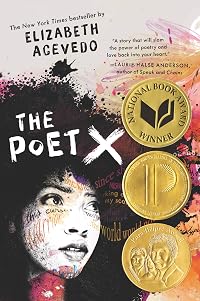
The Poet X
by Elizabeth Acevedo
On This Page
Description
Don't miss this acclaimed audiobook, read by the author—winner of an Odyssey Honor and an AudioFile Earphones Award winner!The Poet X is also the winner of the National Book Award for Young People's Literature, the Michael L. Printz Award, and the Pura Belpré Award.
Fans of Jacqueline Woodson, Meg Medina, and Jason Reynolds will fall hard for this astonishing New York Times-bestselling novel-in-verse by an award-winning slam poet, about an Afro-Latina heroine who tells her story with show more blazing words and powerful truth.
Xiomara Batista feels unheard and unable to hide in her Harlem neighborhood. Ever since her body grew into curves, she has learned to let her fists and her fierceness do the talking.
But Xiomara has plenty she wants to say, and she pours all her frustration and passion onto the pages of a leather notebook, reciting the words to herself like prayers—especially after she catches feelings for a boy in her bio class named Aman, who her family can never know about.
With Mami's determination to force her daughter to obey the laws of the church, Xiomara understands that her thoughts are best kept to herself. So when she is invited to join her school's slam poetry club, she doesn't know how she could ever attend without her mami finding out. But she still can't stop thinking about performing her poems.
Because in the face of a world that may not want to hear her, Xiomara refuses to be silent.
"Crackles with energy and snaps with authenticity and voice." —Justina Ireland, author of Dread Nation
"An incredibly potent debut." —Jason Reynolds, author of the National Book Award Finalist Ghost
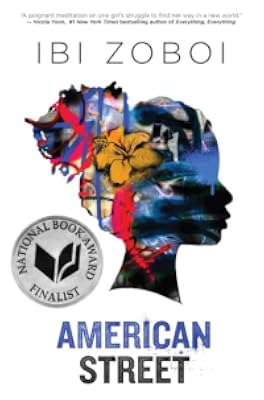
"Acevedo has amplified the voices of girls en el barrio who are equal parts goddess, saint, warrior, and hero." —Ibi Zoboi, author of American Street
. show less
Tags
Recommendations

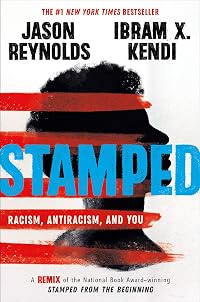
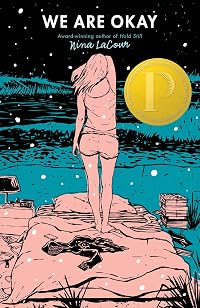
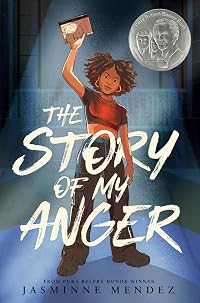
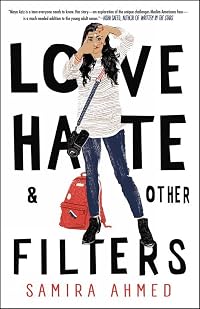



Member Reviews
The Poet X by Elizabeth Acevedo is a fascinating and thought-provoking story, told entirely through snapshot poems, focusing on Xiomara Batista, a young girl from Harlem with an extraordinary talent for writing poetry. The novel explores themes of family, religion, love, and self-discovery. The author uses vivid descriptions and rich language to paint a vivid picture of Xiomara's world.
Acevedo's writing style is powerful and evocative. She uses sensory details and metaphors to create an immersive reading experience. The novel is filled with complex characters, each with their own unique motivations and struggles. Xiomara’s parents, for example, are portrayed as deeply flawed individuals struggling with their own issues. The author show more handles these complexities with nuance and empathy, making the characters feel real and relatable. I certainly resonated with Xiomara's frustration with her Mami not listening to her, with being forced to a religion she felt she'd outgrown, with having to hide the truth of who she is. All things I grew up with.
The Poet X is a coming-of-age journey of self-discovery that is inspiring and empowering, especially for young readers, and deals with issues such as racism, sexism, and homophobia. Overall, The Poet X is a wonderful novel that will leave a lasting impression on its readers. Recommended!
***Read for my enjoyment show less
Acevedo's writing style is powerful and evocative. She uses sensory details and metaphors to create an immersive reading experience. The novel is filled with complex characters, each with their own unique motivations and struggles. Xiomara’s parents, for example, are portrayed as deeply flawed individuals struggling with their own issues. The author show more handles these complexities with nuance and empathy, making the characters feel real and relatable. I certainly resonated with Xiomara's frustration with her Mami not listening to her, with being forced to a religion she felt she'd outgrown, with having to hide the truth of who she is. All things I grew up with.
The Poet X is a coming-of-age journey of self-discovery that is inspiring and empowering, especially for young readers, and deals with issues such as racism, sexism, and homophobia. Overall, The Poet X is a wonderful novel that will leave a lasting impression on its readers. Recommended!
***Read for my enjoyment show less
An incredible novel in verse with a captivating voice (the audiobook is read by the author, and I highly recommend listening to it). Dominican-American Xiomara Batista lives in Harlem with her parents and twin brother, but she feels constrained by her mother's rules and religion. The twins are close, but their mother treats them differently, largely because of their gender: Xiomara is expected to come home immediately after school and do housework and homework, and is only allowed out for church. A boyfriend is out of the question, as is poetry club (it conflicts with confirmation class).
*Spoiler alert* But Xiomara is a born poet, and the only place she has to express herself is the notebook her brother gave her - which her mother show more discovers, and burns. This precipitates a family crisis: Xiomara runs away, stays the night at Aman's house, and only returns home last night with her brother, best friend Caridad, and the priest Father Sean. Ultimately, the family is able to take steps toward healing, and they even attend a poetry slam that Xiomara's supportive English teacher, Ms. Galiano, won't let her back out of.
Xiomara is trapped in many ways, and her notebook is the only place she is free to express herself. She has spent her life defending Twin, who is a small-framed genius, and ever since her body developed, she has been shamed by her mother and cat-called and harassed in her neighborhood and at school. Her best friend, Caridad, is the daughter X's mother wishes for, a quiet rule-follower, though she is a good friend to X and Twin. Aman is, in many ways, a model boyfriend: patient, kind, a good listener, doesn't press Xiomara to do anything she's uncomfortable with, admires her poems. We get a little bit of Xiomara's mother Altagracia's history - she wanted to become a nun, but was forced into marriage, and it took many years to have the twins, her miracle babies - but I still found her book-burning unforgivable.
Ms. Galiano is a great teacher, and it was fun to see the Nuyorican Poets Cafe in fiction.
Quotes
I touch my tongue to the word volition,
like it's a fruit I've never tasted
that's already gone sour in my mouth. (26)
...one thing I know for sure
is that reputations last longer than the time it takes to make them. (35)
...this place is just a place,
neither safe nor unsafe, just a means, just a way to get closer
to escape. (36)
Sometimes it seems like writing is the only way I keep from hurting. (41)
I look and feel like a myth. (48)
But although I like to look, I hate to be seen. (50)
The world is almost peaceful
when you stop trying
to understand it. (223)
And I am sorry.
That she found it, that I wrote it, that I ever thought
my thoughts were mine. (302)
I raise [my hands] here
to build the church of myself. (307)
"Burn it! Burn it.
This is where the poems are," I say,
thumping a fist against my chest.
"Will you burn me? Will you burn me, too?" (308)
"You don't have to do anything you don't want to do."
And so I take a breath
I didn't realize I needed to take.
When has anyone ever said those words to me? (333) show less
*Spoiler alert* But Xiomara is a born poet, and the only place she has to express herself is the notebook her brother gave her - which her mother show more discovers, and burns. This precipitates a family crisis: Xiomara runs away, stays the night at Aman's house, and only returns home last night with her brother, best friend Caridad, and the priest Father Sean. Ultimately, the family is able to take steps toward healing, and they even attend a poetry slam that Xiomara's supportive English teacher, Ms. Galiano, won't let her back out of.
Xiomara is trapped in many ways, and her notebook is the only place she is free to express herself. She has spent her life defending Twin, who is a small-framed genius, and ever since her body developed, she has been shamed by her mother and cat-called and harassed in her neighborhood and at school. Her best friend, Caridad, is the daughter X's mother wishes for, a quiet rule-follower, though she is a good friend to X and Twin. Aman is, in many ways, a model boyfriend: patient, kind, a good listener, doesn't press Xiomara to do anything she's uncomfortable with, admires her poems. We get a little bit of Xiomara's mother Altagracia's history - she wanted to become a nun, but was forced into marriage, and it took many years to have the twins, her miracle babies - but I still found her book-burning unforgivable.
Ms. Galiano is a great teacher, and it was fun to see the Nuyorican Poets Cafe in fiction.
Quotes
I touch my tongue to the word volition,
like it's a fruit I've never tasted
that's already gone sour in my mouth. (26)
...one thing I know for sure
is that reputations last longer than the time it takes to make them. (35)
...this place is just a place,
neither safe nor unsafe, just a means, just a way to get closer
to escape. (36)
Sometimes it seems like writing is the only way I keep from hurting. (41)
I look and feel like a myth. (48)
But although I like to look, I hate to be seen. (50)
The world is almost peaceful
when you stop trying
to understand it. (223)
And I am sorry.
That she found it, that I wrote it, that I ever thought
my thoughts were mine. (302)
I raise [my hands] here
to build the church of myself. (307)
"Burn it! Burn it.
This is where the poems are," I say,
thumping a fist against my chest.
"Will you burn me? Will you burn me, too?" (308)
"You don't have to do anything you don't want to do."
And so I take a breath
I didn't realize I needed to take.
When has anyone ever said those words to me? (333) show less
The Poet X is an excellent YA novel written in easy-to-read free verse. Xiomara Batista ("X") is making her way through adolescence in a Harlem high school. She has a very strict Catholic mother who may be "do as I say, not as I did." X doesn't tolerate unwelcome lotharios or meanness, and sometimes has to stick up for her gentle, smart twin brother. I loved her questioning of her Catholic faith and the patriarchy impressed on her, even if her mother doesn't. X is studying for her confirmation while filled with uncertainties, and has a romance blossoming with a science partner that must be kept hidden from her parents. X loves to write poetry, and yearns to join the school's slam poetry team - which meets at the same time as show more confirmation class.
"“The world is almost peaceful when you stop trying to understand it.”
“My brother was born a soft whistle:
quiet, barely stirring the air, a gentle sound.
But I was born all the hurricane he needed
to lift - and drop- those that hurt him to the ground.”
“Maybe, the only thing that has to make sense
about being somebody's friend
is that you help them be their best self
on any given day. That you give them a home
when they don't want to be in their own.”
The author is a successful slam poet herself, and the writing here is easy and natural. This is about a girl struggling to find herself and her way, ready to do battle to make that happen. Because this is a YA book, the ending perhaps is a bit neater and more upbeat than it might have been. X will keep you racing through the pages and pulling for her to make it.bbbbbbb. show less
"“The world is almost peaceful when you stop trying to understand it.”
“My brother was born a soft whistle:
quiet, barely stirring the air, a gentle sound.
But I was born all the hurricane he needed
to lift - and drop- those that hurt him to the ground.”
“Maybe, the only thing that has to make sense
about being somebody's friend
is that you help them be their best self
on any given day. That you give them a home
when they don't want to be in their own.”
The author is a successful slam poet herself, and the writing here is easy and natural. This is about a girl struggling to find herself and her way, ready to do battle to make that happen. Because this is a YA book, the ending perhaps is a bit neater and more upbeat than it might have been. X will keep you racing through the pages and pulling for her to make it.bbbbbbb. show less
I'm officially completely in love with Acevedo's work. This is the third book I've read of hers and I've loved each one. She writes young women in such a believable and intimate way. She captures their strength and vulnerability while also exploring a Dominican Republic heritage. She wrote the whole novel in verse and I'm not a poetry fan, so I was worried it wouldn't work for me. This is the story of a young poet struggling with new love and her religion. I highly recommend trying her out on audio. She reads her own books and her lyrical prose is incredible.
“And I think about all the things we could be if we were never told our bodies were not built for them.”
“I only know that learning to believe in the power of my own words has show more been the most freeing experience of my life. It has brought me the most light. And isn't that what a poem is? A lantern glowing in the dark.”
“Maybe, the only thing that has to make sense
about being somebody's friend
is that you help them be their best self
on any given day. That you give them a home
when they don't want to be in their own.” show less
“And I think about all the things we could be if we were never told our bodies were not built for them.”
“I only know that learning to believe in the power of my own words has show more been the most freeing experience of my life. It has brought me the most light. And isn't that what a poem is? A lantern glowing in the dark.”
“Maybe, the only thing that has to make sense
about being somebody's friend
is that you help them be their best self
on any given day. That you give them a home
when they don't want to be in their own.” show less
"I felt it here," I say.
(Full disclosure: I received a free copy of this book for review through Library Thing's Early Reviewers program. Trigger warning for sexual harassment and assault, misogyny, child abuse, and homophobia.)
And I knew then what I'd known since my period came:
my body was trouble. I had to pray the trouble out
of the body God gave me. My body was the problem.
And I didn't want any of those boys to be the ones to solve it.
I wanted to forget I had this body at all.
("The Last Fifteen-Year-Old")
Ms. Galiano asks about the themes and presentation style
but instead of raising my hand I press it against my heart
and will the chills on my arms to smooth out.
It was just a poem, Xiomara, I think.
But it felt more like a gift.
("Spoken show more Word")
Because so many of the poems tonight
felt a little like our own stories.
Like we saw and were seen.
And how crazy would it be
if I did that for someone else?
("Invitation")
Some people find novels written in verse gimmicky, but I adore them. I love poetry, but don't always "get" it, which can be frustrating. (Or, to quote the Poet X: "I don't always understand every line / but love the pictures being painted behind my eyelids.") But the poems in verse novels are usually more straight forward and easier to grasp. Plus there's something about the departure from more traditional narrative structures that just pulls me in. A novel written in verse is just what I need, every once in awhile. And The Poet X might be my favorite to date.
To say that fifteen-year-old Xiomara Batista lives in a strict Catholic household is an understatement. She and her twin, Xavier (but whom X mostly refers to as "Twin" in a way that's super-endearing) were "miracle babies," of a sort, born when their Dominican parents were already "old" and had given up on a family. Mami and Papi's was an arranged marriage; Altagracia would have preferred to marry God instead of the philanderer she ended up with. But she looks at Xavier and Xiomara as her reward for the misery she's endured.
Consequently, Mami projects all her dreams of extreme religiosity and life in the nunnery onto her children - her daughter especially. Xiomara's life is strictly regulated, from who she can associate with (talking to guys is not allowed; forget about dating!) to what she can do with her time outside of school (homework, chores, and church good; social life bad). Punishment includes hours spent kneeling on grains of rice in front of her mother's altar to the Virgin Mary - or a slap across the face. (There's actually worse, but giving it away would involve spoiling the plot.)
As tall and formidable as Xavier is small and scrawny, Xiomara has always settled conflicts with her fists, much to her mother's disapproval. As she grows older, Xiomara's discontent and disobedience only grow and swell. She challenges Father Sean as he espouses the Church's more misogynist teachings. She falls far her lab partner, Aman, over a pair of shared earbuds at the smoke park. She commits her increasingly "treacherous" thoughts to paper. And then, when Xiomara joins the poetry club at school and eventually enters a slam contest, she commits the gravest sin of all (in Mami's estimation, that is): she airs her family's dirty laundry, in public.
The Poet X is ... in a word, awesome. Let's start with the poetry, which is simply delicious. It sings and shouts and sometimes flutters right off the page to punch you in the throat...or heart. There's so much adolescent discontent and feminist subversiveness here; you could seriously make a whole etsy shop filled with tees and messenger bags using only the verses in this book. Acevedo's poetry is really something to behold.
And the story itself is dynamic and exciting, but also incredibly sorrowful and heartbreaking. There were some moments when I genuinely feared for Xiomara. It felt like Mami had cleaved my own heart in two when she did The Unforgivable Thing. (Honestly I don't know how there's any coming back from that.)
Xiomara is just an amazing character, full of passion and ferocity and righteous indignation. Yet she's also vulnerable and sometimes rendered voiceless by forces beyond her control. I'm not sure what's braver - standing up to Mami, or bleeding your feelings onto a hundred strangers, to examine and caress; to ultimately judge; to possibly reject. Though we're from entirely different backgrounds - race, religion, ethnicity, geography - there was so much in Xiomara's struggles as a teenage girl to which I could relate (most notably, developing early and having your body become an object of public discussion...though happily, my mother never hit me and called me a slut for using tampons. IS THIS REALLY STILL A THING!?).
Acevedo has created some wonderfully complex and nuanced characters here, especially where the young adults are concerned: Xavier, Caridad, and Aman - they all have so many layers to them. I kind of hope Xavier gets his own book. It would be marvelous to experience this same general time period through his eyes.
I don't care whether you particularly dig poetry or not; The Poet X is a must read, one of my favorites so far this year.
http://www.easyvegan.info/2018/08/21/the-poet-x-by-elizabeth-acevedo/ show less
(Full disclosure: I received a free copy of this book for review through Library Thing's Early Reviewers program. Trigger warning for sexual harassment and assault, misogyny, child abuse, and homophobia.)
And I knew then what I'd known since my period came:
my body was trouble. I had to pray the trouble out
of the body God gave me. My body was the problem.
And I didn't want any of those boys to be the ones to solve it.
I wanted to forget I had this body at all.
("The Last Fifteen-Year-Old")
Ms. Galiano asks about the themes and presentation style
but instead of raising my hand I press it against my heart
and will the chills on my arms to smooth out.
It was just a poem, Xiomara, I think.
But it felt more like a gift.
("Spoken show more Word")
Because so many of the poems tonight
felt a little like our own stories.
Like we saw and were seen.
And how crazy would it be
if I did that for someone else?
("Invitation")
Some people find novels written in verse gimmicky, but I adore them. I love poetry, but don't always "get" it, which can be frustrating. (Or, to quote the Poet X: "I don't always understand every line / but love the pictures being painted behind my eyelids.") But the poems in verse novels are usually more straight forward and easier to grasp. Plus there's something about the departure from more traditional narrative structures that just pulls me in. A novel written in verse is just what I need, every once in awhile. And The Poet X might be my favorite to date.
To say that fifteen-year-old Xiomara Batista lives in a strict Catholic household is an understatement. She and her twin, Xavier (but whom X mostly refers to as "Twin" in a way that's super-endearing) were "miracle babies," of a sort, born when their Dominican parents were already "old" and had given up on a family. Mami and Papi's was an arranged marriage; Altagracia would have preferred to marry God instead of the philanderer she ended up with. But she looks at Xavier and Xiomara as her reward for the misery she's endured.
Consequently, Mami projects all her dreams of extreme religiosity and life in the nunnery onto her children - her daughter especially. Xiomara's life is strictly regulated, from who she can associate with (talking to guys is not allowed; forget about dating!) to what she can do with her time outside of school (homework, chores, and church good; social life bad). Punishment includes hours spent kneeling on grains of rice in front of her mother's altar to the Virgin Mary - or a slap across the face. (There's actually worse, but giving it away would involve spoiling the plot.)
As tall and formidable as Xavier is small and scrawny, Xiomara has always settled conflicts with her fists, much to her mother's disapproval. As she grows older, Xiomara's discontent and disobedience only grow and swell. She challenges Father Sean as he espouses the Church's more misogynist teachings. She falls far her lab partner, Aman, over a pair of shared earbuds at the smoke park. She commits her increasingly "treacherous" thoughts to paper. And then, when Xiomara joins the poetry club at school and eventually enters a slam contest, she commits the gravest sin of all (in Mami's estimation, that is): she airs her family's dirty laundry, in public.
The Poet X is ... in a word, awesome. Let's start with the poetry, which is simply delicious. It sings and shouts and sometimes flutters right off the page to punch you in the throat...or heart. There's so much adolescent discontent and feminist subversiveness here; you could seriously make a whole etsy shop filled with tees and messenger bags using only the verses in this book. Acevedo's poetry is really something to behold.
And the story itself is dynamic and exciting, but also incredibly sorrowful and heartbreaking. There were some moments when I genuinely feared for Xiomara. It felt like Mami had cleaved my own heart in two when she did The Unforgivable Thing. (Honestly I don't know how there's any coming back from that.)
Xiomara is just an amazing character, full of passion and ferocity and righteous indignation. Yet she's also vulnerable and sometimes rendered voiceless by forces beyond her control. I'm not sure what's braver - standing up to Mami, or bleeding your feelings onto a hundred strangers, to examine and caress; to ultimately judge; to possibly reject. Though we're from entirely different backgrounds - race, religion, ethnicity, geography - there was so much in Xiomara's struggles as a teenage girl to which I could relate (most notably, developing early and having your body become an object of public discussion...though happily, my mother never hit me and called me a slut for using tampons. IS THIS REALLY STILL A THING!?).
Acevedo has created some wonderfully complex and nuanced characters here, especially where the young adults are concerned: Xavier, Caridad, and Aman - they all have so many layers to them. I kind of hope Xavier gets his own book. It would be marvelous to experience this same general time period through his eyes.
I don't care whether you particularly dig poetry or not; The Poet X is a must read, one of my favorites so far this year.
http://www.easyvegan.info/2018/08/21/the-poet-x-by-elizabeth-acevedo/ show less
 This review was written for LibraryThing Early Reviewers.
The Poet X is an absolutely powerful and unforgettable novel in verse that grabbed me from the very first page. Elizabeth Acevedo’s writing is raw, emotional, and beautifully lyrical as she tells the coming-of-age story of Xiomara, a Dominican teen in Harlem struggling with family expectations, religion, body image, and finding her own voice.
The slam poetry format makes the story feel incredibly personal and impactful, and Xiomara’s journey toward self-expression and confidence is both inspiring and deeply relatable. The family dynamics and cultural themes add so much depth and authenticity.
This is a stunning YA read that perfectly blends poetry, identity, romance, and growth. Emotional, empowering, and impossible to forget.
The slam poetry format makes the story feel incredibly personal and impactful, and Xiomara’s journey toward self-expression and confidence is both inspiring and deeply relatable. The family dynamics and cultural themes add so much depth and authenticity.
This is a stunning YA read that perfectly blends poetry, identity, romance, and growth. Emotional, empowering, and impossible to forget.
This book shook me. Xiomara is a teenage Dominican girl fending off groping males, navigating her complex home life - which include her mother’s staunch religious convictions, discovering her sexuality, and grappling with her identity as a poet and young woman.
Written in verse, Acevedo lends such a distinct voice to her protagonist that you feel every twinge of pain, sorrow, yearning, and triumph that Xiomara feels. Reading this book, I was transported to my teenage years where emotions felt so big, and I felt powerless in the face of everyone else’s expectations. Powerful stuff. Everyone should read immediately - especially adults. Sometimes we forget the exquisite pain and pleasure of finding out who we are.
Written in verse, Acevedo lends such a distinct voice to her protagonist that you feel every twinge of pain, sorrow, yearning, and triumph that Xiomara feels. Reading this book, I was transported to my teenage years where emotions felt so big, and I felt powerless in the face of everyone else’s expectations. Powerful stuff. Everyone should read immediately - especially adults. Sometimes we forget the exquisite pain and pleasure of finding out who we are.
Members
- Recently Added By
Lists

Amazon best fictional genre picks monthly for 2018
418 works; 9 members

Top Five Books of 2018
802 works; 265 members
Litsy Awards 2018
248 works; 9 members

Phi Beta Kappa reading list
260 works; 8 members

Banned or Challenged Books
400 works; 41 members

READ IN 2021
239 works; 4 members

Favorite Recent Poetry: 1980-2022
178 works; 70 members

Florida's Book Bans and Challenges
311 works; 4 members

VBL YA
49 works; 1 member

Carnegie Medal Winners In Order
85 works; 1 member

Youth: Poetry
124 works; 1 member

Books Read in 2020
4,379 works; 124 members

Florida
366 works; 3 members

Books recommended by Calgary Public Library staff
1,588 works; 4 members

Books About Girls
219 works; 17 members
Author Information

Elizabeth Acevedo is a Dominican-American poet and author, born and raised in New York City. She is a graduate of The George Washington University with a BA in Performing Arts and the University of Maryland with a MFA in Creative Writing. Her poetry has appeared in Cosmopolitan, The Huffington Post and Teen Vogue. Her work includes Beastgirl and show more Other Origin Myths, The Poet X, and With the Fire on High. She received several awards for her book The Poet X, a 2018 National Book Award for Young People's Literature, the Michael L Printz Award for excellence in young adult literature, the Walter Dean Myers Award for Outstanding Children's Literature, and the 2018 Boston Globe-Horn Book Award. (Bowker Author Biography) show less
Some Editions
Awards and Honors
Awards
Distinctions
Notable Lists
Work Relationships
Common Knowledge
- Canonical title
- The Poet X
- Original publication date
- 2018-03-06
- People/Characters
- Xiomara Batista; Xavier Batista; Altagracia Batista; Papi Batista; Caridad; Father Sean (show all 15); Ms. Galiano; Aman; J. Cole; Kendrick Lamar; Nicki Minaj; Cody; Isabelle Pedemonte-Riley; Chris Hodges; Stephan
- Important places
- Harlem, New York, New York, USA; Dominican Republic; Trinidad
- Dedication
- To Katherine Bolaños and my former students at Buck Lodge Middle School 2010-2012, and all the little sisters yearning to see themselves: this is for you
- First words
- Friday, August 24
Stoop-Sitting
The summer is made for stoop-sitting
and since it's the last week before school starts,
Harlem is opening its eyes to September. - Last words
- (Click to show. Warning: May contain spoilers.)And isn't that what a poem is? A lantern glowing in the dark.
- Publisher's editor
- Brosnan, Rosemary; Stevenson, Courtney
- Blurbers
- Older, Daniel José; Ireland, Justina; Reynolds, Jason; Zoboi, Ibi; Anderson, Laurie Halse
- Original language
- English
- Canonical DDC/MDS
- 813.6
- Canonical LCC
- PZ7.5.A35
Classifications
Statistics
- Members
- 3,381
- Popularity
- 4,981
- Reviews
- 201
- Rating
- (4.44)
- Languages
- 8 — English, French, German, Italian, Portuguese, Spanish, Swedish, Turkish
- Media
- Paper, Audiobook, Ebook
- ISBNs
- 34
- ASINs
- 6
