On This Page
Description
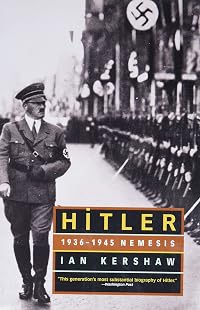
"Summer 1936: the eyes of the world were trained on Berlin, elaborately decked out for the Olympic Games. Aside from the swastikas unfurled inside and outside the massive stadium, visitors to the games saw scant evidence of a repressive regime. Nazi Germany and its unchallenged leader, Adolf Hitler, were on their best behavior. Yet, away from the spectacle in Berlin, an ominous war machine was in the making." "As Ian Kershaw opens this monumental volume, large segments of the German show more population idolize Hitler for bringing the nation out of economic despair. Supported by four pillars of the Nazi regime -- the Party, the armed forces, the industrial cartels, and the civil service -- Hitler is poised to realize his Mephistophelian vision: the subjugation of Europe under the Thousand Year Reich and, in the process, the annihilation of the Jews. Meanwhile, a continent still carrying the scars of the First World War largely ignores his blueprints for conquest." "Soon Hitler embarks on expansion. With chilling efficiency, he annexes Austria with the support of rabid local Nazis, and then, after hoodwinking European leaders in Munich, undertakes a lightning conquest of Czechoslovakia. His invasion of Poland plunges Europe headlong into a cataclysmic war, a war that Hitler is convinced he alone has the genius to conduct. In unsparing prose, Kershaw describes the slaughter of conquered troops and civilians alike as German soldiers, accompanied by fanatical SS units, sweep into country after country." "For three years, Hitler's armies have the upper hand. But once the tides of battle turn in favor of the Allies, Hitler, no longer the invincible warlord, becomes an increasingly desperate gambler. Rarely leaving his "Wolf's Lair" he continues to mastermind the war, his public appearances and radio broadcasts limited to whipping up fervor among his countrymen against Jews, "Bolsheviks," and others deemed enemies of the Aryan race." "Drawing on many previously unutilized sources, Kershaw describes the Draconian measures taken by Hitler's henchmen -- Himmler, Goebbels, Goring, Bormann, and others -- to tighten the Nazi grip on the home front without significant resistance from the German people. In the Fuhrer's name, Gestapo and SS leaders orchestrate and carry out the persecutions that lead to the death camps of the Holocaust." "After the D-Day invasion and a steady stream of defeats on the Eastern Front, Hitler is virtually alone in insisting that victory is still possible. When Hitler asserts that his survival after an assassination attempt by German officers on July 20, 1944, "is a sign of Providence that I must continue my work," Kershaw depicts a beleaguered fanatic prepared to leave his country in ruins. Ten months later, while his shattered forces desperately attempt to stave off the Russian onslaught on Berlin, Hitler spends his final days, chillingly documented here, in a bunker under the city until he ends his life with a pistol shot to his head." "Throughout this masterful account, Kershaw never loses sight of the German people and their massive support for Hitler and the Nazi regime. "Decades would not fully erase," he observes, "the simple but compelling sentiment painted in huge letters" in Munich shortly after the surrender to the Allies: "I am ashamed to be a German." Book jacket."--Jacket. show lessTags
Recommendations


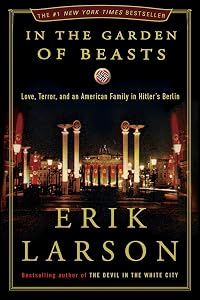
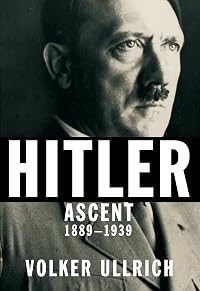
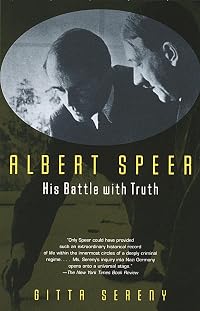
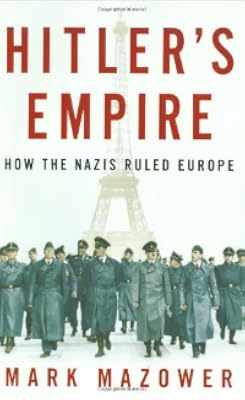




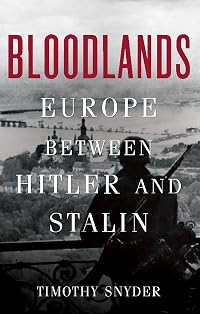

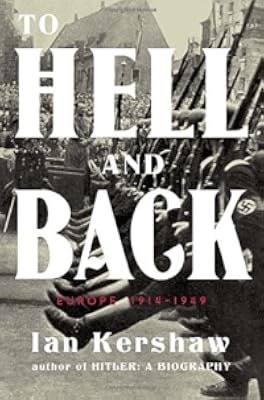
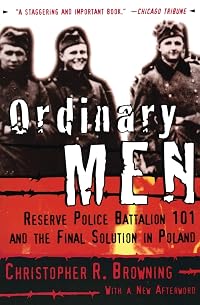
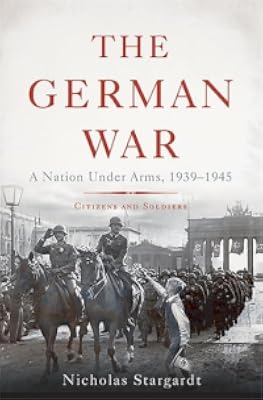
Member Recommendations
Member Reviews
"'The situation in Berlin looks worse than it is,', he [Hitler] stated, with apparent confidence, on 25 April, having not ventured out of doors for five days."
This quote, more than anything, epitomizes Adolf Hitler not just at that time, five days before his suicide, but throughout his life. Ian Kershaw, in 'Nemesis', completes the second part of what is undoubtedly not only one of the (if not outright the) top biography of Hitler, but also one of the most masterful biographies ever penned.
This is not just a biography - it is a look at World War II through the lens of Hitler, tracking his actions, thoughts and procedures during important battles, and decisively capturing the collapse of faith in the Führer as the entire Nazi Germany show more empire came crashing down. To call it a "decline" is too modest. Stalingrad, with hindsight, looks to have been the turning point in WWII - after that, Hitler never fully regained the initiative that made his Blitzkrieg strategy, combined with material good luck, so effective in the first half of the war.
Kershaw clearly and unequivocally shows how Hitler was intimately tuned in and approving of the Holocaust, even if he was too cowardly to discuss the things he was approving in front of his inner circle. The 'Jewish Question' was entirely of Hitler's concoction, and while it is true his underlings aggressively pushed the systemic murder of Europe's Jews (what Kershaw cleverly and correctly terms "working towards the Führer"), nothing happened in the Third Reich without Hitler knowing about it and approving it. There was antisemitism in Germany, and it's fully possible that some sort of discriminatory action against the Jews would still have been taken if Hitler had not come to power. But the Holocaust could not have happened without Hitler.
Kershaw's perhaps greatest contribution throughout both volumes of this biography was his successful endeavor to keep Hitler humanized. Adolf Hitler was, is, and will forever be a monster, the architect of World War II and one of the most vile humans that have ever walked this Earth. But to vilify, no matter how well-deserved, can inadvertently make the person seem mightier than they actually were. The Hitler that Kershaw examines is always kept on a level that I, and I presume almost all other readers, see as another human. A man with paranoia, an incredible antisemitic "world view", and likely some form of personality disorder that meant he truly did not care about sending millions of German troops to their almost certain death, but cumulatively a man. And this distinction is critical: by only viewing the Hitler that is covered in the worst descriptors imaginable, we run the risk of failing to realize that this sort of person, with this sort of mindset, and this sort of abilities to "make things happen", can very much come about again. While the things he did and the atrocities he committed were necessarily "one-of-one", the psychological build of Adolf Hitler is most certainly not. Keeping Hitler human in the analysis, reminds us of this fact, and simultaneously respects the many victims of the Third Reich: to brush Hitler away as a one-off can, given enough time and space, bring us right back to that metaphorical embryo that eventually spawned Hitler. By understanding the human side, we stay aware and on guard against another heinous tyrant.
In the end, Kershaw's work is so detailed, so expansive and so magnificent that you simply must read it for yourself to fully appreciate it. Five stars, and a book (I suppose books) I will remember forever. show less
This quote, more than anything, epitomizes Adolf Hitler not just at that time, five days before his suicide, but throughout his life. Ian Kershaw, in 'Nemesis', completes the second part of what is undoubtedly not only one of the (if not outright the) top biography of Hitler, but also one of the most masterful biographies ever penned.
This is not just a biography - it is a look at World War II through the lens of Hitler, tracking his actions, thoughts and procedures during important battles, and decisively capturing the collapse of faith in the Führer as the entire Nazi Germany show more empire came crashing down. To call it a "decline" is too modest. Stalingrad, with hindsight, looks to have been the turning point in WWII - after that, Hitler never fully regained the initiative that made his Blitzkrieg strategy, combined with material good luck, so effective in the first half of the war.
Kershaw clearly and unequivocally shows how Hitler was intimately tuned in and approving of the Holocaust, even if he was too cowardly to discuss the things he was approving in front of his inner circle. The 'Jewish Question' was entirely of Hitler's concoction, and while it is true his underlings aggressively pushed the systemic murder of Europe's Jews (what Kershaw cleverly and correctly terms "working towards the Führer"), nothing happened in the Third Reich without Hitler knowing about it and approving it. There was antisemitism in Germany, and it's fully possible that some sort of discriminatory action against the Jews would still have been taken if Hitler had not come to power. But the Holocaust could not have happened without Hitler.
Kershaw's perhaps greatest contribution throughout both volumes of this biography was his successful endeavor to keep Hitler humanized. Adolf Hitler was, is, and will forever be a monster, the architect of World War II and one of the most vile humans that have ever walked this Earth. But to vilify, no matter how well-deserved, can inadvertently make the person seem mightier than they actually were. The Hitler that Kershaw examines is always kept on a level that I, and I presume almost all other readers, see as another human. A man with paranoia, an incredible antisemitic "world view", and likely some form of personality disorder that meant he truly did not care about sending millions of German troops to their almost certain death, but cumulatively a man. And this distinction is critical: by only viewing the Hitler that is covered in the worst descriptors imaginable, we run the risk of failing to realize that this sort of person, with this sort of mindset, and this sort of abilities to "make things happen", can very much come about again. While the things he did and the atrocities he committed were necessarily "one-of-one", the psychological build of Adolf Hitler is most certainly not. Keeping Hitler human in the analysis, reminds us of this fact, and simultaneously respects the many victims of the Third Reich: to brush Hitler away as a one-off can, given enough time and space, bring us right back to that metaphorical embryo that eventually spawned Hitler. By understanding the human side, we stay aware and on guard against another heinous tyrant.
In the end, Kershaw's work is so detailed, so expansive and so magnificent that you simply must read it for yourself to fully appreciate it. Five stars, and a book (I suppose books) I will remember forever. show less
The second and last volume of Kershaw's biography of Adolf Hitler. This work is indeed a masterpiece. Some of its parts are truly vertiginous, such as the descriptions of the Anschluss with Austria, the frantic diplomatic activity over Czechoslovakia, and the very last chapter ("Extinction"). Other chapters are a lot less fast paced but this is hardly surprising considering that the book is a Hitler biography, and from the invasion of the Soviet Union in June 1941 the German dictator spent most of his time in his headquarters in Eastern Prussia. Independently of the pace of the individual chapters, this is an overwhelmingly brilliant study of an obscenely repulsive man that brought untold misery and destruction to the world, and show more personified the zenith of nationalist militarism and racism in Germany and in Europe. show less
A very impressive continuation. I didn't find it quite as fascinating as Part One, though. I think the problem is that there's no real distinction to be made between a biography of Hitler after 1936 and a narrative history of the German role in the Second World War. To a first approximation, Hitler is "the causes of World War II". Even with Kershaw's detailed examination of the primary sources, there's not very much we can learn about Hitler-as-a-person that isn't already part of what we know about Hitler-as-a-diplomat or Hitler-as-a-general.
Kershaw's main concern seems to be to defuse the myth of Hitler as a master-strategist or a Machiavellian leader. The most Kershaw is prepared to allow him is a gift for timing his attacks. Kershaw show more stresses that Hitler only had one real strategy: to put himself into a situation where the only way out was forwards. Once he had overstretched himself and was facing defeat (from 1943 on) he had no response left, and simply went to pieces. Another thing that comes out very strongly is the chaotic way Hitler ran his administration. He seems to have been morbidly suspicious of any sort of collective decision-making process, so he tended to delegate vaguely-defined, overlapping powers to individuals and leave them to fight it out between themselves. As Kershaw points out, one consequence was that the most ruthless, radical policies tended to dominate, and another that Hitler himself was always at arm's length from any policy decision (hence people could say "if the Führer only knew..." and his individual popularity survived far longer than that of his party). show less
Kershaw's main concern seems to be to defuse the myth of Hitler as a master-strategist or a Machiavellian leader. The most Kershaw is prepared to allow him is a gift for timing his attacks. Kershaw show more stresses that Hitler only had one real strategy: to put himself into a situation where the only way out was forwards. Once he had overstretched himself and was facing defeat (from 1943 on) he had no response left, and simply went to pieces. Another thing that comes out very strongly is the chaotic way Hitler ran his administration. He seems to have been morbidly suspicious of any sort of collective decision-making process, so he tended to delegate vaguely-defined, overlapping powers to individuals and leave them to fight it out between themselves. As Kershaw points out, one consequence was that the most ruthless, radical policies tended to dominate, and another that Hitler himself was always at arm's length from any policy decision (hence people could say "if the Führer only knew..." and his individual popularity survived far longer than that of his party). show less
Este libro narra básicamente toda la carrera política de Hitler, si bien se tocan algunas cosas personales, lo cierto es que este hombre fanático como lo era, una vez que se denomino el "Mesías" del pueblo alemán, dejo casi de lado toda su vida personal para dedicarlo a su lucha por el por el poder, a maquinar, a movilizarse y a hacer todo lo posible e imposible para llegar al poder.
Si algo tenía claro y creo que me ha quedado más claro aún con estos libros, es que este demagogo, no era un hombre inteligente, fue pagado de si mismo, fue un verdadero buen orador, buen vendedor de ideas, que estuvo literalmente en el lugar y el momento adecuado más de una ocasión y que, todo hay que decirlo, tuvo una habilidad, saber en que show more momento desestabilizar más la situación política y social para poder tener más oportunidades para él mismo.
Hay varios personajes a su alrededor que fueron verdaderas mentes maquiavelicas, mucho más que el mismo Hitler a la hora de hacer y llevar a cabo las cosas, pero una cosa me queda clara, las masas son brutas, son manipulables y son imbéciles, no piensan cuando están en conjunto. ¡Qué fácil es engañar a las masas!
Sin embargo este libro como he dicho es más un pormenorizado de la guerra, las decisiones, los personajes involucrados, las malas decisiones, que no necesariamente fueron todas de Hitler como se dice en todas partes, lo cierto es que este hombresito tenía un grave problema de complejo de inferioridad, era flojo, antisocial y por supuesto narcisista hasta puntos insospechados y a mi parecer muchos a su alrededor utilizaron todas estas "deficiencias de personalidad" de Hitler para aprovecharse, hacer carrera y hacer su santa voluntad. Los más perjudicados a mi parecer fueron los militares, muchos de ellos ni siquiera estaban de acuerdo con la Guerra ni mucho menos en la manera en que esta se estaba manejando, pero así son los militares, juran lealtad y siguen ordenes, eso no los exime en absoluto de muchas cosas, pero, en muchos casos fueron más utilizados que otra cosa.
Lo peor de esta historia y de esta guerra es Himler y sus SS, un hombre con una capacidad infinita de odio, (no digo que los demás Nazis no lo tuvieran, que conste), un manipulador y un hombre que llego a tener tanto poder como el mismo Hitler, solo que en lo más oscuro y tenebroso de esta parte de la historia.
Las guerras son feas, todas y no voy a decir que en esta guerra el único monstruo fue Hitler o Alemania, al final tantos muertos por pelear tierra y unas absurdas creencias no vale los millones de muertos.
Sin duda los mejores libros relacionados con Hitler que he leído hasta ahora show less
Si algo tenía claro y creo que me ha quedado más claro aún con estos libros, es que este demagogo, no era un hombre inteligente, fue pagado de si mismo, fue un verdadero buen orador, buen vendedor de ideas, que estuvo literalmente en el lugar y el momento adecuado más de una ocasión y que, todo hay que decirlo, tuvo una habilidad, saber en que show more momento desestabilizar más la situación política y social para poder tener más oportunidades para él mismo.
Hay varios personajes a su alrededor que fueron verdaderas mentes maquiavelicas, mucho más que el mismo Hitler a la hora de hacer y llevar a cabo las cosas, pero una cosa me queda clara, las masas son brutas, son manipulables y son imbéciles, no piensan cuando están en conjunto. ¡Qué fácil es engañar a las masas!
Sin embargo este libro como he dicho es más un pormenorizado de la guerra, las decisiones, los personajes involucrados, las malas decisiones, que no necesariamente fueron todas de Hitler como se dice en todas partes, lo cierto es que este hombresito tenía un grave problema de complejo de inferioridad, era flojo, antisocial y por supuesto narcisista hasta puntos insospechados y a mi parecer muchos a su alrededor utilizaron todas estas "deficiencias de personalidad" de Hitler para aprovecharse, hacer carrera y hacer su santa voluntad. Los más perjudicados a mi parecer fueron los militares, muchos de ellos ni siquiera estaban de acuerdo con la Guerra ni mucho menos en la manera en que esta se estaba manejando, pero así son los militares, juran lealtad y siguen ordenes, eso no los exime en absoluto de muchas cosas, pero, en muchos casos fueron más utilizados que otra cosa.
Lo peor de esta historia y de esta guerra es Himler y sus SS, un hombre con una capacidad infinita de odio, (no digo que los demás Nazis no lo tuvieran, que conste), un manipulador y un hombre que llego a tener tanto poder como el mismo Hitler, solo que en lo más oscuro y tenebroso de esta parte de la historia.
Las guerras son feas, todas y no voy a decir que en esta guerra el único monstruo fue Hitler o Alemania, al final tantos muertos por pelear tierra y unas absurdas creencias no vale los millones de muertos.
Sin duda los mejores libros relacionados con Hitler que he leído hasta ahora show less
This book is different to most books on World War II in that it focusses on Adolf Hitler, and how the lives of others intersected with his. The story is told from his perspective; only in a few instances isthere some information to tidy-up a story.
Two examples: The D-Day landings barely rate a mention; nothing is mentioned that they were to occur. And Erwin Rommel's final fall from grace is told from the perspective of what Hitler wanted to occur.
It's a terrible, terrible story. Once again we ponder on why those around him were paralysed such that they could not even influence what this 'madman' did. Heinz Guderian tried; the assassination plotters tried; the young students in Munich tried; and in the final days of the war Albert Speer show more disobeyed orders for German property to be destroyed when retreating. But for the rest it was a cabal of true-believers, thugs, and self-promoters.
This is a wonderful (and long) book; I have not read the first volume. show less
Two examples: The D-Day landings barely rate a mention; nothing is mentioned that they were to occur. And Erwin Rommel's final fall from grace is told from the perspective of what Hitler wanted to occur.
It's a terrible, terrible story. Once again we ponder on why those around him were paralysed such that they could not even influence what this 'madman' did. Heinz Guderian tried; the assassination plotters tried; the young students in Munich tried; and in the final days of the war Albert Speer show more disobeyed orders for German property to be destroyed when retreating. But for the rest it was a cabal of true-believers, thugs, and self-promoters.
This is a wonderful (and long) book; I have not read the first volume. show less
A nemesis is an inescapable or implacable agent of downfall, a very apt description of Adolf Hitler during the years covered in this book. This book is an excellent piece of scholarship that tells the story of the last nine years of Hitler's life in great detail. The author's knowledge of his subject is used with great skill to provide the reader with an accurate depiction of a man whose name stands as that of the chief instigator of the most profound collapse of civilization in modern times. The author tells his story with a skilled understatement that allows him to present his tale of horror without nauseating the reader. I found the life of Hitler to be full of surprises and contradictions.
A good example was his daily routine while show more he lived in Berlin. He was usually awakened between eleven and twelve o'clock by a knock on his bedroom door from his butler. He would eat his first meal of the day about one o'clock and then start his work for the day. He began with someone reading him a summary of the news of the day. Then he would meet with different members of the government or the party for a discussion of ongoing projects or new plans. The meetings were generally small groups or individuals. He did not hold a meeting of his official cabinet from 1938 until his death.
In the afternoon he would have tea and cakes and make small talk with his secretaries acting the part of a Viennese petite bourgeoisie. A typical dinner would include some of his inner circle who would be treated to a monologue by Hitler on topics from history to diet. Hitler loved to talk about the superiority of his vegetarianism. After dinner there would be more meetings or perhaps work on a speech that was coming up. Then beginning about twelve or one o'clock he often watched movies with many of the same people from dinner until he went to bed as late as five o'clock.
The only task he put serious work into was preparing and making speeches. He was chief propagandist for the regime. The speeches usually focused on the same themes; Jews, Bolsheviks and the enemies of Germany. The same program he set forth in Mein Kampf. Certain anniversaries, such as January 30 when his regime took power, would be the occasion for a speech. Often the speeches were made to mobilize the people for foreign policy events or internal Nazi Party campaigns. During the war, particularly after the attack on Russia in 1941, there were fewer occasions for speeches. This was the life of the leader of Germany and the Nazi Party.
The government was run by the civil service and the Party. Kershaw uses a concept he calls "working towards the Fuhrer" to explain how many of the government programs were planned and carried out. Some ambitious party member or government worker would come up with a program inspired by Hitler's ideas and either make a formal proposal to Hitler or begin carrying it out. Sometimes Hitler would take the lead as when he initiated the four year economic plan and appointed Goering to lead it. The author makes it clear that Hitler knew about and approved the Holocaust. It was part of his program from the beginning and he was careful not to leave any fingerprints on the workings of it. The administration of the German government was a hodgepodge of competing government and party functionaries all working to curry favor with the Fuhrer.
The Army was the third center of power in Germany. Hitler's plans for military expansion won their support at the beginning of his regime. After he took power all members of the military swore a personal oath of loyalty to Hitler. As the war progressed Hitler acted as commander-in-chief and spent most of his time in command centers established on the Eastern Front. After the assassination attempt of July 20, 1944 Hitler purged the army high command and exercised closer personal control over all of the military. The attempt came very close to success.
Toward the end of the war he moved into the bunker next to the Reich Chancellery in Berlin. As the Russian artillery moved closer and closer Hitler still had his afternoon tea and cakes and talked about victory. As he realized defeat was inevitable his last campaign was the destruction of Germany to destroy the future of the German people. They had failed him and did not deserve to survive. On his last day he married Eva Braun and then they both committed suicide and their bodies were burned. His last remains were his lower jaw bone and a partial plate.
The only emotion I felt at the end of the book was a deep satisfaction that Hitler was dead. He was a true megalomaniac who was able to get millions of people to join in his psychotic belief in himself. The author speaks of a pseudo-religious belief translated into the mysticism of national salvation and rebirth. The book is a chronicle of what happened I do not believe there is a rational answer as to how or why. show less
A good example was his daily routine while show more he lived in Berlin. He was usually awakened between eleven and twelve o'clock by a knock on his bedroom door from his butler. He would eat his first meal of the day about one o'clock and then start his work for the day. He began with someone reading him a summary of the news of the day. Then he would meet with different members of the government or the party for a discussion of ongoing projects or new plans. The meetings were generally small groups or individuals. He did not hold a meeting of his official cabinet from 1938 until his death.
In the afternoon he would have tea and cakes and make small talk with his secretaries acting the part of a Viennese petite bourgeoisie. A typical dinner would include some of his inner circle who would be treated to a monologue by Hitler on topics from history to diet. Hitler loved to talk about the superiority of his vegetarianism. After dinner there would be more meetings or perhaps work on a speech that was coming up. Then beginning about twelve or one o'clock he often watched movies with many of the same people from dinner until he went to bed as late as five o'clock.
The only task he put serious work into was preparing and making speeches. He was chief propagandist for the regime. The speeches usually focused on the same themes; Jews, Bolsheviks and the enemies of Germany. The same program he set forth in Mein Kampf. Certain anniversaries, such as January 30 when his regime took power, would be the occasion for a speech. Often the speeches were made to mobilize the people for foreign policy events or internal Nazi Party campaigns. During the war, particularly after the attack on Russia in 1941, there were fewer occasions for speeches. This was the life of the leader of Germany and the Nazi Party.
The government was run by the civil service and the Party. Kershaw uses a concept he calls "working towards the Fuhrer" to explain how many of the government programs were planned and carried out. Some ambitious party member or government worker would come up with a program inspired by Hitler's ideas and either make a formal proposal to Hitler or begin carrying it out. Sometimes Hitler would take the lead as when he initiated the four year economic plan and appointed Goering to lead it. The author makes it clear that Hitler knew about and approved the Holocaust. It was part of his program from the beginning and he was careful not to leave any fingerprints on the workings of it. The administration of the German government was a hodgepodge of competing government and party functionaries all working to curry favor with the Fuhrer.
The Army was the third center of power in Germany. Hitler's plans for military expansion won their support at the beginning of his regime. After he took power all members of the military swore a personal oath of loyalty to Hitler. As the war progressed Hitler acted as commander-in-chief and spent most of his time in command centers established on the Eastern Front. After the assassination attempt of July 20, 1944 Hitler purged the army high command and exercised closer personal control over all of the military. The attempt came very close to success.
Toward the end of the war he moved into the bunker next to the Reich Chancellery in Berlin. As the Russian artillery moved closer and closer Hitler still had his afternoon tea and cakes and talked about victory. As he realized defeat was inevitable his last campaign was the destruction of Germany to destroy the future of the German people. They had failed him and did not deserve to survive. On his last day he married Eva Braun and then they both committed suicide and their bodies were burned. His last remains were his lower jaw bone and a partial plate.
The only emotion I felt at the end of the book was a deep satisfaction that Hitler was dead. He was a true megalomaniac who was able to get millions of people to join in his psychotic belief in himself. The author speaks of a pseudo-religious belief translated into the mysticism of national salvation and rebirth. The book is a chronicle of what happened I do not believe there is a rational answer as to how or why. show less
This was assigned for a graduate seminar on fascism, and I must say I did not at first look forward to having a two-volume biography of Hitler on my shelves. But Kershaw's magnum opus is a keeper. Not only is it a sensitive, convincing, readable biography of Hitler; this second volume encloses a good, useful narrative of the Second World War in Eurasia and Africa.
Members
- Recently Added By
Lists

Books About World War II
102 works; 29 members

Best Biographies, Autobiographies and Memoirs
465 works; 160 members

Non-fiction to read
6 works; 1 member

r/AskHistorians' Recommended Books
1,068 works; 18 members
Author Information

63+ Works 10,293 Members
Ian Kershaw is professor of modern history at the University of Sheffield. (Bowker Author Biography)
Some Editions
Awards and Honors
Awards
Distinctions
Series

Belongs to Publisher Series
Quinteto (27)
Work Relationships
Is contained in
Contains
Is abridged in
Common Knowledge
- Canonical title
- Hitler: 1936-1945: Nemesis
- Original title
- Hitler. Vol 1 : 1936-1945, Nemesis
- Original publication date
- 1999; 2000 (1e traduction et édition française, Flammarion) (1e traduction et édition française, Flammarion)
- People/Characters
- Neville Chamberlain; Adolf Hitler; Adolf Eichmann
- Important places
- Berlin, Germany; Germany
- Important events
- World War II; Holocaust
- Original language*
- Anglais (Royaume-Uni) (Royaume-Uni)
*Some information comes from Common Knowledge in other languages. Click "Edit" for more information.
Classifications
- Genres
- History, Biography & Memoir, Nonfiction, General Nonfiction
- DDC/MDS
- 943.086092 — History & geography History of Europe Central Europe: Germany, Austria, Switzerland, Czech, Poland, Hungary Historical periods of Germany Germany 1866- Third Reich 1933-1945 History, geographic treatment, biography Biographies, Diaries And Journals
- LCC
- DD247 .H5 — History of Europe, Asia, Africa and Oceania Germany History of Germany History By period Modern, 1519- 19th-20th centuries Revolution and Republic, 1918-
- BISAC
Statistics
- Members
- 1,680
- Popularity
- 13,341
- Reviews
- 24
- Rating
- (4.33)
- Languages
- 11 — Czech, Dutch, English, Estonian, French, German, Hungarian, Italian, Polish, Portuguese, Spanish
- Media
- Paper, Audiobook, Ebook
- ISBNs
- 30
- ASINs
- 10