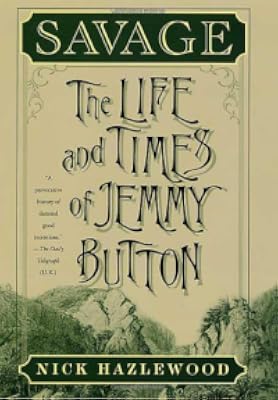
Savage: The Life And Times Of Jemmy Button
by Nick Hazlewood
On This Page
Description
The book provides a historical account of the exploration of Tierra del Fuego and the surrounding regions by European explorers such as Ferdinand Magellan. It delves into the harsh and inhospitable nature of the land, describing its geography, climate, and the challenges faced by early explorers. The narrative also touches on the indigenous Fuegian tribes and the impact of European contact. The author aims to offer a detailed and vivid portrayal of the region's history and environment, show more likely intended for readers interested in exploration history and geographic studies. show lessTags
Recommendations
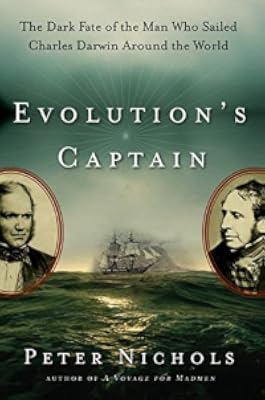

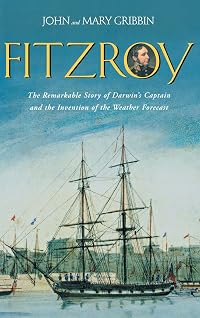
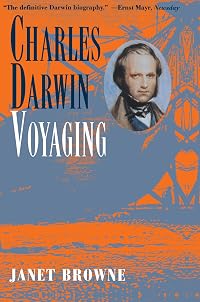
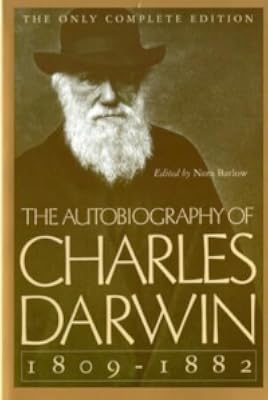
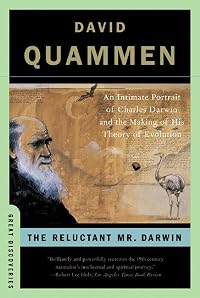


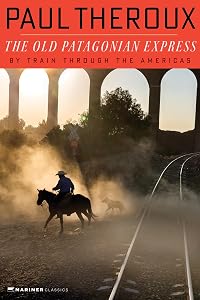
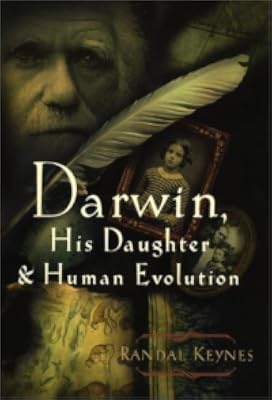






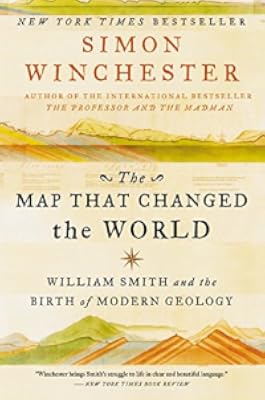


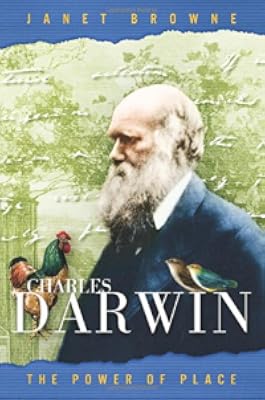


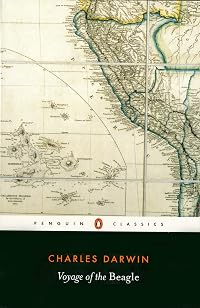

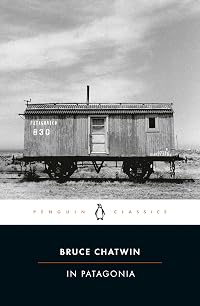


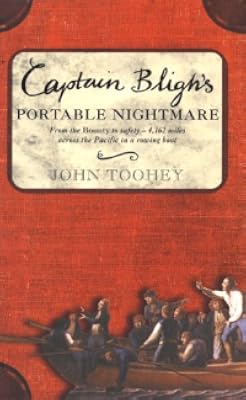
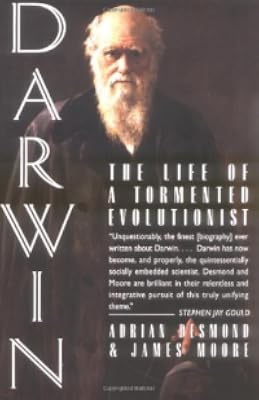

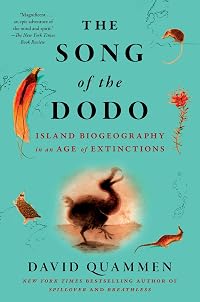


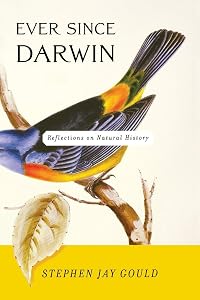
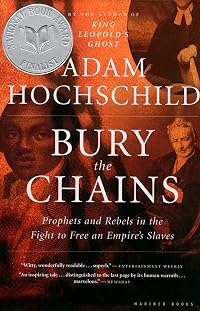

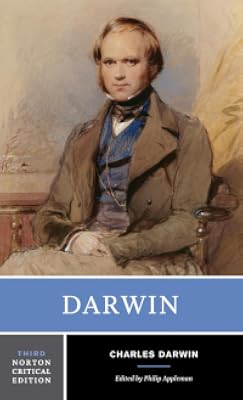



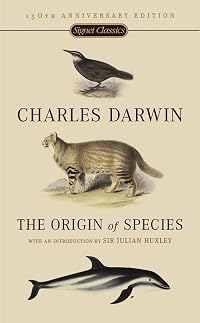


Member Recommendations

John_Vaughan The two stories interlink particulary around the facinating character of Captain Fitzroy.
John_Vaughan Futher reading on the exploration of man and countries.

Fitzroy: The Remarkable Story of Darwin's Captain and the Invention of the Weather Forecast by John Gribbin
John_Vaughan Captain Fitzroy as charitable,and caring.
Member Reviews
Jemmy Button, a “savage” native of Tierra del Fuego who lived during the early and mid-1800s, managed to get around. England’s King William IV and Queen Adelaide requested he visit them during his sojourn in their country. Charles Darwin knew Jemmy and used to converse with him when they were shipmates during the former’s famous voyage on the Beagle (Darwin was ship naturalist, Button a passenger). Button even figures in The Descent of Man, where Darwin notes that “Jemmy Button, with justifiable pride, stoutly maintained that there was no devil in his land.” Darwin probably knew better than to say the same of England.
Jemmy’s claim calls to mind Alexis de Tocqueville’s observation, after a visit to early show more nineteenth-century Manchester, that “Civilisation works its miracles and civilised man is turned back almost into a savage.” In any event, after his first visit, Jemmy Button declined to travel again to England when another opportunity to do so arose.
For more, including a murder and the decimation of a people, check out Nick Hazelwood’s Savage: The Life and Times of Jemmy Button, an account of 19th century encounters of Fuegian natives with explorers and immigrants from Britain and Europe. There is much of interest in it although the account suffers from a scarcer level of detail than we find in the best histories. Jemmy’s own story is incomplete and frequently interrupted during the narrative, which doesn’t surprise because when not with the English, when with his own people, little is known about his life. With these deficits Savage falls short of the best books in its subgenre. It’s worth the reading anyway. show less
Jemmy’s claim calls to mind Alexis de Tocqueville’s observation, after a visit to early show more nineteenth-century Manchester, that “Civilisation works its miracles and civilised man is turned back almost into a savage.” In any event, after his first visit, Jemmy Button declined to travel again to England when another opportunity to do so arose.
For more, including a murder and the decimation of a people, check out Nick Hazelwood’s Savage: The Life and Times of Jemmy Button, an account of 19th century encounters of Fuegian natives with explorers and immigrants from Britain and Europe. There is much of interest in it although the account suffers from a scarcer level of detail than we find in the best histories. Jemmy’s own story is incomplete and frequently interrupted during the narrative, which doesn’t surprise because when not with the English, when with his own people, little is known about his life. With these deficits Savage falls short of the best books in its subgenre. It’s worth the reading anyway. show less
In 1830, an English sea captain bought a young boy from a group of Indians, natives of Tierra del Fuego, islands located off the southern tip of South America. At least that’s what Captain Robert FitzRoy claimed. The Indians say Orundellico, given the name Jemmy Button by his English captors-cum-benefactors, was kidnapped.
Savage is the story of the first Fuegian to learn English and the white Europeans who sought to serve God by “civilizing” him. Along the way, we meet the young Charles Darwin, who was on the second voyage of FitzRoy’s Beagle, England’s King William IV (nicknamed “Silly Billy”) and Queen Adelaide, as well as a host of lords, missionaries, and an assortment of well-meaning ninnies.
Hazlewood continues the show more story past the death of Jemmy Button, into the next century, when the exploitation of Tierra del Fuego results in the virtual demise of its indigenous inhabitants. Settlers considered the locals to be pests that stood in the way of their economic success; they were hunted down and shot, in the same vein as a fox in the hen house or a coyote among sheep.
Nick Hazlewood has done a fine job of research and does a creditable job of spinning his yarn. Each port of call, each mission station, each village or city is meticulously described as it must have appeared at the time. These descriptions, along with his character-driven account of events lend a you-are-there air to his narrative. show less
Savage is the story of the first Fuegian to learn English and the white Europeans who sought to serve God by “civilizing” him. Along the way, we meet the young Charles Darwin, who was on the second voyage of FitzRoy’s Beagle, England’s King William IV (nicknamed “Silly Billy”) and Queen Adelaide, as well as a host of lords, missionaries, and an assortment of well-meaning ninnies.
Hazlewood continues the show more story past the death of Jemmy Button, into the next century, when the exploitation of Tierra del Fuego results in the virtual demise of its indigenous inhabitants. Settlers considered the locals to be pests that stood in the way of their economic success; they were hunted down and shot, in the same vein as a fox in the hen house or a coyote among sheep.
Nick Hazlewood has done a fine job of research and does a creditable job of spinning his yarn. Each port of call, each mission station, each village or city is meticulously described as it must have appeared at the time. These descriptions, along with his character-driven account of events lend a you-are-there air to his narrative. show less
This book is billed as a story about Jemmy Button, but Jemmy is only a starting point for this fascinating tale exploring what civilisation is, how good intentions can do wrong, and cultural misunderstanding.
Jemmy Button came from Tierra del Fuego, the land at the very south of South America. Along with 3 others from this area, he was taken away from his primitive existence (and you can be as PC as you like - it was primitive) to England. The reasoning behind this was if Jemmy and his compatriots could be taught English and `Civilisation' he would be able to go home and teach others the benefits of good living. Well of course, it didn't quite work out that way. Jemmy and some of his compatriots were returned home (one died in England), show more but they were not forgotten.
As time progressed, missionaries entered the picture. Their belief was that if they could track Jemmy down, they could use him as an interpreter and go-between to help convert the Tierra del Fuegian barbarians, and bring them to the life of Christ (and make them wear clothes - this was important to missionaries). The majority of the book is taken up with the story of the various attempts of missionaries, all of them misguided and ultimately doomed to fail. As with many a story about indigenous communities, this one ends with genocide brought about by a combination of accident (introduced disease, alcohol) and intent (settlers would go out and shoot the `vermin' that stole their sheep).
While well researched and full of detail, I thought this was a rather dry account of this period of English colonialism. However, it is an important one that has yet to receive the exposure it deserves. Students of colonialism or the demise of indigenous cultures (and some would argue they are each the same) should definitely find a copy of this book and read it. show less
Jemmy Button came from Tierra del Fuego, the land at the very south of South America. Along with 3 others from this area, he was taken away from his primitive existence (and you can be as PC as you like - it was primitive) to England. The reasoning behind this was if Jemmy and his compatriots could be taught English and `Civilisation' he would be able to go home and teach others the benefits of good living. Well of course, it didn't quite work out that way. Jemmy and some of his compatriots were returned home (one died in England), show more but they were not forgotten.
As time progressed, missionaries entered the picture. Their belief was that if they could track Jemmy down, they could use him as an interpreter and go-between to help convert the Tierra del Fuegian barbarians, and bring them to the life of Christ (and make them wear clothes - this was important to missionaries). The majority of the book is taken up with the story of the various attempts of missionaries, all of them misguided and ultimately doomed to fail. As with many a story about indigenous communities, this one ends with genocide brought about by a combination of accident (introduced disease, alcohol) and intent (settlers would go out and shoot the `vermin' that stole their sheep).
While well researched and full of detail, I thought this was a rather dry account of this period of English colonialism. However, it is an important one that has yet to receive the exposure it deserves. Students of colonialism or the demise of indigenous cultures (and some would argue they are each the same) should definitely find a copy of this book and read it. show less
Das Buch erzählt die wechsel-und leidvolle Geschichte der Missionierung Feuerlands, aufgehängt am Schicksal des Indianers Jemmy Button. Er wurde verschleppt und nach Europa mitgenommen, später wieder zurückgebracht und dient als Beispiel für einen Mann eines Naturvolks, der als Mittler zwischen den Welten dienen sollte, meist aber zwischen den Welten stand. Das Buch ist wirklich interessant, denn es macht transparent, wie die Kolonialisierung dieser Gebiete aussah und welche Ideen die Missionare hatten. Es ist extrem gut recherchiert. Leider finde ich es etwas langatmig zu lesen und deshalb musste ich mich direkt immer wieder aufraffen.
Im Buch sind auch interessante Bilder enthalten, die die Hauptfigur und die damalige Zeit show more illustrieren. Julia Voss ist der Meinung, dass Jemmy Button als Vorbild für Michael Endes Jim Knopf dient und das klingt sehr plausibel. show less
Im Buch sind auch interessante Bilder enthalten, die die Hauptfigur und die damalige Zeit show more illustrieren. Julia Voss ist der Meinung, dass Jemmy Button als Vorbild für Michael Endes Jim Knopf dient und das klingt sehr plausibel. show less
Feb 13, 2017German
Ratings
Members
- Recently Added By
Author Information

Nick Hazlewood has a degree in history and, in 1994, left his job with the trade union UNISON to travel throughout South and Central America. He is a freelance journalist and writer and lives in Madrid
Some Editions
Common Knowledge
- People/Characters
- Jemmy Button
Classifications
- Genres
- Nonfiction, Travel, History, Biography & Memoir, General Nonfiction
- DDC/MDS
- 919.604 — History & geography Geography & travel Geography of and travel in Australasia, Pacific Ocean islands, Atlantic Ocean islands, Arctic islands, Antarctica and on extraterrestrial worlds Polynesia
- LCC
- F2986 .B87 .H38 — Local History of the United States, Canada and Latin America Latin America. Spanish America South America Argentina
- BISAC
Statistics
- Members
- 101
- Popularity
- 320,008
- Reviews
- 4
- Rating
- (3.30)
- Languages
- Dutch, English, German
- Media
- Paper, Ebook
- ISBNs
- 8
- ASINs
- 1