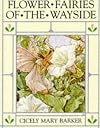
Flower Fairies of the Wayside
by Cicely Mary Barker
Flower Fairies [Original Series] (7), Flower Fairies (7)
On This Page
Description
The author celebrates fairies and spring flowers in her poems and pictures.Tags
Recommendations



















Member Reviews
Even though the more complex fairies of Brian Frout, Arthur Packham, and Charles Vess are my favourite there's an intrinsic innocent charm to Cicely Mary Barker's flower-inspired fairies. Each fairy's design is drawn from the flowers of England, in this case specifically wayside flora, so Barker's fairies retain a realism that many of the other artists bypass entirely. Sure, fairies are creatures of myth and legend, but they have one foot in the real world, so having an essence of the recognizable human world allows readers to imagine their reality. Considering that Barker was writing and drawing during the mid-1900s, I was surprised how much of a Victorian sensibility she retained. The delicate costumes especially harken back to this show more era, when there was a veritable boom in children's illustrated books led by Kate Greenaway who featured children (and their costumes) prominently in her illustrations. Quite a few of the boy fairies remind me of hte puckish character of J.M. Barrie's Peter Pan, as well, who is the most prominent of the late-Victorian fairytale characters. The roguish (but still childlike) expression in the eyes of hte Jack-go-to-bed-at-noon fairy (aptly named as well), the marching agromony fairies, and the white bindweed fairy could be easily transformed into Peter Pan, the Lost Boys, and Wendy Darling respectively! I may have started off late in Cicely Mary Barker's set of illustrations, but the wayside was a wonderful entry point into exploring her world of flower fairies. show less
Unlike the other flower fairy books I have, Flower Fairies of the Wayside has a foreword by the author. I enjoyed her parenthetical comments about the origin of a flower's name and/or other names it's known by underneath some of the otherwise so-so poems.
These are the fairies that appear in this book, in alphabetical order:
Agrimony Fairies
Bee Orchis Fairy
Black Medick Fairies
Chicory Fairy
Fumitory Fairy
(show all 19 items)
Greater Celandine Fairy
Ground Ivy Fairy
Horned Poppy Fairy
Jack-by-the-hedge Fairy
Jack-go-to-bed-at-noon Fairy
Red Campion Fairy
Red Clover Fairy
Ribwort Plantain Fairy
Rose-Bay Willow-Herb Fairy
Self-Heal Fairy
Sow Thistle Fairy
Stork's-Bill Fairy
Tansy Fairy
White Bindweed Fairy
These are the fairies that appear in this book, in alphabetical order:
Agrimony Fairies
Bee Orchis Fairy
Black Medick Fairies
Chicory Fairy
Fumitory Fairy
(show all 19 items)
Greater Celandine Fairy
Ground Ivy Fairy
Horned Poppy Fairy
Jack-by-the-hedge Fairy
Jack-go-to-bed-at-noon Fairy
Red Campion Fairy
Red Clover Fairy
Ribwort Plantain Fairy
Rose-Bay Willow-Herb Fairy
Self-Heal Fairy
Sow Thistle Fairy
Stork's-Bill Fairy
Tansy Fairy
White Bindweed Fairy
Wonderful, whimsical world of Cicely Mary Barker.
Ratings
Members
- Recently Added By
Author Information

182+ Works 7,854 Members
Illustrator Cicely Mary Barker was born in Croydon, England in 1895. As a child she spent much of her time drawing and painting, and her father enrolled her in art courses at the age of 13. She sold her first work two years later to a stationery printer. Barker was elected a life member of Croydon Art Society a year after that. She is most famous show more for her Flower Fairy series of books and was greatly influenced artistically by Kate Greenaway and the Pre-Raphaelite Brotherhood. Barker used real-life models for her paintings, created only botanically accurate flowers, and worked primarily in watercolor with pen and ink. (Bowker Author Biography) show less
Series


Work Relationships
Is contained in
Common Knowledge
- Canonical title
- Flower Fairies of the Wayside
- Original publication date
- 1948
- People/Characters
- Agrimony Fairies; Bee Orchis Fairy; Black Medick Fairies; Chicory Fairy; Fumitory Fairy; Greater Celandine Fairy (show all 19); Ground Ivy Fairy; Horned Poppy Fairy; Jack-by-the-hedge Fairy; Jack-go-to-bed-at-noon Fairy; Red Campion Fairy; Red Clover Fairy; Ribwort Plantain Fairy; Rose-Bay Willow-Herb Fairy; Self-Heal Fairy; Sow Thistle Fairy; Stork's-Bill Fairy; Tansy Fairy; White Bindweed Fairy
Classifications
Statistics
- Members
- 317
- Popularity
- 101,121
- Reviews
- 3
- Rating
- (4.10)
- Languages
- 5 — Dutch, English, French, German, Swedish
- Media
- Paper
- ISBNs
- 15
- ASINs
- 7