Knulp
by Hermann Hesse
On This Page
Description
Wandering from town to town, Knulp is the eternal vagabond who just does not want to settle down. Even in an aimless life, he realises, he has some Knulp was Hesse's most popular book when it first came out. It remains one of his classic works: evocative, subtle and moving.Tags
Recommendations

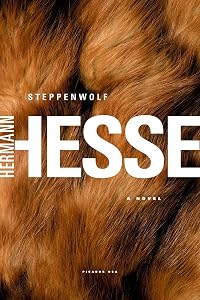




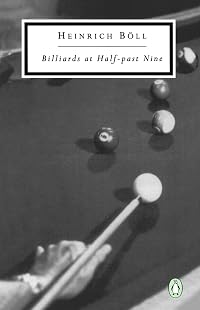
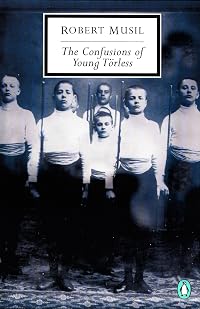


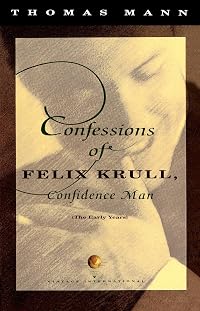

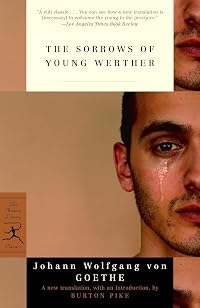













Member Recommendations
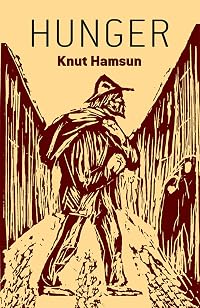
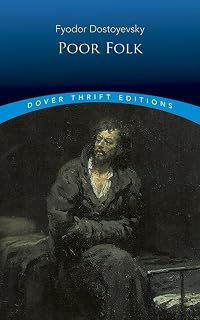
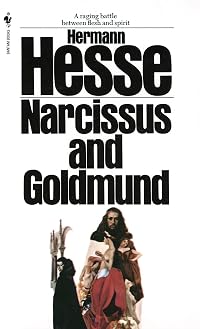
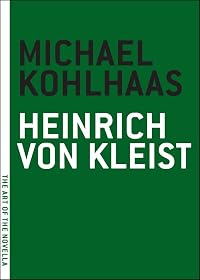
CGlanovsky Stories about people driven to lead unconventional lives
Member Reviews
Knulp is an extremely likeable character and what impressed me most about this book is how Hesse could evoke in me the very same feeling towards his central character that everyone else in the story had. On paper and in society’s eyes, this man is a failure: dropping out of school despite huge potential, abandoning his family to live a life of a vagrant wanderer; living hand-to-mouth and never working; journeying from friend to friend taking advantage of their hospitality and charity; upping and leaving when he longs once more for solitude, sometimes without so much as a goodbye; refraining from any intimate friendships or relationships. Yet despite all this, Knulp is extremely likeable, disarming and charming and everyone is happy to show more have him stay, share his company and are even envious of his carefree existence which seems to pale their own ordered and responsibility-ridden lives. As the reader I too was happy to follow his life and spend my time with him. But in direct contrast to what I’ve just said, it is when Knulp eschews his philosophical musings later in the book that we see a melancholy beneath his free-spirited existence:
‘The most beautiful things, I think, give us something else beside pleasure; they leave us with a feeling of sadness or fear... to me there’s nothing more beautiful than fireworks in the night. There are blue and green fireballs, they rise up in the darkness, and at the height of their beauty they double back and they’re gone. When you watch them, you’re happy but at the same time afraid, because in a moment it will be over. The happiness and fear go together and it’s much more beautiful than if it lasted longer.’
‘Every human being has his soul, he can’t mix it with any other. Two people can meet, they can talk with one another, they can be close together. But their souls are like flowers, each rooted to its place. One can’t go to another, because it would have to break away from its roots, and that it can’t do.’
We experience three points in his story at and learn his attitude to life at each point. Once as a youngish man staying at a friends house, once a little older and through the eyes of the chapters narrator who learns of why Knulp came to be a vagrant and finally close to the end of his life where he is terminally ill and wanting to see his home village for one last time.
I read Hesse’s Siddhartha a couple of years ago and wasn’t too blown away by it but this was a subtle and powerful book that I really enjoyed. It was an astute portrait of a peaceful and intriguing man. Well worth a read. show less
‘The most beautiful things, I think, give us something else beside pleasure; they leave us with a feeling of sadness or fear... to me there’s nothing more beautiful than fireworks in the night. There are blue and green fireballs, they rise up in the darkness, and at the height of their beauty they double back and they’re gone. When you watch them, you’re happy but at the same time afraid, because in a moment it will be over. The happiness and fear go together and it’s much more beautiful than if it lasted longer.’
‘Every human being has his soul, he can’t mix it with any other. Two people can meet, they can talk with one another, they can be close together. But their souls are like flowers, each rooted to its place. One can’t go to another, because it would have to break away from its roots, and that it can’t do.’
We experience three points in his story at and learn his attitude to life at each point. Once as a youngish man staying at a friends house, once a little older and through the eyes of the chapters narrator who learns of why Knulp came to be a vagrant and finally close to the end of his life where he is terminally ill and wanting to see his home village for one last time.
I read Hesse’s Siddhartha a couple of years ago and wasn’t too blown away by it but this was a subtle and powerful book that I really enjoyed. It was an astute portrait of a peaceful and intriguing man. Well worth a read. show less
Knulp is intelligent and witty and everyone likes him, but he has turned his back on having a career or a home or any of the conventional trappings of success. Instead he travels around, sleeping in fields and visiting friends. Because he’s so happy and charming, he has friends all over, and they’re all happy to shelter their vagrant pal for a little while. The novel was told from several different points of view and depicts different periods in Knulp’s life. As he gets older, it becomes clear that sleeping rough has taken its toll and that Knulp is not long for this world. He revisits his home town, which I found very touching. Then he has a philosophical conversation with god about his purpose in life, before lying down in the show more snow to sleep. The god business is SO not my kind of thing, but it was actually really well-done and I found it quite moving. The “cheerful wanderer” seems to be a “type” from this period. (For example, Maud Hart Lovelace’s Betsy is constantly talking about The Beloved Vagabond, but I don’t think I will ever read it because it is from 1906 and I’m certainly not going to make it to 2106.) This type is valorized in Knulp, but skewered in another book of 1916, I Pose. show less
I became enamored with Hesse’s work in Crested Butte, Colorado, where I managed a dozen houses that paid for my schooling at Western State Colorado University. Those were the days of “Counterculture.” The bookshelves of most of my student renters inevitably included Hesse classics like Siddartha, Demian, The Glass Bead Game, and the iconic Whole Earth Catalog—displayed in smoke-filled living rooms.
By the early1970s, Hesse had become a cult figure, and in 1968, the California rock group, Steppenwolf, named after one of Hesse’s other classic books, released “Born to be Wild,” which was featured in the film Easy Rider. The author was always obsessed with believing that the open road offered freedom. He often put on his hat show more and strolled into the night without a clear idea of where he wanted to go. Not surprisingly, this book influenced Jack Kerouac’s, On the Road and The Dharma Bums.
After forty years of working with international organizations, I turned to travel writing to share some of my stories and what I learned. When I discovered that Hesse had written about an eternal drifter, a true drop-out, I had to read it.
Hesse had intended to follow in his father’s footsteps as a Protestant pastor and missionary, but rebelled against traditional academic education. Or as he puts it in one passage,” A father can pass on his nose and eyes and even his intelligence to his child, but not his soul. In every human being, the soul is new.”
Eventually, he’d work as a bookseller and, in protest of German militarism, moved to Switzerland, where he lived in self-imposed exile until he died in 1962. Yet another reason so many Boomers gravitated to his work during the anti-Vietnam war days.
With profound understanding and sympathy, but also with some irony, Hesse portrays Knulp's life journey, love affairs, and questioning of life. Here’s part of that story,
In reality, though he did little that was expressly prohibited, he carried on the illegal and disdained existence of a tramp. Of course, he would hardly have been so unmolested in his lovely fiction if the police had not been well disposed towards him. They respected the cheerful, entertaining young fellow for his superior intelligence and occasional earnestness and, as far as possible, left him alone.
And yet, in his later years, he showed regret,
How clear and simple life was! He had thrown himself away, he had lost interest in everything, and life falling in with his feelings, had demanded nothing of him.
He had lived as an outsider, an idler and onlooker, well-liked in his young manhood, alone in his illness and advancing years. Seized with weariness, he sat down on the wall, and the river murmured darkly in his thoughts.
The novel reaches a final powerful climax when God reveals to Knulp his true purpose in life,
’Look,’ said God, ‘I wanted you the way you are and no different. You were a wanderer in my name and wherever you went, you brought the sedentary people a little nostalgia for freedom. In my name, you did silly things and people made fun at you. I myself was mocked in you and was loved in you. You are my child and my brother and a part of me. There is nothing you have enjoyed and suffered that I have not enjoyed and suffered with you.’
’Yes,’ said Knulp, nodding heavily. ‘Yes, that’s true, and deep down, I’ve always known it.’
One of the great masters of contemporary literature, Hesse received the Nobel Prize in Literature in 1946.
The Author
Hermann Hesse (1877-1962) was born in Germany and later became a citizen of Switzerland. As a Western man profoundly affected by the mysticism of Eastern thought, he wrote many novels, stories, and essays that bear a vital spiritual force that has captured the imagination and loyalty of many generations of readers. In 1946, he won the Nobel Prize for Literature for The Glass Bead Game.
Hermann Hesse, ranked among the great masters of contemporary literature, was born in Wurttemberg in 1877. After his first novel, Peter Camenzind, was published in 1904, he devoted himself to writing. In 1919, he moved to Switzerland to protest against German militarism, where he lived in self-imposed exile.
Hesse was strongly influenced by his interest in music, the psychoanalytic theories of Jung, and Eastern thought. He wrote: "My political faith is that of a democrat, my world outlook that of an individualist."
Hesse's best-known works include Knulp, Demian, Steppenwolf, Siddhartha, Klinsor's Last Summer, and The Glass Bead Game, each of which explores an individual's search for authenticity, self-knowledge, and spirituality.
Product details
• Publisher : CreateSpace Independent Publishing Platform (July 8, 2012)
• Language : English
• Paperback : 100 pages
• ISBN-10 : 1478200200
• ISBN-13 : 978-1478200208
• Item Weight : 5.1 ounces
• Dimensions : 6 x 0.21 x 9 inches
• Best Sellers Rank: #683,113 in Books (See Top 100 in Books)
o #2,034 in Biographical Fiction (Books)
o #15,251 in Classic Literature & Fiction
Reviewer
Mark D. Walker was a Peace Corps Volunteer in Guatemala and spent over forty years helping disadvantaged people in the developing world. He’s a contributing writer for The Authors Show, Wanderlust Journal, Revue Magazine, and the Literary Traveler. His column, “The Million Mile Walker Review: What We’re Reading and Why,” is part of the Arizona Authors Association newsletter. One of his essays received a Bronze from the Solas Literary Awards for Best Travel Writing. His first book is Different Latitudes: My Life of the Peace Corps and Beyond. His latest book, My Saddest Pleasures: 50 Years on the Road, is now available on Cyberwit.net. His wife and three children were born in Guatemala. You can find over 65 book reviews and 25 of his articles at www.MillionMileWalker.com. show less
By the early1970s, Hesse had become a cult figure, and in 1968, the California rock group, Steppenwolf, named after one of Hesse’s other classic books, released “Born to be Wild,” which was featured in the film Easy Rider. The author was always obsessed with believing that the open road offered freedom. He often put on his hat show more and strolled into the night without a clear idea of where he wanted to go. Not surprisingly, this book influenced Jack Kerouac’s, On the Road and The Dharma Bums.
After forty years of working with international organizations, I turned to travel writing to share some of my stories and what I learned. When I discovered that Hesse had written about an eternal drifter, a true drop-out, I had to read it.
Hesse had intended to follow in his father’s footsteps as a Protestant pastor and missionary, but rebelled against traditional academic education. Or as he puts it in one passage,” A father can pass on his nose and eyes and even his intelligence to his child, but not his soul. In every human being, the soul is new.”
Eventually, he’d work as a bookseller and, in protest of German militarism, moved to Switzerland, where he lived in self-imposed exile until he died in 1962. Yet another reason so many Boomers gravitated to his work during the anti-Vietnam war days.
With profound understanding and sympathy, but also with some irony, Hesse portrays Knulp's life journey, love affairs, and questioning of life. Here’s part of that story,
In reality, though he did little that was expressly prohibited, he carried on the illegal and disdained existence of a tramp. Of course, he would hardly have been so unmolested in his lovely fiction if the police had not been well disposed towards him. They respected the cheerful, entertaining young fellow for his superior intelligence and occasional earnestness and, as far as possible, left him alone.
And yet, in his later years, he showed regret,
How clear and simple life was! He had thrown himself away, he had lost interest in everything, and life falling in with his feelings, had demanded nothing of him.
He had lived as an outsider, an idler and onlooker, well-liked in his young manhood, alone in his illness and advancing years. Seized with weariness, he sat down on the wall, and the river murmured darkly in his thoughts.
The novel reaches a final powerful climax when God reveals to Knulp his true purpose in life,
’Look,’ said God, ‘I wanted you the way you are and no different. You were a wanderer in my name and wherever you went, you brought the sedentary people a little nostalgia for freedom. In my name, you did silly things and people made fun at you. I myself was mocked in you and was loved in you. You are my child and my brother and a part of me. There is nothing you have enjoyed and suffered that I have not enjoyed and suffered with you.’
’Yes,’ said Knulp, nodding heavily. ‘Yes, that’s true, and deep down, I’ve always known it.’
One of the great masters of contemporary literature, Hesse received the Nobel Prize in Literature in 1946.
The Author
Hermann Hesse (1877-1962) was born in Germany and later became a citizen of Switzerland. As a Western man profoundly affected by the mysticism of Eastern thought, he wrote many novels, stories, and essays that bear a vital spiritual force that has captured the imagination and loyalty of many generations of readers. In 1946, he won the Nobel Prize for Literature for The Glass Bead Game.
Hermann Hesse, ranked among the great masters of contemporary literature, was born in Wurttemberg in 1877. After his first novel, Peter Camenzind, was published in 1904, he devoted himself to writing. In 1919, he moved to Switzerland to protest against German militarism, where he lived in self-imposed exile.
Hesse was strongly influenced by his interest in music, the psychoanalytic theories of Jung, and Eastern thought. He wrote: "My political faith is that of a democrat, my world outlook that of an individualist."
Hesse's best-known works include Knulp, Demian, Steppenwolf, Siddhartha, Klinsor's Last Summer, and The Glass Bead Game, each of which explores an individual's search for authenticity, self-knowledge, and spirituality.
Product details
• Publisher : CreateSpace Independent Publishing Platform (July 8, 2012)
• Language : English
• Paperback : 100 pages
• ISBN-10 : 1478200200
• ISBN-13 : 978-1478200208
• Item Weight : 5.1 ounces
• Dimensions : 6 x 0.21 x 9 inches
• Best Sellers Rank: #683,113 in Books (See Top 100 in Books)
o #2,034 in Biographical Fiction (Books)
o #15,251 in Classic Literature & Fiction
Reviewer
Mark D. Walker was a Peace Corps Volunteer in Guatemala and spent over forty years helping disadvantaged people in the developing world. He’s a contributing writer for The Authors Show, Wanderlust Journal, Revue Magazine, and the Literary Traveler. His column, “The Million Mile Walker Review: What We’re Reading and Why,” is part of the Arizona Authors Association newsletter. One of his essays received a Bronze from the Solas Literary Awards for Best Travel Writing. His first book is Different Latitudes: My Life of the Peace Corps and Beyond. His latest book, My Saddest Pleasures: 50 Years on the Road, is now available on Cyberwit.net. His wife and three children were born in Guatemala. You can find over 65 book reviews and 25 of his articles at www.MillionMileWalker.com. show less
This one impressed me big time...
A guy who's attracting thru his simplicity... nothing predictable in his life, a life spent on the street, wandering around, every night in a different house. Everywhere, people are amazed and treat well this soldier of fortune with such an out-of-ordinary personality. Knulp is one of a kind, a guy who knows how to get everybody on his side - and takes advantages on it. An empty world - without him.
Reminded me of Eliade's 'The Snake' - but that guy was fascinating in a diabolic way...
A guy who's attracting thru his simplicity... nothing predictable in his life, a life spent on the street, wandering around, every night in a different house. Everywhere, people are amazed and treat well this soldier of fortune with such an out-of-ordinary personality. Knulp is one of a kind, a guy who knows how to get everybody on his side - and takes advantages on it. An empty world - without him.
Reminded me of Eliade's 'The Snake' - but that guy was fascinating in a diabolic way...
Discovered that I had this by doing the cataloguing so read this. Touching story about a life you must live rather than the life you ought once you follow the path of love and feelings rather then duty. Also explores who is to say what is failure.
Does so over three sections where we join Knulp at different times of his life. The perspective moves from 1st person to omnipotent in the final section. The prose is simple even poetic with lots of telling touches that build up the character(s) in the readers mind
Does so over three sections where we join Knulp at different times of his life. The perspective moves from 1st person to omnipotent in the final section. The prose is simple even poetic with lots of telling touches that build up the character(s) in the readers mind
People are like flowers, indeed.
Members
- Recently Added By
Lists

First published in 1915
87 works; 11 members

Books Read in 2022
5,168 works; 114 members

Books Read in 2006
421 works; 8 members

Read in 2006
140 works; 1 member
Author Information

Hermann Hesse (July 2, 1877 -- August 9, 1962) was a German poet, novelist, essayist and painter. His best-known works included Steppenwolf, Siddhartha, and The Glass Bead Game, each of which explores an individual's search for authenticity, self-knowledge and spirituality. In 1946, he received the Nobel Prize in Literature. Hess publicly show more announced his views on the savagery of World War I, and was considered a traitor. He moved to Switzerland where he eventually became a naturalized citizen. He warned of the advent of World War II, predicting that cultureless efficiency would destroy the modern world. His theme was usually the conflict between the elements of a person's dual nature and the problem of spiritual loneliness. His first novel, Peter Camenzind, was published in 1904. His masterpiece, Death and the Lover (1930), contrasts a scholarly abbot and his beloved pupil, who leaves the monastery for the adventurous world. Steppenwolf (1927), a European bestseller, was published when defeated Germany had begun to plan for another war. It is the story of Haller, who recognizes in himself the blend of the human and wolfish traits of the completely sterile scholarly project. During the 1960s Hesse became a favorite writer of the counter culture, especially in the United States, though his critical reputation has never equaled his popularity. Hermann Hesse died in 1962. (Bowker Author Biography) show less
Some Editions
Series
Belongs to Publisher Series
Centopaginemillelire (28)
Bibliothek Suhrkamp (75)
Work Relationships
Is contained in
Has as a reference guide/companion
Has as a student's study guide
Common Knowledge
- Canonical title*
- Knulp
- Original title
- Knulp - Drei Geschichten aus dem Leben Knulps
- Original publication date
- 1915
- People/Characters
- Knulp
- Original language*
- Allemand
*Some information comes from Common Knowledge in other languages. Click "Edit" for more information.
Classifications
Statistics
- Members
- 937
- Popularity
- 28,443
- Reviews
- 11
- Rating
- (3.81)
- Languages
- 17 — Czech, Danish, Dutch, English, Finnish, French, German, Greek, Hungarian, Italian, Korean, Portuguese (Portugal), Russian, Slovak, Spanish, Swedish, Turkish
- Media
- Paper, Ebook
- ISBNs
- 48
- ASINs
- 30