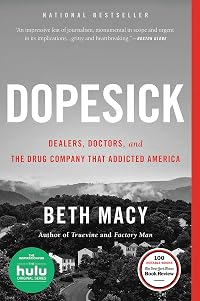
Dopesick: Dealers, Doctors, and the Drug Company that Addicted America
by Beth Macy
On This Page
Description
An instant New York Times bestseller, Dopesick is the only book to tell the full story of the opioid crisis, from the boardroom to the courtroom and into the living rooms of Americans struggling to save themselves and their families: "masterfully interlaces stories of communities in crisis with dark histories of corporate greed and regulatory indifference" (New York Times) from a journalist who has lived through it.In this extraordinary work, Beth Macy takes us into the epicenter of a show more national drama that has unfolded over two decades. From the labs and marketing departments of big pharma to local doctor's offices; wealthy suburbs to distressed small communities in Central Appalachia; from distant cities to once-idyllic farm towns; the spread of opioid addiction follows a tortuous trajectory that illustrates how this crisis has persisted for so long and become so firmly entrenched.
Beginning with a single dealer who lands in a small Virginia town and sets about turning high school football stars into heroin overdose statistics, Macy sets out to answer a grieving mother's question-why her only son died-and comes away with a gripping, unputdownable story of greed and need. From the introduction of OxyContin in 1996, Macy investigates the powerful forces that led America's doctors and patients to embrace a medical culture where overtreatment with painkillers became the norm. In some of the same communities featured in her bestselling book Factory Man, the unemployed use painkillers both to numb the pain of joblessness and pay their bills, while privileged teens trade pills in cul-de-sacs, and even high school standouts fall prey to prostitution, jail, and death. Through unsparing, compelling, and unforgettably humane portraits of families and first responders determined to ameliorate this epidemic, each facet of the crisis comes into focus. In these politically fragmented times, Beth Macy shows that one thing uniting Americans across geographic, partisan, and class lines is opioid drug abuse. But even in the midst of twin crises in drug abuse and healthcare, Macy finds reason to hope and ample signs of the spirit and tenacity that are helping the countless ordinary people ensnared by addiction build a better future for themselves, their families, and their communities. "An impressive feat of journalism, monumental in scope and urgent in its implications." - Jennifer Latson, The Boston Globe. show less
Tags
Recommendations


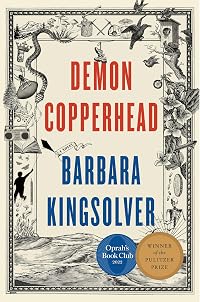

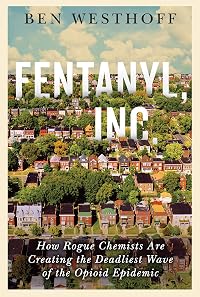
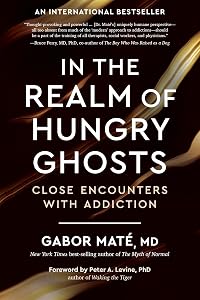
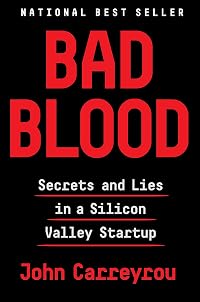

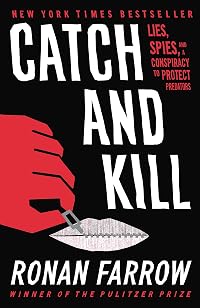
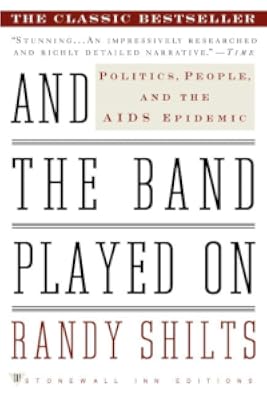

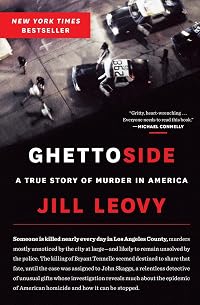

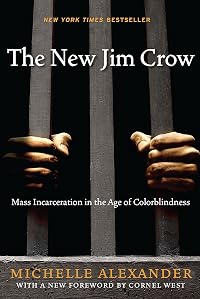

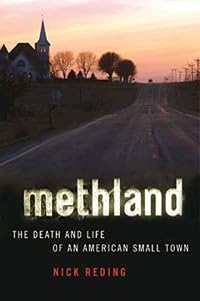


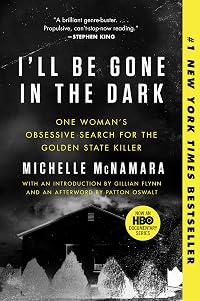
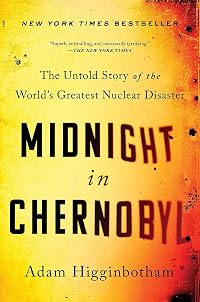
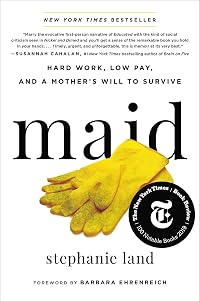
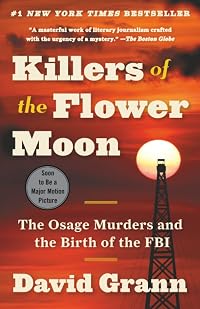
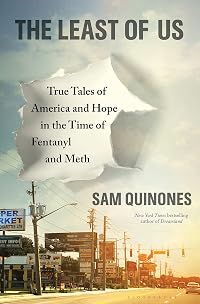
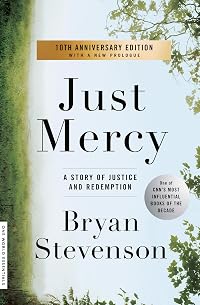
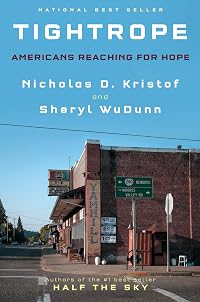










Member Recommendations

Euryale Another angle on Purdue Pharma and the opioid crisis.

Member Reviews
Oxycontin and the resulting flood of heroin has killed more people than AIDS. In fact, it's also rapidly increasing the spread of HIV and Hepatitis C.
What makes this book special is Marcy's long-standing investigative reporting. As she walks you through events from 10 years ago, 5 years ago, etc: she was there. As she describes the trials and tribulations of someone who's died, it's because she knew that person and was interviewing them before they died. This is a non-fiction page turner. She also focuses much more on addicts avoiding dopesickness than on them getting high for kicks, although that's how it starts.
What can we do? She hammers home a few things, though there is no one ultimate solution. More money to clinics with better show more oversight (there are tons of shady detox clinics). More focus on methadone, suboxone, and vivitrol. The later two drugs come with their own share of problems, but are still what research shows works best. Next, universal health care that includes addiction treatment--the vast majority of rehabs and detox programs are totally unaffordable.
A problem she didn't discuss much is that the cause of the crisis is related to the cure. Oxy flowed to make Bayer billions, results be damned. They changed the formula to make it abuse-resistant, but only as their patent for regular Oxy was running out. Vivitrol is a monthly shot that makes users immune to opiates, but one shot costs ~$1,500. Why? Because it's proprietary; drug companies want to make the same killing off saving people that Bayer made off of killing them. show less
What makes this book special is Marcy's long-standing investigative reporting. As she walks you through events from 10 years ago, 5 years ago, etc: she was there. As she describes the trials and tribulations of someone who's died, it's because she knew that person and was interviewing them before they died. This is a non-fiction page turner. She also focuses much more on addicts avoiding dopesickness than on them getting high for kicks, although that's how it starts.
What can we do? She hammers home a few things, though there is no one ultimate solution. More money to clinics with better show more oversight (there are tons of shady detox clinics). More focus on methadone, suboxone, and vivitrol. The later two drugs come with their own share of problems, but are still what research shows works best. Next, universal health care that includes addiction treatment--the vast majority of rehabs and detox programs are totally unaffordable.
A problem she didn't discuss much is that the cause of the crisis is related to the cure. Oxy flowed to make Bayer billions, results be damned. They changed the formula to make it abuse-resistant, but only as their patent for regular Oxy was running out. Vivitrol is a monthly shot that makes users immune to opiates, but one shot costs ~$1,500. Why? Because it's proprietary; drug companies want to make the same killing off saving people that Bayer made off of killing them. show less
This one interested me after watching the television/streaming adaptation that came out a few years back. It's a history of the opioid epidemic that started in the rural areas of Virginia and other states. Macy, a newspaper woman, produced a deeply researched and interconnected narrative that covers everything. She even gives us the etymology of the terms 'junkie' and 'hipster' with explanations that surprised me. Mostly, though, she eviscerates the drug companies who are almost singularly to blame - almost, because some doctors and the healthcare industry bear some responsibility, as well. Along the way, Macy also examines the cultures and economies of rural America that are informative. My only criticism is that, in looking at those show more cultures and economies, Macy largely forgives the people living in those places any individual responsibility in the difficulties the places face. I can't give a small town a complete pass, even in the face of all the forces at work against them, if they surrender their own agency to the problems. But the blame is largely not theirs in the end, even if there were options the people and communities chose to ignore. The best part of the book is the herculean efforts on the part of everyday citizens to address the crisis when the government and corporations refused to help.
Highly Recommended!!!!!
4 1/2 bones!!!!! show less
Highly Recommended!!!!!
4 1/2 bones!!!!! show less
“Drug overdose had already taken the lives of 300,000 Americans over the past fifteen years, and experts now predicted that 300,000 more would die in only the next five. It is now the leading cause of death for Americans under the age of fifty, killing more people than guns or car accidents, at a rate higher than the HIV epidemic at its peak.”
“Americans, representing 4.4 percent of the world’s population, consume roughly 30 percent of its opioids.”
“America’s approach to its opioid problem is to rely on Battle of Dunkirk strategies—leaving the fight to well-meaning citizens, in their fishing vessels and private boats—when what’s really needed to win the war is a full-on Normandy Invasion.”
Beth Macy is an show more award-winning reporter, based in Roanoke VA. In this gut-punch of a book, she zeroes in on the opioid crisis, that has wreaked havoc, in her small city, devastating families from both sides of the tracks. This is just a snapshot of central Appalachia and other rural towns throughout the country. Macy effectively focuses on several individuals and their loved ones, following them through the harrowing trials of addiction. This also reminds us that the family pays as dearly as the loved one, with the “problem”. It turns out, I had no idea how deep and destructive the opioid crisis is. It is so under-reported. I guess we would rather worry about “rapist” immigrants and Russiagate, than deal with this horrifying plague, delivered by the gods at Big Pharma. I will add this one to the Must Reads, like Evicted, Just Mercy and Ghettoside, if you want to know what is happening in the Great U.S. of A.
I realized, after I started Dopesick, that I had read her earlier book Truevine. Another very interesting book. A talented author. show less
“Americans, representing 4.4 percent of the world’s population, consume roughly 30 percent of its opioids.”
“America’s approach to its opioid problem is to rely on Battle of Dunkirk strategies—leaving the fight to well-meaning citizens, in their fishing vessels and private boats—when what’s really needed to win the war is a full-on Normandy Invasion.”
Beth Macy is an show more award-winning reporter, based in Roanoke VA. In this gut-punch of a book, she zeroes in on the opioid crisis, that has wreaked havoc, in her small city, devastating families from both sides of the tracks. This is just a snapshot of central Appalachia and other rural towns throughout the country. Macy effectively focuses on several individuals and their loved ones, following them through the harrowing trials of addiction. This also reminds us that the family pays as dearly as the loved one, with the “problem”. It turns out, I had no idea how deep and destructive the opioid crisis is. It is so under-reported. I guess we would rather worry about “rapist” immigrants and Russiagate, than deal with this horrifying plague, delivered by the gods at Big Pharma. I will add this one to the Must Reads, like Evicted, Just Mercy and Ghettoside, if you want to know what is happening in the Great U.S. of A.
I realized, after I started Dopesick, that I had read her earlier book Truevine. Another very interesting book. A talented author. show less
An interesting, readable, and useful -- if not definitive -- account of the United States' ongoing opioid epidemic. The author's account of how early small-town cops caught on to the fact that a new product called OxyContin could become a problem for law enforcement is positively uncanny, and she does a good job of tracing the spread of opioid and heroin abuse from truly hopeless corners of Appalachia to wealthier zip codes. Other parts of "Dopesick" aren't quite as strong. The account of how Purdue pharma developed OxyContin and the actions it took in response to evidence that patients were abusing it gets the main points across but also feels somewhat cursory.
To be perfectly honest, it was difficult to read "Dopesick" without show more comparing it to "Dreamland", Sam Quinniones's book on the origins of our current drug epidemic. While Quinnionnes appraised this material with an investigative reporter's eye and devoted lots of space to a structural analysis of the epidemic, Macy's book puts more focus on the human element. She describes how the sudden deaths of a handful of teenagers brought home the epidemic's seriousness to a small city in a mostly rural corner of Virginia and provides affecting accounts of their short, unfinished lives. Her descriptions of how mothers and public health professionals living at the epidemic's ground zero have tried to contain its effects is both illuminating and heartbreaking. She describes the personal sacrifices made by people who've lost loved ones to opioid addiction at length, highlighting just how unprepared the health system in these regions was for a problem of this scale. We hear about frantic phone calls to faraway treatment centers and midnight drives to get addicts addicted to detox, and, of course, about overdoses that happen despite everyone's best efforts and the lasting pain of losing a son or daughter to drugs. I found "Dopesick" to be an emotionally trying read.
Lastly, while Quinniones's dealers were, by design, eminently replaceable cogs in a machine, Macy takes the time to get to know some of the people personally responsible for trafficking an enormous amount of heroin from Baltimore to a rural area of Virginia in which it was, if not completely unknown, relatively uncommon. She illustrates how most long-term users are also dealers, balancing sales with use to keep from getting sick. Her portrait of Ronnie, a more-or-less big time distributor that serviced many of the addicts we meet in "Dopesick" is interesting in its own right. He seems intelligent and talented. He'd trained as a computer technician and obviously ran a well-oiled operation. He ducks personal responsibility for much of the damage he caused in the pocket of Appalachia in which he operated, pointing out that he didn't introduce the drug to his territory and often did little more than save his customers a drive to the big city. It's revealing though, that even as his was in full swing he knew that his run was unlikely to last more than six months. Predictably, his arrest did relatively little to stop the flow of drugs into the area where he used to sell.
On balance, I'd recommend readers take a look at Quinniones's book first, though both of these accounts have their strengths and weaknesses. In the final analysis, though, what's especially dispiriting is that much of what Macy describes here is still happening, and by almost all accounts it's gotten worse. Overdose are much higher now than they ever were during the period described in "Dopesick." Sadly, I have no idea how any of this ends. Macy's description of a community doctor's efforts to educate people about opioid addiction and her descriptions of the family-led grassroots efforts to get addicts care prove that there's still some hope to be found, but all-encompasing solutions to this crisis still seem to be in short supply. show less
To be perfectly honest, it was difficult to read "Dopesick" without show more comparing it to "Dreamland", Sam Quinniones's book on the origins of our current drug epidemic. While Quinnionnes appraised this material with an investigative reporter's eye and devoted lots of space to a structural analysis of the epidemic, Macy's book puts more focus on the human element. She describes how the sudden deaths of a handful of teenagers brought home the epidemic's seriousness to a small city in a mostly rural corner of Virginia and provides affecting accounts of their short, unfinished lives. Her descriptions of how mothers and public health professionals living at the epidemic's ground zero have tried to contain its effects is both illuminating and heartbreaking. She describes the personal sacrifices made by people who've lost loved ones to opioid addiction at length, highlighting just how unprepared the health system in these regions was for a problem of this scale. We hear about frantic phone calls to faraway treatment centers and midnight drives to get addicts addicted to detox, and, of course, about overdoses that happen despite everyone's best efforts and the lasting pain of losing a son or daughter to drugs. I found "Dopesick" to be an emotionally trying read.
Lastly, while Quinniones's dealers were, by design, eminently replaceable cogs in a machine, Macy takes the time to get to know some of the people personally responsible for trafficking an enormous amount of heroin from Baltimore to a rural area of Virginia in which it was, if not completely unknown, relatively uncommon. She illustrates how most long-term users are also dealers, balancing sales with use to keep from getting sick. Her portrait of Ronnie, a more-or-less big time distributor that serviced many of the addicts we meet in "Dopesick" is interesting in its own right. He seems intelligent and talented. He'd trained as a computer technician and obviously ran a well-oiled operation. He ducks personal responsibility for much of the damage he caused in the pocket of Appalachia in which he operated, pointing out that he didn't introduce the drug to his territory and often did little more than save his customers a drive to the big city. It's revealing though, that even as his was in full swing he knew that his run was unlikely to last more than six months. Predictably, his arrest did relatively little to stop the flow of drugs into the area where he used to sell.
On balance, I'd recommend readers take a look at Quinniones's book first, though both of these accounts have their strengths and weaknesses. In the final analysis, though, what's especially dispiriting is that much of what Macy describes here is still happening, and by almost all accounts it's gotten worse. Overdose are much higher now than they ever were during the period described in "Dopesick." Sadly, I have no idea how any of this ends. Macy's description of a community doctor's efforts to educate people about opioid addiction and her descriptions of the family-led grassroots efforts to get addicts care prove that there's still some hope to be found, but all-encompasing solutions to this crisis still seem to be in short supply. show less
If you're reading this, and haven't read this book. Add it to your TBR.
The only way we're going to get out of this opioid epidemic is if people who know nothing about opioids help spread the word and gain a better understanding of what opioids do to the brain. I'll be honest, I had no idea that the addiction with drugs like oxy stimmed from them rewiring the brain. I had no idea about the interworking's of heroin addiction. This book (or the show) are a must read just to gain a better understanding of what many American families deal with.
This book, much like the HULU show, is a quick, cliff notes glimpse at a problem that has been spreading across the nation in silence for far too long. It touches on every aspect, from the companies, show more to for profit prisons, and how treatment works. All while following families, dealers, and doctors as they navigate the horrors of opioids.
It was eye opening for me - how literally anyone can get into the opioid trap, one wisdom tooth, bad back injury and no matter how much they want to get better, without the support and access to treatment there's little that can be done just by relying on will power alone.
Even now, years after this book was written, Purdue and pharmaceuticals like them are still playing the system. Getting away with what they clearly knew was wrong. When you add this into the dialysis scandal, and diabetes or epi pen pricing-at what point is it going to be clear that for profit healthcare, and prisons isn't in the best interest of a society that wants to thrive? show less
The only way we're going to get out of this opioid epidemic is if people who know nothing about opioids help spread the word and gain a better understanding of what opioids do to the brain. I'll be honest, I had no idea that the addiction with drugs like oxy stimmed from them rewiring the brain. I had no idea about the interworking's of heroin addiction. This book (or the show) are a must read just to gain a better understanding of what many American families deal with.
This book, much like the HULU show, is a quick, cliff notes glimpse at a problem that has been spreading across the nation in silence for far too long. It touches on every aspect, from the companies, show more to for profit prisons, and how treatment works. All while following families, dealers, and doctors as they navigate the horrors of opioids.
It was eye opening for me - how literally anyone can get into the opioid trap, one wisdom tooth, bad back injury and no matter how much they want to get better, without the support and access to treatment there's little that can be done just by relying on will power alone.
Even now, years after this book was written, Purdue and pharmaceuticals like them are still playing the system. Getting away with what they clearly knew was wrong. When you add this into the dialysis scandal, and diabetes or epi pen pricing-at what point is it going to be clear that for profit healthcare, and prisons isn't in the best interest of a society that wants to thrive? show less
“Nothing’s more powerful than the morphine molecule, and once it has its hooks in you, nothing matters more. Not love. Not family. Not sex. Not shelter. The only relationship that matters is between you and the drug.” – Beth Macy, Dopesick
This book relates the history of the opioid epidemic and its human impact, starting with the introduction of OxyContin by Purdue Pharma in 1996. Macy reveals the shady marketing practices used by Purdue Pharma, enticing doctors to prescribe the drug while minimizing its potential for abuse and addiction. She interviews doctors, nurses, drug dealers, drug treatment staff, law enforcement personnel, judges, and scientists and weaves their quotes into the narrative. She shows how and why the show more opioid epidemic has led to the increased use of heroin (and other drugs). Macy advocates several options for harm reduction, particularly medication-assisted therapy, syringe exchanges, quicker entry to and medical coverage for recovery treatment, and the need for organizations to work together in addressing the issue. She discusses the ideological divide that has kept much progress from being made.
This book does not speak a great deal to the science behind addiction to the morphine molecule. It focuses instead on the human toll, relating heart-breaking personal stories of addicts and their families in the Appalachian region. Anyone that has dealt with drug addiction on a personal level will need to consider whether they are easily triggered before reading this book. It adds to the conversation around what to do about this epidemic and will definitely make a person think twice before using any non-essential pain medication. show less
This book relates the history of the opioid epidemic and its human impact, starting with the introduction of OxyContin by Purdue Pharma in 1996. Macy reveals the shady marketing practices used by Purdue Pharma, enticing doctors to prescribe the drug while minimizing its potential for abuse and addiction. She interviews doctors, nurses, drug dealers, drug treatment staff, law enforcement personnel, judges, and scientists and weaves their quotes into the narrative. She shows how and why the show more opioid epidemic has led to the increased use of heroin (and other drugs). Macy advocates several options for harm reduction, particularly medication-assisted therapy, syringe exchanges, quicker entry to and medical coverage for recovery treatment, and the need for organizations to work together in addressing the issue. She discusses the ideological divide that has kept much progress from being made.
This book does not speak a great deal to the science behind addiction to the morphine molecule. It focuses instead on the human toll, relating heart-breaking personal stories of addicts and their families in the Appalachian region. Anyone that has dealt with drug addiction on a personal level will need to consider whether they are easily triggered before reading this book. It adds to the conversation around what to do about this epidemic and will definitely make a person think twice before using any non-essential pain medication. show less
I can't properly express the importance of this book. As a person who lives with multiple chronic pain conditions, including Lyme disease and fibromyalgia, I know all too well how easy it could be to fall into the trap of addictive prescription medications. Doctors hand out the pills, because that's what they were taught to do and, really, what else is there to do for a patient in chronic pain? And up until recently, few doctors and patients understood how horribly addictive medications like Oxycontin really are. So no one was warned. In fact, the opposite happened; doctors were told it was absolutely safe, and consequently they helped create an epidemic of addiction.
Too many people remain in their bubble, thinking addiction only show more affects the poor or the weak or someone else's kids. Until addiction strikes someone close to them, and their world is tipped upside down. We've cultivated a society in which people believe prescription medications are safe, and that Oxy isn't dangerous like heroin, when Oxy really is just heroin wrapped up in a prettier package.
This book takes on the myth of Oxycontin's safety, and how it leads to heroin use because that's the cheaper option. We see exactly how the drug's manufacturer intentionally downplayed the addiction factor and specifically targeted their marketing strategy at vulnerable areas of the country. These pharmaceutical companies are more dangerous than the drug dealers importing heroin and cocaine, and yet they continue getting rich off the addicts they create.
Beth Macy shows us exactly where and how opioid addiction began, how it evolved, and where it led. We meet addicts, many of whom are middle class kids and young adults from good homes, and not the stereotypical gangbanger or disenfranchised poor. We see the destruction and the desperation through their eyes.
The point here is not to label all opioids as evil, but to educate on their use and abuse. I really hope everyone reads this book.
*I received an advance ebook copy from the publisher, via NetGalley, in exchange for my honest review.* show less
Too many people remain in their bubble, thinking addiction only show more affects the poor or the weak or someone else's kids. Until addiction strikes someone close to them, and their world is tipped upside down. We've cultivated a society in which people believe prescription medications are safe, and that Oxy isn't dangerous like heroin, when Oxy really is just heroin wrapped up in a prettier package.
This book takes on the myth of Oxycontin's safety, and how it leads to heroin use because that's the cheaper option. We see exactly how the drug's manufacturer intentionally downplayed the addiction factor and specifically targeted their marketing strategy at vulnerable areas of the country. These pharmaceutical companies are more dangerous than the drug dealers importing heroin and cocaine, and yet they continue getting rich off the addicts they create.
Beth Macy shows us exactly where and how opioid addiction began, how it evolved, and where it led. We meet addicts, many of whom are middle class kids and young adults from good homes, and not the stereotypical gangbanger or disenfranchised poor. We see the destruction and the desperation through their eyes.
The point here is not to label all opioids as evil, but to educate on their use and abuse. I really hope everyone reads this book.
*I received an advance ebook copy from the publisher, via NetGalley, in exchange for my honest review.* show less
Members
- Recently Added By
Lists

Top Five Books of 2018
802 works; 265 members

2019 Notable Books for Adults
26 works; 3 members

GAL Book Club
75 works; 3 members

Hachette Book Group
152 works; 6 members
Club Read's Recommended Nonfiction Written by Women
618 works; 30 members

Weirdo Nonfiction
138 works; 3 members

Books in the Bibliography of Humans: A Monstrous History by Surekha Davies
346 works; 1 member

United States
35 works; 1 member
Author Information

8+ Works 2,616 Members
Beth Macy is a journalist. Her work has appeared in national magazines and The Roanoke Times, where her reporting has won more than a dozen national awards, including a Nieman Fellowship for Journalism at Harvard. Her first book, Factory Man: How One Furniture Maker Battled Offshoring, Stayed Local - and Helped Save an American Town, was published show more in 2014. (Bowker Author Biography) show less
Awards and Honors
Awards
Distinctions
Amazon.com Best Books (Top 20 – 2018)
The Guardian Book of the Day (2018-08-19)
Common Knowledge
- Original title
- Dopesick
- Original publication date
- 2018-08-07
- People/Characters
- Tess Henry; Dr. Art Van Zee; Ronnie “D.C.” Jones; Kristi Fernandez; Jesse Bolstridge; Spencer Mumpower (show all 15); Sister Beth Davies; Scott Roth; Sue Ella Kobak; Patricia Mehrmann; Mortimer Sackler; Arthur Sackler; Raymond Sackler; Dr. Sue Cantrell; Jamie Waldron
- Important places
- Virginia, USA; Appalachia, USA
- Related movies
- Dopesick (2021 | IMDb)
- Blurbers
- Deaton, Angus; Case,Anne; Kaine, Tim; Catte, Elizabeth; Horwitz, Tony
- Original language
- English
- Canonical DDC/MDS
- 362.290973
- Canonical LCC
- RC568.O45
Classifications
- Genres
- Sociology, General Nonfiction, Nonfiction
- DDC/MDS
- 362.290973 — Society, government, & culture Social problems and social services Social Welfare Mental illness Substance abuse Biography; History By Place North America
- LCC
- RC568 .O45 — Medicine Internal medicine Internal medicine Neurosciences. Biological psychiatry. Neuropsychiatry Psychiatry Psychopathology Personality disorders. Behavior problems
- BISAC
Statistics
- Members
- 1,419
- Popularity
- 16,670
- Reviews
- 72
- Rating
- (4.08)
- Languages
- English, German
- Media
- Paper, Audiobook, Ebook
- ISBNs
- 21
- ASINs
- 5