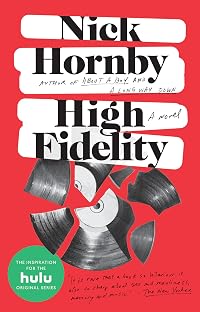
High Fidelity
by Nick Hornby
On This Page
Description
Rob is a pop music junkie who runs his own semi-failing record store. His girlfriend, Laura, has just left him for the guy upstairs, and Rob is both miserable and relieved. After all, could he have spent his life with someone who has a bad record collection? Rob seeks refuge in the company of the offbeat clerks at his store, who endlessly review their top five films (Reservoir Dogs...); top five Elvis Costello songs ("Alison"...); top five episodes of Cheers (the one where Woody sang his show more stupid song to Kelly...). Rob tries dating a singer whose rendition of "Baby, I Love Your Way" makes him cry. But maybe it's just that he's always wanted to sleep with someone who has a record contract. Then he sees Laura again. And Rob begins to think (awful as it sounds) that life as an episode of thirtysomething, with all the kids and marriages and barbecues and k.d. lang CD's that this implies, might not be so bad. show lessTags
Recommendations
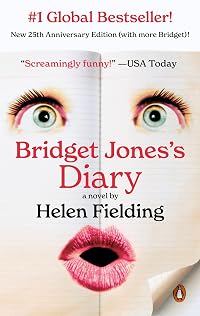

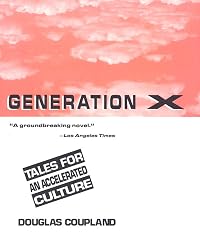


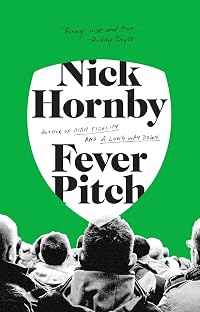
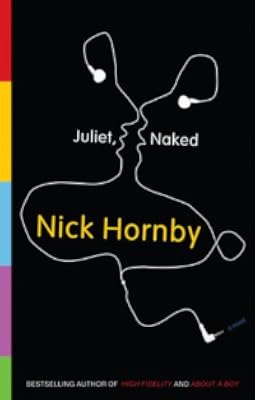


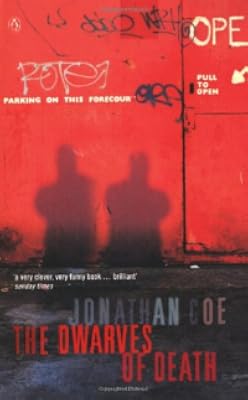
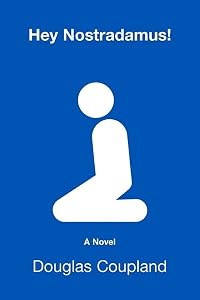
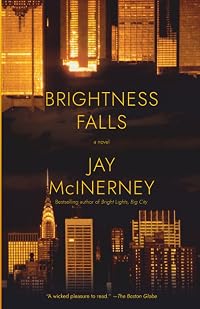
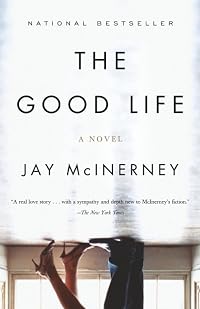

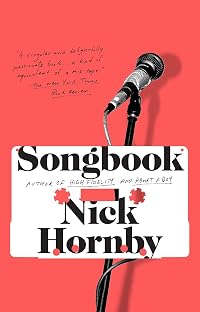
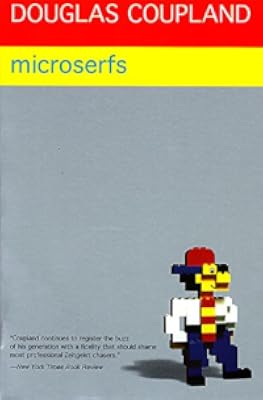
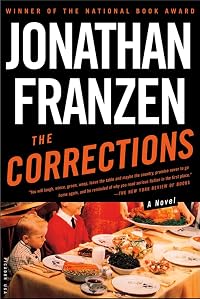
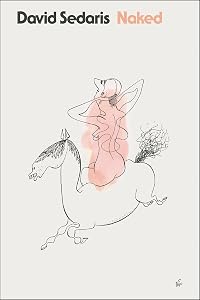
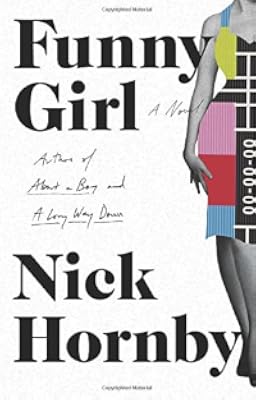

Member Recommendations
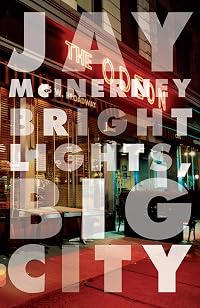
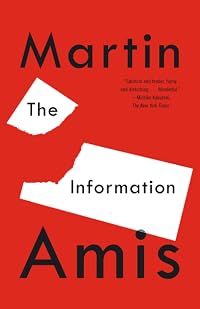
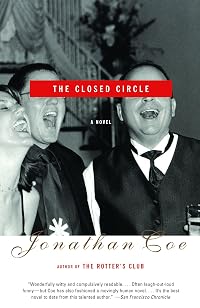
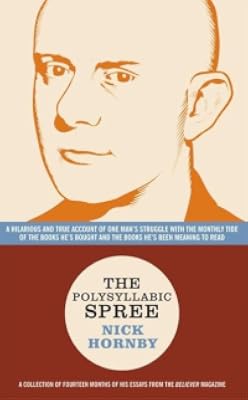
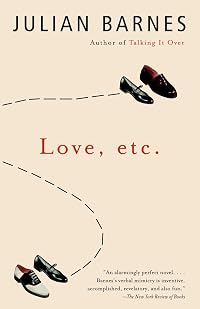
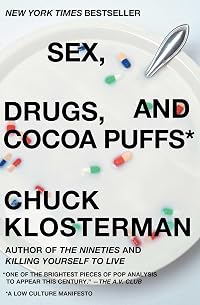
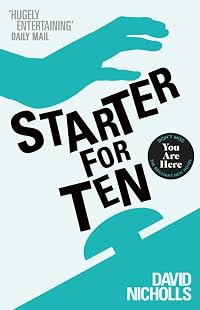
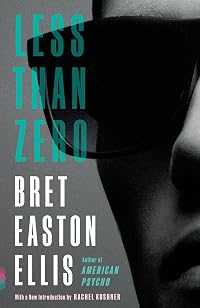
SimoneA Both funny and enjoyable books about a young guy rethinking his life.
10
elenchus Similar taste in music by the protagonists, but a very different novel. Both very good.
lampbane Another story where music and love are interconnected.
11

BookshelfMonstrosity Both are introspective and character-based novels about a witty and music-obsessed young man suffering from relationship problems. Readers who enjoy savvy, music-literate fiction will enjoy the hip, colloquial prose and rich detail concerning popular music.
01
Member Reviews
If you're too vinyl records and classic pop music, this is definitely the book for you. Since that's not really my thing, I struggled a bit with this book, since it left me to simply rage at the characters. The narrator Rob is exactly the kind of male character I can't stand (especially in real life!): he runs through women with no consideration to commit to them, he's obsessed with music and very judgmental of those who don't meet his standards for "good taste", and manages a record store on the edge of bankruptcy. Seriously, I applauded his girlfriend Laura for leaving him and wanted to smack her when she went back to him. Maybe I'm sexist, but I'm very much over novels which romanticize the experience of under-employed men who can't show more seem to get their lives together. show less
This is one of those feel-good books for people who want to keep their options open and kinda stumble about their lives only to realize they had already made up their minds and are pretty dully okay with it. :)
Does this sound kinda horrible?
Nah... but yeah, kinda, and no, because that means we're all a bit horrible. :)
But that's okay because we all have that music snob in us and we are all horribly geeky about certain things. I happen to love music just as much as Rob in the book and I'm much worse when it comes to my books, but you know what? It's freaking charming. I love it.
Just the way I loved the movie before I knew it was based on this book, I loved it. It was super charming and embarrassing and appropriate and pathetic and show more downright glorious. All at once.
And I'm a fan. Still am, now that I've read the book. And my only complaint? I need that soundtrack running in the background... OH WAIT! I HAVE SPOTIFY! :) Tee hee! show less
Does this sound kinda horrible?
Nah... but yeah, kinda, and no, because that means we're all a bit horrible. :)
But that's okay because we all have that music snob in us and we are all horribly geeky about certain things. I happen to love music just as much as Rob in the book and I'm much worse when it comes to my books, but you know what? It's freaking charming. I love it.
Just the way I loved the movie before I knew it was based on this book, I loved it. It was super charming and embarrassing and appropriate and pathetic and show more downright glorious. All at once.
And I'm a fan. Still am, now that I've read the book. And my only complaint? I need that soundtrack running in the background... OH WAIT! I HAVE SPOTIFY! :) Tee hee! show less
I have read my fair share of break-up stories but they are pretty much almost always told from the female point of view. High Fidelity by Nick Hornby gives us the males point of view and it’s funny, clever, and somewhat frustrating as Rob tells us about his break-up with Laura as well as the rest of his romantic memories. Using music as the thread that binds his memories together , Rob doesn’t flinch from showing us his self centered side of the story but as it goes along he also learns to confront his loneliness, sense of failure and, at the age of 29, his lack of maturity.
I wish I had read this book when I was in my 20’s or 30’s as I believe the author has painted a true picture of how men think and act in certain situations show more and this knowledge would have helped me in dealing with the opposite sex. But instead of finding this a useful reference, I was able to relax and enjoy the story, giggle out loud a bit and shake my head at how very different men and women are and what they really mean when they say certain things.
Well written, humorous, pathetic and highly readable, High Fidelity was a great read and Nick Hornby is definitely an author that I intended to follow up on. show less
I wish I had read this book when I was in my 20’s or 30’s as I believe the author has painted a true picture of how men think and act in certain situations show more and this knowledge would have helped me in dealing with the opposite sex. But instead of finding this a useful reference, I was able to relax and enjoy the story, giggle out loud a bit and shake my head at how very different men and women are and what they really mean when they say certain things.
Well written, humorous, pathetic and highly readable, High Fidelity was a great read and Nick Hornby is definitely an author that I intended to follow up on. show less
I couldn't honestly remember if I'd read this previously or just watched the film (probably the film, because John Cusack), but if I had, I must have conveniently forgotten how much of a pig the narrator is. I wouldn't willingly put myself through that again, I'm sure. He's not the vilest male creation I've encountered recently - I'm sure Rob and Michael from An Equal Music would get along famously - but not even the occasional humour and love of music can carry so much insufferable male ego. Poor Laura. Now I know why Funny Girl was so bad, I though Nick Hornby had just lost his touch.
Egy ideig küzdöttem azért, hogy agyi vetítővásznamról levakarjam John Cusack meg Jack Black arcát, de végül feladtam. (Ez van, nem volt az olyan rossz film.) Hornby az egyik legjobb tollú író azok közül, akik a büdös életben nem fognak Nobelt kapni. Fog egy abszolút rétegtörténetet egy zenebuzi lemezboltos életközepi válságáról, és olyan okosan, olyan ironikusan írja meg, hogy majd mindenki ki tudja szemezgetni belőle a magáét. Ahogy az értékeléseket nézegettem, még a hölgyek is, ami mellesleg ismét fényesen bizonyítja az irodalom kozmikus erejét. Még az sem zavart, hogy ha jobban megpiszkáljuk, Fleming és haverjai a legnagyobb sznobok Londonban*, ahogy az sem, hogy Hornby eszement show more mennyiségű rinyát sűrít bele szűk 300 oldalba – mert az egész elképesztően mulatságos. És hát marhára hálás is vagyok, mert végre valaki úgy ír a kínlódástól, ahogy Woody Allen filmesít: nem kell aggódnom amiatt, hogy ez a fickó a végén fellógatja magát. Megnyugtató. Mi több, a végén Hornby még azzal is megsimogatja a kollektív néplelket, hogy az összes főbb szereplőnek kiosztja ászpókert, így részesülünk az irodalomtörténet egyik legegymásraborulósabb fináléjában. Ja, Ian persze megszívja, de hát ő tényleg rohadjon meg. Vagy van, aki szerint ne? Nem egy Dosztojevszkij, ami abból is kitűnik, hogy olvasás közben végig jól éreztem magam – de a maga nemében mestermű. Mert ez a könyv a szórakoztatás magasiskolája, én pedig ezért hálásan föl is terjesztem öt csillagra. Nagyon jól jött ebben a szutyadék időben.
* Amúgy meg, Rob: nekem nincs 500 bakelitem otthon (ami azt illeti, egy sem), így hát a te kritériumaid szerint tán ember sem vagyok. Viszont van ezervalahányszáz könyvem, úgyhogy megcsókolhatod a valagam. Amúgy meg bírlak, de komolyan. show less
* Amúgy meg, Rob: nekem nincs 500 bakelitem otthon (ami azt illeti, egy sem), így hát a te kritériumaid szerint tán ember sem vagyok. Viszont van ezervalahányszáz könyvem, úgyhogy megcsókolhatod a valagam. Amúgy meg bírlak, de komolyan. show less
The film version of High Fidelity is the greatest romantic comedy about music fans ever made. The book itself, which I'd stupidly not read until just now, was not one bit less good. As with all truly meaningful art, I found different things to relate to now than I did when I saw the movie back in college, but much of it was just as great as I remember: the protagonist has the right balance of likability and unlikability, his music obsession is as admirable as it is embarrassing, and the resolutions of his personal and professional crises are as inspirational as they are aspirational. As a romantic fantasy for anyone who thinks that sharing musical taste (or any kind of taste) with someone means that everything will always work out for show more the best, High Fidelity can't be beaten, and even the parts where I disagreed with the plot had me thinking about how my own life was "supposed" to go. Even its sappy ending is unhateable.
If you've somehow never seen the movie, Rob Fleming is an aimless, drifting music shop owner who's dumped by his girlfriend Laura because she's tired of dating an aimless, drifting music shop owner. In search of some form of emotional closure, he tries to track down the five of his past girlfriends whose breakups have hurt him the most, while taking stock of how he has gotten to this point in his life, where his dreams seemed to have evaporated and left only his dead-end job and a few "friends" in front of him. Along the way, as he attempts to reconcile with Laura, he learns important lessons about commitment, fidelity, righting wrongs, facing your fears, and what it means to follow your dreams. He talks a lot about music too.
It's not nearly as insipid as that though - even though the book was published in 1995 and is still firmly in the pre-internet era in its tone, its view of the essential ambiguity of modern relationships, using music as an example of the ways people try (and fail) to connect to each other, is perfectly current and applicable. Rob can't commit, which is hardly uncommon, and it becomes uncomfortably obvious that in addition to his fear of death, he doesn't respect himself. This is properly ironic, since as a record store owner he's an esteemed taste arbiter, but he feels that he hasn't lived up to his potential, and that his actual life is just an audience recording of a concert he never gave. "Sex is about the only grown-up thing I know how to do; it's weird, then, that it's the only thing that can make me feel like a ten-year-old." I found that feeling of uncertainty perfectly relatable; same with his self-pity, his self-deprecation, and his retreat into meaningless reflexive listmaking. Laura dumps him as a way to get him to wake up, and though you could claim that that kind of dedication on her part is unrealistic, since all too often people simply give up, move on, and don't look back, let's not be too cynical: sometimes people really do go that extra mile for the person they love. Maybe the true difference between what people call "settling" and what they call "realizing that what you actually needed was right in front of you all along" is simply that in the latter case things eventually work out and in the former they just don't.
Laura is actually kind of a puzzle in the book, in that she seems oddly attached to this mope given their backstory. I wouldn't say that she's totally unrealistic, though, since that happens all the time. Isn't every great relationship undeserved? You can tell that Rob agrees, given how hurt he is by her dumping him. Even his rebound, a musician named Marie (from my hometown of Austin!) ends up reminding him of what he's lost, after their mutual attraction leads them to hook up: "Before we slept together, there was at least some pretense that it was something we both wanted to do, that it was the healthy, strong beginning of an exciting new relationship. Now all the pretense seems to have gone, and we're left to face the fact that we're sitting here because we don't know anybody else we could be sitting with." And that's what sets him off on his quest for closure. I personally feel like "closure" is bullshit, but you never know. Sometimes failed relationships just end; other times there's that ambiguity, that sense of incompleteness that leads to reaching out for some vague and nebulous affirmation of their own feelings. It depends on what the relationship meant to you, and he has a great analysis of his own feeling of helplessness after Laura leaves him, when he's being exceptionally petulant:
"You know the worst thing about being rejected? The lack of control. If I could only control the when and how of being dumped by somebody, then it wouldn't seem as bad. But then, of course, it wouldn't be rejection, would it? It would be by mutual consent. It would be musical differences. I would be leaving to pursue a solo career. I know how unbelievably and pathetically childish it is to push and push like this for some degree of probability, but it's the only thing I can do to grab any sort of control back from her."
Yeah: that desperate grabbing for any amount of power; anything to feel like something other than a victim. Breakups are ugly, especially for people who spend too much time inside their own heads: "Maybe we all live life at too high a pitch, those of us who absorb emotional things all day, and as a consequence we can never feel merely content: we have to be unhappy, or ecstatically, head-over-heels happy, and those states are difficult to achieve within a stable, solid relationship." There's a lot of good stuff in here about what you measure yourself against as a way of defining yourself: against your dreams, against your peers, against your parents. Particularly on that last one - I think many people feel like epigones when they look at their parents, like they somehow knew things that you don't, even when that plainly isn't the case. It's easy to feel like your life is in a permanent transitional phase, despite that being a contradiction in terms, when you aren't following a set path. In that light, he's returning to his exes as a way to orient himself, because even running back over the same ground again is movement, right?
And I just can't help but love a book that's so thoroughly saturated with great musical taste, with exactly the right mixture of condescension and simultaneous embarrassment at that same condescension. There's a great scene where he's clumsily half-flirting with a music journalist who is asking him what his top 5 records of all time are. This should be the ultimate softball question, since he's been preparing for this essentially his whole life. And he blows it! Right when he's trying to be cool, he stumbles over his answers and ends up spitting out a bunch of records that don't mean anything to him, and he has to call her a bunch of times to get her to change his answers - the exact opposite of cool. Music is how Rob tries to connect to people, categorize them, and even index his own life (I'd forgotten about that scene when he tries to organize his record collection "autobiographically" to make himself feel better), but that externalization of connection could be film, art, anything. In addition to lots of great discussion of lists and mixtapes (which thanks to services like Spotify are still a great way to impress girls with your taste), he even has a funny take on the classic chicken-and-egg question of sad people and sad songs:
"People worry about kids playing with guns, and teenagers watching violent videos; we are scared that some sort of culture of violence will take them over. Nobody worries about kids listening to thousands, literally thousands, of songs about broken hearts and rejection and pain and misery and loss. The unhappiest people I know, romantically speaking, are the ones who like pop music the most; and I don't know whether pop music has caused this unhappiness, but I do know that they've been listening to the sad songs longer than they've been living the unhappy lives."
There was one big thing that, now that I'm older, made me question the realism of the story. Yeah, I know it's silly to question the narrative logic of romantic comedies, but still, I don't know that I fully buy that he gets back together with Laura via her father's death. In real life, tragedies are as likely to destroy relationships as restore them, and given his behavior at the funeral, there were plenty of points for Laura to get sick of his shit and pursue any one of the millions of other people who would no doubt be available. Maybe it comes back to the question of deciding what's settling and what isn't: was that sort of very drawn-out breakup with lots of contact and interaction just their way of realizing what was really important, or was it poor writing/nerd wish fulfillment? Again, maybe you just have to judge your behavior by what works and what doesn't, the Benthamite utilitarian view instead of the Kantian deontological view of what works for you.
Or maybe you can just enjoy what is, again, the greatest romantic comedy about music fans ever written. This was good enough that I rewatched the movie while finishing it, and they absolutely nailed it, from the casting (Jack Black in particular is perfect as Barry) all the way down to the scene change from London to Chicago. It would actually probably make it onto my Top 5 Novel Adaptations list, if I had one. On a side note, Hornby wrote an extremely negative review of Radiohead's Kid A, which I really love, in the New Yorker titled "Beyond The Pale". You can find it online, but it absolutely drips with a kind of condescension that's somewhat shocking from a guy who wrote such a great book deflating exactly that kind of pompous attitude.
I also loved this line about obligatory "friends" you have to invite to places and am going to start using it immediately: "'I call 'em duck noires. Sort of a mixture of lame duck and bête noire. People you don't want to see but kinda feel you should.'" show less
If you've somehow never seen the movie, Rob Fleming is an aimless, drifting music shop owner who's dumped by his girlfriend Laura because she's tired of dating an aimless, drifting music shop owner. In search of some form of emotional closure, he tries to track down the five of his past girlfriends whose breakups have hurt him the most, while taking stock of how he has gotten to this point in his life, where his dreams seemed to have evaporated and left only his dead-end job and a few "friends" in front of him. Along the way, as he attempts to reconcile with Laura, he learns important lessons about commitment, fidelity, righting wrongs, facing your fears, and what it means to follow your dreams. He talks a lot about music too.
It's not nearly as insipid as that though - even though the book was published in 1995 and is still firmly in the pre-internet era in its tone, its view of the essential ambiguity of modern relationships, using music as an example of the ways people try (and fail) to connect to each other, is perfectly current and applicable. Rob can't commit, which is hardly uncommon, and it becomes uncomfortably obvious that in addition to his fear of death, he doesn't respect himself. This is properly ironic, since as a record store owner he's an esteemed taste arbiter, but he feels that he hasn't lived up to his potential, and that his actual life is just an audience recording of a concert he never gave. "Sex is about the only grown-up thing I know how to do; it's weird, then, that it's the only thing that can make me feel like a ten-year-old." I found that feeling of uncertainty perfectly relatable; same with his self-pity, his self-deprecation, and his retreat into meaningless reflexive listmaking. Laura dumps him as a way to get him to wake up, and though you could claim that that kind of dedication on her part is unrealistic, since all too often people simply give up, move on, and don't look back, let's not be too cynical: sometimes people really do go that extra mile for the person they love. Maybe the true difference between what people call "settling" and what they call "realizing that what you actually needed was right in front of you all along" is simply that in the latter case things eventually work out and in the former they just don't.
Laura is actually kind of a puzzle in the book, in that she seems oddly attached to this mope given their backstory. I wouldn't say that she's totally unrealistic, though, since that happens all the time. Isn't every great relationship undeserved? You can tell that Rob agrees, given how hurt he is by her dumping him. Even his rebound, a musician named Marie (from my hometown of Austin!) ends up reminding him of what he's lost, after their mutual attraction leads them to hook up: "Before we slept together, there was at least some pretense that it was something we both wanted to do, that it was the healthy, strong beginning of an exciting new relationship. Now all the pretense seems to have gone, and we're left to face the fact that we're sitting here because we don't know anybody else we could be sitting with." And that's what sets him off on his quest for closure. I personally feel like "closure" is bullshit, but you never know. Sometimes failed relationships just end; other times there's that ambiguity, that sense of incompleteness that leads to reaching out for some vague and nebulous affirmation of their own feelings. It depends on what the relationship meant to you, and he has a great analysis of his own feeling of helplessness after Laura leaves him, when he's being exceptionally petulant:
"You know the worst thing about being rejected? The lack of control. If I could only control the when and how of being dumped by somebody, then it wouldn't seem as bad. But then, of course, it wouldn't be rejection, would it? It would be by mutual consent. It would be musical differences. I would be leaving to pursue a solo career. I know how unbelievably and pathetically childish it is to push and push like this for some degree of probability, but it's the only thing I can do to grab any sort of control back from her."
Yeah: that desperate grabbing for any amount of power; anything to feel like something other than a victim. Breakups are ugly, especially for people who spend too much time inside their own heads: "Maybe we all live life at too high a pitch, those of us who absorb emotional things all day, and as a consequence we can never feel merely content: we have to be unhappy, or ecstatically, head-over-heels happy, and those states are difficult to achieve within a stable, solid relationship." There's a lot of good stuff in here about what you measure yourself against as a way of defining yourself: against your dreams, against your peers, against your parents. Particularly on that last one - I think many people feel like epigones when they look at their parents, like they somehow knew things that you don't, even when that plainly isn't the case. It's easy to feel like your life is in a permanent transitional phase, despite that being a contradiction in terms, when you aren't following a set path. In that light, he's returning to his exes as a way to orient himself, because even running back over the same ground again is movement, right?
And I just can't help but love a book that's so thoroughly saturated with great musical taste, with exactly the right mixture of condescension and simultaneous embarrassment at that same condescension. There's a great scene where he's clumsily half-flirting with a music journalist who is asking him what his top 5 records of all time are. This should be the ultimate softball question, since he's been preparing for this essentially his whole life. And he blows it! Right when he's trying to be cool, he stumbles over his answers and ends up spitting out a bunch of records that don't mean anything to him, and he has to call her a bunch of times to get her to change his answers - the exact opposite of cool. Music is how Rob tries to connect to people, categorize them, and even index his own life (I'd forgotten about that scene when he tries to organize his record collection "autobiographically" to make himself feel better), but that externalization of connection could be film, art, anything. In addition to lots of great discussion of lists and mixtapes (which thanks to services like Spotify are still a great way to impress girls with your taste), he even has a funny take on the classic chicken-and-egg question of sad people and sad songs:
"People worry about kids playing with guns, and teenagers watching violent videos; we are scared that some sort of culture of violence will take them over. Nobody worries about kids listening to thousands, literally thousands, of songs about broken hearts and rejection and pain and misery and loss. The unhappiest people I know, romantically speaking, are the ones who like pop music the most; and I don't know whether pop music has caused this unhappiness, but I do know that they've been listening to the sad songs longer than they've been living the unhappy lives."
There was one big thing that, now that I'm older, made me question the realism of the story. Yeah, I know it's silly to question the narrative logic of romantic comedies, but still, I don't know that I fully buy that he gets back together with Laura via her father's death. In real life, tragedies are as likely to destroy relationships as restore them, and given his behavior at the funeral, there were plenty of points for Laura to get sick of his shit and pursue any one of the millions of other people who would no doubt be available. Maybe it comes back to the question of deciding what's settling and what isn't: was that sort of very drawn-out breakup with lots of contact and interaction just their way of realizing what was really important, or was it poor writing/nerd wish fulfillment? Again, maybe you just have to judge your behavior by what works and what doesn't, the Benthamite utilitarian view instead of the Kantian deontological view of what works for you.
Or maybe you can just enjoy what is, again, the greatest romantic comedy about music fans ever written. This was good enough that I rewatched the movie while finishing it, and they absolutely nailed it, from the casting (Jack Black in particular is perfect as Barry) all the way down to the scene change from London to Chicago. It would actually probably make it onto my Top 5 Novel Adaptations list, if I had one. On a side note, Hornby wrote an extremely negative review of Radiohead's Kid A, which I really love, in the New Yorker titled "Beyond The Pale". You can find it online, but it absolutely drips with a kind of condescension that's somewhat shocking from a guy who wrote such a great book deflating exactly that kind of pompous attitude.
I also loved this line about obligatory "friends" you have to invite to places and am going to start using it immediately: "'I call 'em duck noires. Sort of a mixture of lame duck and bête noire. People you don't want to see but kinda feel you should.'" show less
OK, I am going to make a confession here: I have been wanting to read this book for probably the worst reason possible--I love the Stephen Frears-directed, John Cusack-starring adaptation, and I wanted to see how closely the film captured the essence of the book. It does. But this is about the novel, not the movie, and Hornby's exploration of a narcissistic, self-absorbed single man in his mid-thirties is sometimes funny, sometimes sad, sometimes pleasant--but most often infuriating, not because there is anything wrong with the story or Hornby's style, but because for a while in my life I WAS Rob Fleming, finding myself jumping "from rock to rock for the rest of my life until there aren't any rocks left." A Bildungsroman in the most show more extreme sense of the word, Fleming, over the course of several weeks, comes to realize that most of the wounds to his psyche are self-inflicted, and he manages to come to terms with his prolonged immature view of relationships and figure out exactly why he is where he is in life--and the rationalizations that have kept him there. Zora Neale Hurston once wrote that "The game of keeping what one has is never so exciting as the game of getting," and this is the key lesson that Fleming has to learn. show less
Members
- Recently Added By
Published Reviews
ThingScore 100
Happily, Hornby does not rely on pop-cultural allusion to limn his characters' inner lives, but uses it instead to create a rich, wry backdrop for them... Hornby is as fine an analyst as he is a funny man, and his book is a true original.
added by Shortride
Mr. Hornby captures the loneliness and childishness of adult life with such precision and wit that you'll find yourself nodding and smiling.
added by Shortride
Lists

The Guardian's 1000 Novels Everyone Must Read
1,005 works; 550 members

Best Contemporary Literary Fiction (Around the Last 30 Years)
388 works; 124 members

Read the book and saw the movie
1,170 works; 195 members

BBC Big Read
191 works; 46 members

Best Books Set in London
157 works; 42 members
Best of British Literature
226 works; 41 members
20th Century Literature
1,161 works; 55 members

Recommend the 20 best books you've read in the last five years
2,168 works; 602 members

Books Featured on Gilmore Girls
307 works; 21 members

Books Set in Great Britain
191 works; 13 members

100 New Classics
101 works; 13 members

LibraryThingers' 1001 Books You Must Read Before You Die
442 works; 30 members

NPR Readers Poll: 100 Favorite Funny Books
100 works; 5 members

Top Five Books of 2015
811 works; 240 members

music to my eyes
86 works; 12 members

Blue Pyramid 1,276 Best Books of All Time
1,248 works; 32 members

A Novel Cure
742 works; 23 members

1990s
309 works; 17 members

Adult Books for YA Readers
194 works; 6 members

Rory Gilmore Book Club
193 works; 5 members

Which Books Made You Laugh Out Loud (Literally)
23 works; 2 members
United Kingdom
82 works; 4 members

My E-Book Collection - Opinions Welcome
92 works; 10 members
Overdue Podcast
806 works; 9 members
First Novels
373 works; 17 members

Books Read in 2008
335 works; 8 members

Books Read in 2015
3,299 works; 129 members

Books Read in 2020
4,379 works; 124 members

Books Set in London
49 works; 3 members

Books Read in 2006
421 works; 8 members
The Complete Rory Gilmore Reading List
506 works; 5 members

Gen X Library
245 works; 4 members

2024 Reading List
49 works; 1 member

living room bookshelf
150 works; 1 member

Big tags
15 works; 1 member

Allie's Wishlist
217 works; 2 members

Books We Couldn't Put Down
443 works; 197 members

Novels/Poems/Short Stories/Anything Storytelling Related
112 works; 2 members

Novels Set in Stores
14 works; 2 members

Retrospective of 20th- and 21st-century literature
154 works; 1 member

Protagonists - Men
32 works; 2 members
Books read in 2015
213 works; 5 members

Alphabetical Books
211 works; 3 members
Penguin Random House
458 works; 4 members

Unread books
1,063 works; 87 members
Author Information

60+ Works 68,821 Members
Nick Hornby was born in Redhill, Surrey, England on April 17, 1957. He graduated from Cambridge University where he studied English. His books High Fidelity; Fever Pitch, which won the William Hill Sports Book of the Year Award in 1992; About a Boy and An Education were all made into movies. His other books include Slam; A Long Way Down; How to Be show more Good; Songbook; Shakespeare Wrote for Money; and The Polysyllabic Spree. He has received numerous awards including the American Academy of Arts and Letters' E. M. Forster Award in 1999 and the Orange Word International Writers' London Award in 2003. In addition to his books, his works have appeared in Esquire, Elle, GQ, Time, and Cosmopolitan. In 2015 his title, Funny Girl made The New York Times Bestseller List. (Publisher Provided) show less
Some Editions
Awards and Honors
Awards
Notable Lists
BBC's Big Read (143)
Pajiba's Best Books of the Generation (No 03 – 2007)
Series
Belongs to Publisher Series
Knaur Lemon (61270)
Llibres Anagrama (26)
Work Relationships
Is contained in
Has the adaptation
Has as a student's study guide
Common Knowledge
- Canonical title*
- High Fidelity
- Original title
- High Fidelity
- Alternate titles*
- Hi-Fi
- Original publication date
- 1995-09-16
- People/Characters
- Rob Fleming; Laura Lydon; Alison Ashworth; David Ashworth; Mark Godfrey; Kevin Bannister (show all 39); Penny Hardwick; Clive Stevens; Chris Thomson; Jackie Allen; Phil; Victor; Charlie Nicholson; Sarah Kendrew; Dick; Barry; Johnny; Mrs. Fleming; Janet Lydon; Ken Lydon; Andy Kershaw; Marie LaSalle; Liz; Yvonne; Brian; Anna Moss; Mrs. Ashworth; Mr. Fleming; Clara; Nick; Barney; Emma; Adrian "Dan" Maskell; Steven Butler; Suzie; Jo Lydon; Paul; Miranda; Caroline
- Important places
- London, England, UK; England, UK; Hertfordshire, England, UK; Camden Town, London, England, UK; Putney, London, England, UK; Kentish Town, London, England, UK (show all 8); Watford, Hertfordshire, England, UK; Cornwall, England, UK
- Related movies
- High Fidelity (2000 | IMDb); High Fidelity (2020 | IMDb)
- Dedication
- For Virginia
- First words
- My desert-island, all-time, top five most memorable split-ups, in chronological order:
1) Alison Ashworth
2) Penny Hardwick
3) Jackie Allen
4) Charlie Nicholson
5) Sarah Kendrew. - Quotations
- People worry about kids playing with guns, and teenagers watching violent videos; we are scared that some sort of culture of violence will take them over. Nobody worries about kids listening to thousands—literally thousands... (show all)—of songs about broken hearts and rejection and misery and loss. The unhappiest people I know, romantically speaking, are the ones who like pop music the most.
- Last words
- (Click to show. Warning: May contain spoilers.)Tonight, for the first time ever, I can sort of see how it's done.
- Original language
- English UK
- Disambiguation notice
- This is the book; do not combine with the film.
*Some information comes from Common Knowledge in other languages. Click "Edit" for more information.
Classifications
Statistics
- Members
- 15,794
- Popularity
- 437
- Reviews
- 206
- Rating
- (3.91)
- Languages
- 23 — Catalan, Chinese, Czech, Danish, Dutch, English, Estonian, Finnish, French, German, Greek, Hungarian, Italian, Japanese, Norwegian (Bokmål), Norwegian, Polish, Russian, Croatian, Spanish, Swedish, Turkish, Portuguese (Portugal)
- Media
- Paper, Audiobook, Ebook
- ISBNs
- 132
- UPCs
- 1
- ASINs
- 35