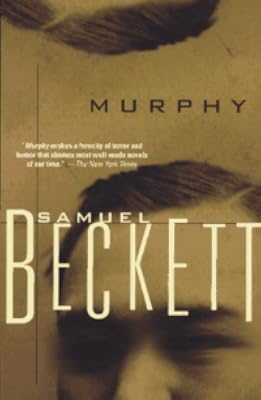
Murphy
by Samuel Beckett
On This Page
Description
Murphy, Samuel Beckett's first published novel, is set in London and Dublin, during the first decades of the Irish Republic. The title character loves Celia in a 'striking case of love requited' but must first establish himself in London before his intended bride will make the journey from Ireland to join him. Beckett comically describes the various schemes that Murphy employs to stretch his meager resources and the pastimes that he uses to fill the hours of his days. Eventually Murphy lands show more a job as a nurse at Magdalen Mental Mercyseat hospital, where he is drawn into the mad world of the patients which ends in a fateful game of chess. While grounded in the comedy and absurdity of much of daily life, Beckett's work is also an early exploration of themes that recur throughout his entire body of work including sanity and insanity and the very meaning of life. show lessTags
Recommendations






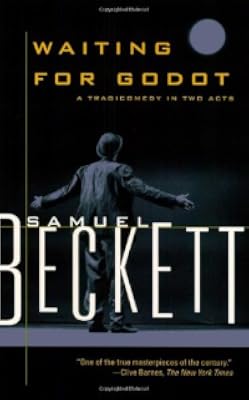
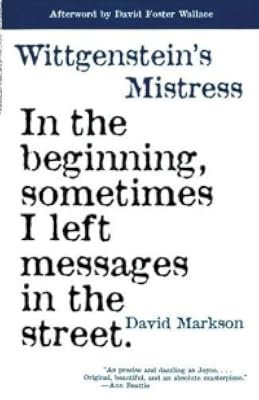

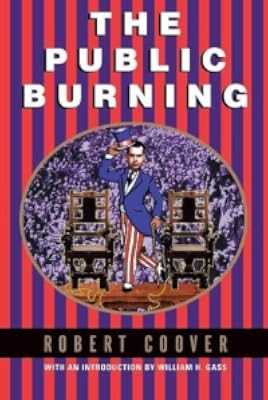
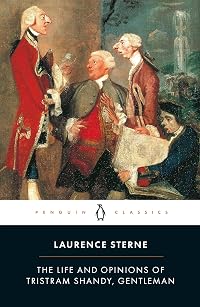






Member Reviews
The plot of Murphy (1938) is relatively simple: Murphy, a character who likes to be bound and tied to his rocking chair naked and to rock himself into a state of catatonia, decides to leave Ireland for London to find work. He leaves behind Miss Counihan, his fiancee, who later has an affair with Neary, Murphy's former teacher. In London and in search of work, Murphy meets a prostitute named Celia, and they fall in "love". Murphy, however, avoids expressing his feelings and commitment while Celia shows her concern for him by insisting he find a job. Murphy eventually finds a job at a mental hospital, where he "befriends" Mr. Endon and eventually abandons Celia. Neary, joined now by an alcoholic he has hired to find Murphy named Cooper, show more another former student Wylie, and Miss Counihan, goes to London to find Murphy and moves in with Celia. The end of the novel ends absurdly and sadly, but the final scene, which includes the lowly prostitute Celia, suggests something hopeful. If the novel sounds extremely confusing, it is meant to be. Read on.Typical of Beckett's novels is the apparent "anti-journey" theme. Characters seek and never find. Along the way they suffer and lose their way, sometimes forgetting what it is they set out for. The novel is an "anti-novel" in the way that there is little, if any, conflict--no progression, no involvement, no emotions. In a chess game between Murphy and Mr. Endon in the mental hospital, and according to the game which Beckett actually describes move by move, no piece crosses the center line. The opponents do not oppose; instead, they circle around each other. Black ultimately wins and white surrenders, since Endon, who must always play black, does not "check" Murphy nor indicate in any way that Murphy's king is being attacked. For me, this is one of the most entertaining parts of the book--it's an "anti-chess" game. The most moving parts of this "unmoving" novel are the scenes between Celia and Murphy and Murphy's experiences at the mental hospital, where he develops a connection with the patients and regards it a "sanctuary" rather than a place of banishment. He sees the patients "as escaped from a colossal fiasco" which, of course, is existence and life. The scenes between Celia and Murphy are much like the chess game, with Murphy avoiding every means of contact with her, be it conflict or affection. The situation is saddest for Celia, who tries and tries to reach Murphy; he, however, continually withdraws from and evades her through oblique words and gestures. Beckett is a special writer for me and Murphy is a special book--it's dark, disturbing, confusing, and complex, not to mention funny enough to make you pee your pants. There is no one like Beckett. His novels are difficult to read--the words spin and stop and sway and stumble. There are shards of Western Civilization dispersed throughout and parodies of such mack daddies of philosophy as Spizona, Descartes, and Berkeley. His works are the dissonant music of post-modernity, and I hope people will listen to it, whether it be in his novels, short prose, plays, or poems, at least once in their lives. show less
Scintillating, superb, fractal geometry in words.
Yeah, that verdict stands too.
Rating: 5* of five
The Book Report: This is always hard when describing Beckett. Murphy loves Celia, the prostitute. Miss Counihan, surprisingly anthropoid for an Irishwoman, loves Murphy. Neary, a philosopher, comes to love Murphy as his best friend. Then there's this guy Murphy plays chess with in the mental hospital where Murphy goes to work.
Okay, it can't really be this hard. Murphy, an Irish depressive, has to get a job because Celia, his petite amie, thinks it will do him good. So he leaves Ireland, goes to London and starts working at a mental hospital. All sorts of Irish problems follow him, but Murphy finds himself escaping them among the mad, who show more have abdicated their responsibilities to the staff and lead lives of unencumbered irresponsibility that Murphy envies. Mr. Endon, the wisest madman, lures Murphy into playing a game of chess with him, and it's that game that forms the spine of the book. It's described in loving, and to me incomprehensible, detail, but if you're patient and willing to educate yourself with a chess reference source as you read, you'll come to realize that this game is the novel you're reading, and the novel is the chess game.
How do chess games end? Think on that for a moment. The novel's ending will then be clear to you.
My Review: It's not the easiest read on the shelf. It's well worth your time and effort to engage with, because it's gorgeously wrought...there's a line about owls in the zoo, their joys and sufferings not starting until dark, that I wish I could find so as to quote exactly, but it's...well...perfect, and at the moment it comes in the narrative, so startlingly apt that it makes my hair stand up to remember it.
Beckett hated Ireland for its conformist, dead-spirited religiosity. He abhorred any and all forms of hypocrisy, and this (I think, could be wrong about this) is the last novel he wrote in English because he regarded the language as the carrier (think Typhoid Mary) of hypocrisy. (So what did he do? He wrote in FRENCH! Oh the irony.) Murphy is the soul-scream of an angry lover. It caustically throws in your face every unkind or unworthy thought you've ever had, every casually cruel deed you've ever done, and makes you weep and smile and sigh with pleasure as it alternately berates and caresses you.
Yes, this book is a bad love affair with a beautiful man put between hard covers. It's brilliant, it's beautiful, and it's never to be forgotten, even when you wish you could. show less
Yeah, that verdict stands too.
Rating: 5* of five
The Book Report: This is always hard when describing Beckett. Murphy loves Celia, the prostitute. Miss Counihan, surprisingly anthropoid for an Irishwoman, loves Murphy. Neary, a philosopher, comes to love Murphy as his best friend. Then there's this guy Murphy plays chess with in the mental hospital where Murphy goes to work.
Okay, it can't really be this hard. Murphy, an Irish depressive, has to get a job because Celia, his petite amie, thinks it will do him good. So he leaves Ireland, goes to London and starts working at a mental hospital. All sorts of Irish problems follow him, but Murphy finds himself escaping them among the mad, who show more have abdicated their responsibilities to the staff and lead lives of unencumbered irresponsibility that Murphy envies. Mr. Endon, the wisest madman, lures Murphy into playing a game of chess with him, and it's that game that forms the spine of the book. It's described in loving, and to me incomprehensible, detail, but if you're patient and willing to educate yourself with a chess reference source as you read, you'll come to realize that this game is the novel you're reading, and the novel is the chess game.
How do chess games end? Think on that for a moment. The novel's ending will then be clear to you.
My Review: It's not the easiest read on the shelf. It's well worth your time and effort to engage with, because it's gorgeously wrought...there's a line about owls in the zoo, their joys and sufferings not starting until dark, that I wish I could find so as to quote exactly, but it's...well...perfect, and at the moment it comes in the narrative, so startlingly apt that it makes my hair stand up to remember it.
Beckett hated Ireland for its conformist, dead-spirited religiosity. He abhorred any and all forms of hypocrisy, and this (I think, could be wrong about this) is the last novel he wrote in English because he regarded the language as the carrier (think Typhoid Mary) of hypocrisy. (So what did he do? He wrote in FRENCH! Oh the irony.) Murphy is the soul-scream of an angry lover. It caustically throws in your face every unkind or unworthy thought you've ever had, every casually cruel deed you've ever done, and makes you weep and smile and sigh with pleasure as it alternately berates and caresses you.
Yes, this book is a bad love affair with a beautiful man put between hard covers. It's brilliant, it's beautiful, and it's never to be forgotten, even when you wish you could. show less
Samuel Beckett is the literary equivalent of an Olympic gymnast. His words and sentences flip, roll, and jump about constantly. While this may leave you dazed and confused at first, the technicality and proficiency with which he carries out his exercise leaves you dumbfounded and amazed. This level of ingenuity is best experienced in his novels, the second of which is Murphy. It is Beckett’s most “conventional” novel till date, though you shouldn’t hold that against this brilliant piece of work.
Murphy is a difficult book to describe. It is full of obscure, referential language, and the vocabulary will leave you gasping for a dictionary. Existentialist horror is here in full swing; there is also a feeling of utter dread and a show more sense of “life’s fragility.” The off-kilter narrative also raises questions about mortality and human purpose, both of which ultimately lead to nothingness, or so it seems. Heavy-handed cryptic remarks are aplenty, and, as you can imagine by now, the book demands your whole attention and concentration lest you miss something.
So, why do I love it so much?
The first reason is its exploration of dissociation. It is clear in this work that Beckett was discovering his mastery over the disunion between two polar absolutes. He celebrates dementia and craziness, consecrating “outer reality” and “personal reality” to the point where both are subjective and are lost in the ravines of memory where they are distorted and no longer matter. There is a marked distinction between the body and the mind. This is explored in detail in the titular character’s “unredeemed split self” throughout the book. Beckett, quite brilliantly, dedicates a specific chapter analyzing this feature, thus breaking the fourth wall, which is quite a regular, yet subtle, phenomenon within the confines of the text.
Another reason I love this book is that it invokes both terror and humor at the same time, pushing the reader into deep existentialist dread while making fun of the situation simultaneously. Enlightenment is near and yet so far—sweet unachievable enlightenment. This is what the book explores thoroughly, and it is exactly what the reader feels while enjoying the clear lucidity of the text. Murphy is a hollowed-out character who is simply going nowhere and has given up in the face of life’s doggedness. I feel that Beckett plays on this lack of motivation as a commentary on the unchanging and indifferent nature of life and the universe. In fact, the opening line encapsulates this idea and sets the tone for the text: “The sun shone, having no alternative, on the nothing new.”
The characters are drawn out yet incomplete. They certainly feel fleshed out by the end of the novel, yet they lack true depth to their actions and motivations. That may have been intentional, though, as I believe it reflects on the fragmentary nature of our reception of the world. Certain aspects of these characters are terrifying and, at the same time, humorous. Take for example the following lines in which Murphy discovers the pleasure (and subsequent bitter letdown) of sitting down:
You should have noticed by now that I haven’t written anything about the plot or the story. As I mentioned before, Murphy is difficult to describe since it’s a rather surreal and cerebral novel in terms of content. However, it’s still grounded in reality thanks to the physical and absolute settings and locations Beckett masterfully uses as backdrops against the characters’ perceptions of reality. All these are bolstered by the language that has multiple layers of meaning. The novel clocks in at less than 200 pages (Faber edition), but they are dense and rife with meaning that you will want to explore again and again. Paragraphs will delight you with their wit and charm, make you laugh at their absurdity, and fill you with dread and trepidation in the face of dispassionate life and perpetual rigidity of the world.
Murphy is not an easy read. Nevertheless, if you can stick through and embrace the language, it is one of the best novels you will possibly come across in the brief period of sentience you have. show less
Murphy is a difficult book to describe. It is full of obscure, referential language, and the vocabulary will leave you gasping for a dictionary. Existentialist horror is here in full swing; there is also a feeling of utter dread and a show more sense of “life’s fragility.” The off-kilter narrative also raises questions about mortality and human purpose, both of which ultimately lead to nothingness, or so it seems. Heavy-handed cryptic remarks are aplenty, and, as you can imagine by now, the book demands your whole attention and concentration lest you miss something.
So, why do I love it so much?
The first reason is its exploration of dissociation. It is clear in this work that Beckett was discovering his mastery over the disunion between two polar absolutes. He celebrates dementia and craziness, consecrating “outer reality” and “personal reality” to the point where both are subjective and are lost in the ravines of memory where they are distorted and no longer matter. There is a marked distinction between the body and the mind. This is explored in detail in the titular character’s “unredeemed split self” throughout the book. Beckett, quite brilliantly, dedicates a specific chapter analyzing this feature, thus breaking the fourth wall, which is quite a regular, yet subtle, phenomenon within the confines of the text.
Another reason I love this book is that it invokes both terror and humor at the same time, pushing the reader into deep existentialist dread while making fun of the situation simultaneously. Enlightenment is near and yet so far—sweet unachievable enlightenment. This is what the book explores thoroughly, and it is exactly what the reader feels while enjoying the clear lucidity of the text. Murphy is a hollowed-out character who is simply going nowhere and has given up in the face of life’s doggedness. I feel that Beckett plays on this lack of motivation as a commentary on the unchanging and indifferent nature of life and the universe. In fact, the opening line encapsulates this idea and sets the tone for the text: “The sun shone, having no alternative, on the nothing new.”
The characters are drawn out yet incomplete. They certainly feel fleshed out by the end of the novel, yet they lack true depth to their actions and motivations. That may have been intentional, though, as I believe it reflects on the fragmentary nature of our reception of the world. Certain aspects of these characters are terrifying and, at the same time, humorous. Take for example the following lines in which Murphy discovers the pleasure (and subsequent bitter letdown) of sitting down:
“The sensation of the seat of a chair coming together with his drooping posteriors at last was so delicious that he rose at once and repeated the sit, lingeringly and with intense concentration. Murphy did not so often meet with these tendernesses that he could afford to treat them casually. The second sit, however, was a great disappointment.”The humor, as you can see, is reminiscent of Charlie Chaplin. It is designed to fit the contrast between the characters’ inabilities to avoid complications against the inflexible nature of the world that they inhabit. If dry, ironic, black humor is your thing, Murphy is right up your alley.
You should have noticed by now that I haven’t written anything about the plot or the story. As I mentioned before, Murphy is difficult to describe since it’s a rather surreal and cerebral novel in terms of content. However, it’s still grounded in reality thanks to the physical and absolute settings and locations Beckett masterfully uses as backdrops against the characters’ perceptions of reality. All these are bolstered by the language that has multiple layers of meaning. The novel clocks in at less than 200 pages (Faber edition), but they are dense and rife with meaning that you will want to explore again and again. Paragraphs will delight you with their wit and charm, make you laugh at their absurdity, and fill you with dread and trepidation in the face of dispassionate life and perpetual rigidity of the world.
Murphy is not an easy read. Nevertheless, if you can stick through and embrace the language, it is one of the best novels you will possibly come across in the brief period of sentience you have. show less
Sem roupa, amarrado a uma cadeira de balanço, em busca da privação de sensações no interior de um pombal condenado. É assim que o leitor é recebido por Murphy, personagem-título do romance de Samuel Beckett. Desconcertante desde as primeiras linhas, o livro lançado em 1938 é uma boa porta de entrada para o fascinante universo literário do autor irlandês que se tornou mais conhecido pela peça Esperando Godot.
Sua obra, porém, vai muito além da dramaturgia, e Murphy é uma ótima mostra disso. A narrativa breve - o livro tem apenas 256 páginas na edição da Cosac Naify -, mas densa, retrata a vida do personagem-título, sua amante Celia e de um grupo de amigos em suas andanças e diálogos por Londres.
O texto nada show more convencional mescla erudição, jogos de palavras e muitas referências a filósofos, escritores e mesmo passagens da Bíblia. Beckett brinca com a atenção do leitor, com nomes de personagens clássicos - Romieta e Julieu - e com o som de palavras, como ex-mordomo, que soa algo como cerveja extra forte. Associação nada sutil com a Irlanda, terra de marcas como a Guinness.
Celia, uma prostituta, insiste para que Murphy consiga um trabalho. Ele acaba se empregando como auxiliar de enfermagem em um manicômio, onde rapidamente cria forte empatia com os internos. A crítica ao tratamento dispensado aos doentes é pouco velada, mas mesmo em meio a um ambiente de alienação mental, Beckett encontra espaço para toques de humor negro, como o homem que planeja o suicídio prendendo a respiração.
Murphy tem tradução e notas de Fábio de Souza Andrade. Essas notas ajudam - e muito - na compreensão do texto, que, pouco convencional, é um desafio e um estímulo à atenção do leitor. Só é preciso atentar para o fato de que elas estão reunidas no fim do livro, sem que as palavras, nomes e trechos a que fazem referência tenham qualquer destaque no texto.
Gravei uma conversa de 20 minutos sobre Beckett e Murphy com Bruno Andrade, estudante de Artes e fã do autor: https://soundcloud.com/marcus-v-gasques/beckett show less
Sua obra, porém, vai muito além da dramaturgia, e Murphy é uma ótima mostra disso. A narrativa breve - o livro tem apenas 256 páginas na edição da Cosac Naify -, mas densa, retrata a vida do personagem-título, sua amante Celia e de um grupo de amigos em suas andanças e diálogos por Londres.
O texto nada show more convencional mescla erudição, jogos de palavras e muitas referências a filósofos, escritores e mesmo passagens da Bíblia. Beckett brinca com a atenção do leitor, com nomes de personagens clássicos - Romieta e Julieu - e com o som de palavras, como ex-mordomo, que soa algo como cerveja extra forte. Associação nada sutil com a Irlanda, terra de marcas como a Guinness.
Celia, uma prostituta, insiste para que Murphy consiga um trabalho. Ele acaba se empregando como auxiliar de enfermagem em um manicômio, onde rapidamente cria forte empatia com os internos. A crítica ao tratamento dispensado aos doentes é pouco velada, mas mesmo em meio a um ambiente de alienação mental, Beckett encontra espaço para toques de humor negro, como o homem que planeja o suicídio prendendo a respiração.
Murphy tem tradução e notas de Fábio de Souza Andrade. Essas notas ajudam - e muito - na compreensão do texto, que, pouco convencional, é um desafio e um estímulo à atenção do leitor. Só é preciso atentar para o fato de que elas estão reunidas no fim do livro, sem que as palavras, nomes e trechos a que fazem referência tenham qualquer destaque no texto.
Gravei uma conversa de 20 minutos sobre Beckett e Murphy com Bruno Andrade, estudante de Artes e fã do autor: https://soundcloud.com/marcus-v-gasques/beckett show less
Murphy is a miserable bastard from the opening line everyone has heard, The sun shone, having no alternative, on the nothing new.
He might love Celia, but he seems more desirous of his strange habit of tying himself to a chair and numbing himself into a Lethe-like state, like a physical manifestation of Keat’s Ode to a Nightingale, half in love with easeful death.
. The rock(ing) got faster and faster, shorter and shorter, the gleam was gone, the grin was gone, the starlessness was gone, soon his body would be quiet. Most things under the moo got slower and slower and then stopped, a rock got faster and faster and then stopped. Soon his body would be quiet, soon his body would be free.
This was my first ever e-book, I had bought a show more Kobo reader two years ago and lost it in the back of a drawer because it felt lightweight and unsuited to me.
Murphy was Beckett’s second book, from memory, and it’s got a juvenile feel about it. But I do love the Irish characters being Irish, speaking in a heightened way like they’ve all had too much to drink. It’s full of puns, wordplay and suggestion among the many ways not to describe genitalia, sexual acts and perhaps anything that’ll have the censor after you. I do like the wordplay.
There are a few interesting moments when the prose is written out like a stage direction, and at times the whole thing feels like notes for a future play that will become famous. The patterns of speech, the rhythms of speech all remind me of Beckett’s great play, Godot.
… so that throughout the scene that follows Murphy’s half of the bed is between her and them.
I’d be happy among these characters, hungrily listening to their endless verbal play.
The image of Murphy tied up in a rocking chair stuck with me since my 20s when I first read this. Since then that image has sat there as an eternal reference point for my world. It’s like all those things you learn about the world: like the earth is spherical or the sun shines, water is made of two hydrogen and one oxygen atom. That state he wants to achieve is like the ultimate form of self-negation, by entering himself into a puzzle he cannot get out of, just to have the sensation, whatever it. It reminds me of the mental-written places Fernando Pessoa wrote about in the Book of Disquiet, unimaginable until imagined.
As one character puts it, Murphy is:
A classical case of misadventure. show less
He might love Celia, but he seems more desirous of his strange habit of tying himself to a chair and numbing himself into a Lethe-like state, like a physical manifestation of Keat’s Ode to a Nightingale, half in love with easeful death.
. The rock(ing) got faster and faster, shorter and shorter, the gleam was gone, the grin was gone, the starlessness was gone, soon his body would be quiet. Most things under the moo got slower and slower and then stopped, a rock got faster and faster and then stopped. Soon his body would be quiet, soon his body would be free.
This was my first ever e-book, I had bought a show more Kobo reader two years ago and lost it in the back of a drawer because it felt lightweight and unsuited to me.
Murphy was Beckett’s second book, from memory, and it’s got a juvenile feel about it. But I do love the Irish characters being Irish, speaking in a heightened way like they’ve all had too much to drink. It’s full of puns, wordplay and suggestion among the many ways not to describe genitalia, sexual acts and perhaps anything that’ll have the censor after you. I do like the wordplay.
There are a few interesting moments when the prose is written out like a stage direction, and at times the whole thing feels like notes for a future play that will become famous. The patterns of speech, the rhythms of speech all remind me of Beckett’s great play, Godot.
… so that throughout the scene that follows Murphy’s half of the bed is between her and them.
I’d be happy among these characters, hungrily listening to their endless verbal play.
The image of Murphy tied up in a rocking chair stuck with me since my 20s when I first read this. Since then that image has sat there as an eternal reference point for my world. It’s like all those things you learn about the world: like the earth is spherical or the sun shines, water is made of two hydrogen and one oxygen atom. That state he wants to achieve is like the ultimate form of self-negation, by entering himself into a puzzle he cannot get out of, just to have the sensation, whatever it. It reminds me of the mental-written places Fernando Pessoa wrote about in the Book of Disquiet, unimaginable until imagined.
As one character puts it, Murphy is:
A classical case of misadventure. show less
Samuel Beckett’s first novel, Murphy, has that fetching, but peculiarly Irish, blend of comedy and tragedy. Driven by unspare, lyrical prose, Murphy starts with a wonderful first line: “The sun shone, having no alternative, on the nothing new,” and never gets more cheerful than that.
From Dublin to London, Murphy’s goal appears to avoid employment. His fiancée, Celia, urges him to find a job, so she doesn’t have to return to her work – on the street. The verbose Murphy, brandishing language as a weapon, makes her feel “as she often felt with Murphy, spattered with words that went dead as soon as they sounded; each word obliterated, before it had time to make sense, by the word that came next; so that in the end she did not show more know what had been said.”
For his part, Murphy feels she has “not the slightest idea” “of what her words mean. No more insight into their implications than a parrot into its profanities.”
When Murphy does find work, at a mental hospital, he seems too at home for any good to come of it. Which turns out to be true. show less
From Dublin to London, Murphy’s goal appears to avoid employment. His fiancée, Celia, urges him to find a job, so she doesn’t have to return to her work – on the street. The verbose Murphy, brandishing language as a weapon, makes her feel “as she often felt with Murphy, spattered with words that went dead as soon as they sounded; each word obliterated, before it had time to make sense, by the word that came next; so that in the end she did not show more know what had been said.”
For his part, Murphy feels she has “not the slightest idea” “of what her words mean. No more insight into their implications than a parrot into its profanities.”
When Murphy does find work, at a mental hospital, he seems too at home for any good to come of it. Which turns out to be true. show less
Una volta letto Beckett, lo ritrovi un po' dappertutto. Ti fa pensare a Beckett un bastone oppure un paio di stampelle, ti fa pensare a Beckett la pelle arrossata dalla dermatite seborroica di un anziano sul bus, lo stesso succede con ogni tic che cogli nei comportamenti degli sconosciuti sulla strada...
Il dramaticule beckettiano s'è insinuato nella mia vita cambiando, ampliando la mia visione del mondo.
Parole grosse, me ne rendo conto, ma corrispondenti al vero.
Il dramaticule beckettiano s'è insinuato nella mia vita cambiando, ampliando la mia visione del mondo.
Parole grosse, me ne rendo conto, ma corrispondenti al vero.
Members
- Recently Added By
Lists

Harold Bloom - The Western Canon: D. The Chaotic Age
833 works; 24 members

The Guardian's 100 Best Novels Written in English
105 works; 13 members

Best First Lines
133 works; 8 members
1,001 BYMRBYD Concensus
723 works; 27 members

1930s
262 works; 5 members

A Good Read (Radio 4)
287 works; 1 member

Best of Irish Literature
37 works; 7 members

Books worth rereading
21 works; 1 member

My TBR
371 works; 3 members

el
1,139 works; 1 member

In Our Time books
4,934 works; 2 members

Books Read in 1995
26 works; 1 member

Michael Dirda's 100 Best Comic Novels
100 works; 1 member
Author Information

532+ Works 43,214 Members
Nobel Prize winner (1969) Samuel Beckett was born on April 13, 1906 near Dublin, Ireland into a middle-class Protestant family. As a boy, he studied French and enjoyed cricket, tennis, and boxing. At Trinity College he continued his studies in French and Italian and became interested in theater and film, including American film. After graduation, show more Beckett taught English in Paris and traveled through France and Germany. While in Paris Beckett met Suzanne Deschevaus-Dusmesnil. During World War II when Paris was invaded, they joined the Resistance. They were later forced to flee Paris after being betrayed to the Gestapo, but returned in 1945. Beckett and Deschevaus-Dusmesnil married in 1961. Samuel Beckett's first novel was Dream of Fair to Middling Women. Among his many works are Murphy; Malone Dies; and The Unnameable. His plays include Endgame, Happy Days, Not I, That Time, and Krapp's Last Tape. In 1953, the production of Waiting For Godot in Paris by director and actor Roger Blin earned Beckett international fame. Beckett was awarded the Nobel Prize in Literature in 1969. His style was postmodern minimalist and some of his major themes were imprisonment in one's self, the failure of language, and moral conduct in a godless world. Despite his fame, Samuel Beckett led a secluded life. In his later years he suffered from cataracts and emphysema. His wife Suzanne died on July 17, 1989 and Beckett died on December 22nd of the same year. (Bowker Author Biography) show less
Some Editions
Awards and Honors
Notable Lists
Series
Belongs to Publisher Series
Work Relationships
Common Knowledge
- Canonical title*
- Murphy
- Original title
- Murphy
- Original publication date
- 1938
- People/Characters
- Murphy; Celia Kelly; Mr. Endon
- Important places
- Dublin, Ireland; London, England, UK
- First words
- The sun shone, having no alternative, on the nothing new.
- Original language*
- Engels
- Canonical DDC/MDS
- 842.914
*Some information comes from Common Knowledge in other languages. Click "Edit" for more information.
Classifications
Statistics
- Members
- 1,844
- Popularity
- 11,798
- Reviews
- 27
- Rating
- (3.81)
- Languages
- 15 — Czech, Danish, Dutch, English, French, German, Greek, Hungarian, Italian, Norwegian (Bokmål), Polish, Portuguese, Spanish, Swedish, Turkish
- Media
- Paper, Audiobook, Ebook
- ISBNs
- 37
- ASINs
- 17