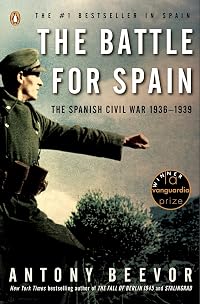
The Battle for Spain: The Spanish Civil War 1936-1939
by Antony Beevor
On This Page
Description
A fresh and acclaimed account of the Spanish Civil War by the bestselling author of Stalingrad and The Fall Of Berlin 1945 To mark the 70th anniversary of the Spanish Civil War's outbreak, Antony Beevor has written a completely updated and revised account of one of the most bitter and hard-fought wars of the twentieth century. With new material gleaned from the Russian archives and numerous other sources, this brisk and accessible book (Spain's #1 bestseller for twelve weeks), provides a show more balanced and penetrating perspective, explaining the tensions that led to this terrible overture to World War II and affording new insights into the war-its causes, course, and consequences. show lessTags
Recommendations










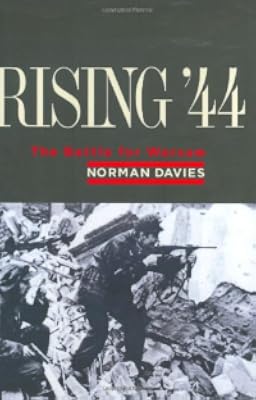

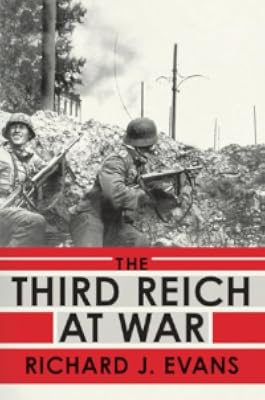
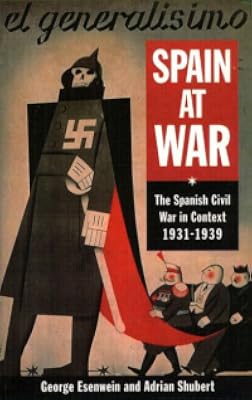
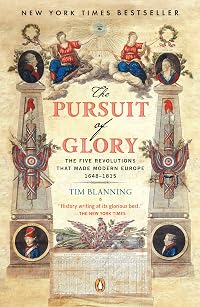

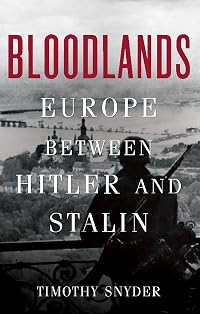

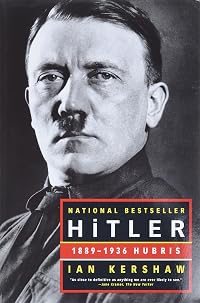
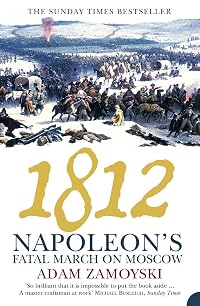
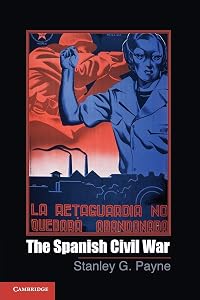
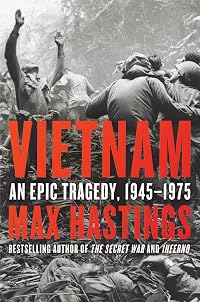
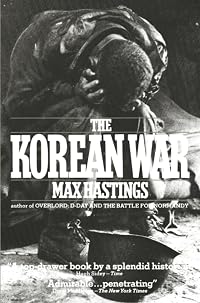
Member Recommendations
Member Reviews
Only the excellence and clarity of Beevor's writing made this book endurable. The subject matter made it a 479-page slog through death, cruelty, pain, incompetence, betrayal and confusion. Beevor's work presents a fascinating story of a tragic event in history, but an event during which, through the eyes of this modern, democracy-admiring reader, barely one single attractive event occurs.
Well I should qualify that: the bravery and heroism of the usually undermanned and overmatched soldiers fighting on the republican side against Franco's forces, often despite the incompetence and stubbornness of their own generals, was admirable indeed. But good gracious, it is depressing to read of the hypocracy of England and France and the U.S. who, show more in the name of "non-interventionism," assured that arms would get to Franco's forces but not to those defending Spain from fascist generals. And it is depressing to read of the success the Spanish Communists had in marginalizing and terrorizing most of their political partners in the struggle against Franco and who were willing, as military commanders late in the war, to sacrifice the lives of thousands of their soldiers in hopeless and vain attempts to win propaganda victories. And that's the short list.
But, again, that's not to blame Beevor for his subject matter. His ability to write about all these things clearly and compellingly, and to sort out the many political movements and their incessant comings and goings, is nothing short of admirable. Beevor also does a terrific job of going back centuries to quickly and clearly set up the long-developing contexts for the political, class and religious histories that made passions run so high and animosities so fervent and entrenched once the explosion occurred with the military rising against the civilian government in 1936.
So this is a very, very good book, but a very difficult work to read. That said, I'm very glad to have read it. show less
Well I should qualify that: the bravery and heroism of the usually undermanned and overmatched soldiers fighting on the republican side against Franco's forces, often despite the incompetence and stubbornness of their own generals, was admirable indeed. But good gracious, it is depressing to read of the hypocracy of England and France and the U.S. who, show more in the name of "non-interventionism," assured that arms would get to Franco's forces but not to those defending Spain from fascist generals. And it is depressing to read of the success the Spanish Communists had in marginalizing and terrorizing most of their political partners in the struggle against Franco and who were willing, as military commanders late in the war, to sacrifice the lives of thousands of their soldiers in hopeless and vain attempts to win propaganda victories. And that's the short list.
But, again, that's not to blame Beevor for his subject matter. His ability to write about all these things clearly and compellingly, and to sort out the many political movements and their incessant comings and goings, is nothing short of admirable. Beevor also does a terrific job of going back centuries to quickly and clearly set up the long-developing contexts for the political, class and religious histories that made passions run so high and animosities so fervent and entrenched once the explosion occurred with the military rising against the civilian government in 1936.
So this is a very, very good book, but a very difficult work to read. That said, I'm very glad to have read it. show less
A spanyol polgárháborúról olvasni nekem kifejezetten nagy érzelmi megterhelés volt, mert számomra egyértelmű, kik a jó fiúk, és hát itt a jó fiúknak annyi, kampec, és (mondjuk a II. világháborúval ellentétben) még a boldog vég illúziója sem oldja fel az olvasó rossz közérzetét. Beevor tulajdonképpen nem csinál a témával semmi különöset – egyszerűen szépen, lehetőség szerint tárgyilagosan végigveszi az eseményeket, a hadászatot éppúgy, mint a hatalmi machinációkat, és az egészet beleágyazza a spanyol történelem egészébe*, valamint a külpolitikai vonatkozásokba. És ennyi elég is, mert a spanyol polgárháború már így, önmagában is elképesztő sorstragédia: egy demokratikus show more kísérlet vériszamos felszámolása a külvilág hol közömbös, hol ellenséges csendje mellett.
A marxista történelemszemlélet (és az olyan irodalmi művek, mint Hemingway Akiért a harang szól-ja) tökéletesen beárazták a konfliktust: vannak a nacionalisták, akik a gonoszok, és vannak a köztársaságiak, akik meg a jók. Tiszta Star Wars. Ami Francoékat illeti, Beevor interpretációja nem tér el sokban ettől: ők tényleg egy elvetemült bagázs. Csupa középkorba való, szemellenzős félmajom, néhány szadistával színesítve. Több tanulságos dolog is leszűrhető a ténykedésükből: 1.) bár a nacionalisták előszeretettel hivatkoznak népre-nemzetre, eszméletlen, milyen könnyen lövetik agyon vagy hagyják éhen halni saját nép- és nemzettársaikat. Nyilván mert a „nemzet” csak egy abszolútum, aminél fogva tömege szinte elhanyagolható – így ha történetesen csak a főnök meg fél tucat rokona-barátja marad életben a végén, ők is simán tovább tudják hordozni mondjuk a zsebükbe dugva. 2.) úgy fest továbbá, hogy ha a vallás szövetkezik egy államhatalommal, akkor nem megtisztítja az államhatalmat bűneitől, hanem maga korrumpálódik. Aztán meg persze ragaszkodik foggal-körömmel ehhez a hatalomhoz, és ennek során bizony nem sok mindent fedezhetünk fel benne, ami nyomokban is emlékeztet a kereszténységre**. Na persze, baromi sok tömjénfüst, az speciel lesz.
Másfelől az is rímel az ortodox marxista elképzelésre, hogy bizony a külföldi kapitalisták ebben az esetben valóban a fasizmus szekértolójának bizonyultak. A nyugati demokráciák iskolapéldába illően bizonyították, milyen is az a diplomáciai ostobaság: annyira belegárgyultak a kommunizmustól való félelembe, és a makacs hitbe, hogy Hitlert kényeztetni kell a béke érdekében, hogy észre sem vették, éppen ők taszítják távolságtartásukkal Sztálin kebelére a köztársaságot. Arról nem is beszélve, hogy nem csak szánalmas gyávaságuk érdemel megvetést, hanem a háború elején tevőlegesen is segítették Franco hadseregét – a britek például a saját hírszerzésük adatait is rendelkezésükre bocsátották***.
Viszont a baloldali megközelítés szerényen kevésbé foglalkozott a kommunistákkal – de Beevor róluk is leszedi a keresztvizet. (képzavar) Merthogy Isten nem ver bottal, hanem háborús szövetségesekkel – és hát azzal, hogy szegény köztársaságiakkal szinte csak Sztálin állt szóba, borítékolhatóvá vált, hogy ennek bizony nem lesz jó vége. A Spanyolhonba átdobott szovjetek számára fontosabb volt a belpolitika homogénné tétele, mint a hadműveletek (mondjuk azt is csapnivalóan csinálták, szó se róla), úgyhogy gyorsan kiderült, itt bizony egy polgárháború van kialakulóban a polgárháborún belül, ahol a kommunisták vadásznak elméleti szövetségeseikre: anarchistákra, liberálisokra, mérsékelt szocialistákra. Ahogy Abád de Santillán anarchista teoretikus fogalmazott: „Akár Negrín győz a kommunista pribékjeivel, akár Franco a németjeivel meg az olaszaival, az eredmény számunkra egyre megy.”
Az biztos, hogy a történelmi események résztvevőit sosem lehet szimplán jókra meg rosszakra szétszálazni – többnyire a jók is csupán kevésbé rosszak, bár a rosszak néha valóban igen-igen rosszak –, de az biztos, hogy a kommunista üllő és fasiszta kalapács közé szorult demokraták és anarchisták azok közé tartoznak, akiket nagyon-nagyon tudtam sajnálni. Béke velük.
* Amúgy elképesztő, mennyire véres színjáték ez a spanyol történelem. Pedig sikerült kimaradniuk mindkét világháborúból – úgy fest, nekik nincs szükségük világháborúkra ahhoz, hogy megtizedeljék saját magukat. Elvannak egymás között.
** Az például, hogy a Vatikánnak fájt a köztársaságiak által megerőszakolt apácák fájdalma, az természetes – bár ezeket az incidenseket sosem bizonyították igazán hitelt érdemlően. De a Condor-légió által halomra géppuskázott durango-i és guernica-i apácák esetében már ugyanez a Vatikán csak kussolt, mert azt a haverok csinálták. Szóval egyik esetben elég a pletyka, a másik esetben pedig a bizonyosság is kevés.
*** Ugyanakkor elképzelhető, hogy ezzel biztosították maguknak a világháború idejére Franco semlegességét. Ki tudja. De ettől még nem kevésbé undorító. show less
A marxista történelemszemlélet (és az olyan irodalmi művek, mint Hemingway Akiért a harang szól-ja) tökéletesen beárazták a konfliktust: vannak a nacionalisták, akik a gonoszok, és vannak a köztársaságiak, akik meg a jók. Tiszta Star Wars. Ami Francoékat illeti, Beevor interpretációja nem tér el sokban ettől: ők tényleg egy elvetemült bagázs. Csupa középkorba való, szemellenzős félmajom, néhány szadistával színesítve. Több tanulságos dolog is leszűrhető a ténykedésükből: 1.) bár a nacionalisták előszeretettel hivatkoznak népre-nemzetre, eszméletlen, milyen könnyen lövetik agyon vagy hagyják éhen halni saját nép- és nemzettársaikat. Nyilván mert a „nemzet” csak egy abszolútum, aminél fogva tömege szinte elhanyagolható – így ha történetesen csak a főnök meg fél tucat rokona-barátja marad életben a végén, ők is simán tovább tudják hordozni mondjuk a zsebükbe dugva. 2.) úgy fest továbbá, hogy ha a vallás szövetkezik egy államhatalommal, akkor nem megtisztítja az államhatalmat bűneitől, hanem maga korrumpálódik. Aztán meg persze ragaszkodik foggal-körömmel ehhez a hatalomhoz, és ennek során bizony nem sok mindent fedezhetünk fel benne, ami nyomokban is emlékeztet a kereszténységre**. Na persze, baromi sok tömjénfüst, az speciel lesz.
Másfelől az is rímel az ortodox marxista elképzelésre, hogy bizony a külföldi kapitalisták ebben az esetben valóban a fasizmus szekértolójának bizonyultak. A nyugati demokráciák iskolapéldába illően bizonyították, milyen is az a diplomáciai ostobaság: annyira belegárgyultak a kommunizmustól való félelembe, és a makacs hitbe, hogy Hitlert kényeztetni kell a béke érdekében, hogy észre sem vették, éppen ők taszítják távolságtartásukkal Sztálin kebelére a köztársaságot. Arról nem is beszélve, hogy nem csak szánalmas gyávaságuk érdemel megvetést, hanem a háború elején tevőlegesen is segítették Franco hadseregét – a britek például a saját hírszerzésük adatait is rendelkezésükre bocsátották***.
Viszont a baloldali megközelítés szerényen kevésbé foglalkozott a kommunistákkal – de Beevor róluk is leszedi a keresztvizet. (képzavar) Merthogy Isten nem ver bottal, hanem háborús szövetségesekkel – és hát azzal, hogy szegény köztársaságiakkal szinte csak Sztálin állt szóba, borítékolhatóvá vált, hogy ennek bizony nem lesz jó vége. A Spanyolhonba átdobott szovjetek számára fontosabb volt a belpolitika homogénné tétele, mint a hadműveletek (mondjuk azt is csapnivalóan csinálták, szó se róla), úgyhogy gyorsan kiderült, itt bizony egy polgárháború van kialakulóban a polgárháborún belül, ahol a kommunisták vadásznak elméleti szövetségeseikre: anarchistákra, liberálisokra, mérsékelt szocialistákra. Ahogy Abád de Santillán anarchista teoretikus fogalmazott: „Akár Negrín győz a kommunista pribékjeivel, akár Franco a németjeivel meg az olaszaival, az eredmény számunkra egyre megy.”
Az biztos, hogy a történelmi események résztvevőit sosem lehet szimplán jókra meg rosszakra szétszálazni – többnyire a jók is csupán kevésbé rosszak, bár a rosszak néha valóban igen-igen rosszak –, de az biztos, hogy a kommunista üllő és fasiszta kalapács közé szorult demokraták és anarchisták azok közé tartoznak, akiket nagyon-nagyon tudtam sajnálni. Béke velük.
* Amúgy elképesztő, mennyire véres színjáték ez a spanyol történelem. Pedig sikerült kimaradniuk mindkét világháborúból – úgy fest, nekik nincs szükségük világháborúkra ahhoz, hogy megtizedeljék saját magukat. Elvannak egymás között.
** Az például, hogy a Vatikánnak fájt a köztársaságiak által megerőszakolt apácák fájdalma, az természetes – bár ezeket az incidenseket sosem bizonyították igazán hitelt érdemlően. De a Condor-légió által halomra géppuskázott durango-i és guernica-i apácák esetében már ugyanez a Vatikán csak kussolt, mert azt a haverok csinálták. Szóval egyik esetben elég a pletyka, a másik esetben pedig a bizonyosság is kevés.
*** Ugyanakkor elképzelhető, hogy ezzel biztosították maguknak a világháború idejére Franco semlegességét. Ki tudja. De ettől még nem kevésbé undorító. show less
If people are allowed to have a “favourite” civil war then my favourite would be the Spanish Civil War. This is especially true now that I realise that the War of the Sicilian Vespers was not a civil war (or about Vespas for that matter). The Spanish Civil War captures the attention more than other civil wars and Beevor has written an account of that war that, in my mind, is not matched by any other war history.
Beevor takes us on a tour of Spanish history leading up to the 1930s, and explains why such a destructive war could take place. He describes darkly humorous moments of history as well events that will haunt you long after you put the book down. He introduces us to the few heroes of the war (Dr Marcel Junod for one) as well as show more its many villains (Stalin, Mussolini, Franco, Hitler, the non-interventionist west et al.) and its turning points. In the end you can only think of “what ifs?” and marvel at Franco’s journey from Fascist pariah to key western ally.
I’ve been holding off reading other books by Beevor for fear they would suffer by comparison with “The Battle for Spain” but I’ve finally taken the plunge and am reading “Stalingrad”. Wish me luck. show less
Beevor takes us on a tour of Spanish history leading up to the 1930s, and explains why such a destructive war could take place. He describes darkly humorous moments of history as well events that will haunt you long after you put the book down. He introduces us to the few heroes of the war (Dr Marcel Junod for one) as well as show more its many villains (Stalin, Mussolini, Franco, Hitler, the non-interventionist west et al.) and its turning points. In the end you can only think of “what ifs?” and marvel at Franco’s journey from Fascist pariah to key western ally.
I’ve been holding off reading other books by Beevor for fear they would suffer by comparison with “The Battle for Spain” but I’ve finally taken the plunge and am reading “Stalingrad”. Wish me luck. show less
A tragedy, excellently told. Good not only on the battle fronts but the social context and the plotting and posturing. Every detail is there down to the weaponry and logistics, the sad mistakes, the viciousness on both sides, the wetness of the rest of the world. At times i wept.
Intriguing is how the Communists were effective about encroaching on power but hopeless at military strategy, being only concerned for propaganda victories, ie suicidal frontal attacks. But behind it all is Stalin who didnt want them to win anyway - was it deliberate? That's not made clear.
My own reflection: Franco's Africanista army was the steelier part of the Spanish armed forces, but can't have been that good. They had the Nazis Condor airpower to soften up show more the Republicans who were barely professional, under-equipped and inwardly eroded by the Communists. Should have been a walk over for the fascists. show less
Intriguing is how the Communists were effective about encroaching on power but hopeless at military strategy, being only concerned for propaganda victories, ie suicidal frontal attacks. But behind it all is Stalin who didnt want them to win anyway - was it deliberate? That's not made clear.
My own reflection: Franco's Africanista army was the steelier part of the Spanish armed forces, but can't have been that good. They had the Nazis Condor airpower to soften up show more the Republicans who were barely professional, under-equipped and inwardly eroded by the Communists. Should have been a walk over for the fascists. show less
A plenty complicated mess... I don't know my way around Spain or Spanish politics of the 1930s, and this book is filled with places and people and parties. Still, Beevor manages to tell the story in a way that didn't confuse me too severely... though I am plenty overwhelmed. The whole thing is horrific. What multiplies the horror... what would a civil war look like in the USA at this point? We don't seem too far from the conflicts of Spain, I hate to say.
The main thread here seems to be how the communists took over the Republican side. Could the Republicans have won? Beevor doesn't indulge much in what-ifs. Only the USA might have supplied them with armaments that could have been effective against the Germans and Italians. There is so show more much pro-Fascist sentiment here in the USA.... well, the Japanese pushed us... yeah one fascinating facet here, how the constant appeasement pushed Stalin into the alliance with Hitler.
I wish the Spanish Civil War was any kind of thing unto itself. Look at the 17th Century, the 20 years war. Yeah the US Civil War was not any pretty thing. We really are a miserable species! show less
The main thread here seems to be how the communists took over the Republican side. Could the Republicans have won? Beevor doesn't indulge much in what-ifs. Only the USA might have supplied them with armaments that could have been effective against the Germans and Italians. There is so show more much pro-Fascist sentiment here in the USA.... well, the Japanese pushed us... yeah one fascinating facet here, how the constant appeasement pushed Stalin into the alliance with Hitler.
I wish the Spanish Civil War was any kind of thing unto itself. Look at the 17th Century, the 20 years war. Yeah the US Civil War was not any pretty thing. We really are a miserable species! show less
Some books are quite good in that they force you to re-examine your a priori knowledge of an historical episode. This is such a book to me. The Spanish Civil War tore through Spain from 1936 to 1939, pitting a left leaning democratically elected republican government against an uprising of nationalist and reactionary military commanders. It heralded for some the opening salvo of the Second World War, for others it merely was skirmish in the long Cold War, and for others still, it represented the apotheosis and the epilogue of the Spanish Reconquista.
In my opinion, the main strength of the book lies in its framing of the War in a very particular historical context: on the eve of the Second World War, nationalistic authoritarianism and show more fascism were perceived by democracies as less of a threat to stability than communism. Democratic nations feared a communist inspired regime in Spain and acted in accordance with that analysis, thus denying support to the Republic, effecting an arms embargo, disregarding the involvement the axis powers. Furthermore, in that light, one can propose a cogent explanation for the actions of Franco and the Junta, set in a historical, ideological and global context.
Naturally the author does not condone the military usurpation of a democratic regime (nor do I - Franco’s tomb deserves to be pissed on), and goes at length to catalog the cleansing and killing on both sides. One expects communists and anarchists to be killed in the nationalist zones, but what surprised me was the scope of the slaughter within the republican areas. Fanned by Moscow, the ideological dissentions between communists, socialists, trotskyists, anarchists, syndicalists, and the overarching ideological orthodoxy which drove military decision making were the main reasons for the fall of the Republic, more than the campaigns of unified nationalists, reliant on allies’ manpower and technology.
This aspect was wonderfully clarified by the author, as were the military campaigns of the conflict. The author’s fluency in portraying the various battles of the conflict is evident – and he relied on a range of historical documents, from reports of Commissars and other foreigners to accounts of ground troops. Furthermore, the fact that so many literary figures took stances in this conflict does help by adding another layer of perspective.
If I were to offer some criticism, I would put forth that the book does not start strongly, with its style at times a little tenuous. I will also add my usual complaint, which is that the author should have offered more information on the foot soldiers. They often come across as toy soldiers, pawns of great masterminds: however this was a conflict of deeply held convictions, therefore the motivation, the demographics of those who took sides would have illustrative. I understand that poumistas were primarily factor workers, and that requetes were mostly landowning peasants from the North – bringing them, and others to life is good history in my mind. show less
In my opinion, the main strength of the book lies in its framing of the War in a very particular historical context: on the eve of the Second World War, nationalistic authoritarianism and show more fascism were perceived by democracies as less of a threat to stability than communism. Democratic nations feared a communist inspired regime in Spain and acted in accordance with that analysis, thus denying support to the Republic, effecting an arms embargo, disregarding the involvement the axis powers. Furthermore, in that light, one can propose a cogent explanation for the actions of Franco and the Junta, set in a historical, ideological and global context.
Naturally the author does not condone the military usurpation of a democratic regime (nor do I - Franco’s tomb deserves to be pissed on), and goes at length to catalog the cleansing and killing on both sides. One expects communists and anarchists to be killed in the nationalist zones, but what surprised me was the scope of the slaughter within the republican areas. Fanned by Moscow, the ideological dissentions between communists, socialists, trotskyists, anarchists, syndicalists, and the overarching ideological orthodoxy which drove military decision making were the main reasons for the fall of the Republic, more than the campaigns of unified nationalists, reliant on allies’ manpower and technology.
This aspect was wonderfully clarified by the author, as were the military campaigns of the conflict. The author’s fluency in portraying the various battles of the conflict is evident – and he relied on a range of historical documents, from reports of Commissars and other foreigners to accounts of ground troops. Furthermore, the fact that so many literary figures took stances in this conflict does help by adding another layer of perspective.
If I were to offer some criticism, I would put forth that the book does not start strongly, with its style at times a little tenuous. I will also add my usual complaint, which is that the author should have offered more information on the foot soldiers. They often come across as toy soldiers, pawns of great masterminds: however this was a conflict of deeply held convictions, therefore the motivation, the demographics of those who took sides would have illustrative. I understand that poumistas were primarily factor workers, and that requetes were mostly landowning peasants from the North – bringing them, and others to life is good history in my mind. show less
A comprehensive and detailed book about a war broadly unknown to me but which somehow left me unsatisfied. Although I now know a lot more about the conduct of the war, the personalities involved and their relationships somehow elude me and these seem key to the conduct and outcome of the conflict. The revelation of the attitudes and policies of the Western powers, though, came as an embarrassing surprise and helps explain both the prelude and early conduct of WW2.
Members
- Recently Added By
Lists

España, work in progress
21 works; 1 member
Books about the Spanish Civil War
57 works; 3 members

The Books I've Read 2018
143 works; 1 member

Books Read in 2018
4,360 works; 110 members

THE WAR ROOM
813 works; 24 members

Books cited in Progress by Samuel McDonald
160 works; 1 member
Author Information

44+ Works 19,755 Members
British historian Antony Beevor was born on December 14, 1946. He was educated at Winchester College and Sandhurst and studied under the well-known World War Two historian, John Keegan. Beevor was an officer with the 11th Hussars for five years before becoming a writer. His works have received awards including the Runciman Prize, the Samuel show more Johnson Prize, the Wolfson Prize for History, and the Hawthornden Prize for Literature. The French government made him a Chevalier de l'Ordre des Arts et des Lettres in 1997, and in 2008 the president of Estonia awarded him the Order of the Cross of Terra Mariana. In 1999 Beevor was elected a Fellow of the Royal Society of Literature. He received the 2014 Pritzker Military Museum and Library Literature Award for Lifetime Achievement in Military Writing. In 2015 he made The New Zealand Best Seller List with his title Ardennes 1944: Hitler's Last Gamble. (Bowker Author Biography) show less
Some Editions
Awards and Honors
Distinctions
Notable Lists
Series
Belongs to Publisher Series
Work Relationships
Common Knowledge
- Canonical title*
- La guerre d'Espagne
- Original title
- The Battle for Spain. The Spanish Civil War 1936-1939
- Original publication date
- 1982
- People/Characters
- Neville Chamberlain; Francisco Franco; Paul Robeson; Joseph Stalin; Benito Mussolini
- Important places
- Guernica, Basque Country, Spain
- Important events
- Spanish Civil War
- Dedication
- For Gonzalo Pontón with all my gratitude for his help
- First words
- "A civil war is not a war but a sickness," wrote Antoine de Saint-Exupéry. (Introduction)
On an unsurfaced road in Andalucia or Estremadura, one of the first automobiles in Spain has broken down. - Last words
- (Click to show. Warning: May contain spoilers.)But history, which is never tidy, must always end with questions. Conclusions are much too convenient.
- Blurbers
- Hastings, Max; Montefiore, Simon Sebag; France, Miranda
- Original language*
- Anglais (Royaume-Uni) (Royaume-Uni)
*Some information comes from Common Knowledge in other languages. Click "Edit" for more information.
Classifications
- Genres
- History, Nonfiction, General Nonfiction
- DDC/MDS
- 946.081 — History & geography History of Europe Spain & Portugal Spain Second Republic; Dictatorship; Juan Carlos I; Felipe VI 1931- Second Republic; Spanish Civil War
- LCC
- DP269 .B374 — History of Europe, Asia, Africa and Oceania Spain – Portugal History of Spain History By period Modern Spain, 1479/1516- 20th century. 1886- Second Republic, 1931-1939 Civil War, 1936-1939
- BISAC
Statistics
- Members
- 2,333
- Popularity
- 8,472
- Reviews
- 37
- Rating
- (3.90)
- Languages
- 16 — Czech, Danish, Dutch, English, Finnish, French, German, Hebrew, Hungarian, Italian, Korean, Norwegian (Bokmål), Polish, Portuguese, Spanish, Swedish
- Media
- Paper, Audiobook, Ebook
- ISBNs
- 54
- UPCs
- 1
- ASINs
- 14