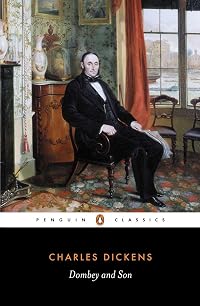
Dombey and Son
by Charles Dickens
On This Page
Description
Charles Dickens' Dombey and Son tells the story of the wealthy owner of a shipping company, Paul Dombey, who dreams of having a son to carry on the family business. It deals with themes such as marriage for financial gain, cruelty towards children, family relationships, pride, arrogance, betrayal and the destructive effects of industrialization..
Tags
Recommendations
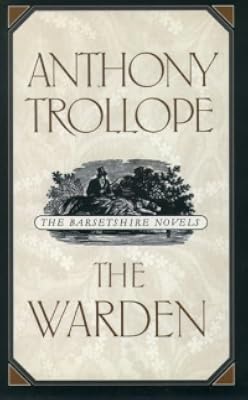
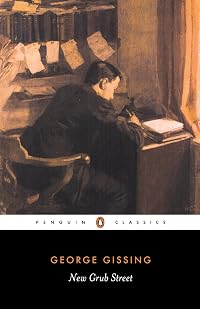
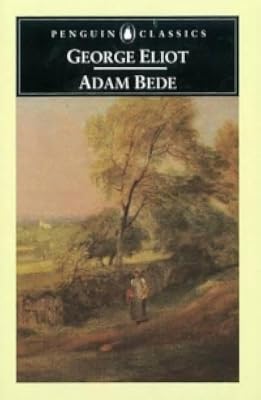
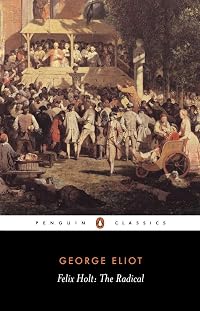














Member Recommendations
Member Reviews
Reading Dickens in publication order, this novel stands out. For the first time Dickens outlined his plot in advance and coordinated every element toward its fulfilment. The subplots are thoroughly tied in and there's foreshadowing nearly from the beginning. The feel is less chaotic, but the core elements of a Dickens novel are still present: rapidly drawn characters that instantly appear fully formed, the coy humour, the social commentary and shots at the upper class. He also winds up the story in his typical way, which is perhaps the one aspect I'm finding growing old after reading seven of these. The newfound structure is almost too rigid, its moral so clear from the get-go that it leaves only the procedure of its delivery. In the show more case of most classics I recommend knowing key plot points in advance to witness how they artfully unfold, but in this instance so much is telegraphed that it's worth maintaining the little suspense remaining.
There's more urban scenes this time than rural, wealthy homes and businesses predominating. Dickens supplies another host of memorable characters, the stalwart Susan Nipper and do-gooder Captain Cuttle being particular favourites of mine. I was impressed at first with the villain, but I was certain there were more evil machinations in play than that. For a novel so obviously centered on Dombey Sr., I found it surprising how rarely we got into his head. We don't know what justification lies behind his pride, what his relationship with his own father was like or how good he actually is at his job. He shares almost nothing of himself and remains mostly an enigma, arguably the flattest character in Dickens' repertoire (so far). Contrast him with Edith, who shares his degree of pride but has some intriguing layers and was arresting in all of her scenes.
All my complaining aside, this was a step up from his last two or three novels. I'm looking forward to where Dickens' new devotion to structure will take him, knowing that most of his best-known titles still lie ahead. show less
There's more urban scenes this time than rural, wealthy homes and businesses predominating. Dickens supplies another host of memorable characters, the stalwart Susan Nipper and do-gooder Captain Cuttle being particular favourites of mine. I was impressed at first with the villain, but I was certain there were more evil machinations in play than that. For a novel so obviously centered on Dombey Sr., I found it surprising how rarely we got into his head. We don't know what justification lies behind his pride, what his relationship with his own father was like or how good he actually is at his job. He shares almost nothing of himself and remains mostly an enigma, arguably the flattest character in Dickens' repertoire (so far). Contrast him with Edith, who shares his degree of pride but has some intriguing layers and was arresting in all of her scenes.
All my complaining aside, this was a step up from his last two or three novels. I'm looking forward to where Dickens' new devotion to structure will take him, knowing that most of his best-known titles still lie ahead. show less
I first read this book about 30 years ago and immediately declared it to be one of my favorite books of all time. Sometimes those feelings don't stand the test of time so well. But sometimes they do. I love this book. I love the kind, loving, wonderful (yet very put upon) Florence. I love the brave, honorable, loving Walter Gay. I love the insanely weird (but loving) Captain Cuttle and Mr. Toots. I love little Paul and Solomon Gills and Susan Nipper and Polly and Diogenes. I even love the complex characters of Edith and Alice. And, although I can't say that I love them, Mr. Dombey and James Carker and Mrs. Brown and Cleopatra are oh so good at being oh so bad.
To me, Dombey and Son is the most entertaining of Dicken's books. His take on show more how women (in all aspects of life) are treated during the Victorian era is excellent. Whether it's a wet nurse who is treated abysmally or an unwanted and neglected daughter or a haughty wife who refuses to be tamed by her husband or a beautiful woman who is ruined forever by a cruel and heartless man, the hits keep coming.
The plot, as with all Dicken's novels, is very, very convoluted, but there seem to be fewer loose threads than in some of his works. Since most of his works were serialized first, you sometimes get the feeling that he changed courses during the writing at times and left a few things unresolved. But that is not the case in Dombey and Son. The plot may be convoluted, but it is still tight. All characters of note are accounted for in the end.
I love a good story and I love great characters. It is hard for me to get into a novel that doesn't have a traditional plot (think James Joyce) or has only unlikeable characters (yes, I'm talking about you, Of Human Bondage!) no matter how beautiful the writing is. That's why I love Dicken's novels. He always delivers one helluva story with memorable and mostly likeable characters (outside of the villains). And between plot, character and the focus on women, Dicken's delivers a wonderful book. It has stood the test of time and is still one of my very favorite books. show less
To me, Dombey and Son is the most entertaining of Dicken's books. His take on show more how women (in all aspects of life) are treated during the Victorian era is excellent. Whether it's a wet nurse who is treated abysmally or an unwanted and neglected daughter or a haughty wife who refuses to be tamed by her husband or a beautiful woman who is ruined forever by a cruel and heartless man, the hits keep coming.
The plot, as with all Dicken's novels, is very, very convoluted, but there seem to be fewer loose threads than in some of his works. Since most of his works were serialized first, you sometimes get the feeling that he changed courses during the writing at times and left a few things unresolved. But that is not the case in Dombey and Son. The plot may be convoluted, but it is still tight. All characters of note are accounted for in the end.
I love a good story and I love great characters. It is hard for me to get into a novel that doesn't have a traditional plot (think James Joyce) or has only unlikeable characters (yes, I'm talking about you, Of Human Bondage!) no matter how beautiful the writing is. That's why I love Dicken's novels. He always delivers one helluva story with memorable and mostly likeable characters (outside of the villains). And between plot, character and the focus on women, Dicken's delivers a wonderful book. It has stood the test of time and is still one of my very favorite books. show less
Mr. Dombey is a proud, wealthy businessman convinced of his own significance. When his wife has a daughter he deeply disapproves and hopes she will do better next time. When next she has a son, he is pleased, but ultimately vexed when she dies leaving him without an appropriate personage to feed and care for his son. Forced to take in a wet nurse, he is very concerned that this common woman will pollute his child. Later when she is caught visiting her family, he immediately dismisses her. His young son grows up sickly and is sent away to live in the care of a doctor and get some schooling. Unfortunately, he dies while very young.
The grief Dombey experiences is primarily for his own thwarted hopes. However, he nurses a deep resentment show more against his unwanted daughter, Florence, who the little boy loved dearly - possibly more that his father. After the boy's death, Florence is left largely alone. Her father will not tolerate her presence so she must content herself with her faithful maid and the loving friends she makes everywhere. Later, when Dombey decides to remarry, Florence hopes her new mother will teach her how to earn her father's love. However, the new Mrs. Dombey is a proud woman who deeply resents the way she was purchased by her wealthy new husband. Of course she loves Florence, but despises her husband and his cold, lordly way of relating to her as an extension of his own magnificence.
Before long, she leaves her husband, running off with his most trusted business associate. Once again, Dombey blames this difficulty on his daughter and when he strikes Florence is anger, she realizes what he truly is and flees her home, heartbroken. Shortly thereafter, she marries her childhood sweetheart and sails to China. But she's back in a year to beg her father's forgiveness. He is much more inclined to hear her, as he is suffering bankruptcy. Finally, at the end of his life he sees the error of his ways and reconciles with his loving daughter. He has a grandson now, and is at last at peace.
This is a weird story. My favorite character is Mrs. Skewton who is promptly killed off - perhaps the greatest tragedy in the novel. In typical Dickensian fashion, the good are rewarded and the bad are forgiven. At least the bad men are. The fallen Mrs. Dombey will ever live in shame and estrangement from those she loved. She decided to violate that sacred role of woman: to be a man's punching bag and then come crawling back to him on hands and knees. Like most of the work of Dickens, the novel is superficially charming but the moral underpinnings are repugnant and do not bear close examination. show less
The grief Dombey experiences is primarily for his own thwarted hopes. However, he nurses a deep resentment show more against his unwanted daughter, Florence, who the little boy loved dearly - possibly more that his father. After the boy's death, Florence is left largely alone. Her father will not tolerate her presence so she must content herself with her faithful maid and the loving friends she makes everywhere. Later, when Dombey decides to remarry, Florence hopes her new mother will teach her how to earn her father's love. However, the new Mrs. Dombey is a proud woman who deeply resents the way she was purchased by her wealthy new husband. Of course she loves Florence, but despises her husband and his cold, lordly way of relating to her as an extension of his own magnificence.
Before long, she leaves her husband, running off with his most trusted business associate. Once again, Dombey blames this difficulty on his daughter and when he strikes Florence is anger, she realizes what he truly is and flees her home, heartbroken. Shortly thereafter, she marries her childhood sweetheart and sails to China. But she's back in a year to beg her father's forgiveness. He is much more inclined to hear her, as he is suffering bankruptcy. Finally, at the end of his life he sees the error of his ways and reconciles with his loving daughter. He has a grandson now, and is at last at peace.
This is a weird story. My favorite character is Mrs. Skewton who is promptly killed off - perhaps the greatest tragedy in the novel. In typical Dickensian fashion, the good are rewarded and the bad are forgiven. At least the bad men are. The fallen Mrs. Dombey will ever live in shame and estrangement from those she loved. She decided to violate that sacred role of woman: to be a man's punching bag and then come crawling back to him on hands and knees. Like most of the work of Dickens, the novel is superficially charming but the moral underpinnings are repugnant and do not bear close examination. show less
Mr. Dombey is the proud proprietor of the prosperous "Dombey & Son" business in London. It was passed down to him from his father, and his pins all his hopes and dreams on passing it down to his own son. He has no affection for his firstborn child because she is a girl. But his second-born, a boy, is weak and sickly and has no interest in money except in using it to help a friend who is in trouble. Mr. Dombey has even less use for his daughter after his son dies. He remarries, but his new wife (who was pressured to marry him) despises him and his wealth and refuses to submit herself to his prideful demands. When he forbids her to show affection to his daughter, he sets in motion a chain of events that leads to his ruin, which eventually show more leads to his redemption. Like all Dickens books, this is a long, wandering tale filled with many characters (some colorful, some villainous, and some too good to be true), dry humor, and social commentary. The villain meets his end, the others find some measure of redemption, and most live happily ever after. An audiobook is helpful in getting through it. I listened to one narrated by Mel Nicholson. show less
"for not an orphan in the world can be so deserted as the child who is an outcast from a living parent's love"
The Dombey of the title is the wealthy owner of a shipping company who dreams of having a son and heir who will be able to carry on the family business. Dombey gets his wish but when she dies shortly after the birth, she leaves her son, Paul, to become the sole focus of his father’s attention despite Dombey already having a six-year-old daughter, Florence. Florence loves her father and does her best to please him, but it’s obvious that all of Dombey’s hopes and ambitions lie with Paul and that Florence is simply an inconvenience.
For Dombey the world exists only to further the interests of his family business and show more consequently the plot revolves around the destruction of Dombey's arrogant, selfish pride and whether or not he will ever come to love and value his daughter as she deserves.
This is a hefty tome numbering well in excess of 900 pages but thankfully there aren't too many characters to get confused about and some of these like Major Bagstock, Sir Barnet Skettles and Cousin Feenix actually add little to the central plot. There is however, a cracking villain, James Carker, the scheming manager of Dombey and Son, with gleaming white teeth and a devious brain. There are also some great minor characters, in particular Captain Cuttle, the kind-hearted retired sea captain with a hook for a hand, and Susan Nipper, Florence’s loyal nurse; one of the few people who stands up to Dombey over his neglect of his daughter.
It's this last character that is particularly interesting. Dickens gets a lot of criticism for his treatment of female characters but the women in this book are well-drawn and interesting. Yes, Florence can be too good to be true at times, but her father’s rejection of her is so cruel and hurtful that it’s impossible not to have sympathy for her. Her stepmother, Edith Dombey, though, a woman filled with self-loathing after being pushed into marriage by her mother, who then decides to take her fate into her own hands is the strongest female characters that I’ve come across in a Dickens novel thus far. The novel really shines a light on the oppressed position of women in society at that time and I found the faded gentility of Mrs Chark and Louisa Tox quite enlightening as well.
This is my fifth Dickens novel to date and my least favourite thus far. Although I enjoyed parts, other sections dragged and it seemed to lack some of the subtle humour that I had come to expect in his works. I also felt that the absence of a 'hero' meant that the plotting and structure felt a little off. show less
The Dombey of the title is the wealthy owner of a shipping company who dreams of having a son and heir who will be able to carry on the family business. Dombey gets his wish but when she dies shortly after the birth, she leaves her son, Paul, to become the sole focus of his father’s attention despite Dombey already having a six-year-old daughter, Florence. Florence loves her father and does her best to please him, but it’s obvious that all of Dombey’s hopes and ambitions lie with Paul and that Florence is simply an inconvenience.
For Dombey the world exists only to further the interests of his family business and show more consequently the plot revolves around the destruction of Dombey's arrogant, selfish pride and whether or not he will ever come to love and value his daughter as she deserves.
This is a hefty tome numbering well in excess of 900 pages but thankfully there aren't too many characters to get confused about and some of these like Major Bagstock, Sir Barnet Skettles and Cousin Feenix actually add little to the central plot. There is however, a cracking villain, James Carker, the scheming manager of Dombey and Son, with gleaming white teeth and a devious brain. There are also some great minor characters, in particular Captain Cuttle, the kind-hearted retired sea captain with a hook for a hand, and Susan Nipper, Florence’s loyal nurse; one of the few people who stands up to Dombey over his neglect of his daughter.
It's this last character that is particularly interesting. Dickens gets a lot of criticism for his treatment of female characters but the women in this book are well-drawn and interesting. Yes, Florence can be too good to be true at times, but her father’s rejection of her is so cruel and hurtful that it’s impossible not to have sympathy for her. Her stepmother, Edith Dombey, though, a woman filled with self-loathing after being pushed into marriage by her mother, who then decides to take her fate into her own hands is the strongest female characters that I’ve come across in a Dickens novel thus far. The novel really shines a light on the oppressed position of women in society at that time and I found the faded gentility of Mrs Chark and Louisa Tox quite enlightening as well.
This is my fifth Dickens novel to date and my least favourite thus far. Although I enjoyed parts, other sections dragged and it seemed to lack some of the subtle humour that I had come to expect in his works. I also felt that the absence of a 'hero' meant that the plotting and structure felt a little off. show less
I decided to give Dickens another try because Katie Lumsden is so adorable in her passionate joy over him. She highly recommended this book, which is the only Dickens novel I had never heard of. I can't say I love it as much as she does, but I did finish it - which is more than I can say for "Middlemarch"! It didn't really seem to have much of a plot until maybe 4/5 of the way through. Basically, it is about the daily comings and goings of hundreds of Dickensian characters. But...it wasn't bad. And it does have some interesting things to say about women - or rather, it depicts an assortment of very interesting women and their various circumstances.
I did have some questions though: what exactly was Alice's past relationship with Mr show more Carker? And what horrible "crime" did John Carker commit so long ago that earned not only James' permanent scorn but also John's permanent humility? For that matter, what was Edith's past with Mr Carker? Sometimes I listened to the audiobook rather than read with my eyes, and I may have missed these points?
The book does suffer from many of Dickens' flaws: the writing is hard to understand, characters will have a verbal tick that they repeat ad nauseum, caricature substitutes for character. It's also ridiculously long. But I can see how when it was serialized in the 19th century, and all the family gathered around of an evening to have it read aloud, it must have been like receiving a long, chatty letter from distant relatives.
This novel is usually seen as a turning point in Dickens' career, when he began planning and plotting his novels, really developing and perfecting his craft. I do have copies of Our Mutual Friend and Bleak House, and I think I will like both of them more than this. I've read the first few chapters of OMF and already it has more plot than D&S did in the entire book.
I am sure that Dickens will not replace Wilkie Collins as my favorite. But given how much I do enjoy Victorian literature, I won't mind adding Dickens back into the pot. In short, I wouldn't recommend this book to any except hardcore Victorian/Dickens fans. But stay tuned for more.... show less
I did have some questions though: what exactly was Alice's past relationship with Mr show more Carker? And what horrible "crime" did John Carker commit so long ago that earned not only James' permanent scorn but also John's permanent humility? For that matter, what was Edith's past with Mr Carker? Sometimes I listened to the audiobook rather than read with my eyes, and I may have missed these points?
The book does suffer from many of Dickens' flaws: the writing is hard to understand, characters will have a verbal tick that they repeat ad nauseum, caricature substitutes for character. It's also ridiculously long. But I can see how when it was serialized in the 19th century, and all the family gathered around of an evening to have it read aloud, it must have been like receiving a long, chatty letter from distant relatives.
This novel is usually seen as a turning point in Dickens' career, when he began planning and plotting his novels, really developing and perfecting his craft. I do have copies of Our Mutual Friend and Bleak House, and I think I will like both of them more than this. I've read the first few chapters of OMF and already it has more plot than D&S did in the entire book.
I am sure that Dickens will not replace Wilkie Collins as my favorite. But given how much I do enjoy Victorian literature, I won't mind adding Dickens back into the pot. In short, I wouldn't recommend this book to any except hardcore Victorian/Dickens fans. But stay tuned for more.... show less
Oh my. It's a slog through the depths of pride and how it damages not just the bearers of the pride but those around them. The book opens with the birth of Paul Dombey, Jr., and the consequent death of his mother. The older daughter, Florence, is just six and already afraid of her place in the world: for her father, the world only exists for himself and his son; a daughter (and the necessity of a wife) are only useless appendages. Reading how the daughter is treated, the mother is seen as a bother (until her funeral, at which point she is forgotten) are still such relevant themes that this book should be required reading for those in the profession of counseling families. While some of the hyperbole of the pride of Mr. Dombey and his show more second wife, Edith, are products of Dickens' need to write more words, or perhaps used to bolster the plot twists, the overall effects of these characters' driving forces are still timely.
Some of the minor characters were a bit overblown in Dickens' descriptions of them, such as Mr. Toots or Mrs. Pipchin, until their dialogue started. And then the timeliness? relevance? of these characters became relevant. Mr. Toots is so besotted with love for poor Florence and so unaware of his own worth in the world due to his schooling at Dr. Blimber's School that he becomes a long-winded, self-effacing sort who reminds me of many geeks trying to find their way in a world that has unwritten social rules they don't always grasp. And Mrs. Pipchin and her treatment of small children and servants? She reminds me of several elementary schoolteachers who decided the best way to train children was to make life hard for them. Heck, I've even worked for several Mrs. Pipchins, though not for very long. She may be seen as comic" by Dickens commentators or critics, but she is another minor character who still has her parallels in real life.
And then there's Cap'n Cuttle! What a great guy. His unwavering devotion to Sol Gills, Wal'r, and Florence are pure Dickens and provide some welcome Light into what is often a dark and despairing tunnel. His fear of his landlady, Mrs. MacStinger, is hilarious and brought some great comments during our bookgroup conversations. And let's not forget how well he ran the Midshipman in its owner's absence!
Finally, Florence and Edith. Two tragic characters, each with a different path, and each created to prove a point Dickens wants to make. They are given no true character development; rather, they are the foils to Dombey himself. Florence is his neglected daughter who never gives up hope that she will someday make her Papa love her and notice her with something other than anger. Through the pen of Charles Dickens, she never gives in to anger, hate, or cruelty, a true spirit of Victorian womanhood. We know now what happens with this level of neglect to a loving child, but for the purposes of this book and the Victorian views of the female character, those sides to her are never explored. Instead, Edith, Dombey's second wife, is as proud as her husband and as stubborn, and is "sold" into marriage because that is what happened to women of the upper classes. She never stops hating herself and seeking to destroy herself, proudly holding her head high as she stays aloof from Dombey and the world in which she has married into. Her one soft spot, the part that makes her most human, is her softness and love towards Florence. And Edith's self-hatred was easily a sympathetic part of her character, and she gives an excellent speech about why and what her life has become. I hold the highest esteem for her and what her character has to face. show less
Some of the minor characters were a bit overblown in Dickens' descriptions of them, such as Mr. Toots or Mrs. Pipchin, until their dialogue started. And then the timeliness? relevance? of these characters became relevant. Mr. Toots is so besotted with love for poor Florence and so unaware of his own worth in the world due to his schooling at Dr. Blimber's School that he becomes a long-winded, self-effacing sort who reminds me of many geeks trying to find their way in a world that has unwritten social rules they don't always grasp. And Mrs. Pipchin and her treatment of small children and servants? She reminds me of several elementary schoolteachers who decided the best way to train children was to make life hard for them. Heck, I've even worked for several Mrs. Pipchins, though not for very long. She may be seen as comic" by Dickens commentators or critics, but she is another minor character who still has her parallels in real life.
And then there's Cap'n Cuttle! What a great guy. His unwavering devotion to Sol Gills, Wal'r, and Florence are pure Dickens and provide some welcome Light into what is often a dark and despairing tunnel. His fear of his landlady, Mrs. MacStinger, is hilarious and brought some great comments during our bookgroup conversations. And let's not forget how well he ran the Midshipman in its owner's absence!
Finally, Florence and Edith. Two tragic characters, each with a different path, and each created to prove a point Dickens wants to make. They are given no true character development; rather, they are the foils to Dombey himself. Florence is his neglected daughter who never gives up hope that she will someday make her Papa love her and notice her with something other than anger. Through the pen of Charles Dickens, she never gives in to anger, hate, or cruelty, a true spirit of Victorian womanhood. We know now what happens with this level of neglect to a loving child, but for the purposes of this book and the Victorian views of the female character, those sides to her are never explored. Instead, Edith, Dombey's second wife, is as proud as her husband and as stubborn, and is "sold" into marriage because that is what happened to women of the upper classes. She never stops hating herself and seeking to destroy herself, proudly holding her head high as she stays aloof from Dombey and the world in which she has married into. Her one soft spot, the part that makes her most human, is her softness and love towards Florence. And Edith's self-hatred was easily a sympathetic part of her character, and she gives an excellent speech about why and what her life has become. I hold the highest esteem for her and what her character has to face. show less
Members
- Recently Added By
Lists

The Guardian's 1000 Novels Everyone Must Read
1,005 works; 550 members

Favorite Dickens novels?
16 works; 27 members

Favourite Books
1,819 works; 316 members

Favourite 19th century fiction
257 works; 62 members
Folio Society
831 works; 53 members
Books I've Read More Than Once
602 works; 49 members

150 Best Novels Selected by Brander Matthews (1883)
150 works; 7 members
Best School Stories
219 works; 22 members
Harold Bloom - The Western Canon: C. The Democratic Age
336 works; 15 members

Blue Pyramid 1,276 Best Books of All Time
1,248 works; 32 members
Good, Smart, Clean Fiction
46 works; 4 members
F. B. Perkins' List of 100 Best Fiction
100 works; 5 members

Books Read in 2022
5,168 works; 114 members

thinking of reading in 2016
99 works; 1 member

Mustich's 1000 Books to Read Before You Die: A Life Changing List
1,001 works; 19 members

Book wishlist
78 works; 1 member

Charles Dickens books
17 works; 1 member

Unread books
1,063 works; 87 members
Author Information

2,578+ Works 313,139 Members
Charles Dickens, perhaps the best British novelist of the Victorian era, was born in Portsmouth, Hampshire, England on February 7, 1812. His happy early childhood was interrupted when his father was sent to debtors' prison, and young Dickens had to go to work in a factory at age twelve. Later, he took jobs as an office boy and journalist before show more publishing essays and stories in the 1830s. His first novel, The Pickwick Papers, made him a famous and popular author at the age of twenty-five. Subsequent works were published serially in periodicals and cemented his reputation as a master of colorful characterization, and as a harsh critic of social evils and corrupt institutions. His many books include Oliver Twist, David Copperfield, Bleak House, Great Expectations, Little Dorrit, A Christmas Carol, and A Tale of Two Cities. Dickens married Catherine Hogarth in 1836, and the couple had nine children before separating in 1858 when he began a long affair with Ellen Ternan, a young actress. Despite the scandal, Dickens remained a public figure, appearing often to read his fiction. He died in 1870, leaving his final novel, The Mystery of Edwin Drood, unfinished. (Bowker Author Biography) show less
Some Editions
Awards and Honors
Awards
Notable Lists
Series
Belongs to Publisher Series
Penguin English Library, 2012 series (2012-10)
Everyman's Library (240)
Work Relationships
Is contained in
Contains
Has the (non-series) sequel
Has the adaptation
Is abridged in
One hundred best novels condensed: 3 of 4 see note: Adam Bede; Tess of the D'Urbervilles; Don Quixote; East Lynne; Count of Monte Cristo; Paul and Virginia; Tom Brown's School Days; Waverley; Dombey and Son; Romola; Legend of Sleepy Hollow; Last of the Mohicans; Wreck of the "Grosvenor"; Right of Way; Coniston; Far from the Madding Crowd; Woman in White; Deemster; Waterloo; Hypatia; Kidnapped; Oliver Twist; Gil Blas; Peg Woffington; Virginians by Edwin Atkins Grozier
Common Knowledge
- Canonical title
- Dombey and Son
- Original title
- Dombey and Son
- Alternate titles
- Dealings with the firm of Dombey and Son: Wholesale, retail and for exportation
- Original publication date
- 1846 (in instalments) (in instalments); 1848 (in one volume) (in one volume)
- People/Characters
- Florence Dombey; Mr P. Toots; Paul Dombey, Jr.; Paul Dombey, Sr.; Major Joseph Bagstock; Susan Nipper (show all 15); Mrs MacStinger; Edith Dombey; James Carker; Captain Edward Cuttle; Mrs Pipchin; Mrs Skewton; Robin Toodle (Rob the Grinder); Walter Gay; Sol Gills
- Important places
- London, England, UK; Brighton, East Sussex, England, UK
- Related movies
- Dombey and Son (1919 | IMDb); Dombey and Son (1969 | IMDb); Dombey & Son (1983 | IMDb)
- First words
- Dombey sat in the corner of the darkened room in the great arm-chair by the bedside, and Son lay tucked up warm in a little basket bedstead, carefully disposed on a low settee immediately in front of the fire and close to it,... (show all) as if his constitution were analogous to that of a muffin, and it was essential to toast him brown while he was very new.
- Quotations
- She brings daily in her little basket ... in sheets of curl-paper, morsels of cold meats, tongues of sheep, halves of fowls, for her own dinner.
They were black, cold rooms; and seemed to be in mourning, like the inmates of the house. The books precisely matched as to size, and drawn up in line, like soldiers, looked in their cold, hard, slippery uniforms, as if they ... (show all)had but one idea among them, and that was a freezer. The bookcase, glazed and locked, repudiated all familiarities. - Last words
- (Click to show. Warning: May contain spoilers.)Better, far better, that they whispered of that region in our childish ears, and the swift river hurried us away!
- Original language
- English
Classifications
Statistics
- Members
- 4,357
- Popularity
- 3,448
- Reviews
- 61
- Rating
- (3.98)
- Languages
- 12 — Danish, Dutch, English, Finnish, French, German, Hungarian, Italian, Norwegian (Bokmål), Russian, Spanish, Swedish
- Media
- Paper, Audiobook, Ebook
- ISBNs
- 193
- UPCs
- 3
- ASINs
- 190