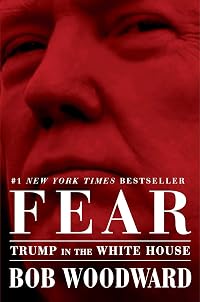
Fear: Trump in the White House
by Bob Woodward
On This Page
Description
With authoritative reporting honed through eight presidencies from Nixon to Obama, author Bob Woodward reveals in unprecedented detail the harrowing life inside President Donald Trump's White House and precisely how he makes decisions on major foreign and domestic policies. Woodward draws from hundreds of hours of interviews with firsthand sources, meeting notes, personal diaries, files and documents. The focus is on the explosive debates and the decision-making in the Oval Office, the show more Situation Room, Air Force One and the White House residence. Fear is the most intimate portrait of a sitting president ever published during the president's first years in office. show lessTags
Recommendations

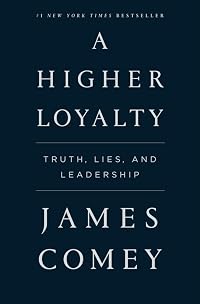
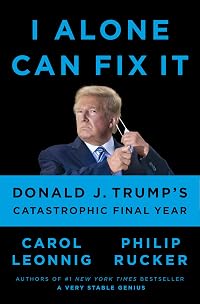


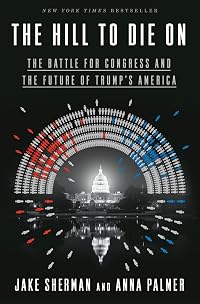
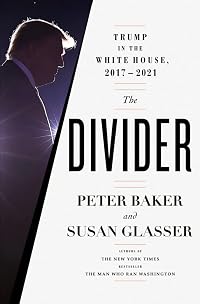
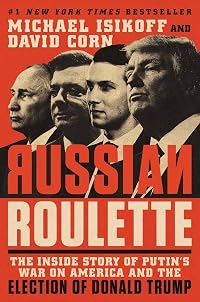
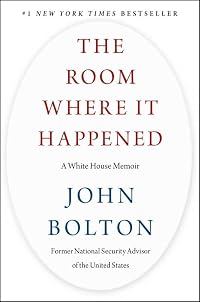
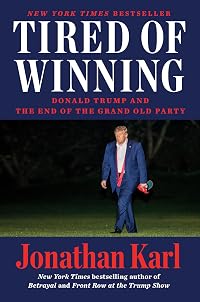
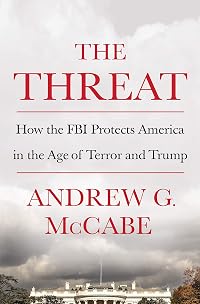
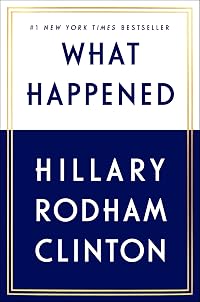

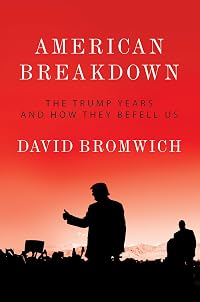
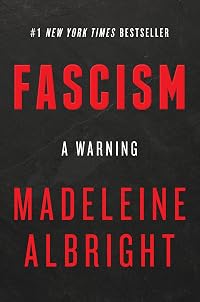

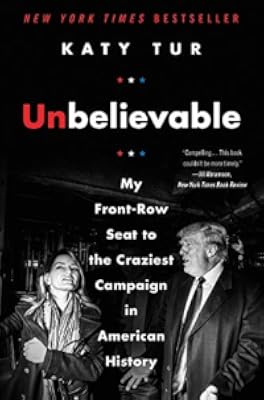
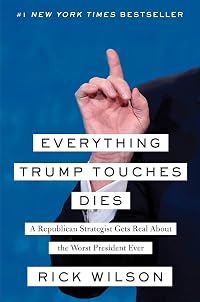
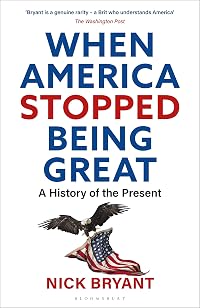
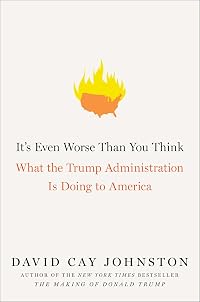
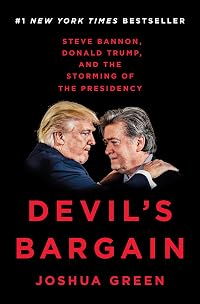
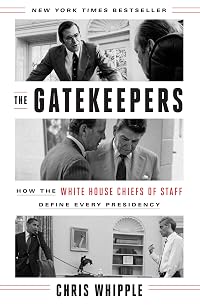
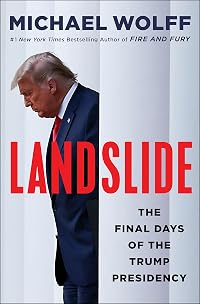
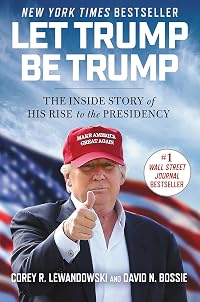
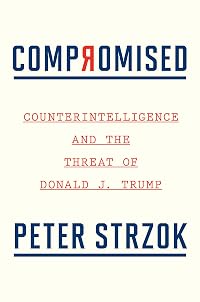
Member Recommendations
M_Clark The Caine Mutiny describes the experience of a WWII ship's crew when under the command of a mentally disturbed captain. It is a perfect accompaniment to reading about today's White House.
Member Reviews
Because so much of the dialogue in “Fear: Trump in the White House” is between Trump’s generals and staffers, his lawyers and a few cabinet members, a portrait of the real Donald Trump kind of creeps out of the pages of this book quietly.
Donald Trump believes that fear instills if not loyalty at least obedience in his White House and beyond, and that is what this book is all about: what Donald Trump’s mantra means to governing America at home, and how it sets the stage for relations with its allies and enemies.
Donald Trump wants you to be afraid of him. And many of us are, but not for the reasons that would necessarily serve his ends.
Much of the dialogue appears without reflection or analysis. We kind of get what the show more antagonists feel, but not too much of what the author feels or how the author compares what he is hearing to what he has written about at length before: what other presidents felt, or what other presidents did that actually worked.
In the short time frame of the book we never get to find out if things Trump did actually worked except that almost everything he says creates fierce, constant criticism and contempt.
Woodward starts with a Donald Trump premise and then rolls it out against the advice of his staff and the wider world. For example, why should America bother subsiding trade deficits with South Korea and paying billions for a military presence in that country if America gets nothing in return and the North Koreans continue unabated to build their nuclear offensive capabilities?
Why should America stay in Afghanistan at all when it cost America close to a trillion dollars to find out it is incapable of controlling the political landscape there or recouping its expense by harvesting Afganistan’s supposed mineral wealth?
Trump feels he never gets a straight answer from his advisors, but the answer is pretty elementary: nuclear weapons are no laughing matter for those who have them and those who strive to acquire them. They give you leverage, a concept Trump is certainly well aware of. And the more nations who have them, the weaker everybody is to control them.
That is why America’s military is so outsized in relation to the immediate threats that face it. It’s because neither America nor anybody else wants to see what happens when that button gets pushed again.
That’s also why the outsized influence of Steve Bannon on Donald Trump is so worrisome. Build walls, smash global trade, ignore climate change.
These are really dumb ideas.
For all that ails American capitalists and American democratic institutions; for the inequities between who creates American wealth and who gets to keep it, for all those who believe in individual sovereignty (read: abortion rights) and those who want to enforce supposed Christian standards of behaviour by fiat; for those who believe that automatic weapons have no place in the polity; for those who believe America is wealthy enough to provide basic health care insurance; for all those who despise the influence of libertarians in public debate, this story is only about one man and his loyalties.
In the 2018 midterm elections, Trump tried to divert attention away from the unpopular Republican stand against pre-existing conditions in the Affordable Care Act. He called out troupes to defend the southern border against aliens creeping into America.
During this whole episode, one heard so little in the media about why these people were so desperate to risk incarceration at the US border, or risk having their children taken from them. There was no discussion about the problems failed states to the south face or what their neighbours are trying to do to correct the violence and corruption at home.
It is not that different from what is causing Europe palpitations over the tidal wave of migrants on their borders.
Also troubling about this book is the way it satirizes the so-called adults in the room. If Trump doesn’t get the answers he wants from his advisors, there’s a suggestion that there’s something wrong with the advisors. Indeed there is. The retired generals and Wall Street types around him supposedly understand the right thing to do, but Woodward makes them out to be somewhat twisted individuals as well — which they probably are. But the inference is that Trump is actually right.
Nobody wants to hear that. show less
Donald Trump believes that fear instills if not loyalty at least obedience in his White House and beyond, and that is what this book is all about: what Donald Trump’s mantra means to governing America at home, and how it sets the stage for relations with its allies and enemies.
Donald Trump wants you to be afraid of him. And many of us are, but not for the reasons that would necessarily serve his ends.
Much of the dialogue appears without reflection or analysis. We kind of get what the show more antagonists feel, but not too much of what the author feels or how the author compares what he is hearing to what he has written about at length before: what other presidents felt, or what other presidents did that actually worked.
In the short time frame of the book we never get to find out if things Trump did actually worked except that almost everything he says creates fierce, constant criticism and contempt.
Woodward starts with a Donald Trump premise and then rolls it out against the advice of his staff and the wider world. For example, why should America bother subsiding trade deficits with South Korea and paying billions for a military presence in that country if America gets nothing in return and the North Koreans continue unabated to build their nuclear offensive capabilities?
Why should America stay in Afghanistan at all when it cost America close to a trillion dollars to find out it is incapable of controlling the political landscape there or recouping its expense by harvesting Afganistan’s supposed mineral wealth?
Trump feels he never gets a straight answer from his advisors, but the answer is pretty elementary: nuclear weapons are no laughing matter for those who have them and those who strive to acquire them. They give you leverage, a concept Trump is certainly well aware of. And the more nations who have them, the weaker everybody is to control them.
That is why America’s military is so outsized in relation to the immediate threats that face it. It’s because neither America nor anybody else wants to see what happens when that button gets pushed again.
That’s also why the outsized influence of Steve Bannon on Donald Trump is so worrisome. Build walls, smash global trade, ignore climate change.
These are really dumb ideas.
For all that ails American capitalists and American democratic institutions; for the inequities between who creates American wealth and who gets to keep it, for all those who believe in individual sovereignty (read: abortion rights) and those who want to enforce supposed Christian standards of behaviour by fiat; for those who believe that automatic weapons have no place in the polity; for those who believe America is wealthy enough to provide basic health care insurance; for all those who despise the influence of libertarians in public debate, this story is only about one man and his loyalties.
In the 2018 midterm elections, Trump tried to divert attention away from the unpopular Republican stand against pre-existing conditions in the Affordable Care Act. He called out troupes to defend the southern border against aliens creeping into America.
During this whole episode, one heard so little in the media about why these people were so desperate to risk incarceration at the US border, or risk having their children taken from them. There was no discussion about the problems failed states to the south face or what their neighbours are trying to do to correct the violence and corruption at home.
It is not that different from what is causing Europe palpitations over the tidal wave of migrants on their borders.
Also troubling about this book is the way it satirizes the so-called adults in the room. If Trump doesn’t get the answers he wants from his advisors, there’s a suggestion that there’s something wrong with the advisors. Indeed there is. The retired generals and Wall Street types around him supposedly understand the right thing to do, but Woodward makes them out to be somewhat twisted individuals as well — which they probably are. But the inference is that Trump is actually right.
Nobody wants to hear that. show less
Fear is the establishment's answer to Michael Wolff's Fire and Fury. Where Wolff is a gossip rag arsonist who relied heavily on Steve Bannon's version of events, Bob Woodward is, well, he's Woodward. He took down Nixon and has written books on every subsequent president. Fear relies on hundreds of hours of transcribed interviews on deep background, and reading between the lines its easy to huess his sources are mostly "responsible adults" who have left the administration: Priebus, Porter, Cohn, Tillerson, Dowd, and Senator Lindsey Graham. The picture he paints of Trump is less salacious, but no less damning.
According to these men, who were once close to Trump and who have fallen from grace, the president is an idiot, a rage-filled show more child, a reckless gambler, a lazy slob addicted to cable news, a bullying narcissist, and an inveterate liar. If there is any fixed star in Trump's universe, it's that if you're not screwing someone, you're being screwed.
Woodward covers the first year or so of Trump's presidency, focusing on the intrigue around the oval office, and the seesawing attempts to find a strategy on Afghanistan, North Korea, and trade. The results are either wise men restraining the worst impulses of a mad king, or an administrative coup by the Deep State, depending on how you feel. The book opens with Gary Cohn stealing a memo off Trump's desk to prevent him from blowing up a vital US-Korea trade agreement, which is probably the most dramatic example, but again and again, his aides have to reign in Trump's emotionally driven decisions, ranging from declaring victory in Afghanistan and turning it over to Erik Prince and the mercenary army formerly known as Blackwater, starting a nuclear war with North Korea, or demolishing the post-1945 consensus on free trade, no matter the cost. Of course, these men are not some Obama-holdover Deep State. They're men Trump appointed, praised, and mostly refused to fire. Despite that idiotic anonymous op-ed in the New York Times, they are not the resistance inside the administration. They are Trump's instruments, and his dishonor stains them.
The revolving door outside the Oval Office is interesting, but Woodward doesn't have much to say about the things that really matter about Trump. How much racism comes from him, and how much from ethnonationalist ghouls like Steve Bannon, Sebastian Gorka, and Stephen Miller? The Mueller investigation drives Trump crazy, but is there fire beneath all the smoke? What of the real harms that dismantling the 'administrative state' of EPA regulations, educational standards, and SNAP assistance brings? What about the judges? How about the dead of Hurricane Maria? The utter nonsense spewed at ongoing campaign rallies? What is up with Jared Kushner? Is there, contrary to all the evidence, any actual depth to the man?
The only humanizing touch is that Trump refuses to meet with the families of soldiers killed in his military adventures. I can understand that moral cowardice. I'm not sure how any ostensible patriot can square that cowardice with their support of the man.
Woodward's book doesn't reveal any deep truths. We all knew Trump was incompetent, incapable of empathy or foresight, the meanest creature to ever occupy the White House. What it does reveal, in chilling clinical detail, is how bad the situation really is. show less
According to these men, who were once close to Trump and who have fallen from grace, the president is an idiot, a rage-filled show more child, a reckless gambler, a lazy slob addicted to cable news, a bullying narcissist, and an inveterate liar. If there is any fixed star in Trump's universe, it's that if you're not screwing someone, you're being screwed.
Woodward covers the first year or so of Trump's presidency, focusing on the intrigue around the oval office, and the seesawing attempts to find a strategy on Afghanistan, North Korea, and trade. The results are either wise men restraining the worst impulses of a mad king, or an administrative coup by the Deep State, depending on how you feel. The book opens with Gary Cohn stealing a memo off Trump's desk to prevent him from blowing up a vital US-Korea trade agreement, which is probably the most dramatic example, but again and again, his aides have to reign in Trump's emotionally driven decisions, ranging from declaring victory in Afghanistan and turning it over to Erik Prince and the mercenary army formerly known as Blackwater, starting a nuclear war with North Korea, or demolishing the post-1945 consensus on free trade, no matter the cost. Of course, these men are not some Obama-holdover Deep State. They're men Trump appointed, praised, and mostly refused to fire. Despite that idiotic anonymous op-ed in the New York Times, they are not the resistance inside the administration. They are Trump's instruments, and his dishonor stains them.
The revolving door outside the Oval Office is interesting, but Woodward doesn't have much to say about the things that really matter about Trump. How much racism comes from him, and how much from ethnonationalist ghouls like Steve Bannon, Sebastian Gorka, and Stephen Miller? The Mueller investigation drives Trump crazy, but is there fire beneath all the smoke? What of the real harms that dismantling the 'administrative state' of EPA regulations, educational standards, and SNAP assistance brings? What about the judges? How about the dead of Hurricane Maria? The utter nonsense spewed at ongoing campaign rallies? What is up with Jared Kushner? Is there, contrary to all the evidence, any actual depth to the man?
The only humanizing touch is that Trump refuses to meet with the families of soldiers killed in his military adventures. I can understand that moral cowardice. I'm not sure how any ostensible patriot can square that cowardice with their support of the man.
Woodward's book doesn't reveal any deep truths. We all knew Trump was incompetent, incapable of empathy or foresight, the meanest creature to ever occupy the White House. What it does reveal, in chilling clinical detail, is how bad the situation really is. show less
No new revelations, actually gave me some respect for Trump, especially in the campaigning part of his career. It does feel like a Part 1 of a 2 part story, though. Obviously since this only covers a part of his Presidency.
There are some great geopolitical lessons in this book, arguments made by Trump's staff about why trade deficits aren't always bad and how they are sometimes part of a bigger policy agenda related to security.
The drama in the book is great and Trump is not made to look like a comic villain, an out-of-touch leader, or even a bombastic bigot. He comes off as a guy who doesn't understand politics, who has already made his mind up on many things, and a guy influenced by strength instead of logic.
There are some great geopolitical lessons in this book, arguments made by Trump's staff about why trade deficits aren't always bad and how they are sometimes part of a bigger policy agenda related to security.
The drama in the book is great and Trump is not made to look like a comic villain, an out-of-touch leader, or even a bombastic bigot. He comes off as a guy who doesn't understand politics, who has already made his mind up on many things, and a guy influenced by strength instead of logic.
Bob Woodward's scathing portrait of the Trump presidency is unlikely to change many minds. Trump opponents will believe every scurrilous detail; Trump supporters will dismiss it whole cloth. And since, if there's anyone out there who is actually attempting to judge this president with unbiased intent, his/her voice is not being heard, one questions why Woodward felt it necessary to produce this 300+ page indictment.
Money, of course. That's a big one. Since it sold 750,000 copies on its first day of release, Woodward is in line for an immense paycheck. Journalistic pride, for another. He obviously believes that five years from now, he will be able to point and say "See? Was I right?" Which of course will thrust his journalistic show more reputation even higher. And maybe -- just maybe -- he really believes the American public needs to understand just what a wacko they placed at the helm of their nation.
To say that Trump does not come off well in this book is like saying Hurricane Katrina caused some flooding. Woodward paints him as a pathological liar, a pathetic bully, a racist, and a man with all the emotional stability of a 14-year-old and the reasoning ability of someone half that age. Over and over again, Woodward reports attempts by Trump's staff to guide him away from his own worst impulses, often without success. He presents uncounted instances where the President made a public statement, accurately reported, and then denies having said any such thing. He outlines hair-raising incidents, particularly in Trump's dealings with South Korea's Kim Jong Un, that have brought us -- and are continuing to bring us -- to the brink of nuclear war.
There must have been times when, researching this work, Woodward felt like he was playing Whack-a-Mole. Problems thought resolved pop up again, and as soon as a journalist (or staffer's) attention was diverted to Problem A, Problem B popped up again.
The book's biggest weakness lies in its very attempt to be comprehensive. There are simply so any characters coming and going through the book, just as they have come and gone through Trump's staff, that it's virtually impossible for the reader to identify any through-flow narrative. Woodward would have done everyone a favor by including a huge fold-out graphic naming each name, telling when and to what purpose they joined Trump's camp, what the major areas of conflict where, when and how they left, and who replaced them. The palace intrigue here is worthy of ancient Rome, and the body count approaches that of Mario Puzo's "Godfather" saga.
Reading this thing is like watching a slo-mo train wreck, and it's impossible to turn away, even though you realize that as you've read the last page of the book, cars are still leaping off the rails, tumbling through the air, and smashing down to crush bodies and landscapes in an unending cataclysm. show less
Money, of course. That's a big one. Since it sold 750,000 copies on its first day of release, Woodward is in line for an immense paycheck. Journalistic pride, for another. He obviously believes that five years from now, he will be able to point and say "See? Was I right?" Which of course will thrust his journalistic show more reputation even higher. And maybe -- just maybe -- he really believes the American public needs to understand just what a wacko they placed at the helm of their nation.
To say that Trump does not come off well in this book is like saying Hurricane Katrina caused some flooding. Woodward paints him as a pathological liar, a pathetic bully, a racist, and a man with all the emotional stability of a 14-year-old and the reasoning ability of someone half that age. Over and over again, Woodward reports attempts by Trump's staff to guide him away from his own worst impulses, often without success. He presents uncounted instances where the President made a public statement, accurately reported, and then denies having said any such thing. He outlines hair-raising incidents, particularly in Trump's dealings with South Korea's Kim Jong Un, that have brought us -- and are continuing to bring us -- to the brink of nuclear war.
There must have been times when, researching this work, Woodward felt like he was playing Whack-a-Mole. Problems thought resolved pop up again, and as soon as a journalist (or staffer's) attention was diverted to Problem A, Problem B popped up again.
The book's biggest weakness lies in its very attempt to be comprehensive. There are simply so any characters coming and going through the book, just as they have come and gone through Trump's staff, that it's virtually impossible for the reader to identify any through-flow narrative. Woodward would have done everyone a favor by including a huge fold-out graphic naming each name, telling when and to what purpose they joined Trump's camp, what the major areas of conflict where, when and how they left, and who replaced them. The palace intrigue here is worthy of ancient Rome, and the body count approaches that of Mario Puzo's "Godfather" saga.
Reading this thing is like watching a slo-mo train wreck, and it's impossible to turn away, even though you realize that as you've read the last page of the book, cars are still leaping off the rails, tumbling through the air, and smashing down to crush bodies and landscapes in an unending cataclysm. show less
Let's be honest, this book is basically gossip. You don't need the first hand accounts of administration lackeys to understand Trump and his government. This administration is fairly transparent about its xenophobic and economic priorities.
There's this point about 2/3rds through Woodward's book where you start to wonder if his key sources really get challenged for being part of the policies of the Trump administration. It never happens. It makes for a strange lack of accountability in a book that subscribes to "a great man" theory as the theme, but with Trump being a grand buffoon. Doesn't this make the story not Trump's lies and stupidity but rather the utter moral failure of the cabinet and hangers-on that enable his rule?
Maybe show more history will be kinder to Woodward's expose of the inner workings of the White House. To me, Fear seems like a cautionary tale in regards to how access journalism misses the real story of Trump's political fortunes: adjacency to power turned Woodward's sources into craven enablers, not "adults in the room." show less
There's this point about 2/3rds through Woodward's book where you start to wonder if his key sources really get challenged for being part of the policies of the Trump administration. It never happens. It makes for a strange lack of accountability in a book that subscribes to "a great man" theory as the theme, but with Trump being a grand buffoon. Doesn't this make the story not Trump's lies and stupidity but rather the utter moral failure of the cabinet and hangers-on that enable his rule?
Maybe show more history will be kinder to Woodward's expose of the inner workings of the White House. To me, Fear seems like a cautionary tale in regards to how access journalism misses the real story of Trump's political fortunes: adjacency to power turned Woodward's sources into craven enablers, not "adults in the room." show less
Best for: I’m not sure. I guess, anyone from the US who wants a little bit more of the story?
In a nutshell: A bunch of people who have worked in (and possibly still do work in) the White House tell their tales of a completely inept President and some horrifying policies.
Worth quoting:
“In the car, Trump described his advisers, ‘They don’t know anything about business.’”
“Trump gave some private advice to a friend who had acknowledged some bad behavior toward women. Real power is fear. It’s all about strength. Never show weakness. You’ve always got to be strong. Don’t be bullied. There is no choice.”
Why I chose it: This seemed like a sad, appropriate choice for the BINGO category, and also something I should probably show more read.
Review:
Meh. I don’t think this book was that interesting. I mean, from a historical perspective, it’s an important book. And the fact that the journalist was able to gather such detailed insight into this presidency and administration is amazing and necessary.
But it’s not a good read.
It’s basically like reading a diary. There’s no real through line at all. I guess maybe that’s what happens when you write the story while it’s still unfurling itself? The main point is that Trump is just woefully inadequate and obviously completely unqualified to do much of anything, let alone run the government of a nation of 350 million people. Also, he’s a racist. And very, very lazy. And a great example of why you don't want a business leader running the government.
There! You don’t have to read this.
A couple of complaints I have, and why I chose the title to this post that I did. Obviously Bannon was a source, as was Porter. You know, the white supremacist and the wife beater. And I get that they had insider information that Woodward wanted to tell the story; there were just moment throughout the book where I almost forgot what horrible people they are. And while some people might think that’s a good thing, to get the full story, I think that’s a bad thing. Because I think we need to recognize that everything Bannon does is colored by his white nationalist views. His motivation is clear, but other than his introduction and a couple of sections on ‘globalization,’ it could be easy to forget what a horrible person he is. And I’m not okay with that.
Additionally, the last chapter focuses primarily on Mueller, and seems to be arguing that Mueller has nothing (at least, that’s how I read it). It obviously comes directly from Trump’s attorney Dowd, who is trying to portray himself positively. Whatever, it’s not surprising that someone might have some selfish reasons for communicating with Mr. Woodward. But what frustrated me was his repeated claim that Trump “doesn’t have time” to participate in the Mueller investigation. A claim that isn’t refuted, but is clearly wrong. Trump DOESN’T DO ANYTHING. I mean, he does a ton of horrible things *cough* Kavanaugh *cough*. But it doesn’t take him any time at all. He doesn’t even start his day until 11 AM. He’s golfed something like 200 days that he’s been in office. He has plenty of time.
As I said, the book is likely very important, but you’ve probably gotten as much out of it as I have if you listened to the evening MSNBC shows the week it came out. show less
In a nutshell: A bunch of people who have worked in (and possibly still do work in) the White House tell their tales of a completely inept President and some horrifying policies.
Worth quoting:
“In the car, Trump described his advisers, ‘They don’t know anything about business.’”
“Trump gave some private advice to a friend who had acknowledged some bad behavior toward women. Real power is fear. It’s all about strength. Never show weakness. You’ve always got to be strong. Don’t be bullied. There is no choice.”
Why I chose it: This seemed like a sad, appropriate choice for the BINGO category, and also something I should probably show more read.
Review:
Meh. I don’t think this book was that interesting. I mean, from a historical perspective, it’s an important book. And the fact that the journalist was able to gather such detailed insight into this presidency and administration is amazing and necessary.
But it’s not a good read.
It’s basically like reading a diary. There’s no real through line at all. I guess maybe that’s what happens when you write the story while it’s still unfurling itself? The main point is that Trump is just woefully inadequate and obviously completely unqualified to do much of anything, let alone run the government of a nation of 350 million people. Also, he’s a racist. And very, very lazy. And a great example of why you don't want a business leader running the government.
There! You don’t have to read this.
A couple of complaints I have, and why I chose the title to this post that I did. Obviously Bannon was a source, as was Porter. You know, the white supremacist and the wife beater. And I get that they had insider information that Woodward wanted to tell the story; there were just moment throughout the book where I almost forgot what horrible people they are. And while some people might think that’s a good thing, to get the full story, I think that’s a bad thing. Because I think we need to recognize that everything Bannon does is colored by his white nationalist views. His motivation is clear, but other than his introduction and a couple of sections on ‘globalization,’ it could be easy to forget what a horrible person he is. And I’m not okay with that.
Additionally, the last chapter focuses primarily on Mueller, and seems to be arguing that Mueller has nothing (at least, that’s how I read it). It obviously comes directly from Trump’s attorney Dowd, who is trying to portray himself positively. Whatever, it’s not surprising that someone might have some selfish reasons for communicating with Mr. Woodward. But what frustrated me was his repeated claim that Trump “doesn’t have time” to participate in the Mueller investigation. A claim that isn’t refuted, but is clearly wrong. Trump DOESN’T DO ANYTHING. I mean, he does a ton of horrible things *cough* Kavanaugh *cough*. But it doesn’t take him any time at all. He doesn’t even start his day until 11 AM. He’s golfed something like 200 days that he’s been in office. He has plenty of time.
As I said, the book is likely very important, but you’ve probably gotten as much out of it as I have if you listened to the evening MSNBC shows the week it came out. show less
Bob Woodward’s newest book, Fear: Trump in the Whitehouse quotes John Kelly, Donald Trump’s Chief of Staff, describing the atmosphere in the current Whitehouse as “Crazytown,” adding that his own position was “the worst job I ever had.” The book portrays Trump, as succinctly summarized by one reviewer, “as an impulsive, uninformed, tempestuous, narcissistic bully, who alternately torments his beleaguered staff with abuse and is in turn manipulated and deceived by them. In short, nothing we didn’t already know.”
What can I add to my review of one of the most reviewed non-fiction books in the last decade? Not much. However, the book contains a few observations and revelations that have not been emphasized in the reviews I show more have seen or heard thus far.
Woodward tries to maintain a tone of detached objectivity, presenting his sources’ points of view without commentary. For example, his description of the arguments raised by John Dowd, Trump’s personal lawyer, gives the reader cause to think that there may not be much of a case of collusion with Russia. But it is clear from other sources besides Woodward that Dowd was not given a full account of key facts about Trump’s campaign and his businesses. As "The New York Times" wrote, Dowd “took Mr. Trump at his word that he had done nothing wrong and never conducted a full internal investigation to determine the president’s true legal exposure.” Dowd’s conviction that Trump would lie under oath had nothing to do with Trump’s possible guilt but more to do with the general understanding that Trump is a pathological liar incapable of sticking to a story, at least, not one with more than a few words. Thus Woodward adds little about Russia, since he is only passing on what others have told him.
Woodward’s own perception of reality occasionally does intrude, as when he describes the internecine struggles over tariffs and balance of payments deficits. There he clearly believes that Gary Cohn and the “globalists” had a better grasp of economic policy than Peter Navarro, Trump, and the economic nationalists.
In another “intrusion” into the story by Woodward, he says he thought the FBI mishandled the disclosure to Trump of the notorious Steele dossier. The FBI knew that with Trump's defensiveness and volatile temperament he would be upset. Woodward suggests that they should have given the dossier to the White House Counsel to finesse its handling with Trump.
For the most part, Woodward lets the principals do the talking and the analysis. Here is what the people hired by Trump think of him:
moron: Secretary of State, Rex Tillerson
idiot: Chief of Staff, John Kelly
5th or 6th grader understanding: Secretary of Defense, James Mattis
fucking liar: personal lawyer, John Dowd
Woodward doesn’t comment on the credibility of his sources or the purity of their motives. But some of them, especially those no longer in the administration, clearly want to rehabilitate their reputations that were sullied either by Trump directly, or more indirectly, just by having served in his administration. Gary Cohn, for example, was likely one of Woodward's sources, according to many insiders. He is portrayed as somewhat of a hero, undoubtedly by virtue of his own reporting to Woodward. But the story Woodward tells is open to another interpretation. After Trump's defense of "both sides" at the neo-Nazi demonstration in Charlottesville, Virginia, Cohn attempted to quit. Trump accused Cohn of "treason." Woodward reported: "It was chilling." Yet, Cohn stayed on in spite of his alleged moral outrage, so that he could help push through the massive corporate-tax cuts from which Cohn would benefit along with the other monied moguls in the Trump Administration. Woodward writes that Cohn declared he was staying out of a desire to help the country. Readers might conclude otherwise.
Woodward makes Dowd’s evaluation of Trump the final sentence of the book. As alluded to above, in Dowd’s analysis, any forum in which Trump would be required to testify under oath, no matter what the subject at hand, would constitute a “perjury trap” because Trump is fundamentally incapable of telling the truth.
And yet, I found that the most damaging description of Trump came from Steve Bannon, his erstwhile apologist:
“He’s the bad father, the terrible first husband, the boyfriend that fucked you over and wasted all those years, and [you] gave up your youth for, and then dumped you. And the terrible boss that grabbed you by the pussy all the time and demeaned you.”
…And there’s more. But this review has already gone on too long. So I invite the reader to enter the “Crazytown” that is the Trump White House by reading it yourself. (It should be noted however that Fear covers only the first 14 months or so of the Trump presidency. A later “update” will undoubtedly have more revelations, given the tendency of Trump’s associates to “flip” on him rather than spend years in prison.)
Most importantly, this book should be required reading for anyone eligible to vote. show less
What can I add to my review of one of the most reviewed non-fiction books in the last decade? Not much. However, the book contains a few observations and revelations that have not been emphasized in the reviews I show more have seen or heard thus far.
Woodward tries to maintain a tone of detached objectivity, presenting his sources’ points of view without commentary. For example, his description of the arguments raised by John Dowd, Trump’s personal lawyer, gives the reader cause to think that there may not be much of a case of collusion with Russia. But it is clear from other sources besides Woodward that Dowd was not given a full account of key facts about Trump’s campaign and his businesses. As "The New York Times" wrote, Dowd “took Mr. Trump at his word that he had done nothing wrong and never conducted a full internal investigation to determine the president’s true legal exposure.” Dowd’s conviction that Trump would lie under oath had nothing to do with Trump’s possible guilt but more to do with the general understanding that Trump is a pathological liar incapable of sticking to a story, at least, not one with more than a few words. Thus Woodward adds little about Russia, since he is only passing on what others have told him.
Woodward’s own perception of reality occasionally does intrude, as when he describes the internecine struggles over tariffs and balance of payments deficits. There he clearly believes that Gary Cohn and the “globalists” had a better grasp of economic policy than Peter Navarro, Trump, and the economic nationalists.
In another “intrusion” into the story by Woodward, he says he thought the FBI mishandled the disclosure to Trump of the notorious Steele dossier. The FBI knew that with Trump's defensiveness and volatile temperament he would be upset. Woodward suggests that they should have given the dossier to the White House Counsel to finesse its handling with Trump.
For the most part, Woodward lets the principals do the talking and the analysis. Here is what the people hired by Trump think of him:
moron: Secretary of State, Rex Tillerson
idiot: Chief of Staff, John Kelly
5th or 6th grader understanding: Secretary of Defense, James Mattis
fucking liar: personal lawyer, John Dowd
Woodward doesn’t comment on the credibility of his sources or the purity of their motives. But some of them, especially those no longer in the administration, clearly want to rehabilitate their reputations that were sullied either by Trump directly, or more indirectly, just by having served in his administration. Gary Cohn, for example, was likely one of Woodward's sources, according to many insiders. He is portrayed as somewhat of a hero, undoubtedly by virtue of his own reporting to Woodward. But the story Woodward tells is open to another interpretation. After Trump's defense of "both sides" at the neo-Nazi demonstration in Charlottesville, Virginia, Cohn attempted to quit. Trump accused Cohn of "treason." Woodward reported: "It was chilling." Yet, Cohn stayed on in spite of his alleged moral outrage, so that he could help push through the massive corporate-tax cuts from which Cohn would benefit along with the other monied moguls in the Trump Administration. Woodward writes that Cohn declared he was staying out of a desire to help the country. Readers might conclude otherwise.
Woodward makes Dowd’s evaluation of Trump the final sentence of the book. As alluded to above, in Dowd’s analysis, any forum in which Trump would be required to testify under oath, no matter what the subject at hand, would constitute a “perjury trap” because Trump is fundamentally incapable of telling the truth.
And yet, I found that the most damaging description of Trump came from Steve Bannon, his erstwhile apologist:
“He’s the bad father, the terrible first husband, the boyfriend that fucked you over and wasted all those years, and [you] gave up your youth for, and then dumped you. And the terrible boss that grabbed you by the pussy all the time and demeaned you.”
…And there’s more. But this review has already gone on too long. So I invite the reader to enter the “Crazytown” that is the Trump White House by reading it yourself. (It should be noted however that Fear covers only the first 14 months or so of the Trump presidency. A later “update” will undoubtedly have more revelations, given the tendency of Trump’s associates to “flip” on him rather than spend years in prison.)
Most importantly, this book should be required reading for anyone eligible to vote. show less
Members
- Recently Added By
Published Reviews
For page after dumbfounding page, Fear reproduces, with gobsmacking credulity, the self-aggrandizing narratives of factitious scoundrels. Didion was absolutely right to class Woodward’s work as fundamentally a kind of “political pornography.” But Fear is to Woodward’s previous oeuvre of political pornography what Fifty Shades of Grey is to Twilight: vampiric fan-fiction repackaged as show more middlebrow smut. show less
added by Shortride
It's one of my favourite books
added by sofiamarina12
Lists

Chronological 2018
17 works; 1 member

Books Read in 2018
4,360 works; 110 members

Litsy Awards 2018
248 works; 9 members

Huxley's Reading Log 2019
24 works; 1 member

Books Read in 2022
5,168 works; 114 members
Author Information

35+ Works 24,042 Members
Bob Woodward is the author or co-author of seven #1 national bestsellers, including "All the President's Men," "The Brethren," & "The Agenda." He is Assistant Managing Editor of "The Washington Post" & lives in Washington, D.C. (Publisher Provided) Journalist and author Bob Woodward was born in Geneva, Illinois on March 26, 1943. He majored in show more history and English literature at Yale University on a Naval ROTC scholarship. After graduating in 1965, he spent four years in the United States Navy. At the end of his military service, he was accepted into Harvard Law School, but decided to become a journalist. Woodward and Carl Bernstein, both reporters for The Washington Post, uncovered the Watergate scandal that led to the resignation of President Richard Nixon. They wrote two books together All the President's Men about their account of the investigation and The Final Days about the collapse of the Nixon administration. He also has written numerous nonfiction books including three on the presidency of George W. Bush. He has twice contributed to collective journalistic efforts that earned The Washington Post and its staff a Pulitzer Prize. He also was awarded the 2003 Gerald R. Ford Prize for Distinguished Reporting on the Presidency. He is currently the assistant managing editor at The Washington Post and is responsible for the paper's special investigative projects. Woodward's title's,The Last of the President's Men and Fear, made the New York Times bestseller list. (Bowker Author Biography) show less
Some Editions
Awards and Honors
Distinctions
The Guardian Book of the Day (2018-09-16)
Work Relationships
Common Knowledge
- Canonical title
- Fear: Trump in the White House
- Original title
- Fear: Trump in the White House
- Original publication date
- 2018-09-11
- People/Characters
- Donald Trump; James Comey; Jeff Sessions; Mike Pence; Rex Tillerson; James Mattis (show all 25); Joseph Dunford; Mike Pompeo; Reince Priebus; John Kelly; Michael G. Flynn ([bio]); H. R. McMaster; Gary Cohn; Jared Kushner; Steve Bannon; Ivanka Trump; Kellyanne Conway; Hope Hicks; Rob Porter; Peter Navarro; Lindsey Graham; Robert Mueller; John Dowd; Don McGahn; Kim Jong Un
- Important places
- Washington, D.C., USA
- Important events
- Mueller investigation
- Epigraph
- Real power is---I don't even want to use the word---fear.
Presidential candidate Donald J. Trump in an interview with Bob Woodward and Robert Costa on March 31, 2016, at the Old Post Office Pavilion, Trump Internati... (show all)onal Hotel, Washington, D.D. - Dedication
- To Elsa
- First words
- In early September 2017, in the eighth month of the Trump presidency, Gary Cohn, the former president of Goldman Sachs and the president's top economic adviser in the White House, moved cautiously toward the Resolute Desk in ... (show all)the Oval Office. (Prologue)
A heartfelt thanks to Evelyn M. Duffy, my assistant on five books that have covered four presidents. (Author's Personal Note)
Interviews for this book were conducted under the journalistic ground rule of "deep background." (Note to Readers)
In August 2010, six years before taking over Donald Trump's winning presidential campaign, Steve Bannon, then 57 and a producer of right-wing political films, answered his phone. - Last words
- (Click to show. Warning: May contain spoilers.)In the political back-and-forth, the evasions, the denials, the tweeting, the obscuring, crying "Fake News," the indignation, Trump had one overriding problem that Dowd knew but could not bring himself to say to the president: "You're a fucking liar."
(Click to show. Warning: May contain spoilers.)Evelyn brought her endless good sense and wisdom, serving as full collaborator and in the spirit - and with the level of effort - of coauthor. (Author's Personal Note)
(Click to show. Warning: May contain spoilers.)President Trump declined to be interviewed for this book. (Note to Readers)
(Click to show. Warning: May contain spoilers.)What follows is that story. (Prologue) - Original language
- English US
Classifications
- Genres
- Nonfiction, General Nonfiction, Politics and Government, History, Biography & Memoir
- DDC/MDS
- 973.933 — History & geography History of North America United States 1901- New Millennium, Post 9/11 (2001-Present) Donald Trump, 1st Term (2017-2021) COVID-19 Response, Tax Cuts and Jobs Act of 2017, Impeachment of Donald Trump
- LCC
- E912 .W66 — History of the United States
- BISAC
Statistics
- Members
- 3,097
- Popularity
- 5,686
- Reviews
- 148
- Rating
- (3.79)
- Languages
- 11 — Dutch, English, Estonian, French, German, Hungarian, Italian, Portuguese, Romanian, Spanish, Swedish
- Media
- Paper, Audiobook, Ebook
- ISBNs
- 37
- ASINs
- 12