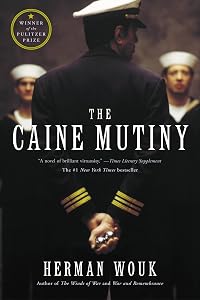
The Caine Mutiny
by Herman Wouk
On This Page
Description
Winner of the Pulitzer Prize and a perennial favorite of readers young and old, Herman Wouk's masterful World War II drama set aboard a U.S. Navy warship in the Pacific is"a novel of brilliant virtuosity" (Times Literary Supplement).Herman Wouk's boldly dramatic, brilliantly entertaining novel of life—and mutiny—on a Navy warship in the Pacific theater was immediately embraced, upon its original publication in 1951, as one of the first serious works of American fiction to grapple with show more the moral complexities and the human consequences of World War II.
In the intervening half century, The Caine Mutiny has sold millions of copies throughout the world, and has achieved the status of a modern classic.
. show less
Tags
Recommendations

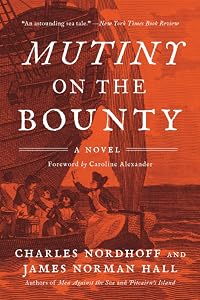

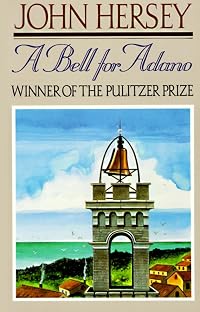

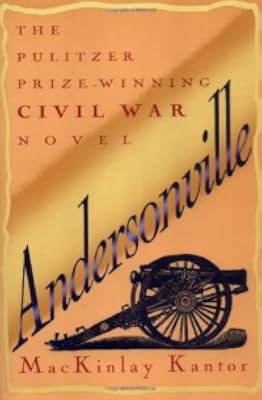
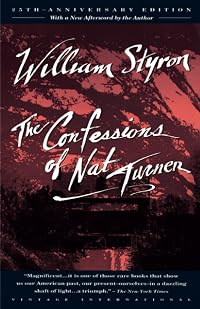
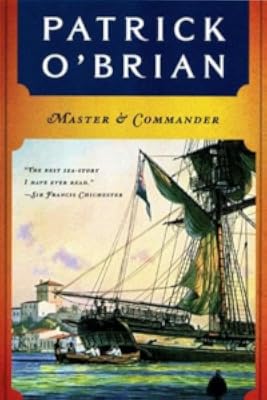

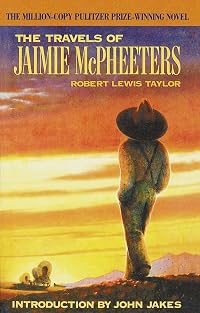

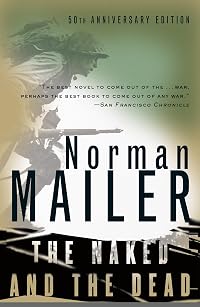

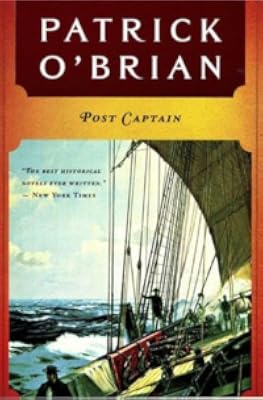

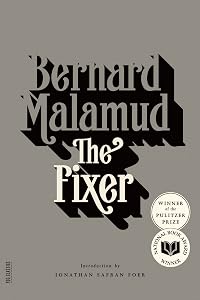

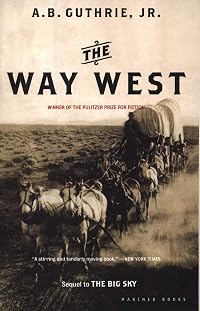


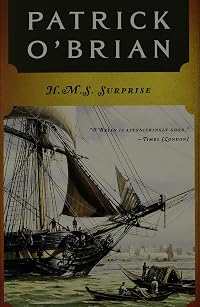

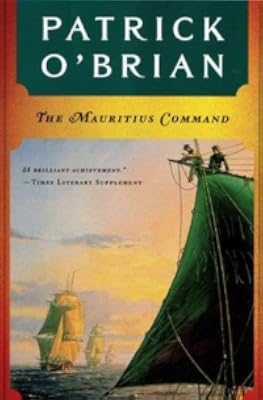
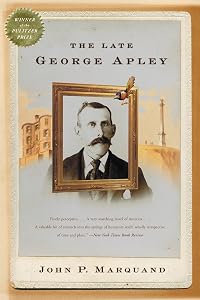
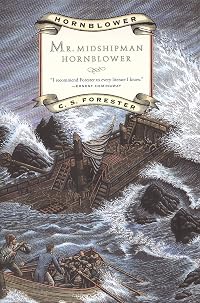


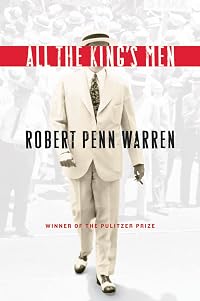
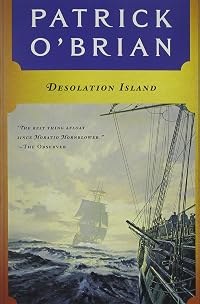










Member Recommendations

Member Reviews
Not what i expected. I have discovered a prejudice of mine: i hear the name “Herman Wouk” and think uber-serious literature, delving into tortuous exploration of the human condition, and critiquing the artifacts derived thereof. I have no idea where this originates from except old television ads about his novel the winds of war. I’ve also seen the Caine Mutiny movie so many times that i’m finding the comic slant of the book and Willie’s very different character a bit jarring. Not that the movie didn't have its comedic points but i didn't find them to be pronounced. I’m enjoying the hell out of it, though, and am intrigued to know what happens and how it differs from the movie.
The comedy of the book must have been hilarious show more back when it was written. It’s understated to the point of dryness and makes subtle fun of the intelligentsia alongside of the military jar-heads. I wouldn’t call the humor dated, necessarily, though pieces of it definitely are, but it simply does not resonate with my modern sensibilities. Or so it seems. It will be interesting to continue the book to see if i can find reasons for what i’m perceiving (written within the first 100 pages). It’s like an anthropological dig with all the social references and mores shown.
It’s turning out to be an indictment of authority structure and prejudice - especially of following it blindly. I am trying to decide how much impact the time with De Vries, the initial captain of the Caine, has on how Queeg is seen. Maybe Wouk is just showing us the contrast but i have to wonder if it doesn’t influence the perception of Queeg, too. I don’t think it’s as simple as hindsight redemption for De Vries. “I thought he was a horrible captain but since having experienced Queeg, i now repent and understand what a great man De Vries was!”
Wouk acknowledges perceptual differences like this throughout the book noting the differences in ships when characters visit non-Caine vessels and how the sailors on the Caine may not know how things are in the rest of the navy because they’ve only known Queeg and De Vries. He’s constantly challenging the reader to see things from a different point of view even the the personal stories of the crew from the glancing view of Stilwell’s possibly wayward wife to Mr. Keith’s full-on view of his relationship with Miss Wynn and his mother. Even the Keefer brothers seem custom-made to draw attention to our prejudices from first impressions, both transitioning from who we think they are initially to almost their polar opposites.
The ending as another kind of flip-flop entirely qualifying more as a progression or maturation of certain plotlines than a complete waffling. i think Wouk crafted it very realistically even if i do not agree with the final ethical and moral assessment of some of the main characters. Wouk did a good job of asking questions and only hinting at answers. show less
The comedy of the book must have been hilarious show more back when it was written. It’s understated to the point of dryness and makes subtle fun of the intelligentsia alongside of the military jar-heads. I wouldn’t call the humor dated, necessarily, though pieces of it definitely are, but it simply does not resonate with my modern sensibilities. Or so it seems. It will be interesting to continue the book to see if i can find reasons for what i’m perceiving (written within the first 100 pages). It’s like an anthropological dig with all the social references and mores shown.
It’s turning out to be an indictment of authority structure and prejudice - especially of following it blindly. I am trying to decide how much impact the time with De Vries, the initial captain of the Caine, has on how Queeg is seen. Maybe Wouk is just showing us the contrast but i have to wonder if it doesn’t influence the perception of Queeg, too. I don’t think it’s as simple as hindsight redemption for De Vries. “I thought he was a horrible captain but since having experienced Queeg, i now repent and understand what a great man De Vries was!”
Wouk acknowledges perceptual differences like this throughout the book noting the differences in ships when characters visit non-Caine vessels and how the sailors on the Caine may not know how things are in the rest of the navy because they’ve only known Queeg and De Vries. He’s constantly challenging the reader to see things from a different point of view even the the personal stories of the crew from the glancing view of Stilwell’s possibly wayward wife to Mr. Keith’s full-on view of his relationship with Miss Wynn and his mother. Even the Keefer brothers seem custom-made to draw attention to our prejudices from first impressions, both transitioning from who we think they are initially to almost their polar opposites.
The ending as another kind of flip-flop entirely qualifying more as a progression or maturation of certain plotlines than a complete waffling. i think Wouk crafted it very realistically even if i do not agree with the final ethical and moral assessment of some of the main characters. Wouk did a good job of asking questions and only hinting at answers. show less
The Caine Mutiny is a powerful and sentimental tour de force of a novel, about command, responsibility, and becoming a man. Willie Keith is a wealthy dilettante, a Princetonian pianist who's highest calling in life is composing witty couplets at parties. To avoid the draft, he signs up as officer in the US Navy, and after a checkered journey through the academy finds himself aboard the WW1 era USS Caine, a garbage scow of a destroyer-mindsweeper. Their first captain, a genial screwoff and expert shiphandler, is promoted and replaced by Captain Queeg, a petty disciplinarian who immediately becomes the monumental tormentor of Keith's life and the other junior officers. As the Caine conducts escorts and other sundry errands around the show more Pacific, Queeg's abuses and irrationalities mount, until the exec, Lt. Maryk, relieves him of command at the height of a typhoon under Article 184. Maryk, Keith, and Keefer (an aspiring novelist) are court-martialled, but are acquitted only through the brilliant legal manueverings of the lawyer Greenwald, who badgers Queeg into a paranoid breakdown on the witness stand, and subsequently states that the intellectual Keefer manipulated the whole thing. Men like Queeg are necessary because peace time naval service is tedious and mediocre-that they would be promoted into positions of authority in war is what saves the rest of us while we train to fight.
I have to disagree with this judgment about the necessity of Queeg. Command may be hard and lonely, but Queeg reveals himself as obsessed with minutia, repeatedly refusing to take responsibility for his actions and his command, disproportionate and retaliatory to his subordinates, and incapable of engaging effectively with any sort of external reality. He may not be a clinical psychopath, but any system which would give him command is insane. A man like Queeg is a weak link, to be taken out of the chain for the safety of all.
The main plot is bookended by Willie's pursuit of a girl, which is sentimental and mawkish, and seems almost entirely arranged for him to overcome his prejudices and the inertia of his life. Otherwise, this is a stylish and compelling book, one that stretches to the full length of the story with grace and elegance. Wouk served on a very similar destroyer minesweeper during World War 2, and the authenticity is absolute. I'm thrilled I read it. show less
I have to disagree with this judgment about the necessity of Queeg. Command may be hard and lonely, but Queeg reveals himself as obsessed with minutia, repeatedly refusing to take responsibility for his actions and his command, disproportionate and retaliatory to his subordinates, and incapable of engaging effectively with any sort of external reality. He may not be a clinical psychopath, but any system which would give him command is insane. A man like Queeg is a weak link, to be taken out of the chain for the safety of all.
The main plot is bookended by Willie's pursuit of a girl, which is sentimental and mawkish, and seems almost entirely arranged for him to overcome his prejudices and the inertia of his life. Otherwise, this is a stylish and compelling book, one that stretches to the full length of the story with grace and elegance. Wouk served on a very similar destroyer minesweeper during World War 2, and the authenticity is absolute. I'm thrilled I read it. show less
Despite being everything I don't really like in a book (WWII novel, courtroom drama), this was unputdownable. Wouk draws a cast of entirely human people, flawed in their own way and also under the immense pressure of the war, and uses it to ask deep questions of when to respect the chain of command. The book is amazing for its ability to draw you into the story so you are rooting for the 'good guys' and then flip all of this on its head and make you question who was right and wrong after all. Heartbreaking, but excellent.
Well, here's a turn up for the (e)books - a long, 'masculine' narrative set during World War Two that is part Master and Commander, part Perry Mason ... and I loved the story! I had to keep stopping to charge my Kindle, but I devoted two whole(ish) days to this novel, and - apart from the last couple of chapters - I'm not sorry.
The 'cover' of my Kindle version features Humphrey Bogart in the role of Captain Queeg, but I haven't seen the film, and now I don't really want to. Bogart isn't my idea of Queeg at all. All of Wouk's characters are believable, if not always likable, the 'action' is cleverly paced (delaying the consequences of the mutiny to pad out the trial), and the 'mutiny' is very carefully balanced to throw doubt on all show more those involved. The reader of course sides with Meryk and Keith, because we are 'there' with them, but the outcome of the court martial is debatable even after the verdict. And I would love to read Queeg's version of events!
About the only part of the story that doesn't work is the end - Wouk, like Queeg, should have stopped talking a whole lot sooner. Keith's hot and cold pursuit of the sparky May does not cast him in the best light - I know what my response to that letter would have been! - and Greenwald's rambling defence of the Navy is laboured to say the least. I ploughed on, but honestly, I think Dmytryk had the right idea in ending the film with the trial.
An enduring tale - entertaining, powerful and carefully crafted. Just a tad overlong! show less
The 'cover' of my Kindle version features Humphrey Bogart in the role of Captain Queeg, but I haven't seen the film, and now I don't really want to. Bogart isn't my idea of Queeg at all. All of Wouk's characters are believable, if not always likable, the 'action' is cleverly paced (delaying the consequences of the mutiny to pad out the trial), and the 'mutiny' is very carefully balanced to throw doubt on all show more those involved. The reader of course sides with Meryk and Keith, because we are 'there' with them, but the outcome of the court martial is debatable even after the verdict. And I would love to read Queeg's version of events!
About the only part of the story that doesn't work is the end - Wouk, like Queeg, should have stopped talking a whole lot sooner. Keith's hot and cold pursuit of the sparky May does not cast him in the best light - I know what my response to that letter would have been! - and Greenwald's rambling defence of the Navy is laboured to say the least. I ploughed on, but honestly, I think Dmytryk had the right idea in ending the film with the trial.
An enduring tale - entertaining, powerful and carefully crafted. Just a tad overlong! show less
I think you could say The Caine Mutiny is a coming of age story. Willie Keith is young, green and naive when he is assigned to the U.S.S. Caine straight out of officer’s training. By the end of the book, he is a man and he has learned a lot about what being a man entails, including that life is seldom black and white.
Waok created one of the clearest, most memorable characters in American fiction in Captain Queeg. He is a despicable, weak, insecure bully, and he deserves the hatred and lack of respect that he gets from his crew, but does that make the mutiny correct and unavoidable? Like Willie, my view of the events changes over the course of the novel, and I find that Queeg is not the only despicable, cowardly man on this ship.
I show more could have done without the side love story. I found it less believable or even understandable than the shipboard tale. Somehow it also did not fit quite perfectly with the impression I had of who Willie was. But it was a minor part of the book and did not detract from the realism of life aboard the Caine and the emotional strain and everyday details of a wartime navy.
At the end of this novel, we have a more mature and balanced Willie Keith, and by the end of this novel, I had a more balanced and mature view of the events that led up to the mutiny. One thing that a good leader has is the respect and support of his men, and when there is no respect or confidence in the leader, there is chaos. Chaos makes for mistakes, and they are seldom all made by just one person.
I thoroughly enjoyed this unique view of World War II. I am reading all the Pulitzer Prize winners, and I have found the committee doesn’t always get it right. Some of their choices are questionable, but this is not one of them; this book deserves the recognition. It reads as well today, and has the same kind of relevance, as it did in the 1950s. The war is over, but you could find a Willie Keith, Tom Keefer, Steve Meryk, or Captain Queeg still out there in plenty, and if you are very lucky, a Greenwald to argue your case. show less
Waok created one of the clearest, most memorable characters in American fiction in Captain Queeg. He is a despicable, weak, insecure bully, and he deserves the hatred and lack of respect that he gets from his crew, but does that make the mutiny correct and unavoidable? Like Willie, my view of the events changes over the course of the novel, and I find that Queeg is not the only despicable, cowardly man on this ship.
I show more could have done without the side love story. I found it less believable or even understandable than the shipboard tale. Somehow it also did not fit quite perfectly with the impression I had of who Willie was. But it was a minor part of the book and did not detract from the realism of life aboard the Caine and the emotional strain and everyday details of a wartime navy.
At the end of this novel, we have a more mature and balanced Willie Keith, and by the end of this novel, I had a more balanced and mature view of the events that led up to the mutiny. One thing that a good leader has is the respect and support of his men, and when there is no respect or confidence in the leader, there is chaos. Chaos makes for mistakes, and they are seldom all made by just one person.
I thoroughly enjoyed this unique view of World War II. I am reading all the Pulitzer Prize winners, and I have found the committee doesn’t always get it right. Some of their choices are questionable, but this is not one of them; this book deserves the recognition. It reads as well today, and has the same kind of relevance, as it did in the 1950s. The war is over, but you could find a Willie Keith, Tom Keefer, Steve Meryk, or Captain Queeg still out there in plenty, and if you are very lucky, a Greenwald to argue your case. show less
Ensign Willie Keith's stint in the Navy began on a bad note: he missed boarding his assigned ship, the U.S.S. Caine, in Pearl Harbor before it left for Australia. He worked in rotation as a member of the officers' pool until the Caine returned a few months later to claim their long lost crewman. It took some time for Keith to settle into his new routine, but he found the crew affable and Captain De Vriess a hard but fair man.
Just as Keith was getting accustomed to the Captain's ways, the Navy assigned a new captain to the Caine -- Lieutenant Commander Philip F. Queeg. Almost immediately, Queeg wormed his way onto the crews' bad side by strictly enforcing Navy regulations, doling out harsh punishments for the smallest of violations, and show more finding ways to blame others for his mistakes. Or so it seemed to Lieutenant Tom Keefer, who insinuated the idea that Queeg wasn't quite right in the head based upon Section 184. Keith brushed it off, but Lieutenant Steve Maryk paid closer attention to Queeg, keeping a detailed journal of events and how Queeg handled both them and himself. At a rendez-vous with Admiral Halsey's flagship, Maryk was ready to present his information, but Keefer convinced him not to. Later, during a terrific storm at sea, Maryk decided that Queeg's handling of the ship put the crew at risk and relieved him of duty, and all the while Queeg protested against the mutiny of his crew.
"The Caine Mutiny" blends different genres into a single compelling tale. At first, we have the Willie Keith's story aboard the U.S.S. Caine -- a new soldier learning the good and bad about war, both at see and with his personal life. On the other hand, we have a subtle psychological game, following Queeg's actions with a measured eye to catch any instances of him slipping over the edge. And finally, we witness a nail-biting courtroom drama during Maryk's court-martial, with hardcore cross-examinations that left me wide-eyed in amazement. Throw in some great action sequences that had me breathlessly turning the page and well-written characters that feel like real people instead of fictional characters, and Herman Wouk's novel truly is an intense and amazing book to read. show less
Just as Keith was getting accustomed to the Captain's ways, the Navy assigned a new captain to the Caine -- Lieutenant Commander Philip F. Queeg. Almost immediately, Queeg wormed his way onto the crews' bad side by strictly enforcing Navy regulations, doling out harsh punishments for the smallest of violations, and show more finding ways to blame others for his mistakes. Or so it seemed to Lieutenant Tom Keefer, who insinuated the idea that Queeg wasn't quite right in the head based upon Section 184. Keith brushed it off, but Lieutenant Steve Maryk paid closer attention to Queeg, keeping a detailed journal of events and how Queeg handled both them and himself. At a rendez-vous with Admiral Halsey's flagship, Maryk was ready to present his information, but Keefer convinced him not to. Later, during a terrific storm at sea, Maryk decided that Queeg's handling of the ship put the crew at risk and relieved him of duty, and all the while Queeg protested against the mutiny of his crew.
"The Caine Mutiny" blends different genres into a single compelling tale. At first, we have the Willie Keith's story aboard the U.S.S. Caine -- a new soldier learning the good and bad about war, both at see and with his personal life. On the other hand, we have a subtle psychological game, following Queeg's actions with a measured eye to catch any instances of him slipping over the edge. And finally, we witness a nail-biting courtroom drama during Maryk's court-martial, with hardcore cross-examinations that left me wide-eyed in amazement. Throw in some great action sequences that had me breathlessly turning the page and well-written characters that feel like real people instead of fictional characters, and Herman Wouk's novel truly is an intense and amazing book to read. show less
The Caine Mutiny was Herman Wouk’s first post World War II novel. Published in 1951, the novel qualified as contemporary fiction. Sixty-six years later it’s a classic coming-of-age story that reads like historical fiction.
The story isn’t about the U.S.S. Caine or even the ubiquitous Captain Queeg with his ball bearings. The Caine Mutiny is about Willie Keith, a spoiled rich kid who finds himself in a world unlike anything he’s ever known. A world in which he must make a decision that can and does destroy careers.
Willie wants to follow the right path. But which path is that? He could obey the orders of a superior officer, and perhaps go down with his ship. He could believe Lt Keefer’s assessment that the captain is unfit for show more duty and still obey orders. He could support his friend Lt Maryk, a man with true skills in seamanship. But what does that mean? It could mean dissuading Maryk from taking control of the ship. It could mean supporting Maryk’s decision to do so. And the decision must be made in the middle of a typhoon.
The Caine Mutiny won the Pulitzer Prize in 1951 for good reasons. Wouk’s words effortlessly take the reader aboard the Caine and into World War II mine-sweeping activities. He brings out the stresses of life in close quarters. Even more important, Wouk develops a classic theme as Keith struggles to become a man. show less
The story isn’t about the U.S.S. Caine or even the ubiquitous Captain Queeg with his ball bearings. The Caine Mutiny is about Willie Keith, a spoiled rich kid who finds himself in a world unlike anything he’s ever known. A world in which he must make a decision that can and does destroy careers.
Willie wants to follow the right path. But which path is that? He could obey the orders of a superior officer, and perhaps go down with his ship. He could believe Lt Keefer’s assessment that the captain is unfit for show more duty and still obey orders. He could support his friend Lt Maryk, a man with true skills in seamanship. But what does that mean? It could mean dissuading Maryk from taking control of the ship. It could mean supporting Maryk’s decision to do so. And the decision must be made in the middle of a typhoon.
The Caine Mutiny won the Pulitzer Prize in 1951 for good reasons. Wouk’s words effortlessly take the reader aboard the Caine and into World War II mine-sweeping activities. He brings out the stresses of life in close quarters. Even more important, Wouk develops a classic theme as Keith struggles to become a man. show less
Members
- Recently Added By
Lists

The Guardian's 1000 Novels Everyone Must Read
1,005 works; 549 members

Pulitzer Prize Winners for Fiction
102 works; 54 members

Read the book and saw the movie
1,170 works; 195 members
National Book Award Finalists - Fiction
377 works; 12 members

1950s
340 works; 22 members

Anthony Burgess 99 Post War Novels
99 works; 7 members

Pulitzer Prize-Winning Books
42 works; 10 members

The American Experience
173 works; 18 members

Mensa for Kids Excellence in Reading Award Program (Grades 9-12)
116 works; 5 members

End of Your Life Book Club
134 works; 4 members

Publisher's Weekly Bestsellers - Part II - 1940 - 1979
355 works; 6 members

Plan to Read Books
75 works; 1 member

Centenarian Authors
23 works; 2 members
Mensa for Kids Excellence in Reading Award Program (Grades 9-12)
116 works; 3 members

World War II Novels
28 works; 3 members

THE WAR ROOM
813 works; 24 members
School Made Us Read It
380 works; 197 members

Library List - Pulitzer
18 works; 1 member
Author Information

84+ Works 19,271 Members
Herman Wouk was born in the Bronx, New York on May 27, 1915. He received a bachelor's degree in comparative literature and philosophy from Columbia University. In 1936, he became a staff writer for the radio comedian Fred Allen. He enlisted in the Navy immediately after Pearl Harbor and was posted as a radio officer in the South Pacific. His debut show more novel, Aurora Dawn, was published in 1947. His other novels included The City Boy, Marjorie Morningstar, Youngblood Hawke, Don't Stop the Carnival, The Winds of War, War and Remembrance, The Hope, The Gift, A Hole in Texas, and The Lawgiver. He received the Pulitzer Prize for fiction in 1952 for The Caine Mutiny. He received the first Library of Congress Lifetime Achievement Award for the Writing of Fiction in 2008. His nonfiction books included This Is My God, The Language God Talks, and Sailor and Fiddler: Reflections of a 100-Year-Old Author. Several of his books were adapted into movies including The Caine Mutiny and Marjorie Morningstar. He adapted the courtroom sections of The Caine Mutiny into the Broadway play The Caine Mutiny Court-Martial. His other Broadway shows included The Traitor and Nature's Way. He died on May 17, 2019 at the age of 103. (Bowker Author Biography) show less
Some Editions
Awards and Honors
Awards
Distinctions
Series
Belongs to Publisher Series
Work Relationships
Has the adaptation
Is abridged in
Has as a student's study guide
Common Knowledge
- Canonical title*
- Mytteriet på Caine
- Original title
- The Caine mutiny
- Original publication date
- 1951-10
- People/Characters
- Willie Keith; May Wynn; Philip Francis Queeg; Steve Maryk; Tom Keefer; Barney Greenwald (show all 9); Roland Keefer; Captain de Vriess; Captain Queeg
- Important places
- Pacific Ocean; Pearl Harbor, O'ahu, Hawai'i, USA; New York, New York, USA; Manhasset, New York, USA; The Caine (ship); Kwajalein, Marshall Islands (show all 13); New Caledonia; Guadalcanal, Solomon Islands; Guam; Philippine Sea; San Francisco, California, USA; Saipan; Okinawa, Japan
- Important events
- World War II (1939 | 1945)
- Related movies
- The Caine Mutiny (1954 | IMDb)
- Dedication
- This tale is for my wife,
with all my love. - First words
- He was of medium height, somewhat chubby, and good looking, with curly red hair and an innocent, gay face, more remarkable for a humorous air about the eyes and large mouth than for any strength of chin or nobility of nose.
- Quotations
- The world became narrowed to a wobbling iron shell on a waste of foamy gray, and the business of the world was staring out at empty water or making red-ink insertions in the devil's own endless library of mildewed unintelligi... (show all)ble volumes.
- Last words
- (Click to show. Warning: May contain spoilers.)Torn paper was flying in the air over the victorious marchers; and now and then a scrap drifted down and brushed the face of the last captain of the Caine.
- Disambiguation notice
- Please do not combine "The Caine Mutiny" (a novel) with "The Caine mutiny court-martial: A drama in two acts".
*Some information comes from Common Knowledge in other languages. Click "Edit" for more information.
Classifications
- Genres
- Fiction and Literature, General Fiction, Historical Fiction
- DDC/MDS
- 813.54 — Literature & rhetoric American literature in English American fiction in English 1900-1999 1945-1999
- LCC
- PS3545 .O98 .C28 — Language and Literature American literature American literature Individual authors 1900-1960
- BISAC
Statistics
- Members
- 3,691
- Popularity
- 4,395
- Reviews
- 62
- Rating
- (4.24)
- Languages
- 12 — Dutch, English, Finnish, French, German, Hungarian, Italian, Norwegian, Portuguese, Slovenian, Spanish, Swedish
- Media
- Paper, Audiobook, Ebook
- ISBNs
- 57
- UPCs
- 2
- ASINs
- 94