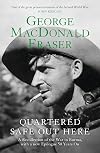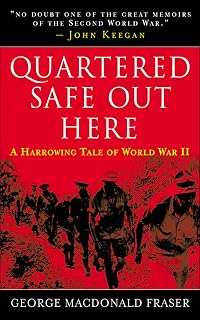
Quartered Safe Out Here
by George MacDonald Fraser
On This Page
Description
George MacDonald Fraser-beloved for his series of Flashman historical novels-offers an action-packed memoir of his experiences in Burma during World War II. Fraser was only 19 when he arrived there in the war's final year, and he offers a first-hand glimpse at the camaraderie, danger, and satisfactions of service.Tags
Recommendations





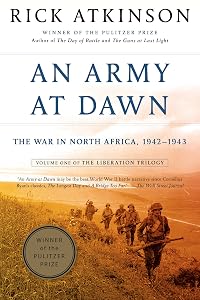
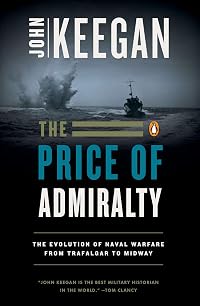
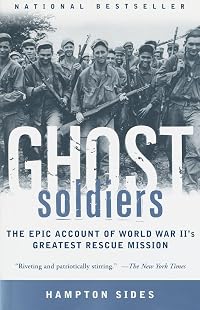
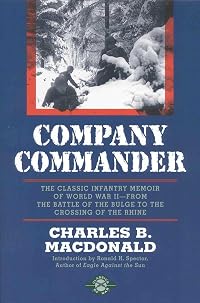





Member Recommendations
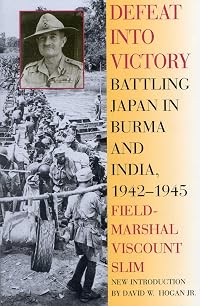
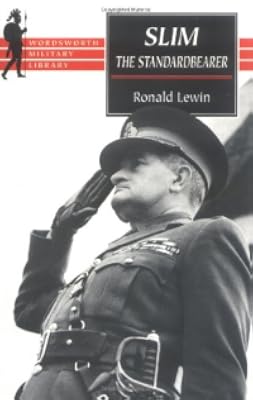
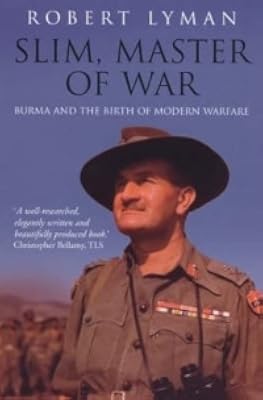
chrisharpe George MacDonald Fraser praises Slim very highly, and for the commanding officer's perspective on GMF's soldier's eye view, you can't do better than Slim's self-effacing memoir.
20

Member Reviews
A book which has jumped right to the top of my Favourites list, this World War Two memoir from the author of the Flashman books shares many of the winning qualities of that peerless series of novels. It is extremely well-written, full of adventure, pathos, interesting locales and heart-in-mouth moments – and, most surprisingly, it is extremely funny.
I don't want to quote from the book (mostly because the examples are so numerous that I cannot chose between them, but also because they are best experienced when immersed in the rhythm of Fraser's wider prose), but little moments such as the 'victory' password on the night patrol and the sergeant trying to convince Fraser to become a 'sniper-scout' had me crying with laughter. You get a show more real sense for the banter and camaraderie of Nine Section, the group Fraser served with (the Cumbrian dialect, which Fraser writes these encounters in, is not too obstructive if you just let it flow). And that eccentric Captain Grief, a real gem of a character introduced late into the story, is an interesting chap, though I wouldn't want to sit next to him on the bus. The book's natural humour is heightened by Fraser's Flashman-esque (and seemingly effortless, damn him) quips and asides, making for a giddiness in my reading experience which has scarcely been matched save for the Flashman books themselves.
In fact, Quartered Safe Out Here felt like a Flashman book in all but name, though with one crucial difference. Whereas Harry Flashman was a complete coward (or had 'a coward's courage', as he might have termed it), the young Fraser was genuinely brave and tough; the Japanese of World War Two were notoriously fierce and cruel fighters but met their match in this teenage Scot and his Cumbrian comrades. Furthermore, Fraser – and this will come as no surprise to anyone who has read Flashman – is not afraid of giving us his undiluted opinions, and he writes eloquently about the changes in British values from his day to modern times. Only occasionally curmudgeonly, such passages do a great service to the book by gently jostling and challenging the reader; it is this balance between intellectual provocation and exquisite storytelling which has always been my gold standard for a brilliantly entertaining read, and Quartered Safe Out Here is matchless.
I always seem to struggle with writing positive reviews, at least when it comes to originality. Maybe it's my naturally cynical disposition, but give me a bad book and I can write for hours, whereas I often find it a struggle to convey my impressions of a book that I quickly fall in love with, as I have here. And that's because every time I'm responding to the same things: beautiful prose and artful storytelling, pathos, adventure, humour, intelligence… and it's always hard to wax lyrical about those things without sounding like a bore. So I suppose there's always a simple way to end such reviews: just read it – start today if you can – and thank me later. show less
I don't want to quote from the book (mostly because the examples are so numerous that I cannot chose between them, but also because they are best experienced when immersed in the rhythm of Fraser's wider prose), but little moments such as the 'victory' password on the night patrol and the sergeant trying to convince Fraser to become a 'sniper-scout' had me crying with laughter. You get a show more real sense for the banter and camaraderie of Nine Section, the group Fraser served with (the Cumbrian dialect, which Fraser writes these encounters in, is not too obstructive if you just let it flow). And that eccentric Captain Grief, a real gem of a character introduced late into the story, is an interesting chap, though I wouldn't want to sit next to him on the bus. The book's natural humour is heightened by Fraser's Flashman-esque (and seemingly effortless, damn him) quips and asides, making for a giddiness in my reading experience which has scarcely been matched save for the Flashman books themselves.
In fact, Quartered Safe Out Here felt like a Flashman book in all but name, though with one crucial difference. Whereas Harry Flashman was a complete coward (or had 'a coward's courage', as he might have termed it), the young Fraser was genuinely brave and tough; the Japanese of World War Two were notoriously fierce and cruel fighters but met their match in this teenage Scot and his Cumbrian comrades. Furthermore, Fraser – and this will come as no surprise to anyone who has read Flashman – is not afraid of giving us his undiluted opinions, and he writes eloquently about the changes in British values from his day to modern times. Only occasionally curmudgeonly, such passages do a great service to the book by gently jostling and challenging the reader; it is this balance between intellectual provocation and exquisite storytelling which has always been my gold standard for a brilliantly entertaining read, and Quartered Safe Out Here is matchless.
I always seem to struggle with writing positive reviews, at least when it comes to originality. Maybe it's my naturally cynical disposition, but give me a bad book and I can write for hours, whereas I often find it a struggle to convey my impressions of a book that I quickly fall in love with, as I have here. And that's because every time I'm responding to the same things: beautiful prose and artful storytelling, pathos, adventure, humour, intelligence… and it's always hard to wax lyrical about those things without sounding like a bore. So I suppose there's always a simple way to end such reviews: just read it – start today if you can – and thank me later. show less
George MacDonald Fraser is perhaps better known for his humour, in the Flashman series. This book certainly contains humour, as it details the boredom and farce of the everyday life of a soldier. In some ways it is thus similar to Spike Milligan's books on the war. But, unlike Milligan, Fraser saw real active service in the front line in Burma, and he recounts the horrors of war at first hand.
One theme that comes through strongly is that we cannot judge the actions of young national servicemen in 1945 according to the standards of the 21st century. It was kill or be killed, fighting a particularly fierce and ruthless enemy. Fraser killed, and saw his friends being killed.
Like many others who study what soldiers fight for, Fraser says it show more is basically for your mates - in his case the 10-man infantry rifle section.
He reflects on the problems of being an eye-witness. In a battle you see only a very small part of the action (or sometimes no action). If you are in action, you are totally focused on a very narrow front, on the people who are trying to kill you personally and you them. You are oblivious to all else. Thus, despite extensive research in the official records, he still finds it difficult to match some of his personal recollections with the official history.
Fraser spends some time discussing the dropping of the atomic bombs, which probably saved the lives of either himself or some of his immediate friends, at great cost.
To the modern reader he comes over as quite conservative, reactionary, right wing. And yet he is no armchair ideologue. His views have been formed by bitter experience, and he is prepared to justify them, while also remaining surprisingly open to people who disagree with him.
This is an excellent read, not only for its exciting account of guerilla warfare, but also for its insights into various broad themes. show less
One theme that comes through strongly is that we cannot judge the actions of young national servicemen in 1945 according to the standards of the 21st century. It was kill or be killed, fighting a particularly fierce and ruthless enemy. Fraser killed, and saw his friends being killed.
Like many others who study what soldiers fight for, Fraser says it show more is basically for your mates - in his case the 10-man infantry rifle section.
He reflects on the problems of being an eye-witness. In a battle you see only a very small part of the action (or sometimes no action). If you are in action, you are totally focused on a very narrow front, on the people who are trying to kill you personally and you them. You are oblivious to all else. Thus, despite extensive research in the official records, he still finds it difficult to match some of his personal recollections with the official history.
Fraser spends some time discussing the dropping of the atomic bombs, which probably saved the lives of either himself or some of his immediate friends, at great cost.
To the modern reader he comes over as quite conservative, reactionary, right wing. And yet he is no armchair ideologue. His views have been formed by bitter experience, and he is prepared to justify them, while also remaining surprisingly open to people who disagree with him.
This is an excellent read, not only for its exciting account of guerilla warfare, but also for its insights into various broad themes. show less
Quartered Safe Out Here is one the of the quintessential infantry memoirs, a tale of six months with Nine Section in Burma in 1944 and 1945. Fraser, of course has won lasting popularity as the author of the Flashman series, and he brings all his literary weight to this memoir. It's really about the ten or so men of Nine Section, grousing Cumbrian bandits in the finest tradition of their Boarder Riever ancestors. The rolling Cumbrian dialect, the complaints and arguments, the stand-tos and patrols and attacks, all come through.
Memory is a fickle thing, and tentpoles of fervent adrenaline in assaults on bunkers and desperate night actions and interspersed with long periods where nothing much happens, or nothing that could have stood out show more to be remembered 50 years later. And as with the Burma Campaign as a whole, it was the last brave show of the British Empire, where an army composed of Gurkhas and Sikhs and innumerable other Indian ethnicities, with madcap East African convoy drivers, and regiments from some tiny specific English county still half trapped in the Middle Ages, slugged it out with the cream of the Japanese army in the trackless jungle hills. There's glory, and humor, and jungle sores and malaria and dusty marches.
I could have done with fewer complaints about modern society having gone to the dogs, but Fraser is entitled to his pint and his grousing, because the story is incredible. Just a fantastic book. show less
Memory is a fickle thing, and tentpoles of fervent adrenaline in assaults on bunkers and desperate night actions and interspersed with long periods where nothing much happens, or nothing that could have stood out show more to be remembered 50 years later. And as with the Burma Campaign as a whole, it was the last brave show of the British Empire, where an army composed of Gurkhas and Sikhs and innumerable other Indian ethnicities, with madcap East African convoy drivers, and regiments from some tiny specific English county still half trapped in the Middle Ages, slugged it out with the cream of the Japanese army in the trackless jungle hills. There's glory, and humor, and jungle sores and malaria and dusty marches.
I could have done with fewer complaints about modern society having gone to the dogs, but Fraser is entitled to his pint and his grousing, because the story is incredible. Just a fantastic book. show less
This book immediately grabbed my attention by introducing itself, quite lucidly, with a discussion of personal memory and its notoriously complex relationship with facts. Long ago, I had been schooled on the difference of recalling a "normal" event and that of reliving a "significant emotional experience" and how much more vivid, though not necessarily more broadly encompassing it may be. The author sets the stage candidly for where he is coming from and then launches into a memoir of his experience in the armed forces fighting the Japanese in Burma during World War II. While the setting is clearly different, I found myself frequently thinking of my experiencing Robert Lewis Stevenson's Treasure Island, so many decades ago. This was a show more real adventure, and it brought back the feeling I had so very long ago reading my first fictional adventure. The author's style brings the reader right along with him through each setting. The reader becomes part embedded reporter and part individual hearing someone tell a story in a relaxed gathering of friends. The story shifts gear often with healthy doses of humor and suspense, never flagging in its ability to maintain interest. An extra bonus comes with the author relating his war experiences to veterans of the first Iraq War which had occurred just before he wrote the book. It was rather remarkable how much of what he had to say applied every bit as well today. I certainly can see people reading this book or not based purely on it being a book about war, but I think those that bypass it will miss the insight that relates so keenly to how humans have everyday life experiences. show less
This is subtitled, A Recollection of the War in Burma. Fraser was a nineteen year-old infantryman, assigned to the Border Regiment in Burma, a regiment made up primarily of men from Cumberland who speak in dialects that are almost a foreign language to outsiders: for example, “Est seen a coody loup ower a yett” translates as “Have you seen a donkey jump over a gate?”. Fraser reproduces the dialect throughout and as one would expect from the author of the Flashman series, combined with the pithy and usually profane observations of the men, the effect is often hilarious. Fraser was only in Burma for six months, basically the last six months of the war leading up to Japan’s surrender when the Japanese armies were in disarray, show more trying to retreat and make stands in various places, but still lethal singly and in groups.
The “Recollection” is just that, a recollection of impressions and events, sometimes juxtaposed against the official histories that record the movements of large and small groups of men, but which cannot convey the heat, the dirt, the rain of Burma, nor a march through jungle or across dryland,
towards Japanese positions, nor the adrenalin, the fear, the rush of battle, nor the camaraderie, the respect, duty, loyalty and honour that bind men in a small group in war. Fraser conveys all of these. Plus he has a few trenchant comments on aspects of modern warfare that seem to focus on guilt, the need for counseling, and media exploitation of emotion, not to mention his views on the atomic bombing of Japan. He freely recognizes that some would see him as a crotchety old man stuck in the past, but his point is that many of these things should be judged in the context of their time and place; not necessarily to excuse or justify, but to explain, and that is what he seeks to do.
A wonderful read, and a wonderful look at men in war, in extreme situations. show less
The “Recollection” is just that, a recollection of impressions and events, sometimes juxtaposed against the official histories that record the movements of large and small groups of men, but which cannot convey the heat, the dirt, the rain of Burma, nor a march through jungle or across dryland,
towards Japanese positions, nor the adrenalin, the fear, the rush of battle, nor the camaraderie, the respect, duty, loyalty and honour that bind men in a small group in war. Fraser conveys all of these. Plus he has a few trenchant comments on aspects of modern warfare that seem to focus on guilt, the need for counseling, and media exploitation of emotion, not to mention his views on the atomic bombing of Japan. He freely recognizes that some would see him as a crotchety old man stuck in the past, but his point is that many of these things should be judged in the context of their time and place; not necessarily to excuse or justify, but to explain, and that is what he seeks to do.
A wonderful read, and a wonderful look at men in war, in extreme situations. show less
This is one of the few biographys of WWII that has had me laughing out loud - the carrot incident was all too credible, and the incident at the well just so unexpected. GMFs turn of phrase and timing makes these naturally funny incidents hilarious.
I especially appreciated the detailed descriptions of the details of daily life for a rifleman in the 1940s - too often those nuts and bolts details get glossed over, and without them it becomes increasingly difficult to really visualise the trials and tribulations of the frontline.
GMF is undoubtedly an iconoclast - his opinions are very strongly his own, from the worth of a Thompson vs a SMLE, or the atomic bombs, to the claggage a modern rifleman must lug about the place. While you may not show more agree with his opinions, they cannot be dismissed out of hand. I don't agree with, for example, his opinion on all the crud a rifleman has to carry now, but I really had to examine my own thoughts and reasons before I felt comfortable with that.
Overall this is an outstanding biography of the rifleman's lot. I strongly recommend it in conjunction with "The Recollections of Rifleman Bowlby" and "And no Birds Sang". show less
I especially appreciated the detailed descriptions of the details of daily life for a rifleman in the 1940s - too often those nuts and bolts details get glossed over, and without them it becomes increasingly difficult to really visualise the trials and tribulations of the frontline.
GMF is undoubtedly an iconoclast - his opinions are very strongly his own, from the worth of a Thompson vs a SMLE, or the atomic bombs, to the claggage a modern rifleman must lug about the place. While you may not show more agree with his opinions, they cannot be dismissed out of hand. I don't agree with, for example, his opinion on all the crud a rifleman has to carry now, but I really had to examine my own thoughts and reasons before I felt comfortable with that.
Overall this is an outstanding biography of the rifleman's lot. I strongly recommend it in conjunction with "The Recollections of Rifleman Bowlby" and "And no Birds Sang". show less
An excellent account of life in the British army in Burma in 1944/45. His extensive use of recreated conversation in phonetic patois is pretty unique. The book was written decades after the facts and the author is very straightforward about recall and timelines. This does not in any way diminish the work at all and his candor regarding the failings of memory is welcome.
The writing is excellent and the covered material fascinating. Highly recommended.
The writing is excellent and the covered material fascinating. Highly recommended.
Members
- Recently Added By
Author Information

48+ Works 19,685 Members
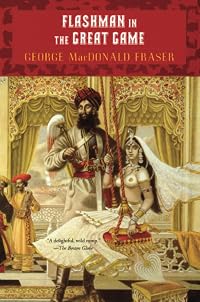
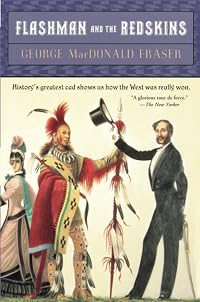
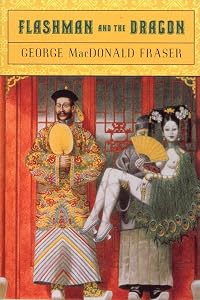
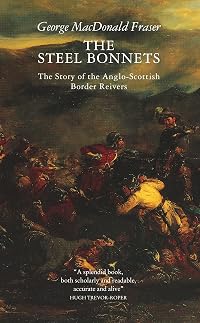
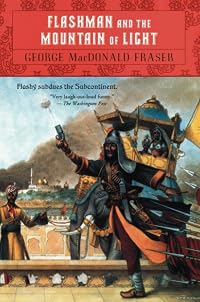
Author George MacDonald Fraser was born April 2, 1925 in Carlisle. He was refused entrance to the medical faculty of Glasgow University, so he joined the army in 1943. He served as an infantryman with the 17th Indian Division of the XIVth Army in Burma, a lance corporal and was commissioned in the Gordon Highlanders. After the war, he became a show more sports reporter with the Carlisle Journal; and during this time, he met and married Kathleen Hetherington, a reporter from another paper. He worked as a reporter and sub-editor on the Cumberland News and then moved to Glasgow, in 1953, where he worked at the Glasgow Herald as a features editor and deputy editor. Fraser's first novel was "Flashman" (1969), which was followed by nine sequels, so far, that deal with different venues of the 19th century ranging from Russia, Borneo and China to the Great Plains of the America West. Some of the other titles in the Flashman Papers are "Royal Flash" (1970), "Flashman in the Great Game" (1975), "Flashman and the Redskins" (1982), and "Flashman and the Angel of the Lord" (1994). Some of his non-fiction work includes "The Steel Bonnets" (1971), which is a factual study of the Anglo-Scottish border thieves in the seventeenth century, and "Quartered Safe Out Here" (1992). Fraser has also written a number of screenplays that include "The Three Musketeers" (1973), "Royal Flash" (1975), "Octopussy" (1983), and "Return of the Musketeers" (1989). He has also written a series of short stories about Private McAuslan whose titles include "The General Danced at Dawn" (1970), "McAuslan in the Rough" (1974), and "The Sheik and the Dustbin and other McAuslan Stories" (1988). He died of cancer on January 2, 2008. (Bowker Author Biography) show less
Series
Belongs to Publisher Series
Harvill (148)
Common Knowledge
- Canonical title
- Quartered Safe Out Here
- Original publication date
- 1993
- People/Characters
- Jock; Tich Little/Ike Blakley Grandarse; John Gale/John Luke Forster; Nick
- Important places
- Burma
- Important events
- World War II (1939 | 1945); World War II, Pacific Theater (1941-12-07 | 1945-09-02); Burma Campaign (1942 | 1945); VJ Day (1945)
- Epigraph
- You may talk o' gin and beer
When you're quartered safe out here,
An' you're sent to penny fights an' Aldershot it,
But when it comes to slaughter
You will do your work on water
An' you'll lick the bloomin' boo... (show all)ts of 'im that's got it.
Rudyard Kiping, Gunga Din - Dedication
- For Jack, Andrew, Harry, and Tom, some day, the tale of a grandfather
- First words
- It is satisfying, and at the same time slightly eerie, to read in an official military history of an action in which you took part, even as a very minor and bewildered participant.
- Quotations
- Wrap up all my care and woe,
Here I go, swinging low, Bye-Bye Shanghai. Wont somebody wait for me, Please get in a state for me, Bye-bye Shanghai.Up before the colonel in the morning. He gave me a rocket and a warning:
... (show all)
"You've been out with Sun Yat Sen, You won't go out with him again!"
Shaghai! Bye-bye. - Last words
- (Click to show. Warning: May contain spoilers.)And the people laughed and cheered.
Classifications
- Genres
- History, Biography & Memoir, Nonfiction, General Nonfiction
- DDC/MDS
- 940.542591092 — History & geography History of Europe History of Europe 1918- Military history of World War II Campaigns and battles by theatre East and South Asian theaters
- LCC
- D767.6 .F67 — History of Europe, Asia, Africa and Oceania History (General) World War II (1939-1945)
- BISAC
Statistics
- Members
- 669
- Popularity
- 42,926
- Reviews
- 24
- Rating
- (4.25)
- Languages
- English, French
- Media
- Paper, Audiobook, Ebook
- ISBNs
- 12
- ASINs
- 13