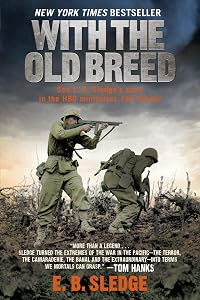
With the Old Breed: At Peleliu and Okinawa
by E. B. Sledge
On This Page
Description
This modern classic of military history has been called "one of the most important personal accounts of war that I have ever read" by distinguished historian John Keegan. Author E.B. Sledge served with the First Marine Division during WWII, and his first-hand narrative is unsurpassed in its sincerity. Sledge's experience shows in this fascinating account of two of the most harrowing and pivotal island battles of the Pacific theater. On Peleliu and Okinawa the action was extremely fierce. show more Amidst oppressive heat and over land obliterated by artillery shells, the combat raged ferociously. Casualties were extreme on both sides, and by the time the Americans had broken through at Okinawa, more than 62,000 Japanese soldiers were dead. Against military policy, Sledge scribbled notes and jammed them into his copy of the New Testament. The rich tones of narrator George Wilson enhance the drama of this frank and astonishing chronicle. show lessTags
Recommendations

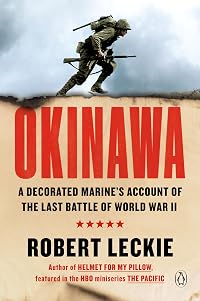
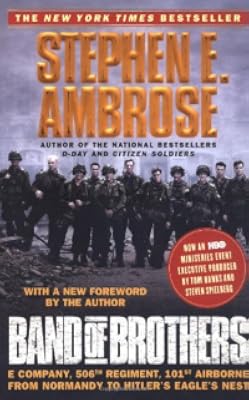

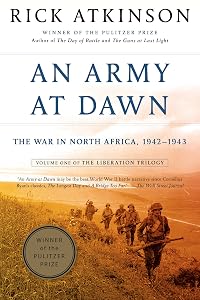
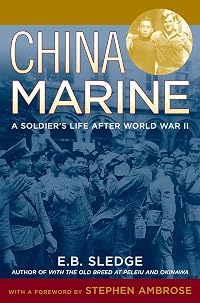

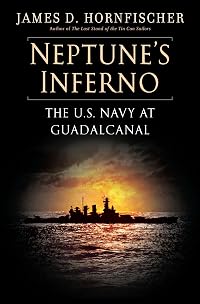
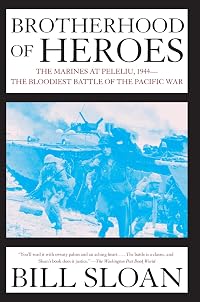
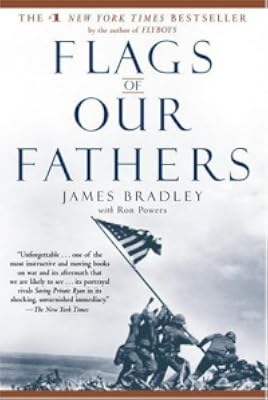
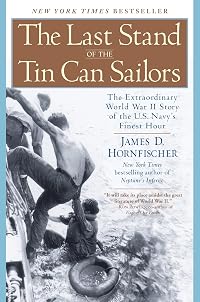
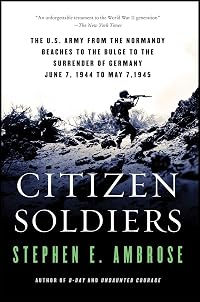
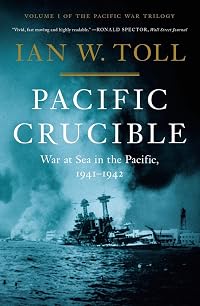
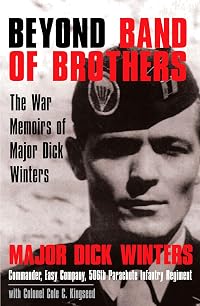
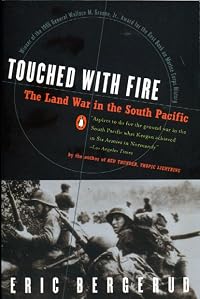


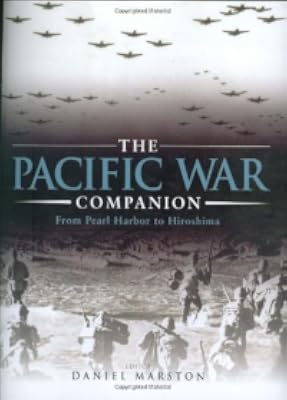
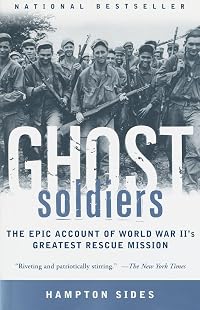
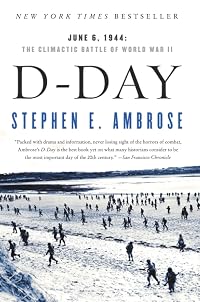
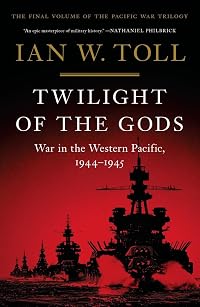
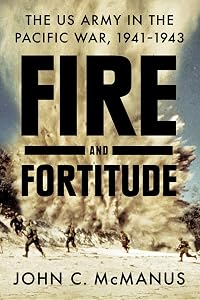

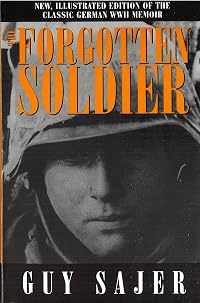
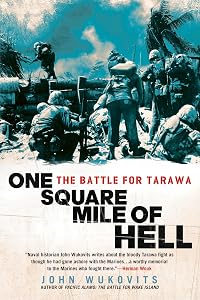
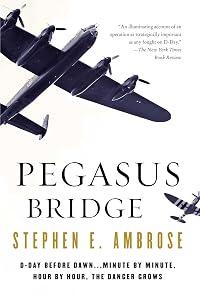
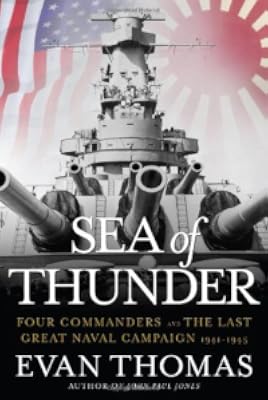
Member Recommendations
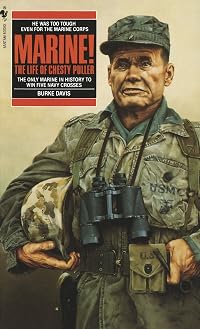
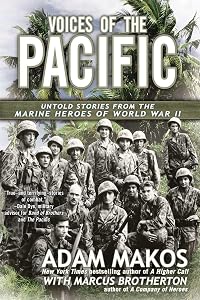
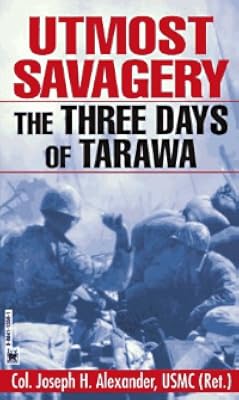
schatzi China Marine follows what happens to the author after WWII ends, when he is deployed to Beijing.
40



Member Reviews
E. B Sledge deftly handles two huge challenges in writing the first hand narrative of America’s two most costly battles.
First, he faces the challenge of conveying a vivid picture of combat, death and inhumanity while not present so grisly a picture that readers could not “stomach” the book.
Second, he faces the bigger challenge of honoring those who fought, especially those who sacrificed their lives, while not dwelling on how totally and completely unnecessary and even criminal the invasion of Peliliu really was.
There really are no words, no description and not even any cinematic presentations that can truly show the horrors of any war, and the war in the Pacific was far more brutal than most. Sledge rises to the challenge by show more describing in detail sufficient images to give the reader a feel for the total horror. The graphic descriptions of the few situations allows the readers to understand that things are even worse than what he is reading, yet allow him to continue reading the book.
Those who fought and even died on Peliliu did what their country asked them to do. Their willingness to face unimaginable, grueling and unrelenting horrors testifies to the courage, loyalty and dedication they had.
The planners of this engagement, those who ordered nearly 4000 young ment to die failed and perhaps even betrayed them. Peliliu was unnecessary bloodletting. It’s participants did the right thing for the wrong reason, yet they themselves were innocent of the blunder until years later.
The invasion of Peliliu was undertaken to protect the left flank of MacArthur when he invaded the Philippines. On that basis, perhaps the Peliliu action was important.
But the larger issue has been settled by military experts and historians for years. The very invasion of the Philippines was both unnecessary and unproductive. America spilled the blood of thousands of its own and those of other nations solely to satisfy the ego of the narcissistic MacArther who had proclaimed, “I shall return.” And return he did, but for no strategic or logistic gain.
Sledge dodges this issue well and focuses the reader on those who did their duty, who displayed unbelievable heroism and to whom the world owes its gratitude.
Too bad MacArthur himself didn’t have to land with the Marines. show less
First, he faces the challenge of conveying a vivid picture of combat, death and inhumanity while not present so grisly a picture that readers could not “stomach” the book.
Second, he faces the bigger challenge of honoring those who fought, especially those who sacrificed their lives, while not dwelling on how totally and completely unnecessary and even criminal the invasion of Peliliu really was.
There really are no words, no description and not even any cinematic presentations that can truly show the horrors of any war, and the war in the Pacific was far more brutal than most. Sledge rises to the challenge by show more describing in detail sufficient images to give the reader a feel for the total horror. The graphic descriptions of the few situations allows the readers to understand that things are even worse than what he is reading, yet allow him to continue reading the book.
Those who fought and even died on Peliliu did what their country asked them to do. Their willingness to face unimaginable, grueling and unrelenting horrors testifies to the courage, loyalty and dedication they had.
The planners of this engagement, those who ordered nearly 4000 young ment to die failed and perhaps even betrayed them. Peliliu was unnecessary bloodletting. It’s participants did the right thing for the wrong reason, yet they themselves were innocent of the blunder until years later.
The invasion of Peliliu was undertaken to protect the left flank of MacArthur when he invaded the Philippines. On that basis, perhaps the Peliliu action was important.
But the larger issue has been settled by military experts and historians for years. The very invasion of the Philippines was both unnecessary and unproductive. America spilled the blood of thousands of its own and those of other nations solely to satisfy the ego of the narcissistic MacArther who had proclaimed, “I shall return.” And return he did, but for no strategic or logistic gain.
Sledge dodges this issue well and focuses the reader on those who did their duty, who displayed unbelievable heroism and to whom the world owes its gratitude.
Too bad MacArthur himself didn’t have to land with the Marines. show less
The strength of this memoir rests on three pillars. One, Eugene Sledge's memory for detail is so vivid that I wonder if he had that rare condition known as autobiographical memory. Two, he had a masterful ability to put his detailed memories into words. Three, he experienced actual hell and lived to tell about it.
The mud was knee deep in some places, probably deeper in others if one dared venture there. For several feet around every corpse, maggots crawled around in the muck and then were washed away by the runoff of the rain. There wasn't a tree or bush left. All was open country. Shells had torn up the turf so completely that ground cover was nonexistent. The rain poured down on us as evening approached. The scene was nothing but mud; show more shell fire; flooded craters with their silent, pathetic, rotting occupants; knocked-out tanks and amtracs; and discarded equipment--utter desolation. The stench of death was overpowering. The only way I could bear the monstrous horror of it all was to look upward away from the earthly reality surrounding us, watch the leaden gray clouds go scudding over, and repeat over and over to myself that the situation was unreal--just a nightmare--that I would soon awake and find myself somewhere else. But the ever-present smell of death saturated my nostrils. It was there with every breath I took. I existed from moment to moment, sometimes thinking death would have been preferable. During the fighting around the Umurbrogol Pocket on Peleliu, I had been depressed by the wastage of human lives. But in the mud and driving rain before Shuri, we were surrounded by maggots and decay. Men struggled and fought and bled in an environment so degrading I believed we had been flung into hell's own cesspool. show less
The mud was knee deep in some places, probably deeper in others if one dared venture there. For several feet around every corpse, maggots crawled around in the muck and then were washed away by the runoff of the rain. There wasn't a tree or bush left. All was open country. Shells had torn up the turf so completely that ground cover was nonexistent. The rain poured down on us as evening approached. The scene was nothing but mud; show more shell fire; flooded craters with their silent, pathetic, rotting occupants; knocked-out tanks and amtracs; and discarded equipment--utter desolation. The stench of death was overpowering. The only way I could bear the monstrous horror of it all was to look upward away from the earthly reality surrounding us, watch the leaden gray clouds go scudding over, and repeat over and over to myself that the situation was unreal--just a nightmare--that I would soon awake and find myself somewhere else. But the ever-present smell of death saturated my nostrils. It was there with every breath I took. I existed from moment to moment, sometimes thinking death would have been preferable. During the fighting around the Umurbrogol Pocket on Peleliu, I had been depressed by the wastage of human lives. But in the mud and driving rain before Shuri, we were surrounded by maggots and decay. Men struggled and fought and bled in an environment so degrading I believed we had been flung into hell's own cesspool. show less
E. B Sledge deftly handles two huge challenges in writing the first hand narrative of America’s two most costly battles.
First, he faces the challenge of conveying a vivid picture of combat, death and inhumanity while not present so grisly a picture that readers could not “stomach” the book.
Second, he faces the bigger challenge of honoring those who fought, especially those who sacrificed their lives, while not dwelling on how totally and completely unnecessary and even criminal the invasion of Peliliu really was.
There really are no words, no description and not even any cinematic presentations that can truly show the horrors of any war, and the war in the Pacific was far more brutal than most. Sledge rises to the challenge by show more describing in detail sufficient images to give the reader a feel for the total horror. The graphic descriptions of the few situations allows the readers to understand that things are even worse than what he is reading, yet allow him to continue reading the book.
Those who fought and even died on Peliliu did what their country asked them to do. Their willingness to face unimaginable, grueling and unrelenting horrors testifies to the courage, loyalty and dedication they had.
The planners of this engagement, those who ordered nearly 4000 young ment to die failed and perhaps even betrayed them. Peliliu was unnecessary bloodletting. It’s participants did the right thing for the wrong reason, yet they themselves were innocent of the blunder until years later.
The invasion of Peliliu was undertaken to protect the left flank of MacArthur when he invaded the Philippines. On that basis, perhaps the Peliliu action was important.
But the larger issue has been settled by military experts and historians for years. The very invasion of the Philippines was both unnecessary and unproductive. America spilled the blood of thousands of its own and those of other nations solely to satisfy the ego of the narcissistic MacArther who had proclaimed, “I shall return.” And return he did, but for no strategic or logistic gain.
Sledge dodges this issue well and focuses the reader on those who did their duty, who displayed unbelievable heroism and to whom the world owes its gratitude.
Too bad MacArthur himself didn’t have to land with the Marines. show less
First, he faces the challenge of conveying a vivid picture of combat, death and inhumanity while not present so grisly a picture that readers could not “stomach” the book.
Second, he faces the bigger challenge of honoring those who fought, especially those who sacrificed their lives, while not dwelling on how totally and completely unnecessary and even criminal the invasion of Peliliu really was.
There really are no words, no description and not even any cinematic presentations that can truly show the horrors of any war, and the war in the Pacific was far more brutal than most. Sledge rises to the challenge by show more describing in detail sufficient images to give the reader a feel for the total horror. The graphic descriptions of the few situations allows the readers to understand that things are even worse than what he is reading, yet allow him to continue reading the book.
Those who fought and even died on Peliliu did what their country asked them to do. Their willingness to face unimaginable, grueling and unrelenting horrors testifies to the courage, loyalty and dedication they had.
The planners of this engagement, those who ordered nearly 4000 young ment to die failed and perhaps even betrayed them. Peliliu was unnecessary bloodletting. It’s participants did the right thing for the wrong reason, yet they themselves were innocent of the blunder until years later.
The invasion of Peliliu was undertaken to protect the left flank of MacArthur when he invaded the Philippines. On that basis, perhaps the Peliliu action was important.
But the larger issue has been settled by military experts and historians for years. The very invasion of the Philippines was both unnecessary and unproductive. America spilled the blood of thousands of its own and those of other nations solely to satisfy the ego of the narcissistic MacArther who had proclaimed, “I shall return.” And return he did, but for no strategic or logistic gain.
Sledge dodges this issue well and focuses the reader on those who did their duty, who displayed unbelievable heroism and to whom the world owes its gratitude.
Too bad MacArthur himself didn’t have to land with the Marines. show less
As a narrative piece on the daily life of a marine foot-solider in the Pacific in WWII, this contribution by E.B. Sledge is unparalleled. The reader is exposed to the minute details and horrors of island and jungle warfare, and the effects of the carnage on the soldier's mind. One is left with the senselessness and futility of war, with so many lives blown into oblivion fighting for their country.
As this account is told from the perspective of an enlisted mortarman, I found that you never fully saw the bigger picture - often times the author would be supporting the advance with mortars from the rear, and would only find out what happened second hand when the fighting was over. Being a junior rank as well, he was never privvy to the show more strategy and macro view of the actions the company was taking part in - time and time again, they just did what they were told by their NCOs as they moved from one place to another.
That said, you will find details mentioned in the book that are often omitted from other historical accounts that paint broader strokes. The writing is rich in detail, unassuming presented with no pretense and one can't help but be drawn into world of the author. show less
As this account is told from the perspective of an enlisted mortarman, I found that you never fully saw the bigger picture - often times the author would be supporting the advance with mortars from the rear, and would only find out what happened second hand when the fighting was over. Being a junior rank as well, he was never privvy to the show more strategy and macro view of the actions the company was taking part in - time and time again, they just did what they were told by their NCOs as they moved from one place to another.
That said, you will find details mentioned in the book that are often omitted from other historical accounts that paint broader strokes. The writing is rich in detail, unassuming presented with no pretense and one can't help but be drawn into world of the author. show less
E.B. Sledge is one of the few who absolutely merit the label of Greatest Generation. With a humble devotion to duty, Sledge declined to complete his officer training while his fellow citizens died in battle and joined the marines as a private soldier instead.
It is a dirty secret of warfare that casualty rates differ sharply among different services, infantry being the most lethal. Sledge himself was fortunate (and smart) to join the mortar section, an indirect support weapon considerably less exposed to direct fire. While Sledge suffered from the same deprivations as his fellow marines, his chances of survival were vastly superior to them. At least, his account is a testament to their bravery in the face of fanatic, barbaric opposition show more with a shocking disregard for the Geneva convention. Sledge's account shows the good and bad behavior of his comrades and the US military in general, warts and all. The strength of the US military lies in its experienced NCO's, its weakness in its green officers and privates.
Sledge gives a good, contrasting account of his two meat grinder battles, the battle of Peleliu and Okinawa. Two months of intense, close and lethal hell, made worse by nature. Peleliu was a waterless, rock-hard inferno. Okinawa a muddy exercise in frustration. Sledge's perspective out of the foxhole lets one appreciate the little creature comforts. Highly recommended. show less
It is a dirty secret of warfare that casualty rates differ sharply among different services, infantry being the most lethal. Sledge himself was fortunate (and smart) to join the mortar section, an indirect support weapon considerably less exposed to direct fire. While Sledge suffered from the same deprivations as his fellow marines, his chances of survival were vastly superior to them. At least, his account is a testament to their bravery in the face of fanatic, barbaric opposition show more with a shocking disregard for the Geneva convention. Sledge's account shows the good and bad behavior of his comrades and the US military in general, warts and all. The strength of the US military lies in its experienced NCO's, its weakness in its green officers and privates.
Sledge gives a good, contrasting account of his two meat grinder battles, the battle of Peleliu and Okinawa. Two months of intense, close and lethal hell, made worse by nature. Peleliu was a waterless, rock-hard inferno. Okinawa a muddy exercise in frustration. Sledge's perspective out of the foxhole lets one appreciate the little creature comforts. Highly recommended. show less
I read this about 15 years ago and thought that it deserved another re reading and it didn’t disappoint.
This is probably the greatest first person account of war ever written. This autobiography account of the battles Peleliu and Okinawa as seen through the eyes of a Marine on the front lines is breathtakingly honest and just as brutal.
Some of the moments and scenes depicted range from absolutely gruesome to downright heartbreaking.
This is the kind of things I wished they taught in school. The sacrifice people made and what it cost them to allow us to live in this world left behind.
The sheer number of lives lost in these battles is just unbelievable. Second guessers of the usage of the atomic bombs should be required to understand show more theses battles and what they entailed. For rest assured all who survived these never forgot.
“If the country is good enough to live in, it’s good enough to fight for. With privilege goes responsibility.” show less
This is probably the greatest first person account of war ever written. This autobiography account of the battles Peleliu and Okinawa as seen through the eyes of a Marine on the front lines is breathtakingly honest and just as brutal.
Some of the moments and scenes depicted range from absolutely gruesome to downright heartbreaking.
This is the kind of things I wished they taught in school. The sacrifice people made and what it cost them to allow us to live in this world left behind.
The sheer number of lives lost in these battles is just unbelievable. Second guessers of the usage of the atomic bombs should be required to understand show more theses battles and what they entailed. For rest assured all who survived these never forgot.
“If the country is good enough to live in, it’s good enough to fight for. With privilege goes responsibility.” show less
It is not often I have to put down a book momentarily because I am overcome with emotion. This story of our Marines giving their all for each other and their country, told with openness, honesty, and without bombast, has affected me in that way not once but a number of times. E. B. Sledge came through the fierce fighting against the Japanese on the Pacific islands of Peleliu and Okinawa, without being wounded although not without the deeper scars only troops who have been in combat can attest to. The book is more a tribute to his comrades and the Marine Corps than it is a history of the war. Sledge tells us that "war is brutish, inglorious, and a horrible waste". This book is the basis of the HBO miniseries, The Pacific.
Members
- Recently Added By
Lists

Best Military History Books
123 works; 21 members

Top Five Books of 2015
811 works; 241 members

Blue Pyramid 1,276 Best Books of All Time
1,248 works; 32 members

The Art of Manliness' 100+ Books Every Man Should Read
108 works; 2 members

r/History Recommended Reading List
603 works; 12 members

THE WAR ROOM
813 works; 24 members

Books recommended in the history category on FiveBooks.com
329 works; 4 members
Author Information

E. B. Sledge was a World War II veteran, and a professor of biology at the University of Montevallo, Alabama. He died in March 2001
Some Editions
Awards and Honors
Series
Belongs to Publisher Series
Work Relationships
Common Knowledge
- Canonical title
- With the Old Breed: At Peleliu and Okinawa
- Original title
- With the Old Breed. At Peleliu and Okinawa
- Original publication date
- 1981
- People/Characters
- Eugene B. Sledge
- Important places
- Peleliu, Palau; Okinawa, Japan
- Important events
- World War II (1939 | 1945); World War II, Pacific Theater (1941-12-07 | 1945-09-02); Battle of Peleliu (1944); Battle of Okinawa (1945)
- Related movies*
- The Pacific (2010 | IMDb)
- Epigraph
- The deaths ye died I have watched beside
and the lives ye led were mine
- Rudyard Kipling - Dedication
- In memory of Capt. Andrew A. Haldane, beloved company commander of K/3/5, and to the Old Breed
- First words*
- Préface
(Bruno Cabanes)
Eugene Sledge était un rescapé. À quiconque trouverait le terme galvaudé, il suffirait de rappeler ceci : à l’âge de vingt-deux ans, le jeune Américain avait traversé... (show all) deux des batailles les plus meurtrières de la guerre du Pacifique : Peleliu à l’automne 1944, et Okinawa au printemps 1945. [...]
Avant-propos
Brigadier général Walter S. McIlhenny
Le 10 avril 1944, j’ai eu le privilège de prendre le commandement du 3e bataillon, 5e régiment de Marines, 1re division de Marines (renforcée) ... (show all)pendant la phase finale de la campagne de Nouvelle-Angleterre. Celle-ci était sa deuxième opération de combat. [...]
Préface de l’auteur
Ce livre rend compte de ce que j’ai vécu pendant la Seconde Guerre mondiale, d’abord pendant ma formation, et ensuite au combat avec la compagnie K, 3e bataillon, 5e régiment de Mari... (show all)nes, 1re division de Marines, lors des campagnes de Peleliu et d’Okinawa. [...]
Remerciements
Bien qu’il s’agisse d’un récit personnel, écrit à l’origine à l’intention de ma famille, de nombreuses personnes m’ont aidé à lui donner la forme d’un livre destiné à l’ense... (show all)mble des lecteurs. [...]
Introduction
Victor Davis Hanson
Avant que vienne le prochain millénaire et que les pays cessent de vouloir asservir les autres, il sera nécessaire d’accepter ses responsabilités et d’être prê... (show all)ts à consentir des sacrifices au nom de son pays ‒ comme l’ont fait mes camarades. Ainsi que le disaient les soldats : « Si le pays est assez bon pour qu’on y vive, il l’est assez pour qu’on se batte pour lui. » Le privilège va de pair avec la responsabilité.
C’est ainsi que E. B. Sledge conclut ses mémoires sur les horreurs des combats qu’ont livrés les marines contre l’Empire japonais sur les îles de Peleliu et d’Okinawa à la fin de l’année 1944 et au printemps 1945. Nous devrions retenir ces phrases sur ce qu’est le devoir patriotique, car With the Old Breed a désormais accédé au statut de classique militaire ‒ notamment en raison de la perspicacité de Sledge dans sa totale condamnation de la brutalité et de l’absurdité de la guerre.
[...] - Last words
- (Click to show. Warning: May contain spoilers.)With privilege goes responsibility.
- Publisher's editor*
- Malye, François (Directeur de collection)
- Original language
- English
*Some information comes from Common Knowledge in other languages. Click "Edit" for more information.
Classifications
- Genres
- History, Biography & Memoir, Nonfiction, General Nonfiction
- DDC/MDS
- 940.54252294 — History & geography History of Europe History of Europe 1918- Military history of World War II Campaigns and battles by theatre East and South Asian theaters Japan
- LCC
- D767.99 .P4 .S55 — History of Europe, Asia, Africa and Oceania History (General) World War II (1939-1945)
- BISAC
Statistics
- Members
- 2,813
- Popularity
- 6,472
- Reviews
- 73
- Rating
- (4.40)
- Languages
- 8 — Czech, Dutch, English, French, German, Norwegian (Bokmål), Norwegian, Spanish
- Media
- Paper, Audiobook, Ebook
- ISBNs
- 29
- UPCs
- 1
- ASINs
- 22