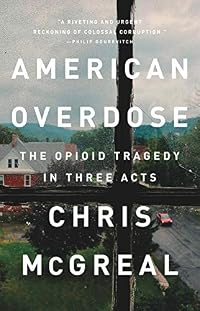
American Overdose: The Opioid Tragedy in Three Acts
by Chris McGreal
On This Page
Description
A comprehensive portrait of a uniquely American epidemic—devastating in its findings and damning in its conclusionsThe opioid epidemic has been described as "one of the greatest mistakes of modern medicine." But calling it a mistake is a generous rewriting of the history of greed, corruption, and indifference that pushed the US into consuming more than 80 percent of the world's opioid painkillers.
Journeying through lives and communities wrecked by the epidemic, Chris McGreal reveals show more not only how Big Pharma hooked Americans on powerfully addictive drugs, but the corrupting of medicine and public institutions that let the opioid makers get away with it.
The starting point for McGreal's deeply reported investigation is the miners promised that opioid painkillers would restore their wrecked bodies, but who became targets of "drug dealers in white coats."
A few heroic physicians warned of impending disaster. But American Overdose exposes the powerful forces they were up against, including the pharmaceutical industry's coopting of the Food and Drug Administration and Congress in the drive to push painkillers—resulting in the resurgence of heroin cartels in the American heartland. McGreal tells the story, in terms both broad and intimate, of people hit by a catastrophe they never saw coming. Years in the making, its ruinous consequences will stretch years into the future.
. show less
Tags
Recommendations
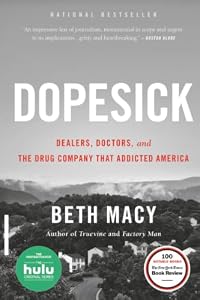
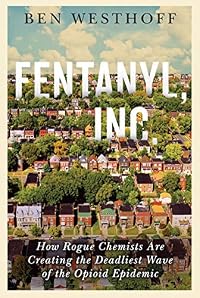
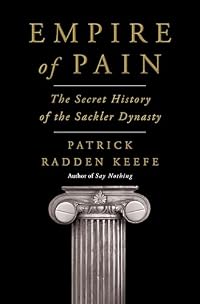



Member Reviews
"Tragedy" is an apt word for the way opioids have been managed by pharmaceutical companies, doctors, and our government. I've read several books on this topic, and American Overdose is right up there with the best.
One aspect that makes this a standout read is that Chris McGreal addresses the FDA's absolute failure in oversight, and perhaps even complicity in the false and dangerous claims about a prescription drug that led to nationwide addiction. If you happen to come to this book with the belief that the FDA works to protect the public, you'll find it difficult to hold on to that belief by the end.
American Overdose is an exceptionally well written and researched narrative. McGreal takes us through the madness of the pharmaceutical show more company's lies, doctors' ignorance and arrogance, FDA's negligence, and, ultimately, the human tragedy caused by a drug that should never have been allowed for such broad use. We're given an inside view on all counts, keeping us invested and making the story feel personal.
Ultimately, the financial penalty imposed on a handful of those responsible means nothing to the millions of people whose lives were ruined by or lost to opioid addiction. The best we can do is arm ourselves with knowledge and question everything, so that maybe we can keep anything like this from ever happening again. Reading American Overdose is a great place to start.
*The publisher provided me with an advance copy, via NetGalley, in exchange for my honest review.* show less
One aspect that makes this a standout read is that Chris McGreal addresses the FDA's absolute failure in oversight, and perhaps even complicity in the false and dangerous claims about a prescription drug that led to nationwide addiction. If you happen to come to this book with the belief that the FDA works to protect the public, you'll find it difficult to hold on to that belief by the end.
American Overdose is an exceptionally well written and researched narrative. McGreal takes us through the madness of the pharmaceutical show more company's lies, doctors' ignorance and arrogance, FDA's negligence, and, ultimately, the human tragedy caused by a drug that should never have been allowed for such broad use. We're given an inside view on all counts, keeping us invested and making the story feel personal.
Ultimately, the financial penalty imposed on a handful of those responsible means nothing to the millions of people whose lives were ruined by or lost to opioid addiction. The best we can do is arm ourselves with knowledge and question everything, so that maybe we can keep anything like this from ever happening again. Reading American Overdose is a great place to start.
*The publisher provided me with an advance copy, via NetGalley, in exchange for my honest review.* show less
Summary: In this heartbreaking work, McGreal covers a detailed history of illegal distribution of opioids by doctors, immoral advertising and drug pushing by big pharma, and the failures of the DEA and FDA in regulating prescriptions. He described how the careless over-prescription of opioids led to addiction, and too frequently to a switch to heroin and/or to overdose.
My thoughts: This book was utterly tragic. I am horrified at the failures of these powerful people who are responsible for keeping us safe. I already knew about the opioid epidemic and how people were switching from prescribed medications to heroin, but I had no clue how careless the FDA and DEA had been. I had no idea about the magnitude of immoral advertising by drug show more companies and of the illegal prescribing by doctors. I realize, of course, that most doctors prescribe as they see best, and that this book spent a lot of time focusing on a few doctors and pharmacies who did their best to make fortunes off of illegal prescriptions – so I’m not trying to say that all doctors are to blame. That was not McGreal’s point, either, though he did point out that even doctors who are prescribing as they see best may be working under misinformation about how well opioids work on chronic pain and about the addictiveness of these medicines.
This is by far the most powerful bit of nonfiction I’ve read in quite a while. I would highly recommend this book to everybody – it’s a book that should be read. Especially for people who blame the “addicts” rather than recognizing the failures in the system that led to their addictions. show less
My thoughts: This book was utterly tragic. I am horrified at the failures of these powerful people who are responsible for keeping us safe. I already knew about the opioid epidemic and how people were switching from prescribed medications to heroin, but I had no clue how careless the FDA and DEA had been. I had no idea about the magnitude of immoral advertising by drug show more companies and of the illegal prescribing by doctors. I realize, of course, that most doctors prescribe as they see best, and that this book spent a lot of time focusing on a few doctors and pharmacies who did their best to make fortunes off of illegal prescriptions – so I’m not trying to say that all doctors are to blame. That was not McGreal’s point, either, though he did point out that even doctors who are prescribing as they see best may be working under misinformation about how well opioids work on chronic pain and about the addictiveness of these medicines.
This is by far the most powerful bit of nonfiction I’ve read in quite a while. I would highly recommend this book to everybody – it’s a book that should be read. Especially for people who blame the “addicts” rather than recognizing the failures in the system that led to their addictions. show less
"No one really knows how many have died from a drug overdose either caused by opioids or in combination with other drugs: the official count is 350,000 between 1999 and 2016."
350,000! 350,000! 350,000!
From the first page this book is a riveting account of the rise of the use and abuse of opioids from the pharmaceutical companies who mined the poorer segments of our country like West Virginia to the dubious fraudsters who built businesses shoveling prescriptions by the thousands. It is the story of the people who lost loved ones to overdoses and then the eventual comeback of heroin and fentanyl. This is a story of greed, corruption, intended and unintended consequences. Our families and communities have been laid waste.
350,000! 350,000! 350,000!
From the first page this book is a riveting account of the rise of the use and abuse of opioids from the pharmaceutical companies who mined the poorer segments of our country like West Virginia to the dubious fraudsters who built businesses shoveling prescriptions by the thousands. It is the story of the people who lost loved ones to overdoses and then the eventual comeback of heroin and fentanyl. This is a story of greed, corruption, intended and unintended consequences. Our families and communities have been laid waste.
Reading this book was personal to me, and it broke my heart. I'm originally from the Appalachian foothills, and Appalachia (particularly the tri-state area of West Virginia, eastern Kentucky, and southern Ohio) is ground zero for the opioid epidemic.
I first remember hearing about opioids back in the early 2000s - and I'd even heard about the loose standards in Williamson. But it didn't spread very fast in my part of Ohio - or, if it did, I didn't notice. I mean, they were prescriptions from a doctor, you know? I'm pretty sure most of us thought, at least at the time, that that meant they were safe, that they were regulated, that the doctors wouldn't give us things that would get people hooked.
I left Ohio in 2010, and although I show more visited, it was easy to block out the blight that was overtaking my hometown. Things had never been "good" there as long as I could remember - the factories and big coal companies left when I was a little kid - but my sister, who stayed, told me that it was getting worse. The murder rate was getting higher. Driveby shootings not only happened, but were becoming increasingly common. Drugs were running rampant through the streets. The sidewalks downtown were covered with sleeping homeless people every night.
But when I returned briefly in 2015, I was shocked, absolutely SHOCKED, at what I saw. What had happened in the five years that I was gone? Like I said, opioids weren't a new story to me - I'd heard about them for years - but the occasional overdose was now a literal epidemic. I worked for six months in a hospital in Columbus Ohio, and I was just appalled. There aren't even words to describe what I saw while there. Countless people came into the ER every night overdosing on opioids, heroin, and fentanyl (they're all related, by the way - the book explains how). People were passed out on the streets or in their cars from overdosing. Grandparents were struggling to take care of their drug-addicted adult children and their grandchildren. Our NICU was full of babies in various stages of detox, all born incredibly prematurely (I'm talking 22-24 weeks gestation, for the most part) and with numerous health problems (birth deformities, drug dependencies, brain bleeds from their early births, etc). Women handed you their babies and walked away because they were so strung out on drugs they knew they couldn't care for them. I saw fetuses having literal seizures in the womb because of drugs. And I didn't understand. What the hell had HAPPENED?
Well, opioids happened, and this book spells out clearly the string of events that led to this epidemic. It's full of drug companies whose only concern was profits and didn't care that "dumb hillbillies" were getting hooked on their pills because we are expendable people to them. This book shows how all of the safeguards that should have helped prevent this - the FDA, the AMA, Congress, etc - failed us all, and spectacularly. Purdue Pharma was allowed to push through a drug that was incredibly addictive (OxyContin) and say the whole time that it wasn't, and few people said a damned thing about it. Purdue Pharma was allowed to amass HUGE sales forces that pushed doctors to prescribe drugs, and even got JCAHO to support them in the process. And while alarm bells were going off all over the place, Purdue Pharma (along with other opioid manufacturers) had enough money and clout to encourage Congress to pass laws that favored them and made it even EASIER to make people addicted to their products (and all the while blaming the addicts for being bad eggs).
My blood is boiling just writing this review. If anyone needs any evidence showing that the American "healthcare" system is broken, just read this book. You'll see all that you need and more.
I wish that I could force those who made billions (or even millions) of dollars from peddling opioids to come to Appalachia with me for one week. Just one day, even. Hell, I could get my point across in five minutes. I'd love to take them through the NICU at my former job and show them all of the babies they have fucked up for life because they were so driven by profits that they unleashed a largely untested drug onto a community already suffering from grinding poverty and despair. These are the lives their wealth is built upon, and I sincerely hope they dream of nothing but dying babies every night in their mansions. show less
I first remember hearing about opioids back in the early 2000s - and I'd even heard about the loose standards in Williamson. But it didn't spread very fast in my part of Ohio - or, if it did, I didn't notice. I mean, they were prescriptions from a doctor, you know? I'm pretty sure most of us thought, at least at the time, that that meant they were safe, that they were regulated, that the doctors wouldn't give us things that would get people hooked.
I left Ohio in 2010, and although I show more visited, it was easy to block out the blight that was overtaking my hometown. Things had never been "good" there as long as I could remember - the factories and big coal companies left when I was a little kid - but my sister, who stayed, told me that it was getting worse. The murder rate was getting higher. Driveby shootings not only happened, but were becoming increasingly common. Drugs were running rampant through the streets. The sidewalks downtown were covered with sleeping homeless people every night.
But when I returned briefly in 2015, I was shocked, absolutely SHOCKED, at what I saw. What had happened in the five years that I was gone? Like I said, opioids weren't a new story to me - I'd heard about them for years - but the occasional overdose was now a literal epidemic. I worked for six months in a hospital in Columbus Ohio, and I was just appalled. There aren't even words to describe what I saw while there. Countless people came into the ER every night overdosing on opioids, heroin, and fentanyl (they're all related, by the way - the book explains how). People were passed out on the streets or in their cars from overdosing. Grandparents were struggling to take care of their drug-addicted adult children and their grandchildren. Our NICU was full of babies in various stages of detox, all born incredibly prematurely (I'm talking 22-24 weeks gestation, for the most part) and with numerous health problems (birth deformities, drug dependencies, brain bleeds from their early births, etc). Women handed you their babies and walked away because they were so strung out on drugs they knew they couldn't care for them. I saw fetuses having literal seizures in the womb because of drugs. And I didn't understand. What the hell had HAPPENED?
Well, opioids happened, and this book spells out clearly the string of events that led to this epidemic. It's full of drug companies whose only concern was profits and didn't care that "dumb hillbillies" were getting hooked on their pills because we are expendable people to them. This book shows how all of the safeguards that should have helped prevent this - the FDA, the AMA, Congress, etc - failed us all, and spectacularly. Purdue Pharma was allowed to push through a drug that was incredibly addictive (OxyContin) and say the whole time that it wasn't, and few people said a damned thing about it. Purdue Pharma was allowed to amass HUGE sales forces that pushed doctors to prescribe drugs, and even got JCAHO to support them in the process. And while alarm bells were going off all over the place, Purdue Pharma (along with other opioid manufacturers) had enough money and clout to encourage Congress to pass laws that favored them and made it even EASIER to make people addicted to their products (and all the while blaming the addicts for being bad eggs).
My blood is boiling just writing this review. If anyone needs any evidence showing that the American "healthcare" system is broken, just read this book. You'll see all that you need and more.
I wish that I could force those who made billions (or even millions) of dollars from peddling opioids to come to Appalachia with me for one week. Just one day, even. Hell, I could get my point across in five minutes. I'd love to take them through the NICU at my former job and show them all of the babies they have fucked up for life because they were so driven by profits that they unleashed a largely untested drug onto a community already suffering from grinding poverty and despair. These are the lives their wealth is built upon, and I sincerely hope they dream of nothing but dying babies every night in their mansions. show less
If Americans had better health benefits such as paid sick leave, maybe they wouldn't need as many painkillers and opioids. Which might also be why the opioids epidemic is unique to the US.
McGreal's book is a perfect case study in the importance of C. Wright Mills's sociological imagination. Look for the intersection of social structure, history, power, and social location. This is what the book does. Because the epidemic is not a question of people with failing morals, defective hillbilly culture and other such nonsense. The book demonstrates that the structure of development, regulation, approval, distribution, prescription, and delivery of opioids is truly what was at the root of this, along with the powerful entities backing the show more spread of opioids for everything, pain as the 5th vital sign, and the data-less idea of an epidemic of pain. There is the power of Big Pharma, its sales reps and lobbyists, and their influence in Congress and government agencies, along with that of the medical profession. All of this goes beyond the unsavory characters the book also describes. And the selection of depressed areas such as poor counties in West Virginia, as the "target" for mass dumping of Oxycontin.
As I often tell my students, nothing ever happens by chance in society. An epidemic of addiction to opioids does not just happen. The book shows how it was constructed back in the 1990s, and has morphed over several decades with no clear end in sight. show less
McGreal's book is a perfect case study in the importance of C. Wright Mills's sociological imagination. Look for the intersection of social structure, history, power, and social location. This is what the book does. Because the epidemic is not a question of people with failing morals, defective hillbilly culture and other such nonsense. The book demonstrates that the structure of development, regulation, approval, distribution, prescription, and delivery of opioids is truly what was at the root of this, along with the powerful entities backing the show more spread of opioids for everything, pain as the 5th vital sign, and the data-less idea of an epidemic of pain. There is the power of Big Pharma, its sales reps and lobbyists, and their influence in Congress and government agencies, along with that of the medical profession. All of this goes beyond the unsavory characters the book also describes. And the selection of depressed areas such as poor counties in West Virginia, as the "target" for mass dumping of Oxycontin.
As I often tell my students, nothing ever happens by chance in society. An epidemic of addiction to opioids does not just happen. The book shows how it was constructed back in the 1990s, and has morphed over several decades with no clear end in sight. show less
You know what happens when a bunch of white dudes get greedy? This. An opioid epidemic. Thousands of deaths and all started with medications that should never have been in the market thanks to a bunch of white dudes who wanted money and power. They LIED, y'all. They created an entire industry out of pain management -- like Oprah at Christmas, for everyone -- not just severe pain.
A hard-hitting look at the opioid epidemic that big pharmaceutical companies, primarily Purdue Pharma, pushed on the country starting in the 1990s in Appalachia. When patients got addicted to OxyContin, many moved on to street heroin and now, lately, fentanyl, which is an artificial, highly concentrated opiate that is killing a lot of people.
This is an American tragedy, as Americans consume 80% of the world's opioids. I saw a documentary about this but the book is more complete.
Highly recommended!
This is an American tragedy, as Americans consume 80% of the world's opioids. I saw a documentary about this but the book is more complete.
Highly recommended!
Members
- Recently Added By
Author Information
3+ Works 183 Members
Chris McGreal is a reporter for the Guardian. A former correspondent in Johannesburg, Jerusalem, and Washington, DC, he now reports from across the United States. He is the recipient of the Martha Gellhorn Prize for Journalism.
Awards and Honors
Awards
Distinctions
Work Relationships
Common Knowledge
Classifications
- Genres
- Sociology, Nonfiction, General Nonfiction, History
- DDC/MDS
- 362.29 — Society, government, & culture Social problems and social services Social Welfare Mental illness Substance abuse
- LCC
- RC568 .O45 — Medicine Internal medicine Internal medicine Neurosciences. Biological psychiatry. Neuropsychiatry Psychiatry Psychopathology Personality disorders. Behavior problems
- BISAC
Statistics
- Members
- 176
- Popularity
- 185,382
- Reviews
- 12
- Rating
- (4.36)
- Languages
- English
- Media
- Paper, Audiobook, Ebook
- ISBNs
- 14
- ASINs
- 2