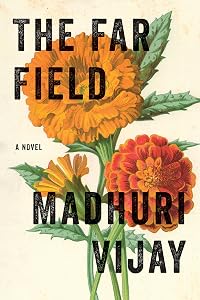
The Far Field
by Madhuri Vijay
On This Page
Description
"Gorgeously tactile and sweeping in historical and socio-political scope, Pushcart Prize-winner Madhuri Vijay's The Far Field follows a complicated flaneuse across the Indian subcontinent as she reckons with her past, her desires, and the tumultuous present. In the wake of her mother's death, Kalyani, a privileged and restless young woman from Bangalore, sets out for a remote Himalayan village in the troubled northern region of Kashmir. Certain that the loss of her mother is somehow show more connected to the decade-old disappearance of Bashir Ahmed, a charming Kashmiri salesman who frequented her childhood home, she is determined to confront him. But upon her arrival, Kalyani is brought face to face with Kashmir's politics, as well as the tangled history of the local family that takes her in. And when life in the village turns volatile and old hatreds threaten to erupt into violence, Kalyani finds herself forced to make a series of choices that could hold dangerous repercussions for the very people she has come to love. With rare acumen and evocative prose, in The Far Field Madhuri Vijay masterfully examines Indian politics, class prejudice, and sexuality through the lens of an outsider, offering a profound meditation on grief, guilt, and the limits of compassion" -- show lessTags
Recommendations

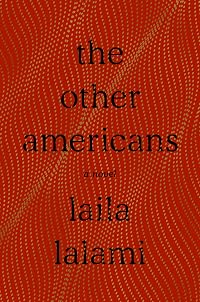
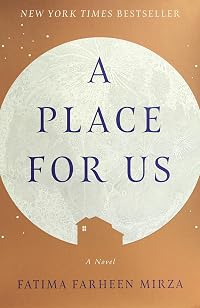
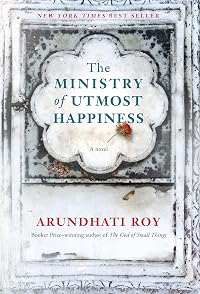


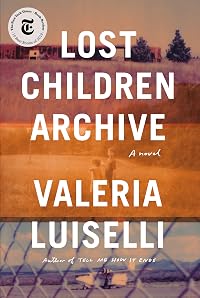




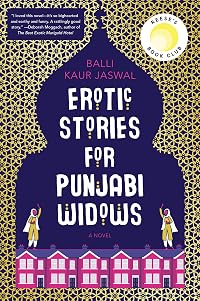
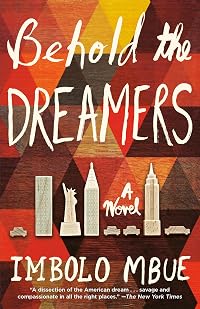


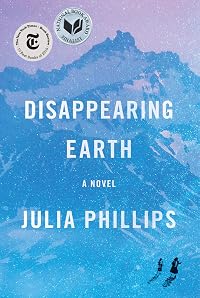





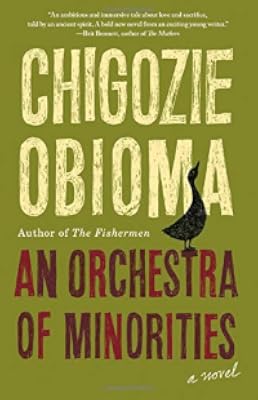










Member Recommendations
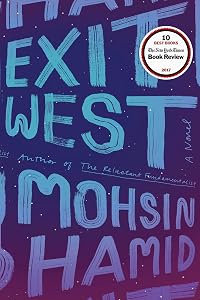
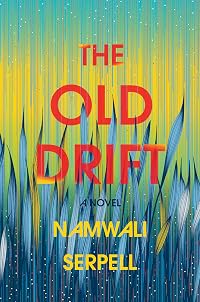
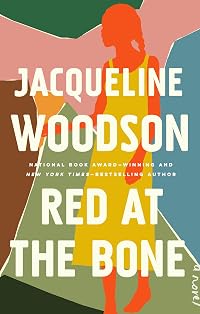
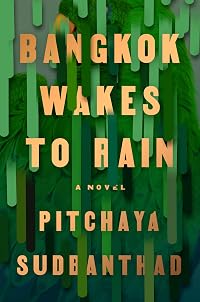
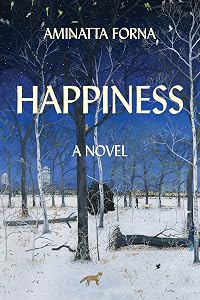
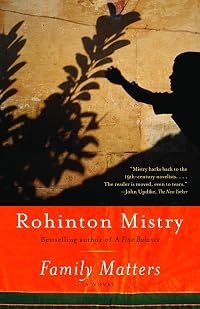
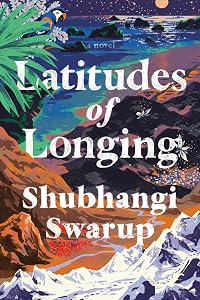
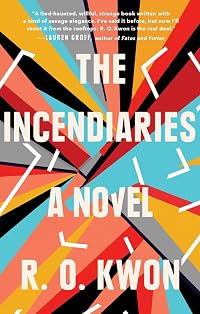
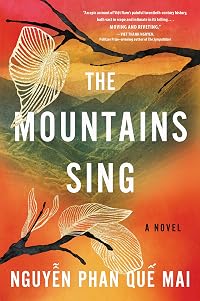
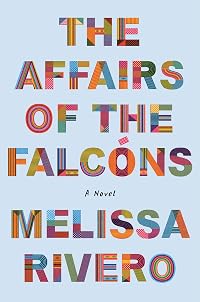
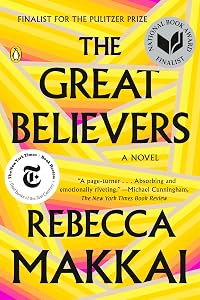
lottpoet Another story of a well-meaning young woman causing dire harm in a time of war because of misplaced loyalty and naivety.
Member Reviews
I have extremely mixed feelings about this book, and I see that many other readers share the same reaction. One the plus side are the beautiful, detailed descriptions of the Kashmiri landscape and the struggles of the people living there. On the downside: the ending, which left me frustrated, with no sense of closure, and not particularly liking the protagonist.
The novel begins with Shalini, a 20-something living with her widowed father in Bangalore, trying to figure out her life—especially her conflicted relationship with the mother who randomly doted on and ignored her. Despite this, Shalini always felt close to her mother, in large part due to a secret in which she was forced to share. When she was a child, a Kashmiri clothes show more salesman appeared at the door, and for some reason, her mother took a liking to him and invited him in for tea and conversation. Bashir Ahmed told magical stories that delighted both mother and daughter, and over the years, he would return many times between his visits to see his family in Kashmir. Although Shalini never understood why, her father was never told about Bashir’s visits—until the day he answered the salesman’s knock. A kind and generous man who was intrigued by a conversations about the ongoing war in Kashmir, he invites Bashir to stay in the family guest room. This decision ultimately leads to Bashir’s sudden, final disappearance.
Years later, after her mother’s death, Shalini becomes obsessed with a desire to find Bashir, but the only clue she has to his whereabouts is the name of a district—Kishtwar—mentioned in one of his stories. Her journey begins the larger, more active, and more interesting part of the novel. As she journeys deeper into the heart of Kashmir, the lives of its people, and even Bashir’s family, she learns more about the effects of the ongoing conflicts between the militants and the Indian army. Although it starts to feel like a coming of age story, unfortunately, at least for this reader, the anticipated moment of self-realization and change never quite comes, and I found her naiveté, thoughtlessness, and selfishness rather repellant.
Still, those descriptions of Kashmir and the struggles of its people are a saving grace, leading me to give this novel four stars. show less
The novel begins with Shalini, a 20-something living with her widowed father in Bangalore, trying to figure out her life—especially her conflicted relationship with the mother who randomly doted on and ignored her. Despite this, Shalini always felt close to her mother, in large part due to a secret in which she was forced to share. When she was a child, a Kashmiri clothes show more salesman appeared at the door, and for some reason, her mother took a liking to him and invited him in for tea and conversation. Bashir Ahmed told magical stories that delighted both mother and daughter, and over the years, he would return many times between his visits to see his family in Kashmir. Although Shalini never understood why, her father was never told about Bashir’s visits—until the day he answered the salesman’s knock. A kind and generous man who was intrigued by a conversations about the ongoing war in Kashmir, he invites Bashir to stay in the family guest room. This decision ultimately leads to Bashir’s sudden, final disappearance.
Years later, after her mother’s death, Shalini becomes obsessed with a desire to find Bashir, but the only clue she has to his whereabouts is the name of a district—Kishtwar—mentioned in one of his stories. Her journey begins the larger, more active, and more interesting part of the novel. As she journeys deeper into the heart of Kashmir, the lives of its people, and even Bashir’s family, she learns more about the effects of the ongoing conflicts between the militants and the Indian army. Although it starts to feel like a coming of age story, unfortunately, at least for this reader, the anticipated moment of self-realization and change never quite comes, and I found her naiveté, thoughtlessness, and selfishness rather repellant.
Still, those descriptions of Kashmir and the struggles of its people are a saving grace, leading me to give this novel four stars. show less
Following her eccentric mother's death, Shalini can't stop thinking about a salesman who visited their Bangalore home frequently in her youth, entertaining her and her mother with stories, though they purchased goods from him but once. Figuring since she's just spinning her wheels out of college anyway, Shalini impulsively hops aboard a train to Kashmir in search of Bashir Ahmed, the salesman from long ago. Kashmir, with its religious conflicts and tensions, proves to be a very different place from Bangalore, especially for a privileged and naïve young woman.
This was an eye-opening story and a reminder that India is huuuuuuge, and almost like completely different countries from region to region with respect to language, culture and show more human rights. The book is beautifully written, but it is heartbreaking. Be forewarned: There is neither a happy nor even a hopeful ending. show less
This was an eye-opening story and a reminder that India is huuuuuuge, and almost like completely different countries from region to region with respect to language, culture and show more human rights. The book is beautifully written, but it is heartbreaking. Be forewarned: There is neither a happy nor even a hopeful ending. show less
Shalini is a well-meaning but self-absorbed young woman whose mother committed suicide while she was in college. Unable to work out what she wants to do with her life, she finds herself unemployed and restless and heads off to Kashmir in search of one of her mother's friends who Shalini admired as a child. She stumbles into a simmering but temporarily calm mess in which Hindus and Muslims are seemingly living at peace with each other, while government soldiers seem intent on starting trouble and having fun beating up 'militants' when they get bored. Having grown up sheltered from such things, Shalini cannot imagine that the stories she heard about violence in Kashmir might have real world counterparts or that her actions might influence show more the safety of the people around her. She does finally start to grow up, but maybe not fast enough to avoid causing irreparable harm. show less
"I am aware that I am taking no risks by recounting any of this, that, for people like me, safe and protected, even the greatest risk is, ultimately, an indulgence. I am aware of the likely futility of all that I have told here, and, I am aware, too, of the thousand ways I have tried to excuse myself in the telling of it. All the same, whatever the flaws of this story or confession or whatever it has turned out to be, let it stand."
After the death of her mother, Shalini, a privileged young woman from Bangalore, sets out on a journey to Kashmir in northern India to find Bashir Ahmed, a Kashmiri salesman who was a frequent visitor to her home when she was young and who she thinks might have something to do with the loss of her mother. show more Once there, she finds that the region of Kashmir is on edge, with turmoil and violence threatening to erupt at any moment. She stays with a family in a remote village and quickly becomes entangled in their lives; but, she soon finds the closer she grows to them, the more she threatens both their safety and their way of life.
There were so many layers to this book – the politics of Kashmir, the relationship Shalini had with her mother, her journey to find Bashir Ahmed, etc. – but more than anything, I felt that this book was about privilege and its costs. Shalini makes clear from the beginning that, on this journey of self-discovery, she made a lot of mistakes. Although she had often had good intentions, her naivety was destructive, often in unforeseen ways. Others had to pay the cost for her privilege, and while she acknowledges this, she also says that, no matter what she does, “It will make no difference in the end.”
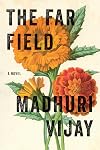
Overall, this book floored me. It was so unexpectedly beautiful and devastating and memorable – and to think, I only picked this up on a whim. The writing was gorgeous and evocative that even the slow parts moved along. The author wrote well-developed multi-faceted characters that utterly invested me in their stories. Not to mention the fact that the cover is striking (if unassuming). Even the narrator of the audiobook was phenomenal: her narration was a completely immersive experience that added an additional layer to the story. Everything combined made this into an unforgettable book that will stay with me for a long time.
Thank you to NetGalley and Grove Atlantic for a copy of this eBook in exchange for an honest review.
https://allisonsadventuresintowonderlands.wordpress.com/2019/02/06/madhuri-vijay... show less
After the death of her mother, Shalini, a privileged young woman from Bangalore, sets out on a journey to Kashmir in northern India to find Bashir Ahmed, a Kashmiri salesman who was a frequent visitor to her home when she was young and who she thinks might have something to do with the loss of her mother. show more Once there, she finds that the region of Kashmir is on edge, with turmoil and violence threatening to erupt at any moment. She stays with a family in a remote village and quickly becomes entangled in their lives; but, she soon finds the closer she grows to them, the more she threatens both their safety and their way of life.
There were so many layers to this book – the politics of Kashmir, the relationship Shalini had with her mother, her journey to find Bashir Ahmed, etc. – but more than anything, I felt that this book was about privilege and its costs. Shalini makes clear from the beginning that, on this journey of self-discovery, she made a lot of mistakes. Although she had often had good intentions, her naivety was destructive, often in unforeseen ways. Others had to pay the cost for her privilege, and while she acknowledges this, she also says that, no matter what she does, “It will make no difference in the end.”
Overall, this book floored me. It was so unexpectedly beautiful and devastating and memorable – and to think, I only picked this up on a whim. The writing was gorgeous and evocative that even the slow parts moved along. The author wrote well-developed multi-faceted characters that utterly invested me in their stories. Not to mention the fact that the cover is striking (if unassuming). Even the narrator of the audiobook was phenomenal: her narration was a completely immersive experience that added an additional layer to the story. Everything combined made this into an unforgettable book that will stay with me for a long time.
Thank you to NetGalley and Grove Atlantic for a copy of this eBook in exchange for an honest review.
https://allisonsadventuresintowonderlands.wordpress.com/2019/02/06/madhuri-vijay... show less
"I am thirty years old and that is nothing."
Following the story of Shalini, who is searching for answers and an old friend, The Far Field is achingly beautiful. This novel exposes the complexity of marriage, love, violence, ignorance. Madhuri Vijay is a phenomenal writer who is able to fold harsh reality and grief into the a beautiful story about love through the eyes of a narrators that feels invincible.
I fell in love with this book and its characters; I feel as if I lived the story of this book right along with Shalini. At the end of this book, I find myself wondering about Shalini's future in a way that I never have before. Shalini felt so vivid, so real, that I can't bring myself to believe that Shalini is just a character. show more Throughout the novel, Shalini experiences her privilege and her naivety though she does not realize it at the time.
I am so glad that I read this book because I feel like I am walking away with a whole new understanding of the complexity of human relationships, and the way situations like in Kashmir and Kishtwar can be distorted.
I strongly recommend this book to everyone. I cannot stress this enough, this book is phenomenal, and certainly a new favorite of mine. show less
Following the story of Shalini, who is searching for answers and an old friend, The Far Field is achingly beautiful. This novel exposes the complexity of marriage, love, violence, ignorance. Madhuri Vijay is a phenomenal writer who is able to fold harsh reality and grief into the a beautiful story about love through the eyes of a narrators that feels invincible.
I fell in love with this book and its characters; I feel as if I lived the story of this book right along with Shalini. At the end of this book, I find myself wondering about Shalini's future in a way that I never have before. Shalini felt so vivid, so real, that I can't bring myself to believe that Shalini is just a character. show more Throughout the novel, Shalini experiences her privilege and her naivety though she does not realize it at the time.
I am so glad that I read this book because I feel like I am walking away with a whole new understanding of the complexity of human relationships, and the way situations like in Kashmir and Kishtwar can be distorted.
I strongly recommend this book to everyone. I cannot stress this enough, this book is phenomenal, and certainly a new favorite of mine. show less
This book is a debut novel for Madhuri Vijay. All the elements are here for a great book - timely, moral, social and family issues in modern-day India. The book focuses on some of the political issues in the Kashmir area of northern India. The book is told through the main character, Shalini is a young woman from Bangalore. She goes on an epic adventure to the north country in an effort for her to come to terms with the tragic death of her mother. She tells herself that she is going to Kashmir to find the man who played such a big part in her and her mother's life when Shalini was young. On her journey she meets unforgettable people, and encounters first-hand the dangers and the beauty of this part of India. As she searches for her show more childhood memories, she finds that she is finally compelled to try to figure out the enigma of her life. Her mother was such a big part of her life, but working around her moods and swings in behaviour was difficult for a young girl whose father who, by the way, loved her and her mother, was not around much for support as he was tied up with his business. Shalini finds hidden reserves of strength in herself as she navigates the political minefield of northern India, and makes some very good friends. I think the main benefit to her was to be involved with normal family life, and to not having her world turned upside down by a bipolar mother. It is never mentioned that her mother is bipolar, but her behaviour points that out clearly. Shalini also runs into trouble on her journey, and the main reason for that is that she has no experience in dealing with a tumultuous, war-torn country, so she therefore makes some bad decisions that will affect her life. The book has all the makings of a great novel, but, at the same time, I kept feeling that there was something missing. The plot seemed to jump from here to there, and from emotion to emotion with no continuity. The ending was very unsatisfactory as well, and sort of came out of nowhere. That is why I have given the book 3 1/2 stars. I am glad that I read it as it gave me insight into a part of the world I was not familiar with, and that is why I love to read. I wouldn't hesitate to recommend this book to anyone who seeks this type of immersive fiction. show less
This book took me by surprise. I often go into books not really knowing much about them. And this one I knew absolutely nothing about at all. I could tell by the author’s name that she was South Asian and I wondered what the flowers and the title meant.
From the first chapter, we know that this is not a happy story. The narrator, a woman aged 30, talks about a man who vanished from his home in the mountains, a man who vanished partly because of her, because of things she said and things she didn’t say. And she also mentions the death of her mother. A woman who could be vicious, a woman who could be snarky.
“It’s hard not to wonder how much might have been prevented if only I had loved him more, or, perhaps, loved her a little show more less. But that is useless thinking, and perilous. Better to let things stand as they were: she, my incandescent mother, and I, her little beast.”
Shalini travels to Kashmir in search of a man who was once a big part of their lives – her and her mother’s. She doesn’t know anyone else there but somehow these complete strangers help her, let them stay with her. She becomes a part of their lives. Yet her being there threatens their safety.
I loved reading about the mountain villages in Kashmir. I have never been to Kashmir or India but when I was in university, I traveled to Nepal to do a trek to Annapurna base camp. And while it was years ago, I can still picture all those little mountain villages we walked through and stayed at. I always remember marveling at these two young kids in school uniform – an older girl and a younger boy – skipping and hopping down the path ahead of us, out of their village and off far away to wherever their school was, something they did every day, twice a day, probably passing many other foreigners like us who were slowly clomping and stomping their way through the mountains.
It also brought to my awareness the conflict in Kashmir, something I know little about, but wanted to know more of after reading this.
The author writes beautifully but her main character Shalini was not easy to connect with. She sometimes seems a bit naive for her age and that proves disastrous for the people around her. But I loved reading about Shalini’s foray into village life in Kashmir, so far and different from bustling Bangalore where she’s from. And it’s these little moments that make this book a beautiful and moving one. show less
From the first chapter, we know that this is not a happy story. The narrator, a woman aged 30, talks about a man who vanished from his home in the mountains, a man who vanished partly because of her, because of things she said and things she didn’t say. And she also mentions the death of her mother. A woman who could be vicious, a woman who could be snarky.
“It’s hard not to wonder how much might have been prevented if only I had loved him more, or, perhaps, loved her a little show more less. But that is useless thinking, and perilous. Better to let things stand as they were: she, my incandescent mother, and I, her little beast.”
Shalini travels to Kashmir in search of a man who was once a big part of their lives – her and her mother’s. She doesn’t know anyone else there but somehow these complete strangers help her, let them stay with her. She becomes a part of their lives. Yet her being there threatens their safety.
I loved reading about the mountain villages in Kashmir. I have never been to Kashmir or India but when I was in university, I traveled to Nepal to do a trek to Annapurna base camp. And while it was years ago, I can still picture all those little mountain villages we walked through and stayed at. I always remember marveling at these two young kids in school uniform – an older girl and a younger boy – skipping and hopping down the path ahead of us, out of their village and off far away to wherever their school was, something they did every day, twice a day, probably passing many other foreigners like us who were slowly clomping and stomping their way through the mountains.
It also brought to my awareness the conflict in Kashmir, something I know little about, but wanted to know more of after reading this.
The author writes beautifully but her main character Shalini was not easy to connect with. She sometimes seems a bit naive for her age and that proves disastrous for the people around her. But I loved reading about Shalini’s foray into village life in Kashmir, so far and different from bustling Bangalore where she’s from. And it’s these little moments that make this book a beautiful and moving one. show less
Members
- Recently Added By
Lists

Best Contemporary Literary Fiction (Around the Last 30 Years)
388 works; 124 members

Recommend the 20 best books you've read in the last five years
2,168 works; 606 members

Best 21st Century Books (So Far)
670 works; 85 members

Favourite Books
1,819 works; 316 members

Female Author
1,234 works; 67 members

Top Five Books of 2018
802 works; 265 members
LibraryThingers' 1001 Books You Must Read Before You Die
442 works; 30 members

Best First Lines
133 works; 8 members
Five star books
1,767 works; 110 members

Mothers and Daughters
114 works; 11 members

Stories from the Indian Subcontinent
15 works; 2 members

What are your favourite books?
121 works; 11 members

Favorite Books from the 2010s
75 works; 3 members

Books Read in 2020
4,379 works; 124 members

Novels featuring Mothers
64 works; 8 members

Reading Globally
136 works; 16 members

Books Read in 2018
4,360 works; 110 members

Global Reads: Books Set in South Asia
30 works; 3 members

2010s
241 works; 3 members
Your favorite 20 fiction books PUBLISHED in the last five years
20 works; 1 member

Fiction: Asia
85 works; 2 members
Author Information

3+ Works 574 Members
Awards and Honors
Awards
Common Knowledge
- Original publication date
- 2019-01-15
- Important places
- Kashmir, India; Bangalore, India
- Epigraph
- Something else is yet to happen, only where and what?
Someone will head toward them, only when and who,
in how many shapes and with what intentions?
Given a choice,
maybe he will choose not to be the enemy and
... (show all)leave them with some kind of life.
—Wisława Szymborska, "Some People" - Dedication
- For MBK, who loved to read
and
for X, who makes this island seem a world, and the world seem our island - First words
- I am thirty years old and that is nothing.
- Last words
- (Click to show. Warning: May contain spoilers.)Soon he would slide it from its cardboard sleeve, place it on the turntable, and lower the waiting needle.
- Blurbers
- Ackerman, Elliot; Noyes, Anna; Marra, Anthony; Tierce, Merritt; Faleiro, Sonia; Yoon, Paul
- Original language
- English
Classifications
Statistics
- Members
- 566
- Popularity
- 52,223
- Reviews
- 21
- Rating
- (3.88)
- Languages
- Dutch, English, French
- Media
- Paper, Audiobook, Ebook
- ISBNs
- 17
- ASINs
- 4