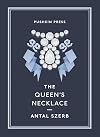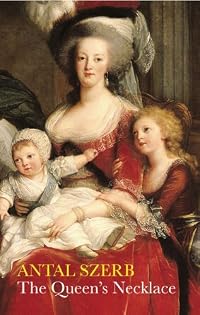
The Queen's Necklace
by Antal Szerb
On This Page
Description
In August 1785, Paris buzzed with a scandal that had everything--an eminent churchman, a female fraudster, a part-time prostitute and the hated Queen herself. Its centrepiece was the most expensive diamond necklace ever assembled, and the tangle of fraud, folly, blindness and self-delusion it provoked. The humiliation the affair brought on the royal family contributed to their appalling deaths in the Revolution just four years later.In this unusual, witty and often surprising version of the show more story, the great Hungarian novelist Antal Szerb takes the narrative as a standpoint from which to survey the entire age--including aspects of it seldom considered by more orthodox historians. The author's vast knowledge is worn very lightly and the book teems with amusing anecdotes, but it is, at heart, a deeply personal work, a remarkable gesture of defiance against the brutal world in which it was written. show lessTags
Recommendations































Member Reviews
I've had this thoroughly delightful and deceptively readable history on my shelves for more than three years, and took it down now thanks to a discussion on another thread which included a picture of a reconstruction of the necklace itself. For this book is not only the story of the queen's necklace (which the queen, Marie Antoinette, never owned or wore) but also witty portraits of the cast of characters and a broad look at the art, culture, social structure, and more of France, mostly Paris, immediately before the Revolution. Szerb writes as if he is conversing with his readers, very often literally addressing them, and the reader (this one, anyway) is caught up in the story, in which, as in conversations, the digressions add to the show more discussion and come to be the heart of it.
Although Szerb is largely known as novelist and a literary scholar, he notes that history was his greatest interest from the time he was four years old; yet, he adds, "I have always deeply distrusted the subject as a scholarly discipline. If we could travel in time as we do in space, we would surely have some devilish surprises." And, as he noted in document that was found among his posthumous papers (he was killed in a concentration camp less than three years after finishing this book), "People in this country expect scholarly works to be unreadable; from which they are led quite logically to the erroneous conclusion that anything that is readable cannot therefore be scholarly." This book wears its scholarship lightly, but it is steeped in information taken from memoirs by many involved in the scandal, as well as other writers on all subjects and, principally, a work by Frantz Funck-Brentano, a French historian, originally published in 1901.
Szerb writes that "there are two particular periods, the Italian Renaissance and the French Revolution, which are so universally important and seminal that they can be thought of as part of the common inheritance of the entire European race." It is difficult to ignore that Szerb wrote this book in 1941 and 1942 when Hungary was allied with Nazi Germany and the cry of liberté, égalité, fraternité must have seemed far away indeed, especially for Szerb who, although baptized Catholic, had Jewish parents. Although he alludes to the origins of the Revolution, and indeed focuses on a lot of the mood in France prior to it and the role the affair of the necklace played in it, he does not touch on the Revolution itself (or its excesses or outcomes).
What makes this book so delightful is Szerb's wonderful writing; the playful yet scholarly way he interweaves discussions of poetry, theater, gardens, music, modes of speaking, the role of the church, trends in jewelry, and much more into the story of the necklace; his vivid and often ironic portraits of the fascinating major players in the scandal (con men and women are always so interesting); his reflections on life in the Ancien Regime and the origins of the Revolution; and the way he converses with the readers. Of course, the story of the necklace is exciting in itself (and I'm looking forward to reading what is said to be a highly unreliable version by Dumas), but it is so much more compelling to read about it in its context.
Although Szerb is clearly on the side of freedom, in his epilogue he describes the dying days of the Ancien Regime as "one of the most delightful of European centuries."
"And then it begins to dawn on one: this age was as beautiful as the most finely-worked lace, as a piece of Sèvres porcelain with its timeless charm and fragile delicacy; as the noble oozings of the Tokai grape, full and rich with sweetness; as the autumn air in Hungary, when the reddening leaves are scented with the inexpressible sweetness of death." p. 280 show less
Although Szerb is largely known as novelist and a literary scholar, he notes that history was his greatest interest from the time he was four years old; yet, he adds, "I have always deeply distrusted the subject as a scholarly discipline. If we could travel in time as we do in space, we would surely have some devilish surprises." And, as he noted in document that was found among his posthumous papers (he was killed in a concentration camp less than three years after finishing this book), "People in this country expect scholarly works to be unreadable; from which they are led quite logically to the erroneous conclusion that anything that is readable cannot therefore be scholarly." This book wears its scholarship lightly, but it is steeped in information taken from memoirs by many involved in the scandal, as well as other writers on all subjects and, principally, a work by Frantz Funck-Brentano, a French historian, originally published in 1901.
Szerb writes that "there are two particular periods, the Italian Renaissance and the French Revolution, which are so universally important and seminal that they can be thought of as part of the common inheritance of the entire European race." It is difficult to ignore that Szerb wrote this book in 1941 and 1942 when Hungary was allied with Nazi Germany and the cry of liberté, égalité, fraternité must have seemed far away indeed, especially for Szerb who, although baptized Catholic, had Jewish parents. Although he alludes to the origins of the Revolution, and indeed focuses on a lot of the mood in France prior to it and the role the affair of the necklace played in it, he does not touch on the Revolution itself (or its excesses or outcomes).
What makes this book so delightful is Szerb's wonderful writing; the playful yet scholarly way he interweaves discussions of poetry, theater, gardens, music, modes of speaking, the role of the church, trends in jewelry, and much more into the story of the necklace; his vivid and often ironic portraits of the fascinating major players in the scandal (con men and women are always so interesting); his reflections on life in the Ancien Regime and the origins of the Revolution; and the way he converses with the readers. Of course, the story of the necklace is exciting in itself (and I'm looking forward to reading what is said to be a highly unreliable version by Dumas), but it is so much more compelling to read about it in its context.
Although Szerb is clearly on the side of freedom, in his epilogue he describes the dying days of the Ancien Regime as "one of the most delightful of European centuries."
"And then it begins to dawn on one: this age was as beautiful as the most finely-worked lace, as a piece of Sèvres porcelain with its timeless charm and fragile delicacy; as the noble oozings of the Tokai grape, full and rich with sweetness; as the autumn air in Hungary, when the reddening leaves are scented with the inexpressible sweetness of death." p. 280 show less
Szerb shows himself to be a master prose stylist, detailing historical incident with an ease that makes them seem like they happened within the hour. His slight mocking, knowing tone, brilliantly captures the age and his conversational approach is all the more remarkable considering the times and circumstances he was writing in.
Szerb deserves to be better know, and aided by such a translator as Len Rix, the English reader has never had a better time to discover him.
Szerb deserves to be better know, and aided by such a translator as Len Rix, the English reader has never had a better time to discover him.
Ha jól emlékszem, először az irodalom érettségere készülve olvastam Szerb Antalt, értelemszerűen a Magyar irodalom történetét. Akkor kifejezetten tetszett a lendületes és szenvedélyes előadásmód, ahogy a magyar írókról a rengeteg adat mellett a személyes véleményét is kifejezte. Ez az élmény persze nem teljesen érvényes, hiszen egy hónapon belül érettségiztem, így az értékítéletem legalábbis hatás alatt volt.
Később a Pendragon-legenda Lőrincz Lászlós nyomozása is szórakoztató volt.
A szintén sokat dicsért Utas és holdvilág már nem tetszett annyira, igaz, közben 20 év telt el.
A királyné nyakláncába ezután vágtam bele.
A könyv nem regény, hanem egy hosszú eszmefuttatás egy show more nyakláncról, mely Marie Antionette-hez csak a világhírűvé vált csalás miatt köthető. A csalás eredményeképp az óriási értékű nyaklánc végül is eltűnt, igazából néhány embert leszámítva senki sem látta.
Szerb az előzmények, a kor, a szereplők bemutatása mellett szokás szerint élvezettel merül el a részletekben, ami többnyire már nekem is túlzás. Nem egyszerűen ráérős történetmesélésről van szó, hanem végtelenül ráérősről. Az egyik fejezet elejére azt írja, hogy ez már végképp nem köthető a tárgyhoz, ezért akit a svéd király bemutatása nem érdekel, az inkább ugorjon.
Másrészről könyveiben mindig van néhány, a tárgyhoz nem feltétlenül köthető, mégis megjegyzendő gondolat. Itt például az, hogy az adott korban, környezetben élők, egy csomó olyan dolgot nem írnak le, amelyek nekik természetesek, így sok lényeges információt csak időben és térben utazva lehet(ne) megszerezni. Ennek megfelelően próbál ő is olyan dolgokról írni, amit csak "apró betűs" szövegben talált meg.
A nyakék eltűnésével kapcsolatban hosszasan elemzi, hogy mi válthatta ki a francia forradalmat, kezdve a köznép és a nemesek jövedelmi viszonyaival, az uralkodó osztály általános eladósodásával, a egészen a király és a királyné jelleméig és viselkedéséig, amit a nyaklánccal kapcsolatos botrány kapcsán mindenki megismerhetett.
Némely következtetés merész vagy nem igazán logikus. Például miért magyarázza meg a xenofóbia Marie Antoinette általános utálatát, amikor az elmúlt évszázadok összes korábbi királynéja külföldi volt?
Végig a (botcsinálta) történészek utólagos okoskodása jut erről eszembe. show less
Később a Pendragon-legenda Lőrincz Lászlós nyomozása is szórakoztató volt.
A szintén sokat dicsért Utas és holdvilág már nem tetszett annyira, igaz, közben 20 év telt el.
A királyné nyakláncába ezután vágtam bele.
A könyv nem regény, hanem egy hosszú eszmefuttatás egy show more nyakláncról, mely Marie Antionette-hez csak a világhírűvé vált csalás miatt köthető. A csalás eredményeképp az óriási értékű nyaklánc végül is eltűnt, igazából néhány embert leszámítva senki sem látta.
Szerb az előzmények, a kor, a szereplők bemutatása mellett szokás szerint élvezettel merül el a részletekben, ami többnyire már nekem is túlzás. Nem egyszerűen ráérős történetmesélésről van szó, hanem végtelenül ráérősről. Az egyik fejezet elejére azt írja, hogy ez már végképp nem köthető a tárgyhoz, ezért akit a svéd király bemutatása nem érdekel, az inkább ugorjon.
Másrészről könyveiben mindig van néhány, a tárgyhoz nem feltétlenül köthető, mégis megjegyzendő gondolat. Itt például az, hogy az adott korban, környezetben élők, egy csomó olyan dolgot nem írnak le, amelyek nekik természetesek, így sok lényeges információt csak időben és térben utazva lehet(ne) megszerezni. Ennek megfelelően próbál ő is olyan dolgokról írni, amit csak "apró betűs" szövegben talált meg.
A nyakék eltűnésével kapcsolatban hosszasan elemzi, hogy mi válthatta ki a francia forradalmat, kezdve a köznép és a nemesek jövedelmi viszonyaival, az uralkodó osztály általános eladósodásával, a egészen a király és a királyné jelleméig és viselkedéséig, amit a nyaklánccal kapcsolatos botrány kapcsán mindenki megismerhetett.
Némely következtetés merész vagy nem igazán logikus. Például miért magyarázza meg a xenofóbia Marie Antoinette általános utálatát, amikor az elmúlt évszázadok összes korábbi királynéja külföldi volt?
Végig a (botcsinálta) történészek utólagos okoskodása jut erről eszembe. show less
Sep 1, 2011Hungarian
Ratings
Members
- Recently Added By
Author Information

27+ Works 2,488 Members
Some Editions
Series
Belongs to Publisher Series
dtv (13365)
Common Knowledge
- Canonical title
- The Queen's Necklace
- Original title
- A királyné nyaklánca
- Original publication date
- 1943
- People/Characters*
- Marie Antoinette
- Important places*
- Paris, Frankreich
- First words*
- In den Jahrzehnten vor der Grossen Revolution lebten in Paris zwei deutsche Goldschmiede: Charles August Boehmer, den die Franzosen Boëmer aussprachen, und Paul Bassenge, dessen Name auf seine französische Abstammung hinwei... (show all)st.
- Last words*
- (Click to show. Warning: May contain spoilers.)Das Kollier ist bis heute nicht bezahlt.
- Original language
- Hungarian
*Some information comes from Common Knowledge in other languages. Click "Edit" for more information.
Classifications
- Genre
- Fiction and Literature
- DDC/MDS
- 894.511332 — Literature & rhetoric Asian Literature Literatures of Altaic, Uralic, Hyperborean, Dravidian languages; literatures of miscellaneous languages of south Asia Finno-Ugric languages Ugric languages Hungarian Hungarian fiction 1900–2000 Early 20th century 1900–1945
- LCC
- PH3351 .S86 .K513 — Language and Literature Uralic languages. Basque language Uralic. Basque Hungarian
- BISAC
Statistics
- Members
- 147
- Popularity
- 221,986
- Reviews
- 3
- Rating
- (3.78)
- Languages
- English, German, Hungarian
- Media
- Paper, Ebook
- ISBNs
- 12
- ASINs
- 4