On This Page
Description
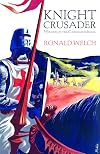
Seventeen-year-old Philip learns the skills of a knight in his father's castle in 12th-century Jerusalem. Bravely surviving Saracen attack, he joins Richard the Lionhearted in the Third Crusade before returning to England to claim his ancestral estate.Tags
Recommendations




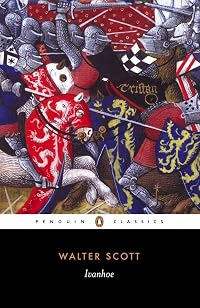


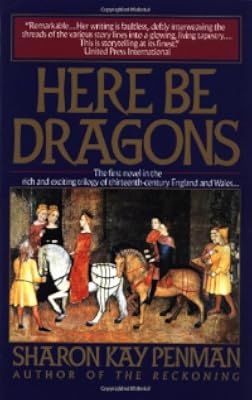


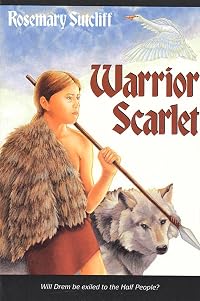


Member Recommendations

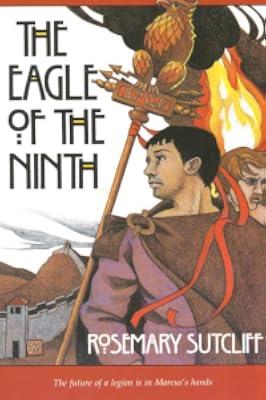
nessreader Children's military- hist stories with solid characterisation and narrative tension. Both great.
Member Reviews
Born in the late 12th century in the Kingdom of Jerusalem, in Outremer - as the Christian realm established in the Holy Land by the knights of the First Crusade was known - Philip d'Aubigny was the son of a great baron, and had trained all of his life for warfare. Fighting against the forces of Saladin at the Battle of Hattin (1187 AD), he lost his father, and was taken captive. Escaping from Damascus after four years of servitude, he made his way westward with his friend and companion, Sir Gilbert d'Assailly, encountering the feared Order of Assassins, and eventually finding his way to Krak des Chevaliers, the stronghold of the Knights Hospitaller. From thence he made his way to Acre, where he joined Richard the Lionheart's campaign, show more as part of the Third Crusade, fighting alongside the English king in the Battle of Arsuf (1191 AD). When his path led him even further west, to England and Wales, Philip found that he still must fight, this time to retake his ancestral home in the Welsh Marches, Llanstephan Castle...
Originally published in 1954, and awarded the Carnegie Medal that year, Knight Crusader is a marvelously told work of historical fiction - instantly engrossing and consistently engaging. The historical setting is believably depicted, and the characters feel as if they truly live. This is definitely not one of those "historical" novels that feels like a contemporary tale dressed up in period costume, with characters whose outlook on life would be more appropriate today, then in the twelfth century. Rather, one feels as if Philip and all of the people he encounters, whether friend or foe, were people of their time. There is great violence in the story - it is, after all, a narrative of a warrior and his adventures - and this violence is depicted realistically, and often quite graphically, with no shying away from the brutal reality of the time and place in which the book is set. Similarly, these is prejudice - Philip's dislike of the Pullani, for instance: noblemen who were half Norman/Frankish, and half Middle-Eastern - and it is depicted realistically, without editorial comment. That said, the narrative also encourages the reader to consider how much more advanced the societies of the Middle East were, during this period of history, compared to their western counterparts, and the possibility of friendship across ethnic and religious lines is confirmed, through the sub-plot involving Philip's relationship with Jusuf Al-Hafiz and his father.
I finished Knight Crusader more rapidly than any other book I have read in the last few months, and I put it down with regret. So great was my enjoyment that I am thinking of tracking down a complete set of the "Carey Family Chronicles" that followed on from this initial tale. Highly recommended to all fans of historical fiction, both adult and juvenile. It is quite graphic at times, so I would only recommend it to children at the higher middle grade level and up - perhaps ten and older? show less
Originally published in 1954, and awarded the Carnegie Medal that year, Knight Crusader is a marvelously told work of historical fiction - instantly engrossing and consistently engaging. The historical setting is believably depicted, and the characters feel as if they truly live. This is definitely not one of those "historical" novels that feels like a contemporary tale dressed up in period costume, with characters whose outlook on life would be more appropriate today, then in the twelfth century. Rather, one feels as if Philip and all of the people he encounters, whether friend or foe, were people of their time. There is great violence in the story - it is, after all, a narrative of a warrior and his adventures - and this violence is depicted realistically, and often quite graphically, with no shying away from the brutal reality of the time and place in which the book is set. Similarly, these is prejudice - Philip's dislike of the Pullani, for instance: noblemen who were half Norman/Frankish, and half Middle-Eastern - and it is depicted realistically, without editorial comment. That said, the narrative also encourages the reader to consider how much more advanced the societies of the Middle East were, during this period of history, compared to their western counterparts, and the possibility of friendship across ethnic and religious lines is confirmed, through the sub-plot involving Philip's relationship with Jusuf Al-Hafiz and his father.
I finished Knight Crusader more rapidly than any other book I have read in the last few months, and I put it down with regret. So great was my enjoyment that I am thinking of tracking down a complete set of the "Carey Family Chronicles" that followed on from this initial tale. Highly recommended to all fans of historical fiction, both adult and juvenile. It is quite graphic at times, so I would only recommend it to children at the higher middle grade level and up - perhaps ten and older? show less
I first read this book when I was 14 (1976) and have enjoyed reading it several times since. I still have my original copy.
This is a great read. Well constructed characters on an exciting adventure in the context of the crusades. Our hero starts as a squire in an important family in Jerusalem during the crusades, grows to be a brave, skilful knight and returns to his historical family home in Wales to make his impression there.
As any historical fiction should be, it is well rooted in historical fact with a fascinating plot.
Highly recommended.
This is a great read. Well constructed characters on an exciting adventure in the context of the crusades. Our hero starts as a squire in an important family in Jerusalem during the crusades, grows to be a brave, skilful knight and returns to his historical family home in Wales to make his impression there.
As any historical fiction should be, it is well rooted in historical fact with a fascinating plot.
Highly recommended.
Ratings
Members
- Recently Added By
Lists

Carnegie Medal Winners In Order
85 works; 1 member

Carnegie Medal books I've read (shortlist and winners)
86 works; 17 members

Top Five Books of 2021
604 works; 180 members

THE WAR ROOM
813 works; 24 members

Books We Couldn't Put Down
443 works; 197 members

Books We Loved As Children
610 works; 254 members
Author Information
17+ Works 820 Members
Some Editions
Awards and Honors
Awards
Series

Work Relationships
Common Knowledge
- Canonical title
- Knight Crusader
- Original publication date
- 1954
- People/Characters
- Richard I, King of England; Saladin; Philip d'Aubigny; Guy de Lusignan (Guy of Lusignan); Balian d'Ibelin; Raynald of Châtillon (show all 11); Raymond of Tripoli; Usamah Ibn-Menquidh; Conrad of Montferrat; Roger de Moulins; Rashid al-Din Sinan
- Important places
- Outremer; Wales, UK
- Important events
- Crusades; Third Crusade; Battle of Hattin; Battle of Arsuf
- First words
- "Philip d'Aubigny rode a few yards ahead of his two manservants."
- Last words
- (Click to show. Warning: May contain spoilers.)"There was much to be done before he could sleep that night in his castle of Llanstephan."
- Original language
- English
Classifications
- Genres
- Fiction and Literature, Children's Books
- DDC/MDS
- 823.914 — Literature & rhetoric English & Old English literatures English fiction 1900- 1901-1999 1945-1999
- LCC
- PZ7 .W4489 .K — Language and Literature Fiction and juvenile belles lettres Fiction and juvenile belles lettres Juvenile belles lettres
- BISAC
Statistics
- Members
- 154
- Popularity
- 213,517
- Reviews
- 2
- Rating
- (3.93)
- Languages
- Dutch, English, Swedish
- Media
- Paper, Ebook
- ISBNs
- 7
- ASINs
- 7