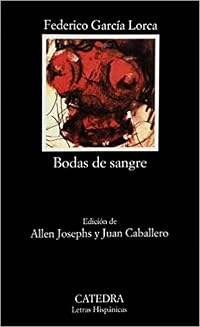
Bodas de sangre
by Federico García Lorca
On This Page
Description
Federico Garcia Lorca was born near Granada in 1898. Initially set on studying music in Paris, after his piano teacher died in 1916 he became involved in a literary and artistic group, including H G Wells and Rudyard Kipling. This move towards a more literary life eventually paid off. Blood Wedding (Bodas de Sangre) was written in 1932, and was first performed in Madrid in March 1933. It proved to be the popular and critical success he'd been waiting for. When the play was staged in show more Buenos Aires he even found himself confronted with the prospect of wealth - a prospect that soon became a reality. This prosperous, happy spell was short-lived though, as the political situation in Spain altered under Franco, putting an end to this time, and ultimately, his life. Lorca was executed on August 18th 1936. Blood Wedding is based around the story of a young woman who, unable to wed her lover is made to marry a more suitable man. On the day of her wedding, however, La Novia (The Bride) runs away with her lover (Leonardo), who is married with children. A series of events ensues... Leonardo is the only character in the play to have a name, the others all being identified by their role: El Novio (The Groom), La Suegra (The Mother-in-Law). As with many of Lorca's plays, symbolism is key, with the moon and death personified. This is the first play in Lorca's trilogy of rural tragedies, with Yerma and The House of Bernarda Alba show lessTags
Recommendations









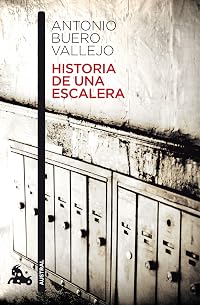
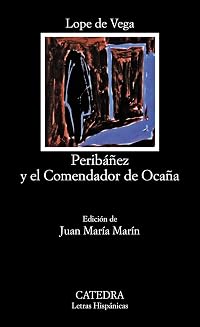


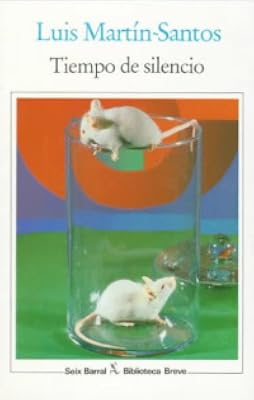
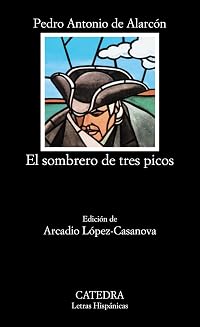




Member Recommendations

by anonymous user
Member Reviews
Blood Wedding is an allegory for lovers forlorn and death, not of flesh but of absence, (from mothers pap which ties us to womb and societal ideology). We see the dark rites of passage for crossed lovers. The tryst that gave them beauty but a palpable death of longing for otherness. To be a maddened flight, to have only recourse for love in a world that makes precious proprietary not the worn skin of love. To amble in this opaque narrative becomes us. We see the lightness of escape or the chosen path of workmanship. Some have no tongue to kiss, although long for the realm of sex. Speak not hollow, in this suffrage of hallowed dark.
This is a Translation by Ted Hughes of Federico Garcia Lorca’s short play Blood Wedding.
Anyone familiar with Lorca’s Poetry will know roughly what to expect here: Love, Death, Blood, and Feuds, all going on in a strangely beautiful Spanish dreamscape, where the characters sleepwalk like puppets controlled by their passions.
However, giving Lorca’s talent the scope of a play to express itself brings out something richer than his poetry. We see a bit more character development, more local colour and tradition – more Andalucia, more Angst. And yet it is still beautiful in places, poetic. This is not just a screenplay, this is something that reads very well on its own – it is rhythmic, heavily symbolic; it has the lightness of a show more dreamer’s feet and the grit of Clint Eastwood’s stubble. What we miss from reading it alone in place of seeing it performed, is filled in by the imagination, which is well supported by the strong imagery and plainly-expressed and often terse expression of the characters, which gives them an immediacy on the page.
Definitely one to recommend to fans of Lorca, and to those with an interest in tragedy or Spanish culture. show less
Anyone familiar with Lorca’s Poetry will know roughly what to expect here: Love, Death, Blood, and Feuds, all going on in a strangely beautiful Spanish dreamscape, where the characters sleepwalk like puppets controlled by their passions.
However, giving Lorca’s talent the scope of a play to express itself brings out something richer than his poetry. We see a bit more character development, more local colour and tradition – more Andalucia, more Angst. And yet it is still beautiful in places, poetic. This is not just a screenplay, this is something that reads very well on its own – it is rhythmic, heavily symbolic; it has the lightness of a show more dreamer’s feet and the grit of Clint Eastwood’s stubble. What we miss from reading it alone in place of seeing it performed, is filled in by the imagination, which is well supported by the strong imagery and plainly-expressed and often terse expression of the characters, which gives them an immediacy on the page.
Definitely one to recommend to fans of Lorca, and to those with an interest in tragedy or Spanish culture. show less
Obra teatral que evoca las tragedias clásicas. Sencilla elaboración, pero con una intensidad que solo un dramaturgo de la talla de García Lorca puede obtener. Los personajes: La Novia, El Novio, El Padre (de la novia), La Madre (del novio) y Leonardo, forman un cuadro caracteres tópicos fácilmente definibles, sin características visuales que destacar, pero con una gran fuerza interpretativa (en su guión). Cabe destacar el papel de ella, La Novia, que es la protagonista sobre la que recae el peso de la acción.
La boda entre los dos novios parece que se celebrará sin ningún tipo de percance a pesar de la posición reacia de La Madre (figura matriarcal que recuerda a la de Bernarda). La aparición, en el siguiente acto de La Novia show more indica, con tan sólo unas líneas, los sentimientos que chocan y maltratan los deseos y deberes de la mujer de aquel entonces. Las pasiones desmedidas se materializan en esta mujer, apunto de casarse, y la aparición de Leonardo, que galopa para pretenderla.
El estallido, el desencadenamiento de la tragedia, es hermosamente desolador. Las figuras poéticas que decoran el texto son pura belleza. La narración se sale del papel, habla, grita. Una de las creaciones más poderosas, sin lugar a dudas, de Lorca. show less
La boda entre los dos novios parece que se celebrará sin ningún tipo de percance a pesar de la posición reacia de La Madre (figura matriarcal que recuerda a la de Bernarda). La aparición, en el siguiente acto de La Novia show more indica, con tan sólo unas líneas, los sentimientos que chocan y maltratan los deseos y deberes de la mujer de aquel entonces. Las pasiones desmedidas se materializan en esta mujer, apunto de casarse, y la aparición de Leonardo, que galopa para pretenderla.
El estallido, el desencadenamiento de la tragedia, es hermosamente desolador. Las figuras poéticas que decoran el texto son pura belleza. La narración se sale del papel, habla, grita. Una de las creaciones más poderosas, sin lugar a dudas, de Lorca. show less
Desde lo antiguo a lo moderno, recogiendo mito y leyenda, esta obra teatral en prosa y verso es la tragedia más cruda de Federico García Lorca, una reflexión sobre la vida, la muerte y la única fuerza capaz de vencerla: el amor.
Escrita en 1932, Bodas de sangre se basa en un suceso real, acaecido en Almería en 1928. Todo empezó con una boda a la que la novia no acudió. Poco después se encontró el cadáver de uno de sus primos y muy cerca de ahí apareció ella, con el vestido desgarrado. Lorca, admirado por cómo la vida nos brinda nuevos dramas de un modo inesperado, teje una obra en la que se dan cita las pasiones que nos hacen humanos, desde el amor hasta el sufrimiento, la venganza, el miedo y el odio. El resultado es una show more sobrecogedora tragedia que da forma a una idea lorquiana: a sus personajes se les tienen que ver «los huesos y la sangre». show less
Escrita en 1932, Bodas de sangre se basa en un suceso real, acaecido en Almería en 1928. Todo empezó con una boda a la que la novia no acudió. Poco después se encontró el cadáver de uno de sus primos y muy cerca de ahí apareció ella, con el vestido desgarrado. Lorca, admirado por cómo la vida nos brinda nuevos dramas de un modo inesperado, teje una obra en la que se dan cita las pasiones que nos hacen humanos, desde el amor hasta el sufrimiento, la venganza, el miedo y el odio. El resultado es una show more sobrecogedora tragedia que da forma a una idea lorquiana: a sus personajes se les tienen que ver «los huesos y la sangre». show less
Kind of a blood-and-soil Spanish tragedy-of-manners with Lynchian flourishes, but it didn't really sell me on the idea that it views its cast as dignifiedly "rustic" and not (tho this word is from the Wikipedia article) merely "primitive."
Lindíssima peça, mas talvez não a melhor para se começar a ler Lorca - eu indicaria A Casa de Bernarda Alba - mas uma peça para mergulhar em sua poética, nos símbolos que o fascinam.
El valor vivo, el raro acierto de Garcìa Lorca està en la reinvenciòn de un estilo dramàtico y en la manera como, superando toda atadura, cualquier localismo geogràfico, eleva la acciòn tràgica a un plano universal.
Members
- Recently Added By
Lists

Favourite Books
1,820 works; 316 members

In or About the 1930s
198 works; 26 members

20th Century Literature
1,161 works; 55 members

Books You Read During High School (For School)
301 works; 53 members

1930s
262 works; 5 members

My Play Collection
769 works; 3 members
Author Information

Federico del Sagrado Corazón de Jesús García Lorca was born in a small town west of Granada, Spain, on June 5, 1898. He was a poet and playwright. His collections of poetry included Gypsy Ballads and Poet in New York. His plays included The Butterfly's Evil Spell, The Shoemaker's Prodigious Wife, Don Perlimplin, Blood Wedding, Yerma, and The show more House of Bernarda Alba. In 1936, he was assassinated by an anti-communist death squad during the beginning of the Spanish Civil War. Franco's regime placed a ban on Lorca's work and this was not lifted until 1953. It was not until Franco died that Lorca's work could be openly discussed in Spain. (Bowker Author Biography) Federico Garcia Lorca, born in Granada in 1898, was murdered by Franco's soldiers in 1936. (Publisher Provided) show less
Some Editions
Awards and Honors
Series
Belongs to Publisher Series
Biblioteca Garcia Lorca (Alianza) (BA 0164)
Insel-Bücherei (Nr. 562)
Work Relationships
Is contained in
Has the adaptation
Common Knowledge
- Canonical title
- Blood Wedding; Bodas de sangre
- Original title
- Bodas de Sangre; Bodas de sangre
- Original publication date
- 1933 (original Spanish) (original Spanish)
- People/Characters
- La Madre (the mother); El Novio (the groom); La Novia (the bride); El Padre de la Novia (the father of the bride); Leonardo Felix; La Mujer de Leonardo (Leonardo's wife) (show all 13); La Suegra de Leonardo (Leonardo's mother-in-law); La Criada (the maid); La Vecina (the neighbor); Muchachas (girls); La Luna (the moon); La Muerte como mendiga (Death as a beggar); Leñadores (Woodcutters)
- Important events
- Blood Feud
- Related movies
- Bodas de sangre (1938 | IMDb); Bodas de sangre (1981 | IMDb)
- Original language
- Spanish
Classifications
Statistics
- Members
- 1,324
- Popularity
- 18,243
- Reviews
- 35
- Rating
- (3.89)
- Languages
- 15 — Chinese, Danish, English, French, German, Greek, Hungarian, Italian, Norwegian (Bokmål), Portuguese, Spanish, Swedish, Tagalog, Turkish, Welsh
- Media
- Paper, Audiobook, Ebook
- ISBNs
- 138
- ASINs
- 22