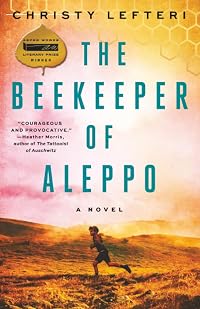
The Beekeeper of Aleppo
by Christy Lefteri
On This Page
Description
This unforgettable novel puts human faces on the Syrian war with the immigrant story of a beekeeper, his wife, and the triumph of spirit when the world becomes unrecognizable.“A beautifully crafted novel of international significance that has the capacity to have us open our eyes and see.”—Heather Morris, author of The Tattooist of Auschwitz
WINNER OF THE ASPEN WORDS LITERARY PRIZE • FINALIST FOR THE DAYTON LITERARY PEACE PRIZE • NAMED ONE OF THE BEST BOOKS OF THE YEAR BY REAL show more SIMPLE
Nuri is a beekeeper and Afra, his wife, is an artist. Mornings, Nuri rises early to hear the call to prayer before driving to his hives in the countryside. On weekends, Afra sells her colorful landscape paintings at the open-air market. They live a simple life, rich in family and friends, in the hills of the beautiful Syrian city of Aleppo—until the unthinkable happens. When all they love is destroyed by war, Nuri knows they have no choice except to leave their home. But escaping Syria will be no easy task: Afra has lost her sight, leaving Nuri to navigate her grief as well as a perilous journey through Turkey and Greece toward an uncertain future in Britain.
Nuri is sustained only by the knowledge that waiting for them is his cousin Mustafa, who has started an apiary in Yorkshire and is teaching fellow refugees beekeeping. As Nuri and Afra travel through a broken world, they must confront not only the pain of their own unspeakable loss but dangers that would overwhelm even the bravest souls. Above all, they must make the difficult journey back to each other, a path once so familiar yet rendered foreign by the heartache of displacement.
Moving, intimate, and beautifully written, The Beekeeper of Aleppo is a book for our times: a novel that at once reminds us that the most peaceful and ordinary lives can be utterly upended in unimaginable ways and brings a journey in faraway lands close to home, never to be forgotten.
Praise for The Beekeeper of Aleppo
“This book dips below the deafening headlines, and tells a true story with subtlety and power.”—Esther Freud, author of Mr. Mac and Me
“This compelling tale had me gripped with its compassion, its sensual style, and its onward and lively urge for resolution.”—Daljit Nagra, author of British Museum
“This novel speaks to so much that is happening in the world today. It’s intelligent, thoughtful, and relevant, but very importantly it is accessible. I’m recommending this book to everyone I care about.”—Benjamin Zephaniah, author of Refugee Boy. show less
Tags
Recommendations




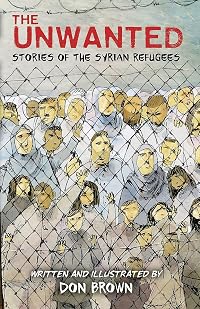

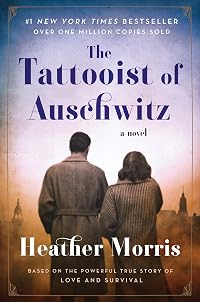
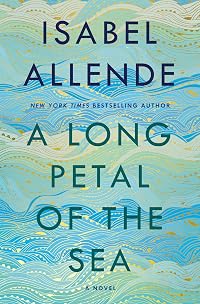
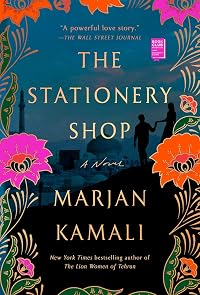
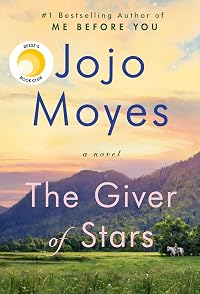
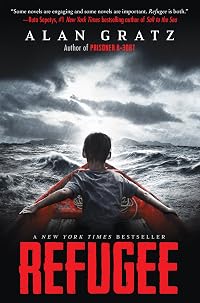
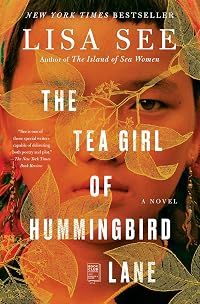
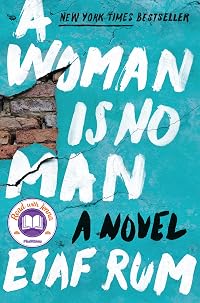
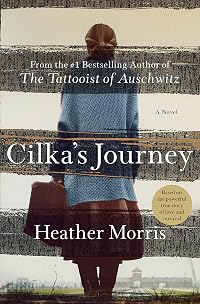
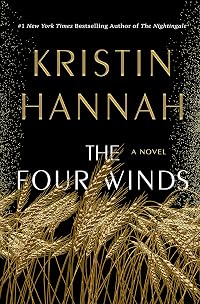

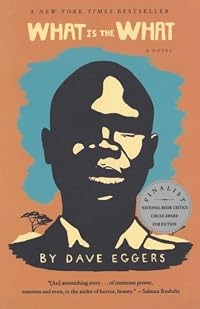

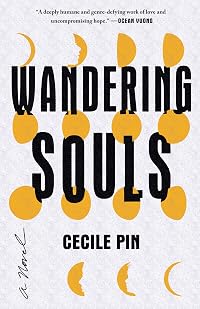
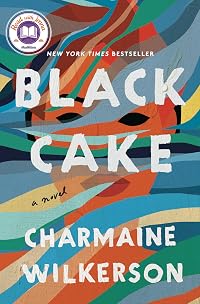

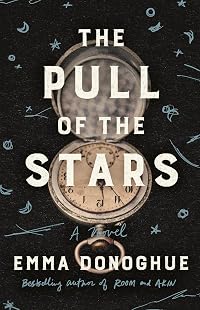


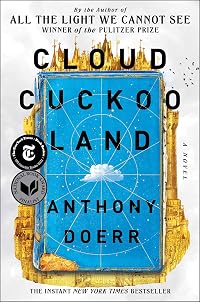
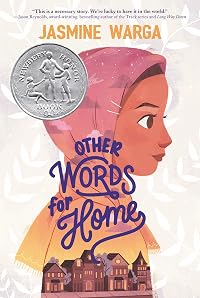
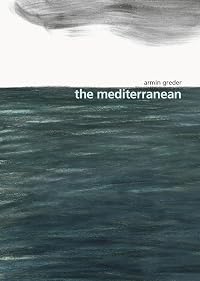


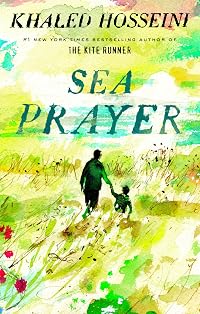
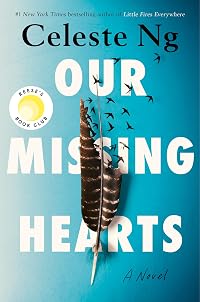
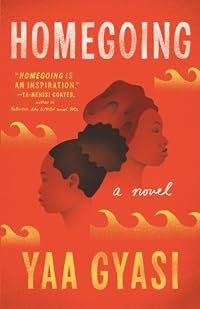


Member Recommendations
lottpoet for intense real-world circumstances finessed for the sake of art (sounds disdainful, but I did fall under the spell of The Book Thief)
Member Reviews
I love that this book was inspired by the author’s work with refugees and the people she met. It certainly feels real. It was exhausting to read, but I think that communicates a tiny portion of how exhausting it must be for real refugees torn from their lives. I loved the descriptions of beekeeping, and I thought the twist added a great depth to the story. I thought Nuri and Afra’s relationship was beautiful. Both the distance that had grown between them, and the moment of connection where they found each other again.
Our narrator Nuri and his wife Afra are Syrian refugees applying for asylum in the UK. We go back and forth between their living in southern England and working through the system and Nuri's memories of living in Syria where he worked as a beekeeper with his cousin, Mustafa, and Afra was an artist, until civil war comes and upends their lives.
This heartrending and timely novel was my book club's choice for this month, and there is a lot to explore that will make for an excellent discussion. Nuri and Afra are both dealing with trauma. We know early on that their young son, Sami, has died and Afra is blind, but the exact reasons they leave and the harrowing journey they have to get to England and rejoin Mustafa unfolds deliberately show more through Nuri's memories. Much of the experiences of the refugees the main characters interact with come from Lefteri's own experience volunteering at a shelter in Greece, and she addresses sometimes terrible circumstances with empathy. As depressing as the story could be, there is also a lot of hope in the friendships and love that endures through all the difficulties. show less
This heartrending and timely novel was my book club's choice for this month, and there is a lot to explore that will make for an excellent discussion. Nuri and Afra are both dealing with trauma. We know early on that their young son, Sami, has died and Afra is blind, but the exact reasons they leave and the harrowing journey they have to get to England and rejoin Mustafa unfolds deliberately show more through Nuri's memories. Much of the experiences of the refugees the main characters interact with come from Lefteri's own experience volunteering at a shelter in Greece, and she addresses sometimes terrible circumstances with empathy. As depressing as the story could be, there is also a lot of hope in the friendships and love that endures through all the difficulties. show less
This book took me a long time to read. I would put it down because I couldn't take in the pain and the difficulties of this gentle man and his family. I would take it up again because I needed to understand.
This is a story about a tiny piece of the war in Syria in 2016: one family--really, only a part of a family since their young son was killed by a bomb. Their rural honey business has been destroyed. They are at loose ends, trying to survive. Trying to be emotionally ready to leave their beloved home and country, to leave the last place they can remember their son.
And then they leave. They are now illegal. They are not criminals, but they want to survive. They want to find a reason to hope, to find goodness in the world, but there is show more much chaos and poverty to get through first. Much of the story is presenting Nuri's thoughts, dreams or hallucinations, as he subconsciously tries to heal from the trauma and guilt of his son's death and the months of bombing & uncertainty, all the while insisting to others that he is doing fine. show less
This is a story about a tiny piece of the war in Syria in 2016: one family--really, only a part of a family since their young son was killed by a bomb. Their rural honey business has been destroyed. They are at loose ends, trying to survive. Trying to be emotionally ready to leave their beloved home and country, to leave the last place they can remember their son.
And then they leave. They are now illegal. They are not criminals, but they want to survive. They want to find a reason to hope, to find goodness in the world, but there is show more much chaos and poverty to get through first. Much of the story is presenting Nuri's thoughts, dreams or hallucinations, as he subconsciously tries to heal from the trauma and guilt of his son's death and the months of bombing & uncertainty, all the while insisting to others that he is doing fine. show less
I've spent a fair amount of the pandemic lockdown reading reviews of books coming out in 2020. It was a little frustrating because with libraries closed and bookstores having problems getting stock there was no way of getting my hands on copies. But now my library is processing holds again and this book (plus lots more) was finally available. And it was worth the wait!
Nuri and his wife Afra and their son lived on the outskirts of Aleppo in a small house but they were happy. Nuri was in an apiary business with his cousin and he loved his life of looking after the bees and the hives and gahering the honey and other products. Afra was a gifted artist so she painted while looking after their son and on the weekends they went to the bazaar show more and sold her artwork. Then the Syrian Civil War started and they found it increasingly difficult to survive when death and destruction surrounded them. Nuri's cousin sent his wife and daughter abroad when the trouble first started but he stayed behind with his son to run the business with Nuri. When the hives were all burnt Nuri and his cousin talked about leaving Syria but Afra, blinded in a bomb blast, resisted. One day when Nuri went to visit his cousin he found the house empty and a note from his cousin telling Nuri he was going to England to his wife and family. He urged Nuri to follow as soon as possible. We get these details interspersed with the details of Nuri and Afra's refugee flight. The author worked for two summers with refugees in Greece so she has based the details on testimony from people who have made the gruelling trek trying to find a safe haven. But the book is far more than just a survival story and I think Lefteri did a brilliant job of placing us in the mind of a person suffering from PTSD and grief.
One really effective device in the book is that some chapters would be missing the final word which was the chapter heading and first word of the next chapter. This really tied together the different locations and circumstances for Nuri and Afra. This is a book that I will remember for a long time I think. show less
Nuri and his wife Afra and their son lived on the outskirts of Aleppo in a small house but they were happy. Nuri was in an apiary business with his cousin and he loved his life of looking after the bees and the hives and gahering the honey and other products. Afra was a gifted artist so she painted while looking after their son and on the weekends they went to the bazaar show more and sold her artwork. Then the Syrian Civil War started and they found it increasingly difficult to survive when death and destruction surrounded them. Nuri's cousin sent his wife and daughter abroad when the trouble first started but he stayed behind with his son to run the business with Nuri. When the hives were all burnt Nuri and his cousin talked about leaving Syria but Afra, blinded in a bomb blast, resisted. One day when Nuri went to visit his cousin he found the house empty and a note from his cousin telling Nuri he was going to England to his wife and family. He urged Nuri to follow as soon as possible. We get these details interspersed with the details of Nuri and Afra's refugee flight. The author worked for two summers with refugees in Greece so she has based the details on testimony from people who have made the gruelling trek trying to find a safe haven. But the book is far more than just a survival story and I think Lefteri did a brilliant job of placing us in the mind of a person suffering from PTSD and grief.
One really effective device in the book is that some chapters would be missing the final word which was the chapter heading and first word of the next chapter. This really tied together the different locations and circumstances for Nuri and Afra. This is a book that I will remember for a long time I think. show less
The Beekeeper of Aleppo is a story of migration. It follows a couple who leave their home in Syria due to violence, unrest, and political upheaval in search of a safe haven. Nuri is a beekeeper in Aleppo and his wife, Afra, is an artist. They flee after a bomb kills their son and blinds Afra. Their cousin, Mustafa, has established beekeeping business in England, and they hope to join him. The storyline follows their travels and travails from Syria to Turkey to Greece to the UK.
We know Afra has been traumatized and over the course of the narrative we become aware of how deeply trauma has affected Nuri, too. The story is told in flashforwards and flashbacks. Memories of the past and visions of the future are braided into the story, and show more by the end we have a full picture.
This book is beautifully written and emotionally evocative. There are heartbreaking moments, but there are tender moments, too, especially regarding an orphaned boy they encounter during their travels. These scenes are skillfully rendered such that they are easy to envision. It is a story of a refugee experience, along with memories of home in better times and optimism about thriving in different circumstances. It is an appeal to multicultural human compassion and understanding. show less
We know Afra has been traumatized and over the course of the narrative we become aware of how deeply trauma has affected Nuri, too. The story is told in flashforwards and flashbacks. Memories of the past and visions of the future are braided into the story, and show more by the end we have a full picture.
This book is beautifully written and emotionally evocative. There are heartbreaking moments, but there are tender moments, too, especially regarding an orphaned boy they encounter during their travels. These scenes are skillfully rendered such that they are easy to envision. It is a story of a refugee experience, along with memories of home in better times and optimism about thriving in different circumstances. It is an appeal to multicultural human compassion and understanding. show less
4.5
"People are not like bees. We do not work together; we have no real sense of a greater good –"
Christy Lefteri's timely novel, The Beekeeper of Aleppo, illustrates the horrors of the Syrian refugee crisis through the gut-wrenching story of one family. Nuri and Afra Ibrahim lived a happy life in Aleppo. Nuri and his cousin Mustafa ran a successful bee-keeping business, and Afra, an artist, sold her paintings at the marketplace and cared for their seven-year-old son, Sami. Then the war came and took everything from them. They lost their home, business, and, most tragically, their son. Afra lost her vision and became blind.
The novel chronicles their struggles as refugees. Written from Nuri's perspective, the story begins at a London show more boarding house where he and Afra are waiting, hoping to gain refugee status. It then moves back and forth through time, depicting their journey through Turkey and Greece, their daily lives in refugee camps, and the stories of people they meet.
While Nuri and Aftra encounter people who try to help, they also face indifference and those who exploit their situation for their benefit. They struggle with survival and loss and must fight to maintain their humanity in an inhumane environment.
Lefteri, the daughter of Cypriot refugees, paints a sympathetic and disturbing portrait based on her two years volunteering at a refugee camp in Athens. Her detailed and realistic depictions make The Beekeeper of Aleppo a challenging yet important book. It forces the reader to grapple with the harsh reality that so many face. Highly recommend. show less
"People are not like bees. We do not work together; we have no real sense of a greater good –"
Christy Lefteri's timely novel, The Beekeeper of Aleppo, illustrates the horrors of the Syrian refugee crisis through the gut-wrenching story of one family. Nuri and Afra Ibrahim lived a happy life in Aleppo. Nuri and his cousin Mustafa ran a successful bee-keeping business, and Afra, an artist, sold her paintings at the marketplace and cared for their seven-year-old son, Sami. Then the war came and took everything from them. They lost their home, business, and, most tragically, their son. Afra lost her vision and became blind.
The novel chronicles their struggles as refugees. Written from Nuri's perspective, the story begins at a London show more boarding house where he and Afra are waiting, hoping to gain refugee status. It then moves back and forth through time, depicting their journey through Turkey and Greece, their daily lives in refugee camps, and the stories of people they meet.
While Nuri and Aftra encounter people who try to help, they also face indifference and those who exploit their situation for their benefit. They struggle with survival and loss and must fight to maintain their humanity in an inhumane environment.
Lefteri, the daughter of Cypriot refugees, paints a sympathetic and disturbing portrait based on her two years volunteering at a refugee camp in Athens. Her detailed and realistic depictions make The Beekeeper of Aleppo a challenging yet important book. It forces the reader to grapple with the harsh reality that so many face. Highly recommend. show less
Thousands upon thousands of men, women and children are currently fleeing their war torn homelands every day, around the world. Leaving with whatever they can carry and vivid images of unspeakable horrors fresh in their minds they place themselves in the hands of people smugglers and refugee camps, clinging onto the hope of finding safety and asylum wherever they can.
The Beekeeper of Aleppo tells the story of Nuri’s journey from the once beautiful, now bombed out Syrian city of Aleppo to join his cousin Mustafa in the United Kingdom whatever the cost. By car through sniper infested territories and across rivers. By bus and over-crowded, ill-equipped rubber dinghies across choppy, ink-black seas. Crammed apartments, container camps, show more park life and people smugglers. Istanbul, Athens and beyond.
Beautifully written and heart-wrenchingly sad, Christy Lefteri finds a balance between unimaginable darkness and the glimmer of light at the end of the tunnel. The sights and smells of apiaries and honey, the vista of shimmering domes and deserts and the heady aroma of soaps and roses collide with the life-changing traumas suffered by Nuri and his artist wife Afra. I loved the way the narrative switched between Nuri’s past, present and the interlinking journey of both perilous miles crossed and his personal voyage of self-discovery and re-discovering his relationship with Afra.
Based on true stories overheard by the author from her time as a volunteer at a UNICEF refugee centre in Athens, The Beekeeper of Aleppo is deeply moving, thought-provoking and highly recommended. show less
The Beekeeper of Aleppo tells the story of Nuri’s journey from the once beautiful, now bombed out Syrian city of Aleppo to join his cousin Mustafa in the United Kingdom whatever the cost. By car through sniper infested territories and across rivers. By bus and over-crowded, ill-equipped rubber dinghies across choppy, ink-black seas. Crammed apartments, container camps, show more park life and people smugglers. Istanbul, Athens and beyond.
Beautifully written and heart-wrenchingly sad, Christy Lefteri finds a balance between unimaginable darkness and the glimmer of light at the end of the tunnel. The sights and smells of apiaries and honey, the vista of shimmering domes and deserts and the heady aroma of soaps and roses collide with the life-changing traumas suffered by Nuri and his artist wife Afra. I loved the way the narrative switched between Nuri’s past, present and the interlinking journey of both perilous miles crossed and his personal voyage of self-discovery and re-discovering his relationship with Afra.
Based on true stories overheard by the author from her time as a volunteer at a UNICEF refugee centre in Athens, The Beekeeper of Aleppo is deeply moving, thought-provoking and highly recommended. show less
Members
- Recently Added By
Published Reviews
ThingScore 100
Lefteri’s slow-building narrative rarely veers into sentimentality or overwhelming bleakness.
added by gypsysmom
Lists

Top Five Books of 2020
982 works; 350 members

Kirkus Starred Fiction Reviews of Books Published in 2019
411 works; 12 members

Books Read in 2020
4,379 works; 124 members

Books Read in 2022
5,226 works; 115 members

Fiction: Historical
288 works; 3 members

Middle Eastern Literature & Non-Fiction
99 works; 3 members

Book Club Suggestions for 2020
27 works; 2 members

Refugee crisis
40 works; 1 member

New Fiction
3 works; 2 members

Books to Read
95 works; 2 members
Author Information

8 Works 2,757 Members
Awards and Honors
Awards
Distinctions
Common Knowledge
- Canonical title
- The Beekeeper of Aleppo
- Original title
- The Beekeeper of Aleppo
- Original publication date
- 2019
- People/Characters
- Nuri Ibrahim; Afra Ibrahim; Mustafa; Sami Ibrahim; Mohammed; Lucy Fisher (show all 10); Diomande; Angeliki; Nadim; The Moraccan man
- Important places
- Aleppo, Syria
- Important events
- Syrian Civil War
- Dedication
- For Dad
Also, for S - First words
- I am scared of my wife's eyes.
- Quotations
- Here it is as if we were all living in the darkest shadow of a solar eclipse. (p.193)
Sometimes we create such powerful illusions, so that we do not get lost in the darkness. (p.306)
Where there are bees there are flowers, and where there are flowers there is new life and hope. - Last words
- (Click to show. Warning: May contain spoilers.)We are all looking up now, and, all at once, they open their black-and-white wings and set off together into the unbroken sky.
- Blurbers
- Morris, Heather; Zephaniah, Benjamin; Freud, Esther; Nagra, Daljit
Classifications
Statistics
- Members
- 2,069
- Popularity
- 10,039
- Reviews
- 62
- Rating
- (4.05)
- Languages
- 9 — Bosnian, Catalan, Chinese, Dutch, English, German, Spanish, Swedish, Portuguese (Portugal)
- Media
- Paper, Audiobook, Ebook
- ISBNs
- 36
- ASINs
- 10