On This Page
Description
In order to earn money for college, fourteen-year-old LaVaughn babysits for a teenage mother.Tags
Recommendations

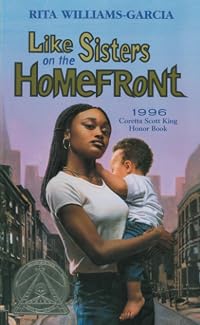
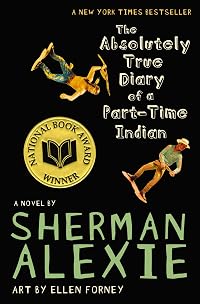
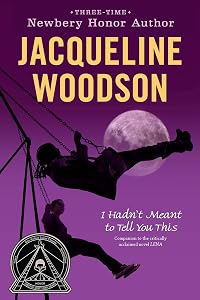
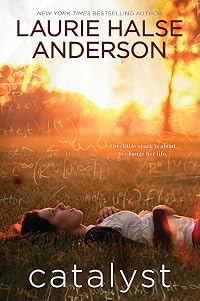




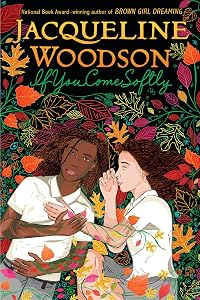

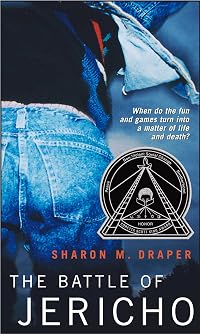
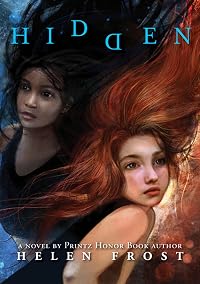
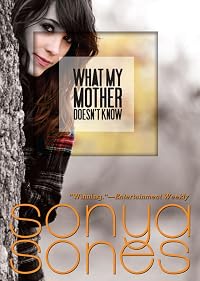
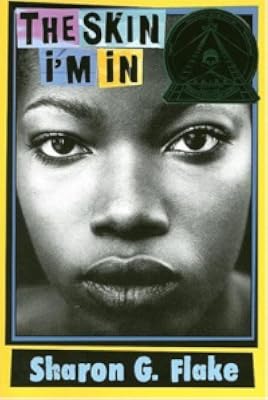
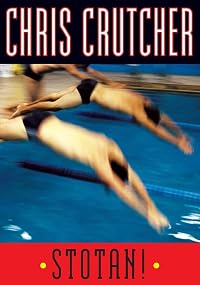
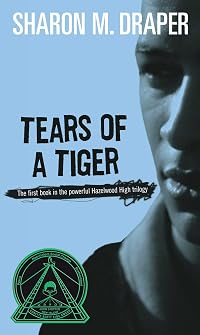
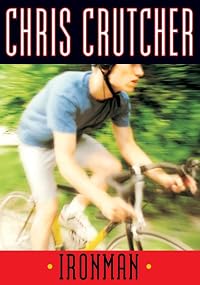


Member Recommendations
Member Reviews
Rating: 4* of five
The Book Description: Virginia Euwer Wolff's groundbreaking novel, written in free verse, tells the story of fourteen-year-old LaVaughn, who is determined to go to college--she just needs the money to get there. When she answers a babysitting ad, LaVaughn meets Jolly, a seventeen-year-old single mother with two kids by different fathers. As she helps Jolly make lemonade out of the lemons her life has given her, LaVaughn learns some lessons outside the classroom. With two kids hanging in the balance, they need to make the best out of life -- and they can only do it for themselves and each other.
My Review: Okay. Brace yourselves. This is a YA novel written in a teenaged girl's voice in free verse. What does this show more strongly imply I am about to do? Rant and invectivize and holler, right? As a rule, a safe bet.
Rule, meet exception.
I love LaVaughn and Jolly and their weird, codependent growing up. I am impressed by the genuineness of all the various lovings going on through the book. I am even overlooking the free-verse affectation. It's totally unnecessary to tell this story in any kind of verse, but whatever. LaVaughn's first person voice is poignantly like that of other young women I've known as they grew up, and makes me mist over a little bit.
Quote me on that and I will swear an oath on a stack of Bibles that you're lying.
The events that LaVaughn narrates remind me of my many attempts to save others. White knight, in more ways than one, rides in and saves the day...then poof you're invisible when things go right. It's like being a parent!
It IS being a parent. And that both sucks and blows. But it's also, in a weird masochistic way, the best feeling of all, because there is one fewer roadblock in someone else's path through life because you, O Savior Complex Haver, gave in and did what your warped sense of self insists is right.
Problem is...that warp is there because, more often than not, you ARE right.
La Vaughn's in for a long long haul. But she also gets something big in return, something not always obvious at the moment, and often not until a lot of life has passed beneath one's eyes. She gets to know in her heart that at least a few people had one less rock to carry, one more reason to smile, one small moment of being, if not feeling, cared about and for, because she lifted, carried, cared, smiled.
Most days that's enough. Come hear her tell about it. It's a good story. show less
The Book Description: Virginia Euwer Wolff's groundbreaking novel, written in free verse, tells the story of fourteen-year-old LaVaughn, who is determined to go to college--she just needs the money to get there. When she answers a babysitting ad, LaVaughn meets Jolly, a seventeen-year-old single mother with two kids by different fathers. As she helps Jolly make lemonade out of the lemons her life has given her, LaVaughn learns some lessons outside the classroom. With two kids hanging in the balance, they need to make the best out of life -- and they can only do it for themselves and each other.
My Review: Okay. Brace yourselves. This is a YA novel written in a teenaged girl's voice in free verse. What does this show more strongly imply I am about to do? Rant and invectivize and holler, right? As a rule, a safe bet.
Rule, meet exception.
I love LaVaughn and Jolly and their weird, codependent growing up. I am impressed by the genuineness of all the various lovings going on through the book. I am even overlooking the free-verse affectation. It's totally unnecessary to tell this story in any kind of verse, but whatever. LaVaughn's first person voice is poignantly like that of other young women I've known as they grew up, and makes me mist over a little bit.
Quote me on that and I will swear an oath on a stack of Bibles that you're lying.
The events that LaVaughn narrates remind me of my many attempts to save others. White knight, in more ways than one, rides in and saves the day...then poof you're invisible when things go right. It's like being a parent!
It IS being a parent. And that both sucks and blows. But it's also, in a weird masochistic way, the best feeling of all, because there is one fewer roadblock in someone else's path through life because you, O Savior Complex Haver, gave in and did what your warped sense of self insists is right.
Problem is...that warp is there because, more often than not, you ARE right.
La Vaughn's in for a long long haul. But she also gets something big in return, something not always obvious at the moment, and often not until a lot of life has passed beneath one's eyes. She gets to know in her heart that at least a few people had one less rock to carry, one more reason to smile, one small moment of being, if not feeling, cared about and for, because she lifted, carried, cared, smiled.
Most days that's enough. Come hear her tell about it. It's a good story. show less
A YA novel written in poetic free verse: a style I usually love... but I’ll admit, the beginning didn’t start out so hot. It was difficult to get hooked, and I really wanted to be. The pacing felt rushed, skipping over details I was interested to know. But I stuck with it, and I’m glad I did, because somewhere around the halfway point, the story found its rhythm and at that point I ended up finishing it in one sitting.
The book follows fourteen-year-old LaVaughn, who takes a babysitting job after school to save money for college. Her employer, seventeen-year-old Jolly, is a struggling single mother doing her best to keep her two small children safe and cared for. When Jolly loses her job, LaVaughn does what she thinks is right (to show more the chagrin of her mother) and offers to babysit without pay until Jolly can find another job.
Though the writing style takes some getting used to, Make Lemonade ultimately blossoms into a tender, hopeful, and endearing story about empathy, resilience, and the power of caring for one another. show less
The book follows fourteen-year-old LaVaughn, who takes a babysitting job after school to save money for college. Her employer, seventeen-year-old Jolly, is a struggling single mother doing her best to keep her two small children safe and cared for. When Jolly loses her job, LaVaughn does what she thinks is right (to show more the chagrin of her mother) and offers to babysit without pay until Jolly can find another job.
Though the writing style takes some getting used to, Make Lemonade ultimately blossoms into a tender, hopeful, and endearing story about empathy, resilience, and the power of caring for one another. show less
This author has a knack for using spare language to create really full characters. I don't really know how she does it. The people in this story are alive - the young, uneducated mother Jolly, her two little kids, and the fourteen year old babysitter LaVaughn are completely real and complicated people. I find myself caring so much about what happens to them that I have to keep thinking about them and trying to figure them out.
Make Lemonade is narrated by 14-year-old LaVaughn, child of a single mother, who is bent on getting the grades and earning the money necessary to earn her escape from her rough neighborhood by going to college.
The word COLLEGE is in my house,
and you have to walk around it in the rooms
like furniture.
Her mother tells her that she will have to earn money for college herself, so when she sees a neglected ad for a babysitting job on a school bulletin board, she makes a call and meets Jolly. Jolly's is the life that LaVaughn is most seeking to avoid. Jolly is the teenage mother of two children, Jeremy and Jilly, by two different absent fathers. She never finished high school, so she struggles to make ends meet working for minimum wage at show more her "good" factory job. Jolly's apartment is a mess, and so is her life. At 17, she has two kids to take care of and absolutely no one to help her and no one to tell her the things she needs to know about parenting, about working, about life. Soon, LaVaughn finds herself more caught up in Jolly's life and problems than she ever could have imagined. When Jolly loses her job, LaVaughn has to decide whether to stick around uncompensated and help Jolly make lemonade out of the many lemons in her life. As it turns out, each character has much to teach the other.
"I'm canned," Jolly says, and she translates immediately,
"Fired."
And I suddenly see, in piles,
all the food in the store nobody's gonna buy
for Jeremy and Jilly,
how Jilly has to be toilet trained right now
because of no more diapers,
not even soap to wash anything
and it's still so filthy around here,
and you have to have money to buy toilet paper, even.
Wolff's writing is incredible, and the verse format allows her the latitude to fit enormous feelings into tiny sentences. She never just tells us, she shows us, making us feel feel right along with the characters. The structure allows her to put emphasis on key moments and words and even to create those moments that are so short but seem so long as they're happening. Wolff's words admirably rise to the poetic occasion, being both lyrical and heart-wrenching in their simplicity. LaVaughn's narration is pitch perfect as she struggles to understand how alone Jolly is and how many things she's never been taught because she's simply never had anyone to teach her. At one point, Jolly tries to tell LaVaughn how alone she feels, like an astronaut in space sent out to repair something whose connection to the space ship is severed, leaving him floating in space.
Then she starts again. "See, even if they wanted
to send somebody after him, they wouldn't know
where to look.
He ain't connected. See?
"And even if he wanted to fall down, he couldn't.
Ain't any gravity to do it.
"He's just out there.
"Nobody knows where.
"See how alone he is?"
Jolly stands in the middle of the floor
and her arms are out like floating away.
At the same time, LaVaughn is forced to come to terms with some of the lemons in her own life, such as the long-past death of her father, an innocent victim of a gang fight. One of my favorite passages shows how LaVaughn's mother seemed to become both parents to her after her father's death...
What my Mom did is like a foggy photograph,
like one you might think you dreamed.
I don't even remember her at first.
At first when it happened.
She got huge. Like she multiplied.
I never figured it out, but she was big.
The book has a beautiful resolution, too, not just telling but showing just how both characters with each other's help have started "making lemonade." show less
The word COLLEGE is in my house,
and you have to walk around it in the rooms
like furniture.
Her mother tells her that she will have to earn money for college herself, so when she sees a neglected ad for a babysitting job on a school bulletin board, she makes a call and meets Jolly. Jolly's is the life that LaVaughn is most seeking to avoid. Jolly is the teenage mother of two children, Jeremy and Jilly, by two different absent fathers. She never finished high school, so she struggles to make ends meet working for minimum wage at show more her "good" factory job. Jolly's apartment is a mess, and so is her life. At 17, she has two kids to take care of and absolutely no one to help her and no one to tell her the things she needs to know about parenting, about working, about life. Soon, LaVaughn finds herself more caught up in Jolly's life and problems than she ever could have imagined. When Jolly loses her job, LaVaughn has to decide whether to stick around uncompensated and help Jolly make lemonade out of the many lemons in her life. As it turns out, each character has much to teach the other.
"I'm canned," Jolly says, and she translates immediately,
"Fired."
And I suddenly see, in piles,
all the food in the store nobody's gonna buy
for Jeremy and Jilly,
how Jilly has to be toilet trained right now
because of no more diapers,
not even soap to wash anything
and it's still so filthy around here,
and you have to have money to buy toilet paper, even.
Wolff's writing is incredible, and the verse format allows her the latitude to fit enormous feelings into tiny sentences. She never just tells us, she shows us, making us feel feel right along with the characters. The structure allows her to put emphasis on key moments and words and even to create those moments that are so short but seem so long as they're happening. Wolff's words admirably rise to the poetic occasion, being both lyrical and heart-wrenching in their simplicity. LaVaughn's narration is pitch perfect as she struggles to understand how alone Jolly is and how many things she's never been taught because she's simply never had anyone to teach her. At one point, Jolly tries to tell LaVaughn how alone she feels, like an astronaut in space sent out to repair something whose connection to the space ship is severed, leaving him floating in space.
Then she starts again. "See, even if they wanted
to send somebody after him, they wouldn't know
where to look.
He ain't connected. See?
"And even if he wanted to fall down, he couldn't.
Ain't any gravity to do it.
"He's just out there.
"Nobody knows where.
"See how alone he is?"
Jolly stands in the middle of the floor
and her arms are out like floating away.
At the same time, LaVaughn is forced to come to terms with some of the lemons in her own life, such as the long-past death of her father, an innocent victim of a gang fight. One of my favorite passages shows how LaVaughn's mother seemed to become both parents to her after her father's death...
What my Mom did is like a foggy photograph,
like one you might think you dreamed.
I don't even remember her at first.
At first when it happened.
She got huge. Like she multiplied.
I never figured it out, but she was big.
The book has a beautiful resolution, too, not just telling but showing just how both characters with each other's help have started "making lemonade." show less
LaVaughn has high aspirations: she wants to go to college, something that people in her neighborhood rarely do. To make money for college, she takes a job babysitting Jeremy and Jilly, the two children of a girl only a few years older than LaVaughn herself. Can LaVaughn work and keep up with her studies, or will she get pulled into the drama of the struggling family she's working for?
This verse novel is a quick, thought-provoking read as LaVaughn searches for balance. I enjoyed it, but probably will not bother with the sequels.
This verse novel is a quick, thought-provoking read as LaVaughn searches for balance. I enjoyed it, but probably will not bother with the sequels.
What an incredible book!!!! It is rich in character development, spot on in the harsh reality of the consequences of teen aged pregnancy when there is little or no support base, poetic in words and heartbreaking and heartwarming at the same time!
Needing a job to save for college, 14 year old LaVaughn accepts the position of babysitter for two children. Seventeen years old, living in poverty, surrounded by hopelessness, their mother Jolly simply cannot get a grip on how to survive and look beyond day - day living. Her rent isn't paid, there is little food, and her children need clothing.
Kind heartedly, LaVaughn attempts to set Jolly on the path leading to a future, while struggling to learn the difference between a helping hand, a hand show more out and the trickiness of being pulled under.
Highly recommended! show less
Needing a job to save for college, 14 year old LaVaughn accepts the position of babysitter for two children. Seventeen years old, living in poverty, surrounded by hopelessness, their mother Jolly simply cannot get a grip on how to survive and look beyond day - day living. Her rent isn't paid, there is little food, and her children need clothing.
Kind heartedly, LaVaughn attempts to set Jolly on the path leading to a future, while struggling to learn the difference between a helping hand, a hand show more out and the trickiness of being pulled under.
Highly recommended! show less
I thought Make Lemonade was a wonderful read, packed with a refreshing writing style and references to the current problems of our socio/economic system. It simply but profoundly discussed teen pregnancy and the perils some women face as single mothers in a society that tends to turn away from the harsh realities of poverty. I truly saw Jolly as an urban teen mom in a dysfunctional welfare system. However, I wasn’t as impressed with LaVaughn’s character. I thought her dialogue was a bit flat and uninteresting even though I admired her intentions to help Jolly and her family get back on their feet. In addition to her writing style, I also liked how Wolff designed her characters to be racially neutral—I couldn’t tell from reading show more if either girl was white or black or neither. This characteristic made the novel even more intriguing to me as a reader. Overall, I would recommend this book to any teen looking for a true to life story about characters that develop strong street survival skills. show less
Members
- Recently Added By
Lists

Narrative verse for pleasure
75 works; 8 members

Books Read in 2015
3,299 works; 126 members

Books Mentioned in The Wedding Planner's Daughter series
107 works; 2 members
Author Information

8+ Works 4,202 Members
Awards and Honors
Awards
Distinctions
Series

Work Relationships
Has as a student's study guide
Common Knowledge
- Original publication date
- 1993-05-15
- People/Characters
- LaVaughn; Jolly; Jilly; Jeremy
- Dedication
- For young mothers
- First words
- "I am telling you this just the way it went
with all the details I remember as they were,
and including the parts I'm not sure about." - Last words
- (Click to show. Warning: May contain spoilers.)"Here he is
a cheerful child
a boy in the air
ready for his dinner,
in his forgetful joy he's laughing down at my Mom who's looking up there to him,
her mouth wide open and full of praise."
Classifications
- Genres
- Poetry, Fiction and Literature, Teen, Young Adult
- DDC/MDS
- 813.54 — Literature & rhetoric American literature in English American fiction in English 1900-1999 1945-1999
- LCC
- PZ7 .W82129 .M — Language and Literature Fiction and juvenile belles lettres Fiction and juvenile belles lettres Juvenile belles lettres
- BISAC
Statistics
- Members
- 1,596
- Popularity
- 14,287
- Reviews
- 89
- Rating
- (3.62)
- Languages
- Dutch, English, German, Spanish
- Media
- Paper, Audiobook
- ISBNs
- 29
- ASINs
- 5