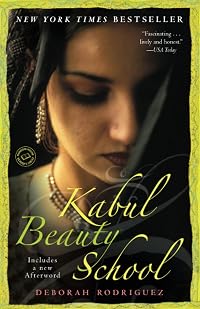
Kabul Beauty School: An American Woman Goes Behind the Veil
by Deborah Rodriguez, Kristin Ohlson
On This Page
Description
Soon after the fall of the Taliban, in 2001, Deborah Rodriguez went to Afghanistan as part of a humanitarian aid group. Surrounded by people whose skills--as doctors, nurses, and therapists--seemed eminently more practical than her own, Rodriguez, a hairdresser and mother from Michigan, despaired of being of any real use. Yet she found she had a gift for befriending Afghans, and once her profession became known she was eagerly sought out by Westerners desperate for a good haircut and by show more Afghan women, who have a long and proud tradition of running their own beauty salons. Thus the idea for the Kabul Beauty School was born. Within that small haven, the line between teacher and student quickly blurred as these vibrant women shared with Rodriguez their stories and their hearts, ultimately giving her the strength to leave her own unhealthy marriage and allow herself to love again, Afghan style.--From publisher description. show lessTags
Recommendations



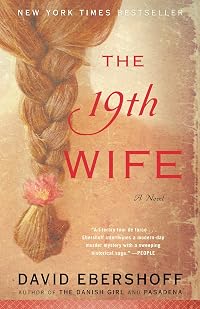
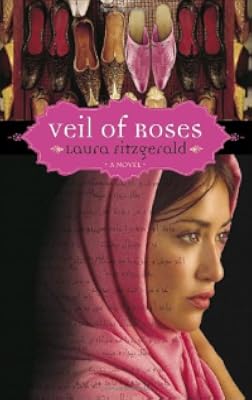

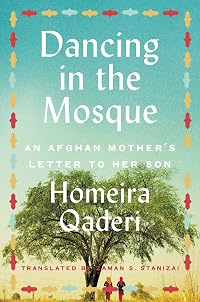
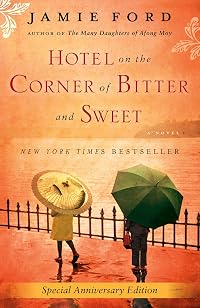



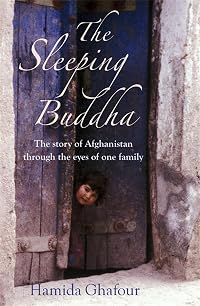
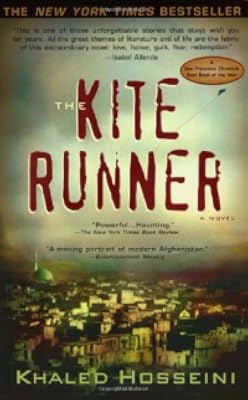
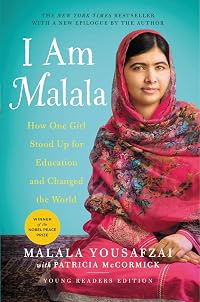
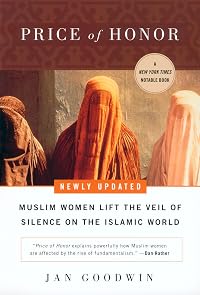
Member Recommendations
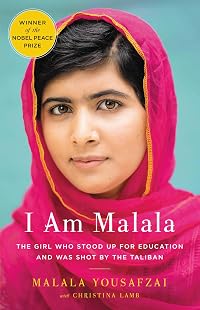
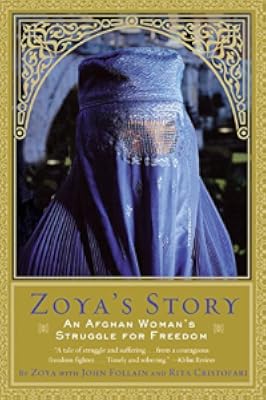
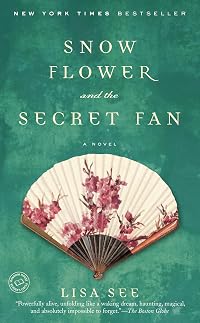
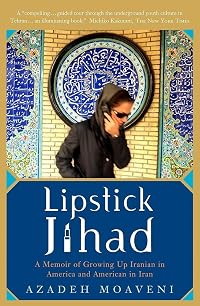
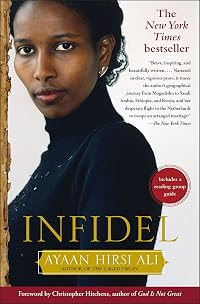
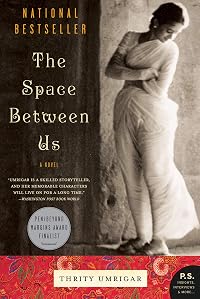
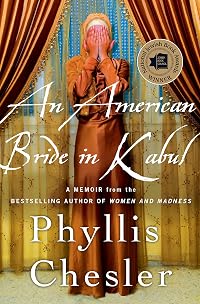
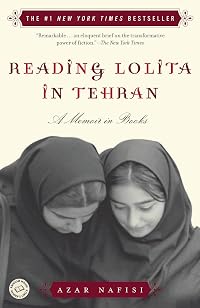
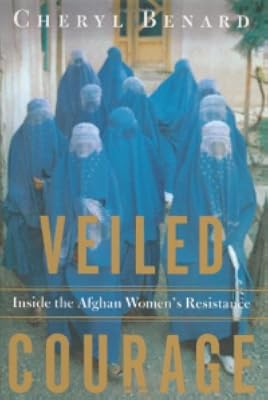
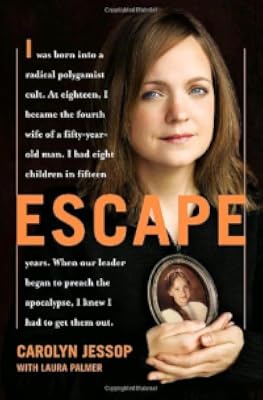
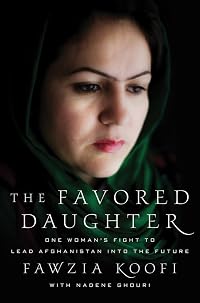
elbakerone Both these books tell powerful and inspirational stories about women making drastic differences in the lives of others.

elbakerone Both these books explore the themes of Western women living in Middle Eastern countries and adjusting to a new culture.
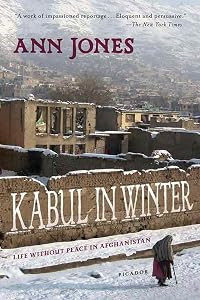
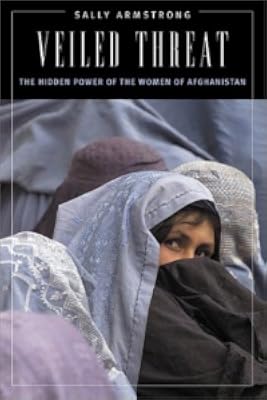
citygirl A more erudite study of the lives of people in modern-day Kabul, by a Norweigan journalist who was allowed access to all parts of a large family.
Member Reviews
The details about life in Afghanistan, stories of the women who survived the war with Russia and the rule of the Taliban are interesting and informative. But there is much that is perplexing and even disingenuous. The author sleep walks into an arranged marriage with a man who already has a wife and children in Saudi Arabia. She fixes herself inside this system that has been responsible for the oppressive lives of the women she is there to help. The most potent feeling she can conjure for the other wife (who is treated as a servant in the home of their husband's parents) is a squeamishness about her father-in-law's suggestion that they meet. She identifies with many of the women in her school because of her previous marriage to an show more abusive spouse, and it seems like she would be informed by that experience in the choices that she makes. The sexual abuse of a young girl in her home that happened with Ali, her business partner and house mate, seem inevitable. She puts a stop to it when she witnesses it, regrets the acquaintance, and distances herself from him as soon as she can, but it seems like it went on for months or years before she caught on and wasn't it obvious all along? There were other instances of sexually abusive behavior from a housekeeper, but Debbie kept the woman around and it broke her heart to let her go. The book is more complicated in the questions that it begs than it is as a memoir of an intrepid traveler trying to do some good in the world. It seems like the author's intentions were good, but her motivations and impulses unexamined and maybe even harmful. show less
This is a book that clearly showcases the best intentions of Americans towards those in need of assistance; it also shows just how ill-conceived that aid may be in practice.
Deborah Rodriguez cheerfully admits that she had no useful skills to bring to an aid mission to Afghanistan (other than an overwhelming desire to escape an abusive husband.) That didn't stop her, and she ends up setting up a beauty school for Afghan women. But while she continues to laud the women she is helping, their strength, etc., she seems to behave in ways that at best are culturally insensitive and at worst jeopardize the lives of those around her. In one jaw-dropping moment, she even allows herself to marry an Afghan man with whom she can't communicate. (No show more spoiler; this happens early in the story.) She seems to recognize her foolishness, and giggle at it. But for the Afghans around her, I can't imagine that flippancy was terribly helpful.
There are bits of this which are interesting, but by and large Rodriguez doesn't seem interested enough in the world outside her salon walls to give a thorough picture of the lives of the women she encounters. And I really hope that she has changed identifying details for these women as well as their names, or some of them will find themselves in a world of trouble with their menfolk as a result of what Rodriguez so glibly recounts.
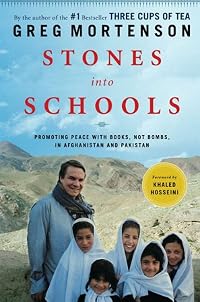
This is no Bookseller of Kabul, Asne Seierstad's book that took a thoughtful look at real life in Kabul; nor is it Stones into Schools, Greg Mortenson's chronicle of building schools for youngsters in the poorest parts of Pakistan, Kashmir and Afghanistan. It's only heartwarming if you can ignore the fact that the real point of these exercises is to transform, in a lasting way, the lives of the people we touch for the better. Based on Rodriguez's behavior, as chronicled here and in the book's afterward, it's unclear that has happened. (I'm also fairly bemused that after spending five years in Kabul, she didn't manage to acquire more in the way of language skills...) It's a book more about Rodriguez and hairdressing than it is about rebuilding the lives of women in an ultra-traditional society riven by decades of violence. And for those without a historical background, the offhand references to Soviet invasions, mujahadeen civil wars, etc. in the pre-Taliban days will just prove confusing.
This doesn't work as a book about current affairs -- it's too narrow. Nor does it work as a memoir, a genre in which the narrator should grow or undergo a transformative experience for the book to be compelling. This may be a colorful and sometimes interesting tale, but it's hard to really like or respect a memoir when you find its narrator to be self-satisfied and sentimental, and not seeming to learn anything over the course of the book. It's like the worst of travel journalism: foreigner goes to 'exotic' place; 'helps' out; talks to 'real local' people and then makes money writing about it. show less
Deborah Rodriguez cheerfully admits that she had no useful skills to bring to an aid mission to Afghanistan (other than an overwhelming desire to escape an abusive husband.) That didn't stop her, and she ends up setting up a beauty school for Afghan women. But while she continues to laud the women she is helping, their strength, etc., she seems to behave in ways that at best are culturally insensitive and at worst jeopardize the lives of those around her. In one jaw-dropping moment, she even allows herself to marry an Afghan man with whom she can't communicate. (No show more spoiler; this happens early in the story.) She seems to recognize her foolishness, and giggle at it. But for the Afghans around her, I can't imagine that flippancy was terribly helpful.
There are bits of this which are interesting, but by and large Rodriguez doesn't seem interested enough in the world outside her salon walls to give a thorough picture of the lives of the women she encounters. And I really hope that she has changed identifying details for these women as well as their names, or some of them will find themselves in a world of trouble with their menfolk as a result of what Rodriguez so glibly recounts.
This is no Bookseller of Kabul, Asne Seierstad's book that took a thoughtful look at real life in Kabul; nor is it Stones into Schools, Greg Mortenson's chronicle of building schools for youngsters in the poorest parts of Pakistan, Kashmir and Afghanistan. It's only heartwarming if you can ignore the fact that the real point of these exercises is to transform, in a lasting way, the lives of the people we touch for the better. Based on Rodriguez's behavior, as chronicled here and in the book's afterward, it's unclear that has happened. (I'm also fairly bemused that after spending five years in Kabul, she didn't manage to acquire more in the way of language skills...) It's a book more about Rodriguez and hairdressing than it is about rebuilding the lives of women in an ultra-traditional society riven by decades of violence. And for those without a historical background, the offhand references to Soviet invasions, mujahadeen civil wars, etc. in the pre-Taliban days will just prove confusing.
This doesn't work as a book about current affairs -- it's too narrow. Nor does it work as a memoir, a genre in which the narrator should grow or undergo a transformative experience for the book to be compelling. This may be a colorful and sometimes interesting tale, but it's hard to really like or respect a memoir when you find its narrator to be self-satisfied and sentimental, and not seeming to learn anything over the course of the book. It's like the worst of travel journalism: foreigner goes to 'exotic' place; 'helps' out; talks to 'real local' people and then makes money writing about it. show less
This was such an enjoyable memoir!
Deborah Rodriguez left a horrid marriage to help women halfway across the globe in Afghanistan. She didn't understand the culture or speak the language. But her heart was deeply committed to the Kabul Beauty School project and the women she trained.
Becoming a beautician offered these Afghan women an opportunity to support their families, often including a large extended family. Many of them spent years away from Kabul while the Taliban was in control. They're immigrants and refugees in their home country.
Having financial power gives the women a chance to change their often abusive marital situation as well. The drive they have to succeed is inspiring, especially when factoring in the massive obstacles. show more
Debbie is a hot mess, and in that sense she's the perfect person to teach and encourage her students. She gets involved in the NGO and diplomatic communities, bringing fun and relaxation to all kinds of folks.
Her writing style is conversational, perfectly blending rollicking humor with heartbreaking sadness. It's like meeting a girlfriend for pedicures and a catch up!
Debbie includes a multitude of cultural lessons about Afghanistan that illustrate the conservative nature of (mostly) post-Taliban Kabul. Time and again, Debbie has no clue about the actual reality of her students' lives. But her genuine caring and feisty nature overcome a lot! show less
Deborah Rodriguez left a horrid marriage to help women halfway across the globe in Afghanistan. She didn't understand the culture or speak the language. But her heart was deeply committed to the Kabul Beauty School project and the women she trained.
Becoming a beautician offered these Afghan women an opportunity to support their families, often including a large extended family. Many of them spent years away from Kabul while the Taliban was in control. They're immigrants and refugees in their home country.
Having financial power gives the women a chance to change their often abusive marital situation as well. The drive they have to succeed is inspiring, especially when factoring in the massive obstacles. show more
Debbie is a hot mess, and in that sense she's the perfect person to teach and encourage her students. She gets involved in the NGO and diplomatic communities, bringing fun and relaxation to all kinds of folks.
Her writing style is conversational, perfectly blending rollicking humor with heartbreaking sadness. It's like meeting a girlfriend for pedicures and a catch up!
Debbie includes a multitude of cultural lessons about Afghanistan that illustrate the conservative nature of (mostly) post-Taliban Kabul. Time and again, Debbie has no clue about the actual reality of her students' lives. But her genuine caring and feisty nature overcome a lot! show less
This book made me cringe. Despite her good intentions in volunteering to go to Afghanistan, I found the ignorance and insensitivity Rodriguez exhibited from time to time to be really off-putting. Although she changed the names and circumstances to "protect" the inidividuals in this memoir, it wouldn't take too much detective work to figure out who these women are. Since a woman's life in Afghanistan isn't historically worth much anyway, and will be worth even less if NATO pulls out, Rodriguez' revelations place these women in mortal jeopardy. This I find to be completely irresponsible. Besides the questionable morality of using her adventure for her own profit, The Kabul Beauty School does deliver on revealing the day to day aspects of show more life in Afghanistan in a way that westerners can grasp. It's a decent read with a caveat to the socially and ethically sensitive. show less
The book takes place in the early 2000s when Ms. Rodgriguez went to Afghanistan as part of a humanitarian effort. As a hairdresser, she was surrounded by doctors, nurses, therapists, and diplomats. Almost immediately, however, she realized that her skills were much sought after by locals and foreigners alike. As it turns out, hair shops were a few of the only businesses available to women to thrive in. Men weren’t allowed, as the women’s hair was uncovered, and this allowed them a form of independence.
I’ve wanted to read Kabul Beauty School by Deborah Rodriguez and Kristin Ohlson since it came out in 2007, but never got a chance. That is until I found it in my local Little Free Library, and grabbed it. The book started great, with show more an interesting perspective on both NGOs and Afghan women. I enjoyed very much reading about the struggles and successes Ms. Rodgriguez had with her program.
I think it was a mistake for the author to make the book about her instead of the women she was trying to help. From reading the book it seems that she wanted to be the center of attention and a victim of circumstance. The book, while certainly might have been therapeutic, almost reads like a journal of a woman and her bad choices.
I found that aspect of the book to be uncanny, and taking away from the main cause. The author is proud that she was a liberated American woman in a conservative culture, earning her the nickname “Crazy Debbie”. However, she goes on to marry an Afghan… by arranged marriage… without knowing him. And she’s his second wife, as in… he already has a family and a baby on the way!
Granted her husband, Sam, does help her out a lot but, again, it takes the focus away from women themselves. It’s almost as if “Crazy Debbie” was bored in America and wanted an extraordinary adventure.
The book is very readable and does provide an informative window into the lives of Afghan women. I understood the book was written to promote the author’s charity and raise money to continue her program. This is an excellent book for discussion, as it raises many questions as well as provides a thoughtful window into another culture. show less
I’ve wanted to read Kabul Beauty School by Deborah Rodriguez and Kristin Ohlson since it came out in 2007, but never got a chance. That is until I found it in my local Little Free Library, and grabbed it. The book started great, with show more an interesting perspective on both NGOs and Afghan women. I enjoyed very much reading about the struggles and successes Ms. Rodgriguez had with her program.
I think it was a mistake for the author to make the book about her instead of the women she was trying to help. From reading the book it seems that she wanted to be the center of attention and a victim of circumstance. The book, while certainly might have been therapeutic, almost reads like a journal of a woman and her bad choices.
I found that aspect of the book to be uncanny, and taking away from the main cause. The author is proud that she was a liberated American woman in a conservative culture, earning her the nickname “Crazy Debbie”. However, she goes on to marry an Afghan… by arranged marriage… without knowing him. And she’s his second wife, as in… he already has a family and a baby on the way!
Granted her husband, Sam, does help her out a lot but, again, it takes the focus away from women themselves. It’s almost as if “Crazy Debbie” was bored in America and wanted an extraordinary adventure.
The book is very readable and does provide an informative window into the lives of Afghan women. I understood the book was written to promote the author’s charity and raise money to continue her program. This is an excellent book for discussion, as it raises many questions as well as provides a thoughtful window into another culture. show less
http://thenovelworld.com/2011/06/21/kabul-beauty-school-review/
This book was both fascinating and annoying. Fascinating because I love reading about Middle Eastern culture, and I dearly loved The Bookseller of Kabul for its intimiate and thoughtful portrayal of life in Afghanistan for both men and women. This book, I felt, was lacking in those key elements. Rodriguez’s level of cultural insensitivity was frustrating throughout the entire book, as was her lack of concern for her missteps...
This book was both fascinating and annoying. Fascinating because I love reading about Middle Eastern culture, and I dearly loved The Bookseller of Kabul for its intimiate and thoughtful portrayal of life in Afghanistan for both men and women. This book, I felt, was lacking in those key elements. Rodriguez’s level of cultural insensitivity was frustrating throughout the entire book, as was her lack of concern for her missteps...
It's almost its own genre now: first-world white woman enters third-world country, wants to help, ends up enriched by the experience. Along the way some of them actually do provide some needed help.
Rodriguez was helped in the writing by friend Kristin Ohlsen, and I would love to know who did what. I did find it better than stock writing, better than most "as told to" stories. Perhaps that is in part because the stories of the Afghan women are intertwined with the stories about how the beauty school came about and continued, and sometimes they just fade away. I think, too, though, that Rodriguez's sense of humor permeates the book but with just the right degree of attention. She doesn't knock us over the head with the funny parts, just show more states them and moves on.
But to the story. Rodriguez first headed for Kabul as an aide after the Taliban was deposed after 9/11/2001. The place was in ruins, recovering, trying to find itself again. Rodriguez was a cosmetologist among medical aid workers, and she wondered why she had been chosen to join the relief effort. We can only speculate, but she did soon find her place in this city where beauty salons had been outlawed during the Taliban's regime. She headed home to the states after meeting a number of people and determining that there was a great need for a beauty school in Kabul. And she returned, after some bumps, accompanied by huge donations from beauty product suppliers.
She had seen how women were treated and how helpless they were in many situations there, given the culture and the laws. She wanted to offer an alternative way for women to make money on their own, build their self-esteem, help their families. And she knew that there is nothing like a salon or beauty school for creating community among women.
So we learn of the obstacles Rodriguez faced and how she managed to do so. It was through these challenges that we find out what kind of person she is. I think this is what I enjoyed the most. I could never have stood up to the organizations and neighbors and others the way she did. She also had the ability to call upon the strengths of others as needed, and they rose to the challenge. But she doesn't stop to pat herself on the back or to engage in false modesty.
I became so engrossed with the story that I lost a bit of sleep until it was done. I was sad to hear that the school no longer operates, but that does not mean that her work was for nothing. Read it and find out. show less
Rodriguez was helped in the writing by friend Kristin Ohlsen, and I would love to know who did what. I did find it better than stock writing, better than most "as told to" stories. Perhaps that is in part because the stories of the Afghan women are intertwined with the stories about how the beauty school came about and continued, and sometimes they just fade away. I think, too, though, that Rodriguez's sense of humor permeates the book but with just the right degree of attention. She doesn't knock us over the head with the funny parts, just show more states them and moves on.
But to the story. Rodriguez first headed for Kabul as an aide after the Taliban was deposed after 9/11/2001. The place was in ruins, recovering, trying to find itself again. Rodriguez was a cosmetologist among medical aid workers, and she wondered why she had been chosen to join the relief effort. We can only speculate, but she did soon find her place in this city where beauty salons had been outlawed during the Taliban's regime. She headed home to the states after meeting a number of people and determining that there was a great need for a beauty school in Kabul. And she returned, after some bumps, accompanied by huge donations from beauty product suppliers.
She had seen how women were treated and how helpless they were in many situations there, given the culture and the laws. She wanted to offer an alternative way for women to make money on their own, build their self-esteem, help their families. And she knew that there is nothing like a salon or beauty school for creating community among women.
So we learn of the obstacles Rodriguez faced and how she managed to do so. It was through these challenges that we find out what kind of person she is. I think this is what I enjoyed the most. I could never have stood up to the organizations and neighbors and others the way she did. She also had the ability to call upon the strengths of others as needed, and they rose to the challenge. But she doesn't stop to pat herself on the back or to engage in false modesty.
I became so engrossed with the story that I lost a bit of sleep until it was done. I was sad to hear that the school no longer operates, but that does not mean that her work was for nothing. Read it and find out. show less
Members
- Recently Added By
Lists

Women in Islam
120 works; 8 members
Author Information

11 Works 3,285 Members

5+ Works 2,259 Members
Some Editions
Awards and Honors
Distinctions
Common Knowledge
- Canonical title*
- Kaboul beauté
- Original publication date
- 2007
- People/Characters
- Deborah Rodriquez; Roshanna; Topekai; Baseera; Bahar; Samer Mohammad Abdul Khan
- Important places
- Kabul, Afghanistan; Afghanistan
- Epigraph
- Luckily, I am a lady
Mariam of my own epoch
I have conscience,
Intelligence and talent
But am fated to continue
Existence
In captivity behind the
Bars of prison of life
As if I am a jail-bird
... (show all)
I want to declare my feelings
But nobody seems to realize me
I am being asked to stay thoroughly out of sight,
In the darkness
Why?
Because it is easy for them to disgrace me and discard me
They have covered me from head to toe
Amputated my legs
Shut my mouth
Oh!
I want to be known
If not as I am a female
But through my knowledge
Let the years go
Let them have my written words
One day they will ask whose
unique words are these
Maybe at that time they will
Know me as
a female who can do something
I am hopefull...
Farida Alimi - Dedication
- This book is dedicated to my father, Junior Turner, who passed away June 5, 2002, while I was on my first trip to Afghanistan. Dad, I never got a chance to tell you about Afghanistan and the school. You left me too soon. I... (show all) know you would love Sam, my husband—he is just like you, but Afghan style. I know you would be worried, but also very happy that I am following my dream. I miss you.
- First words
- The women arrive at the salon just before eight in the morning.
- Last words
- (Click to show. Warning: May contain spoilers.)They need the rest of the world to look, watch, and make sure nothing puts out that light again.
- Publisher's editor
- Jane von Mehren
- Blurbers
- Patrick, Kathy L.; Hamilton, Masha; Mehran, Marsha
*Some information comes from Common Knowledge in other languages. Click "Edit" for more information.
Classifications
- Genres
- Biography & Memoir, Nonfiction, General Nonfiction
- DDC/MDS
- 305.4869709581090511 — Society, government, & culture Social sciences, sociology & anthropology Social group - Age, Gender, Ethnicity Women Specific groups of women Women and religion
- LCC
- HQ1735.6 .R63 — Social sciences The family. Marriage, Women and Sexuality The Family. Marriage. Women Women. Feminism
- BISAC
Statistics
- Members
- 1,896
- Popularity
- 11,329
- Reviews
- 93
- Rating
- (3.53)
- Languages
- 10 — Danish, Dutch, English, Finnish, French, German, Indonesian, Italian, Spanish, Swedish
- Media
- Paper, Audiobook, Ebook
- ISBNs
- 39
- UPCs
- 1
- ASINs
- 14