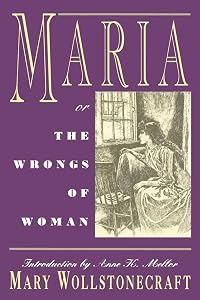
Maria: or, The Wrongs of Woman
by Mary Wollstonecraft
On This Page
Description
Her story of a woman incarcerated in a madhouse by her abusive husband dramatizes the effect of the English marriage laws, which made women virtually the property of their husbands.Tags
Recommendations


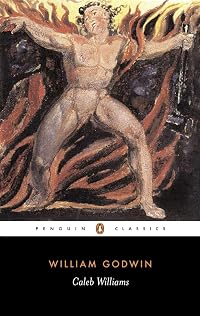
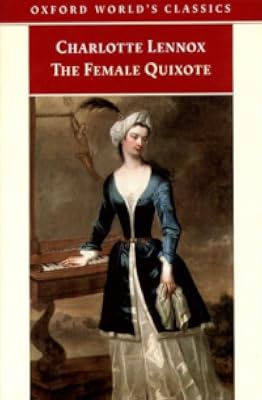
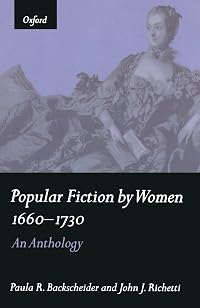
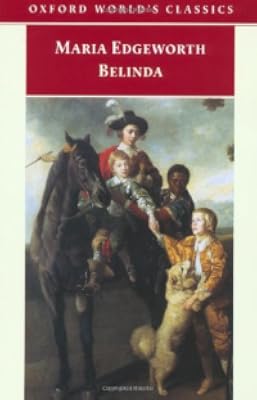










Member Reviews
I think this book starts quite fantastically: Maria is in an asylum, but you don't quite know why. It seems as though she's being watched, observed by some malignant force she can't quite see. She falls into a routine there because she has to; there is no alternative. It soon settles down, however, and loses that unknown quantity; eventually, you learn exactly how Maria ended up where she was, which is less enigmatic but just as chilling in its own way. The book is unfinished, but in some ways it is a catalog of all the terrible things that can happen to a woman in the late 18th century. It generally runs a pretty even keel, and I found the way that other stories were woven into Maria's in a number of different fashions fascinating; show more Maria seemingly had a project to acquire as many other women's stories as she can. show less
An unfinished novel by [Mary Wollstonecraft], published posthumously in 1798. It was a work of early feminism. The main character, Maria Venables, is confined in a private madhouse by her cruel and manipulative husband, George Venables, who wants to control her and her inheritance. She forms several relationships while in the madhouse and those are the basis for the book. The book shows the oppression of women by society, law, and mental health facilities. The book ends abruptly, as the author died before it was finished. We never find out Maria's fate.
This book is tagged gothic, but I really didn't see the traditional gothic elements. I went to AI to ask it to identify and this is AI's response: ....".the book is considered gothic, show more although not in a traditional way. The scary house is replaced by the scary mental institution. Like many gothic characters, Maria is declared mad by a male figure, to strip her of her power, the "villain." The novel includes intense emotional suffering, dreams, memories, and reflections—hallmarks of the Gothic novels...."
So, I'm going to count it as a non-traditional gothic read! 102 pages show less
This book is tagged gothic, but I really didn't see the traditional gothic elements. I went to AI to ask it to identify and this is AI's response: ....".the book is considered gothic, show more although not in a traditional way. The scary house is replaced by the scary mental institution. Like many gothic characters, Maria is declared mad by a male figure, to strip her of her power, the "villain." The novel includes intense emotional suffering, dreams, memories, and reflections—hallmarks of the Gothic novels...."
So, I'm going to count it as a non-traditional gothic read! 102 pages show less
Short and sweet, Wollstonecraft makes expert use of the tropes of sentimentality to tug on the reader's sympathy.
Ratings
Members
- Recently Added By
Lists

Out of Copyright
244 works; 14 members

1790s
6 works; 1 member

Blackwell's Five Foot Bookshelf
72 works; 4 members

Books Read in 2022
5,226 works; 115 members

Novels featuring Mothers
64 works; 8 members
Author Information

51+ Works 7,931 Members
Mary Wollstonecraft was born in London on April 27, 1759. She opened a school in Newington Green with her sister Eliza and a friend Fanny Blood in 1784. Her experiences lead her to attack traditional teaching methods and suggested new topics of study in Thoughts on the Education of Girls. In 1792, she published A Vindication of the Rights of show more Woman, in which she attacked the educational restrictions that kept women ignorant and dependant on men as well as describing marriage as legal prostitution. In Maria or the Wrongs of Woman, published unfinished in 1798, she asserted that women had strong sexual desires and that it was degrading and immoral to pretend otherwise. In 1793, Wollstonecraft became involved with American writer Gilbert Imlay and had a daughter named Fanny. After this relationship ended, she married William Godwin in March 1797 and had a daughter named Mary in August. Wollstonecraft died from complications following childbirth on September 10, 1797. Her daughter Mary later married Percy Bysshe Shelley and wrote Frankenstein. (Bowker Author Biography) show less
Awards and Honors
Notable Lists
Series
Belongs to Publisher Series
Work Relationships
Is contained in
Common Knowledge
- Original title
- Maria, or the Wrongs of Woman
- Alternate titles
- The Wrongs of Woman
- Disambiguation notice
- Mary (full title: Mary: A Fiction) and Maria, or the Wrongs of Woman (often abbreviated simply The Wrongs of Woman to avoid confusion with the former) are completely different books. The Oxford Wor... (show all)ld's Classics edition contains both books, whereas this edition should contain only Maria, or the Wrongs of Woman. Please do not combine.
Classifications
Statistics
- Members
- 369
- Popularity
- 84,926
- Reviews
- 3
- Rating
- (3.52)
- Languages
- Catalan, English, Spanish
- Media
- Paper, Ebook
- ISBNs
- 32
- ASINs
- 18