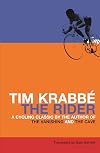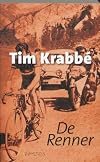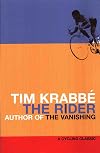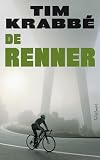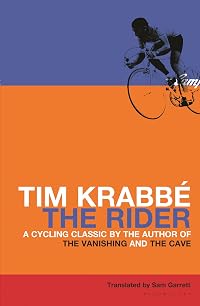
The Rider
by Tim Krabbé
On This Page
Description
The instant cult classic about biking, road racing, and the bicyclists who love their sport.Originally published in Holland in 1978, The Rider went on to sell more than 100,000 copies. Brilliantly conceived and written at a break-neck pace, it is a loving, imaginative, and, above all, passionate tribute to the art of bicycle road racing.
Tim Krabbé begins this story at the very start of the Tour de Mont Aigoual, ready to race his rivals through the mountains of Central France. Over the show more course of the 150 pages that follows, Krabbé takes his bike 150 kilometers, and pulls his readers into the life of the sport he loves.
The Rider is beloved as a bicycle odyssey, a literary masterpiece, and the ultimate book for bike lovers as well as the arm-chair sports enthusiast. show less
Tags
Recommendations













Member Recommendations
Member Reviews
This was The Peregrine all over again except it was about cycling, competition cycling. Throughout the whole of the book you are on that bicycle sweating, pumping, calculating and grinding your way up those hills. To say this book is intense is a complete understatement, it is more like a mind swap. I could feel the rain on my face and feel the spray from the bicycles in front of me every step of the way. Even if, like me, you have no interest in cycling or indeed any other sport, this book should be read just for the sheer concentration and intensity that went into it.
Krabbé is especially good at capturing the mental experience of a bike race (or any grueling ride): the weird interior verbalisations and tics and fantastic reveries the brain concocts to distract itself from bodily suffering. And happily, he avoids allegorising or making this story of a single, four-hour bike race into a series of life-lessons. My ranking of cycling fiction is updated:
1. Curious George Rides a Bike — H. A. Rey
2. The Rider — Tim Krabbé
3. The Wheels of Chance — H. G. Wells
Although if you count The Third Policeman as a cycling story then all those will slide down one spot.
1. Curious George Rides a Bike — H. A. Rey
2. The Rider — Tim Krabbé
3. The Wheels of Chance — H. G. Wells
Although if you count The Third Policeman as a cycling story then all those will slide down one spot.
This is often referred to as the classic book about cycle racing, although no-one seems to be quite sure whether to describe it as a memoir, a novella, or a piece of journalism. On the surface it's simply a first-person account of a tough road race in the Cevennes in 1977 where Krabbé took part: although better known as a journalist and chess player, he was also a keen amateur racer in his day.
It's a very literary kind of work. This is not a raw report of the race, but a carefully constructed analysis of what is going on in the rider's mind as we go through all the various elements of road racing: preparation, riding in the péloton, climbing, descent, making a démarrage, riding in a breakaway group, the sprint, the post-mortem. The show more course of the race is used to illustrate tactics, the way different personalities ride, the effects of weather and fatigue, and so on.
Krabbé points out that the only rider whose pain he has ever experienced is Tim Krabbé: he's trying to get beyond that, to generalise and relativise his subjective experience and make it accessible to the reader. One way he does that is by punctuating the narrative with anecdotes from cycling history and from his own experience, as well as with passages in which he describes dreams and imagined meetings with great cyclists.
Cyclists clearly like this book, but I think this is also a book about sport that works for people who aren't particularly interested in sport as a subject. A bit like "The loneliness of the long-distance runner" - Krabbé doesn't reduce this extreme sport to a metaphor for something else, but he does connect it to human experience in a way that perhaps doesn't explain it, but does give us a bit of insight into why someone would do something as crazy as entering a 150km race over four cols. show less
It's a very literary kind of work. This is not a raw report of the race, but a carefully constructed analysis of what is going on in the rider's mind as we go through all the various elements of road racing: preparation, riding in the péloton, climbing, descent, making a démarrage, riding in a breakaway group, the sprint, the post-mortem. The show more course of the race is used to illustrate tactics, the way different personalities ride, the effects of weather and fatigue, and so on.
Krabbé points out that the only rider whose pain he has ever experienced is Tim Krabbé: he's trying to get beyond that, to generalise and relativise his subjective experience and make it accessible to the reader. One way he does that is by punctuating the narrative with anecdotes from cycling history and from his own experience, as well as with passages in which he describes dreams and imagined meetings with great cyclists.
Cyclists clearly like this book, but I think this is also a book about sport that works for people who aren't particularly interested in sport as a subject. A bit like "The loneliness of the long-distance runner" - Krabbé doesn't reduce this extreme sport to a metaphor for something else, but he does connect it to human experience in a way that perhaps doesn't explain it, but does give us a bit of insight into why someone would do something as crazy as entering a 150km race over four cols. show less
A fantastic, dense, fast paced first-person account of riding the 137 km Tour de Mont Aigoual bike race. At the start Tim Krabbe glances at the tourists and locals watching and thinks, 'Non-racers. The emptiness of those lives shocks me.' The kilometres of the race roll and are described as riders make a break or get left behind. Tim Krabbe is in the leading break and is hoping to win. The tension increases as I turned each page. Occasionally the narrative leaves the race to describe previous races or tell us about cycle racing heroes, we are in Tim Krabbe's head as his thoughts wander through his own short racing history and the longer history of the sport. As the race goes on and he becomes more tired his thoughts make less sense and show more we enter a dream world for a time. The reader is taken to the depths of despair with a poor descent and a puncture and to the highs when all is going well and another rider is left behind. The drive and the selfishness of a racing cyclist is displayed as well as the frustrations of a cyclists who refuses to take his turn at the front of a break, a 'wheel sucker'. Towards the end he writes, 'At any given moment, every human being has at his disposal a brief, intense death struggle that doesn't hurt and which lasts twelve seconds. That's the animal sprint. Of all the things that prevent the rider from achieving the speed of light during those twelve seconds, pain is not one.' If you have ever watched a cycle race and tried to guess what is going on in the rider's minds as they sit in the peloton or make a break for the lead then this book will answer all those questions. It is well written and a brilliant read. The adrenaline and pain, the joyous victories and the despair of losing, the loyalty and the competitiveness are all here. show less
W.a.t. e.e.n. b.o.e.k!
Heerlijk. Van de eerste tot de laatste letter heb ik genoten, gesmuld en gulzig meegekoerst door de literaire autobiografische wielerklassieker die Krabbé 5 maanden voor mijn geboorte publiceerde.
In 'De renner' beschrijft Tim Krabbé zijn deelname aan de Ronde van Mont Aigoual in juni 1977, een 137km lange koers met verschillende beklimmingen en de 309de koers waar Krabbé aan deelneemt.
"De Ronde van Monta Aigoual is de mooiste en de zwaarste koers van het seizoen"
Krabbé beschrijft minutieus de koers van km tot km, waar hij zich in de koers bevindt, wat er gebeurt, hoe hij zich voelt of welke gedachtes hij heeft. Je kan als lezer niet anders dan meeleven in het koersverloop en vol spanning mee naar de finish show more lezen.
Wanneer Krabbé zijn gedachtes deelt, steek je als lezer best wel wat op over hoe er gekoerst wordt en wat de geplogenheden tijdens zo'n wedstrijd zijn. Maar ook over wat afzien is, wat motiveren is, waar Krabbé wel of niet op de fiets wil zitten.
Daarnaast krijg je anekdotes en verhalen mee over de grootste koersen of legendarische wielrenners, want
"het is een misverstand dat je het aan de werkelijkheid zou kunnen overlaten zichzelf te vertellen. (...) De werkelijkheid mist de kern van de zaak; om een duidelijk beeld te geven heeft de werkelijkheid een hulpmiddel nodig, de anekdote."
Laat je niet vangen door het thema of wat een beperkte verhaallijn lijkt: De Renner is een literair pareltje an sich. Natuurlijk is het allemaal veel mooier, grootser en indrukwekkender als je van koers, fietsen of wielrennen houdt, maar lezenswaardig is het sowieso. Meeslepend en vol inhoud. Straf. Heel straf. Echt waar. show less
Heerlijk. Van de eerste tot de laatste letter heb ik genoten, gesmuld en gulzig meegekoerst door de literaire autobiografische wielerklassieker die Krabbé 5 maanden voor mijn geboorte publiceerde.
In 'De renner' beschrijft Tim Krabbé zijn deelname aan de Ronde van Mont Aigoual in juni 1977, een 137km lange koers met verschillende beklimmingen en de 309de koers waar Krabbé aan deelneemt.
"De Ronde van Monta Aigoual is de mooiste en de zwaarste koers van het seizoen"
Krabbé beschrijft minutieus de koers van km tot km, waar hij zich in de koers bevindt, wat er gebeurt, hoe hij zich voelt of welke gedachtes hij heeft. Je kan als lezer niet anders dan meeleven in het koersverloop en vol spanning mee naar de finish show more lezen.
Wanneer Krabbé zijn gedachtes deelt, steek je als lezer best wel wat op over hoe er gekoerst wordt en wat de geplogenheden tijdens zo'n wedstrijd zijn. Maar ook over wat afzien is, wat motiveren is, waar Krabbé wel of niet op de fiets wil zitten.
Daarnaast krijg je anekdotes en verhalen mee over de grootste koersen of legendarische wielrenners, want
"het is een misverstand dat je het aan de werkelijkheid zou kunnen overlaten zichzelf te vertellen. (...) De werkelijkheid mist de kern van de zaak; om een duidelijk beeld te geven heeft de werkelijkheid een hulpmiddel nodig, de anekdote."
Laat je niet vangen door het thema of wat een beperkte verhaallijn lijkt: De Renner is een literair pareltje an sich. Natuurlijk is het allemaal veel mooier, grootser en indrukwekkender als je van koers, fietsen of wielrennen houdt, maar lezenswaardig is het sowieso. Meeslepend en vol inhoud. Straf. Heel straf. Echt waar. show less
You don't even need to like cycling to find this novella constantly interesting and nail biting (quite literally in my case) description of one mans amateur endurance race. I usually prefer watching paint dry to the Tour de France but I couldn't put this book down for anything.
Tim Krabbe uses the superb device of breaking the race, and it's description, into kilometres, swathes of flat country pass by in a flash but crawling up mountains slows to mere metres and then to millometeres as he fights for his position. Although don't be put of it's not a mere description, we ride with Krabbe, in his head; his thoughts and feelings, his constant planning, his reminisemces, his hatred of losing, his psychological dismissal of competitors, his show more wildy meandering sudden thoughts. It all builds a vivid picture, one that seems to play out in real time, you can almost feel the mental and phsyical toll, taste his sheer force of will to win.
Of course it helps that Krabbe doesn't come accross as a single minded, arrogant sportsman. He is a funny, engaging and dryly passionate author that writes prose that is so tight a crow bar couldnt find purchase. He pacing is masterful he knows when to break away to tell an amusing remenencse of his early sporting encounters, drop in a fact or two and then back in to the race.
I cannot recommended it enough, if you want something different, quick and forceful go get a copy right now. I for one am going to track down the rest of the books forthwith. show less
Tim Krabbe uses the superb device of breaking the race, and it's description, into kilometres, swathes of flat country pass by in a flash but crawling up mountains slows to mere metres and then to millometeres as he fights for his position. Although don't be put of it's not a mere description, we ride with Krabbe, in his head; his thoughts and feelings, his constant planning, his reminisemces, his hatred of losing, his psychological dismissal of competitors, his show more wildy meandering sudden thoughts. It all builds a vivid picture, one that seems to play out in real time, you can almost feel the mental and phsyical toll, taste his sheer force of will to win.
Of course it helps that Krabbe doesn't come accross as a single minded, arrogant sportsman. He is a funny, engaging and dryly passionate author that writes prose that is so tight a crow bar couldnt find purchase. He pacing is masterful he knows when to break away to tell an amusing remenencse of his early sporting encounters, drop in a fact or two and then back in to the race.
I cannot recommended it enough, if you want something different, quick and forceful go get a copy right now. I for one am going to track down the rest of the books forthwith. show less
Very good book written by a journalist who was a professional cyclist - i.e., a jock who knows how to write. Great insight into the mind of a young man during a bike race. If you've ridden enough to be really tired or raced - even on foot - far enough to wonder why you do it, you will recognize some of your thoughts on paper. Only ~150 pages. Hard to put down.
Members
- Recently Added By
Lists

Best cycling books (novels and narrative non-fiction)
15 works; 2 members

Books Read in 2016
4,666 works; 197 members

Really Good Narrative Non-Fiction
65 works; 24 members

Sports Journalism and Biography
40 works; 1 member
Author Information

43+ Works 2,959 Members
Tim Krabbe is the author of The Golden Egg, which was made into the award-winning film The Vanishing. The Cave was a bestseller in the Netherlands and has been adapted for a film that will be released in November 2000. He lives in Amsterdam. (Bowker Author Biography)
Some Editions
Awards and Honors
Awards
Notable Lists
Series
Belongs to Publisher Series
Penta basics (95B05)
Common Knowledge
- Canonical title*
- De renner
- Original title
- De renner
- Original publication date
- 1978
- People/Characters*
- Tim Krabbé
- Important places*
- Mont Aigoual, Cevennen, Frankrijk
- First words
- "Warm, bewolkt weer. Ik pak mijn spullen uit de auto en zet mijn fiets in elkaar. Vanaf terrasjes kijken toeristen en inwoners toe. Niet-wielrenners. De leegheid van die levens schokt me."
English:
"Hot and overcas... (show all)t. I take my gear out of the car and put my bike together. Tourists and locals are watching from sidewalk cafes. Non-racers. The emptiness of those lives shocks me." - Original language*
- Nederlands
*Some information comes from Common Knowledge in other languages. Click "Edit" for more information.
Classifications
Statistics
- Members
- 653
- Popularity
- 44,217
- Reviews
- 29
- Rating
- (4.00)
- Languages
- 9 — Dutch, English, Finnish, German, Italian, Norwegian (Bokmål), Norwegian, Spanish, Swedish
- Media
- Paper, Audiobook, Ebook
- ISBNs
- 32
- ASINs
- 6