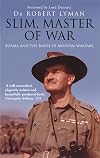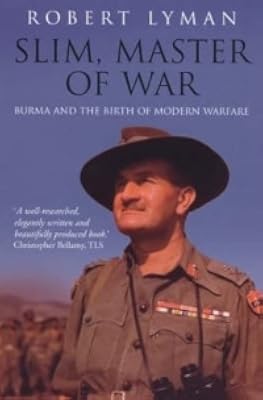
Slim, Master of War
by Robert Lyman
On This Page
Description
'Elegantly written and beautifully produced' TLS How 'Uncle Bill' won the war in Burma Defeated and demoralised, British units in the Far East had virtually been ejected from Burma when, in 1943, General W. J. Slim organised, trained and then deployed his famous 'forgotten' 14th Army to devastating effect, defeating the Japanese twice and liberating Burma in the process. One of the most innovative soldiers of his generation, Slim's 'smart' style of soldiering was startling in its modernity - show more and with it he achieved something no one believed possible. An intelligent, compassionate commander, the unconventional Slim was also a heroic figure to the men he commanded - known affectionately to the ranks as 'Uncle Bill'. This biography tells the fascinating story of how he brought victory out of defeat; Lyman now gives him his rightful place, alongside Patton and Guderian, in the pantheon of eminent and unorthodox Second World War commanders. show lessTags
Recommendations


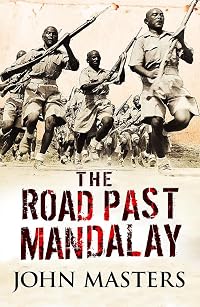
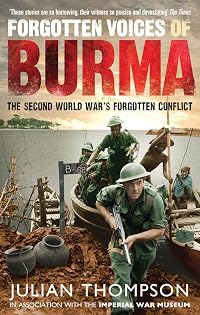

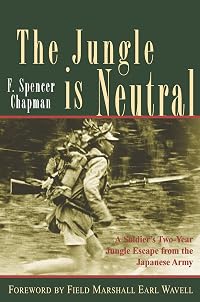

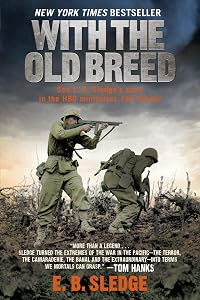








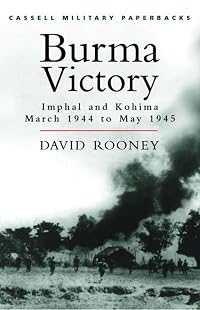
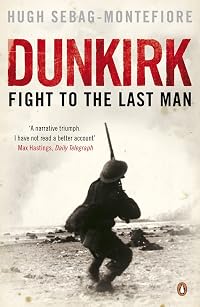

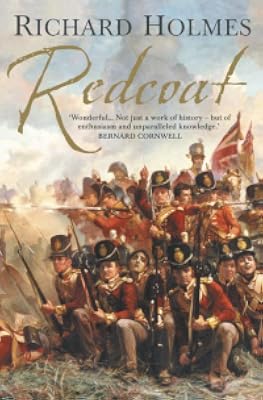
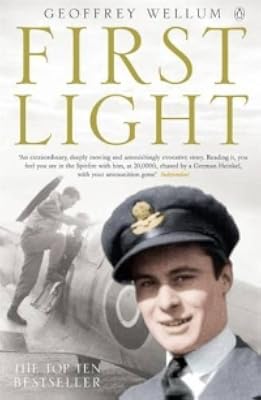

Member Recommendations
Member Reviews
Field Marshal William Slim is one of the greatest field commanders of World War II, and Major Robert Lyman makes the case that he was one of the world’s greatest field commanders – period.
Almost no one in India knows of the Burma Campaign (1942-45). We are familiar with Rommel, D-Day, and other battles of World War II, but we are unaware of the great fighting and drama that unfolded in our own backyard. I learned of the dramatic events in northeast India and Burma only when I read a book about Orde Wingate. Even that book did not mention Field Marshal Slim, except in a passing reference.
This book by Major Robert Lyman is a military biography and focuses only on Slim’s role during the conflicts of 1942-45. The Japanese forces show more decimated the British army with their unorthodox approach, reducing the British morale to zero.
Field Marshal Slim stepped in to turn the situation around, and the book clearly shows that he did not have an easy time with his superiors, all of whom favored a traditional approach to war.
This book does ample justice to Field Marshal Slim, describing his leadership style, the unconventional military tactics he employed to achieve success, and his enduring legacy. While Major Lyman wrote of Field Marshal Slim’s legacy in military strategy, I feel he missed a valuable opportunity to explore Slim’s legacy in detail.
The book is fascinating, showing how battles are often lost and fought. The book is also a case study in leadership and military strategy, demonstrating how you can turn defeat and hopelessness into victory.
Major Lyman casts Mountbatten in a favorable light, which surprised me: I have never had a reasonable opinion of Mountbatten.
There are leadership lessons in how Wavell often issued unrealistic commands, possibly because the pressure on him from England was too great.
In summary, the serious student of the war in Burma and India’s North East, and for those who study leadership and military strategy must read and study this book. show less
Almost no one in India knows of the Burma Campaign (1942-45). We are familiar with Rommel, D-Day, and other battles of World War II, but we are unaware of the great fighting and drama that unfolded in our own backyard. I learned of the dramatic events in northeast India and Burma only when I read a book about Orde Wingate. Even that book did not mention Field Marshal Slim, except in a passing reference.
This book by Major Robert Lyman is a military biography and focuses only on Slim’s role during the conflicts of 1942-45. The Japanese forces show more decimated the British army with their unorthodox approach, reducing the British morale to zero.
Field Marshal Slim stepped in to turn the situation around, and the book clearly shows that he did not have an easy time with his superiors, all of whom favored a traditional approach to war.
This book does ample justice to Field Marshal Slim, describing his leadership style, the unconventional military tactics he employed to achieve success, and his enduring legacy. While Major Lyman wrote of Field Marshal Slim’s legacy in military strategy, I feel he missed a valuable opportunity to explore Slim’s legacy in detail.
The book is fascinating, showing how battles are often lost and fought. The book is also a case study in leadership and military strategy, demonstrating how you can turn defeat and hopelessness into victory.
Major Lyman casts Mountbatten in a favorable light, which surprised me: I have never had a reasonable opinion of Mountbatten.
There are leadership lessons in how Wavell often issued unrealistic commands, possibly because the pressure on him from England was too great.
In summary, the serious student of the war in Burma and India’s North East, and for those who study leadership and military strategy must read and study this book. show less
Location : NWS
Ratings
Members
- Recently Added By
Author Information
18 Works 716 Members
Common Knowledge
- People/Characters
- William Slim, 1st Viscount Slim; Louis Mountbatten Earl Mountbatten of Burma
- Important places
- Burma
- Important events
- World War II (1939 | 1945); World War II, Pacific Theater (1941-12-07 | 1945-09-02); Burma Campaign (1942 | 1945)
Classifications
- Genres
- History, Nonfiction, Biography & Memoir, General Nonfiction
- DDC/MDS
- 940.5425092 — History & geography History of Europe History of Europe 1918- Military history of World War II Campaigns and battles by theatre East and South Asian theaters
- LCC
- DA69.3 .S55 .L96 — History of Europe, Asia, Africa and Oceania Great Britain History of Great Britain England History Political, military, naval, and Air Force history.
- BISAC
Statistics
- Members
- 79
- Popularity
- 402,972
- Reviews
- 2
- Rating
- (4.21)
- Languages
- English
- Media
- Paper, Ebook
- ISBNs
- 4
- ASINs
- 3