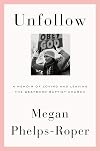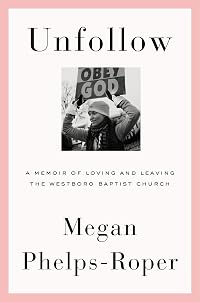
Unfollow: A Journey from Hatred to Hope, Leaving the Westboro Baptist Church
by Megan Phelps-Roper
On This Page
Description
The activist and TED speaker Megan Phelps-Roper reveals her life growing up in the most hated family in AmericaAt the age of five, Megan Phelps-Roper began protesting homosexuality and other alleged vices alongside fellow members of the Westboro Baptist Church in Topeka, Kansas. Founded by her grandfather and consisting almost entirely of her extended family, the tiny group would gain worldwide notoriety for its pickets at military funerals and celebrations of death and tragedy. As show more Phelps-Roper grew up, she saw that church members were close companions and accomplished debaters, applying the logic of predestination and the language of the King James Bible to everyday life with aplomb—which, as the church's Twitter spokeswoman, she learned to do with great skill. Soon, however, dialogue on Twitter caused her to begin doubting the church's leaders and message: If humans were sinful and fallible, how could the church itself be so confident about its beliefs? As she digitally jousted with critics, she started to wonder if sometimes they had a point—and then she began exchanging messages with a man who would help change her life.
A gripping memoir of escaping extremism and falling in love, Unfollow relates Phelps-Roper's moral awakening, her departure from the church, and how she exchanged the absolutes she grew up with for new forms of warmth and community. Rich with suspense and thoughtful reflection, Phelps-Roper's life story exposes the dangers of black-and-white thinking and the need for true humility in a time of angry polarization.
. show less
Tags
Recommendations

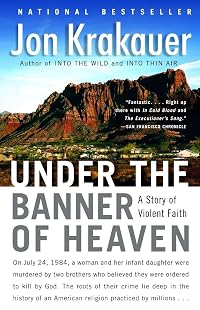
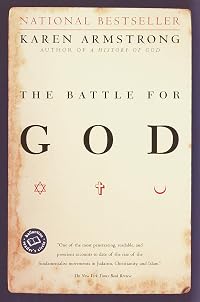
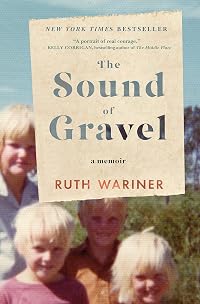
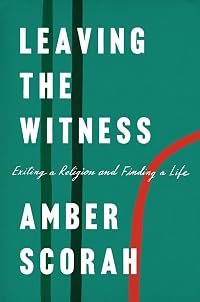
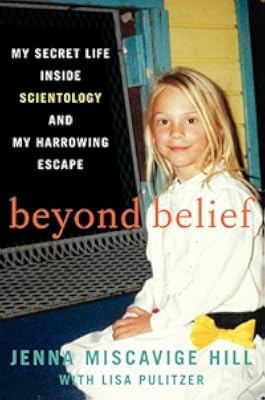

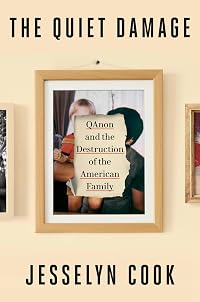

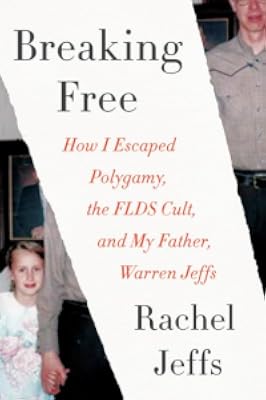


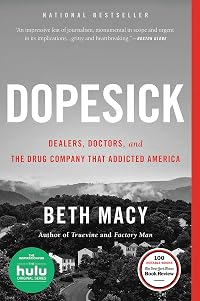

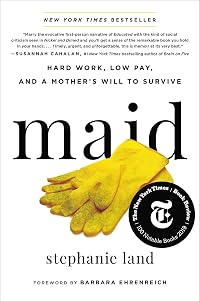
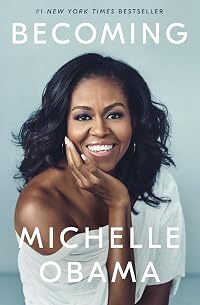

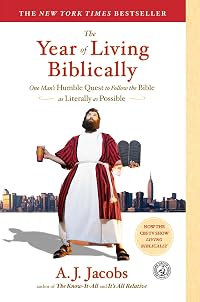
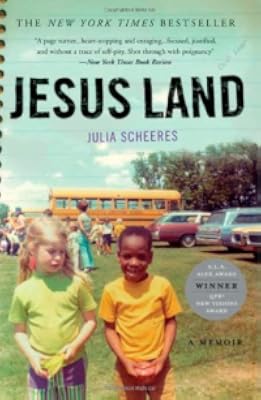
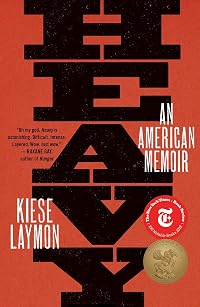

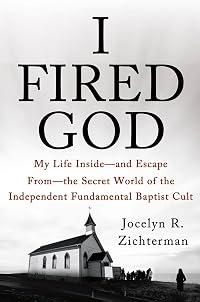
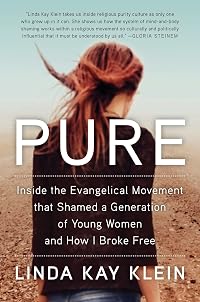
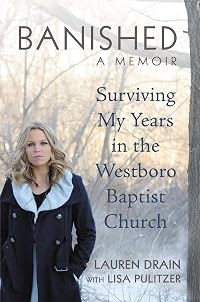


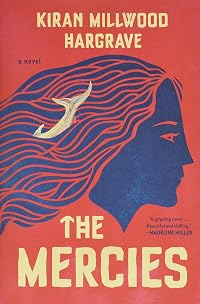
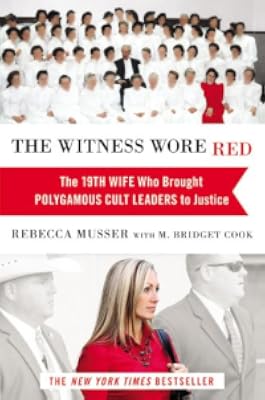

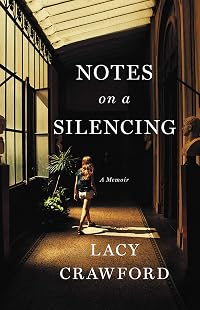

Member Recommendations

bjappleg8 Both books describe in intimate detail the supreme effort required to break free of fundamentalist beliefs and the pain of being cast out of their close-knit families as a result.
20
Member Reviews
Rating: 5 out of 5
As far as a discussion of the merits of the writing of this book goes, it is well worth reading. Unfollow equals, if not excels, Educated, in this regard. To compare the actual contents of these two books would be a more-or-less an apples to oranges situation, but they do repeat several of the same themes.
Megan Phelps-Roper’s story is an especially compelling one for persons such as myself, having left a cultlike family, so this ‘review’ will have a few elements less on the merits of Unfollow and more a discussion of some things that show more stood out to me.
If you’re worried about reading this book because of Megan Phelps-Roper’s (MPR) creation of The Witch Trials of J.K. Rowling podcast, you have to understand that MPR operates from a position in which speech and the airing of opinions led to her leaving her family’s cult. Central to her leaving Westboro were respectful conversations on social media, especially Twitter. She writes:
Fundamentalist Christianity in the United States is a widespread phenomenon, (as a whole Fundamentalism is well outside the scope of this Goodreads rant) the Westboro Baptist Church is one of the more prominent, infamous, and controversial, sects in petri dish. MPR is the granddaughter of Westboro’s major founding figure. This book can be roughly and imprecisely hewn into two parts, the first third or so being mostly an exploration and exposition of Westboro’s dogma and its expressions. The latter two-thirds focus much more heavily on MPR’s personal experience and path towards leaving the church. The first portion is very well written, but dryer and less compelling, just don’t think the entire book maintains that same tone.
Once we get into the latter two-thirds, MPR’s story is revealed. It is very moving with nary a note of self-pity to be found. She details the way that her family’s psychology and programming put up defenses around their theology and activism, the entrenched us vs. them ideology that pervaded every aspect of social life, and of the chillingly Orwellian way that her family and the church rewrote both general and personal histories to prop up their teachings.
MPR discusses the role that doubt played in her leaving, as well as how it developed.
One thing that stood out to me about MPR’s story was how brave and cognizant she was when preparing to make the leap outside Westboro. She meticulously and strategically documents her family life, wanting to preserve each good memory, thought, and scene, to preserve them from the rewrite that will come once she leaves. This is something that I personally did not have the courage too. In discussing our methods of leaving our families’ cults, a friend and I, agreed that we just closed our eyes and ran, the consequences being too painful for us to sort through. It is only now, with years of hindsight and distance from those experiences, that my friend and I are able to start working through what happened. Not so with MPR. She and her sister, Grace, work through the entire thing, attempting to work out all the kinks ahead of time. While reading their plans, their anxiety and emotional investment are palpable (and commendable). Despite their efforts, the process of leaving is messing. It culminates in a very moving scene:
The book then delves into MPR and Grace’s life after Westboro, being an excellent narrative of deconstruction coupled with insight and winsomeness.
I highly recommend this book, speaking from an objective perspective (at least partially), rather than a personal, this book portrays American Fundamentalisms nasty side in a way that will leave the reader more empowered to understand, and thus, effectively engage with, a large minority of Americans. show less
“My daily existence was a living testimony against the slanders hurled at my family, and made it easy to dismiss the accusers as liars who could not be trusted in any context”
As far as a discussion of the merits of the writing of this book goes, it is well worth reading. Unfollow equals, if not excels, Educated, in this regard. To compare the actual contents of these two books would be a more-or-less an apples to oranges situation, but they do repeat several of the same themes.
Megan Phelps-Roper’s story is an especially compelling one for persons such as myself, having left a cultlike family, so this ‘review’ will have a few elements less on the merits of Unfollow and more a discussion of some things that show more stood out to me.
If you’re worried about reading this book because of Megan Phelps-Roper’s (MPR) creation of The Witch Trials of J.K. Rowling podcast, you have to understand that MPR operates from a position in which speech and the airing of opinions led to her leaving her family’s cult. Central to her leaving Westboro were respectful conversations on social media, especially Twitter. She writes:
“Instead of booting me from the platform (Twitter) for “hate speech,” as many had demanded, it had put me in conversation with people and ideas that effectively challenged beliefs that had been hammered into me since I was a child—and that conversation had been far more illuminating than decades’ worth of rage, isolation, and efforts to shame and silence.”
Fundamentalist Christianity in the United States is a widespread phenomenon, (as a whole Fundamentalism is well outside the scope of this Goodreads rant) the Westboro Baptist Church is one of the more prominent, infamous, and controversial, sects in petri dish. MPR is the granddaughter of Westboro’s major founding figure. This book can be roughly and imprecisely hewn into two parts, the first third or so being mostly an exploration and exposition of Westboro’s dogma and its expressions. The latter two-thirds focus much more heavily on MPR’s personal experience and path towards leaving the church. The first portion is very well written, but dryer and less compelling, just don’t think the entire book maintains that same tone.
Once we get into the latter two-thirds, MPR’s story is revealed. It is very moving with nary a note of self-pity to be found. She details the way that her family’s psychology and programming put up defenses around their theology and activism, the entrenched us vs. them ideology that pervaded every aspect of social life, and of the chillingly Orwellian way that her family and the church rewrote both general and personal histories to prop up their teachings.
MPR discusses the role that doubt played in her leaving, as well as how it developed.
“As long as I stayed and did what I was told—as long as I believed—everything would turn out okay.”While its easy for us on the outside to see the obvious and self-perpetuating fallacy in the above line, the stakes are so much higher when doubt is what will undermine not only your entire social life (entirely consumed in your family and its church) but also send your soul to the realm of eternal torment.
One thing that stood out to me about MPR’s story was how brave and cognizant she was when preparing to make the leap outside Westboro. She meticulously and strategically documents her family life, wanting to preserve each good memory, thought, and scene, to preserve them from the rewrite that will come once she leaves. This is something that I personally did not have the courage too. In discussing our methods of leaving our families’ cults, a friend and I, agreed that we just closed our eyes and ran, the consequences being too painful for us to sort through. It is only now, with years of hindsight and distance from those experiences, that my friend and I are able to start working through what happened. Not so with MPR. She and her sister, Grace, work through the entire thing, attempting to work out all the kinks ahead of time. While reading their plans, their anxiety and emotional investment are palpable (and commendable). Despite their efforts, the process of leaving is messing. It culminates in a very moving scene:
It was time for final hugs.
Dad first.
“Well, we’re not gonna be doing this for a while.” He didn’t mean it unkindly.
And then Mom.
“Goodbye, doll.”
I was shaking.
I don’t remember if I said anything. I just held them tight for as long as they let me. Grace and I turned to cross the yard to the van.
“Girls?” Mom called out.
We turned.
“You can always come back.”
Her hope broke me more than her tears.
The book then delves into MPR and Grace’s life after Westboro, being an excellent narrative of deconstruction coupled with insight and winsomeness.
I highly recommend this book, speaking from an objective perspective (at least partially), rather than a personal, this book portrays American Fundamentalisms nasty side in a way that will leave the reader more empowered to understand, and thus, effectively engage with, a large minority of Americans. show less
I've read a number of books following people becoming disenchanted with their religion and quitting. This is SUPERB and very well-considered and reasoned.
I had seen Louis Theroux' documentary on the "most hated family" in America- the controversial Phelps famly of Westboro, Kansas, much given to picketing funerals with messages of God's hatred of...apparently most of humanity.
Megan, 26 year old daughter and granddaughter of commited church members, and a leading light in their activities, begins questioning the inconsistencies and unscriptural foundation of their doctrines.
Eventually breaking away (and thus ending all permitted contact with her very close family), she recalls the past- much of it very positive- and forges new show more friendships as she leaves behind the controlled, childlike world of the church...
Interestingly, two of the people who offer her friendship are a couple of Jehovahs Witnessses (who themelves abandon their religion a bit later).
I thought the author's comment on any controlling movement were very well written:
"The church's radical, recalcitrant position is the result of very common, very human, forces - everything from fear, family, guilt and shame, to cognitive dissonance and confirmation bias. These are forces whose power affects us all, consciously and subconsciously, to one degree or another at every stage of our lives. And when these forces are coupled with group dynamics and a belief system that caters to so many of our most basic needs as human beings- a sense of meaning, of identity, of purpose, of reward, of goodness, of community - they provide group members with an astonishing level of motivation to cohere and conform, no matter the cost.
Others with stories like mine have shown me repeatedly that the root of Westboro's ideology - the idea that our beliefs were "THE one true way"- is not by any means limited to Westboro members....It gives a comforting sense of certainty, freeing the believer from existential angst and providing a sense of stability- a foundation on which to build a life. But the costs of that certainty can be enormous and difficult to identify. Ultimately the same quality that makes Westboro so easy to dismiss- its extremism- is also what helps highlight the destructive nature of viewing the world in black and whire, the danger of becoming calcified in a position and impervious to change." show less
I had seen Louis Theroux' documentary on the "most hated family" in America- the controversial Phelps famly of Westboro, Kansas, much given to picketing funerals with messages of God's hatred of...apparently most of humanity.
Megan, 26 year old daughter and granddaughter of commited church members, and a leading light in their activities, begins questioning the inconsistencies and unscriptural foundation of their doctrines.
Eventually breaking away (and thus ending all permitted contact with her very close family), she recalls the past- much of it very positive- and forges new show more friendships as she leaves behind the controlled, childlike world of the church...
Interestingly, two of the people who offer her friendship are a couple of Jehovahs Witnessses (who themelves abandon their religion a bit later).
I thought the author's comment on any controlling movement were very well written:
"The church's radical, recalcitrant position is the result of very common, very human, forces - everything from fear, family, guilt and shame, to cognitive dissonance and confirmation bias. These are forces whose power affects us all, consciously and subconsciously, to one degree or another at every stage of our lives. And when these forces are coupled with group dynamics and a belief system that caters to so many of our most basic needs as human beings- a sense of meaning, of identity, of purpose, of reward, of goodness, of community - they provide group members with an astonishing level of motivation to cohere and conform, no matter the cost.
Others with stories like mine have shown me repeatedly that the root of Westboro's ideology - the idea that our beliefs were "THE one true way"- is not by any means limited to Westboro members....It gives a comforting sense of certainty, freeing the believer from existential angst and providing a sense of stability- a foundation on which to build a life. But the costs of that certainty can be enormous and difficult to identify. Ultimately the same quality that makes Westboro so easy to dismiss- its extremism- is also what helps highlight the destructive nature of viewing the world in black and whire, the danger of becoming calcified in a position and impervious to change." show less
Megan Phelps-Roper was raised in the Westboro Baptist Church, one of the most vitriolic Christian sects in the U.S. Since the 1980s the "church" has picketed and broadcast hateful and harmful speech and Phelps-Roper, founder Fred Phelps' granddaughter, had been participating since she was old enough to hold up a sign, convinced that she and her family were the only moral ones, and the rest of the world was wrong. It was only in her mid-20s that her worldview began to crack and she began to see the hypocrisy through the façade.
Although Phelps-Roper does a pretty good job describing the rationale and stories the church told itself and its members to justify why they were correct in their extreme beliefs, to the point where it is show more understandable that as a child she would have been fully indoctrinated without it even occurring to her to question authority, it is still really difficult to sympathize with the utter cruelty she willfully participated in as a full-grown adult. I'm glad she did the brave thing and got out, and I'd be curious to learn how she has further evolved in her thinking and as a person in the six years following the book's publication. The themes in this book of extremism, intolerance, hatred and oppression are especially timely as I write this in February 2025. show less
Although Phelps-Roper does a pretty good job describing the rationale and stories the church told itself and its members to justify why they were correct in their extreme beliefs, to the point where it is show more understandable that as a child she would have been fully indoctrinated without it even occurring to her to question authority, it is still really difficult to sympathize with the utter cruelty she willfully participated in as a full-grown adult. I'm glad she did the brave thing and got out, and I'd be curious to learn how she has further evolved in her thinking and as a person in the six years following the book's publication. The themes in this book of extremism, intolerance, hatred and oppression are especially timely as I write this in February 2025. show less
As granddaughter of the pastor and founder of Westboro Baptist church, Megan Phelps-Roper grew up in a warm and loving extended family . . . who went out every day to picket various functions and organizations, hurling invective and carrying signs that the vast majority of people find extraordinarily offensive. As she grows from a teen to a young adult, Phelps-Roper becomes her mother's right hand in her work with the organization, and one of the most prominent social media voices in Westboro. However, as the church leadership shifts, she starts questioning everything she's ever been taught. A secret online conversation with a kind, patient lawyer makes her wonder: what if she were to leave?
I found this hard reading, especially some of show more the descriptions of the abhorrent things done and said by Westboro members, and Phelps-Roper herself prior to leaving the church. It also felt like Westboro was reading an entirely different Bible from the one I grew up reading. I feel that Phelps-Roper does a good job of showing the brainwashing that takes place, as well as her complicated feelings of affection for her family, even as she becomes convinced that what they are doing is wrong. As someone who converted from an Evangelical denomination to the Eastern Orthodox Church in college, I could sympathize with some of Phelps-Roper's experiences, though mine were in every way more gentle. I would have liked to see a little bit more about the romance between Phelps-Roper and the lawyer, whom she eventually marries -- I'll admit, the age difference between them squicks me out just a little -- and a little bit more of her life after Westboro. Still, a great read, especially if (like me) you've ever wondered how a group that's purportedly "Christian" could spew such hatred. show less
I found this hard reading, especially some of show more the descriptions of the abhorrent things done and said by Westboro members, and Phelps-Roper herself prior to leaving the church. It also felt like Westboro was reading an entirely different Bible from the one I grew up reading. I feel that Phelps-Roper does a good job of showing the brainwashing that takes place, as well as her complicated feelings of affection for her family, even as she becomes convinced that what they are doing is wrong. As someone who converted from an Evangelical denomination to the Eastern Orthodox Church in college, I could sympathize with some of Phelps-Roper's experiences, though mine were in every way more gentle. I would have liked to see a little bit more about the romance between Phelps-Roper and the lawyer, whom she eventually marries -- I'll admit, the age difference between them squicks me out just a little -- and a little bit more of her life after Westboro. Still, a great read, especially if (like me) you've ever wondered how a group that's purportedly "Christian" could spew such hatred. show less
In a brave baring of her soul, Megan Phelps-Roper tells of growing up in the Westboro Baptist Church, and how the people she loved and depended on held her to abusive standards in the name of obedience. Through twitter, over the course of many years, conversations with polite, curious strangers on the internet slowly reshaped Megan's worldview. She still struggles to leave, afraid the world will condemn her for the hurt that her actions have caused over the years, but she tries her best to take accountability and move forward honestly and with grace, and is received with open arms by many of the people she once protested, now lifelong friends. I think this is such an important read if you want to understand how we can support and show more encourage people to leave abusive situations; not with judgement and hate, but with love and patience. show less
... that open discourse and dialectic is the most effective enabler of the evolution of individuals and societies. That the answer to bad ideas is to publicly reason against them. To advocate for and propagate better ones. And that it is dangerous to vest any central authority with broad powers to limit the bounds of acceptable discussion. Because these powers lend themselves to authoritarian abuse, the creation of echo chambers, and the marginalisation of ideas that are true but unpopular. In short, the principles underlying the freedom of speech recognise that all of us are susceptible to cognitive deficiencies and groupthink.
I first heard about the Westboro Baptist Church when the documentary by Louis Theroux first aired: BBC's The show more Most Hated Family in America. The group is probably most famous for picketing funerals of soldiers and their homophobic signs. Megan's story follows her mounting disillusionment with the group, questions she had as a child that went unanswered, and her growing role in the church even as she wondered about the rights and wrongs of it all. Eventually she becomes the most well-known spokesperson for the group and runs the online social media platforms. It's there that she starts to engage with others' perspectives and eventually changes her own. She starts to see the damage hatred and unkindness can do.
It is disconcerting - shamefully, unimaginably so - to look back and accept that my fellow church members and I were collectively engaging in the most egregious display of logical blindness that I have ever witnessed.
I have great sympathy for those born into cults. It's utterly heartbreaking. Her memories about the abuse she and her siblings suffered is gut-wrenching. More than once I cried listening to her story. Little moments really stand out: she admits that she didn't know what her signs meant when she first held them; the letter she signed and sent to a newspaper as a child was actually written by her aunt.
That she broke free at all is commendable, but to see how far she's come is just brilliant. Also, her Twitter pic now reads GOD LOVES GAYS. What a wonderful, wonderful turn around. :') show less
I first heard about the Westboro Baptist Church when the documentary by Louis Theroux first aired: BBC's The show more Most Hated Family in America. The group is probably most famous for picketing funerals of soldiers and their homophobic signs. Megan's story follows her mounting disillusionment with the group, questions she had as a child that went unanswered, and her growing role in the church even as she wondered about the rights and wrongs of it all. Eventually she becomes the most well-known spokesperson for the group and runs the online social media platforms. It's there that she starts to engage with others' perspectives and eventually changes her own. She starts to see the damage hatred and unkindness can do.
It is disconcerting - shamefully, unimaginably so - to look back and accept that my fellow church members and I were collectively engaging in the most egregious display of logical blindness that I have ever witnessed.
I have great sympathy for those born into cults. It's utterly heartbreaking. Her memories about the abuse she and her siblings suffered is gut-wrenching. More than once I cried listening to her story. Little moments really stand out: she admits that she didn't know what her signs meant when she first held them; the letter she signed and sent to a newspaper as a child was actually written by her aunt.
That she broke free at all is commendable, but to see how far she's come is just brilliant. Also, her Twitter pic now reads GOD LOVES GAYS. What a wonderful, wonderful turn around. :') show less
"Doubt was nothing more than epistemological humility: a deep and practical awareness that outside our sphere of knowledge there existed information and experiences that might show our position to be in error. Doubt causes us to hold a strong position a bit more loosely, such that an acknowledgment of ignorance or error doesn't crush our sense of self or leave us totally unmoored if our position proves untenable. Certainty is the opposite: it hampers inquiry and hinders growth. It teaches us to ignore evidence that contradicts our ideas, and encourages us to defend our position at all costs, even as it reveals itself as indefensible. Certainty sees compromise as weak, hypocritical, evil, suppressing empathy and allowing us to justify show more inflicting horrible pain on others." p. 273-4
"But the truth is that the church's radical, recalcitrant position is the result of very common, very human forces—everything from fear, family, guilt, and shame, to cognitive dissonance and confirmation bias. These are forces whose power affects us all, consciously and subconsciously, to one degree or another at every stage of our lives. And when these forces are coupled with group dynamics and a belief system that caters to so many of our most basic needs as human beings—a sense of meaning, of identity, of purpose, of reward, of goodness, of community—they provide group members with an astonishing level of motivation to cohere and conform, no matter the cost.
"Others with stories like mine have shown me repeatedly that the root of Westboro's ideology—the idea that our beliefs were "the one true way"—is not by any means limited to Westboro members. In truth, that idea is common, widespread, and on display everywhere humans gather, from religious circles to political ones. It gives a comforting sense of certainty, freeing the believer from existential angst and providing a sense of stability—a foundation on which to build a life. But the costs of that certainty can be enormous and difficult to identify. Ultimately, the same quality that makes Westboro so easy to dismiss—its extremism—is also what helps highlight the destructive nature of viewing the world in black and white, the danger of becoming calcified in a position and impervious to change. " p. 275-6
"Though their ideologies manifested in vastly different ways, it was fundamentalist religious groups, from Jehovah's Witnesses to members of the Islamic State, that first permitted me to recognize the patterns of my upbringing. But as I watch the human tribal instinct play out in the era of Donald Trump, the echoes of Westboro are undeniable: the division of the world into Us and Them; the vilification of compromise; the knee-jerk expulsion of insiders who violate group orthodoxy; and the demonization of outsiders and the inability to substantively engage with their ideas, because we simply cannot step outside of our own. In this environment, there is a growing insistence that opposing views must be silenced, whether by the powers of government, the self-regulation of social media companies, or the self-censorship of individuals. At the heart of this insistence lie several false assumptions, including a sentiment that Westboro members would readily recognize: We have nothing to learn from these People. This sentiment was troubling to witness even among our tiny fringe movement, and I was relieved to abandon it when I left the church—but watching it spread among a vast and growing populace has been altogether more alarming, filling me with a growing sense of unease." p. 276
"Although private companies like Twitter and Facebook are clearly free to set the terms of use for their platforms, the principles enshrined in the First Amendment are no less relevant to social media than they are in public spaces: that open discourse and dialectic is the most effective enabler of the evolution of individuals and societies. That the answer to bad ideas is to publicly reason against them, to advocate for and propagate better ones. And that it is dangerous to vest any central authority with broad powers to limit the bounds of acceptable discussion—because these powers lend themselves to authoritarian abuse, the creation of echo chambers, and the marginalization of ideas that are true but unpopular. In short, the principles underlying the freedom of speech recognize that all of us are susceptible to cognitive deficiencies and groupthink, and that an open marketplace of ideas is our best defense against them. And though my life's trajectory has led me to strongly believe in these principles, I continue to actively seek out, examine, and seriously consider the arguments of those who oppose them. To my mind, this is the essence of epistemological humility—not a lack of belief or principle or faith, not the refusal to take a position or the abdication of responsibility to stand against injustice, but a constant examination of one's worldview, a commitment to honestly grappling with criticisms of it." p. 277 show less
"But the truth is that the church's radical, recalcitrant position is the result of very common, very human forces—everything from fear, family, guilt, and shame, to cognitive dissonance and confirmation bias. These are forces whose power affects us all, consciously and subconsciously, to one degree or another at every stage of our lives. And when these forces are coupled with group dynamics and a belief system that caters to so many of our most basic needs as human beings—a sense of meaning, of identity, of purpose, of reward, of goodness, of community—they provide group members with an astonishing level of motivation to cohere and conform, no matter the cost.
"Others with stories like mine have shown me repeatedly that the root of Westboro's ideology—the idea that our beliefs were "the one true way"—is not by any means limited to Westboro members. In truth, that idea is common, widespread, and on display everywhere humans gather, from religious circles to political ones. It gives a comforting sense of certainty, freeing the believer from existential angst and providing a sense of stability—a foundation on which to build a life. But the costs of that certainty can be enormous and difficult to identify. Ultimately, the same quality that makes Westboro so easy to dismiss—its extremism—is also what helps highlight the destructive nature of viewing the world in black and white, the danger of becoming calcified in a position and impervious to change. " p. 275-6
"Though their ideologies manifested in vastly different ways, it was fundamentalist religious groups, from Jehovah's Witnesses to members of the Islamic State, that first permitted me to recognize the patterns of my upbringing. But as I watch the human tribal instinct play out in the era of Donald Trump, the echoes of Westboro are undeniable: the division of the world into Us and Them; the vilification of compromise; the knee-jerk expulsion of insiders who violate group orthodoxy; and the demonization of outsiders and the inability to substantively engage with their ideas, because we simply cannot step outside of our own. In this environment, there is a growing insistence that opposing views must be silenced, whether by the powers of government, the self-regulation of social media companies, or the self-censorship of individuals. At the heart of this insistence lie several false assumptions, including a sentiment that Westboro members would readily recognize: We have nothing to learn from these People. This sentiment was troubling to witness even among our tiny fringe movement, and I was relieved to abandon it when I left the church—but watching it spread among a vast and growing populace has been altogether more alarming, filling me with a growing sense of unease." p. 276
"Although private companies like Twitter and Facebook are clearly free to set the terms of use for their platforms, the principles enshrined in the First Amendment are no less relevant to social media than they are in public spaces: that open discourse and dialectic is the most effective enabler of the evolution of individuals and societies. That the answer to bad ideas is to publicly reason against them, to advocate for and propagate better ones. And that it is dangerous to vest any central authority with broad powers to limit the bounds of acceptable discussion—because these powers lend themselves to authoritarian abuse, the creation of echo chambers, and the marginalization of ideas that are true but unpopular. In short, the principles underlying the freedom of speech recognize that all of us are susceptible to cognitive deficiencies and groupthink, and that an open marketplace of ideas is our best defense against them. And though my life's trajectory has led me to strongly believe in these principles, I continue to actively seek out, examine, and seriously consider the arguments of those who oppose them. To my mind, this is the essence of epistemological humility—not a lack of belief or principle or faith, not the refusal to take a position or the abdication of responsibility to stand against injustice, but a constant examination of one's worldview, a commitment to honestly grappling with criticisms of it." p. 277 show less
Members
- Recently Added By
Lists

Top Five Books of 2019
5 works; 1 member

Top Five Books of 2019
387 works; 111 members

Books Read in 2020
4,379 works; 124 members

BookTok Adult
115 works; 2 members

Books Read in 2022
5,168 works; 114 members

Real Good Religion
32 works; 1 member
Author Information

2 Works 506 Members
Common Knowledge
- Canonical title
- Unfollow: A Journey from Hatred to Hope, Leaving the Westboro Baptist Church
- Alternate titles
- Unfollow : a memoir of loving and leaving extremism
- Original publication date
- 2019-10-03
- People/Characters
- Megan Phelps-Roper; David Abitbol; Steve Drain; Chad Garrett Fjelland; Dustin Floyd; Laura Floyd (show all 30); Keith Newbury; Dortha Phelps; Fred Phelps; Jael Phelps; Libby Phelps; Margaret Phelps; Mark Phelps; Nathan Phelps; Grace Phelps-Roper; Isiah Phelps-Roper; Jennifer Phelps-Roper; Joshua Phelps-Roper; Luke Phelps-Roper; Rebekah Phelps-Roper; Sam Phelps-Roper; Shirley Phelps-Roper; Zachary Phelps-Roper; Brent D. Roper; Margie Simms; Louis Theroux; Brother Alt; Cora [in Unfollow]; Justin [in Unfollow]; Lindsey [in Unfollow]
- Important places
- Topeka, Kansas, USA; Deadwood, South Dakota, USA
- Epigraph
- Reserving judgments is a matter of infinite hope.
—F. Scott Fitzgerald, The Great Gatsby - Dedication
- To my beloved parents, Shirley and Brent, whose tenderness fills my memories. I left the church, but never you—and never will. I am humbled to be your daughter.
- First words
- I didn't understand what was going on, not at first.
- Last words
- (Click to show. Warning: May contain spoilers.)I'll just have to find another way.
- Publisher's editor
- Star, Alex
- Blurbers
- Anderson, Chris; Harris, Sam; Hornby, Nick; Theroux, Louis; Ronson, Jon; Silverman, Sarah
- Original language
- English
- Canonical DDC/MDS
- 286.5
Classifications
- Genres
- Biography & Memoir, Religion & Spirituality, General Nonfiction, Nonfiction
- DDC/MDS
- 286.5 — Religion Christian denominations Baptist, Restoration movement, Adventist churches Other baptist sects
- LCC
- BX6495 .P475 .A3 — Philosophy, Psychology and Religion Christian Denominations Christian Denominations Protestantism Other Protestant denominations Baptists Biography
- BISAC
Statistics
- Members
- 505
- Popularity
- 59,600
- Reviews
- 21
- Rating
- (4.10)
- Languages
- English
- Media
- Paper, Audiobook, Ebook
- ISBNs
- 9
- ASINs
- 4