As We Are Now
by May Sarton
On This Page
Description
A powerful and beautiful novella of one woman, consigned to a dreary retirement home, who wages a defiant battle against the dulling forces around her After seventy-six-year-old Caro Spencer suffers a heart attack, her family sends her to a private retirement home to wait out the rest of her days. Her memory growing fuzzy, Caro decides to keep a journal to document the daily goings-on-her feelings of confinement and boredom; her distrust of the home's owner, Harriet Hatfield, and her show more daughter, Rose; her pity for the more incapacitated residents; her resentment of her brother, John, for leaving her alone. The journal entries describe not only her frustrations, but also small moments of beauty-found in a welcome visit from her minister, or in watching a bird in the garden. But as she writes, Caro grows increasingly sensitive to the casual atrocities of retirement-home life. Even as she acknowledges her mind is beginning to fail, she is determined to fight back against the injustices fois... show lessTags
Recommendations



















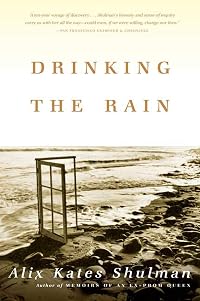
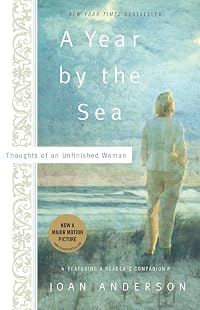

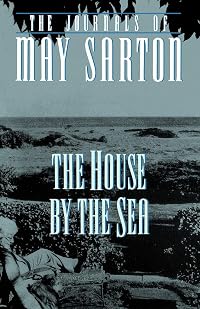
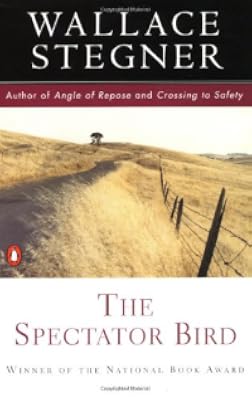




Member Recommendations
Member Reviews
A searing look at the hopelessness of despair, loneliness and old age, May Sarton's As We Are Now is a powerful study of a woman's resolve to relinquish herself by any means possible from the depths of the anger and anguish she feels from her surroundings. Told through the journals of Caro Spencer who has moved into a "home," not due to a lack of mental strength but of a physical frailty that leaves her unable to live alone. She keeps the journals at first as a record of her days as she fears she is losing her memory, but later the journals become a record of the mistreatment that she and the other "inmates" must endure at the hands of the two women who run the home. Told over the course of several months, this is the story of one show more woman's battle against age and the carelessness that the elderly can be treated with.
It's a powerful book, told quickly and to the point, and there are times that you forget you are reading a novel and feel like you are being given a first-hand account of a woman's battle against her keepers. I found myself feeling hopeless as there should be something that I could do to help ease her suffering, but then I would need to remind myself that this is a novel. One of Sarton's more powerful works. show less
It's a powerful book, told quickly and to the point, and there are times that you forget you are reading a novel and feel like you are being given a first-hand account of a woman's battle against her keepers. I found myself feeling hopeless as there should be something that I could do to help ease her suffering, but then I would need to remind myself that this is a novel. One of Sarton's more powerful works. show less
If Anne Frank's diary was the story of a young girl, then May Sarton's AS WE ARE NOW (first published in 1973) is the story of an old woman - and one not really so very old at that. And Sarton's story of Caroline Spencer, a single 76 year-old former school teacher, was even purposely designed for the reader to draw comparisons between nursing homes and concentration camps, between modern society's 'warehousing' of old people and the Holocaust. The opening page sets the tone:
"I am not mad, only old ... I am in a concentration camp for the old, a place where people dump their parents or relatives exactly as though it were an ash can."
Caroline Spencer - "Caro" - is a woman in full possession of her faculties when her brother and his wife show more place her in "Twin Elms," a private nursing home, run down and not very clean, a place which harkens back to the county poor farms of the twenties and thirties. It is run by Harriet and her daughter Rose, both overweight unhappy harridans who, in their treatment of Caro and the several old men residents, are living proof that absolute power corrupts and breeds cruelty and evil. AS WE ARE NOW is the journal that Caro keeps during her stay there as she slips slowly but surely into hopelessness and despair, with only a few bright spots in visits by a minister and his daughter and a brief respite offered when another woman, a kind farm wife, comes to take care of her while Harriet is on vacation. Caro makes only one friend in the place, a defiant, dying old man, Standish Flint, who refuses his medicine, stops eating, and yet manages, against the odds, to maintain some of his dignity, angrily noting more than once, "I didn't think it would end like this." It is a flat statement that should give us all pause, since, barring sudden death, we are all headed to this frightening country of the old.
Caro's journal also gives us glimpses back into her life; how she never married, but loved teaching, fine things and learning, had a lover in England before the war - the kinds of fond memories and regrets we all have.
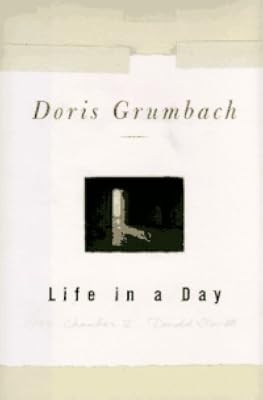
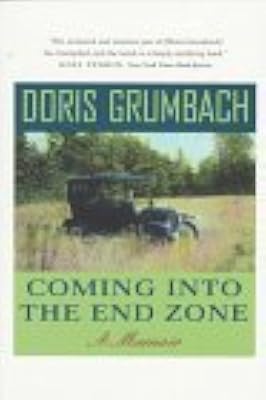
AS WE ARE NOW is not the sort of book I would normally seek out and read, but my own mother died at the age of 96 just three months ago and she is still very much on my mind. Indeed she will probably always be. Recently I read another book, Canadian Margaret Laurence's THE STONE ANGEL, also about growing old, which led to this book by Sarton. Ironically, I remembered too that Sarton was a correspondent and Maine neighbor of yet another author who wrote about aging and death, Doris Grumbach (COMING INTO THE END ZONE and EXTRA INNINGS). Everything is so very connected, you know. One particular phrase in Sarton's book affected me deeply, when Caro, reflecting back on her life, all those memories, says: "Who but me remembers? It's all melting away ... like snow ... a whole lifetime ... nothing."
I find these days that there are so many questions I wish I had asked my mother. Too late. All gone, a whole lifetime. Nothing.
This is a beautifully written book. But it is also unbearably sad, making it very difficult to read. Its views on old people and how they can be - and often are - treated are frighteningly, brutally honest. Caro Spencer's story will teach you, among other things, that it takes guts, grace and imagination to grow old gracefully, if indeed that is possible at all. show less
"I am not mad, only old ... I am in a concentration camp for the old, a place where people dump their parents or relatives exactly as though it were an ash can."
Caroline Spencer - "Caro" - is a woman in full possession of her faculties when her brother and his wife show more place her in "Twin Elms," a private nursing home, run down and not very clean, a place which harkens back to the county poor farms of the twenties and thirties. It is run by Harriet and her daughter Rose, both overweight unhappy harridans who, in their treatment of Caro and the several old men residents, are living proof that absolute power corrupts and breeds cruelty and evil. AS WE ARE NOW is the journal that Caro keeps during her stay there as she slips slowly but surely into hopelessness and despair, with only a few bright spots in visits by a minister and his daughter and a brief respite offered when another woman, a kind farm wife, comes to take care of her while Harriet is on vacation. Caro makes only one friend in the place, a defiant, dying old man, Standish Flint, who refuses his medicine, stops eating, and yet manages, against the odds, to maintain some of his dignity, angrily noting more than once, "I didn't think it would end like this." It is a flat statement that should give us all pause, since, barring sudden death, we are all headed to this frightening country of the old.
Caro's journal also gives us glimpses back into her life; how she never married, but loved teaching, fine things and learning, had a lover in England before the war - the kinds of fond memories and regrets we all have.
AS WE ARE NOW is not the sort of book I would normally seek out and read, but my own mother died at the age of 96 just three months ago and she is still very much on my mind. Indeed she will probably always be. Recently I read another book, Canadian Margaret Laurence's THE STONE ANGEL, also about growing old, which led to this book by Sarton. Ironically, I remembered too that Sarton was a correspondent and Maine neighbor of yet another author who wrote about aging and death, Doris Grumbach (COMING INTO THE END ZONE and EXTRA INNINGS). Everything is so very connected, you know. One particular phrase in Sarton's book affected me deeply, when Caro, reflecting back on her life, all those memories, says: "Who but me remembers? It's all melting away ... like snow ... a whole lifetime ... nothing."
I find these days that there are so many questions I wish I had asked my mother. Too late. All gone, a whole lifetime. Nothing.
This is a beautifully written book. But it is also unbearably sad, making it very difficult to read. Its views on old people and how they can be - and often are - treated are frighteningly, brutally honest. Caro Spencer's story will teach you, among other things, that it takes guts, grace and imagination to grow old gracefully, if indeed that is possible at all. show less
As We Are Now is a portrait of old age set in a small home for the aged run by two uncaring women. False-fronted to visiting families, they despise their new charge, Caro, 76, for she is more educated than they, and not afraid to say what she thinks. Her life becomes one of small harassments and a fear of not being believed. Caro journals her thoughts, the daily events, and her memories, to try to keep her mind alert.
”I am forcing myself to get everything clear in my mind by writing it down so I know where I am at. There is no reality now except what I can sustain inside me. My memory is failing.”
I chose this book for a gentle read on the thoughts of an aging person. Although the story is entirely the thoughts of an elderly lady, show more it was anything but gentle. It was a hard-edged, hopeless story; I did not like that. Yet, that IS this story. And this story was well told, its characters real, its darkness felt, and the powerlessness of old age palpable.
”Losing one’s memory is terribly disorienting. The danger is to lose track altogether and begin to be whirled about on time like a leaf in the eddy of a brook – then you begin to wonder what is real and what is not, and where you are, and how long you have been there. And finally it is frightening because I can see that what happens next is a growing distrust of everyone and everything. How can I tell truth from falsehood if I can’t remember anything?” show less
”I am forcing myself to get everything clear in my mind by writing it down so I know where I am at. There is no reality now except what I can sustain inside me. My memory is failing.”
I chose this book for a gentle read on the thoughts of an aging person. Although the story is entirely the thoughts of an elderly lady, show more it was anything but gentle. It was a hard-edged, hopeless story; I did not like that. Yet, that IS this story. And this story was well told, its characters real, its darkness felt, and the powerlessness of old age palpable.
”Losing one’s memory is terribly disorienting. The danger is to lose track altogether and begin to be whirled about on time like a leaf in the eddy of a brook – then you begin to wonder what is real and what is not, and where you are, and how long you have been there. And finally it is frightening because I can see that what happens next is a growing distrust of everyone and everything. How can I tell truth from falsehood if I can’t remember anything?” show less
This was my first experience with May Sarton, and I was fully impressed with her writing. Her main character, Caroline Spencer, is a heart-breaking gem. I wanted to take her into my home, like Evelyn with Mrs. Threadgoode in Fried Green Tomatoes at the Whistlestop Cafe. As We Are Now is written in the form of a journal kept by a woman consigned to a "home" after a heart attack makes her unable to live alone any longer. Initially, she keeps the journal to fight her fear of losing her memory and her mind in what she refers to as a "concentration camp for the old". This is no institution, but a large house run by two women; Miss Spencer is the only female "guest" among a number of mainly somnolent men.
From the beginning she cautions show more herself against hope, "the most dangerous emotion", but nevertheless strives to maintain her sense of self in a terminally dehumanizing situation.
It took some courage to finish the book, because very little good stuff happens, and how it will all end is fairly clear about half way through. But I am very glad I read it, and I think everyone should. We all have aging relatives, and we all will be old one day if we live long enough. An emotionally difficult subject, artfully handled. show less
From the beginning she cautions show more herself against hope, "the most dangerous emotion", but nevertheless strives to maintain her sense of self in a terminally dehumanizing situation.
It took some courage to finish the book, because very little good stuff happens, and how it will all end is fairly clear about half way through. But I am very glad I read it, and I think everyone should. We all have aging relatives, and we all will be old one day if we live long enough. An emotionally difficult subject, artfully handled. show less
***NO SPOILERS***
So many literary- and realistic fictions are on the same themes (e.g., domestic problems; coming-of-age), so I appreciate that author May Sarton did something totally different: told a simple story from the point of view of an elderly woman in a nursing home. The only other book I've read written from this viewpoint is the fantastic [b:Water for Elephants|43641|Water for Elephants|Sara Gruen|https://i.gr-assets.com/images/S/compressed.photo.goodreads.com/books/1494428973l/43641._SY75_.jpg|3441236], and it's one of the many things that makes that book great.
As We Are Now, however, doesn't have the sweep of Water for Elephants. Seventy-six-year-old Caro Spencer relates her experience after her 80-year-old brother, John, show more dumps her in a nursing home. As is to be expected, it's a depressing existence, not helped by the fact that Caro is essentially waiting to die; she'll never get out. Obviously, the book will depress many readers; however, many others may feel as I did: that As We Are Now is a kind of meditation on aging and eventual death.
I was impressed that Sarton was able to fill out as many pages as she did. Many things do happen; this isn't the boring story it easily could be. Sarton ended with a dramatic twist that doesn't really square with all that came before, or with Caro herself, as headstrong as she is. This is a small flaw, however (and one that may not bother many readers), in a work I consider important, particularly for those living a charmed life. show less
So many literary- and realistic fictions are on the same themes (e.g., domestic problems; coming-of-age), so I appreciate that author May Sarton did something totally different: told a simple story from the point of view of an elderly woman in a nursing home. The only other book I've read written from this viewpoint is the fantastic [b:Water for Elephants|43641|Water for Elephants|Sara Gruen|https://i.gr-assets.com/images/S/compressed.photo.goodreads.com/books/1494428973l/43641._SY75_.jpg|3441236], and it's one of the many things that makes that book great.
As We Are Now, however, doesn't have the sweep of Water for Elephants. Seventy-six-year-old Caro Spencer relates her experience after her 80-year-old brother, John, show more dumps her in a nursing home. As is to be expected, it's a depressing existence, not helped by the fact that Caro is essentially waiting to die; she'll never get out. Obviously, the book will depress many readers; however, many others may feel as I did: that As We Are Now is a kind of meditation on aging and eventual death.
I was impressed that Sarton was able to fill out as many pages as she did. Many things do happen; this isn't the boring story it easily could be. Sarton ended with a dramatic twist that doesn't really square with all that came before, or with Caro herself, as headstrong as she is. This is a small flaw, however (and one that may not bother many readers), in a work I consider important, particularly for those living a charmed life. show less
This is very close to what I would call 5-stars. The only thing missing for me was a deeper understanding of how the main character, Caro, came to feel so oppressed by her environment. It's only a short book - a novella really - and I think it would have greatly benefited from some more (remembered?) background or more details of her treatment in the nursing home. If she was partly "mad" I would have liked to have seen more background to that condition...the earlier signs. My simple reading of the book was, however, that Caro was in fact completely same and it was her environment which forced her into tragic behaviour.
On the other hand, maybe Sarton meant there to be this much ambiguity about Caro's behaviour. Perhaps she is show more deliberately saying to all us readers that regardless of how mad or sane, regardless of how young or old and near to death, everyone deserves to be treated as a full human being with physical, emotional, and intellectual needs.We can never know what's really going on in another person's mind, but maybe it's a good thing to try & find out?...to try to meet the real person, not just a cardboard image which is more convenient to handle.
The next time I visit my mother in her institution I think I will see with different eyes, thanks to May Sarton. show less
On the other hand, maybe Sarton meant there to be this much ambiguity about Caro's behaviour. Perhaps she is show more deliberately saying to all us readers that regardless of how mad or sane, regardless of how young or old and near to death, everyone deserves to be treated as a full human being with physical, emotional, and intellectual needs.We can never know what's really going on in another person's mind, but maybe it's a good thing to try & find out?...to try to meet the real person, not just a cardboard image which is more convenient to handle.
The next time I visit my mother in her institution I think I will see with different eyes, thanks to May Sarton. show less
***NO SPOILERS***
So many literary- and realistic fictions are on the same themes (e.g., domestic strife; coming-of-age), so I appreciate that author May Sarton did something so different: told a simple story from the point of view of a nursing-home resident. The only other book I've read written from this viewpoint is the fantastic [book:Water for Elephants|43641], and it's one of the many things that makes that book easy to like.
As We Are Now, however, doesn't have the sweep of Water for Elephants. Seventy-six-year-old Caro Spencer relates her experience after her eighty-year-old brother, John, dumps her in a nursing home. As is to be expected, it's a depressing existence, not helped by the fact that Caro will never be released so is show more just waiting to die. Obviously the book will depress many readers, but many others may feel as I did: that As We Are Now is a kind of meditation on aging and eventual death.
This story could easily be boring, but Sarton filled the pages with several eventful happenings. A dramatic twist at the end doesn't quite square with all that came before, or with Caro herself, as headstrong as she is. This is a small flaw, though (and one that may not bother many readers), in a work that's important, particularly for those living a privileged, charmed life. show less
So many literary- and realistic fictions are on the same themes (e.g., domestic strife; coming-of-age), so I appreciate that author May Sarton did something so different: told a simple story from the point of view of a nursing-home resident. The only other book I've read written from this viewpoint is the fantastic [book:Water for Elephants|43641], and it's one of the many things that makes that book easy to like.
As We Are Now, however, doesn't have the sweep of Water for Elephants. Seventy-six-year-old Caro Spencer relates her experience after her eighty-year-old brother, John, dumps her in a nursing home. As is to be expected, it's a depressing existence, not helped by the fact that Caro will never be released so is show more just waiting to die. Obviously the book will depress many readers, but many others may feel as I did: that As We Are Now is a kind of meditation on aging and eventual death.
This story could easily be boring, but Sarton filled the pages with several eventful happenings. A dramatic twist at the end doesn't quite square with all that came before, or with Caro herself, as headstrong as she is. This is a small flaw, though (and one that may not bother many readers), in a work that's important, particularly for those living a privileged, charmed life. show less
Members
- Recently Added By
Author Information

102+ Works 8,625 Members
May Sarton (1912-1995) is the author of more than fifty volumes of poetry collections, novels, and memoirs
Common Knowledge
- Canonical title
- As We Are Now
- Original publication date
- 1973
- People/Characters
- Caroline Spencer; Harriet Hatfield; Standish Flint
- Epigraph
- As you are now, so once was I; Prepare for death and follow me. --New England tombstone
- First words
- I am not mad, only old.
- Last words
- (Click to show. Warning: May contain spoilers.)To you who may one day read this, I give them as a testament. Please try to understand.
- Blurbers
- MacLeish, Archibald; Hale, Nancy; L'Engle, Madeleine; Atkinson, Brooks; Douglas, Ellen; Manning, Margaret
Classifications
Statistics
- Members
- 378
- Popularity
- 82,589
- Reviews
- 13
- Rating
- (3.91)
- Languages
- Dutch, English
- Media
- Paper, Audiobook, Ebook
- ISBNs
- 9
- ASINs
- 3