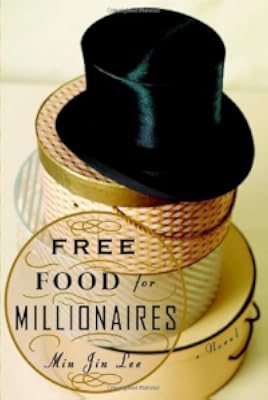
Free Food for Millionaires
by Min Jin Lee
On This Page
Description
In this One Book, One New York 2019 nominee from the author of National Book Award Finalist Pachinko, the Korean-American daughter of first-generation immigrants strives to join Manhattan's inner circle. Meet Casey Han: a strong-willed, Queens-bred daughter of Korean immigrants immersed in a glamorous Manhattan lifestyle she can't afford. Casey is eager to make it on her own, away from the judgements of her parents' tight-knit community, but she soon finds that her Princeton economics degree show more isn't enough to rid her of ever-growing credit card debt and a toxic boyfriend. When a chance encounter with an old friend lands her a new opportunity, she's determined to carve a space for herself in a glittering world of privilege, power, and wealth-but at what cost? Set in a city where millionaires scramble for the free lunches the poor are too proud to accept, this sharp-eyed epic of love, greed, and ambition is a compelling portrait of intergenerational strife, immigrant struggle, and social and economic mobility. Addictively readable, Min Jin Lee's bestselling debut Free Food for Millionaires exposes the intricate layers of a community clinging to its old ways in a city packed with haves and have-nots. show lessTags
Recommendations
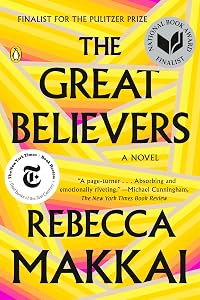
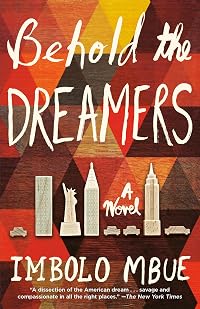
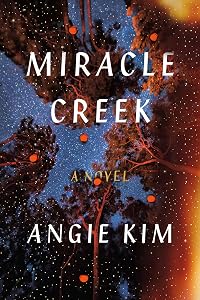
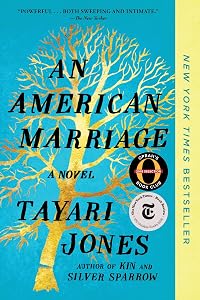
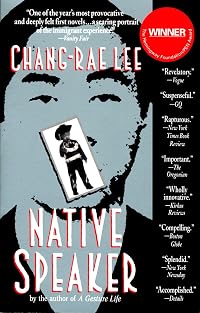
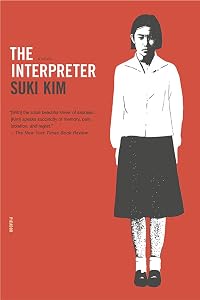
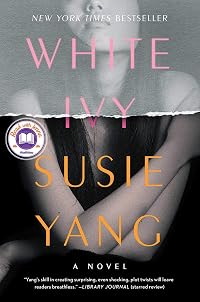
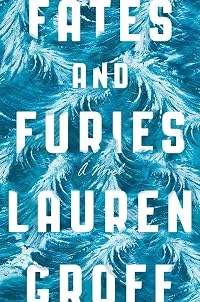
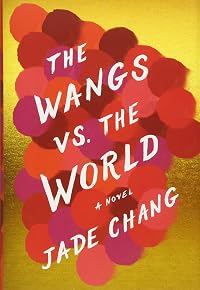
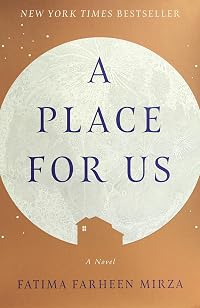
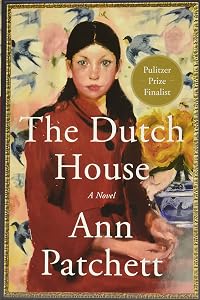
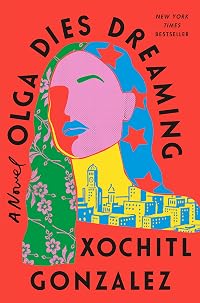
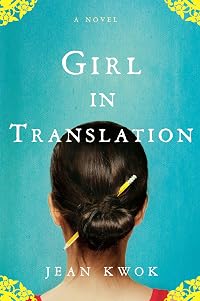
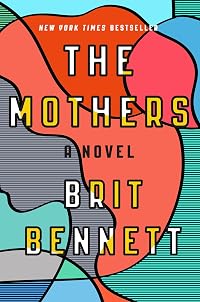
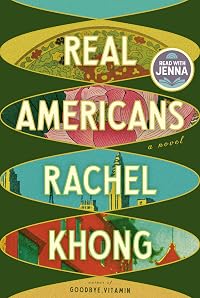

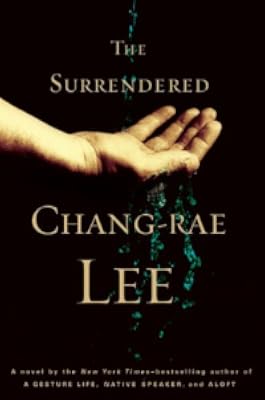
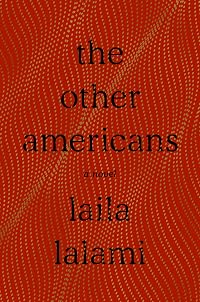
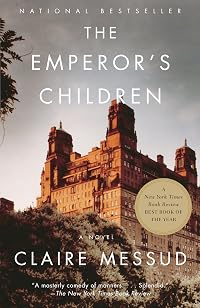
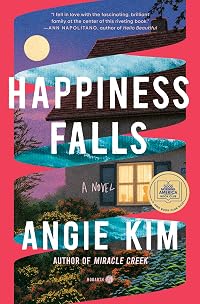
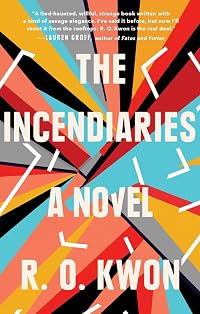
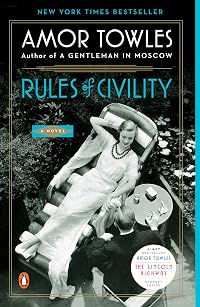
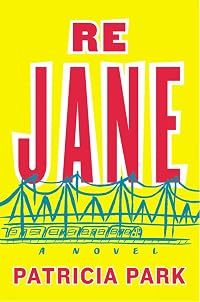
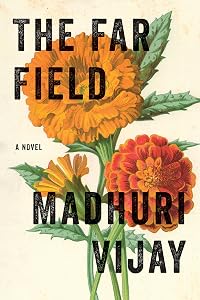
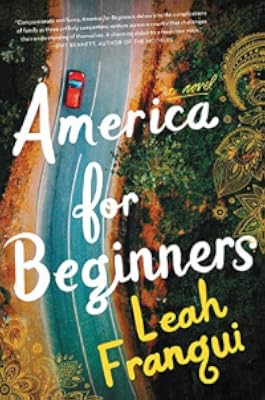
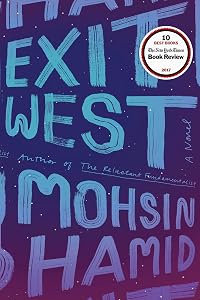
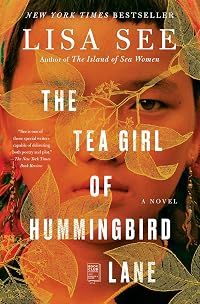
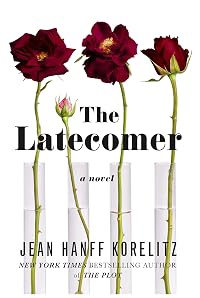
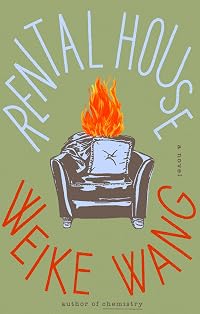


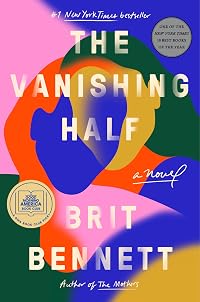
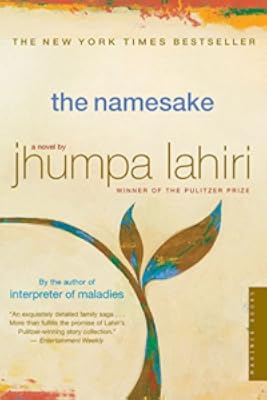
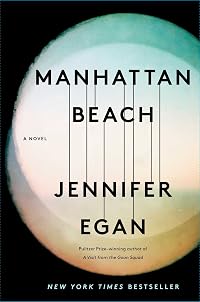
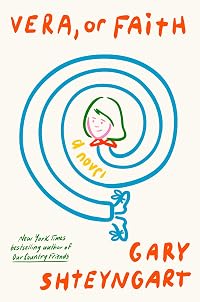
Member Recommendations

Member Reviews
Lee just has a way of getting you so emotionally invested in her characters that it's hard to let go even weeks or months later. I read Pachinko first, which I loved, so I was hoping to expect the same in this. It was different, not as powerful, but still very engaging. Took me some time to get into it, but by the end, I couldn't put the book down.
The main characters in this book are Korean immigrants or first generation immigrants. Each of them brings their own set of problems to this modern story of money, sex, greed, and love. Basically, it is the story of the burdens that immigrants and their children feel to succeed. The main character, Casey Han, is Korean American and is a first generation immigrant. She is well educated and good looking. She has a bright future in the banking world, but her heart lies in fashion design. She is also very proud and doesn't want to accept help from anybody. She has problems finding the right man. Yada, yada, yada.
This is a book that had many good things about it, but in the end it lost its focus. It simply had too many characters and spent show more too much time tracking each one of them. In meticulously chronicling each thought and reason why each character did what they did the author lost focus. It would have been a better book if it had focused on the main characters and let the rabbit trails remain rabbit trails. This would have cut the overall length of the book considerably and tightened the story up making it a more rewarding story for the reader. I found myself wanting to shout through the pages "focus, focus, focus!" and "Where is your editor?"
This book reminded me of An Na's award winning YA book Step From Heaven. That book was a better immigrant story than this one because it had better editing and story telling but covered the same ground as did this book in a much more concise and readable fashion.
This one worked hard to earn three stars. show less
This is a book that had many good things about it, but in the end it lost its focus. It simply had too many characters and spent show more too much time tracking each one of them. In meticulously chronicling each thought and reason why each character did what they did the author lost focus. It would have been a better book if it had focused on the main characters and let the rabbit trails remain rabbit trails. This would have cut the overall length of the book considerably and tightened the story up making it a more rewarding story for the reader. I found myself wanting to shout through the pages "focus, focus, focus!" and "Where is your editor?"
This book reminded me of An Na's award winning YA book Step From Heaven. That book was a better immigrant story than this one because it had better editing and story telling but covered the same ground as did this book in a much more concise and readable fashion.
This one worked hard to earn three stars. show less
I enjoyed this book much more than I expected. It felt like a Victorian novel - long (in a good way), densely populated, with wide scope and strong character development. Almost all of the characters felt real to me; they were rich with contradiction and displayed nuanced emotions. I found Min Jin Lee's exploration of class issues among poor Korean immigrants, Wall Street bankers, and Ivy League graduates (with several of the characters belonging to all three groups) fascinating.
fiction - young Korean-American women and their friends and family experiencing love and various kinds of heartbreaks in 1990s New York City
it didn't take long for me to get hooked in to the complexities of these characters' lives -- I loved that there was so much depth to each of them, beyond their ethnic cultural identity and food, and their stories were fascinating (the millinery details were fun too). Still have not read Pachinko as there is still a long waiting list, but looking forward to that eventually.
it didn't take long for me to get hooked in to the complexities of these characters' lives -- I loved that there was so much depth to each of them, beyond their ethnic cultural identity and food, and their stories were fascinating (the millinery details were fun too). Still have not read Pachinko as there is still a long waiting list, but looking forward to that eventually.
I picked this up because it got a glowing review in the NYT, and because the blurb made it sound like the exact kind of thing I would be interested in: the daughter of poor Korean immigrants, who made it to Princeton and now hopes for a career as an investment banker; the immigrant experience, the intersection of social classes and ethnic groups. Those elements were there, but where I was expecting an in-depth exploration of them, what I got was a melodramatic soap opera—and a poorly written one...more I picked this up because it got a glowing review in the NYT, and because the blurb made it sound like the exact kind of thing I would be interested in: the daughter of poor Korean immigrants, who made it to Princeton and now hopes for a show more career as an investment banker; the immigrant experience, the intersection of social classes and ethnic groups. Those elements were there, but where I was expecting an in-depth exploration of them, what I got was a melodramatic soap opera—and a poorly written one at that.
Warning bells were going off from the very first chapter of the book, where Casey confronts her father and leaves her family's home: it's wildly melodramatic, especially without the set-up to support the drama of the scene; the dialogue is weak; POV switches wildly between very short paragraphs; exposition of the entire lives of all four characters is dumped on us within the opening pages; it's emotionally shallow; and it doesn't live up to its promise, because what I thought would be a major thread in the book (tension between father and daughter) fades quite rapidly. The problems of that first chapter are the failings of the whole book in microcosm.
Lee tries to do interesting things: to show Korean American urban life, the struggles of an agnostic with atheism, what it's like to work on Wall Street, the difficulties of keeping a relationship alive—but her attempts to examine all these things are so half-hearted and lacklustre that they are often dropped within a couple of lines. The book likewise falters to a strange and unsatisfying halt after about seven hundred pages; I blinked at the conclusion and was left with only a bewildered question as to who exactly had edited this mess. show less
Warning bells were going off from the very first chapter of the book, where Casey confronts her father and leaves her family's home: it's wildly melodramatic, especially without the set-up to support the drama of the scene; the dialogue is weak; POV switches wildly between very short paragraphs; exposition of the entire lives of all four characters is dumped on us within the opening pages; it's emotionally shallow; and it doesn't live up to its promise, because what I thought would be a major thread in the book (tension between father and daughter) fades quite rapidly. The problems of that first chapter are the failings of the whole book in microcosm.
Lee tries to do interesting things: to show Korean American urban life, the struggles of an agnostic with atheism, what it's like to work on Wall Street, the difficulties of keeping a relationship alive—but her attempts to examine all these things are so half-hearted and lacklustre that they are often dropped within a couple of lines. The book likewise falters to a strange and unsatisfying halt after about seven hundred pages; I blinked at the conclusion and was left with only a bewildered question as to who exactly had edited this mess. show less
A saga peopled with insecure, wounded, and shoulder-chipped characters. Casey, the protagonist, is aimless, dangerously impulsive and self-destructive and sometimes cruel. Her only sibling, Tina, is the “nice” and obedient daughter. Her parents, operators of a dry cleaners, are the stereotypical hard-working Korean immigrants who expect their children to become doctors and lawyers. Casey's circle of friends, family and their individual circles, a mentor, workmates, add up to roughly 20 individuals whose thoughts and feelings are explored in roving point of view.
Kicked out of the house, without job and focus, Casey’s search for herself emphasizes designer labels, shopping, body image, how much things cost, big name schools, show more business prestige, money, looks, clothes, status. Cigarette-addicted Casey also is conflicted about her Christian faith and growing agnosticism, though this theme doesn't get fleshed out. She does find something solid in understanding how many and how much others care for her, but she seems to remain unchanged. show less
Kicked out of the house, without job and focus, Casey’s search for herself emphasizes designer labels, shopping, body image, how much things cost, big name schools, show more business prestige, money, looks, clothes, status. Cigarette-addicted Casey also is conflicted about her Christian faith and growing agnosticism, though this theme doesn't get fleshed out. She does find something solid in understanding how many and how much others care for her, but she seems to remain unchanged. show less
Having just finished Pachinko, I was looking forward to reading another book by Min Jin Lee. Free Food for Millionaires is not nearly as good as Pachinko but I still enjoyed it. The book tells the story of young adult Korean Americans living in New York and how their world is shaped by tradition, family expectations, class, race and education. Casey Han is a recent Princeton grad and the eldest daughter of Leah and Joseph Han, Korean immigrants who run a dry cleaners in Queens. Smart and capable, Casey is not interested in the fast track, high achieving world that her parents and their friends expect their children to pursue.
Members
- Recently Added By
Author Information

6+ Works 10,886 Members
Min Jin Lee's debut novel, Free Food for Millionaires, was one of the "Top 10 Novels of the Year" for The Times (London), NPR's Fresh Air, and USA Today. Her short fiction has been featured on NPR's Selected Shorts. Her writings have appeared in Nast Traveler, The Times (London), Vogue, Travel+Leisure, Wall Street Journal, New York Times Magazine, show more and Food & Wine. Her essays and literary criticism have been anthologized widely. She served as a columnist for the Chosun Ilbo, the leading paper of South Korea. She lives in New York with her family. show less
Some Editions
Awards and Honors
Distinctions
Notable Lists
Common Knowledge
- Original publication date
- 2007
- Epigraph
- Our crowns have been bought and paid for-all we have to do is wear them.
-James Baldwin - Dedication
- For Umma, Apha, Myung, and Sang.
- First words
- Competence can be a curse.
- Last words
- (Click to show. Warning: May contain spoilers.)She fell softly on her knees and began to color in the petals, and Unu joined her on the ground and began to draw a tree.
- Publisher's editor
- Einhorn, Amy
Classifications
Statistics
- Members
- 1,498
- Popularity
- 15,406
- Reviews
- 56
- Rating
- (3.56)
- Languages
- 5 — Dutch, English, French, German, Italian
- Media
- Paper, Audiobook, Ebook
- ISBNs
- 41
- ASINs
- 14