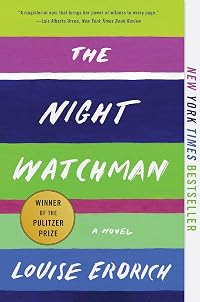
The Night Watchman
by Louise Erdrich
On This Page
Description
It is 1953. Thomas Wazhushk is the night watchman at the first factory to open near the Turtle Mountain Reservation in rural North Dakota. He is also a prominent Chippewa Council member, trying to understand a new bill that is soon to be put before Congress. The US Government calls it an 'emancipation' bill; but it isn't about freedom - it threatens the rights of Native Americans to their land, their very identity. How can he fight this betrayal? Unlike most of the girls on the reservation, show more Pixie - 'Patrice' - Paranteau has no desire to wear herself down on a husband and kids. She works at the factory, earning barely enough to support her mother and brother, let alone her alcoholic father who sometimes returns home to bully her for money. But Patrice needs every penny to get if she's ever going to get to Minnesota to find her missing sister Vera. In The Night Watchman multi-award winning author Louise Erdrich weaves together a story of past and future generations, of preservation and progress. She grapples with the worst and best impulses of human nature, illuminating the loves and lives, desires and ambitions of her characters with compassion, wit and intelligence. show lessTags
Recommendations

























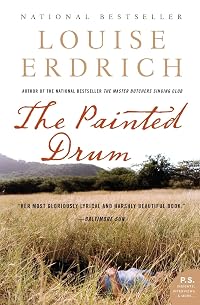






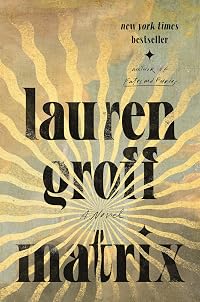

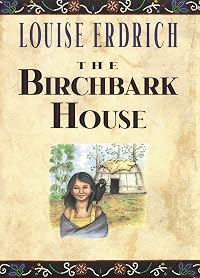
Member Recommendations
MM_Jones Indian Treaty disregard
Member Reviews
The Night Watchman - Erdrich
4.5 stars
This is the Erdrich book that was published in 2020. It won the 2021 Pulitzer prize for fiction. It’s a wonderful book. I liked it. I think I would have liked it more if I’d read it before Erdrich’s The Sentence (published in 2021). I guess the Pulitzer committee couldn’t honor an author two years in a row.
After reading an Erdrich book, I want to talk about the people, not ‘characters’, the people. They inhabit a real place and they walk right off the pages. The night watchman of this book, Thomas Wazhashk, is based on Erdrich's grandfather. As a tribal council leader, he is heading an effort to block a federal bill that seeks to ‘liberate’ or ‘terminate’ Native American tribal show more identity. It’s a depressing uphill effort that is constantly side tracked by the day to day struggles of the individuals and families of the Reservation community.
While Thomas struggles to prepare a delegation for a trip to Washington, Patrice (Pixie) Paranteau has her own long list of problems. She is proud of her job at the jewel bearing plant. She provides the only income for her mother and younger brother while protecting them and herself from her alcoholic father. Her much loved older sister is missing. Pixie’s search for her sister in Minneapolis is both comic and tragic. I’ve always enjoyed Erdrich satire. There is something comic about Pixie’s brief career as the Waterjack, but I wasn’t able to appreciate it. I was too frightened for her. I was too worried about Pixie to enjoy her as much as I enjoyed Tookie in The Sentence. I did enjoy Edith, the psychic dog, who assisted in the rescue of Pixie’s sister. Edith was a light in the darkness when I was feeling the pain of too much suffering.
The book meanders through petty jealousies and family traumas. There seems to be dozens of minor plotlines as dozens of characters interact. I’ve learned to trust that Erdrich will tie everything together before I turn the last page. With this book, I think the life events of so many characters creates a necessary atmosphere. The reservation is full of vibrant individuals. There’s a sense of the constant movement of intertwining lives. There are no cardboard, faceless characters. Real people struggling against the weight of real injustice. show less
4.5 stars
This is the Erdrich book that was published in 2020. It won the 2021 Pulitzer prize for fiction. It’s a wonderful book. I liked it. I think I would have liked it more if I’d read it before Erdrich’s The Sentence (published in 2021). I guess the Pulitzer committee couldn’t honor an author two years in a row.
After reading an Erdrich book, I want to talk about the people, not ‘characters’, the people. They inhabit a real place and they walk right off the pages. The night watchman of this book, Thomas Wazhashk, is based on Erdrich's grandfather. As a tribal council leader, he is heading an effort to block a federal bill that seeks to ‘liberate’ or ‘terminate’ Native American tribal show more identity. It’s a depressing uphill effort that is constantly side tracked by the day to day struggles of the individuals and families of the Reservation community.
While Thomas struggles to prepare a delegation for a trip to Washington, Patrice (Pixie) Paranteau has her own long list of problems. She is proud of her job at the jewel bearing plant. She provides the only income for her mother and younger brother while protecting them and herself from her alcoholic father. Her much loved older sister is missing. Pixie’s search for her sister in Minneapolis is both comic and tragic. I’ve always enjoyed Erdrich satire. There is something comic about Pixie’s brief career as the Waterjack, but I wasn’t able to appreciate it. I was too frightened for her. I was too worried about Pixie to enjoy her as much as I enjoyed Tookie in The Sentence. I did enjoy Edith, the psychic dog, who assisted in the rescue of Pixie’s sister. Edith was a light in the darkness when I was feeling the pain of too much suffering.
The book meanders through petty jealousies and family traumas. There seems to be dozens of minor plotlines as dozens of characters interact. I’ve learned to trust that Erdrich will tie everything together before I turn the last page. With this book, I think the life events of so many characters creates a necessary atmosphere. The reservation is full of vibrant individuals. There’s a sense of the constant movement of intertwining lives. There are no cardboard, faceless characters. Real people struggling against the weight of real injustice. show less
Last summer my husband and I met with the Blue Water Indigenous Alliance to donate an heirloom bible given to my husband's fourth-great-grandmother by John Riley, Ojibwe chief of the Black River Band. The bible is currently on display in the Port Huron Museum and will become part of a new museum highlighting native heritage in the Port Huron area.
The 1826 New Testament had been published by the American Bible Society without a binding. Someone encased it in thick, rich brown leather held together with coarse thread. The book has a gentle curve as if kept in a back pocket for a long time, the edge of the book worn away.
My husband's great-great-grandmother read that volume daily until the day of her death, and that made it special to her show more family, but to hold an artifact that once was in the pocket of their ancestor and kin was even more sacred to those of Native heritage gathered to accept it.
I have often thought about that meeting. For all my research on John Riley and my reading about Native American history, after that meeting I felt my otherness and my ignorance. I read the white man's histories and think I know Riley. What arrogance.
Reading The Night Watchman by Louise Erdrich reinforced my awareness of ignorance born of privilege in a European dominated society. I had never heard of the Indian Termination Policy being carried out just after the time of my birth. Natives were to be assimilated with all the rights of an American citizen. It was intended that individuals find work and become self-supporting and pay taxes. Reservations were taken out of Native control, health care and education no longer provided. Life was harsh before termination; it got worse after termination. It was 'extermination' under a new name.
Erdrich's novel is based on her grandfather's life and his successful endeavor to block the termination of the Turtle Mountain Reservation.
The night watchman is the hardworking hero of the story, a family man who works nights at the new factory that employs Ojibwe women to perform the delicate job of creating jewel bearings. He is determined to protect their reservation and people from termination, working around the clock and raising money to travel to Washington, D. C. to present their case before Congress. Their way of life, their community is threatened. They feel a deep connection to the land that supported their ancestors since time immemorial.
Patrice is one of the young Ojibwe women working at the factory. The job allows her to support her mother and brother. She dreams of going to university to study law. She tries to blend into European society but encounters racism and sexual harassment. Two men vie for her attention, unaware of her naivety about relationships and sex and desire.
When Patrice's sister Vera goes to the city disappears, she goes takes all her savings to look for her. It is a nightmarish trip into the depravity of the underside of the city, a place where young native women are vulnerable prey. She returns with Vera's baby.
It is hard to write about this novel. It left me with strong feelings, including deep shame for how the prevalent European society has treated Native Americans since we landed on these shores. Erdrich does not exploit our feelings, there is no melodramatic writing when describing chilling scenes of exploitation and abuse.
The courage and strength of the characters is inspirational. I loved how one love storyline was handled, showing that true love is communal and not about personal desire.
Fiction can educate and enlarge our limited experience. And I thank Erdrich for furthering my understanding.
I was given access to a free ebook by the publisher through NetGalley. My review is fair and unbiased. show less
The 1826 New Testament had been published by the American Bible Society without a binding. Someone encased it in thick, rich brown leather held together with coarse thread. The book has a gentle curve as if kept in a back pocket for a long time, the edge of the book worn away.
My husband's great-great-grandmother read that volume daily until the day of her death, and that made it special to her show more family, but to hold an artifact that once was in the pocket of their ancestor and kin was even more sacred to those of Native heritage gathered to accept it.
I have often thought about that meeting. For all my research on John Riley and my reading about Native American history, after that meeting I felt my otherness and my ignorance. I read the white man's histories and think I know Riley. What arrogance.
Reading The Night Watchman by Louise Erdrich reinforced my awareness of ignorance born of privilege in a European dominated society. I had never heard of the Indian Termination Policy being carried out just after the time of my birth. Natives were to be assimilated with all the rights of an American citizen. It was intended that individuals find work and become self-supporting and pay taxes. Reservations were taken out of Native control, health care and education no longer provided. Life was harsh before termination; it got worse after termination. It was 'extermination' under a new name.
Erdrich's novel is based on her grandfather's life and his successful endeavor to block the termination of the Turtle Mountain Reservation.
The night watchman is the hardworking hero of the story, a family man who works nights at the new factory that employs Ojibwe women to perform the delicate job of creating jewel bearings. He is determined to protect their reservation and people from termination, working around the clock and raising money to travel to Washington, D. C. to present their case before Congress. Their way of life, their community is threatened. They feel a deep connection to the land that supported their ancestors since time immemorial.
Patrice is one of the young Ojibwe women working at the factory. The job allows her to support her mother and brother. She dreams of going to university to study law. She tries to blend into European society but encounters racism and sexual harassment. Two men vie for her attention, unaware of her naivety about relationships and sex and desire.
When Patrice's sister Vera goes to the city disappears, she goes takes all her savings to look for her. It is a nightmarish trip into the depravity of the underside of the city, a place where young native women are vulnerable prey. She returns with Vera's baby.
It is hard to write about this novel. It left me with strong feelings, including deep shame for how the prevalent European society has treated Native Americans since we landed on these shores. Erdrich does not exploit our feelings, there is no melodramatic writing when describing chilling scenes of exploitation and abuse.
The courage and strength of the characters is inspirational. I loved how one love storyline was handled, showing that true love is communal and not about personal desire.
Fiction can educate and enlarge our limited experience. And I thank Erdrich for furthering my understanding.
I was given access to a free ebook by the publisher through NetGalley. My review is fair and unbiased. show less
Louise Erdrich’s The Night Watchman arrives right on time for many Americans as we take a hard look at how our country treats and treated BIPOC. Through a variety of voices and characters, she looks at a Chippewa community in rural North Dakota in the 1950s as they face the government’s most recent disgraceful and heinous actions toward indigenous peoples--what would come to be known as the Termination Acts. Based loosely on the life of her grandfather, Erdrich explores themes of family, love, government, freedoms while giving us deeply drawn and memorable characters. The Night Watchman is not an easy book, but it is a rewarding one for readers of historical fiction, US history, and family sagas.
this review is for the audiobook edition, narrated by he author.
louise erdrich is such a gift to the literary world!
in this novel, she is focusing on time in the mid-1950s, when the US government intended to "free" Native Americans from federal supervision. of course, as witnessed again and again in history, the government's true intention was the abrogation of treaties, termination of tribal rights, and - ultimately - total abandonment of native americans already impoverished by centuries of genocidal policies. "known now as Termination, it was an insidious way to separate Native Americans from the landholdings and resources they’d secured, and the obligations the united states government had agreed to in removing them from their show more original homelands." in fact, in support of how heinous the government intentions, erdrich quite cleverly uses actual quotes from termination supporter senator watkins - a deplorable racist of a human being.
yes, this is very much a political story. erdrich, though, balances this with a tender and difficult coming-of-age story, along with the representative story of the turtle mountain community as a whole.
erdrich's writing is gorgeous - how she uses language is truly beautiful. this is a very layered and nuanced book, animated by intricately developed characters.
as far as her narration: perfection! erdrich has a wonderful voice. she truly brought the characters into full focus, and easily conveyed the emotions, challenges, dynamics, and journeys. for a story (and a history) so rife with cruelty and injustice, the rational calmness and eloquence erdrich possesses shows an incredible amount of grace.
i selfishly hope erdrich will write more about patrice and wood mountain and vera. they are such rich characters - i grew quite attached and really am not ready to say goodbye. show less
louise erdrich is such a gift to the literary world!
in this novel, she is focusing on time in the mid-1950s, when the US government intended to "free" Native Americans from federal supervision. of course, as witnessed again and again in history, the government's true intention was the abrogation of treaties, termination of tribal rights, and - ultimately - total abandonment of native americans already impoverished by centuries of genocidal policies. "known now as Termination, it was an insidious way to separate Native Americans from the landholdings and resources they’d secured, and the obligations the united states government had agreed to in removing them from their show more original homelands." in fact, in support of how heinous the government intentions, erdrich quite cleverly uses actual quotes from termination supporter senator watkins - a deplorable racist of a human being.
yes, this is very much a political story. erdrich, though, balances this with a tender and difficult coming-of-age story, along with the representative story of the turtle mountain community as a whole.
erdrich's writing is gorgeous - how she uses language is truly beautiful. this is a very layered and nuanced book, animated by intricately developed characters.
as far as her narration: perfection! erdrich has a wonderful voice. she truly brought the characters into full focus, and easily conveyed the emotions, challenges, dynamics, and journeys. for a story (and a history) so rife with cruelty and injustice, the rational calmness and eloquence erdrich possesses shows an incredible amount of grace.
i selfishly hope erdrich will write more about patrice and wood mountain and vera. they are such rich characters - i grew quite attached and really am not ready to say goodbye. show less
The Night Watchman tells the entwined stories of people of the Turtle Mountain Band of Chippewa in the 1950s, at the time when the U.S. Congress has introduced a resolution to terminate the tribe.
This novel is based on historical fact: House Concurrent Resolution 108 of 1953 sought to terminate many tribes in several states, including Turtle Mountain. Author Erdrich’s grandfather was the inspiration for protagonist Thomas Wazhashk, the titular night watchman.
Thomas Wazhashk is a night watchman at the DoD jewel bearing plant, where many of the Turtle Mountain women work, including Thomas’s niece Pixie, a.k.a. Patrice. Thomas is also tribal chairman and is troubled by how to respond to the Termination Act. He writes legislators and show more BIA officials, gets signatures on petitions, and organizes a fundraiser to send a delegation from the tribe to Washington to speak at the Congressional hearing against the resolution. He is also visited by the spirit of his friend Rodrick, who died at the boarding school they both were sent to.
It also tells Patrice’s story: Her sister Vera has gone missing in Minneapolis, and Patrice makes a trip to look for her. There we get a horrifying glimpse of the drug and sex trafficking that can await Native American women looking for work in the big cities.
As is often true of Erdrich’s novels, despite honesty about the injustice, racism, abuse, addiction, and poverty that threaten Native Americans, she also shows us how friendship, family, community, and culture can form a safety net, without being didactic or polemical. Her characters are complex and interesting, and their stories touch your heart. show less
This novel is based on historical fact: House Concurrent Resolution 108 of 1953 sought to terminate many tribes in several states, including Turtle Mountain. Author Erdrich’s grandfather was the inspiration for protagonist Thomas Wazhashk, the titular night watchman.
Thomas Wazhashk is a night watchman at the DoD jewel bearing plant, where many of the Turtle Mountain women work, including Thomas’s niece Pixie, a.k.a. Patrice. Thomas is also tribal chairman and is troubled by how to respond to the Termination Act. He writes legislators and show more BIA officials, gets signatures on petitions, and organizes a fundraiser to send a delegation from the tribe to Washington to speak at the Congressional hearing against the resolution. He is also visited by the spirit of his friend Rodrick, who died at the boarding school they both were sent to.
It also tells Patrice’s story: Her sister Vera has gone missing in Minneapolis, and Patrice makes a trip to look for her. There we get a horrifying glimpse of the drug and sex trafficking that can await Native American women looking for work in the big cities.
As is often true of Erdrich’s novels, despite honesty about the injustice, racism, abuse, addiction, and poverty that threaten Native Americans, she also shows us how friendship, family, community, and culture can form a safety net, without being didactic or polemical. Her characters are complex and interesting, and their stories touch your heart. show less
In the early 1950s, news of a new "emancipation" bill from the US Congress reaches Thomas Wazhashk, a Chippewa council member and resident of the Turtle Mountain Reservation in rural North Dakota. The bill threatens to terminate the rights, identity, and sheer existence, of Thomas's Native American reservation community. Louise Erdrich, the author, models Thomas on the life of her grandfather who fought against the termination of the Turtle Mountain Reservation in the same era.
Thomas is the night watchman, or security guard, for a relatively new jewel-bearing plant near the reservation. Patrice Paranteau is recent high school graduate working at the jewel-bearing plant to support her mother and younger brother. While Thomas fights for show more the existence of their Native American community, Patrice journeys to save her sister, Vera, who disappeared after moving to Minneapolis. Meanwhile, a cast of characters in the reservation community explore themes of love, family and exploitation, and bring subtle humor to the story.
Following Thomas and Patrice's stories was a delightful treat. This book shares a story that needed to be told, and the beauty of Erdrich's prose, along with her deep research and understanding of the topic, do the story justice. This novel is packed full of characters--Wood Mountain, Juggie, Valentine, Barnes, and more--capturing the far-reaching but study definition of family in the reservation community. The prose captures beautiful dream sequences and reservation lore--in particular, the muskrat story will stick with me--that deepen the story.
Yet, in the end, The Night Watchman left me wanting more. I wished for more of Vera's story, which felt cut abruptly short. I wished for a deeper exploration of Millie and Rose and Zhanaat. Erdrich has begun to develop fascinating characters, and I wish to see them develop even more.
This is my first Louise Erdrich novel, and I look forward to reading many more. show less
Thomas is the night watchman, or security guard, for a relatively new jewel-bearing plant near the reservation. Patrice Paranteau is recent high school graduate working at the jewel-bearing plant to support her mother and younger brother. While Thomas fights for show more the existence of their Native American community, Patrice journeys to save her sister, Vera, who disappeared after moving to Minneapolis. Meanwhile, a cast of characters in the reservation community explore themes of love, family and exploitation, and bring subtle humor to the story.
Following Thomas and Patrice's stories was a delightful treat. This book shares a story that needed to be told, and the beauty of Erdrich's prose, along with her deep research and understanding of the topic, do the story justice. This novel is packed full of characters--Wood Mountain, Juggie, Valentine, Barnes, and more--capturing the far-reaching but study definition of family in the reservation community. The prose captures beautiful dream sequences and reservation lore--in particular, the muskrat story will stick with me--that deepen the story.
Yet, in the end, The Night Watchman left me wanting more. I wished for more of Vera's story, which felt cut abruptly short. I wished for a deeper exploration of Millie and Rose and Zhanaat. Erdrich has begun to develop fascinating characters, and I wish to see them develop even more.
This is my first Louise Erdrich novel, and I look forward to reading many more. show less
Essentially, this is a story about courage. About the courage of Thomas Wazhashk, who rallies his tribe, the Turtle Mountain Chippewa, to resist efforts by a U.S. Senator to terminate their tribe, despite the personal price this exacts on his family and health. The courage of Patrice “Pixie” Paranteau, abandoning the safety of her reservation to search for a sister who is being sexually trafficked by dangerous criminals. The courage of Zhaanat, Pixie’s mother, struggling to shield her family from extreme poverty and a drunken, abusive father while simultaneously operating as the spiritual core of her tribe. The courage of Wood Mountain, the ambitious young boxer who trades his ambition for love and principle. The courage of show more college student Milly Cloud, overcoming OCD and anxiety to testify before Congress on behalf of the tribe. The courage of Roderick, who sacrificed his life to preserve his childhood friends from abuse at a cruel boarding school (and whose ghost occasionally reappears to narrate portions of the story). The courage of men fighting a never-ending battle against the temptations of alcohol, of young women discovering the scope of their personal power, of people fighting for the values they believe in.
Beneath all this courage runs a strong undercurrent of faith. Erdrich explores a variety of them: the Catholicism imposed on Native Americans in government-run boarding school; the Mormonism of the two missionaries, Elnath and Vernon, dispatched to the town to save souls; the indigenous faith of the Chippewa, grounded in a reverence for the natural order. All three, she implies, may be based on equally preposterous myths, but that’s not what matters – what matters is whether a person’s faith provides the spiritual comfort that they require to make sense of a world too often ruled by cruelty, racism, and injustice. (Spoiler: In this particular novel, Mormonism definitely doesn’t pass the test!)
Perhaps the thing I most appreciated about this novel is the complexity of the characters, the male characters in particular. Some are whiny drunks, but others are incredibly nurturing. Some racist or misogynistic, but others unquestioningly respectful. Some weak, but others quietly honorable. What emerges is a narrative that feels like it honestly represents the flawed but proud human community of Turtle Mountain.
Erdrich is one of the best storytellers out there, and this definitely belongs among her best. Her pacing is terrific: she understands how to allow a story to reveal itself organically rather than force it into a plot structure. Her voice is original and lyric. (When you read something by Erdrich, you know you’re reading something by Erdrich.) The modest incorporation of magical realism – a talking dog, a ghost, dream quests – operates as an organic element of the narrative rather than a distracting literary device. Her representation of Native American identity and spiritualism is respectful but also sometimes disarmingly irreverent. Above all, her enormous empathy for the characters infuses every page of this lovely, engrossing, often quite funny tale. I’m entirely comfortable recommending this without any qualms or reservations. show less
Beneath all this courage runs a strong undercurrent of faith. Erdrich explores a variety of them: the Catholicism imposed on Native Americans in government-run boarding school; the Mormonism of the two missionaries, Elnath and Vernon, dispatched to the town to save souls; the indigenous faith of the Chippewa, grounded in a reverence for the natural order. All three, she implies, may be based on equally preposterous myths, but that’s not what matters – what matters is whether a person’s faith provides the spiritual comfort that they require to make sense of a world too often ruled by cruelty, racism, and injustice. (Spoiler: In this particular novel, Mormonism definitely doesn’t pass the test!)
Perhaps the thing I most appreciated about this novel is the complexity of the characters, the male characters in particular. Some are whiny drunks, but others are incredibly nurturing. Some racist or misogynistic, but others unquestioningly respectful. Some weak, but others quietly honorable. What emerges is a narrative that feels like it honestly represents the flawed but proud human community of Turtle Mountain.
Erdrich is one of the best storytellers out there, and this definitely belongs among her best. Her pacing is terrific: she understands how to allow a story to reveal itself organically rather than force it into a plot structure. Her voice is original and lyric. (When you read something by Erdrich, you know you’re reading something by Erdrich.) The modest incorporation of magical realism – a talking dog, a ghost, dream quests – operates as an organic element of the narrative rather than a distracting literary device. Her representation of Native American identity and spiritualism is respectful but also sometimes disarmingly irreverent. Above all, her enormous empathy for the characters infuses every page of this lovely, engrossing, often quite funny tale. I’m entirely comfortable recommending this without any qualms or reservations. show less
Members
- Recently Added By
Published Reviews
Louise Erdrich’s The Night Watchman is a singular achievement even for this accomplished writer. ... Erdrich, like her grandfather, is a defender and raconteur of the lives of her people. Her intimate knowledge of the Native American world in collision with the white world has allowed her, over more than a dozen books, to create a brilliantly realized alternate history as rich as show more Faulkner’s Yoknapatawpha County, Mississippi. The Night Watchman arrives in the midst of an impassioned debate over how American citizenship should be defined. As the author writes in an afterword: “If you should ever doubt that a series of dry words in a government document can shatter spirits and demolish lives, let this book erase that doubt. Conversely, if you should be of the conviction that we are powerless to change those dry words, let this book give you heart.” show less
added by Lemeritus
Louise Erdrich is one of our era’s most powerful literary voices. Whether writing of love, enmity, or ambition, her descriptions feel resonant, yet arresting in their originality. Her portraits of reservation life in the northern Midwest also make her one of this generation’s most important Native American writers. Erdrich’s fictional communities are characterized by intense and show more ambivalent relationships – of lovers, rivals, and mothers and daughters. Rather than centering on an individual or a single family, she creates networks of families, emphasizing their interrelatedness, their shared past, and the land they inhabit, building a compelling alternative world – one that is always under siege. ... We need more of these stories that recount collective resistance and the small victories that can accompany it, while also recognizing the toll they take (economically, physically, emotionally) on individuals and communities. There’s a need, too, to be more honest about the way our country’s policies have negatively affected generations of Native Americans. “The Night Watchman” may be set in the 1950s, but the history it unearths and its themes of taking a stand against injustice are every bit as timely today. show less
added by Lemeritus
The Night Watchman is indeed historical, thoroughly researched, rich with cultural and topical detail. However, what engages the reader most deeply are Erdrich’s characters: people, ghosts, even animals. As for the human cast, some of them are directly involved in responding to the legislative threat; others just live their complicated, difficult lives. ... Both the story of the tribe and show more the story of the individual family plumb grim history and circumstances, but the novel is neither grim nor a lament. Rather, it is a tale of resistance, courage, and love prevailing against the odds. Some readers may question such optimism and hope and doubt the tentative, nuanced resolutions achieved by the tribe and Thomas’ family. But any reader in this present, dark winter of 2020 open to reminders of what a few good people can do will find The Night Watchman bracing and timely. show less
added by Lemeritus
Lists

Pulitzer Prize Winners for Fiction
102 works; 54 members

Recommend the 20 best books you've read in the last five years
2,168 works; 606 members

Native American / Indigenous Literature
172 works; 100 members

Top Five Books of 2020
982 works; 350 members

Sense of place
156 works; 13 members

Female Author
1,235 works; 65 members

Phi Beta Kappa reading list
260 works; 8 members

Books Set in North Dakota
8 works; 4 members

Books Read in 2022
5,166 works; 112 members

Netgalley Reads
460 works; 3 members

Books Read in 2021
5,361 works; 113 members

Top Five Books of 2022
736 works; 272 members

Fiction Published in 2020
32 works; 1 member
Author Information

70+ Works 45,346 Members
Karen Louise Erdrich was born on June 7, 1954 in Little Falls, Minnesota. Erdrich grew up in Wahpeton, North Dakota, where both of her parents were employed by the Bureau of Indian Affairs. She is a member of the Turtle Mountain Band of Chippewa. Erdrich graduated from Dartmouth College in 1976 with an AB degree, and she received a Master of Arts show more in creative writing from Johns Hopkins University in 1979. Erdrich published a number of poems and short stories from 1978 to 1982. In 1981 she married author and anthropologist Michael Dorris, and together they published The World's Greatest Fisherman, which won the Nelson Algren Award in 1982. In 1984 she won the National Book Critics Circle Award for Love Medicine, which is an expansion of a story that she had co-written with Dorris. Love Medicine was also awarded the Virginia McCormick Scully Prize (1984), the Sue Kaufman Prize (1985) and the Los Angeles Times Award for best novel (1985). In addition to her prose, Erdrich has written several volumes of poetry, a textbook, children's books, and short stories and essays for popular magazines. She has been the recipient of numerous awards for professional excellence, including the National Magazine Fiction Award in 1983 and a first-prize O. Henry Award in 1987. Erdrich has also received the Pushcart Prize in Poetry, the Western Literacy Association Award, the 1999 World Fantasy Award, and the Scott O'Dell Award for Historical Fiction in 2006. In 2007 she refused to accept an honorary doctorate from the University of North Dakota in protest of its use of the "Fighting Sioux" name and logo. Erdrich's novel The Round House made the New York Times bestseller list in 2013. Her other New York Times bestsellers include Future Home of the Living God (2017). (Bowker Author Biography) show less
Some Editions
Awards and Honors
Awards
Distinctions
Notable Lists
Series
Belongs to Publisher Series
Common Knowledge
- Canonical title
- The Night Watchman
- Original title
- The Night Watchman
- Original publication date
- 2020-03-03
- People/Characters
- Patrice "Pixie" Paranteau; Thomas Wazhashk; Wood Mountain; Zhaanat Paranteau; Eddy Mink; Lloyd "Hay Stack" Barnes (show all 8); Valentine Blue; Roderick
- Important places
- Turtle Mountain Reservation, North Dakota, USA; Minneapolis, Minnesota, USA; Washington, D.C., USA
- Important events
- Termination Act (HCR 108)
- Dedication
- To Aunishenaubay, Patrick Gourneau; to his daughter Rita, my mother; and to all of the American Indian leaders wo fought against termination.
Afterword: My Grandfather's Letters-Aunishenaubay, Patrick Gourneau, was the chairman of the Turtle Mountain Band of Chippewa Advisory Committee during the mid-1950s, supposedly the golden age for America, but in reality a ti... (show all)me when Jim Crow reigned and American Indians were at the nadir of power--our traditional religions outlawed, our land base continually and illegally seized (even as now) by resource extraction companies, our languages weakened by government boarding schools. - First words
- Thomas Wazhashk removed his thermos from his armpit and set it on the steel desk alongside his scuffed briefcase.
- Quotations
- Patrice had come to think that humans treated the concept of God, or Gizhe Manidoo, or the Holy Ghost, in a childish way. She was pretty sure that the rules and trappings of ritual had nothing to do with God, that they were w... (show all)ays for people to imagine they were doing things right in order to escape from punishment, or harm, like children. She had felt the movement of something vaster, impersonal yet personal, in her life. She thought that maybe people in contact with that nameless greatness had a way of catching at the edges, a way of being pulled along or even entering this thing beyond experience.
“Holding out through every kind of business your folks could throw our way. Holding out why? Because we can’t just turn into regular Americans. We can look like it, sometimes. Act like it, sometimes. But inside we are not... (show all). We’re Indians.”
“But see here,” said Barnes. “I’m German, Norwegian, Irish, English. But overall, I’m American. What’s so different?” Thomas gave him a calm and assessing look. “All of those are countries out of Europe. My br... (show all)other was there. World War Two.” “Yes, but all are different countries. I still don’t understand it.” “We’re from here,” said Thomas.
“Good thing you don’t have to. I can’t turn all the way into a white man, either. That’s how it is. I can talk English, dig potatoes, take money into my hand, buy a car, but even if my skin was white it wouldn’t mak... (show all)e me white. And I don’t want to give up our scrap of home. I love my home.”
Thomas looked at the big childish man with his vigorous corn-yellow cowlicks and watery blue eyes. Not for the first time, he felt sorry for a white fellow. There was something about some of them—their sudden thought that t... (show all)o become an Indian might help. Help with what? Thomas wanted to be generous. But also, he resisted the idea that his endless work, the warmth of his family, and this identity that got him followed in stores and ejected from restaurants and movies, this way he was, for good or bad, was just another thing for a white man to acquire. “No,” he said gently, “you could not be an Indian. But we could like you anyway.”
Driving to work had become ever more filled with dread. Dread that he would not be able to stay awake. Dread that on the other hand, he might never sleep again. Dread of the situation, ungraspable in its magnitude. Loneliness... (show all). The forces he was up against were implacable and distant. But from their distance they could reach out and sweep away an entire people.
In all, 113 tribal nations suffered the disaster of termination; 1.4 million acres of tribal land was lost. Wealth flowed to private corporations, while many people in terminated tribes died early, in poverty. Not one tribe p... (show all)rofited. By the end, 78 tribal nations, including the Menominee, led by Ada Deer, regained federal recognition; 10 gained state but not federal recognition; 31 tribes are landless; 24 are considered extinct. - Last words
- (Click to show. Warning: May contain spoilers.)And the workers regained their coffee break.
(Click to show. Warning: May contain spoilers.)Afterword: Conversely, if you should be of the conviction that we are powerless to change those dry words, let this book give you heart. - Publisher's editor*
- Spectrum
- Original language
- English
- Canonical DDC/MDS
- 813.54
- Canonical LCC
- PS3555.R42
*Some information comes from Common Knowledge in other languages. Click "Edit" for more information.
Classifications
Statistics
- Members
- 2,922
- Popularity
- 6,134
- Reviews
- 109
- Rating
- (4.10)
- Languages
- 6 — Dutch, English, French, German, Italian, Spanish
- Media
- Paper, Audiobook, Ebook
- ISBNs
- 26
- ASINs
- 9